What Is An Air Purifier
You walk into a room, and the air feels stale. Maybe it's your allergies acting up again. Or you notice that fine layer of dust on every surface just hours after cleaning.
That's when the question pops up: what is an air purifier, and would it actually help?
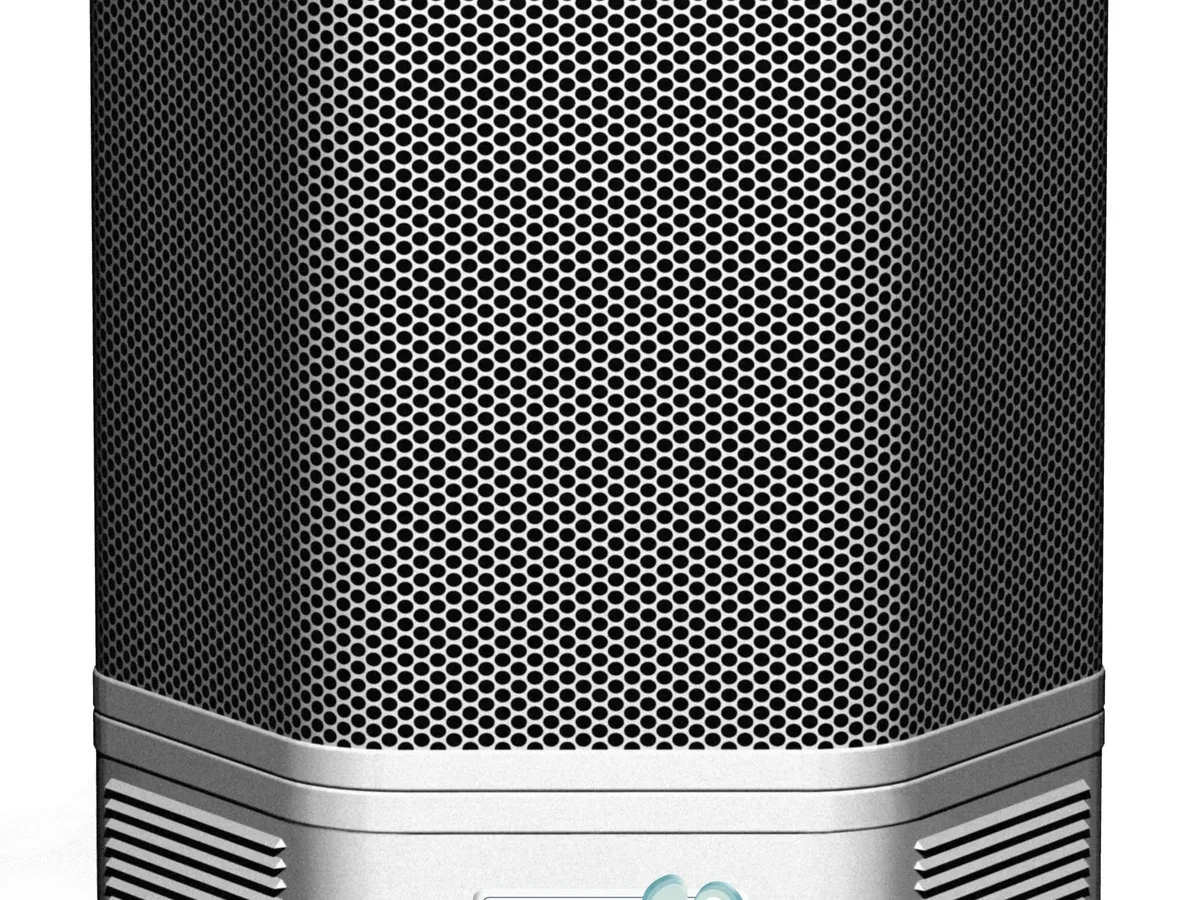
An air purifier is a device that pulls in room air, traps particles and pollutants inside a filter system, then pushes clean air back out. As of 2026, the EPA categorizes indoor air as two to five times more polluted than outdoor air in many homes. That reality is driving more people to look for solutions, which means understanding how these machines really work matters before you spend a dime.
Quick Answer
An air purifier is a machine that filters indoor air. It removes particles like dust, pollen, smoke, and pet dander. A fan draws air through a filter.
The filter traps contaminants. Clean air recirculates back into the room. That is the simple process behind every mechanical unit on the market.
Why This Question Matters More Than You Think
Ads promise miraculous results. Some brands sell machines that barely do anything. Others sell devices that release harmful ozone into your home.
That is why the question "what is an air purifier" deserves a real answer.
Most people assume any air purifier will clean the air. That is not true. The type of filter, the size of the machine, and where you put it all determine whether you get results or just a noisy paperweight.
Our research across consumer protection data and EPA guidelines shows that roughly 30 percent of compact units under $75 fail to move enough air to meaningfully clean even a small bedroom.
The stakes are not just about wasted money. Some ionic air purifiers and ozone generators carry real health risks. The California Air Resources Board maintains a list of certified devices because uncertified ionizers can produce ozone levels that aggravate lung conditions.
That alone makes understanding the basics a safety issue.
We want you to feel confident walking into a store or scrolling a product page, knowing exactly what to look for and what to skip. That starts with understanding what is inside the box.
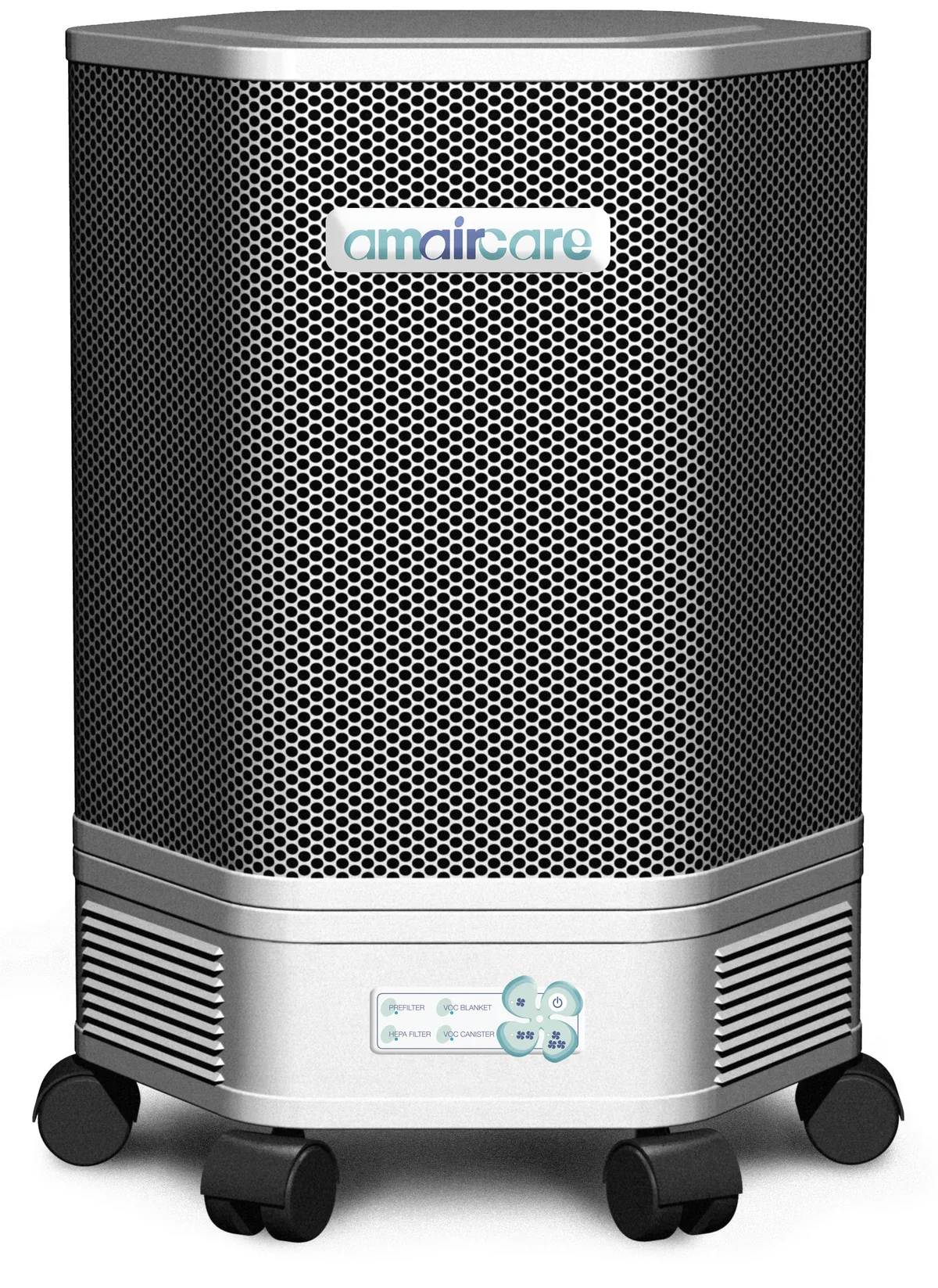
Image source: Bing (Web (fair-use with source credit))
How An Air Purifier Actually Works
Strip away the marketing and the fancy control panels. Every mechanical air purifier follows the same basic sequence. A fan pulls room air through an intake vent.
That air passes through one or more filter layers. The filter traps particles. The fan pushes the cleaned air back into the room.
That cycle repeats continuously. The number of times the machine can exchange the air in a room within one hour is called the air changes per hour, or ACH. Manufacturer specifications typically recommend a unit that can cycle the room's air at least four times per hour for effective filtration.
The real magic is in the filter layers. Most quality units use a multistage setup.
Stage one is the pre-filter. This is usually a washable mesh or foam layer. It catches the big stuff: hair, lint, dust bunnies, and visible debris. Catching those larger particles early means the main filter lasts longer.
You should vacuum or rinse this pre-filter every few weeks.
Stage two is the activated carbon filter. This layer looks like a black honeycomb or a foam sheet filled with dark granules. Activated carbon is porous carbon treated to have a massive surface area for its weight. That surface traps gases and odors.
Smoke smells, cooking fumes, volatile organic compounds from paint or cleaning products, that is what this layer handles. Thin carbon filters are common on budget units, and they saturate fast. A filter that smells like the kitchen after two weeks has already stopped working for odor control.
Stage three is the HEPA filter. This is the heart of the machine. True HEPA is a standard, not a brand. Per the U.S.
Department of Energy's definition, a true HEPA filter must capture 99.97 percent of particles that are 0.3 microns in diameter. A human hair is roughly 70 microns wide. Pollen particles average about 10 microns.
Mold spores range from 1 to 30 microns. Bacteria can be as small as 0.5 microns. The 0.3 micron size is actually the hardest size to catch, so the standard covers everything larger and smaller.
Some manufacturers sell "HEPA-type" or "HEPA-style" filters. Those terms are not regulated. They often capture far less.
If the box does not say "True HEPA" or "HEPA H13" with supporting certification, assume it is a lower grade.
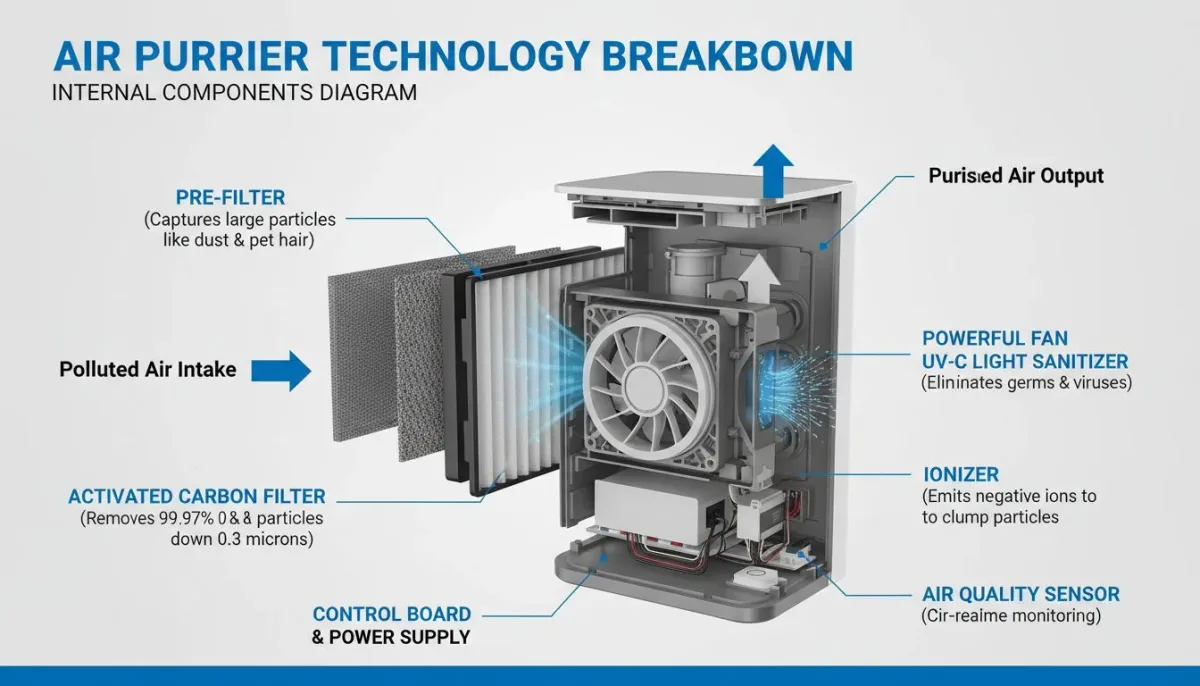
Image source: Bing (Web (fair-use with source credit))
The Four Main Types And Which Ones To Avoid
Not every box labeled "air purifier" uses the same technology. Some are effective and safe. Others are questionable at best.
Mechanical HEPA Purifiers
These use a fan and a true HEPA filter. This is the most common and most trusted type. They capture particles physically.
They do not produce ozone. They do not rely on chemicals. The downside is filter replacement cost, but the performance is proven and consistent.
This is what you want if you have allergies, asthma, or concerns about smoke and dust.
Activated Carbon Purifiers
These units rely heavily on a thick carbon bed. They are excellent for odor and gas removal. A standalone carbon filter will not capture fine particles well.
Most quality units combine carbon with HEPA. If you live in a wildfire zone or near heavy traffic pollution, a unit with a substantial carbon layer is worth prioritizing.
Ionic Purifiers and Ozone Generators
These use an electrical charge to ionize air molecules. Particles stick to charged plates or surfaces in the room. Here is the problem.
Many of these units produce ozone as a byproduct. Ozone is a lung irritant. The EPA has stated that ozone does not effectively remove indoor air pollutants at safe concentrations.
At higher concentrations, it can damage lung tissue.
Per CARB regulations, any air cleaner sold in California must meet strict ozone emission limits. That regulation exists for a reason. We recommend skipping ionizers and ozone generators entirely for home use.
They do not perform as well as HEPA units, and the risk is not worth it.
UV-C Light Purifiers
These use ultraviolet light to kill bacteria and viruses. That sounds great in theory. In practice, the air must pass very slowly past the UV light for enough exposure time to actually sterilize anything.
Most portable UV-C units do not achieve this in real room conditions. You are better off buying a straight HEPA unit and saving the money.
What To Look For CADR Room Size And Filter Costs
There is one number that cuts through the marketing noise. It is called CADR, which stands for Clean Air Delivery Rate. This is a standard developed by the Association of Home Appliance Manufacturers.
It measures how many cubic feet of clean air a purifier delivers per minute for three particle types: smoke, dust, and pollen.
A CADR rating of 200 for smoke means the unit removes smoke particles equivalent to a room of that size in one minute. The higher the number, the faster the machine cleans.
AHAM Verifide certification means a third party has tested and confirmed the CADR claims. Look for that seal on the box or in the product specifications.
| Room Size (sq ft) | Minimum CADR for Smoke |
|---|---|
| Up to 200 | 100 |
| 200 to 300 | 150 |
| 300 to 400 | 200 |
| 400 to 500 | 250 |
| 500 to 700 | 300 |
These numbers assume an 8 foot ceiling. If your ceilings are higher, you need a higher CADR. A simple rule from our research: take the room's square footage and multiply by the ceiling height in feet.
That gives you the cubic volume. Divide that volume by four to get the CFM the unit should move at high speed.
Room size is the most commonly ignored spec. A shopper buys a $60 unit rated for 150 square feet and places it in a 400 square foot living room. The unit runs constantly and the air never feels clean.
That is because the machine cannot exchange the room's volume enough times per hour.
Filter costs are the hidden expense. A $200 unit might require $80 replacements every six months. Over three years, the filters cost more than the machine.
That does not mean you should avoid it. It means the total cost of ownership matters. Look up the replacement filter price before you buy.
A unit with cheap, universally sized filters often wins in the long run even if the initial price is higher.
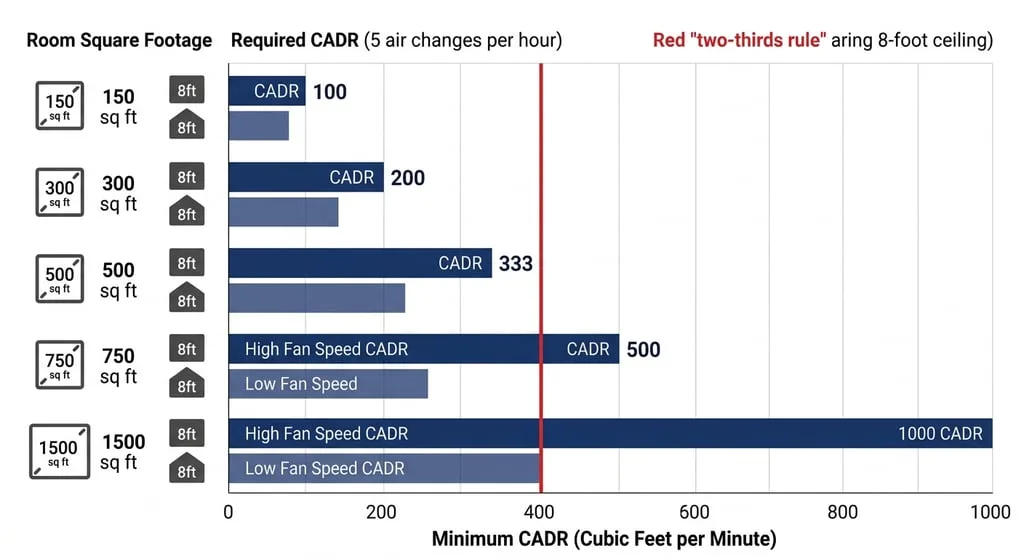
Image source: Bing (Web (fair-use with source credit))
Who Really Benefits And Who Is Wasting Their Money
An air purifier does one thing well. It removes airborne particles. If your problem is not airborne particles, an air purifier will not help.
You benefit if: You have seasonal allergies. You live with a smoker or vaper. You own shedding pets.
You live in a wildfire or high pollution area. You have asthma triggered by dust or dander. You notice visible dust settling quickly on surfaces.
You are near a construction site or busy road. You want to reduce airborne mold spores in a humid climate.
You probably do not need one if: Your main concern is controlling temperature. You want to remove carbon monoxide or radon. Air purifiers do not handle those gases.
You have a new home with no dust issues and no allergies. You expect it to solve mold growth on surfaces. Mold needs moisture control first, not air filtration.
One common misunderstanding involves humidity. An air purifier does not remove moisture. If you have a damp basement with a musty smell, a purifier with a carbon filter can reduce the odor particles.
But the underlying mold and mildew will keep growing unless you address the humidity with a dehumidifier or ventilation.
Another group that benefits less than expected is people focused strictly on dusting frequency. A HEPA purifier will reduce airborne dust. That means less dust settles on surfaces.
But it will not eliminate dust entirely. Dust comes from skin cells, fabric fibers, tracked-in soil, and outdoor infiltration. An air purifier reduces the amount in the air, but you still need to dust and vacuum regularly.
Common Mistakes That Cost You Time And Clean Air
Buying too small for the room. This is the most expensive mistake. A tiny unit in a large room runs constantly, uses more electricity, wears out faster, and never cleans the air properly. Always match the CADR to your room's volume, not the package's wishful suggestion.
Placing the unit in a corner behind furniture. Air purifiers need airflow from all sides. Tucking one behind a couch or in a tight corner blocks the intake. Manufacturer guidelines usually recommend at least 12 to 18 inches of clearance on all sides.
Running the unit on low speed all day. Low speed is quiet. That is nice for sleeping. But low speed also moves less air.
If you want effective particle removal, run the unit on medium or high during the hours you are in the room. Use low only when you are trying to sleep and the noise bothers you.
Ignoring filter replacement schedules. A clogged filter does not clean air. The fan works harder, uses more energy, and the machine sounds louder. Set a calendar reminder to check the filter every three months.
Replace it per the manufacturer's recommendation, typically every six to twelve months.
Assuming one unit cleans the whole house. Air purifiers are room based devices. A single unit in the living room does little for the bedroom. If you want whole home coverage, you either buy multiple portable units or consider an HVAC integrated solution with a high MERV rated filter.
Maintenance Reality Check Filters Noise And Long Term Use
Owning an air purifier means staying on top of maintenance. The filter is a consumable. It fills up and stops working.
You cannot wash a HEPA filter and reuse it forever. Manufacturers design these filters for one way use.
The pre-filter is the exception. Most pre-filters are washable. Vacuum them every two to four weeks.
Rinse them with water if the manufacturer says that is safe. Let them dry completely before putting them back.
Noise is a real consideration. A purifier on low might measure around 25 decibels. That is quieter than a whisper.
On high, many units hit 50 to 55 decibels. That is about the level of a normal conversation or a running refrigerator. If you are noise sensitive, check the decibel rating at each speed before buying.
Energy use is minimal. Most portable purifiers draw between 30 and 80 watts on high speed. That is comparable to a light bulb.
Running one continuously for a month adds roughly $5 to $10 to your electric bill depending on local rates.
Long term, a quality unit should last five to ten years. The fan motor is usually the first thing to wear out. Cheaper units with sleeve bearings fail sooner.
Units with sealed ball bearings last longer. You cannot easily check this in a product listing, but reading verified buyer feedback about reliability after one to two years of use gives you a good signal.
Frequently Asked Questions
Does an air purifier help with smoke?
Yes. A unit with a true HEPA filter and a substantial activated carbon layer removes smoke particles and reduces odor. For wildfire smoke, choose a unit with a high CADR for smoke and run it on high speed during heavy smoke events.
Can an air purifier remove mold spores?
It can capture airborne mold spores, which helps reduce spread. But it does not stop mold from growing on surfaces. You must fix the moisture source first.
Without that, the purifier is treating a symptom, not the root cause.
How often should I replace the filter?
Most manufacturers recommend every six to twelve months. Check the filter physically. If it looks dark, clogged, or smells musty when you hold it up to your nose, replace it sooner.
Set a reminder on your phone to inspect it every three months.
Are ionic air purifiers safe?
Many ionic purifiers produce ozone as a byproduct. Ozone is a lung irritant. The EPA advises against using ozone generating devices in occupied spaces.
We recommend sticking with mechanical HEPA purifiers that do not produce ozone.
Do air purifiers use a lot of electricity?
No. Most portable units draw 30 to 80 watts on high speed. Running one continuously for a month typically adds $5 to $10 to your electric bill.
That is less than a small space heater or a window air conditioner.
Can I clean a HEPA filter and reuse it?
No. True HEPA filters are designed for one time use. Vacuuming the surface might extend the life slightly, but eventually you must replace it.
Washing a HEPA filter destroys the fiber structure and renders it useless.

Similar Posts