Are Air Fryers Energy Efficient
So you've heard the claim that air fryers save electricity, right? It's one of the biggest selling points floating around right now. But here's the thing nobody tells you straight up: "Are air fryers energy efficient" isn't a yes or no question.
The answer depends entirely on what you're cooking, how much of it you're making, and what you'd be using instead. As of 2026, with electricity prices climbing in most parts of the US and UK, that distinction matters to your wallet.
Here's a concrete number to anchor the conversation. A typical basket-style air fryer pulls between 1,200 and 1,800 watts. A full-sized electric oven runs somewhere between 2,500 and 5,000 watts.
That's a big gap on paper. But watts alone don't tell the full story. You also have to factor in cook time, preheat time, and how much food you're actually making.
Let's walk through the variables so you can figure out where an air fryer makes sense for your kitchen.
Quick Answer
Yes, air fryers are generally more energy efficient than full-sized ovens. They use less wattage overall. They also heat up much faster.
For small to medium portions, the savings are real. For large batches or long cook times, the advantage shrinks.
How Air Fryers Actually Use Electricity
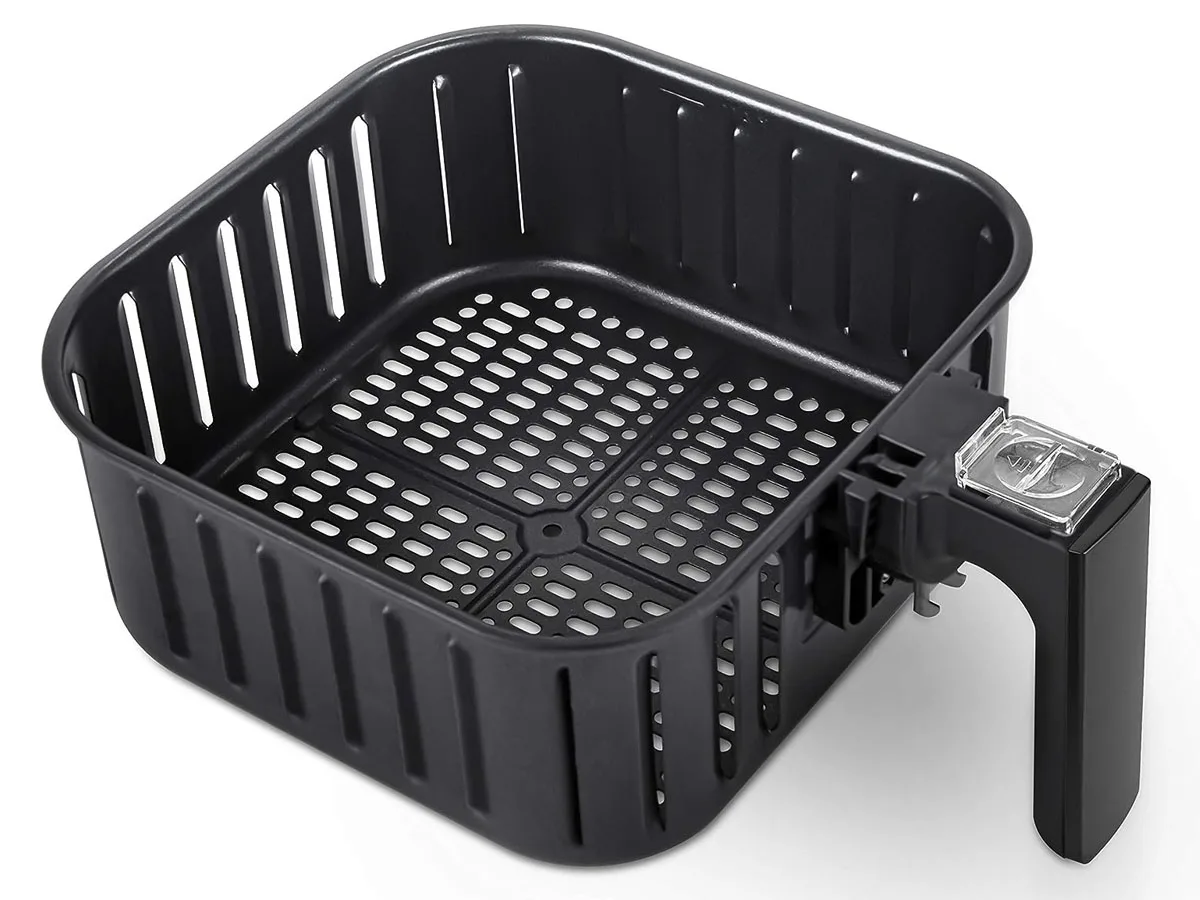
An air fryer is basically a small, powerful convection oven. It has a heating element and a fan that circulates hot air around your food. That's it.
No magic, no special technology. Just a compact box with a fan.
The efficiency comes from the size. A smaller cavity heats up faster and retains heat better because there's less air volume to warm. Your standard kitchen oven has to heat roughly 4 to 5 cubic feet of air.
A basket-style air fryer handles about 0.5 to 1 cubic foot. Less space means less energy needed to reach and maintain temperature.
Here's the part that matters: preheat time. Most basket-style air fryers don't need preheating at all, or at most two or three minutes. A conventional oven needs 10 to 15 minutes to come up to temperature.
During that preheat phase, the oven is pulling its full wattage, typically 3,000 watts or more, and doing absolutely no cooking. That's wasted energy right off the bat.
The physics is simple. Smaller space heats faster. Holds heat better.
Wastes less energy on preheat. That's where the savings live.
Where Air Fryers Win on Energy
Not every cooking job favors the air fryer. But some situations clearly do. Here's where the numbers work in your favor.
Frozen Foods for One or Two People
Think frozen french fries, chicken nuggets, fish sticks, or samosas. A batch that would take 20 minutes in a preheated oven takes 10 to 12 minutes in an air fryer with zero preheat. That's a straight energy win.
Manufacturers typically list output at 1,700 watts. On that smaller load, your fryer runs maybe 12 minutes versus 20 in the oven plus preheat cost. The savings stack up.
Reheating Leftovers
Using an oven for a single slice of pizza or leftover fried chicken is wildly inefficient. A microwave is faster for some foods, but for anything you want crispy, the air fryer is ideal. It heats up fast and cooks for just a few minutes.
No preheat. No wasted cavity space. And it does a better job on texture than a microwave.
Small Roasted Vegetables
Chopping up a zucchini, some bell peppers, and an onion for one or two servings? The air fryer handles that in about 8 minutes with minimal energy. An oven would need 15 to 20 minutes plus preheat for the same result.
If you cook small batches of vegetables often, the air fryer pays for itself in electricity savings over a year.
Image source: Bing (Web (fair-use with source credit))
Quick Proteins for One
A single chicken breast or salmon fillet cooks in 12 to 15 minutes in an air fryer. Firing up a full oven for a single piece of protein is overkill. For reference, Department of Energy test methods have shown that smaller cooking appliances can reduce energy use by 30 to 50 percent for small loads compared to standard ovens.
The data backs up the intuition here.
Where Air Fryers Waste Energy
The air fryer isn't a universal energy saver. Push it past a certain point, and you start losing the efficiency advantage. Here are the most common mistakes.
Batch Cooking for Three or More People
Let's say you're cooking for a family of four and need two full baskets of chicken wings. A basket-style air fryer typically holds about 2 to 4 quarts of food in a single layer. If you need to run two batches, that's two full heating cycles.
Your full oven, running once, can handle the same food in a single batch. The oven uses more power per minute, but it runs for one cycle instead of two. In many cases, the oven ends up being more efficient per piece of food.
For loads beyond 2 to 3 servings, the energy advantage of an air fryer disappears completely. If you're cooking for more than yourself and a partner, run the numbers before reaching for the fryer.
Using an Air Fryer Oven for Tiny Loads
Oven-style air fryers look like a toaster oven. They have a larger cavity than basket models, typically 10 to 12 quarts. The problem is that you're heating a relatively large space for a tiny amount of food.
If you toss two chicken tenders into a big air fryer oven, you're wasting energy the same way you would heating a full oven for a single potato.
Stick with the basket style for small batches. Save the oven-style models for medium loads where you actually fill the rack.
Cooking Foods That Need Long Times
Air fryers are optimized for quick cooking. If you're making something that needs to cook for 40 minutes or more, like a whole chicken or a casserole, you lose the time advantage. The longer the cook time, the more wattage you accumulate.
At high wattage over time, your air fryer may end up consuming as much electricity as a standard oven, especially since the oven's larger cavity is already up to temperature.
For slow cooking or braising, an air fryer makes very little sense from an energy perspective. Use a slow cooker or a covered pot on the stove instead.
The Real Math: Comparing Air Fryers vs. Ovens vs. Stovetops
Let's put some actual numbers on the table. These are approximations based on average residential appliances and US average electricity rates of about $0.14 per kWh as of 2026. Your actual costs will vary by region and appliance model, but the ratios hold.
Energy Use Comparison Table
| Appliance | Typical Wattage | Preheat Needed | Cost per 15 Minutes of Use |
|---|---|---|---|
| Basket air fryer | 1,500 watts | None or 2 min | $0.05 |
| Oven-style air fryer | 1,600 watts | 5 min | $0.06 |
| Full electric oven | 3,200 watts | 10-15 min | $0.11 |
| Toaster oven (no convection) | 1,400 watts | 3-5 min | $0.05 |
| Electric stovetop (medium burner) | 2,000 watts | Immediate | $0.07 |
| Induction burner | 1,800 watts | Immediate | $0.06 |
That table shows the per-minute cost. But the real comparison is total energy per meal. Let's walk through a realistic example.
Real Scenario: Frozen French Fries for Two
Air fryer route: 0 minute preheat, 12 minutes cook time. Total energy draw of about 0.3 kWh. Cost at national average: about $0.04.
Oven route: 12 minute preheat, 18 minute cook time. Total energy draw of about 1.0 kWh. Cost at national average: about $0.14.
The air fryer uses roughly 70 percent less energy in this scenario. That's substantial.
Real Scenario: Whole Roasted Chicken for Four
Air fryer route: You probably can't fit a whole chicken in a basket model. With an oven-style air fryer, figure 50 minutes at 1,600 watts, plus 5 minutes preheat. Total about 1.46 kWh.
Cost about $0.20.
Oven route: 12 minute preheat, 60 minute cook time. Total about 3.84 kWh. Cost about $0.54.
The air fryer still wins here because the oven cavity is massive compared to the food. But the margin is smaller than with the frozen fries.
Where the oven pulls ahead is if you're cooking multiple things at once. If you've got a chicken, roasted potatoes, and a vegetable all in the same oven, you're cooking a complete meal in a single energy cycle. The air fryer just can't match that throughput.
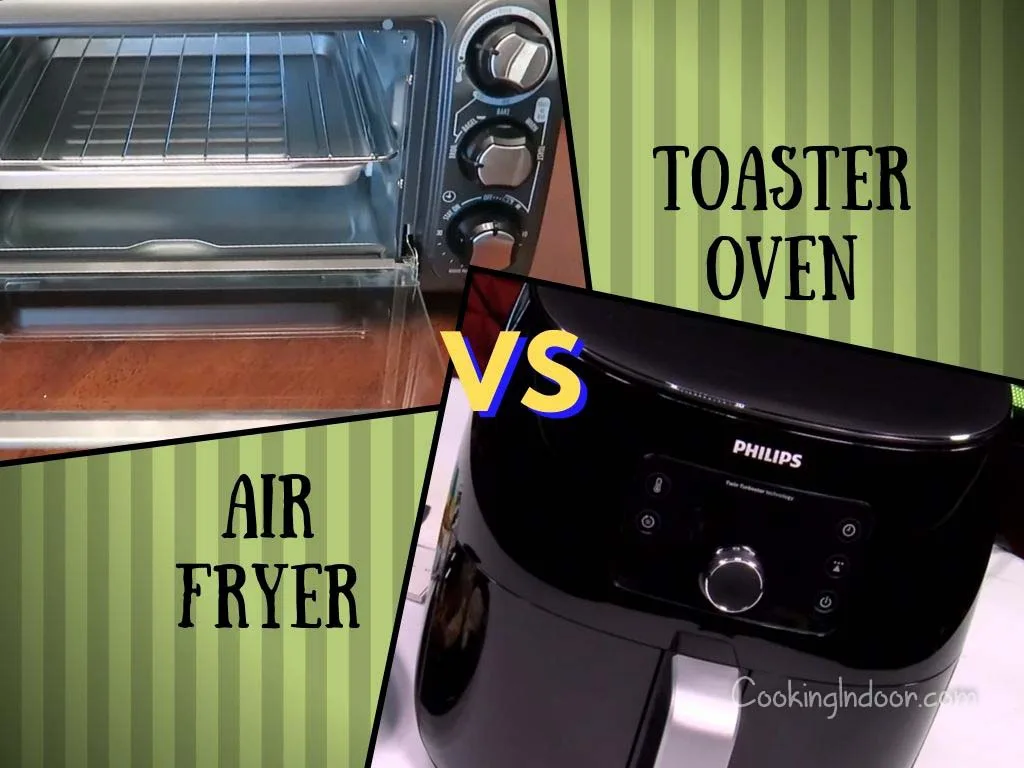
Image source: Bing (Web (fair-use with source credit))
Your Personal Decision Tree
This is the part that most guides skip. Instead of telling you whether air fryers are efficient, let's walk through your specific situation so you can decide for yourself.
How Many People Are You Cooking For?
One or two people. You're the ideal air fryer candidate. Most of your meals will fall into the sweet spot where the air fryer beats the oven.
Three or more people. You need to think about batch size. If you can fit all your food in a single basket or tray, the air fryer still wins. If you need multiple batches, the oven may be the smarter move.
What Do You Cook Most Often?
Frozen snacks, small portions, leftovers. The air fryer is your friend. These are exactly the foods where the energy advantage is clearest.
Whole roasts, casseroles, large baked goods. Stick with the oven. Air fryers aren't built for these anyway, and the energy savings don't apply.
Vegetable sides for two. Air fryer wins every time. Quick, efficient, and better texture than steaming or microwaving.
How Often Are You Cooking Multiple Dishes at Once?
If you routinely make a full meal with multiple components in the oven at the same time, the oven wins on total energy per meal. If you cook one thing at a time, the air fryer wins.
Decision Guide
| Your Situation | Best Choice for Energy Savings |
|---|---|
| Single person, quick meals | Basket air fryer |
| Couple, frozen foods | Basket air fryer |
| Family of 4, varied meals | Oven for big items, air fryer for sides |
| Family of 4, mostly frozen foods | Oven (batch size matters more) |
| Reheating leftovers | Air fryer or microwave |
| Baking or roasting large cuts | Standard oven |
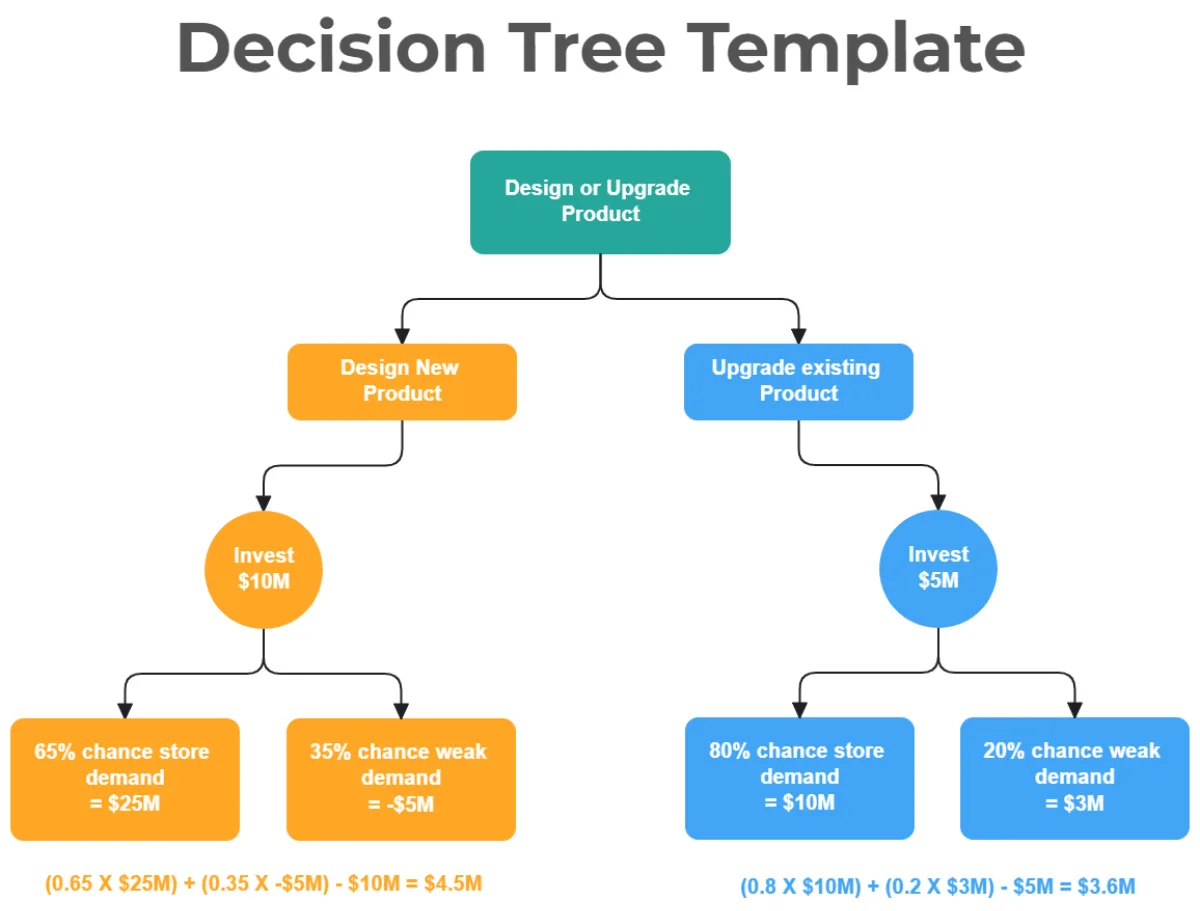
Image source: Bing (Web (fair-use with source credit))
Common Mistakes That Kill Efficiency
Even with the right appliance, people manage to waste energy. Here are the habits that undermine the savings.
Overfilling the Basket
Air fryers work by circulating hot air around food. If you pack the basket full, the air can't reach every surface. Food cooks unevenly, so you end up cooking longer or running a second batch.
Either way, you burn more electricity. The fix is simple: cook in a single layer with space between pieces. It's counterintuitive if you're used to loading up a sheet pan, but trust the physics.
Running It Empty to Preheat
Some air fryer models have a preheat setting. Others don't. If yours doesn't need preheating, don't fake it.
Running the machine empty for three minutes is pure energy waste with no benefit. Check your manufacturer's documentation. If it says no preheat needed, skip it.
Using It When a Microwave Will Do
The air fryer is great for crispy leftovers. But if you're reheating soup, rice, or any saucy dish, a microwave uses about a tenth of the energy. Microwave ovens typically draw 700 to 1,200 watts, and they run for 90 seconds to two minutes.
The air fryer would need 5 to 8 minutes. Use the right tool for the job.
Not Cleaning the Heating Element
Grease buildup on the heating coil or fan makes your air fryer work harder to reach temperature. That means longer cook times and higher energy draw. A quick wipe after each use keeps everything running efficiently.
Once a month, do a deeper clean with warm soapy water and a nonabrasive sponge.
Frequently Asked Questions
Does an air fryer use less electricity than an oven?
For small to medium portions, yes. An air fryer uses roughly 30 to 50 percent less electricity than a conventional oven for the same job. The savings come from faster preheat or no preheat at all, and a smaller cavity that holds heat more effectively.
Is it cheaper to run an air fryer or a microwave?
A microwave is cheaper to run for most reheating tasks. Microwaves use less wattage and run for much shorter times. For crisping or browning, the air fryer is better, but for straight reheating, a microwave wins on energy cost.
Can I save money on my electric bill by using an air fryer?
If you replace frequent small oven loads with an air fryer, yes. The savings per meal are small, around $0.05 to $0.15. But if you cook multiple small batches per week, those savings add up to roughly $10 to $30 per year depending on your local electricity rates.
Does an air fryer use more electricity than a toaster oven?
They're very close. A basket air fryer and a toaster oven with convection draw similar wattage. The air fryer may be slightly more efficient because the fan forces heat directly onto food, reducing cook time by a couple of minutes.
The difference is small.
Is it worth replacing my oven with an air fryer?
Only if you cook small portions most of the time. For a single person or a couple, an air fryer can handle most daily cooking. For families or anyone who bakes large items, the oven is still essential.
Most households benefit from having both.
How much does it cost to run an air fryer for one hour?
At typical US electricity rates, about $0.20 to $0.25 per hour of continuous use. Most meals take 15 to 30 minutes, so the actual cost per meal is around $0.05 to $0.12.

Similar Posts