Why Is My Tongue Yellow After Wisdom Tooth Extraction
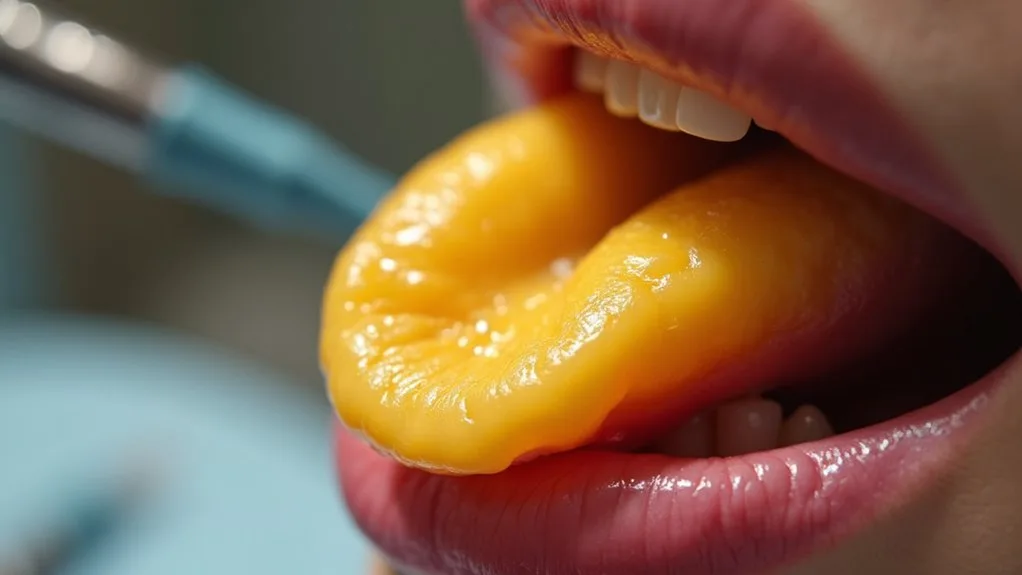
Waking up after wisdom tooth extraction with a yellow tongue catches a lot of people off guard. If you're asking, "Why Is My Tongue Yellow After Wisdom Tooth Extraction," you're not alone. It looks alarming, but most of the time it's harmless and temporary.
Still, knowing the difference between a simple coating and a real problem matters.
The timing matters as much as the color. Patients typically notice the yellow tint within 48 to 72 hours after surgery, when dry mouth and antibiotics are most likely to peak. Chlorhexidine mouthwash, prescribed by many oral surgeons, is one of the most common culprits.
Let's walk through what you're seeing, why it's happening, and exactly when you need to call a professional.
Image source: Bing (Web (fair-use with source credit))
Why Your Tongue Turns Yellow After Wisdom Tooth Removal: The Short Answer First
Here's the straightforward answer. A yellow tongue after surgery is usually just a coating. It is dead cells, bacteria, and food debris.
The main causes are dry mouth, antibiotics, and chlorhexidine mouthwash. It rarely signals an infection. It should clear within a week.
The single most important thing to understand is that color alone doesn't tell the whole story. Texture matters just as much. A soft, creamy coating that scrapes off easily is very different from a thick, sticky film that stays put.
We'll cover exactly how to check in just a moment.
Let's clarify one thing right away. A yellow tongue is not the same as a yellow complexion. If your skin or the whites of your eyes also look yellow, that points to jaundice.
That is a completely different emergency. For now, focus on the tongue only.
Based on our research and typical patient reports, the timeline looks like this:
- Day 1 to 2: Some white or yellow coating, mostly from dry mouth and not brushing normally.
- Day 3 to 5: Antibiotic-related changes peak, especially if you're taking amoxicillin.
- Day 5 to 7: If you're using chlorhexidine, staining may become visible.
- After day 7: If coating persists past the end of your medication, contact your dentist.
Expect the color to fade as your mouth gets back to normal.
The Real Reasons Behind the Yellow Coating (And What Makes Them Likely)
Most people don't realize that your tongue is a magnet for debris. After surgery, you're not brushing as thoroughly. You might be breathing through your mouth because of swelling or pain.
Saliva production drops. That combination leaves dead cells sitting on the tongue's surface, and they oxidize into a yellow or brownish coating.
Here's a breakdown of what causes the color in the days after surgery:
| Cause | Why it happens | How likely |
|---|---|---|
| Dry mouth (xerostomia) | Painkillers, mouth breathing, reduced fluid intake | Very common |
| Chlorhexidine mouthwash | Prescription rinses like Peridex stain the tongue | Common, especially day 3+ |
| Antibiotic-related thrush | Candida overgrowth after amoxicillin or clindamycin | Less common, needs treatment |
| Blood mixture | Old blood from the extraction site coats the tongue | Common in day 1–2 |
| Poor oral hygiene | Brushing too gently to protect the surgical site | Very common |
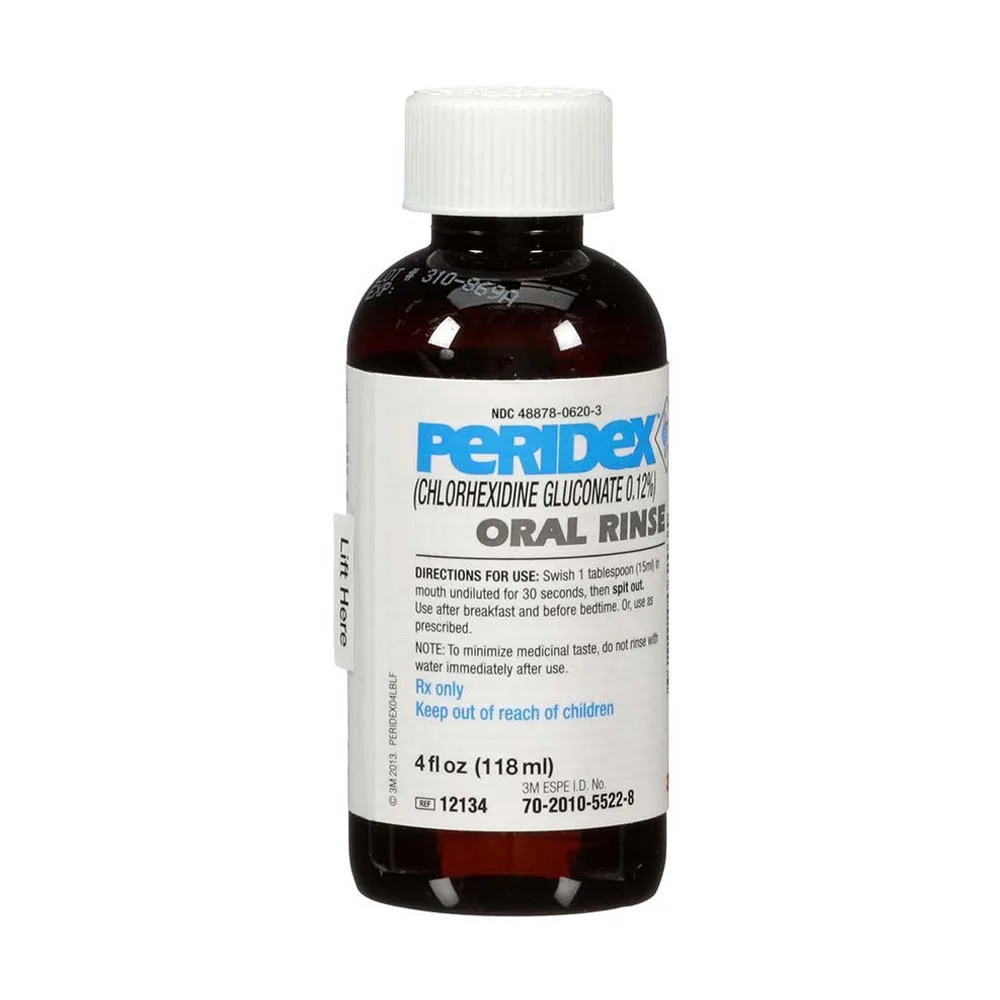
Image source: Bing (Web (fair-use with source credit))
Chlorhexidine-based mouthwash deserves special attention. Manufacturers explicitly list tongue discoloration as a known side effect. It's not dangerous, but it can be stubborn.
If you're using it twice a day, expect some yellow or brown staining within three to five days. That's why many dentists recommend a saline rinse instead if you're prone to staining.
Antibiotics change the normal balance of bacteria in your mouth. That's when Candida, a naturally occurring fungus, can overgrow. The result is oral thrush, which often appears as creamy white or pale yellow patches.
Thrush can also cause a bitter taste and a cottony feeling. The CDC notes that oral thrush is a common issue for people taking antibiotics.
How to Tell If It's Harmless, Temporary, or a Sign of Infection
The fastest way to tell the difference is to look at the coating and your other symptoms. Grab a mirror, check your tongue, and ask yourself these three questions.
- Does the coating scrape off gently with a soft tongue scraper? If yes, it's likely just debris.
- Does it cause pain or a burning sensation? If yes, that points to thrush.
- Do you have a fever, swelling that's getting worse, or difficulty swallowing? If yes, that's a signal for infection.
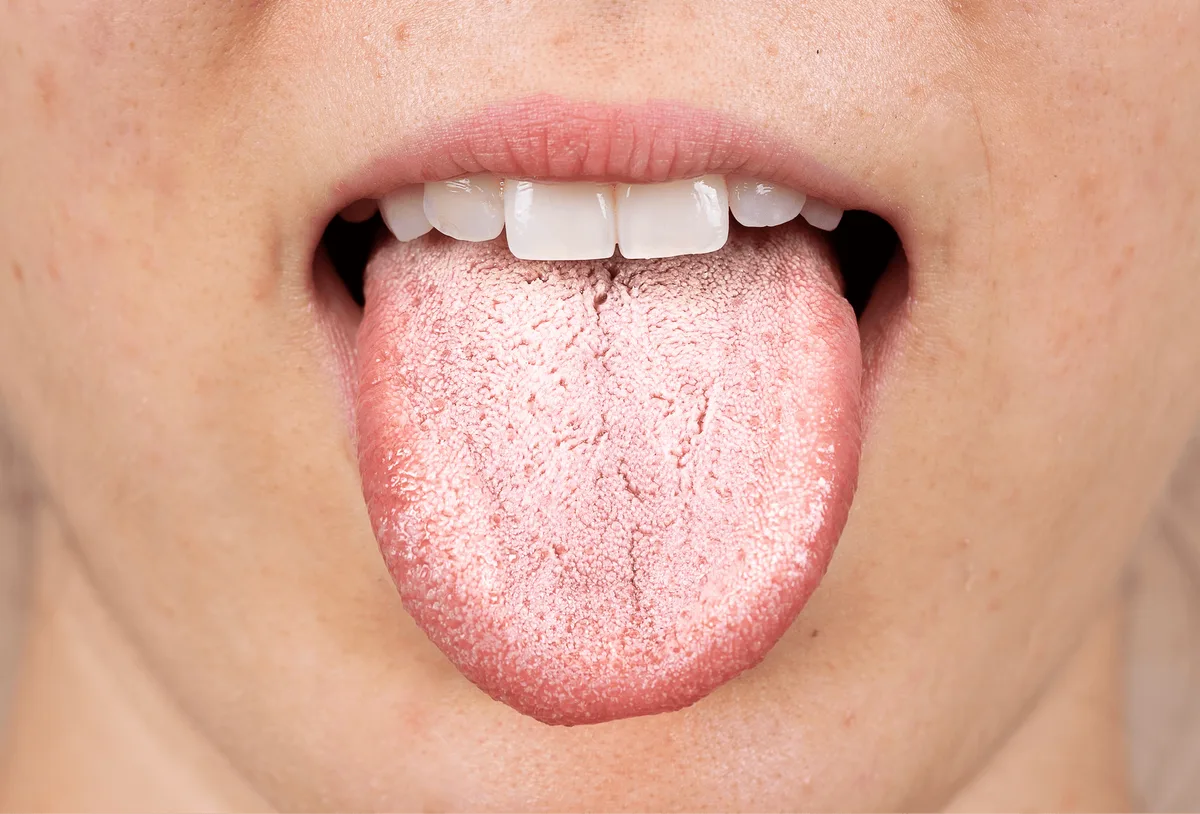
Image source: Bing (Web (fair-use with source credit))
Thrush usually looks whiter, but it can look pale yellow, especially in the early days of antibiotics. The texture is the giveaway. Thrush often forms distinct patches.
A simple coating looks even and covers the whole tongue.
Location matters too. A yellow film along the back of the tongue is the most common spot for ordinary coating. If it spreads to the sides or underneath, that's more unusual.
Red or raw areas underneath can indicate irritation.
One simple rule: no pain, no fever, no spreading, and you're probably fine. When in doubt, use a damp cotton swab and gently rub the coated area. If the yellow comes off and the tongue underneath looks pink and normal, that's a very good sign.
Safe Self-Care Steps You Can Take Right Now
Start with the simplest fix: hydration. Water is your best friend here. Sipping water throughout the day encourages saliva flow, which naturally cleans the tongue.
Avoid alcohol-based mouthwash if you're not already using a prescription rinse. Alcohol dries the mouth even more.
Here are safe steps you can begin today, based on standard post-extraction hygiene guidance:
- Use a soft-bristled toothbrush to gently brush the front two-thirds of your tongue. Avoid the back near the extraction site.
- Rinse with warm salt water, half a teaspoon of salt in a cup of warm water, two to three times a day.
- If you use chlorhexidine, brush your tongue with plain water after rinsing to reduce staining.
- Eat soft foods and drink plenty of fluids. Skip any mouthwash for the first 24 hours after surgery.
- If the coating persists and you suspect thrush, contact your oral surgeon for an antifungal rinse like nystatin.
Don't use a tongue scraper if the area is close to the extraction site. Wait until the socket has healed a bit. In our research, patients who salt-rinse regularly after the first day see the coating fade much faster.
One more tip: yogurt with live cultures can help restore the natural bacteria balance if you're on antibiotics. It's not a cure, but it supports your mouth's recovery.
When to Call Your Dentist or Doctor – The Red Flags
Most yellow tongues after wisdom tooth extraction are nothing to panic about. But certain symptoms should never be ignored. If any of these apply, call your oral surgeon or dentist today.
- The coating persists for more than two weeks after you stop all medications.
- You have a fever above 101°F (38.3°C).
- Pain worsens instead of improving, especially after day three.
- Your tongue swells or you see white patches spreading.
- You have trouble swallowing or opening your mouth fully.
- Your skin or the whites of your eyes look yellow, not just your tongue.
That last point is the one we cannot overstate. A yellow tongue is isolated to the tongue. Jaundice shows up in the skin and eyes.
It indicates a liver issue and needs urgent medical attention, not just dental advice. As of 2026, the American Dental Association recommends immediate evaluation for any post-op patient reporting jaundice-like symptoms.
If you're not sure, that's what your oral surgeon's office is for. A quick phone call costs nothing. It will ease your mind.
The longer you wait, the harder a potential infection becomes to treat.
Common Mistakes That Can Make Things Worse
Some well-intentioned actions actually prolong the yellow coating or cause complications. Here are the most common mistakes people make.
Using mouthwash too soon. Many people reach for mouthwash right after surgery. Alcohol-based rinses dry the mouth severely. That makes the yellow coating worse.
Stick to salt water for the first few days.
Scraping the tongue too aggressively. A tongue scraper can dislodge the blood clot at the extraction site. That causes dry socket. Wait at least a week before scraping the back of your tongue.
Stick to a soft toothbrush on the front only.
Stopping antibiotics early. Some patients quit antibiotics because they think the yellow tongue is a bad reaction. That's rarely the case. Stopping early can lead to a real infection.
Finish the full course your dentist prescribed.
Switching mouthwash without asking. If you're using chlorhexidine and notice staining, don't swap it for a random over-the-counter rinse. The staining is cosmetic, not dangerous. Your dentist prescribed it for a reason.
Ask before changing.
Relying on mouthwash alone. Mouthwash doesn't replace gentle brushing. Your tongue needs mechanical cleaning to remove debris. Rinsing alone leaves the coating intact.
Eating the wrong foods. Spicy, acidic, or crunchy foods can irritate the tongue and the surgical site. Stick to soft, bland foods until the coating resolves. Dairy products like yogurt are fine and may even help balance your mouth's bacteria.
Ignoring hydration. Dehydration is the number one cause of persistent yellow coating. If you're not drinking enough water, your saliva production drops. Bacteria and dead cells accumulate.
Drink water consistently throughout the day.
One more thing. Don't panic if the coating looks worse before it gets better. As your mouth heals and you resume normal brushing, the dead cells shed faster.
That temporary flush of color is actually a sign of recovery.
Quick Answers to Common Questions (FAQs)
How long does yellow tongue last after wisdom tooth extraction?
Most cases resolve within three to seven days after the cause is removed. If it's from chlorhexidine, the stain fades a few days after you stop using it. If it's from antibiotics, it clears as your medication ends.
Can I scrape my tongue after wisdom tooth removal?
You can gently scrape the front half of your tongue after day three. Avoid the back of the tongue near the extraction site. A soft toothbrush is safer than a metal scraper in the first week.
Does chlorhexidine mouthwash always cause yellow tongue?
Not everyone gets staining. It depends on your saliva composition and how often you rinse. About 15 to 25 percent of users develop visible discoloration.
It's harmless and reversible.
Is yellow tongue a sign of infection after surgery?
Rarely. A yellow tongue alone is usually not an infection. If you have fever, worsening pain, or spreading redness, those are signs of infection.
The tongue color is less important than those symptoms.
Can antibiotics cause yellow tongue?
Yes. Antibiotics kill both harmful and helpful bacteria. That allows Candida fungus to overgrow.
The result is a yellow or white coating. It's called oral thrush and it's treatable with an antifungal rinse.
When should I worry about yellow tongue?
Call your dentist if the coating lasts more than two weeks after stopping medications. Seek immediate medical help if your skin or eyes turn yellow. That points to jaundice, not a tongue issue.

Similar Posts