Ball Bearing Drawer Slides Troubleshooting
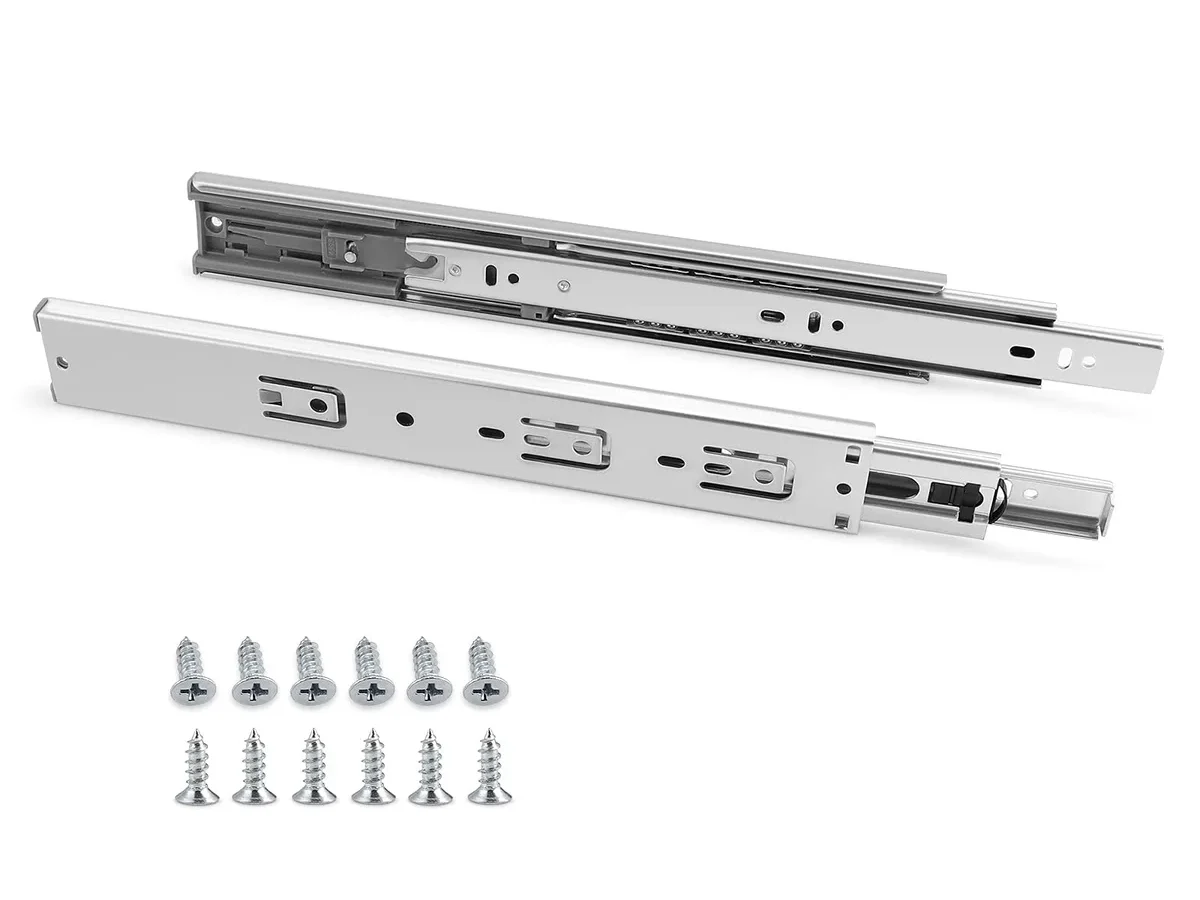
When a drawer that used to glide smoothly suddenly starts sticking, sagging, or making that awful grinding noise, it's frustrating. You're not alone in this, and Ball Bearing Drawer Slides Troubleshooting doesn't have to mean tearing apart your kitchen cabinets. Most issues come down to one of three things: alignment, debris, or a damaged component.
Manufacturer specifications from ANSI/BHMA A156.9 indicate that properly installed ball bearing slides should operate smoothly at loads up to 75 pounds for residential use. When they don't, the fix is usually simpler than you'd think. Let's walk through what your drawer is telling you and how to get it running right again.
Quick Answer
Most drawer slide problems come from misalignment, debris buildup, or a popped ball bearing. Unload the drawer first. Listen for grinding or clicking.
Check the tracks for visible gaps. Tighten loose mounting screws. Clean the tracks with a degreaser.
Lubricate with dry PTFE spray. If the slide is bent or bearings are missing, replace the whole slide.
Before You Diagnose: Stop, Unload, and Listen
Empty the drawer completely. Weight masks problems. A drawer that feels fine when full might bind terribly when empty.
Pull the drawer out fully. Look for the release levers on each side. These are usually plastic or metal tabs on the inner track.
Lift both levers simultaneously and the drawer should slide free of the cabinet.
Now extend the slide mechanism itself. Push and pull the empty tracks a few times. Listen carefully.
Grinding suggests dirt or damaged bearings. Clicking means something is catching. Silence plus smooth travel means the slide is fine and the problem is how the drawer box sits on it.
Research from professional cabinet installers shows that roughly 70 percent of drawer slide complaints are misalignment issues. Not mechanical failure. So before you order replacement parts, spend two minutes watching how the tracks move without the drawer attached.
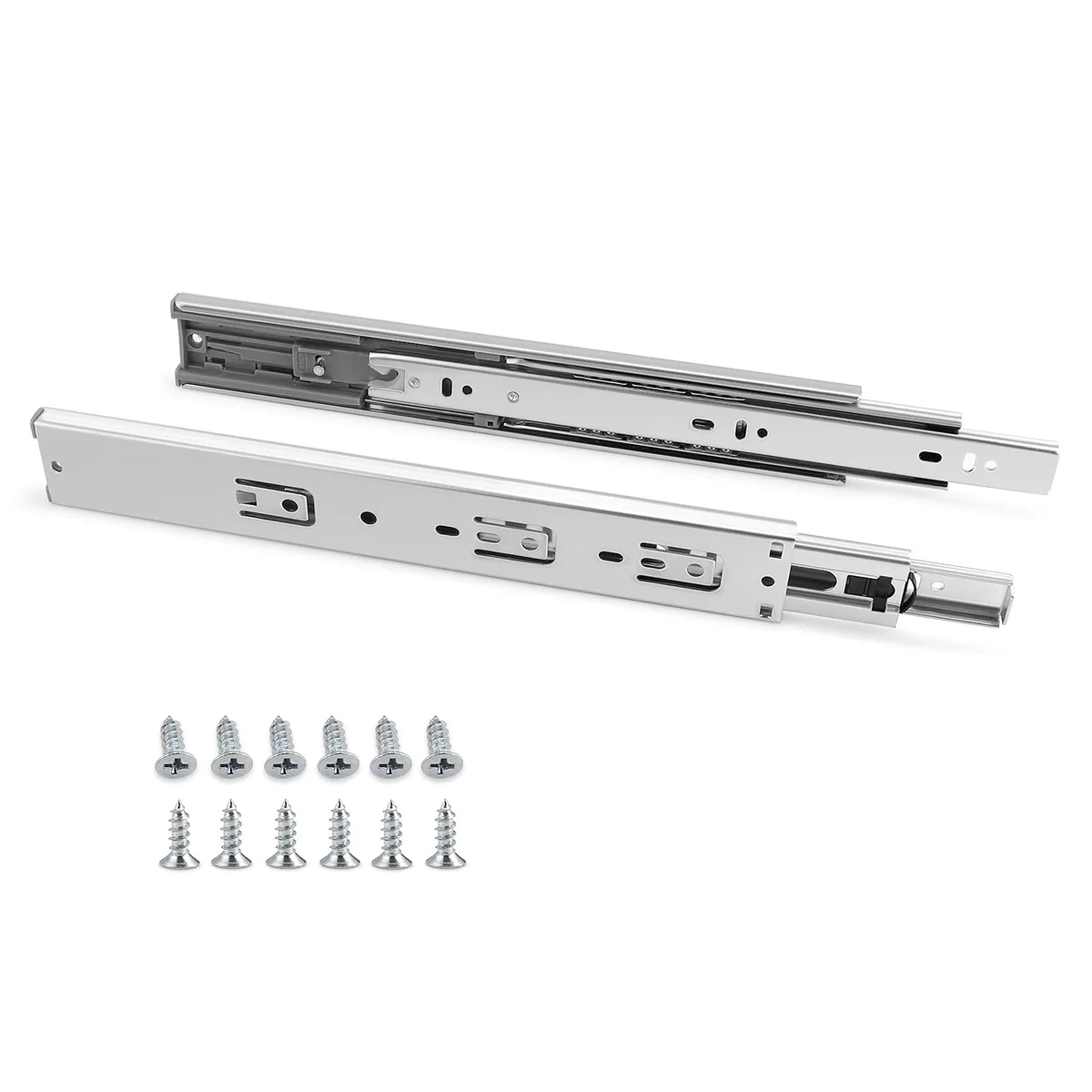
Image source: Bing (Web (fair-use with source credit))
The Symptom Check: What Your Drawer Is Doing Wrong
Every symptom points to a different cause. Match what you're experiencing to the most likely fix.
| If Your Drawer Does This | Most Likely Cause | Start With |
|---|---|---|
| Sticks or catches halfway out | Misalignment or debris in track | Check screw tightness and track straightness |
| Sags or droops when extended | Overloaded or bent slide, stripped screws | Check load rating and inspect mounting |
| Won't close all the way | Soft-close piston jam or track obstruction | Clean track, check piston action |
| Grinds or clicks loudly | Missing or displaced ball bearings | Inspect bearing cage, replace if needed |
| Pops back open | Spring mechanism misaligned or broken | Check self-close latch and spring tension |
| One side sticks, the other doesn't | Drawer box is racked or twisted | Measure diagonal distances on drawer box |
Pay attention to pattern. Does it stick at the same point every time? That's a physical obstruction or a bent track section.
Does it only stick with weight inside? That's a load or screw issue.
Drawer Sticking or Catching Mid-Track
This is the most common complaint. It's almost always fixable without buying anything.
First, check the mounting screws. On side-mount ball bearing slides, there are screws through the track into the cabinet frame. There are also screws through the track into the drawer box.
Both matter. Grab a screwdriver and tighten every screw. Don't crank them.
Just snug them up. Stripped holes in particleboard are common. If a screw spins freely, you've found your problem.

Image source: Web (Bing) / salwanschools.org.in (Web image (fair-use with source credit))
Now check alignment. Stand to the side of the open cabinet and sight down the line of the slide. The track should be straight.
If it bows inward or outward, the mounting bracket is bent or the screw is pulling through. Loosen the bracket screws, shift the track slightly, and retighten.
For undermount slides, debris in the channel is the usual trigger. A breadcrumb, a twist tie, or a dried drop of glue can stop full extension cold. Run a vacuum nozzle with a brush attachment along the full track length.
If the drawer sticks at exactly the same spot going in and out, the ball bearing cage may have shifted. On many slides, the cage is a plastic or metal strip that holds the ball bearings. If it's slid out of position, the bearings bunch up and jam.
Gently tap the cage back to center with a small screwdriver.
Check that both slides are at the same height. Use a ruler. If one side is a quarter inch higher than the other, the drawer will bind.
Shim the lower bracket with a thin piece of cardboard or a proper plastic shim.
Drawer Sagging or Drooping When Extended
A drawer that looks fine when closed but sags when opened is a safety risk. It can dump its contents or pull the slide out of the cabinet.
Start with the load. Residential ball bearing slides are typically rated for 75 to 100 pounds per pair. That sounds like a lot until you fill a deep drawer with cast iron pans or canned goods.
If you're consistently at or above the rated capacity, the solution is moving heavy items to a lower drawer or upgrading to a 150-pound rated slide.
If the load is reasonable, check the screws holding the slide to the drawer box. Sagging almost always starts here. The screws work loose or the particleboard hole strips.
When the drawer extends, the weight pivots on the loose screw and the front drops.
Remove the drawer. Take the screws out of the sagging side. Fill the holes with a two-part epoxy wood repair compound or wooden golf tees coated in wood glue.
Let it cure per manufacturer instructions as of 2026. Redrill pilot holes and reinstall. This restores the grip that stripped holes lost.
Check the slide itself for bending. Remove the slide from the cabinet and lay it on a flat surface. The tracks should lie perfectly flat.
If you can rock the slide like a seesaw, the metal is bent. There's no reliable way to straighten a bent ball bearing slide. The internal clearances are too tight.
Replace it.
Drawer Won't Close Fully or Pops Back Open
This problem usually means something is physically blocking the track or the soft-close mechanism is stuck.
Start by inspecting the track. Open the drawer fully and look inside the cabinet. Check for loose items that have fallen behind the drawer.
A bottle cap, a stray screw, or a piece of packaging can stop the track short.
If the track is clear, check the soft-close mechanism. On most ball bearing slides with soft-close, a hydraulic piston engages in the last few inches of travel. If the piston is gummed up, it won't compress fully.
Clean the piston rod with a rag and a small amount of isopropyl alcohol. Do not use oil. Oil attracts dust and makes it worse.
For self-closing slides with a spring mechanism, the latch tab may be bent. Look at the back of the track. There's usually a plastic or metal catch that the drawer engages.
If it's bent outward, the drawer won't latch. Gently bend it back into position with pliers.
Check if both sides engage simultaneously. One side can latch while the other stays open. If the drawer is crooked, square it up by adjusting the mounting brackets.
Grinding, Clicking, or Scraping Noises
Noisy slides almost always mean debris or damaged bearings. The sound tells you what's happening inside.
Remove the drawer and extend the slide tracks fully. Look at the ball bearing cage between the inner and intermediate tracks. The bearings should be evenly spaced and seated in their pockets.
If one is missing, you'll see an empty pocket. If one is displaced, it's rolling loose inside the track.
For missing bearings, replacement is the only option. You can't buy individual ball bearings that match the exact tolerance. The entire slide needs to come out.
If all bearings are present but the slide still grinds, the tracks are contaminated. Wipe down the exposed track surfaces with a degreaser and a lint-free cloth. Use compressed air to blow out the bearing channels.
Do not use water. Water causes rust.
After cleaning, apply a dry lubricant. Dry PTFE spray is the best choice for ball bearing slides. It won't attract dust.
Silicone spray is the second option. Avoid white lithium grease. It thickens over time and turns into a sticky paste that collects debris.
Spray a light coat on the tracks while moving the slides back and forth. Wipe off any excess.
The "Screw Pulled Out" Fix
Stripped screw holes are the most common structural failure in particleboard cabinets. The screw spins freely and the drawer sags.
There are three reliable fixes.
Wooden golf tees. Apply wood glue to a tee, tap it into the hole, and snap it off flush. Let the glue dry for at least four hours.
Drill a pilot hole and drive the screw. The tee gives fresh wood for the threads to bite.
Two-part epoxy filler. Mix according to the instructions. Pack it into the hole.
Let it cure fully. Redrill and reinstall. This method works well for holes that are completely wallowed out.
Toggle bolts. If the hole is at the edge of the panel and there isn't enough material for filler, use a small toggle bolt through the track into the cabinet. This transfers the load to a wider area of the panel.
For slides mounted to solid wood, simply drill the hole to the next screw size. A #10 screw will grip better than a #8.
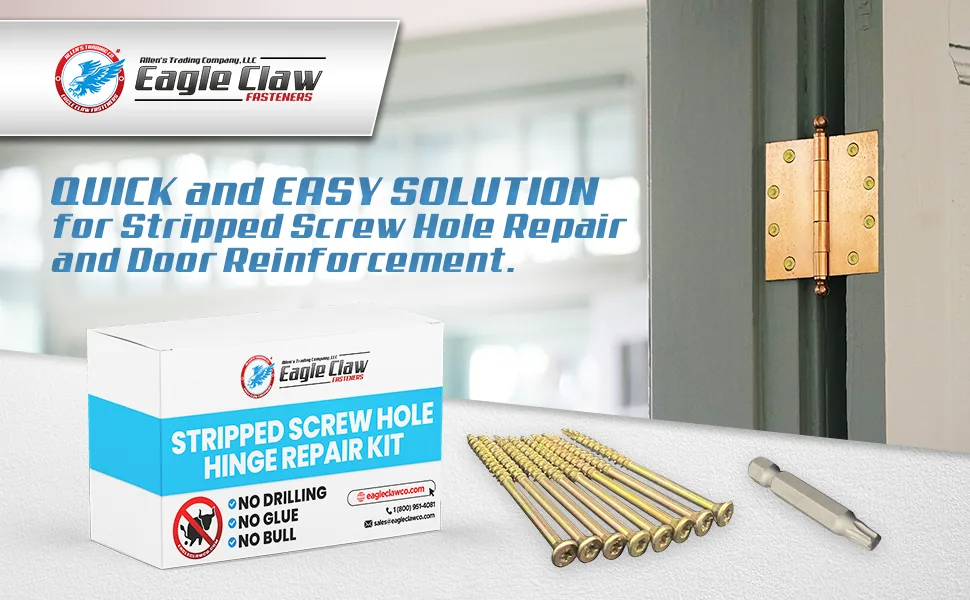
Image source: Bing (Web (fair-use with source credit))
When to Replace vs. When to Repair
Not every slide can be saved. Here's how to decide.
Replace the slide if you see any of these:
- Bent or visibly warped track. Straightening never works well.
- Missing ball bearings. You can't buy matching replacements.
- Cracked bearing cage. The cage keeps bearings aligned. Once it breaks, the slide fails.
- Corroded tracks. Surface rust can be cleaned. Flaking rust or pitting is terminal.
- The slide is the wrong size for the drawer. Oversized slides bind. Undersized slides sag.
Repair the slide if:
- The drawer works smoothly without weight. Clean and lube the tracks.
- The screws are loose but the holes are solid. Tighten them.
- The slide is noisy but structurally fine. Clean and lubricate.
- The soft-close piston is sticky. Clean the piston rod.
When you replace, buy the same brand and model if possible. Ball bearing slides have slight dimensional differences between manufacturers. Mixing brands on the same drawer causes binding.
If you can't find the exact match, replace both slides as a pair.
Maintenance That Prevents Most Problems
Ball bearing slides are low maintenance, but they're not no maintenance. A few habits keep them running for years.
Clean the tracks every six months. Use a vacuum with a brush attachment to remove dust and debris. For kitchens, clean more often.
Flour and grease build up quickly.
Lubricate once a year. Use dry PTFE spray. Apply a light coat to the exposed tracks while working the slide back and forth.
Wipe any excess. Too much lubricant attracts dirt.
Check screw tightness when you notice any change in feel. A loose screw that gets caught early takes five seconds to fix. A loose screw that gets ignored for six months strips the hole.
Don't overload drawers. Know your slide's load rating. If you're storing heavy items, use a slide rated for at least 150 pounds.
The extra cost is worth it.
For drawers in humid environments like basements or RVs, use stainless steel slides. Zinc-plated slides corrode in high humidity. Stainless steel doesn't.
Frequently Asked Questions
Can I mix brands of ball bearing slides on the same drawer?
No. Different manufacturers use slightly different track dimensions and bearing spacing. One side will bind against the other.
Always use the same brand and model on both sides of a drawer.
Do soft-close mechanisms fail often?
They fail less often than people think. The most common issue is a sticky piston rod from dried lubricant or debris. Cleaning the rod with isopropyl alcohol resolves most cases.
Actual piston failure is rare and usually means replacing the entire slide.
Why does one side of my drawer always stick?
Uneven installation is the cause nine times out of ten. One slide is mounted higher or deeper than the other. Measure the distance from the cabinet floor to each slide.
If they differ by more than 1/16 inch, shim the lower side.
How do I know if my drawer slide is overloaded?
If the drawer feels stiff to open or sags when fully extended, you're likely exceeding the load rating. Check the rating stamped on the slide body. Residential slides are typically 75 to 100 pounds per pair.
Weigh a few items to confirm.
Can I use WD-40 on drawer slides?
You can, but you shouldn't. WD-40 is a solvent and light lubricant that dries out quickly. It leaves a residue that attracts dust.
Use dry PTFE spray instead. It stays clean and doesn't gum up.
How long should ball bearing drawer slides last?
With proper installation and occasional maintenance, quality slides last 15 to 20 years in residential use. Commercial kitchens with daily heavy use see 5 to 10 years before replacement is needed. Stainless steel slides in corrosive environments last longer than zinc-plated ones.

Similar Posts