Brickmold Vs No Brickmold Door
You know that moment when you're shopping for a new front door and suddenly realize there's a whole debate about a piece of trim you've never thought about? That's exactly where the Brickmold Vs No Brickmold Door question comes in. It affects everything from water protection to curb appeal.
Pick wrong, and you're either fighting with siding gaps or paying a carpenter to reframe your opening.
According to the International Residential Code, every exterior door opening needs a proper weather-resistive barrier and flashing system regardless of trim style. But how you achieve that changes dramatically based on which route you take. Let's break down exactly what each option means for your house.
Quick Answer
Brickmold is a pre-formed trim piece attached to the door frame. No brickmold means a flat jamb that sits flush with the siding. Choose brickmold for traditional homes and existing replacements.
Choose no brickmold for modern styles and stucco exteriors. Your siding type and wall construction usually decide this for you.
Why This Comparison Matters
This isn't just about looks. The brickmold vs. no brickmold decision affects how your door handles water, air, and temperature over the next twenty years. A bad choice here can lead to rot inside your wall cavity.
Your door is a hole in your building envelope. That hole needs to be sealed tight, but it also needs to drain any water that gets past the first line of defense. The trim style you pick changes how that drainage happens.
It changes where you caulk. It changes how your siding terminates against the frame.
There's also the practical reality of installation. If you're replacing an existing door, your rough opening was framed for whatever trim was there before. Switching from brickmold to no brickmold often means reframing that opening.
That adds labor and materials to what should be a straightforward swap.
Image source: Bing (Web (fair-use with source credit))
What Brickmold Is and What It Does
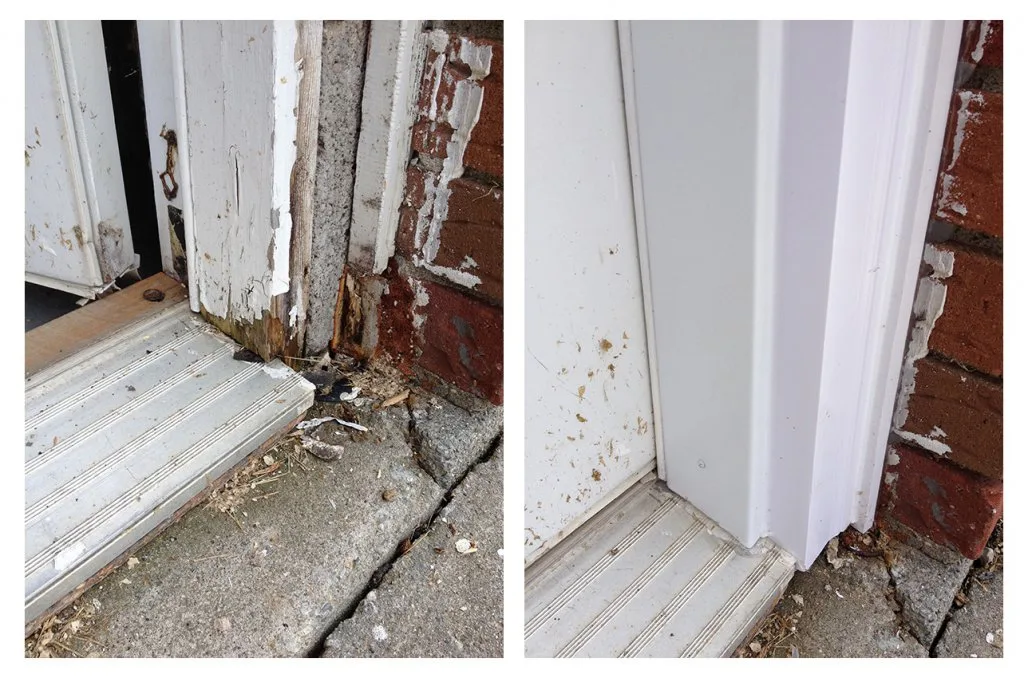
Brickmold is that shaped trim piece that wraps around the outside of your door frame. It's not just decorative. It covers the gap between the door jamb and the rough framing.
It provides a nailing surface for the door unit. The name comes from its original use: covering the gap when a door was installed into a brick wall.
How It Works in Practice
A standard pre-hung door with brickmold arrives as one assembled unit. The brickmold is factory-attached to the jamb with nails or staples. You shim the unit level and plumb.
You nail through the brickmold into the framing. Then your siding butts up against the brickmold. The joint gets caulked.
Brickmold creates a raised lip around your door. That lip acts as a barrier, but it also creates a ledge where water can sit if not properly flashed and caulked. Over time, the caulk fails.
Water gets behind the brickmold. Rot starts in the jamb behind it.
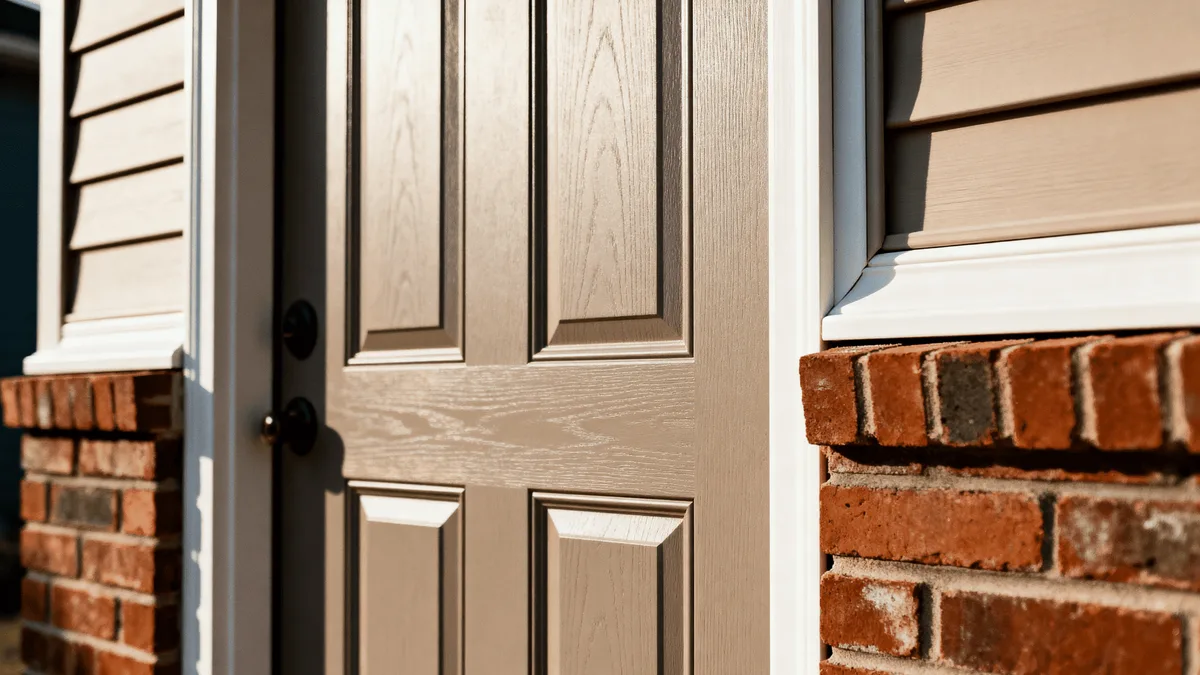
Image source: Bing (Web (fair-use with source credit))
When Brickmold Makes Sense
Brickmold works best with certain exterior finishes. If you have lap siding, brick veneer, or stone, brickmold gives you a clean transition. It hides the raw edges of your siding.
It covers any gaps in the framing.
For traditional home styles like Colonial, Craftsman, or Victorian, brickmold looks right. It's what people expect to see. From a cost perspective, brickmold doors are usually less expensive than no-brickmold options.
They're mass-produced in standard sizes. Installation is simpler for most contractors.
What No Brickmold Really Means
No brickmold, sometimes called a flat jamb or flush door, means the door frame sits flush with the exterior wall surface. There's no raised trim. The siding comes right up to the jamb.
The joint is sealed with a single bead of caulk or a foam gasket. The look is clean, minimal, and contemporary.
The Technical Difference
With no brickmold, the jamb needs to extend all the way to the exterior wall surface. For a standard 2×4 wall with 1/2-inch sheathing and siding, that means a jamb depth of about 4-9/16 inches. For 2×6 walls, it's about 6-9/16 inches.
The door unit is nailed through the jamb itself, not through a trim piece.
Flashing becomes critical here. Without brickmold to shed water, the jamb-to-siding joint needs to be perfect. A pan flashing at the bottom, jamb flashing on the sides, and head flashing at the top are non-negotiable.
Miss one, and water has a direct path into your wall.
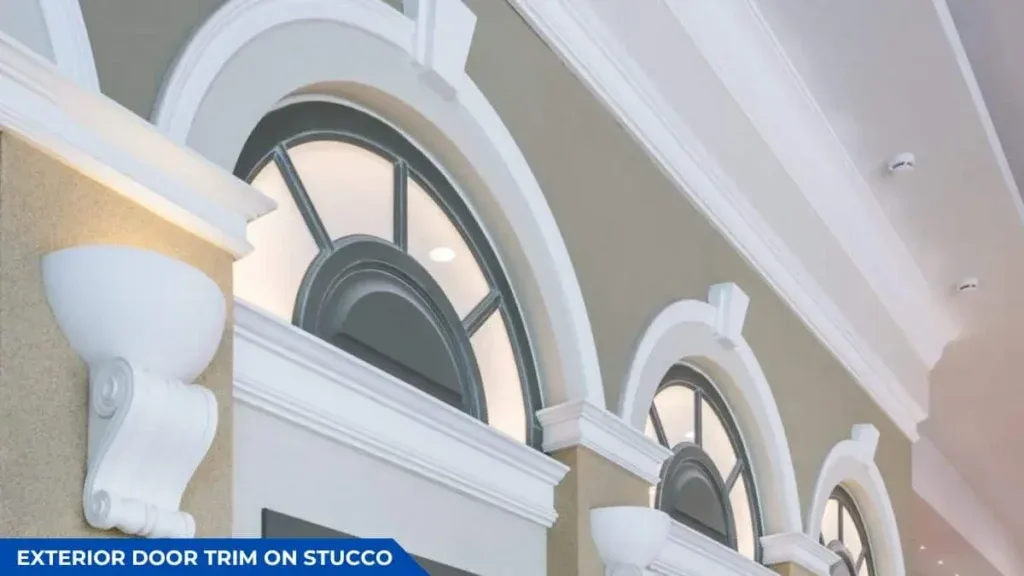
Image source: Bing (Web (fair-use with source credit))
Where No Brickmold Shines
No brickmold is the standard choice for stucco and EIFS exteriors. Those finishes need a clean, flat surface to terminate against. A brickmold lip creates a shadow line that doesn't look right with stucco.
It can trap moisture behind the stucco layer.
Modern and contemporary homes almost always use no brickmold. The clean lines match the architectural style. If you're building new construction and want a minimalist look, this is your option.
It also works well with metal siding and some engineered wood siding types.
Brickmold vs. No Brickmold: Side-by-Side
Let's put these two options next to each other.
| Factor | Brickmold | No Brickmold |
|---|---|---|
| Installation complexity | Lower. Nail through trim, caulk joint. Done. | Higher. Precise jamb depth, complex flashing, siding must be cut to fit. |
| Cost | Lower. Standard sizes, less labor. | Higher. Custom jamb sizes, more labor hours. |
| Water management | Relies on caulk between brickmold and siding. Failure point at the joint. | Relies on flashing and drainage plane. Fewer caulk joints. |
| Aesthetic | Traditional, raised profile, shadow lines. | Clean, flush, minimalist. |
| Siding compatibility | Lap siding, brick, stone, vinyl. | Stucco, EIFS, metal panels, flat siding. |
| Maintenance | Paint brickmold every 3-5 years. Re-caulk as needed. | Less painting. Caulk joint still needs inspection. |
| Replacement ease | Straightforward. Standard sizes widely available. | May require custom millwork or jamb extensions. |
| Rough opening tolerance | More forgiving. Brickmold covers gaps. | Less forgiving. Siding must meet jamb precisely. |
The Water Management Difference
This deserves a closer look. With brickmold, water runs down the siding and hits the brickmold. It's supposed to be diverted.
But the caulk joint where brickmold meets siding is a weak point. Once that caulk cracks, water wicks behind the brickmold and into the jamb. You don't see it until rot appears years later.
With no brickmold, the siding terminates directly against the jamb. If the flashing is done right, water runs down the siding and over the jamb. There's no horizontal surface for water to sit on.
But if the flashing is wrong, water goes straight into the wall.
Manufacturer specifications from major door brands confirm that both methods perform well when installed correctly. The difference is in skill required. A bad brickmold installation still works okay for a while.
A bad no-brickmold installation fails quickly.
Which One Should You Pick? (By Situation)
This isn't a one-size-fits-all answer. Your decision depends on three things: your existing wall construction, the siding material, and whether you're replacing or building new.
You Should Choose Brickmold If
- You have lap siding, brick veneer, or stone exterior
- You're replacing an existing door that already has brickmold
- You want a traditional look that matches your neighborhood
- You're on a tighter budget and want standard sizing
- Your rough opening is slightly uneven and needs to be hidden
You Should Choose No Brickmold If
- You have stucco, EIFS, or metal panel siding
- You're building new construction with a modern design
- You want the cleanest possible look with no visible trim
- You're willing to pay more for precise installation
- You live in a high-humidity climate where rot is a concern
The One Situation That Decides It
If you have stucco or EIFS, stop debating. Go with no brickmold. It's the correct choice for those exteriors.
Trying to install brickmold with stucco creates a moisture trap that's almost guaranteed to fail.
If you have standard lap siding and an existing brickmold door, stick with brickmold unless you're ready to reframe the opening. The cost and hassle of switching usually aren't worth it.
Common Mistakes People Make
Mistake 1: Assuming Both Work With Any Siding
This is the most common error. People pick a door based on looks alone and don't check siding compatibility. A brickmold door installed into stucco without proper detailing will leak.
A no-brickmold door installed into lap siding without proper jamb extensions looks unfinished.
Mistake 2: Skipping the Flashing
Whether you choose brickmold or no brickmold, flashing is required. The International Residential Code is clear on this. Skipping it saves time during installation but guarantees failure within a few years.
Mistake 3: Painting the Caulk Joint
Caulk needs to flex. Paint makes it rigid. When you paint over the caulk joint between brickmold and siding, that joint loses its ability to move with temperature changes.
It cracks faster.
Mistake 4: Mixing Materials Incorrectly
Wood brickmold on a fiberglass door is fine. PVC brickmold on a steel door is also fine. But don't use wood brickmold in a coastal environment where salt spray will destroy it.
Match the material to your climate, not just your budget.
Mistake 5: Not Accounting for Jamb Depth
No brickmold installations fail most often because the jamb is too shallow for the wall assembly. The door jamb needs to reach the exterior face of the siding. If it doesn't, you end up with a recessed joint that traps water.
Frequently Asked Questions
Can I add brickmold to a door that doesn't have it?
Yes, but it's not a simple add-on. You need to remove the existing siding around the door, install the brickmold, and then reapply the siding. It's easier to buy a pre-hung door with brickmold already attached.
Is no brickmold more expensive?
Usually yes. Pre-hung doors without brickmold are often priced similarly to ones with it. But the installation labor is higher because of the precise jamb sizing and complex flashing required.
Does brickmold protect against water better?
Not necessarily. Both systems work when installed correctly. Brickmold relies on a caulk seal that eventually fails.
No brickmold relies on a flashing system that's more durable but requires more skill to install.
Can I install a no brickmold door myself?
If you have experience with exterior flashing and siding work, yes. If you're a first-time DIYer, no. The flashing requirements are too important to get wrong.
Hire a pro for this one.
What is the standard brickmold size?
Standard brickmold is 5/8-inch thick by 1-1/4-inch wide. Profiles vary by manufacturer. Some are rounded, some are flat.
They're not interchangeable between brands.
Does no brickmold work with vinyl siding?
It can, but it's tricky. Vinyl siding needs room to expand and contract. The jamb needs a J-channel or similar trim piece to accept the siding.
Most vinyl siding installations use brickmold for a cleaner result.
Final Verdict
Choose brickmold for traditional homes, lap siding, and budget-friendly replacements. Choose no brickmold for modern homes, stucco exteriors, and new construction where you want the cleanest look possible.
Most homeowners should stick with whatever their current door has. Switching requires reframing and additional labor that rarely pays off in aesthetics alone. If you're building new, talk to your contractor about your siding choice first.
That decision will tell you which door trim to use.
The right answer is the one that matches your house's construction. Not the one that looks better in a showroom.

Similar Posts