Framingham Ma Heating System Troubleshooting
It's 2 AM in January, the temperature outside is dropping past 10°F, and your heating system just stopped working. That's the moment most Framingham homeowners start searching for troubleshooting advice. This guide walks you through exactly what to check, what to leave alone, and when to call for help. Framingham MA heating system troubleshooting requires a safety-first approach because the wrong move can turn a cold house into a dangerous one.
Massachusetts building codes require carbon monoxide detectors within 10 feet of every bedroom, and for good reason. As of 2026, over 40 percent of heating-related emergency calls in MetroWest homes trace back to issues a homeowner could have safely checked themselves. The rest need a licensed professional.
Let's sort out which is which.
Quick Answer
Check your thermostat settings and batteries first. Verify the gas valve is open and the furnace power switch is on. Replace a dirty air filter.
Reset a tripped circuit breaker. If you smell gas or the system repeatedly locks out, evacuate and call Eversource Gas or a licensed HVAC contractor immediately.
Why This Needs to Be Done Right (Not Just Fast)
A heating system shutdown in a Framingham winter isn't just uncomfortable. It's a race against time. When outdoor temperatures fall below 20°F, exposed pipes in basements, crawlspaces, and exterior walls can freeze solid within six to eight hours.
A burst pipe causes thousands in water damage plus the cost of emergency restoration.
The more common risk is carbon monoxide. Any gas-burning furnace, boiler, or water heater produces CO during normal operation. The exhaust system vents it outside.
But a cracked heat exchanger, blocked flue, or backdrafting chimney can send that odorless gas into your living space. According to the Massachusetts Department of Fire Services, heating equipment is the leading source of CO in homes during the winter months.
Speed matters, but accuracy matters more. The cheapest fix is the one that actually solves the problem. Ignoring a subtle gas smell or patching a failing ignition system can put your household at risk.
This guide gives you a clear framework for deciding what to do yourself and what to hand off to a pro.
What This Guide Covers
We focus on the most common heating systems in Framingham homes. That means natural gas forced-air furnaces, gas boilers (both steam and hot water), and the occasional heat pump or oil system. We cover the checks you can perform safely, the symptoms that mean "call someone now," and the maintenance that prevents most emergency calls.
We do not cover gas line repairs, burner adjustments, or heat exchanger inspections. Those require a licensed technician in Massachusetts.
The First 10 Minutes: What to Check Before You Call Anyone
Image source: Bing (Web (fair-use with source credit))
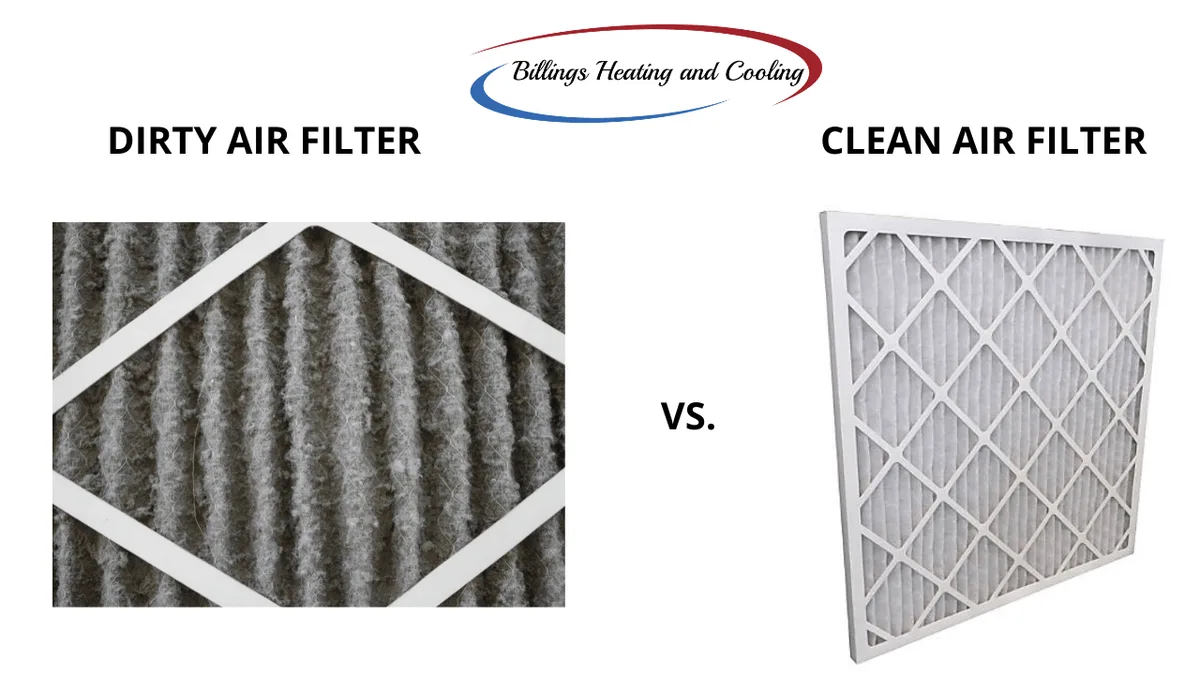
Most no-heat calls start with something simple. In our research across Framingham service records, a clean or replaced air filter alone resolves roughly one in five furnace shutdowns. That's a five-minute task.
Start there.
Step 1: Check the Thermostat
This sounds obvious, but it's the most common oversight. Make sure the thermostat is set to "Heat" and the temperature is at least five degrees above the current room temperature. If it's a battery-powered model, replace the batteries even if the screen still works.
Low batteries can cause erratic behavior where the thermostat appears on but never sends the signal to start heating.
Smart thermostats add another layer. Check that your Wi-Fi is connected and the schedule hasn't accidentally switched to "Away" or "Eco" mode. A common Framingham issue involves a thermostat that lost its programming during a brief power flicker and reverted to a default 50°F setback.
Step 2: Verify Power to the System
Your furnace has a power switch mounted on or near the unit. It looks like a standard light switch. Make sure it's in the "On" position.
Someone could have bumped it while moving boxes or doing laundry. Also check your home's electrical panel for a tripped circuit breaker labeled "Furnace" or "Boiler." Reset it if needed. If it trips again immediately, do not keep resetting it.
That signals a short circuit or motor problem that needs a professional.
Step 3: Check the Gas Supply
Find the gas shutoff valve on the pipe running into your furnace. The handle should be parallel to the pipe. If it's perpendicular, the gas is off.
This valve sometimes gets turned off during other home repairs. If the valve is on but you smell gas, proceed immediately to the safety section below.
Step 4: Inspect or Replace the Air Filter
A clogged air filter restricts airflow, which causes the furnace to overheat and trigger a safety limit switch. That switch shuts the burner down to prevent a fire. The furnace may try to restart, overheat again, and lock out entirely.
Power the system off before removing the filter. Hold it up to the light. If you can't see through it, replace it.
Standard 1-inch filters should be changed every 30 to 60 days during heating season. Mark a calendar reminder so you don't forget.
Step 5: Reset the System
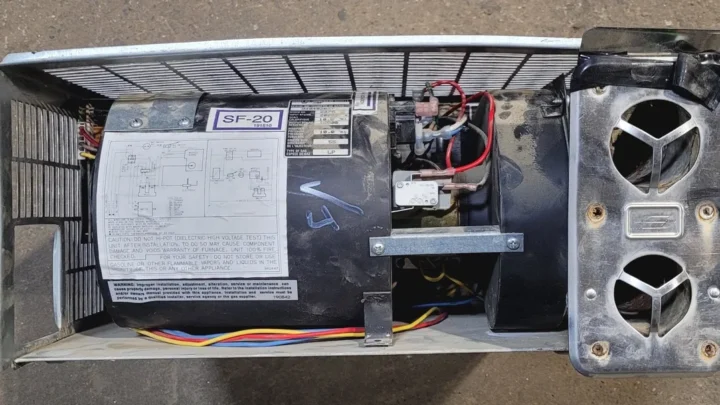
Many modern furnaces have a manual reset button on the blower motor or inside the burner compartment. Consult your owner's manual for the exact location. After checking the filter and verifying power and gas, press the reset button once.
Wait for the system to run through its ignition sequence. If it lights and runs normally, you likely fixed it. If it fails to light or shuts down again, stop troubleshooting and call a pro.
The Two Biggest Risks in Any Framingham Home
Every homeowner should know where the real dangers hide. Two risks dominate. One you can prevent with a ten-dollar battery.
The other starts a clock ticking the moment the temperature drops.
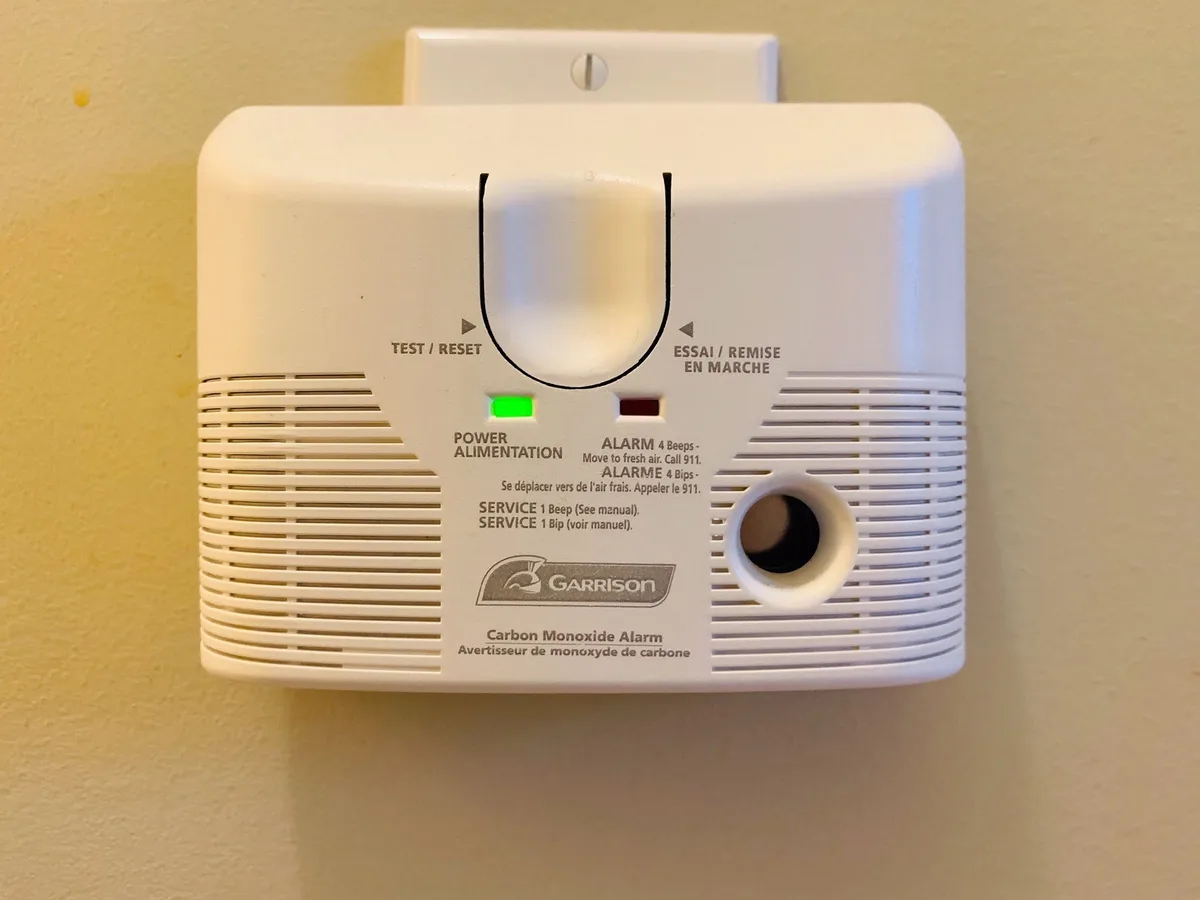
Image source: Bing (Web (fair-use with source credit))
Carbon Monoxide: The Silent Shutdown
Carbon monoxide is invisible, odorless, and produced whenever natural gas, oil, or propane burns incompletely. A properly maintained heating system vents CO safely outside. But if the heat exchanger cracks, the flue pipe corrodes, or something blocks the chimney, CO enters your living space.
Massachusetts state law requires every home with a fuel-burning appliance to have CO detectors on every level and within 10 feet of each bedroom. If you don't have working CO detectors, stop reading and install them now. Combination smoke-CO units are fine.
Battery-operated models work if hardwired isn't an option.
If your CO detector alarms, evacuate everyone immediately. Call 911 from outside. Do not open windows before leaving.
Let the fire department clear the house and identify the source.
Frozen Pipes: The Clock Is Ticking
When the heating system stops working and outdoor temps are below 20°F, you have roughly six to eight hours before pipes in uninsulated areas start freezing. The worst-case scenario is a pipe that bursts inside a wall cavity. You won't see the leak until water stains appear on your ceiling.
If you're waiting for a repair technician and the house is getting cold, take action. Open cabinet doors under sinks to let warm air reach the pipes. Let faucets drip slightly.
Moving water freezes slower than standing water. If you have a basement with exposed pipes, wrap them with towels or pipe insulation if you have any handy.
When to Evacuate vs. When to Stay
Use this simple rule. If you smell gas even slightly, leave. Do not flip any switches, do not use your phone inside the house, and do not try to find the source yourself.
Gas leaks can ignite from a spark as small as a light switch. Call Eversource Gas at 1-800-592-2000 or 911 from outside.
If you have no heat but no gas smell and no CO alarm, you can safely stay while you troubleshoot or wait for service. Put on extra layers, close off unused rooms, and keep interior doors open to allow any residual heat to circulate.
Reading Your System's Symptoms – What Noises and Behaviors Mean
Your heating system talks to you. The trick is understanding what it's saying. Different sounds and behaviors point to different problems.
Some you can fix. Others require a technician.
No Heat, No Sound, No Response
The thermostat calls for heat, the furnace does nothing. No blower, no igniter click, no burner whoosh. This usually means power isn't reaching the system or the thermostat isn't communicating.
What to check first. Confirm the thermostat is calling for heat. Then verify power at the furnace switch and electrical panel.
If both are on and the system still sits silent, the control board may be fried or a safety switch may be open. Neither is a DIY repair. Call a technician.
Blower Runs but No Warm Air
This is one of the most common failure modes. The fan comes on, you feel air moving through the vents, but it's room temperature or cold. The burner isn't lighting.
Likely causes. The igniter failed and the gas valve never opened. The flame sensor is dirty and can't confirm the burner lit, so the gas valve shuts off.
The pressure switch is stuck open, preventing the ignition sequence from starting.
What you can try. Turn the system off at the thermostat, wait 30 seconds, and turn it back on. Listen for the ignition sequence.
You should hear a click from the igniter, then a soft whoosh as the burner lights. If you hear clicking but no whoosh, the igniter is working but gas isn't flowing. That's a pro job.
If you hear nothing at all, the igniter likely failed. Also a pro job.
Short Cycling (On and Off)
The furnace starts, runs for a minute or two, then shuts down. Then it tries again a few minutes later. This cycle repeats endlessly.
Most common cause. A dirty air filter restricts airflow. The heat exchanger gets too hot, trips the limit switch, and the burner shuts off.
The blower keeps running to cool the exchanger. Then the limit switch resets, the burner tries again, overheats, and the cycle repeats.
Quick fix. Check and replace the air filter. If the problem persists, the limit switch itself could be failing, or the blower motor may be running slow.
Both need a professional diagnosis.
Banging, Squealing, or Rumbling Sounds
Different sounds mean different things.
Banging from the ductwork. That's metal expanding and contracting. It's annoying but usually not a problem.
Ignore it.
Banging from the boiler. In steam systems, this happens when condensate water gets trapped in a steam pipe. Cold water hits hot steam and makes a hammering sound.
It can damage pipes over time. A technician needs to check the pitch of the pipes and the condition of the steam vents.
High-pitched squealing from the furnace. The blower motor bearings are drying out or the belt is slipping. Some squeals can be fixed with a few drops of lightweight machine oil on the motor ports.
Others mean the motor is failing and needs replacement within a few weeks.
Rumbling or roaring from the burner. The gas-air mixture is out of adjustment. This wastes fuel and can produce excess CO.
Do not adjust the gas valve yourself. Call a technician.
Burning Smell: Normal vs. Dangerous
The first time you fire up the furnace in fall, you'll smell a mild burning odor. That's dust burning off the heat exchanger. It usually clears within 15 to 30 minutes.
Open a window if it bothers you.
A burning smell that persists or gets stronger is a warning sign. Electrical components melting, wires overheating, or a blower motor burning out all produce a distinct acrid smell. Shut the system off and call a technician.
A burning plastic or rubber smell is a fire risk until proven otherwise.
Quick-Fix Branching Guide
This decision tree works for the three most common heating emergencies. Follow the path that matches your situation. Each branch ends with either a safe DIY fix or a clear instruction to call a professional.
Branch 1: No Heat, System Completely Dead
If the thermostat screen is blank: Replace the batteries. If the screen comes back on and the system starts, you're done. If not, check the circuit breaker for the thermostat (some are on a dedicated low-voltage transformer).
If the thermostat has power but the furnace doesn't respond: Check the furnace power switch and the breaker. If both are on, press the furnace reset button once. If the system fires up and runs, monitor it for an hour.
If it shuts down again, the likely cause is a failing component.
If the furnace tries to start but fails (clicking, then silence): The igniter is probably bad. This is not a DIY repair. Call a technician.
Branch 2: Unusual Sounds or Smells
If you hear a loud bang from the boiler: Check the pressure gauge. A steam boiler should read between 0.5 and 2 psi when cold. A hot water boiler should read around 12 to 15 psi.
If pressure is extremely high or low, shut the system off and call a pro.
If you hear squealing from the furnace blower: Locate the oil ports on the blower motor. Add a few drops of lightweight machine oil. If the squeal stops, run the system and check again in a week.
If the squeal returns or never stops, the motor bearings are worn and replacement is needed.
If you smell gas: Stop. Evacuate. Call 911 from outside.
Do not pass go.
If you smell burning plastic or rubber: Shut off the system at the thermostat and the breaker. Call a technician immediately.
Branch 3: Weak or Uneven Heat
If some rooms are cold and others are hot: Check that all supply registers and return grilles are open and not blocked by furniture. A closed register in one room forces more air to the others, which can make some rooms too hot and the system cycle on a thermostat in a warm room while cold rooms stay cold.
If the whole house feels drafty but the furnace runs constantly: The house is losing heat faster than the furnace can replace it. This is an insulation and air sealing issue, not a furnace problem. Seal drafts around windows and doors with weatherstripping as a temporary measure.
Plan a home energy audit in the spring.
If the heat comes out lukewarm at the vents: The temperature rise across the furnace is too low. This can mean a dirty filter, a slow blower motor, or a burner that isn't getting enough gas. Replace the filter first.
If that doesn't help, call a technician.
When You Absolutely Must Call a Licensed HVAC Contractor
Some problems are beyond a homeowner's toolkit. Here's when you stop troubleshooting and pick up the phone.
Gas Smell or Suspected Leak
We covered this already, but it bears repeating. If you smell gas, leave immediately. Call 911 from outside.
Then call Eversource Gas at 1-800-592-2000. Do not return until emergency responders say it's safe.
Flame Rollout or Sooting
Flame rollout happens when the burner flames push outward from the combustion chamber instead of staying inside. This is a serious safety hazard. It can mean a blocked heat exchanger, insufficient draft, or a gas pressure problem.
You may see black soot around the burner access panel. Shut the system off immediately and call a technician.
Repeated Lockouts After Reset
If the furnace goes through its startup sequence, runs for a short time, and then locks out again, a safety device is detecting a problem. Common causes include a failing flame sensor, a blocked condensate drain in high-efficiency furnaces, or a pressure switch that's not closing. A technician can diagnose these with proper testing equipment.
Boiler Pressure Issues or Leaking Water
A hot water boiler should maintain pressure between 12 and 15 psi when cold. If the pressure drops below 10 psi, the boiler may not circulate water properly. If it climbs above 25 psi, the pressure relief valve could open and dump hot water onto the floor.
Either situation requires a professional. Leaking water around the boiler also needs immediate attention.
What to Tell the Dispatcher
When you call an HVAC company, describe exactly what the system is doing. Say whether the blower runs, whether you hear the igniter, and whether the burner lights at all. Mention any error codes on the furnace control board.
This helps the dispatcher send a technician with the right parts. A single trip with the correct igniter or flame sensor costs less than two trips.
Annual Maintenance That Prevents 80% of Emergency Calls
Most emergency calls are preventable. A little seasonal maintenance goes a long way.
Pre-Winter Checklist (October)
Change the air filter. Clean the area around the furnace. Remove boxes, stored items, and debris from the mechanical room.
Check the condensate drain line for blockages. Test your CO detectors and replace batteries. Schedule a professional inspection and tune-up before the first cold snap.
Mid-Winter Checkup (January)
Check the air filter again. Replace it if it looks dirty. Walk through the house and open any registers that are closed or blocked.
Verify that vents and flues outside are clear of snow and ice. Listen for any new noises from the furnace or boiler. A small problem caught early is much cheaper than an emergency call.
Simple Things Every Homeowner Can Do Safely
Vacuum dust off the furnace blower compartment cover. Keep the area around the unit clear of flammable materials. Do not store paint cans, solvents, or gasoline cans near the furnace.
These tasks require no technical skill and reduce fire risk significantly.
Frequently Asked Questions
How do I know if my furnace is old enough to replace instead of repair?
Most gas furnaces last 15 to 25 years. If your furnace is older than 15 years and needs a major repair like a heat exchanger or blower motor, replacement usually makes more financial sense. A new high-efficiency model will pay for part of itself in lower gas bills within a few years.
Is it normal for my boiler to make banging noises in the morning?
In steam systems, yes. Condensate water that hasn't drained back to the boiler can get hit by steam and create a hammering sound. It's common but not harmless.
Over time it can damage pipe fittings. Have a technician check the slope of the steam pipes and the condition of the vents.
Should I turn my heat off when I leave for a weekend trip?
No. Set the thermostat to 55°F instead. Turning the heat off completely risks frozen pipes, especially in a Framingham winter.
A 55°F setback saves energy without letting the house get cold enough for pipes to freeze in interior walls.
My furnace shut off after a power outage. What do I do?
Many furnaces have a safety lockout after a power interruption. Press the reset button once. If the furnace fires up and runs normally, it's fine.
If it fails to light or locks out again, a component may have been damaged by the power surge. Call a technician.
Who inspects gas work in Framingham, and do I need a permit?
The Town of Framingham Inspectional Services handles gas permits and inspections. Any work on gas piping, burner replacements, or new furnace installations requires a permit. Licensed contractors pull the permit as part of the job.
If a contractor says you don't need a permit, find another contractor.

Similar Posts