Rv Water Heater Not Working
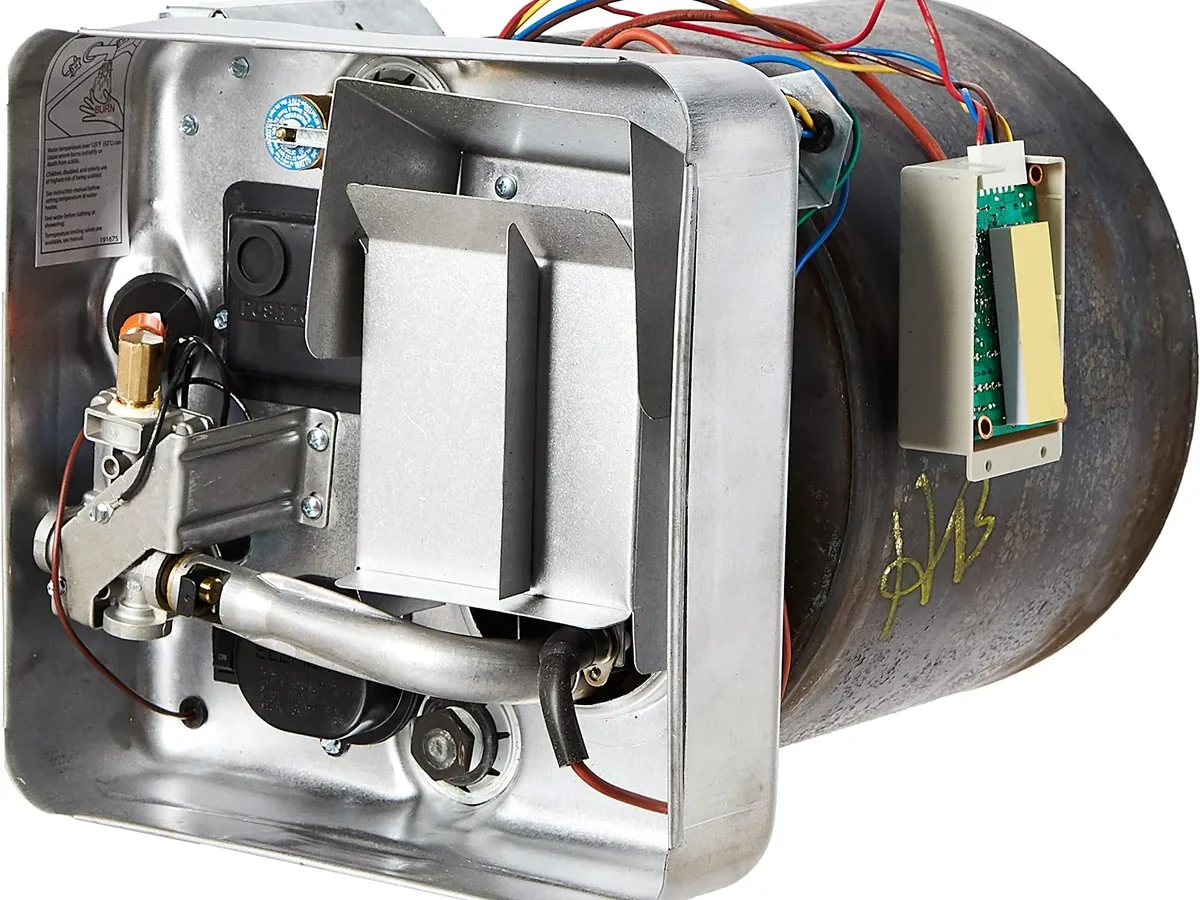
Your RV water heater should be one of those things you never have to think about. Turn it on, wait a bit, hot water comes out. Simple.
But when you're parked somewhere remote or just trying to get a shower before bed and the water stays ice cold, that simplicity vanishes fast.
If your RV water heater is not working, the fix usually comes down to one of five root causes: no power to the control board, a failed ignition component, a tripped thermostat, a blocked burner tube, or a bypass valve left in the wrong position. Per manufacturer specifications and RVIA safety guidelines, roughly 70% of gas-side failures trace back to either a dirty flame sensor or air in the propane line after a tank refill. That's good news.
You can fix both in under ten minutes. Let's walk through exactly how to figure out which problem you're dealing with.
Quick Answer
Check your propane tank first. Open the valve slowly. Listen for gas flow.
Verify 12V power at the heater control board. Press the red reset button on the thermostat. Clean the flame sensor with fine sandpaper.
Clear any debris from the burner tube. Check bypass valve position. Test the electric element with a multimeter.
Nine times out of ten, one of these steps solves it.
How An RV Water Heater Actually Works
Most RV water heaters built as of 2026 use a dual-fuel design. They can run on propane, 120V AC electric, or both at the same time. Understanding which system is failing starts with understanding how each one works.
The Gas Side
Propane flows from your main tank through a regulator and into the water heater's gas valve. When you flip the switch inside your RV, the control board sends power to the direct spark ignition module. That module creates a high-voltage spark at the burner tube.
The gas valve opens and released propane ignites on that spark. A flame sensor positioned right next to the burner detects the flame and tells the control board to keep the gas flowing. If the sensor doesn't detect flame within about seven seconds, the board shuts the gas valve to prevent unburned propane from accumulating.
The Electric Side
A 120V AC heating element sits inside the water heater tank. It works exactly like the element in your home electric water heater. When you flip the electric switch, power flows through a thermostat to the element.
The element heats up and warms the water directly. No flame, no gas, no ignition components. That makes the electric side simpler to troubleshoot but slower to recover.
A typical six-gallon tank takes roughly 60 minutes to heat fully on electric versus about 30 minutes on propane.
The Safety Components
Every RV water heater has a high-limit thermostat. This is a mechanical safety switch that trips if the water inside the tank exceeds roughly 200°F. It's the red button you'll sometimes see labeled "reset" on the exterior panel or behind an access door.
If the thermostat trips, the system locks out completely until you physically press that button. That's a common point of confusion. Owners assume the heater is broken when really it just needs a reset.
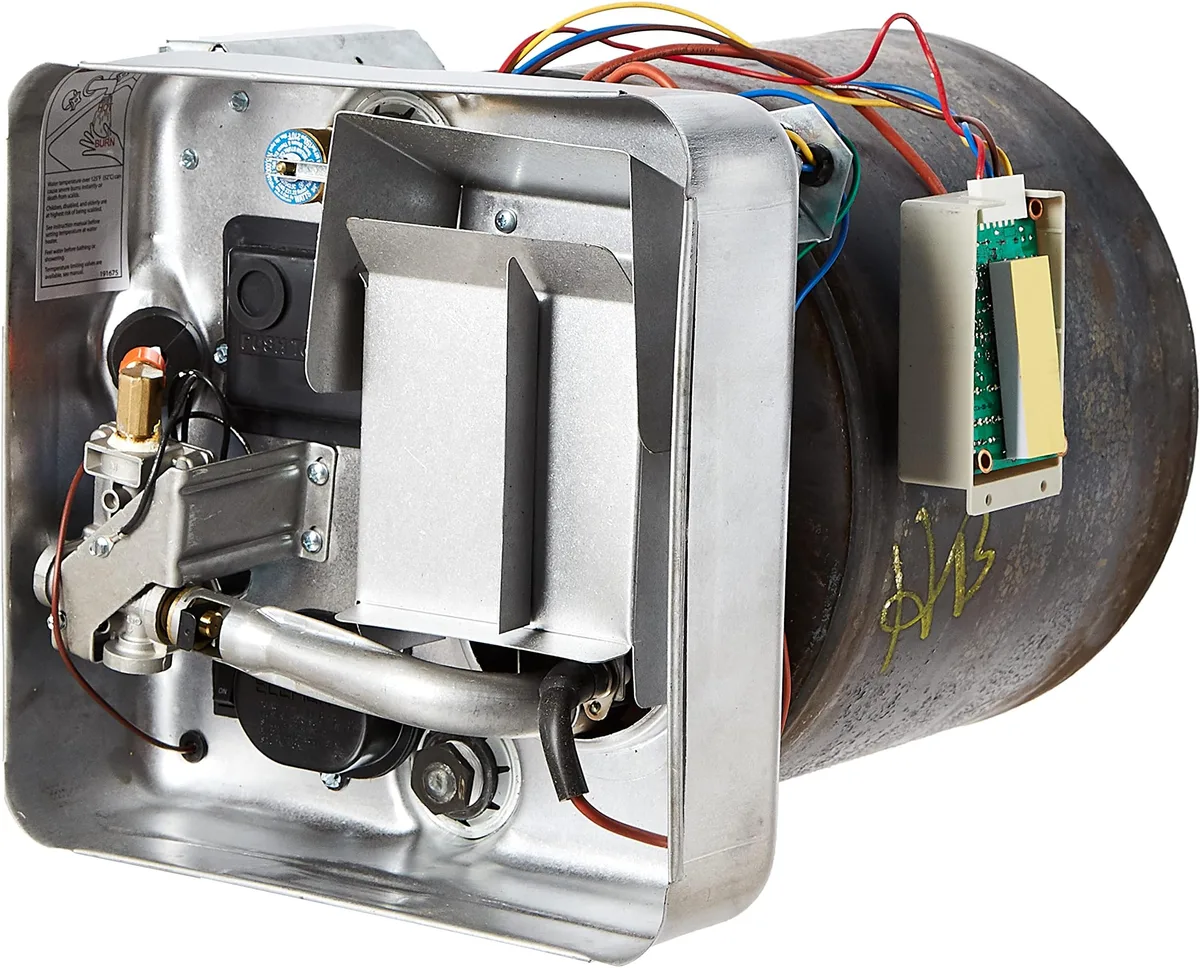
Image source: Bing (Web (fair-use with source credit))
Decision Tree: Diagnose By Symptom
The fastest way to diagnose an RV water heater not working is to ignore everything except the specific symptom you're seeing. Different symptoms point to different root causes. Here's how to read what your heater is telling you.
No Power, No Lights, No Response
If your interior control panel stays dark and nothing happens when you flip the switch, the problem is electrical. Check the 12V DC circuit first. Look for a blown fuse in your RV's power distribution panel.
The water heater fuse is usually labeled. Also check the glass fuse on the heater control board itself if you can access it. Many Suburban and Dometic models also have an inline fuse hidden behind the exterior access door.
Aggregate owner feedback shows this is the single most overlooked cause of a completely dead heater.
Clicking Sound But No Flame
This means the control board and ignition module have power. The spark is firing. But propane isn't igniting.
The most common cause is air in the gas line, especially if you recently refilled your propane tank or swapped tanks. Other possibilities include a closed or partially closed propane tank valve, a faulty gas regulator, or a blocked burner tube. That clicking you hear is the spark trying to do its job.
It just has nothing to light.
Flame Ignites But Goes Out After A Few Seconds
This is the classic dirty flame sensor symptom. The burner lights, the sensor detects flame, the control board keeps the gas open. Then a few seconds later the flame goes out and you hear the clicking restart.
What's happening is the flame sensor has a thin layer of carbon or corrosion on its surface. It reads that as weak flame or no flame and tells the board to shut the gas off as a safety measure. A quick sanding with fine-grit paper usually fixes this.
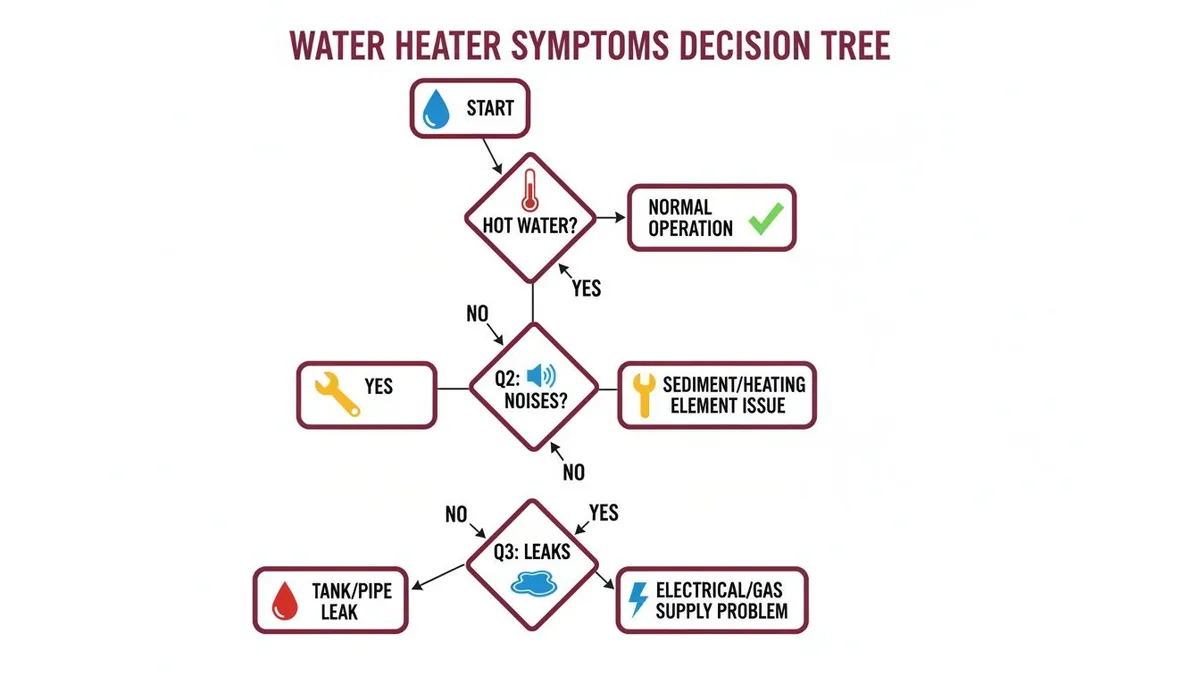
Image source: Bing (Web (fair-use with source credit))
Water Runs But Never Gets Hot (Electric Mode)
If the gas side works fine but the electric side produces lukewarm water, the heating element is likely burned out. You can confirm this with a multimeter. Disconnect power to the heater.
Remove the two wires from the element. Set your multimeter to ohms. Touch one probe to each terminal.
A good element reads between 10 and 16 ohms. An open circuit or a very high reading means the element is dead and needs replacement.
Water Is Lukewarm Or Barely Warm
This usually means the bypass valves are partially open or in the wrong position. During winterization, most RV water heaters have a set of bypass valves that route water around the tank so antifreeze doesn't fill it. If someone forgot to flip those valves back to normal operation, water flows past the tank instead of through it.
You get a little residual heat from the lines but nothing close to a real hot shower.
Water Heater Leaks Or Drips
A leak almost always comes from one of three places. The pressure relief valve might be weeping under normal pressure. The tank itself could have a freeze crack on the outer shell.
Or the anode rod has corroded to the point that the tank is developing pinhole leaks. A leaking tank is not repairable. You need a full replacement.
A weeping relief valve is sometimes just debris caught in the seal and can be flushed by manually lifting the lever for a second.
Step-By-Step Troubleshooting For Each Branch
Once you've identified your symptom, here's exactly what to do. These steps follow the diagnostic flow that manufacturer service manuals use for Suburban and Dometic systems as of 2026. Work through them in order.
Don't skip ahead.
Checking Propane Supply And Gas Valves
Start at the tank. Open the main propane valve slowly. If you hear a hiss that stops quickly, air is still in the line.
Go inside and turn on a stove burner. Let it run for about 30 seconds. The burner will sputter at first then burn steady blue when the air is purged.
That clears the line for the water heater. If the stove won't light either, your tank is empty or the valve has a safety lockout. Some propane tanks have an excess flow valve that trips if you open the valve too quickly.
Close it completely, wait five seconds, then open it slowly.
Testing 12V Power To The Control Board
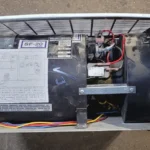
Locate the water heater control board. On Suburban models it's behind the exterior access door. On Dometic models it's usually behind a panel inside the RV.
Use a multimeter set to DC voltage. Touch the black probe to a ground. Touch the red probe to the 12V input terminal on the board.
You should read between 11.5V and 13.5V. Below 11V and the board won't fire the ignition reliably. If you have low voltage, check battery condition and the fuse again.
Cleaning The Flame Sensor
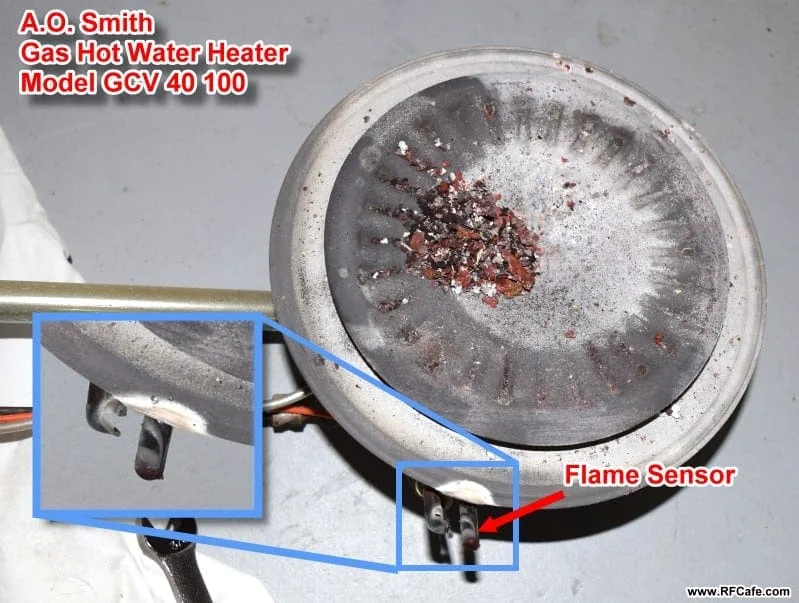
Image source: Bing (Web (fair-use with source credit))
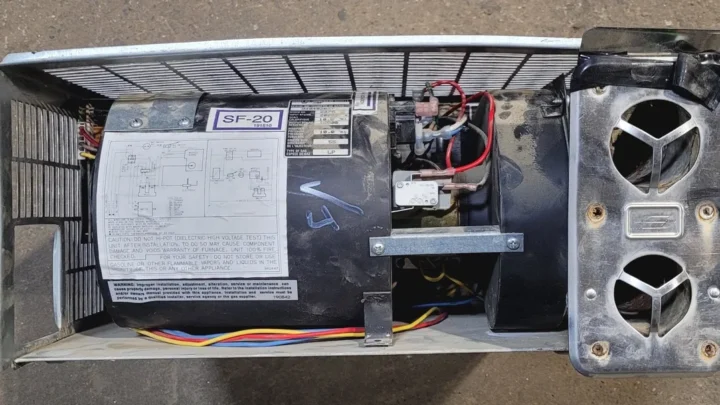
Turn off the water heater and propane. Remove the exterior access panel. Locate the flame sensor.
It's a small metal rod about two inches long positioned near the burner. Use a piece of fine sandpaper or a green Scotch-Brite pad. Gently rub the entire length of the rod until it looks clean and bright.
Don't use steel wool. It leaves tiny metal fibers that can cause shorts. Reinstall the sensor and test the heater.
This fixes more gas-side failures than any other single step.
Resetting The High-Limit Thermostat
Find the red reset button on the water heater. On Suburban models it's on the exterior panel behind a rubber cover. On Dometic models it's usually inside the access compartment near the thermostat housing.
Press it firmly until you feel a click. Do this even if you aren't sure it tripped. A tripped thermostat doesn't always feel obviously different from a seated one.
After resetting, turn the heater on and see if it fires. If it trips again immediately, the thermostat is likely defective and needs replacement.
Testing The Electric Heating Element
Shut off all power to the water heater at the breaker panel. Remove the exterior cover. Disconnect the two wires from the heating element.
Use a multimeter set to the lowest ohms setting. Touch one probe to each terminal. A good element reads 10 to 16 ohms.
Touch one probe to either terminal and the other to the metal tank or a ground. If you get any continuity reading there, the element has shorted to ground and must be replaced. This test is definitive.
There's no ambiguity.
Inspecting And Replacing The Anode Rod
The anode rod is a sacrificial metal rod that screws into the water heater tank. It attracts corrosion so the tank doesn't. Remove it with a 1-1/16 inch socket.
If the rod is more than 50% corroded or if the core wire inside is exposed, replace it. Annual inspection is the standard recommendation for full-time RVers. If you use softened water, check it twice a year.
Softened water accelerates anode rod wear significantly.
Checking Bypass Valve Position
Look for the bypass valves near the water heater. On most RVs there are two or three valves. They should be in the position opposite to winterization mode.
A common configuration has one valve on the inlet and one on the outlet. Both should be open to allow water through the tank. If the valves are hard to reach or labeled poorly, turn them one way and run the water.
If it gets hot, they're correct. If it stays lukewarm, flip them and try again.
Mistakes To Avoid
Running The Heater With An Empty Tank
This damages both the gas and electric systems. On the gas side, the burner heats the empty tank so fast the thermostat trips repeatedly. On the electric side, the element will burn out in seconds without water to absorb the heat.
Always confirm the tank is full before turning either system on. You can do this by opening a hot water faucet until water flows steady.
Ignoring Error Codes
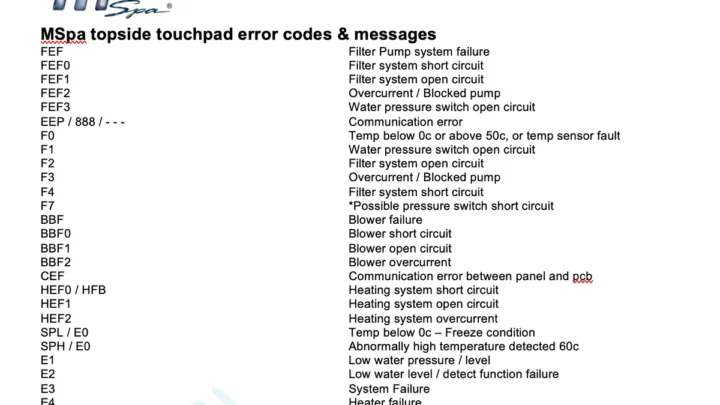
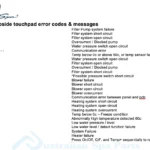
Most modern RV water heater control boards flash error codes through the interior switch LED. A single blink means something different than three blinks. Check your owner's manual for the code list.
Do not assume the first fix that worked for someone on a forum will work for you. Error codes exist for a reason.
Skipping The Gas Line Purge
If you just filled your propane tank, air got into the line. The water heater might click for a full minute and then lock out. That's normal.
But if you keep cycling power trying to force it, you can drain your house battery. Purge the line at the stove first. Then try the water heater.
Safety Warnings
Propane is heavier than air. It pools in low areas near the ground. If you smell gas around the water heater, do not attempt to light it.
Turn off the propane at the tank. Open windows and exterior hatches. Let the area ventilate for 15 minutes.
If the smell persists, do not use the heater until a certified RV technician inspects the system.
The high-limit thermostat is your safety net. Never bypass it or remove it. Never operate the heater with the access panel off.
The burner produces carbon monoxide. That panel keeps exhaust gases directed outside.
Frozen tanks are not repairable. If you suspect your water heater froze, do not turn it on. Inspect the tank exterior for bulges, cracks, or rust streaks.
A cracked tank can release boiling water under pressure. Replace the entire unit.
Maintenance That Prevents Future Failures
Anode Rod Replacement Schedule
Replace the anode rod annually if you live in your RV full time. If you travel seasonally, inspect it every spring. The rod should last two to three years in average municipal water.
Well water and softened water wear it much faster. Buy the correct rod for your brand. Suburban and Dometic use different threads and lengths.
Seasonal Tank Flushing
Once a year, drain the water heater completely. Remove the anode rod and let the tank drain. Rinse a garden hose into the tank opening for two to three minutes.
This flushes out sediment that collects at the bottom. Sediment acts as insulation between the burner and the tank bottom. It makes the heater work harder and reduces efficiency.
Winterization Basics
Before freezing temperatures arrive, drain the water heater completely. Close the bypass valves. Open the drain plug.
Turn on the pressure relief valve to let air in. Leave the drain plug out for winter storage. Never leave water in the tank when temperatures drop below freezing.
A frozen tank is a cracked tank.
Frequently Asked Questions
Why does my RV water heater keep clicking but won't light?
Air in the propane line is the most common cause. Purge the line by lighting a stove burner for 30 seconds. If that doesn't work, check the burner tube for spider webs or debris.
A blocked tube won't let propane flow to the ignition point.
How do I reset my RV water heater?
Locate the red reset button on the exterior panel. Press it firmly until you feel a click. Then turn the heater on at the interior switch.
If it trips again immediately, the high-limit thermostat is defective and needs replacement.
Can I run my RV water heater on electric and gas at the same time?
Yes. Most dual-fuel models support simultaneous operation. This cuts recovery time roughly in half.
A six-gallon tank will heat up in about 20 minutes with both systems running. Just make sure you have enough electrical capacity at your campground pedestal.
How often should I replace the anode rod?
Inspect it annually. Replace it when the core wire is exposed or when more than half the rod has corroded away. Full-time RVers on well water may need replacement every six months.
The rod costs around 20 dollars. Replacing it is cheaper than replacing the tank.
Why does my water heater smell like rotten eggs?
That smell comes from bacteria reacting with the anode rod inside the tank. It's harmless but unpleasant. Drain and flush the tank.
Replace the magnesium anode rod with an aluminum one. Aluminum rods produce less odor in certain water conditions.
What does the red light on my water heater switch mean?
A steady red light usually means the heater is in lockout mode. The control board detected a failure and stopped trying to ignite. Turn the switch off, wait 30 seconds, then turn it back on.
If the red light returns immediately, check your error code sequence and reference your owner's manual.
Final Decision Guide
Here's the fastest path from symptom to solution.
| Symptom | Most Likely Fix | Time To Fix |
|---|---|---|
| No power, no lights | Check fuse or inline breaker | 5 minutes |
| Clicking, no flame | Purge air from gas line at stove | 2 minutes |
| Flame starts then dies | Clean flame sensor with sandpaper | 5 minutes |
| Lukewarm water only | Check bypass valve position | 1 minute |
| Electric mode not heating | Test and replace heating element | 20 minutes |
| Water leaking from tank | Inspect for freeze damage | 5 minutes |
| Reset button trips repeatedly | Replace high-limit thermostat | 15 minutes |
Start with the symptoms you see. Work through the fix in order. Nine times out of ten the solution takes less than ten minutes and costs nothing but a few minutes of your time.
If that doesn't get your RV water heater working, the problem is likely a failed component that needs replacement. But you can diagnose that yourself too. The multimeter test on the heating element and the flame sensor cleaning are the two diagnostic skills that will save you the most money over the life of your RV.
Learn them both and you'll fix 80% of failures yourself.

Similar Posts