How To Fix Chapped Lips
So your lips are cracked, peeling, or sore enough that even smiling hurts. You've tried slathering on balm, maybe switched flavors a few times, and nothing seems to stick. The frustration is real, and you're not alone, roughly 90 percent of adults deal with chapped lips at some point each year, according to research compiled by the American Academy of Dermatology.
Here's the thing most people get wrong: chapped lips aren't usually a hydration problem or a "you need better balm" problem. They're a behavior and environment problem. Fix those two things, and your lips can go from painful to normal in about three to seven days.
Let's walk through exactly how to make that happen.
Quick Answer
Stop licking your lips. Apply petrolatum or lanolin after brushing your teeth. Switch to an SLS-free toothpaste.
Use a humidifier at night. Drink enough water. Skip flavored or scented balms.
If cracks don't heal in two weeks, see a doctor. That's the short version. Now let's break down why each step matters.
Why This Matters More Than You Think
Chapped lips might seem like a minor annoyance, but they can actually signal something deeper. The skin on your lips is thin, about three to five cell layers thick compared to the 16 layers on your face. It has no oil glands, no sweat glands, and very little melanin.
That means it dries out fast, burns easily, and heals slowly.
When your lips are cracked, they're not just uncomfortable. They're an open door. Bacteria can enter through those tiny fissures, leading to infections like impetigo or cellulitis.
Repeated severe chapping over years can contribute to actinic cheilitis, a pre-cancerous condition caused by sun damage. So fixing chapped lips isn't just about comfort. It's about protecting your long-term health.
The good news is that most cases are completely fixable with simple changes. You don't need expensive treatments or a medicine cabinet full of products. You need to understand what's actually causing the problem and address it directly.
What's Actually Causing Your Chapped Lips
Before you can fix it, you need to know why it's happening.
Environmental Factors
Dry air is the number one culprit. Indoor heating in winter drops humidity levels to around 10 to 20 percent. For comparison, your skin prefers 40 to 60 percent.
Wind, cold, and sun exposure all accelerate moisture loss from your lips. If you live in a dry climate or spend time outdoors, your lips take a beating.
Behavioral Causes
Here's the hard truth: you're probably making it worse yourself. Lip licking is the most common cause of chronic chapping. Saliva contains digestive enzymes that break down skin.
When you lick your lips, the enzymes irritate the tissue, then the saliva evaporates and takes natural moisture with it. You feel dry, so you lick again. It's a vicious cycle.
Other behaviors that cause trouble include:
- Biting or picking at dry skin flakes
- Breathing through your mouth at night
- Pressing your lips together repeatedly
- Using matte or long-wear lipsticks with drying ingredients
Product Irritants
This one surprises a lot of people. Many popular lip balms contain ingredients that actually cause the dryness they claim to fix. Camphor, menthol, eucalyptus, peppermint, and cinnamon oil are all common irritants.
They create a cooling sensation that feels like it's working, but they're actually inflaming the skin.
The same goes for fragrances, dyes, and preservatives. If your balm smells like birthday cake or tastes like bubblegum, it's probably doing more harm than good.
Health-Related Causes
Sometimes chapped lips are a symptom of something internal. Common health issues that show up on your lips include:
- Vitamin B deficiency, especially B2, B3, B6, and B12
- Iron deficiency anemia
- Zinc deficiency
- Dehydration
- Allergic reactions to toothpaste, specifically sodium lauryl sulfate (SLS)
- Side effects from medications like retinoids, chemotherapy drugs, or lithium
If you've tried everything external and nothing works, it's worth looking inward. A simple blood test can rule out deficiencies.
The Right Way to Fix It (Step-by-Step Routine)
Here's a practical five-step routine based on dermatologist recommendations and clinical research. Follow this consistently for one week.
Step 1: Stop the Damage
This is the hardest step and the most important. You have to break the lip-licking cycle. Every time you feel the urge to lick, drink water instead.
Keep a water bottle on your desk or in your bag. If you catch yourself licking, apply a thick layer of balm immediately.
At night, if you breathe through your mouth, consider a humidifier in your bedroom. Set it to 45 to 50 percent humidity. You'll notice a difference within two nights.
Step 2: Switch Your Toothpaste
SLS (sodium lauryl sulfate) is a foaming agent in most toothpastes. It's also a known irritant for many people. If your lips are chronically chapped, switch to an SLS-free toothpaste for two weeks.
See if the cracking around your mouth improves. Brands that clearly label themselves as SLS-free are widely available at drugstores. If your lip corners are especially cracked and sore, this step is non-negotiable.
Step 3: Exfoliate Once, Gently
You might be tempted to scrub your lips every day. Don't. Over-exfoliating strips away the protective barrier and makes chapping worse.
Do it exactly once when you start this routine, then stop.
Use a damp, soft washcloth and rub your lips in small circles for about 15 to 20 seconds. That's it. No sugar scrubs, no toothbrush, no peeling masks.
Just a gentle washcloth. The goal is to remove loose, dead skin so your balm can reach healthy tissue. Balm goes on immediately after.
Step 4: Apply the Right Balm, the Right Way
This is where most people mess up. You don't just dab balm on when you remember. You apply it strategically.
When to apply:
- Immediately after brushing your teeth (damp lips absorb better)
- After every meal or snack
- Before going outside in cold or windy weather
- Right before bed
How to apply:
Use a thick, visible layer. Not a thin swipe. You want to see a glossy coating that stays on for at least 30 minutes.
If your lips feel bare within 10 minutes, you're not using enough or your balm is too thin.
For overnight, use an even heavier layer. Think of it as a lip mask. Some people sleep with a small dab of petrolatum on their lips and wipe off the excess in the morning.
Step 5: Hydrate From the Inside
Your lips are a late indicator of dehydration. By the time they feel dry, your whole body is already running low. Aim for roughly 2 to 3 liters of fluid per day, more if you're active or live in a dry climate.
Water is best. Herbal tea counts. Coffee and alcohol work against you.
Both are diuretics that pull water out of your tissues.
If you live in a very dry climate or run the heater constantly, a humidifier is not optional. It's the single most effective environmental fix for dry lips.
Image source: Bing (Web (fair-use with source credit))
What to Put On Your Lips (And What to Avoid)
Choosing the right product matters more than you'd think. The wrong one can keep you stuck in a cycle of chapping for months.
The Gold Standards
Based on dermatologist consensus and published research from the National Institutes of Health, these ingredients are the most effective for healing chapped lips:
| Ingredient | What It Does | Best For |
|---|---|---|
| Petrolatum (Vaseline) | Occlusive — seals in moisture | Overnight use, severe dryness |
| Lanolin | Emollient plus occlusive | Deep healing, nursing mothers |
| Beeswax | Mild occlusive plus protective | Daytime wear, lip balm base |
| Shea butter | Emollient | Mild dryness, sensitive skin |
| Mineral oil | Occlusive | Budget-friendly alternative |
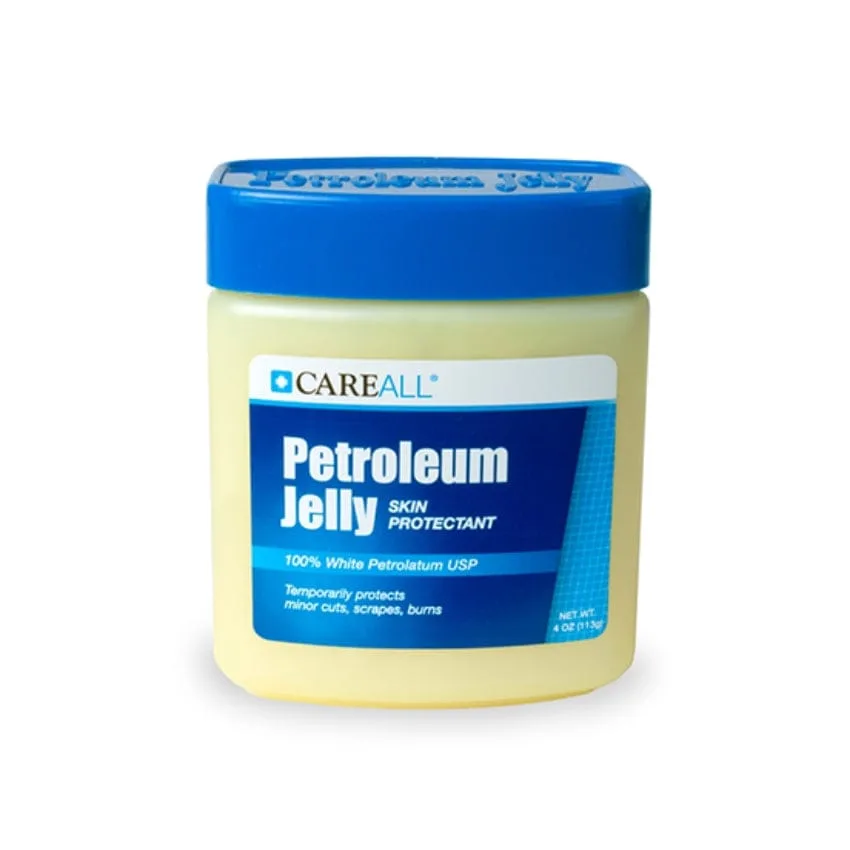
If you want one product to start with, plain petrolatum is the safest bet. It's fragrance-free, hypoallergenic, and has decades of safety data behind it. Lanolin is slightly better for deep healing, but about 1 to 3 percent of people have a wool allergy.
Test on your wrist first.
Ingredients to Avoid
These are common in popular "medicated" balms and flavored products. Check your labels.
- Camphor, menthol, eucalyptus, peppermint, These create a cooling sensation but irritate lip tissue over time. They're the reason some people feel addicted to their lip balm.
- Fragrance and flavor oils, Cinnamon, citrus, vanilla, and bubblegum are common allergens and encourage licking.
- Octinoxate and oxybenzone, Common chemical sunscreens that can cause contact dermatitis on sensitive lip skin.
- Alcohol (denatured, SD alcohol, isopropyl), Drying and irritating. If it's in the top five ingredients, skip it.
- Phenol, A mild numbing agent that can cause peeling with regular use.
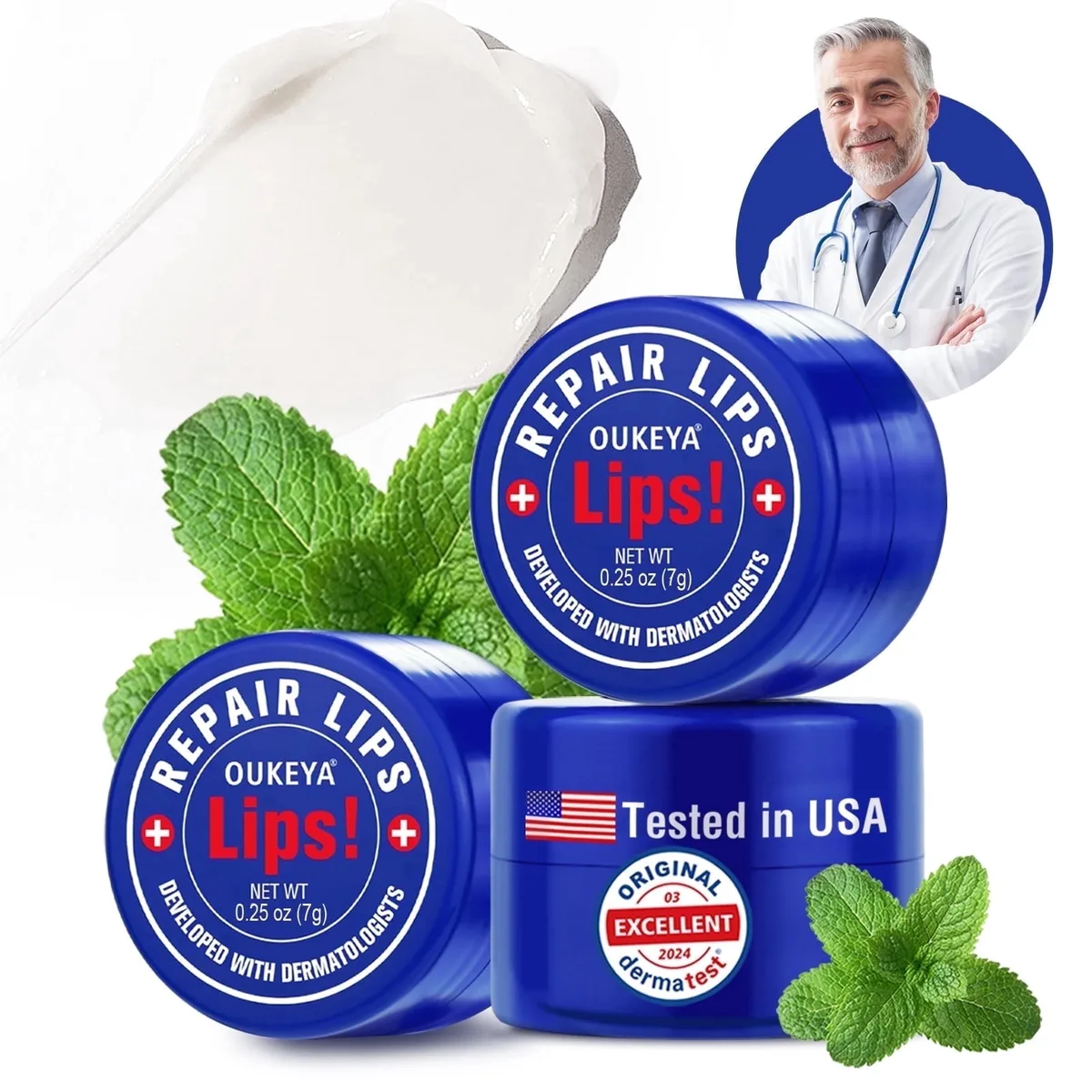
Image source: Bing (Web (fair-use with source credit))
What About Natural Balms?
"Natural" doesn't automatically mean better. Many natural balms use essential oils as preservatives or fragrances, and essential oils are common irritants. Shea butter and coconut oil are fine for mild dryness, but they're not occlusive enough for moderate to severe chapping.
They let moisture escape within an hour or two. If you prefer natural products, look for one that lists beeswax or lanolin as the base with no added essential oils.
As of 2026, the American Academy of Dermatology still recommends petrolatum-based products as the first-line treatment for chapped lips. It's inexpensive, widely available, and backed by decades of clinical use.
Mistakes That Keep Your Lips Chapped
Even with good intentions, people make these mistakes regularly. Here's what to watch out for.
Over-Exfoliating
Scrubbing your lips three times a week with a sugar scrub tears off healthy skin along with the dead stuff. Once a week is the maximum. Once when you start your routine, then stop entirely for at least two weeks.
Using "Medicated" Balms Daily
Balms containing camphor or menthol feel soothing at first. But they constrict blood vessels in your lips, which reduces healing. Use them only for temporary relief, not as your daily go-to.
Applying Balm on Dry Lips
Balm seals in moisture, but it can't add moisture that isn't there. Apply it to damp lips, right after washing your face or brushing your teeth. If your lips are bone dry, wet them with a splash of water first, then seal with balm.
Ignoring Your Toothpaste
SLS is in most toothpastes. It's a detergent that can strip oils from your lips. If your lips are always chapped, switch to SLS-free for two weeks.
Many people see improvement within days.
Sleeping in a Dry Room
Your body loses moisture through your skin all night. A humidifier prevents that moisture from evaporating off your face. Set it to 40 to 50 percent and you'll wake up with noticeably softer lips.
When It's Not Just Dry Lips (Signs to See a Doctor)
Sometimes chapped lips are actually something else. Here's when to stop treating it yourself and see a healthcare provider.
Angular Cheilitis
If the cracks are at the corners of your mouth only, that's often angular cheilitis. It looks like small red fissures and can sting when you open your mouth. This is usually a fungal infection, not simple dryness.
Lip balm won't fix it. You need an antifungal cream like clotrimazole.
Allergic Contact Cheilitis
If your lips are red, swollen, itchy, or blistered, you're probably having an allergic reaction. Common triggers include toothpaste, lipstick, sunscreen, and certain foods. The fix is to stop using everything and reintroduce products one at a time to find the culprit.
Actinic Cheilitis
If your lower lip is persistently dry, scaly, or has a white/gray discoloration, especially after years of sun exposure, that could be actinic cheilitis. This is a pre-cancerous condition. It requires a dermatologist for diagnosis and treatment.
Vitamin Deficiency
If the routine above does not improve your lips after two weeks, consider a deficiency. Blood tests can check for B vitamins, iron, and zinc. Addressing the deficiency usually clears the lips within a few weeks.
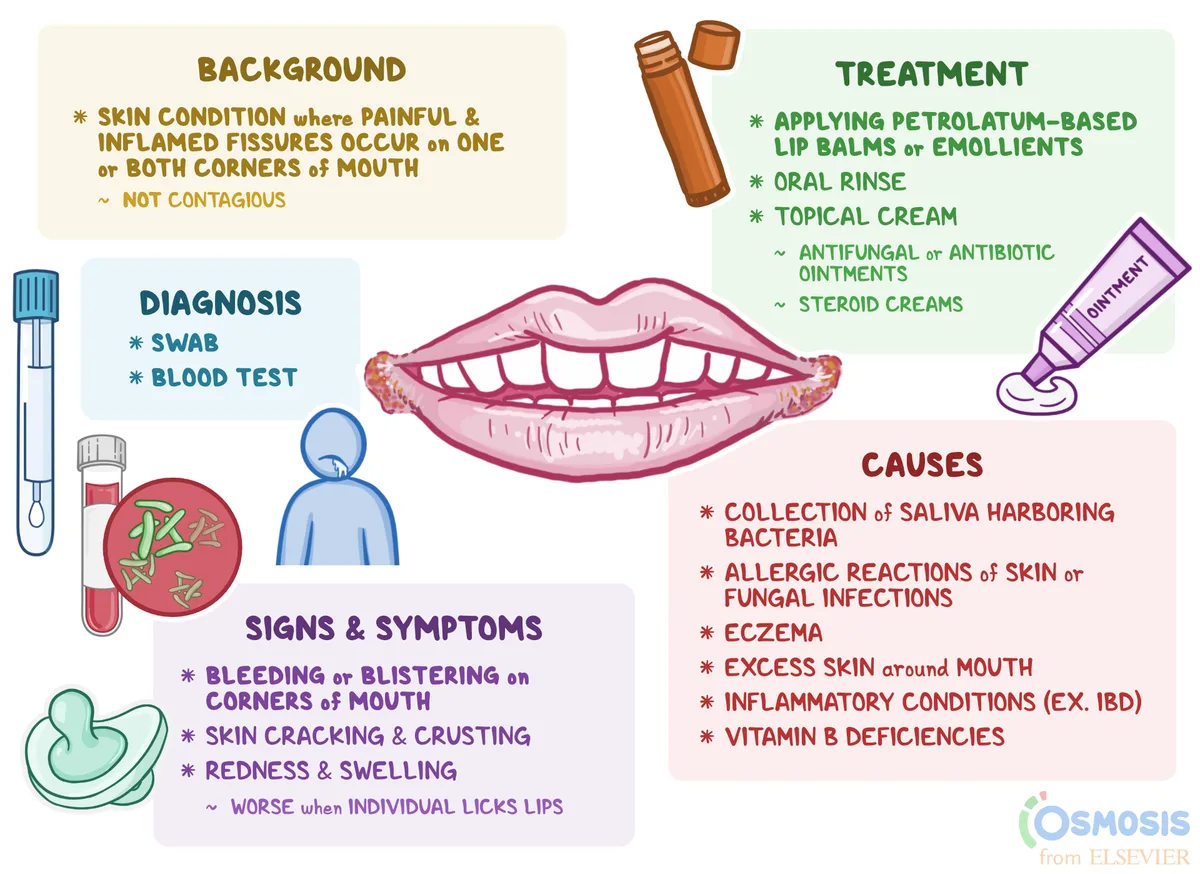
Image source: Bing (Web (fair-use with source credit))
What to Do If It Keeps Coming Back
Some people's lips chap easily no matter what they try. If that's you, focus on prevention rather than treatment.
Keep a humidifier running in your bedroom year-round. Use a petrolatum-based balm every night before bed. Wear SPF lip balm during the day, even in winter.
Switch to SLS-free toothpaste permanently. Drink water consistently throughout the day. And most importantly, stop licking your lips.
These habits take a few weeks to stick, but they work.
If you've done all of this for a month and still have problems, see a dermatologist. There are prescription treatments for persistent cheilitis, including topical calcineurin inhibitors and corticosteroid creams used under medical supervision.
Frequently Asked Questions
How long does it take to fix chapped lips?
With consistent care, most people see significant improvement in three to seven days. Complete healing usually takes about two weeks. If you don't see improvement in that timeframe, see a doctor.
Can lip balm make chapped lips worse?
Yes, if it contains irritating ingredients like camphor, menthol, eucalyptus, fragrances, or flavors. Plain petrolatum or lanolin rarely cause problems and are much safer choices.
Should I exfoliate my chapped lips?
Once gently at the start of your routine, then stop for at least two weeks. Over-exfoliating damages the protective barrier and delays healing. A damp washcloth is all you need.
Is it better to use natural lip balms?
Not necessarily. Many natural balms use essential oils that irritate sensitive lips. Look for beeswax or lanolin bases with no added fragrances or essential oils.
Petrolatum remains the dermatologist-recommended standard.
When should I see a doctor for chapped lips?
See a doctor if cracks don't improve after two weeks of consistent care, if you have swelling or blistering, if the corners of your mouth are the only affected area, or if your lower lip looks scaly and discolored.
Can toothpaste cause chapped lips?
Yes. Sodium lauryl sulfate (SLS) in many toothpastes can irritate and dry out the skin around your mouth. Switching to an SLS-free toothpaste helps many people within a few days.

Similar Posts