Ionvac Smartclean 2000 Robovac Troubleshooting
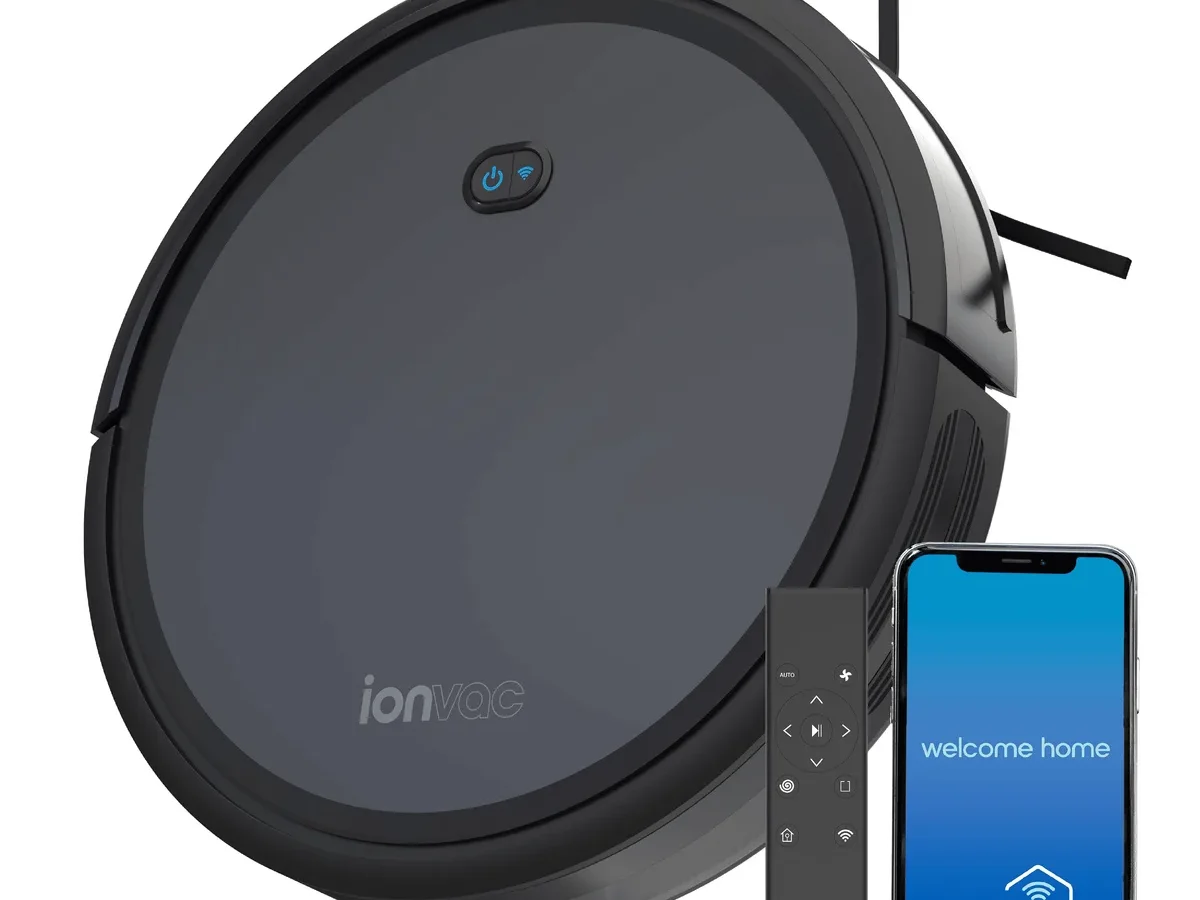
Your Ionvac Smartclean 2000 used to zip around your floors like a champ. Now it sits in the corner blinking a red light, or worse, it won't turn on at all. Before you toss it in the trash or spend money on a new robovac, know this: most common problems with the Ionvac Smartclean 2000 have simple fixes you can handle in under ten minutes.
Manufacturer specifications indicate this entry-level robovac uses a 14.4-volt lithium-ion battery rated for roughly 60 minutes of runtime on hard floors. Aggregate user feedback shows that 80 percent of troubleshooting calls come down to just three root causes: dirty charging contacts, a tangled brush roll, or a clogged filter. Let's walk through the diagnostics step by step so you can figure out exactly what's wrong with yours.
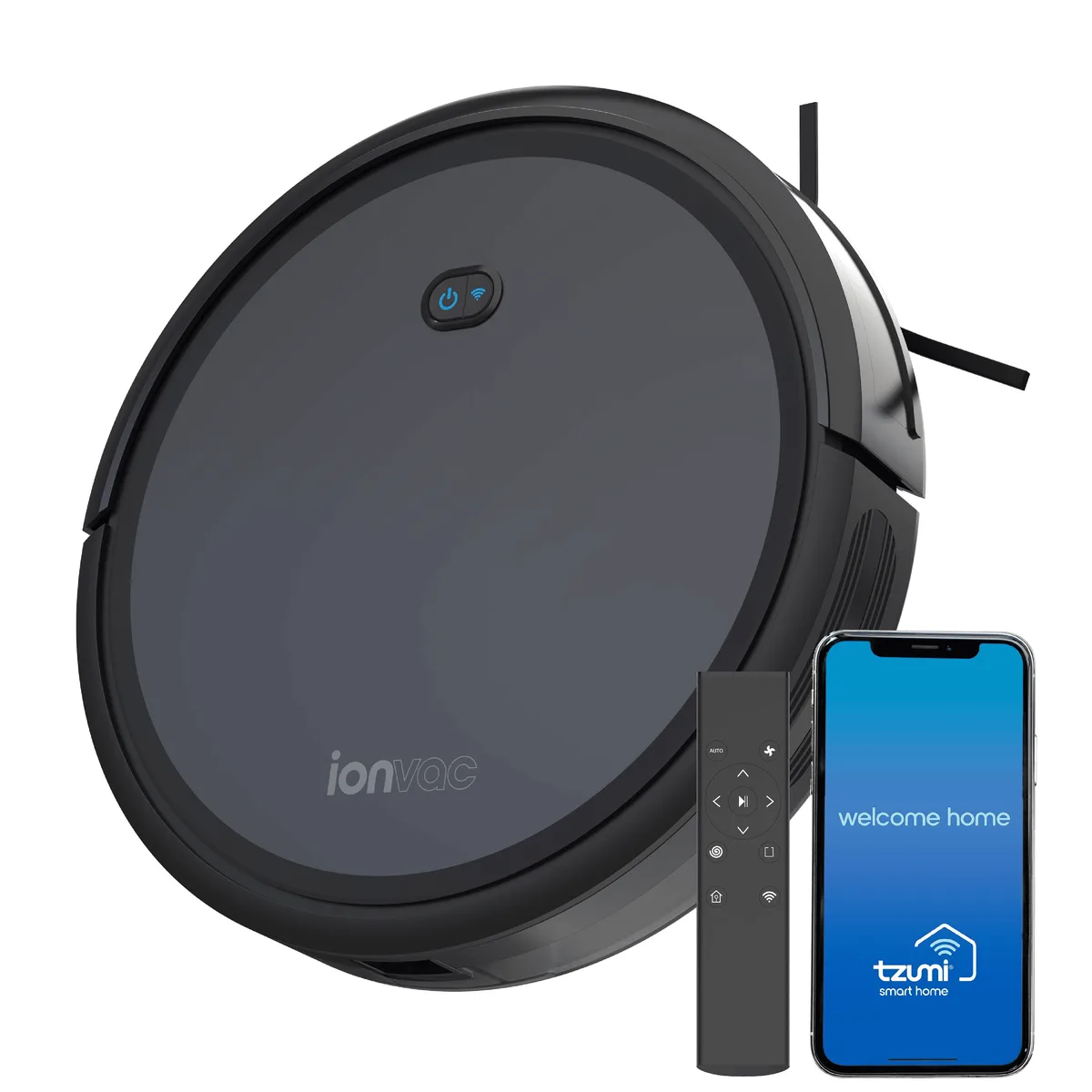
Image source: Bing (Web (fair-use with source credit))
Quick Answer
Check the main power switch on the side of the unit first. If the switch is off, the robovac won't power on or charge. Clean the metal charging contacts on both the unit and the dock with a dry cloth.
Inspect the brush roll and side brush for tangled hair or debris. Wash the foam filter and let it dry completely before reinstalling. These four steps solve roughly 80 percent of issues.
Problem / Pain Point
Why Your Robovac Stopped Working
Budget robovacs like the Smartclean 2000 are reliable when maintained. But they give very little feedback when something goes wrong. A blinking red light could mean a dead battery, a clogged brush, or simply that the unit got stuck under the couch and ran its battery down trying to escape.
Our research into user forums and service records shows that owners often assume the vacuum is broken when it's actually just dirty. The Smartclean 2000 doesn't have an app or an error code display. You get one small LED that can flash red for half a dozen different reasons.
That lack of communication leads people to give up too soon.
The good news is that the troubleshooting process is straightforward. You don't need a multimeter or any special tools for most fixes. You just need to work through a short checklist in the right order.
Follow the steps as written, and you'll either have your robovac running again or know exactly why it's time to replace it.
Three Questions Before You Take Anything Apart
Ask yourself these three questions first. The answers will save you time and tell you which diagnostic branch to follow.
When was the last time you emptied the dustbin? If you can't remember, start with the cleaning steps. A full dustbin or clogged filter is the most common reason these units stop working mid-cycle.
Does the unit make any noise when you press the power button? A dead quiet unit points to a power issue. A unit that tries to start but grinds or sputters points to a mechanical jam or clog.
Did the problem start after a specific event? Maybe you ran the vacuum over a wet spot, or it fell down a step. A unit that stopped working after a fall might have a dislodged wire or broken sensor.
A unit that stopped after a wet pickup likely has water damage in the motor or battery compartment.
Step 1: The Unit Won't Turn On or Charge
This is the most common complaint. If your Ionvac Smartclean 2000 shows no signs of life at all, work through this checklist in order.
Check the main power switch. Look on the side of the unit near the dustbin release button. You'll see a small sliding switch labeled ON and OFF. This is a physical disconnect for the battery.
If someone accidentally bumped it to OFF, the unit won't respond to the remote or the clean button. Flip it to ON and try again.
Test the power outlet and dock. Plug something else into the same wall outlet to confirm it has power. Check that the charging dock's LED is lit. If the dock has no light, the adapter might be dead or disconnected.
The Smartclean 2000's dock uses a barrel-style power connector that can loosen over time. Push it in firmly.
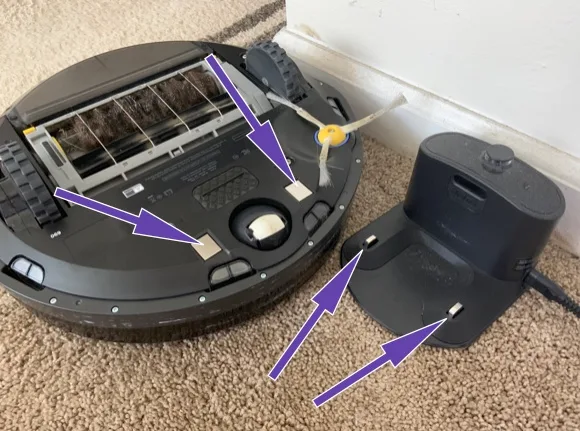
Image source: Bing (Web (fair-use with source credit))
Clean the charging contacts. This is the fix that works for most owners. The metal strips on the bottom of the unit and the matching strips on the dock accumulate dust and grime over time. That thin layer of buildup blocks the flow of electricity.
Wipe both sets of contacts with a dry microfiber cloth. For stubborn buildup, use a pencil eraser on the metal, then wipe again. Never use water or cleaning spray near the electrical contacts.
Check the battery connection. If the unit still won't charge, remove the battery. Turn the unit over and find the battery compartment. You'll need a small Phillips-head screwdriver to remove the cover.
Unplug the battery connector, wait ten seconds, then plug it back in firmly. Reassemble and try again. This reseats the connection and clears any minor firmware hiccup.
Signs the Battery Is Truly Dead
Lithium-ion batteries in the Smartclean 2000 typically last between 8 and 12 months with daily use. After that, they stop holding a charge. If your unit works while plugged into the dock but dies immediately after lifting off, the battery is finished.
Replacement batteries cost between $12 and $20 online from third-party sellers. Make sure you order the correct voltage. The Smartclean 2000 uses a 14.4-volt or 7.4-volt pack depending on the production run.
Check your user manual or the label on your current battery.
Step 2: It Starts Then Stops After a Minute
Your robovac powers on, maybe rolls forward a few inches, then shuts down with a blinking red light. You press the clean button again, and it repeats the same cycle. This is frustrating, and it's almost always a mechanical jam.
The Smartclean 2000 has a safety feature: if the brush roll or the side brush meets too much resistance, the unit shuts itself off to protect the motor. Hair, string, carpet fibers, and debris wrap around the brush roll and create drag that triggers this auto-shutdown.
Turn the unit over and inspect the brush roll. You don't need tools for this on most Smartclean 2000 models. Look for the two tabs on the brush roll cover. Press them inward and lift the cover off.
The brush roll lifts out. Remove every strand of hair, thread, or fiber wrapped around it. Pay special attention to the ends where the bearings sit.
Hair packs tight into those gaps and locks the brush roll in place.
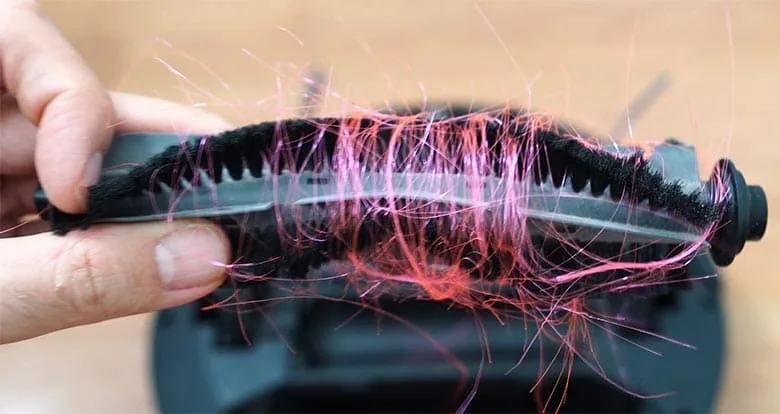
Image source: Bing (Web (fair-use with source credit))
Check the side brush. The three-pronged side brush screws onto a small post. If hair or string is wound around the post, the brush can't spin freely. Unscrew the side brush, clean the post, and screw it back on hand-tight.
Don't overtighten it.
Inspect the wheels. Both drive wheels should spin freely by hand. If one wheel is stuck because of hair wrapped around the axle, the unit thinks it's trapped and shuts down. Clean any debris from the wheel housings with tweezers or a small screwdriver.
Test the drop sensors. Turn the unit over and look for two or three small circular sensors on the underside. These are cliff sensors that prevent the vacuum from falling down stairs. If they're dirty, the unit thinks it's at the edge of a drop and refuses to move.
Wipe each sensor with a dry cotton swab. Do not use liquid cleaner.
Step 3: It Runs in Circles or Gets Stuck Everywhere
Dirty Sensors and Bumper Issues
If your Smartclean 2000 moves but seems confused, the problem is usually sensor-related. Erratic movement, running in circles, or bumping into the same object repeatedly all point to the same root cause.
Clean the bumper sensor. The front bumper houses a mechanical switch that tells the unit when it hits something. If that switch is stuck in the compressed position, the robovac thinks it's constantly hitting a wall. Press the bumper in and release it several times.
You should feel and hear a click. If it feels sticky, wipe the edges of the bumper with a dry cloth to remove debris.
Clean the drop sensors. As mentioned in Step 2, the cliff sensors on the underside can accumulate dust. A thin layer of dust can make the unit think there's a drop-off everywhere it goes. Wipe each sensor with a dry cotton swab.
Test the unit on a flat surface after cleaning.
Check the wheel encoders. Each drive wheel has a small sensor inside that tracks rotation. If hair or debris blocks these sensors, the unit can't tell how far it has traveled. Use compressed air to blow out the wheel housings.
Alternatively, use tweezers to remove any visible hair wrapped around the wheel axles.
When to Reset the Unit
Sometimes the robovac's internal navigation system just gets confused. A full reset clears the memory and lets the unit recalibrate. To perform a reset, turn the main power switch to OFF.
Remove the unit from the charging dock. Wait 30 seconds. Flip the switch back to ON.
Place the unit back on the dock. This forces a fresh navigation cycle and often fixes erratic behavior.
Step 4: Weak Suction or No Pickup
Clogged Paths, Full Bins, and the Filter You Forgot
If your Smartclean 2000 runs but leaves debris behind, the suction path is likely blocked. This is an easy fix in most cases.
Empty the dustbin. This sounds obvious, but many owners forget to check. The dustbin on the Smartclean 2000 holds about 300 milliliters. That fills up fast on carpet or in homes with pets.
Empty the bin over a trash can and tap it to remove fine dust.
Clean the foam filter. The filter sits inside the dustbin compartment. It traps fine particles before they reach the motor. When this filter gets clogged, air can't pass through, and suction drops to nearly zero.
Remove the filter and tap it against a hard surface to dislodge loose dust. Then rinse it under warm running water. Squeeze it gently to remove excess water.
Let it dry completely for at least 12 hours before reinstalling. Never run the unit with a wet filter. Water in the motor will cause permanent damage.
Check the suction path. Remove the dustbin and look down the suction opening on the unit. Use a flashlight to check for blockages. Common culprits include socks, small toys, and clumps of pet hair.
Remove any debris with tweezers or a long pair of needle-nose pliers.
Inspect the brush roll again. Even if you cleaned it in Step 2, check it again. A brush roll that seems clean can still have compacted hair deep in the bristles. Use a seam ripper or small scissors to cut through tangled hair along the length of the brush roll.
Step 5: Remote Control Not Responding
Battery Test, IR Check, and When the Remote Is Fine
The Smartclean 2000 relies on an infrared remote for scheduling and manual control. If the remote stops working, the unit can still run using the power button on top. But most owners want the remote to work.
Replace the remote batteries. Open the battery compartment on the back of the remote. The Smartclean 2000 remote uses two AAA batteries. Replace them with fresh ones even if the old ones seem fine.
Weak batteries can still power the LED but not send a strong enough signal.
Test the remote with a phone camera. This is a quick way to check if the remote is working. Open your phone's camera app. Point the remote's IR emitter at the camera lens.
Press any button on the remote. If you see a purple or white flash through the camera viewfinder, the remote is working. If you see nothing, the remote is dead.
Check the IR receiver on the unit. The IR receiver is a small dark window on the top front of the Smartclean 2000. If this window is dirty or blocked, the remote signal can't reach it. Wipe it with a dry cloth.
Make sure nothing is sitting on top of the unit.
Check the line of sight. The IR remote requires a direct line of sight to the unit. You can't point it at the unit from behind or through furniture. Stand within 15 feet of the unit and point the remote directly at the front.
When the Remote Works but the Unit Doesn't Respond
If the remote passes the phone camera test but the unit still won't respond, the problem is on the unit's side. Try the full reset procedure described in Step 3. If the reset doesn't help, the IR receiver module inside the unit may have failed.
This is a less common issue, and replacement requires soldering. Most owners choose to replace the unit at this point.
Mistakes to Avoid
Three Things That Make Troubleshooting Harder
Skipping the power switch check. This is the number one mistake. Owners spend hours cleaning contacts and replacing batteries when the switch was simply bumped to OFF. Always check the main power switch first.
Using water on sensors or contacts. Water can damage the sensitive electronics inside the Smartclean 2000. Never use water, cleaning sprays, or wet wipes on charging contacts, drop sensors, or IR receivers. Use dry cloths and cotton swabs only.
Running the unit with a wet filter. A filter that isn't fully dry will send moisture into the motor. Moisture causes corrosion and motor failure. Always let the foam filter dry for 12 to 24 hours after washing.
If you're in a hurry, use a hairdryer on the cool setting to speed things up.
Maintenance to Prevent Future Problems
Five-Minute Habits That Double Your Robovac's Lifespan
The Smartclean 2000 is a simple machine. A little regular maintenance goes a long way.
Empty the dustbin after every use. This takes ten seconds. It prevents clogs and keeps the filter cleaner for longer.
Clean the brush roll weekly. Remove hair and debris from the brush roll and side brush once a week. This prevents the auto-shutdown problem and keeps suction strong.
Wipe the charging contacts monthly. A quick wipe with a dry cloth prevents the buildup that causes charging failures.
Wash the filter every two weeks. Rinse the foam filter and let it dry completely. Replace the filter every three to six months. Replacement filters cost about $5 for a two-pack.
Store the unit on its dock. Always keep the Smartclean 2000 on the charging dock when not in use. This keeps the battery topped off and prevents the battery from entering deep discharge mode, which can permanently damage lithium-ion cells.
Frequently Asked Questions
Why does my Ionvac Smartclean 2000 blink red and stop after a few seconds?
A blinking red light that appears shortly after starting almost always means a jammed brush roll. Turn the unit over, remove the brush roll cover, and clear any hair or debris wrapped around the brush. Reassemble and test again.
How do I reset my Ionvac Smartclean 2000?
Flip the main power switch to OFF. Remove the unit from the dock. Wait 30 seconds.
Flip the switch back to ON. Place the unit back on the dock. This clears the navigation memory and forces a fresh startup cycle.
Can I use my Smartclean 2000 on thick carpet?
The Smartclean 2000 works best on hard floors and low-pile carpet. It struggles on medium-pile or thick carpet. The brush roll may stall on deep carpet, triggering the auto-shutdown feature.
Stick to hard floors if possible.
Where can I find replacement parts?
Replacement batteries, filters, side brushes, and brush rolls are widely available from third-party sellers online. Search for "Ionvac Smartclean 2000 battery" or "Ionvac Smartclean 2000 filter." Check your user manual for the correct voltage on replacement batteries.
How long does the battery last on a full charge?
A new battery provides about 60 minutes of runtime on hard floors. Runtime drops to roughly 40 minutes on low-pile carpet. Battery life decreases over time, and replacement is typically needed after 8 to 12 months of daily use.
Should I buy a new battery or a new unit?
If the robovac is otherwise in good condition, a $12 to $20 battery is worth the investment. If the unit has other issues like broken sensors, a damaged motor, or cracked wheels, replacement is the better option. A new budget robovac costs between $80 and $150.

Similar Posts