Kia Soul 2015 Problems
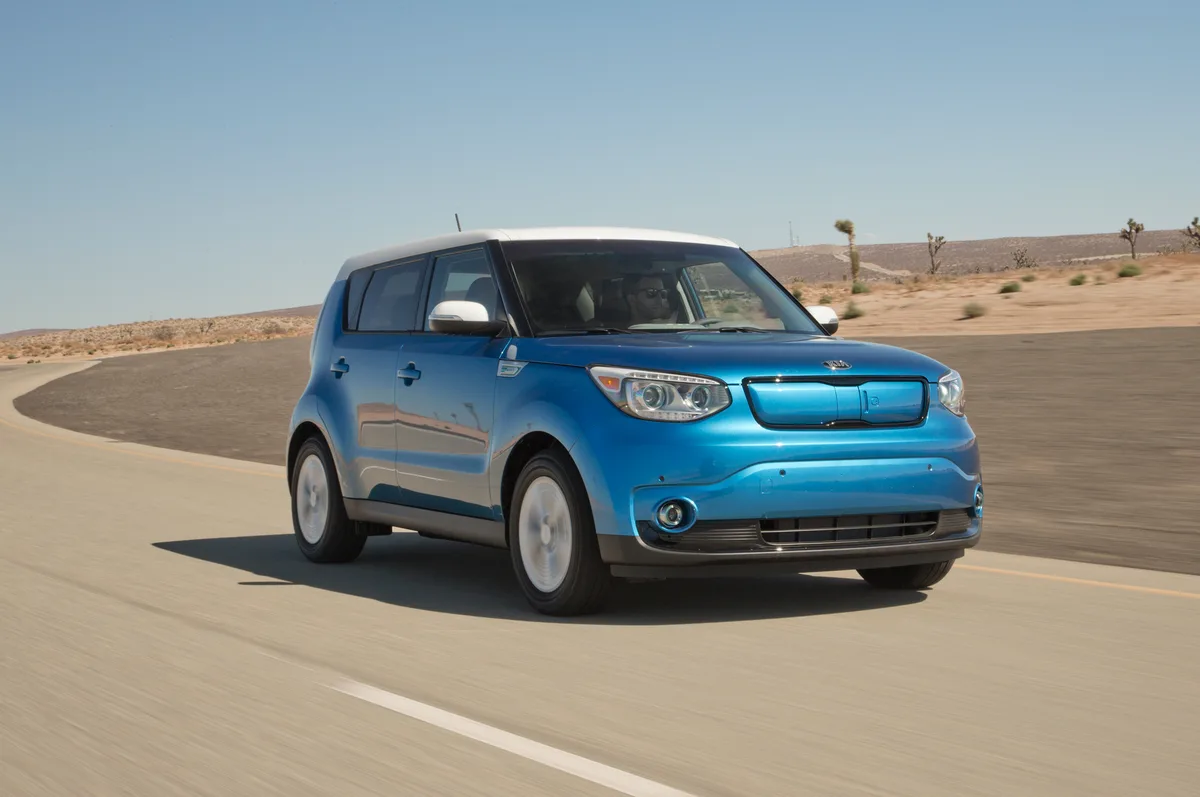
Image source: Bing (Web (fair-use with source credit))
The 2015 Kia Soul is a funky little box that won a lot of hearts with its distinctive styling, generous interior space, and wallet-friendly price tag. But if you've been searching for "Kia Soul 2015 Problems" before pulling the trigger on a used one, you're already doing the smart thing.
Here's the honest truth: this model year has a few issues that range from mildly annoying to genuinely expensive. Some of them are safety-critical. You need to know exactly what you're getting into.
Let's break it down.
The Two Big Safety Recalls You Can't Ignore
The 2015 Soul has two significant recalls that set it apart from earlier model years. One involves potential engine failure. The other involves airbag deployment.
Both are serious, and both have official manufacturer campaigns attached to them.
The Engine Bearing Defect
This is the headline issue, so we're tackling it first.
The 2.0L gasoline engine in the 2015 Soul uses a Theta II design with a known defect in the crankshaft bearing clearance. During manufacturing, metal debris can get left in the oil passages. That debris restricts oil flow, which causes the rod bearings to wear out prematurely.
Eventually, they spin, seize, or punch a hole through the engine block.
Here's the scary part: there's no warning light that comes on before failure. It typically happens during normal driving, often at highway speeds. Owners have reported the engine dying without any prior symptoms.
What you should listen for during a test drive:
- A metallic knocking sound that gets louder when the engine is cold
- A rapid tapping or deep thump that follows engine speed
- Any unusual ticking that persists after the engine warms up
That sound is a classic rod knock indicator. If you hear anything like it, walk away. The bearing wear is already advanced, and replacement is inevitable.
How to check if a specific car is covered:
You'll need the vehicle identification number (VIN). Take it to any Kia dealership, and they can run it against the recall and campaign database instantly. If the engine was already replaced under the campaign, you'll see that record.
Even if the engine hasn't failed yet, ask the owner for proof of regular oil changes. Kia's settlement for this defect requires documented maintenance history. Without oil change records, a claim can be denied, even if the engine is clearly part of the defect group.
If you buy one of these, keep every single oil change receipt from that day forward. This is non-negotiable.
The Airbag Clockspring Defect
This one is arguably more concerning because it affects collision protection.
The issue is in the clockspring assembly, the electrical component inside the steering column that maintains the connection between the airbag and the vehicle's wiring as the wheel turns. Over time, the internal ribbon cable can wear through and break, which triggers the airbag warning light on the dash.
If the clockspring fails and you get into a frontal collision, the driver's airbag may not deploy. That's the worst-case scenario, and it's exactly why this became a full safety recall.
What to do if the airbag light comes on:
First, check if the recall is still open for your VIN. If it is, any Kia dealership will replace the clockspring at no cost. The fix takes about an hour once they have the part.
If the recall was already completed and the light comes back on, it could be a separate wiring issue or a failed replacement part. A qualified technician can diagnose this with a scan tool in about fifteen minutes. Don't sit on it.
One note: a weak battery can also trigger the airbag warning light. If the light is steady and doesn't reset after a new battery, suspect the clockspring. Driving around with an illuminated airbag light for weeks is a gamble that isn't worth taking.
The Steering Coupler: A Common Annoyance
Beyond the engine and airbag, the 2015 Soul has a few items that wear out faster than they should.
The most common one we consistently see is the electric power steering (EPS) coupler. It's a small rubber piece inside the steering column that degrades over time, causing a noticeable clicking or clunking sound when you turn the wheel at low speeds. You'll hear it most when parking or maneuvering in tight spaces.
It won't leave you stranded, but it makes the car feel sloppy and unrefined. The replacement part itself is cheap, around 30 to 50 dollars. The labor, though, involves removing the steering column, so a shop might quote you anywhere from 250 to 450 dollars total.
Some owners do it themselves with a basic socket set and a weekend afternoon, but it's not the easiest DIY for a beginner.
If you're test-driving a 2015 Soul and hear that clicking when you turn the wheel, you now know exactly what it is. Use it as a bargaining chip.
Suspension and Brakes: What Wears Out
The front struts tend to show wear around the 60,000 to 70,000-mile mark. You'll feel a vague, loose sensation over bumps or hear a rattling sound from the front end. If the car has over 70,000 miles and still has its original struts, plan on replacing them soon.
Rear brake calipers also have a reputation for sticking, particularly in areas with heavy winter salt. If you feel a pull to one side when braking, or you notice uneven pad wear, that's the culprit. A stuck caliper will also cause premature rotor wear, so this is one to catch early.
Quick inspection tip: Push down on each corner of the car. If it bounces more than twice before settling, the shocks are tired. Also, check the inside edges of the front tires.
Uneven wear on the inner shoulder often points to alignment issues from worn control arm bushings.
Transmission Behavior
The six-speed automatic in the 2015 Soul has a known quirk where it can hesitate to downshift when you're climbing a hill. It's not a mechanical failure, and it doesn't seem to cause long-term damage, but it does feel unrefined. You'll be cruising up a grade, press the accelerator, and there's a noticeable pause before the transmission kicks down.
Some owners describe it as a "dead spot" in the throttle response. It's annoying, but it's not a deal-breaker. If you're buying one, just know it's there.
Infotainment and Interior Gripes
The UVO infotainment system was outdated even when the car was new. Owners report slow boot times, Bluetooth dropping out, and occasional screen freezes. The radio resetting on its own is also a fairly common complaint.
Here's the thing: these are annoyances, not failures. You can live with them, or you can replace the head unit with an aftermarket system. That's a personal choice.
It doesn't affect the car's reliability.
Inside the cabin, the plastic trim scratches easily, and the seat fabric can wear thin on high-mileage examples. If you're buying one with over 80,000 miles, look closely at the driver's seat bolster, that's where wear shows first.
The Sunroof Leak Issue
If the car has a sunroof, pay extra attention. The drain tubes get clogged with debris over time, which leads to water pooling and eventually a wet headliner. The fix is simple, clearing the drain channels, but if it's been ignored, you could have mold, mildew, or a musty smell.
Quick check: Look at the headliner for water staining, especially around the sunroof opening and the corners of the rear seats. If you see discoloration, the drains have already been blocked at some point. Also run your hand along the carpet in the footwells.
Dampness there means the leak has been active recently.
Should You Buy a 2015 Kia Soul?
Here's the honest assessment.
The 2015 Soul is a solid compact crossover with a comfortable ride, surprisingly roomy rear seats, and distinctive styling that still turns heads. It's not a total disaster. But it carries two serious safety recalls that you need to verify before handing over any money.
Do this before you buy:
Get the VIN and check it against Kia's recall database at a dealership. Confirm the engine campaign and the clockspring campaign have both been completed.
Ask for maintenance records. Particularly oil change receipts. The engine bearing issue is covered under a settlement, but only if you can document regular oil changes.
Listen for knocking. Start the engine cold and listen for any metallic tapping that follows RPM. If you hear it, walk away.
Turn the wheel at low speed. Listen for clicking or clunking from the steering column. That's the EPS coupler.
Check the headliner for water staining if it has a sunroof.
Here's the deal-breaker scenario: If the engine recall hasn't been performed and the owner can't provide oil change records, don't buy it. The replacement engine costs thousands, and you don't want to fight the claim process.
Here's the acceptable scenario: If both recalls are complete, the car has maintenance records, and the test drive is clean, go for it. Used prices are reasonable, and the Soul is genuinely fun to drive. It's practical, it's cheap to insure, and it has character that the Toyota Corolla Cross and Honda HR-V just don't have.
The Mileage Question
If you're looking at a 2015 Soul with under 60,000 miles, you're in the sweet spot. The engine bearing issue is most likely to manifest at higher mileage, but it can happen earlier. The steering coupler and suspension wear typically hit between 50,000 and 70,000 miles, so you'll likely catch those under your own ownership and can address them as normal maintenance.
If you're looking at one with over 100,000 miles, be more cautious. The engine failure risk is lower only if the campaign was completed. If the original engine is still in the car at that mileage and the campaign hasn't been done, that's a ticking time bomb.
The Bottom Line
The 2015 Kia Soul is a car that rewards diligence. If you do your homework, check the recall status, and verify the maintenance history, you can get a genuinely good car for a reasonable price. The engine defect is real, but the settlement exists precisely because Kia acknowledged the problem.
Cars that have already received the replacement don't have the defect anymore.
The airbag issue, while serious, is a straightforward fix at any dealership for free. It's a one-time repair, not an ongoing problem.
What you're really buying here is a car with character. It's not the most refined compact crossover on the market. The transmission hesitates, the infotainment system is dated, and the interior materials aren't premium.
But it's practical, it's spacious, it's affordable to run, and it has a personality that most of its competitors lack.
Just don't buy one without checking the paperwork first. That's the difference between a smart used car purchase and a very expensive mistake.
Quick Reference: Common 2015 Kia Soul Problems
| Issue | Severity | Typical Cost to Fix | What to Do |
|---|---|---|---|
| Engine bearing failure (2.0L) | High | $4,000+ (covered under settlement with records) | Verify campaign completion + oil change history |
| Airbag clockspring failure | High | Free under recall | Check VIN, have dealer replace |
| EPS steering coupler clicking | Medium | $250–450 | Use as negotiation point |
| Front strut wear | Medium | $400–600 | Expect around 70k miles |
| Rear brake caliper sticking | Medium | $200–400 per side | Inspect for uneven pad wear |
| Sunroof drain clogging | Low | DIY or $50–100 | Clear drains, check headliner |
| Transmission hesitation | Low | No fix needed | Normal behavior, not a defect |
| UVO radio resets | Low | Replace head unit | Cosmetic annoyance |
The short version: The 2015 Soul is worth buying if, and only if, the engine recall is complete and you have proof of oil changes. Everything else is either cheap to fix or tolerable to live with. The engine is the one thing that can genuinely ruin the car, so that's where all your attention should go.
Now go test-drive one. Listen carefully. Check the paperwork.
And enjoy the fact that you're driving something that doesn't look like every other crossover on the road.

Similar Posts