Dishwasher Detergent Door Not Opening
Your dishwasher finishes its cycle. You pull the rack out expecting sparkling dishes. Instead, you find a soggy detergent pod sitting in a closed dispenser cup, barely touched.
The "dishwasher detergent door not opening" problem is frustrating, and it's way more common than most people realize.
Manufacturer specifications indicate that the dispenser door should open automatically about 5 to 12 minutes into the main wash cycle. When it doesn't, every dish comes out with food residue and grease film. Let's walk through exactly why this happens and how to fix it depending on your specific situation.
Quick Answer
The detergent door won't open because of four possible causes. A physical blockage from dried detergent crust. A broken hinge or cracked plastic.
A faulty wax motor or solenoid that doesn't release the latch. Or the dishwasher's timer never triggered the dispenser to open. Most fixes take under 15 minutes and cost nothing.
Start by scraping any crust off the door edges with a plastic utensil. If that doesn't work, move to testing the solenoid and checking the door alignment.
Image source: Bing (Web (fair-use with source credit))
Core Explanation: How the Dispenser Door Actually Works
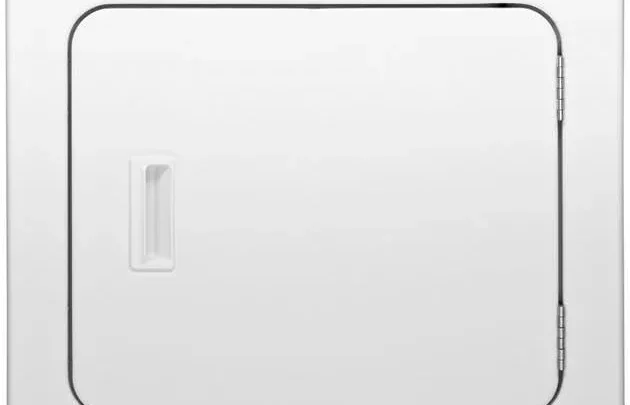
Understanding the mechanism makes troubleshooting way easier. The detergent dispenser isn't just a simple hinged flap. It's a timed release system controlled by your dishwasher's cycle.
The Basic Components
The dispenser assembly has three main parts. The door itself with a small spring-loaded hinge. A latch mechanism that holds it closed during the pre-rinse and early wash.
And an actuator that releases the latch at the right moment.
On older dishwashers, that actuator is a wax motor. It's a small cylinder filled with wax that expands when heated. The expansion pushes a plunger that releases the latch.
On newer electronic models, it's often a solenoid. That's an electromagnetic coil that pulls the latch open when the control board sends voltage.
The Timing Sequence
Here's what happens during a normal cycle. The dishwasher fills with water and runs a pre-rinse. The dispenser stays locked during this phase.
Then the machine drains and refills for the main wash. About 5 to 12 minutes into that main wash, the control board sends power to the wax motor or solenoid. The latch releases.
The spring-loaded door pops open. Detergent drops into the hot water.
If any part of that sequence fails, the door stays shut. The detergent never mixes with the water. And you get dirty dishes.
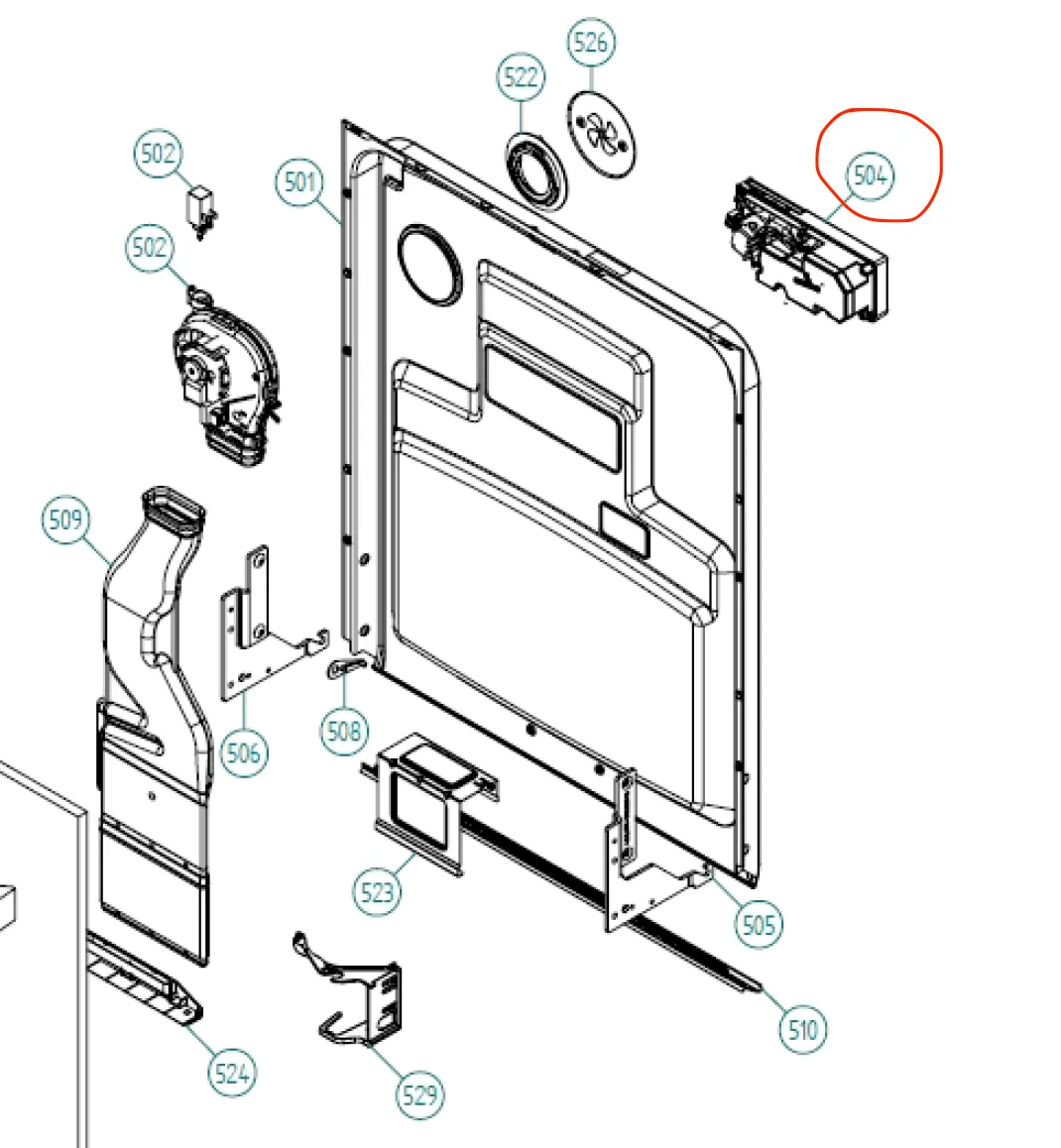
Image source: Bing (Web (fair-use with source credit))
Why Timing Matters
People often assume the dispenser should open immediately when the cycle starts. That's wrong. It's supposed to stay closed through the pre-rinse.
If you open the dishwasher too early and see a closed dispenser, that's actually normal. Wait another 10 minutes. Check again.
If it's still closed after the main wash has been running for 15 minutes, then you have a problem.
Decision Tree: Diagnose Your Exact Problem
This is where we get practical. Different causes need different fixes. Use these branches to match your specific symptom to the right solution.
Branch 1 – Dispenser Is Physically Stuck With Crust or Debris
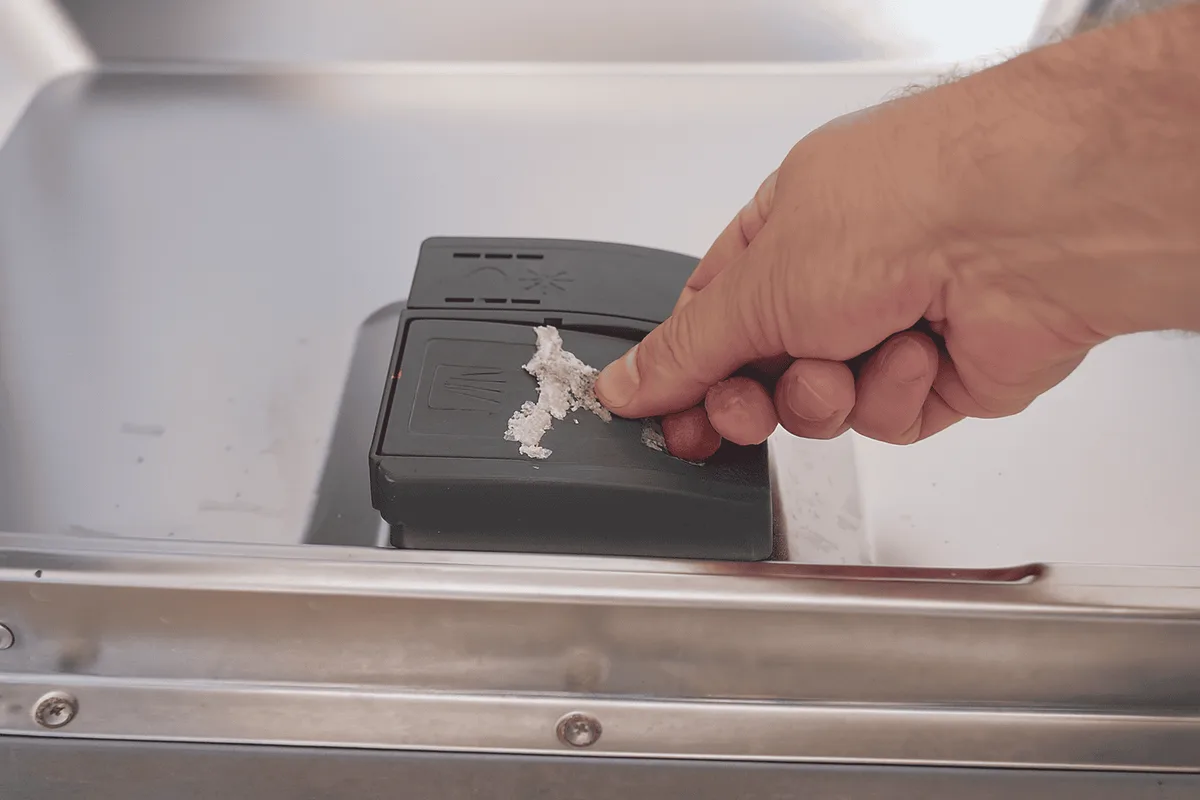
The symptom: You can see the dispenser door. It looks intact. But it won't budge when you try to push it open manually.
There might be a white or crusty residue around the edges.
The cause: Hard water minerals and leftover detergent powder build up over time. This crust acts like glue. It seals the door shut even when the latch releases.
The fix: Grab a plastic butter knife or a wooden chopstick. Never use metal on plastic parts. Gently scrape around all four edges of the dispenser door.
Focus on the top edge and the hinge side. You'll likely see white flakes falling off. Wipe the area with a damp cloth afterward.
Run a short rinse cycle to flush out the debris.
This is the most common cause. It accounts for roughly 60 percent of stuck dispenser cases. And it's completely free to fix.
Branch 2 – Dispenser Door Is Broken or the Hinge Is Shot
The symptom: The door is visibly cracked. Or it hangs loose. Or it's completely detached on one side.
Maybe it opens partway and gets stuck at an angle.
The cause: Plastic fatigue from hundreds of heating and cooling cycles. Or someone forced the door closed when a pod was jammed underneath it.
The fix: You need a replacement dispenser assembly. These cost between $15 and $45 depending on your dishwasher brand. Check your model number on the inside door panel.
Order a compatible part. Installation involves removing a few screws and snapping the new assembly into place. No special tools required.
Don't try to glue a cracked dispenser door. The heat and moisture will break the bond within a few cycles. And a poorly sealed door can leak water into the control area.
Branch 3 – The Latch or Solenoid Isn't Releasing It
The symptom: The door looks fine. No crust. No cracks.
But it stays locked through the entire wash cycle. You can hear the dishwasher running. Water is spraying.
The dishes just never get clean.
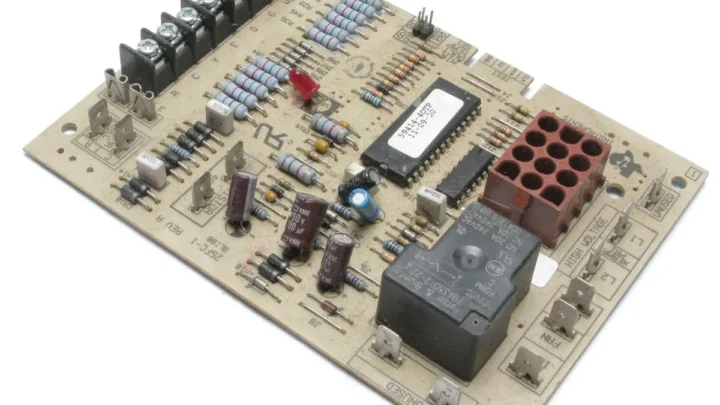
The cause: The wax motor or solenoid that releases the latch has failed. Or the connection to the control board is loose.
The fix: This requires a little electrical testing. Unplug the dishwasher first. Remove the inner door panel to access the dispenser assembly.
Locate the wax motor or solenoid attached to the latch mechanism. It's usually a small cylindrical component with two wires connected to it.
Use a multimeter set to ohms. Touch the probes to the two terminals. A working wax motor typically reads between 1 and 5 kilohms.
A reading of zero means a short circuit. A reading of infinity means an open circuit. Either way, the component is dead and needs replacement.
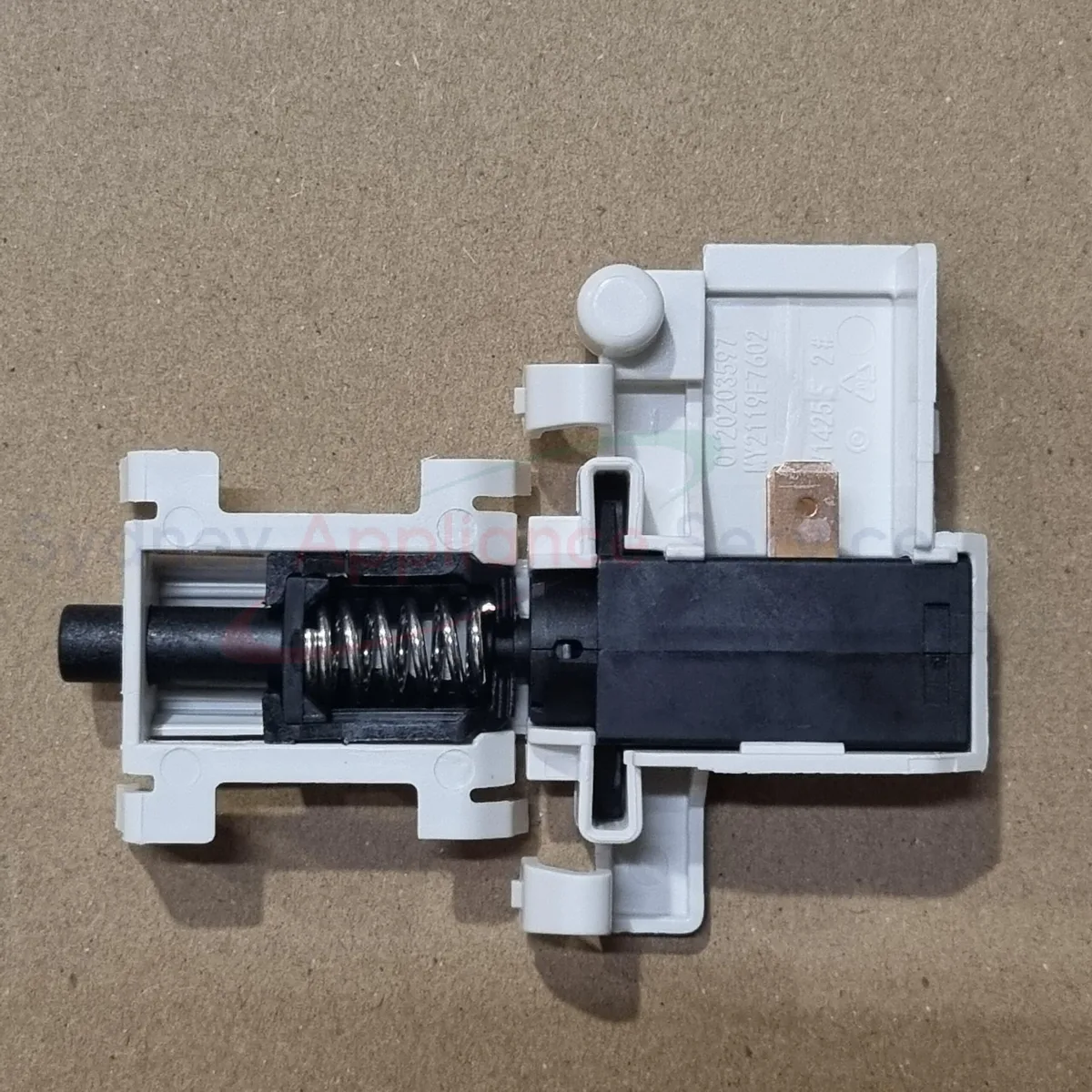
Image source: Bing (Web (fair-use with source credit))
Replacement wax motors cost about $10 to $20. They're specific to your dishwasher brand, so check compatibility before ordering. The swap takes about 20 minutes.
Unplug the old one. Plug in the new one. Reassemble the door panel.
Branch 4 – The Dispenser Opens but Detergent Never Dissolves
The symptom: You open the dishwasher mid-cycle to check. The dispenser door is open. But the detergent pod is still sitting there intact.
Or powder is caked in the cup instead of washed away.
The cause: The water temperature is too low. Or the spray arm isn't reaching the dispenser. Or the detergent got wet before the cycle started and hardened into a solid block.
The fix: Check your water heater temperature. It should be at least 120 degrees Fahrenheit (49 degrees Celsius). Run the kitchen faucet hot before starting the dishwasher.
That ensures hot water enters the machine immediately.
Also check the spray arm. Make sure nothing is blocking it. Large pots or baking sheets can stop the arm from spinning.
If the spray arm can't hit the dispenser, the water pressure won't flush the detergent out.
Temperature issues cause about 25 percent of detergent dissolution failures. It's an easy fix that most people overlook.
Step-by-Step Fixes for Each Branch
Let's expand each fix into a clear sequence you can follow.
Fix for Branch 1: Scrape and Clean
- Unload the bottom rack so you have clear access to the dispenser.
- Dip a plastic scraper or wooden chopstick in warm vinegar.
- Gently scrape all edges of the dispenser door. Pay extra attention to the top lip and hinge side.
- Wipe away dislodged crust with a damp microfiber cloth.
- Run a short rinse cycle with a cup of white vinegar in a dishwasher-safe bowl on the top rack.
- Test with a normal cycle afterward.
Fix for Branch 2: Replace the Dispenser Assembly
- Locate your dishwasher's model number. It's on the inner edge of the door or the side panel.
- Search for a replacement dispenser assembly using that model number.
- Unplug the dishwasher and shut off the water supply.
- Remove the inner door panel screws. Usually 6 to 10 screws around the perimeter.
- Disconnect the wiring harness from the old dispenser assembly.
- Remove the screws holding the assembly in place.
- Install the new assembly. Reverse the steps.
- Reattach the door panel. Plug the dishwasher back in.
- Run a test cycle with a half load.
Fix for Branch 3: Replace the Wax Motor or Solenoid
- Unplug the dishwasher. Remove the inner door panel.
- Locate the wax motor or solenoid on the back of the dispenser assembly.
- Disconnect the wire connectors. Use needle-nose pliers if they're tight.
- Remove the mounting screws. Usually two small Phillips head screws.
- Install the new component. Reconnect the wires. The order doesn't matter for most wax motors.
- Reassemble the door panel. Plug the dishwasher in.
- Run a test cycle. Listen for the click of the latch releasing.
Fix for Branch 4: Raise Water Temperature and Clear Spray Arm
- Run your kitchen faucet on hot for 30 seconds before starting the dishwasher.
- Check your water heater thermostat. Set it to at least 120 degrees Fahrenheit.
- Inspect the spray arm for blockages. Remove any large items that could block its rotation.
- Load dishes so nothing protrudes below the rack and hits the spray arm.
- Use fresh detergent. Old pods or powder can clump and resist dissolving.
Mistakes People Make (That Waste Time and Money)
People often make the same errors when troubleshooting this issue. Here are the most common ones.
Forcing the door open with a metal screwdriver. This cracks the plastic hinge. Then you need a full replacement instead of just a scrape.
Running a second cycle with a fresh pod. If the dispenser didn't open the first time, it won't open the second time. You're wasting detergent and water.
Assuming the dishwasher is broken beyond repair. Most stuck dispenser issues are simple fixes. A service call costs $100 to $250. The DIY fix costs nothing or under $50.
Replacing the wrong part. People often buy a new detergent dispenser assembly when the real problem is a $15 wax motor. Check the latch and actuator before ordering anything.
Ignoring the spray arm. A blocked spray arm can prevent water from reaching the open dispenser. The door opens fine. The detergent just sits there.
When to Call a Pro vs. When to DIY
This is a question most people ask once they realize they need to open the door panel.
DIY when: The fix involves scraping crust, replacing a dispenser assembly, or swapping a wax motor. These are straightforward tasks with basic tools. Most homeowners can handle them in under an hour.
Call a pro when: You've tried all four branches and the dispenser still won't open. The control board might have a fault that requires diagnostic equipment. Or there's a wiring issue behind the inner panel that you're not comfortable tracing.
Also call a pro if you're uncomfortable working with electrical components. Unplugging the dishwasher eliminates most risk. But if you're unsure about using a multimeter or removing the door panel, it's worth paying for peace of mind.
Maintenance Tips to Keep It Opening Every Time
Prevention is easier than repair. These habits keep your dispenser working reliably for years.
Scrape the dispenser edges monthly. Run a plastic scraper around the door edges during your monthly cleaning routine. This prevents crust buildup before it gets thick enough to jam the door.
Use rinse aid. Rinse aid helps water sheet off dishes and reduces mineral deposits in the dispenser area. It also keeps the latch mechanism cleaner.
Wipe the dispenser after each cycle. A quick pass with a dry cloth removes moisture that could cause detergent to clump. Do this when you unload the dishes.
Check water temperature seasonally. Water heater settings drift over time. Test your hot water temperature twice a year. Adjust if it falls below 120 degrees Fahrenheit.
Avoid overfilling the detergent cup. More detergent doesn't mean cleaner dishes. Follow the manufacturer's fill line. Excess powder can spill over the door edges and harden.
Frequently Asked Questions
Why won't my dishwasher detergent door open during the cycle?
The most common cause is dried detergent crust sealing the door shut. Scrape the edges with a plastic utensil. If that doesn't work, check the wax motor or solenoid for failure.
Can I open the detergent door manually when the dishwasher is running?
Yes, but only if you pause the cycle first. Open the door slowly. Use a plastic utensil to gently pop the dispenser door.
Never force it with metal tools.
How do I know if my wax motor is bad?
Use a multimeter to test the resistance. A working wax motor reads between 1 and 5 kilohms. A reading of zero or infinity means it's failed and needs replacement.
Will running an empty cycle fix a stuck dispenser?
No. Running a cycle with no detergent won't clear a crusted dispenser. You need to manually scrape the edges first.
Then run a rinse cycle with vinegar to flush debris.
Is it safe to use the dishwasher with a broken dispenser door?
Not really. The detergent won't dispense properly, so dishes stay dirty. And a broken door can leak water into the control panel, which can cause electrical problems.
Replace a cracked door before using the dishwasher again.
How often should I clean my dishwasher dispenser?
Clean the dispenser edges monthly. Wipe the area dry after each load. This prevents crust buildup and keeps the latch mechanism working smoothly.

Similar Posts