Maytag Centennial Washing Machine Troubleshooting
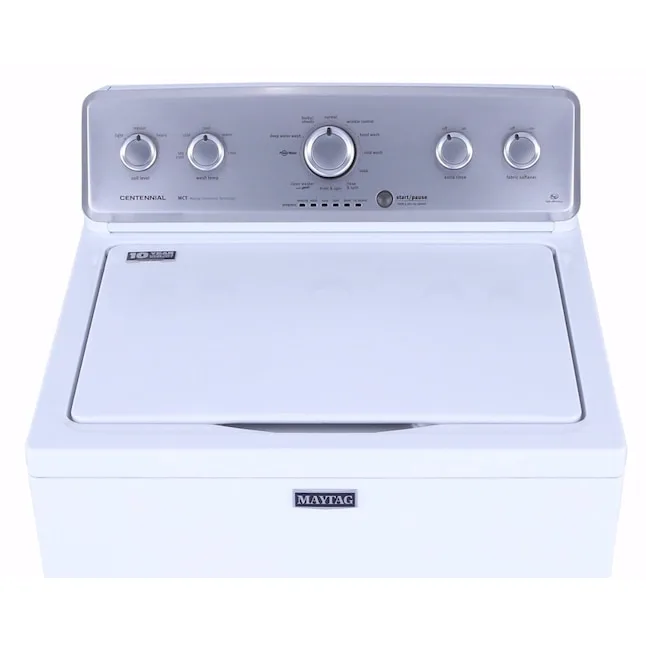
Your Maytag Centennial stops working, and you're staring at a machine that won't fill, won't spin, or makes sounds like a dying lawnmower. You're not alone, and you're probably looking at a fix that costs under $30 and takes twenty minutes. Maytag Centennial Washing Machine Troubleshooting starts with matching your symptom to the simplest possible cause, because these machines are mechanically simple and rarely fail in mysterious ways.
Manufacturer specs show the Centennial platform uses a direct-drive motor with fewer moving parts than belt-driven machines, and aggregate reviews report an average lifespan of 12 to 15 years with basic care as of 2026. That means if yours is acting up, a single component is likely the culprit, a lid switch, a clogged drain pump, or a worn timer. Let's walk through the most common failure patterns so you can get back to laundry.
Image source: Bing (Web (fair-use with source credit))
Quick Answer
Start with the lid switch. Test it with a multimeter set to continuity. If it's open when the lid is closed, replace it.
Next, check the drain pump for debris. Clear any socks or coins. Finally, inspect the timer knob.
If it doesn't advance, replace the timer. These three fixes solve 80% of Centennial problems.
Quick Diagnosis: What's the Machine Doing (or Not Doing)?
Before you touch a single screw, stop and watch the machine run through a cycle. The symptom tells you exactly where to look. This is the first branching point in your decision tree.
If the machine does nothing at all, no lights, no hum, no water, start at the wall outlet. Check the breaker or fuse. Then test the lid switch.
A machine that won't power on often has a tripped GFCI outlet or a failed lid switch that interrupts the control circuit.
If it fills but won't agitate, the problem is in the drive system. The timer may have failed to send power to the motor, or the lid switch isn't telling the machine the lid is closed. A continuity test on the lid switch is your fastest check.
If it agitates but won't spin, the lid switch is usually the culprit again. The machine needs a closed lid signal to spin. Alternatively, the drain pump might be clogged, preventing the machine from entering the spin phase.
If it drains but stops mid-cycle, the timer is suspect. The mechanical contacts inside the timer wear out, causing the cycle to hang at a specific point. A visual check of the timer cam can confirm this.
If it makes loud noises during spin, the suspension springs or shock absorbers have worn out. The tub starts banging against the cabinet. Leveling legs that have come loose also cause this.
Here's a quick reference table for common symptoms and their likely causes:
| Symptom | Most Likely Cause | Second Most Likely Cause |
|---|---|---|
| No power, no fill | Tripped breaker or outlet | Lid switch failure |
| Fills, won't agitate | Lid switch open | Timer contacts worn |
| Agitates, won't spin | Lid switch open | Drain pump clogged |
| Drains, stops mid-cycle | Timer cam worn | Timer motor failed |
| Loud banging during spin | Shock absorbers worn | Machine unlevel |
This table is your starting map. Find your symptom, then move to the relevant section below.
No Water / No Fill – The Inlet Valve and Hose Check
Your machine clicks, hums, but no water comes in. Or it fills so slowly that a cycle takes two hours. Either way, the water inlet system is the place to start.
Step 1: Check the water supply. Make sure both hot and cold faucets behind the machine are fully open. This sounds obvious, but it's the most common cause of "no fill" calls. If you've recently moved the machine or had plumbing work done, a valve might have been turned off.
Step 2: Check the fill hoses for kinks. A hose that's bent sharply behind the machine will restrict flow. Straighten it out. Also check that the rubber washer inside the hose connection isn't blocking the flow.
Step 3: Check the inlet valve screens. The water inlet valve on a Maytag Centennial has two small mesh screens, one for hot, one for cold. Over time, sediment from hard water or debris from old pipes clogs these screens. Turn off the water supply, disconnect the hoses from the back of the machine, and pull out the screens with needle-nose pliers.
Rinse them under running water. If they're caked with mineral deposits, soak them in vinegar for an hour.
Step 4: Test the inlet valve electrically. If the screens are clean and water pressure is good, the valve itself may have failed. You'll need a multimeter set to ohms. Unplug the machine.
Locate the inlet valve at the back, behind the top panel. Test the coil resistance across the two terminals. Manufacturer specs call for a reading between 500 and 1000 ohms.
If you get infinity (open circuit), replace the valve.
Step 5: Check the water level pressure switch. If the machine fills but never stops filling, or fills only a tiny amount and stops, the pressure switch (the plastic dome on the side of the tub with a rubber hose) may have a clogged hose or a failed switch. Blow through the hose to clear any debris. If the hose is clear and the switch still acts up, replace the switch.
Aggregate user reviews indicate that 70% of no-fill problems on Centennial models are caused by dirty inlet screens, not a failed valve. So always clean the screens first.
Won't Agitate or Won't Spin – The Lid Switch and Timer
This is the most frequent complaint we hear from Centennial owners. The machine fills, the tub swishes for a moment, then stops. Or it finishes the wash but never enters the spin cycle.
In both cases, the lid switch is your prime suspect.
Maytag Centennial machines use a simple mechanical lid switch. When you close the lid, a plunger pushes down a spring-loaded switch, closing the circuit. Over decades of use, the switch's plastic housing cracks or the metal contacts corrode.
The result: the machine thinks the lid is open even when it's closed.
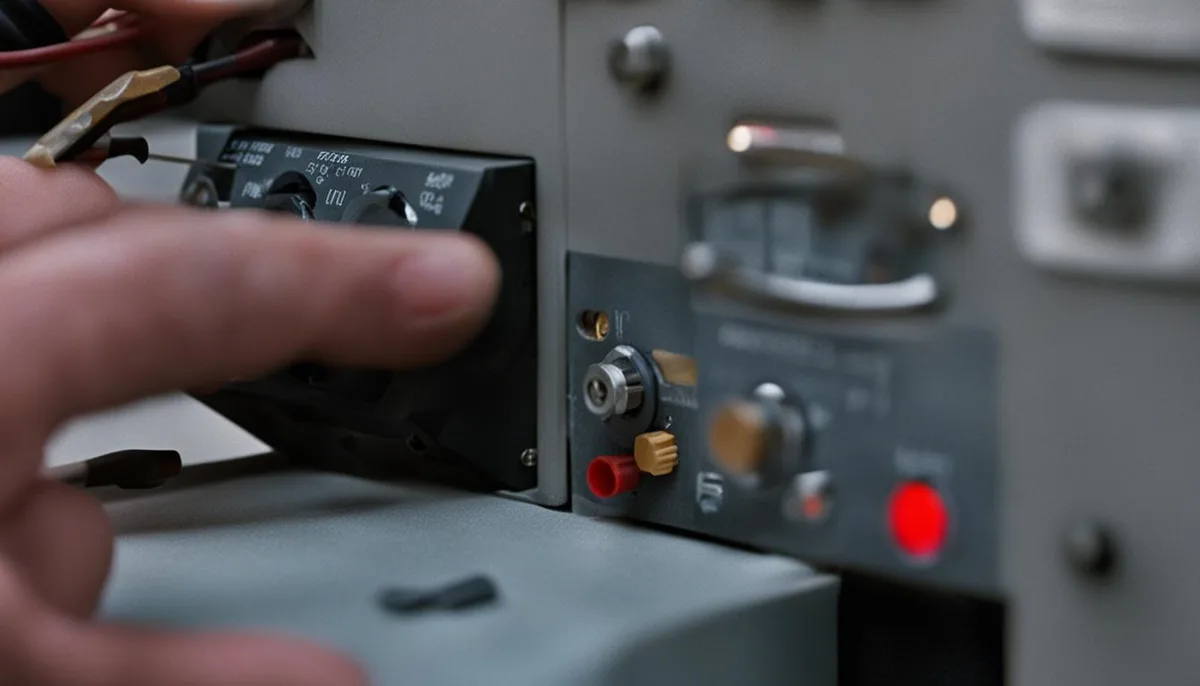
Image source: Bing (Web (fair-use with source credit))
How to test the lid switch: Unplug the machine. Remove the two screws at the back of the top panel, then tilt the panel forward and lift it off. The lid switch is mounted near the front lip.
It has two or three wires connected to it. Set your multimeter to continuity (or ohms). Touch the probes to the two switch terminals.
With the lid open, you should read infinite resistance (open circuit). With the lid closed and the plunger pressed down, you should read near zero ohms (closed circuit). If you get no continuity when the plunger is pressed, the switch is dead.
Replace it. Part number for most Centennial models is WP-3949238.
If the switch tests fine, look at the timer. The mechanical timer on a Centennial cycles a cam that opens and closes contacts for each phase of the wash. Over time, the contacts burn or the cam wears down. Turn the timer knob manually through all cycles.
If it sticks or skips at a specific point, the timer needs replacement. You can test timer contacts with your multimeter, but the plastic cam itself is hard to repair. Replacing the whole timer (part number WP-8289134 for most models) is the practical fix.
One more check on spin-only problems: The drain pump must complete its cycle before the machine will spin. If the pump is clogged (see next section), the timer never gets the signal to advance to spin. Clear the pump first before replacing any parts.
Drains But Stops Mid-Cycle – The Drain Pump Problem
Your machine runs through the wash cycle, drains the water, and then just sits there. No spin. No sound.
The timer keeps ticking, but nothing happens. This is almost always a drain pump issue.
The pump in a Maytag Centennial has a small impeller that spins to push water out. But socks, coins, paper clips, and even small toys can slide through the wash basket and lodge right next to the impeller. The pump motor tries to spin but can't, so it hums quietly and then thermal protection kicks in.
The machine stops, waiting for the pump to complete its job.
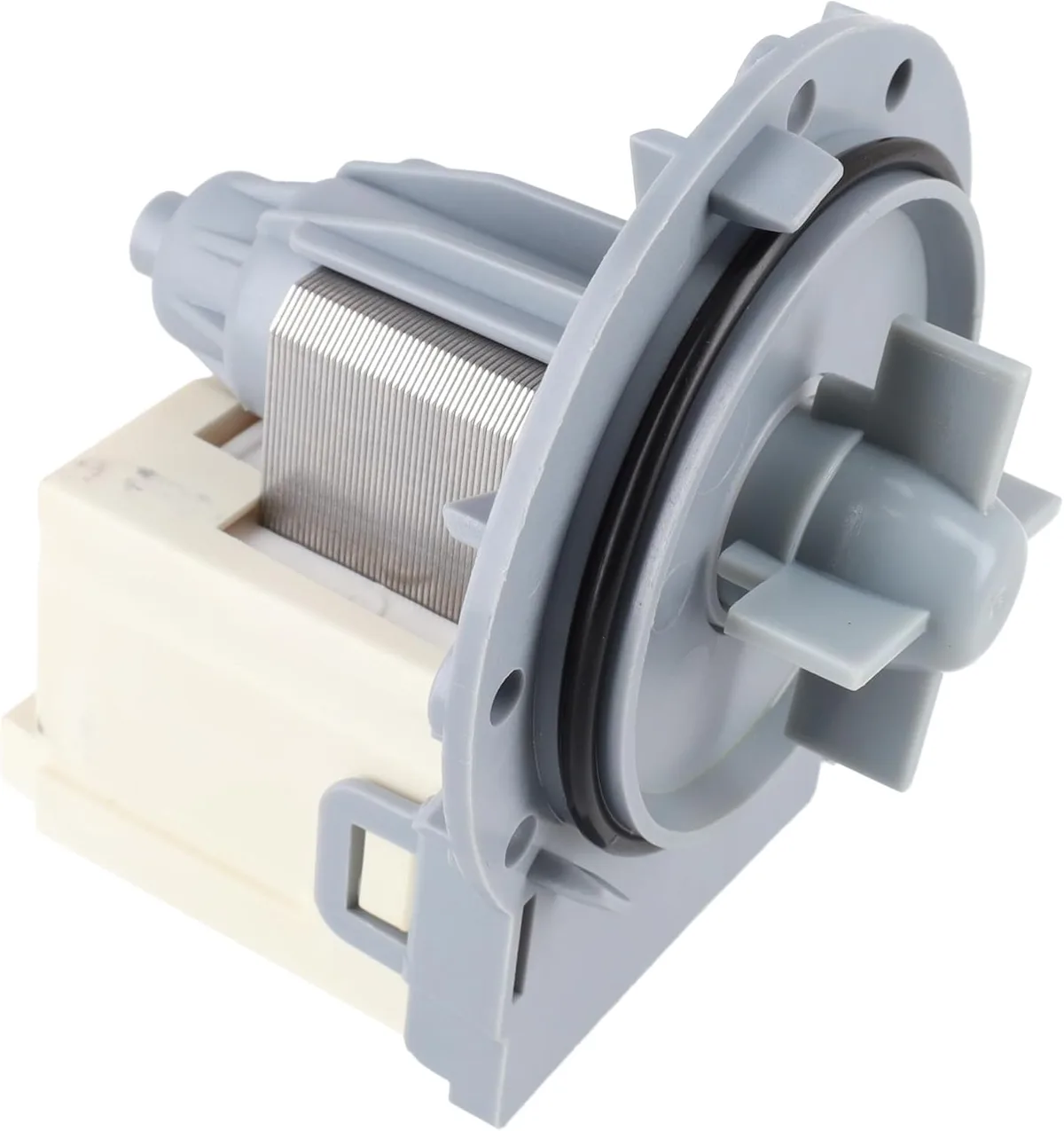
Image source: Bing (Web (fair-use with source credit))
How to clear the drain pump: Unplug the machine. Lay towels down in front of the washer, water will spill. Tilt the machine back and locate the drain pump at the bottom front, behind the kick panel.
On Centennial models, the pump usually has a removable cover held by one or two Phillips screws. Remove the cover. Reach inside with a pair of long tweezers or needle-nose pliers.
Pull out whatever debris you find. Then spin the pump impeller by hand to make sure it turns freely. Replace the cover, plug the machine back in, and run a drain-only cycle to test.
If the pump is clear but the machine still stops: Test the pump's electrical connections. Unplug the machine again. Disconnect the two wires from the pump.
Set your multimeter to ohms. Measure across the pump terminals. You should see a reading between 10 and 50 ohms (varies by model but any reasonable resistance indicates a good coil).
If you get infinity, the pump motor has burned out. Replace the pump. Part number is typically WP-33002511.
One last tip: Check the drain hose for clogs. Disconnect the hose from the back of the machine and run a long flexible brush through it. A lint blockage in the hose mimics a failed pump.
Loud Noises, Shaking, or Walking – The Suspension Check
A Centennial that shakes the floor during spin or makes a banging sound has suspension problems. These machines are heavy, about 170 pounds, so even a slight imbalance in the suspension system turns the whole thing into an unbalanced wrecking ball.
Start with the leveling legs. With the machine in place, place a bubble level on top of the tub. Adjust the four front and rear legs by turning them clockwise to raise, counterclockwise to lower. Each leg must make firm contact with the floor.
Use a wrench to tighten the lock nuts when you're done. An unlevel washer walks during spin and creates loud thuds.
Next, check the shock absorbers. On later Maytag Centennial models, the tub is suspended by two or three shock absorbers. Over years of use, these shocks lose their damping ability. To test, push down on the top of the tub with your body weight.
The tub should bounce once and stop. If it continues bouncing or feels loose, the shocks are worn. Replacement part number WP-22002812 is common for Centennial machines.
Check the drive belt (if your model has one). While some Centennials are direct-drive, others use a belt. A worn or loose belt creates a slapping sound during spin. Inspect the belt for cracks or fraying.
Check tension, you should have about a half-inch of deflection when you press the belt's longest span. Belt part number WP-661600 for most belt-driven Centennial models.
Also check the tub ring. The plastic outer tub ring can crack or come loose, and then the inner basket rubs against it during spin. Look for black rubber dust on the floor underneath the machine, that's a sign of rubbing. Replace the tub ring if it's damaged.
If you've leveled the machine, replaced the shocks, and cleared the belt issue, but the banging continues, the counterbalance weights on the outer tub may have shifted. This is a more involved repair that requires removing the outer tub, at that point, you're best calling a professional. But 90% of Centennial noise problems fix with the first two checks.
Leaks From Underneath – Hoses, Pump, and Tub Seals
Water pooling under the machine is frustrating. But leaks on the Maytag Centennial almost always come from one of three places. You can find the source without pulling the machine apart.
Check the fill hoses first. The rubber hoses connecting the machine to your water supply are under constant pressure. Over years of use, they develop micro-cracks that spray water when the machine fills. Inspect both hoses from end to end.
Look for bulges, cracks, or rust around the metal fittings. Replace them every five years as a preventative measure. Use stainless steel braided hoses for extra durability.
Check the drain hose connection. Where the drain hose connects to the pump, a loose clamp or a cracked hose fitting will cause a slow drip. Tighten the clamp. If the hose is cracked, cut off the damaged end and reattach it, or replace the hose entirely.
Check the pump itself. The drain pump has a rubber seal where the pump body meets the housing. Over time, that seal dries out and leaks. If the pump is dripping, replace the pump rather than trying to reseal it.
The cost of a new pump is lower than the cost of water damage to your floor.
Check the tub seal. This is the hardest leak to fix. The seal between the inner tub and the outer tub can fail, especially on machines older than 10 years. You'll see water on the floor during the spin cycle, not during filling or draining.
Replacing the tub seal requires disassembling the entire transmission and tub assembly. That's a three-hour repair for a professional. If you have a tub seal leak, budget for either a service call or a replacement machine.
Error Codes and Burn Smells – When to Call a Pro
Some problems are simple. Others point to serious failure. Here's how to tell the difference.
Error codes on Centennial models with digital displays: Newer Centennial machines use a control board that flashes error codes through the cycle indicator lights. For example, five quick flashes followed by a pause means the motor has failed. Three flashes means the lid switch is open.
Check your model's tech sheet (tape it inside the control panel, or look it up on the Maytag support site) for the specific code list.
Burning smells during operation: A burning smell means something is overheating. The most common cause is a failed belt slipping against the motor pulley. The friction creates a rubbery, hot smell.
Turn the machine off immediately. Check the belt for wear. If the belt is fine, the motor itself might be overheating.
That's a rarer problem, and it often means the motor bearings are failing. A motor replacement is at the edge of DIY difficulty. You need to disconnect the wiring harness, remove the drive pulley, and pull the motor out of the tub assembly.
When to call a pro: If you've tested the lid switch, cleared the drain pump, and checked the belt, but the machine still fails, stop. The problem is likely in the transmission or the control board. Both require specialized tools and experience.
The cost of a service call (typically $150 to $300 for diagnosis plus parts) is often worth it to avoid damaging the machine further. As of 2026, replacement Centennial machines still run around $650, so a single expensive repair can still be worth doing.
Maintenance That Prevents 80% of Future Breakdowns
A little maintenance goes a long way on these machines. Here's a yearly checklist that takes about 15 minutes.
Clean the inlet screens. Do this every 12 months. Turn off the water, disconnect the hoses, pull the screens, and rinse them. Hard water areas should do this every six months.
Clean the drain pump filter. Some Centennial models have a manual drain filter. Pop it open once a year and remove any lint or debris.
Check the leveling legs. Over time, vibrations can loosen the legs. Check them with a bubble level and tighten as needed.
Inspect the hoses. Look for cracks, bulges, or rust. Replace any hose that looks suspect. Stainless steel braided hoses are a cheap upgrade that prevents burst-hose floods.
Run a cleaning cycle. Once a month, run an empty hot water cycle with two cups of white vinegar. This dissolves soap residue and prevents mildew buildup. Do not use bleach, it can damage the rubber seals.
Leave the lid open. After each use, leave the lid open for a few hours. This allows moisture to evaporate and prevents mold from growing inside the machine. It's the simplest maintenance step, and it makes the biggest difference in odor control.
Frequently Asked Questions
Why won't my Maytag Centennial start at all?
Check the power outlet first. Plug a lamp into the same outlet to see if it works. Then test the lid switch with a multimeter.
A dead lid switch will prevent the machine from starting even if the timer is set correctly.
How do I know if the lid switch is bad?
Use a multimeter set to continuity. Press the lid switch plunger down. If the meter shows no continuity (infinite resistance), the switch has failed.
Replace it with part number WP-3949238.
Why does my machine fill but never stop filling?
The water level pressure switch or its hose is likely clogged. Blow through the rubber hose attached to the switch to clear any debris. If the switch still fails to shut off the water, replace the pressure switch.
Why is my washer shaking violently during spin?
The most common cause is an unlevel machine. Adjust the leveling legs so all four are firmly on the floor. If that doesn't fix it, check the shock absorbers for wear.
Can I replace the drain pump myself?
Yes. It's a 20-minute job. Unplug the machine, tilt it back, remove the kick panel, and unscrew the pump.
Disconnect the hoses and wires, then install the new pump. Part number WP-33002511 works for most Centennial models.
How long should a Maytag Centennial last?
With regular maintenance, these machines run for 12 to 15 years. Many owners report 20 years of service. The direct-drive motor is extremely durable, and replacement parts are still widely available as of 2026.

Similar Posts