Miele Vacuum Troubleshooting Problems
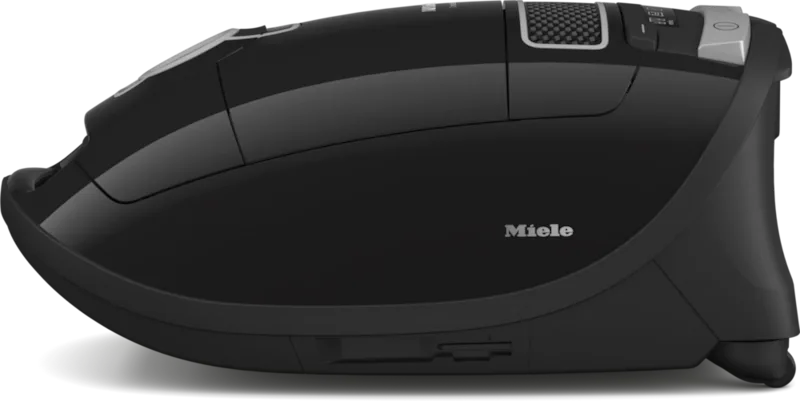
Your Miele vacuum stopped mid-clean, won't turn on, or has lost all its suction. You're not alone, and Miele vacuum troubleshooting problems are usually simple to fix once you know where to look. Miele builds their machines with modular parts and built-in safety features, so most issues don't need a technician.
Manufacturer specifications indicate that the thermal cutout switch on Miele canisters is calibrated to trip at roughly 90°C (194°F) to protect the motor from overheating. That little red reset button is the most common reason a Miele suddenly goes silent. Let's walk through the exact diagnostic path so you can get back to cleaning.
Quick Answer
Most Miele failures share three common causes. The thermal cutout tripped. The filters clogged.
The brush roll jammed. Press the red reset button first, then fix the obstruction.
Image source: Bing (Web (fair-use with source credit))
Why Your Miele Vacuum Stopped Working (And What To Check First)
If your Miele went from running fine to completely dead, or barely pulling air, the cause is almost never a catastrophic motor failure. Miele builds motors to last 10 to 15 years with regular maintenance. What stops them mid-use is usually a protective cutoff or a simple blockage.
The thermal cutout is the number one suspect
Every Miele canister vacuum has a built-in thermal fuse that kills power when the motor gets too hot. This happens when airflow is restricted. A full dustbag, a blocked hose, or a clogged filter forces the motor to work harder and overheat.
The vacuum shuts off to prevent damage. Let it cool for 20 to 30 minutes, then press the red reset button on the underside of the canister near the cord reel. If it starts again, you found the problem.
The bag-full indicator is not always reliable
The red indicator on the dustbag compartment turns red when airflow drops enough to trigger a pressure switch. But that switch can get stuck or misread if the bag is poorly seated. If you see the red indicator but the bag feels light, open the compartment and reseat the bag.
Push it in until you feel a firm click. Miele's user manuals confirm that a loose bag causes loss of suction even when the bag is empty.
A quick three-point check before you call for help
Before diving deeper, run this 60-second check:
- Power at the wall. Plug another device into the same outlet to confirm it's live.
- Hose connection. Disconnect the hose from the canister and feel for suction at the canister port. Strong suction there means the blockage is in the hose or wand.
- Canister vents. Make sure none of the ventilation slots on the canister body are covered by carpet or furniture. Blocked vents trigger overheating quickly.
If none of these reveal the issue, move to the decision tree below.
No Power: Is It The Thermal Cutout, The Cord, Or The Switch? (Decision Tree)
When a Miele vacuum shows zero signs of life, no lights, no motor sound, nothing, you have three possible culprits. The decision tree below walks you through each branch.
Branch 1: Vacuum stopped mid-use and now won't restart
This is the classic thermal cutout scenario. The vacuum ran for a while, then shut off. It might feel warm to the touch.
- Action. Unplug the vacuum. Wait 20 to 30 minutes for the motor to cool. Find the small red reset button on the underside of the canister, near the cord reel. Press it firmly until you hear or feel a click.
- Outcome if it restarts. The problem was overheating. Clean your filters and check for blockages before running it again.
- Outcome if it doesn't restart. Let it cool for up to an hour. If still dead, move to Branch 2.
Branch 2: Vacuum has been sitting unused and won't turn on
If the vacuum has been stored for weeks or months, the thermal cutout is probably not the issue. Check these in order:
- Test the outlet with a lamp or phone charger.
- Inspect the power cord for cuts, fraying, or chew marks. A damaged cord means stop using the vacuum and order a replacement from Miele.
- Check the cord reel. If the cord snagged while rewinding, the internal spring can break. Gently pull out the full cord length and listen for a ratcheting noise. If the cord feels slack or won't lock, the reel may need replacing.
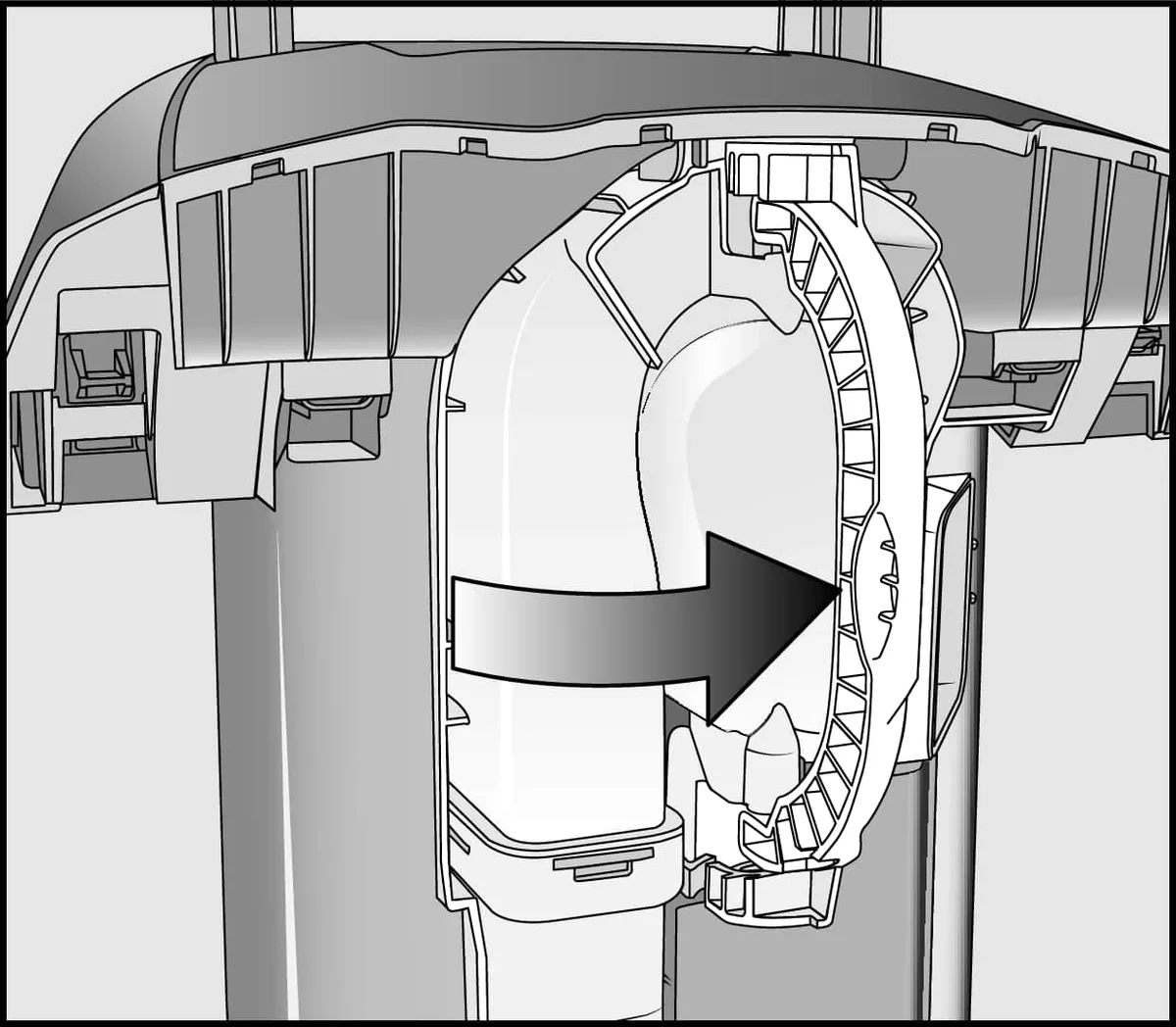
Image source: Bing (Web (fair-use with source credit))
Branch 3: Vacuum turns on but immediately dies
This usually means the thermal cutout is tripping within seconds because airflow is completely blocked.
- Action. Disconnect the hose from the canister. Turn the vacuum on with no hose attached. If it runs fine, the blockage is in the hose or wand. Look for a clog with a flashlight, or push a broom handle through the hose to dislodge debris.
- If it still dies without the hose. The pre-motor filter is likely packed solid. Remove the dustbag and inspect the foam filter in front of the motor. If it's gray or wet, wash it in cool water and let it dry for 24 hours before reinstalling. Never run the vacuum without this filter in place.
Summary decision table
| Symptom | Most Likely Cause | First Step |
|---|---|---|
| Stopped mid-use, won't restart | Thermal cutout tripped | Unplug, cool 30 min, press reset button |
| No power at all, stored for months | Dead outlet or cord damage | Test outlet, inspect cord |
| Starts then dies immediately | Complete airflow blockage | Remove hose, check pre-motor filter |
| Runs but weak suction | Partial blockage or full bag | Check bag, hose, and filters |
If you've gone through all three branches and the vacuum still won't power on, the issue may be internal. That includes a failed switch, a broken wire, or a dead motor. At that point, contact Miele's support team or an authorized service center instead of attempting a teardown yourself.
Miele publishes official repair guidance through their support site for genuine parts and service information.
Lost Suction? Here's The Exact 5-Minute Diagnosis Path
A sudden drop in suction is frustrating, but it's almost always fixable in under five minutes. The airflow path in a Miele canister is simple. It runs from the nozzle, up the wand, through the hose, into the dustbag, through the pre-motor filter, through the motor, and out the exhaust HEPA filter.
Any blockage along that chain kills suction.
Step 1: Check the dustbag (30 seconds)
Open the dustbag compartment. If the bag looks full or the red indicator is solid, replace it. Even a half-full bag can cause suction loss if it's filled with fine dust that clogs the bag's pores.
Use a genuine Miele HyClean bag. Aftermarket bags often have thinner material that restricts airflow sooner.
Step 2: Inspect the pre-motor foam filter (1 minute)
The foam pre-motor filter sits behind the dustbag. If it's clogged, the motor can't pull air. Remove the filter and hold it up to the light.
If you can't see light through it, or it feels stiff, wash it.
- Washing instructions. Rinse under cool running water. Don't use soap. Squeeze gently, but never wring or twist, because that can tear the foam. Let it air dry completely for 24 hours before reinstalling. A wet filter can short the electronics.
Step 3: Clear the hose and wand (2 minutes)
Detach the hose from the canister. Visual check first, then hold the hose up to a bright light and look down its length. If you spot a dark clump, that's a blockage.
- Clearing method. Straighten the hose as much as possible. Use a broom handle, a long dowel, or a straightened coat hanger with a hook to pull the clog out. Never use anything sharp that could puncture the hose.
- Wand check. Remove the wand sections and inspect each one. Small objects like coins, socks, or pet toys often get stuck at the joint where the wand meets the floor tool.
Step 4: Test the airflow at the canister port (30 seconds)
With the hose removed, turn the vacuum on briefly. Place your hand over the canister suction port. You should feel strong, steady suction.
If you do, the canister and motor are fine. The problem is in the hose, wand, or floor tool. If suction feels weak at the port, inspect the pre-motor filter and bag compartment again.
Step 5: Check the exhaust HEPA filter (1 minute)
If suction seems fine but the vacuum doesn't pick up debris, the exhaust filter may be clogged. This filter sits at the back or side of the canister, depending on the model. If it's dirty, air can't exit properly, creating backpressure.
Replace it every 12 to 18 months, or sooner with heavy use.
Quick-reference suction loss table
| Symptom | Likely Cause | Fix |
|---|---|---|
| Suction strong at wand, weak at floor tool | Clogged tool or brush head | Remove tool, check for debris |
| Suction strong at canister port, weak at wand | Hose or wand blockage | Clear hose with broom handle |
| Suction weak at canister port | Full dustbag or clogged pre-motor filter | Replace bag, wash filter |
| Vacuum runs but doesn't pick up from carpet | Height setting too high or worn brush | Adjust height, replace brush if bristles are short |
| Motor sounds strained, low suction | Exhaust HEPA filter clogged | Replace HEPA filter |
Brush Roll Not Spinning: The Hair, Belt, And Sensor Check (With Reset Guide)
A Miele Electrobrush that stops spinning is one of the most common issues, especially for pet owners. The brush roll is driven by a belt connected to a small electric motor inside the brush head. When hair wraps tightly around the brush, the belt can slip, snap, or trip the motor's thermal sensor.
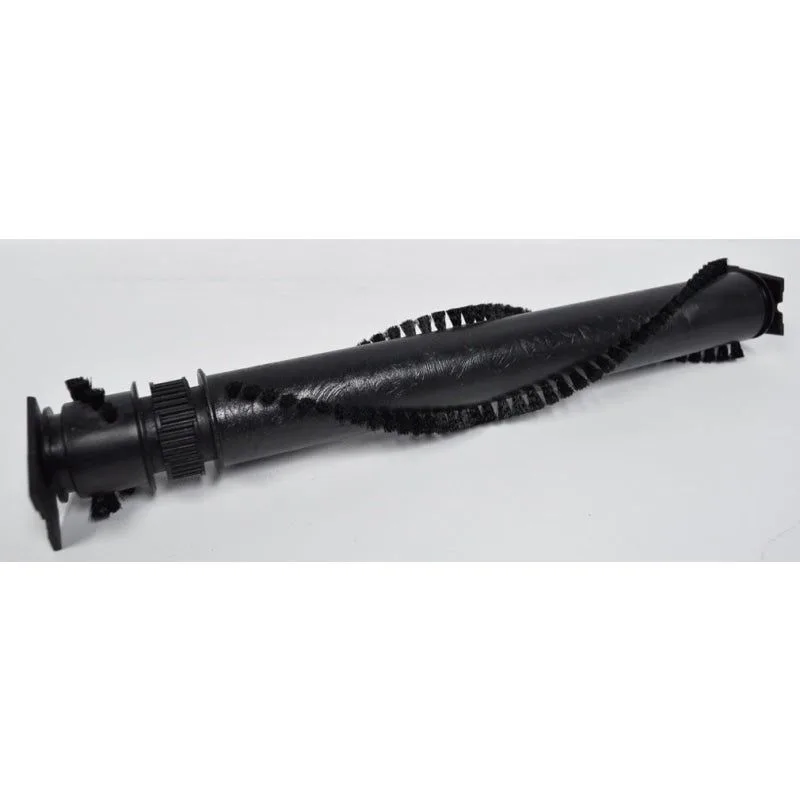
Image source: Bing (Web (fair-use with source credit))
Hair wrap is the primary cause
Aggregate user feedback shows that most brush roll stoppages come from hair and string wound around the axle. The build-up creates friction the motor can't overcome. Here's the fix:
- Turn the vacuum off and unplug it. Always.
- Remove the brush head from the wand. Lay it upside down.
- Use scissors to cut the hair wrapping. Slide the blade carefully along the groove between the bristles. Cut at both ends near the bearings.
- Pull the freed hair out. It often comes off in one tangled clump.
- Spin the brush by hand. It should rotate freely. If it still feels tight, check the end caps. Hair often gets packed underneath them. Pop the caps off and clean inside.
The belt: check for slack or tearing
If the brush roll spins freely but won't move when the vacuum is on, the belt has likely worn out or snapped. Miele uses a flat rubber belt around the brush roller and a pulley inside the brush head.
- Inspect the belt. Open the brush head cover, usually a few Phillips-head screws or a latch. Lift the brush roller out. The belt will be looped around it. Look for cracks, stretching, or a clean break.
- Replace if needed. Miele sells genuine replacement belts for each brush model. Aftermarket belts often fit poorly and wear faster. Install the new belt by looping it around the motor pulley first, then stretching it over the brush roller. Spin the brush to seat the belt in the groove.
The electrobrush reset procedure
Some Miele Electrobrush models have a thermal sensor that cuts power to the brush motor if it overheats. If the brush stopped mid-clean, especially after picking up rug fringe or thick carpet, try this:
- Unplug the vacuum from the wall.
- Detach the brush head from the wand.
- Wait 10 to 15 minutes for the brush motor to cool.
- Reconnect the brush head to the wand.
- Turn the vacuum on. The brush should spin again.
If it doesn't, the thermal sensor may have failed internally, or the brush motor is dead. In that case, you may need a new brush head or a service visit.
When the brush runs but doesn't clean effectively
Sometimes the brush spins but leaves debris behind. That's usually worn bristles. Miele recommends replacing the roller every 1 to 2 years depending on use.
Look for bristles that are bent, frayed, or shorter than the support strips. Install a new OEM roller to restore performance.
Weird Noises, Burning Smells, Or Overheating: What They Mean
A Miele vacuum should run quietly. Most models are rated between 56 and 64 decibels, about the level of a normal conversation. Any new or unusual sound is a signal that something needs attention.
Ignoring it often leads to bigger repairs.
Grinding or rattling sounds
A metallic grinding noise usually means a foreign object has been sucked into the brush head or hose. Coins, staples, or small toys can get lodged against the fan inside the canister or inside the brush head.
- If the sound comes from the brush head. Stop immediately and inspect the roller. Remove the brush and check the bearings. If a foreign object damaged the bearing race, you'll need a new brush head.
- If the sound comes from the canister. Turn the vacuum off. Disconnect the hose and look inside the suction port for debris. If nothing is visible, a fan blade inside the motor may have broken. That requires professional service.
High-pitched whining or squealing
A squeal when the brush is engaged is usually a slipping belt. The belt has lost its grip on the roller. Replace the belt.
If the squeal happens with the brush off, it may be a bearing issue in the motor. That's less common but worth a service check.
Burning smell
A burnt odor is serious. The most common cause is the belt slipping under friction. The rubber heats up and produces a smell like burnt rubber.
Turn the vacuum off immediately, check the belt, and replace it if it's glazed or melted.
Another cause is hot debris. If you vacuumed up ash or a smoldering ember, the dustbag could be smoldering. Turn the vacuum off, take it outside, and open the dustbag compartment.
Let it air out. Never vacuum up anything that could be hot.
If the burning smell is electrical, like hot wiring or plastic, unplug the vacuum. Do not use it again until a qualified technician inspects it. Electrical smells indicate a short or failing component.
Overheating and automatic shutdown
As covered earlier, the vacuum shuts itself off when the motor reaches about 90°C. This is normal protection. If it happens frequently, the underlying cause is restricted airflow.
Check the dustbag, pre-motor filter, hose, and exhaust filter. Running a vacuum with blocked airflow repeatedly can shorten the motor's lifespan. Fix the airflow issue, and the overheating stops.
Vacuum runs but seems excessively loud
If your Miele has become louder, the exhaust filter may be blocked. This forces the motor to run at higher RPM and produce more noise. Replace the HEPA filter.
Also check that the dustbag compartment door is fully closed. A loose door creates a whistling noise and reduces suction.
If you've addressed all these checks and the noise persists, consult your model's manual or contact Miele support. Some parts, like sound-dampening panels, are hard to service yourself.
Cable Won't Rewind? The Fix Is Faster Than You Think
A stuck cord reel is annoying, but it's one of the easiest Miele repairs. The automatic rewind system uses a spring-loaded reel inside the canister. When the cord won't retract, the problem is usually a snag or a twisted cord, not mechanical failure.
First, straighten the cord
Pull the entire cord out, then let it rewind slowly. A crossed or twisted cord often jams the reel. Hold the plug and guide the cord evenly as it retracts.
Never let the cord snap back on its own. That can fray the insulation and damage the internal contacts.
Check the cord for damage
Cuts, kinks, or flattened sections can catch on the reel housing. If the cord has exposed wires, stop using the vacuum. A damaged cord is a safety hazard.
Order a replacement cord and reel assembly from Miele or an authorized service center.
If the cord won't lock in place
Pull out about a foot of cord and release. The reel should lock. If it doesn't, the ratchet mechanism inside the reel is worn.
This usually means replacing the entire cord reel assembly. It's a manageable DIY job, but you need the right model number and a screwdriver. Miele's support site has instructions and spare part diagrams for each model.
If the cord rewinds too slowly
This points to a weak spring or a reel covered in dust and debris. Try vacuuming the reel opening with a crevice tool. If that doesn't help, the spring tension may be failing.
Replacement is the reliable fix.
Filter Care And Genuine Parts: Pre-Motor Foam, HEPA, And The Red Indicator
Miele vacuums use a multi-stage filtration system. The two filters you'll maintain most often are the pre-motor foam filter and the exhaust HEPA filter. Both are easy to access and replace.
The pre-motor foam filter
This foam pad sits directly behind the dustbag. It catches fine dust before it reaches the motor. Miele recommends checking it every time you change the bag.
If it looks gray or stiff, wash it with cool water and let it dry for 24 hours. Replace it every 6 to 12 months. Never run the vacuum without it.
The exhaust HEPA filter
The HEPA filter is the final barrier before air leaves the vacuum. It's located at the back or side of the canister. Miele's Active HEPA filters catch particles down to 0.3 microns.
Replace it every 12 to 18 months, or when the filter-change indicator lights up. If you have allergies, don't skip this one. A clogged HEPA filter also kills suction.
The red indicator light
The red indicator on the handle or canister means different things depending on the model. On most C3 models, it's the bag-full indicator. On the Triflex HX1, it may mean the dust cup needs emptying.
Check your manual to match the light to the action.
Genuine filters vs. aftermarket
As of 2026, Miele's warranty policy continues to recommend genuine HyClean dustbags and original filters. Aftermarket filters are cheaper and can work, but they often fit loosely. That defeats the sealed system and lets unfiltered air escape.
If your vacuum is still under warranty, non-genuine consumables can complicate a claim. Stick with official Miele parts for filtration and fit. Miele's dustbags, filters, and accessories are available on their official support site.
Troubleshooting Quick-Reference Table By Symptom
Use this table when you want the fastest answer without reading the whole guide.
| Symptom | Likely Cause | First Move |
|---|---|---|
| Won't start after overheating | Thermal cutout | Cool 30 min, press red reset |
| Won't start after storage | Outlet or cord | Test outlet, inspect cord |
| Starts then dies | Blocked airflow | Check bag and pre-motor filter |
| Weak suction | Full bag, clog, or dirty filter | Work through 5-minute diagnosis |
| Brush won't spin | Hair jam or worn belt | Clean roller, inspect belt |
| Brush spins but no pick-up | Worn bristles | Replace brush roller |
| Grinding noise | Foreign object | Inspect brush head and suction port |
| Burning smell | Slipping belt or hot debris | Unplug, check belt and bag |
| Cord won't rewind | Twisted cord or bad spring | Straighten cord, inspect reel |
| Red indicator stays after new bag | Poor bag seal or stuck switch | Reseat bag, tap switch |
FAQs: Common Miele Vacuum Questions I Hear All The Time
Why did my Miele vacuum suddenly stop working?
The most common cause is the thermal cutout. When the motor overheats, Miele's safety switch cuts power to prevent damage. Let the vacuum cool for 30 minutes, then press the red reset button on the underside of the canister.
Check your filters and dustbag before using it again.
How do I reset my Miele vacuum after it overheats?
Unplug the vacuum and let it cool completely. Press the red reset button located on the bottom of the canister near the cord reel. You should feel a click.
Plug the vacuum back in and turn it on. If it trips again quickly, clear the blockages and replace any clogged filters.
Why is my Miele vacuum losing suction?
Suction loss usually tracks back to one of three places: the dustbag is full, the pre-motor foam filter is clogged, or the hose has a blockage. Check the bag first, then the foam filter, then look through the hose with a flashlight. These steps fix most suction issues.
How often should I change the HEPA filter in my Miele?
Miele recommends replacing the exhaust HEPA filter every 12 to 18 months depending on use. If you have pets or allergies, check it every six months. A clogged HEPA filter reduces airflow and makes the motor run hotter, so don't let it go too long.
Can I use generic bags or filters in my Miele vacuum?
Generic filters are cheaper, but they may not fit properly. A loose fit lets unfiltered air escape and can reduce suction. Miele's warranty documentation also notes that non-genuine consumables may not perform to the same standard.
For best results, use Miele HyClean bags and original filters.
Why is my Miele brush roll not spinning?
Hair or string is probably wrapped around the brush roller, or the drive belt has broken. Unplug the vacuum, remove the brush head, and cut away any tangled hair. Spin the brush by hand.
If it won't move, open the cover and inspect the belt. Replace it if cracked or snapped.

Similar Posts