Goodman Gas Furnace Troubleshooting
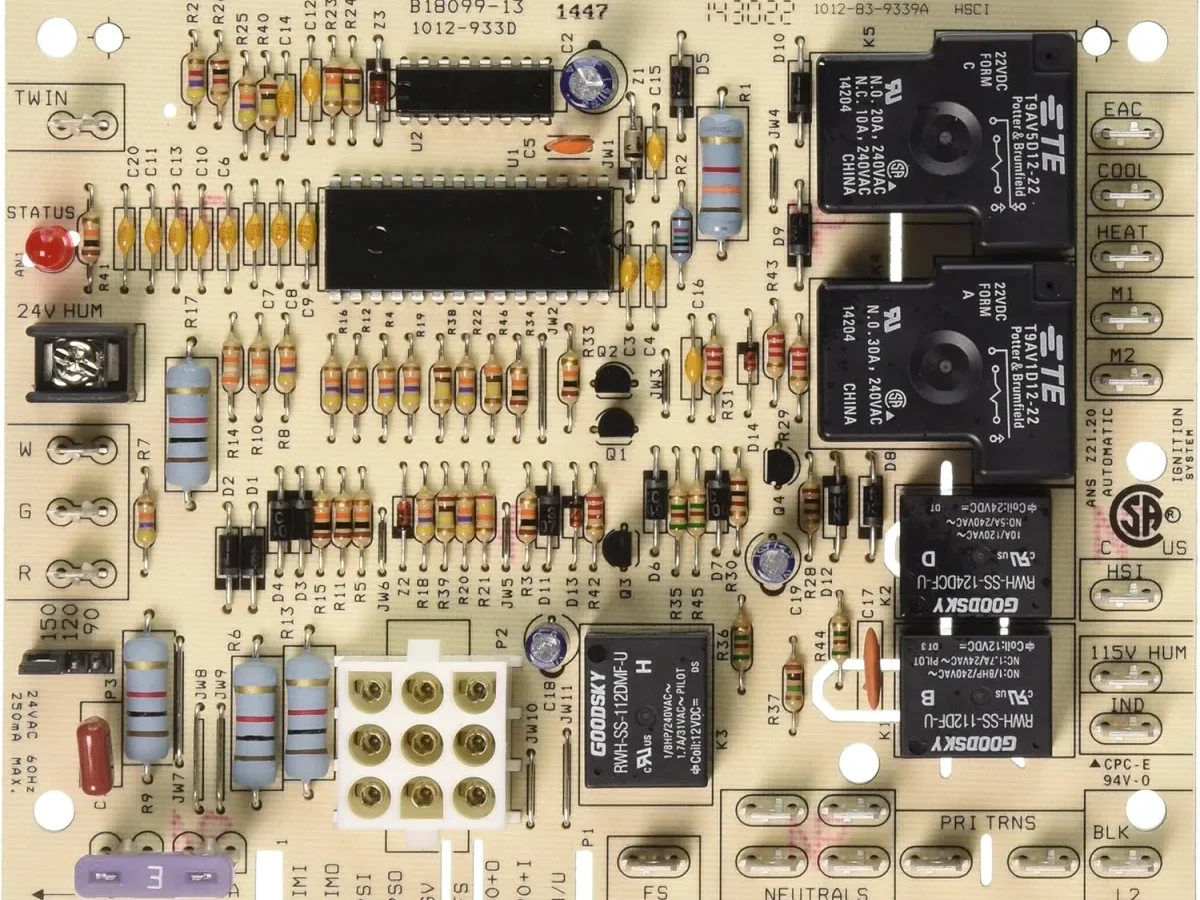
I wake up to a cold house. My Goodman furnace should be running, but it isn't. Maybe the blower is stuck on, or the unit cycles on and off every few minutes.
That's when Goodman Gas Furnace Troubleshooting becomes the only thing on my mind.
Before you panic or call a technician charging $150 to $200 an hour, there are simple steps you can take to diagnose the issue yourself. Per manufacturer specifications, Goodman furnaces come with a built-in LED diagnostic system that flashes error codes in specific blink patterns. As of 2026, these codes remain the fastest way to pinpoint 90% of common failures without any special tools.
Quick Answer
Start by reading the LED blink code on the control board. Count the blinks after a failure. Each pattern points to a specific component like the flame sensor, pressure switch, limit switch, or igniter.
Most DIY fixes involve cleaning the flame sensor, checking the air filter, or clearing a clogged condensate drain. If the furnace locks out repeatedly or you smell gas, call a licensed HVAC pro immediately.
Problem / Pain Point — Why Your Goodman Furnace Is Not Working Properly
Furnaces usually send warning signs before they fail completely. Short cycling, strange noises, or a blower that runs when the heat is off all point to specific issues. Here are the most common complaints and what they mean.
The "No Heat" Scenario
This is the big one. You set the thermostat, hear a click, maybe the blower starts, but warm air never comes. The three most frequent causes are a dirty flame sensor, a clogged air filter, or a failed igniter.
Each one stops the gas valve from opening or keeps the flame from staying lit. All three fixes are cheap and relatively easy to do yourself.
Short Cycling
Your furnace kicks on, runs for 30 seconds to two minutes, then shuts off. Then it tries again a few minutes later. This usually means the limit switch is tripping because airflow is restricted, the flame sensor is not detecting a stable flame, or the pressure switch detects a blocked vent.
Short cycling burns electricity, wears out components faster, and fails to heat your home efficiently.
Blower Runs Nonstop
You turn the thermostat to off, but the blower keeps spinning. This can happen because the thermostat fan switch is set to on instead of auto, a stuck fan relay on the control board, or a short in the thermostat wiring. Check the fan setting first.
If that does not fix it, the board or wiring needs professional attention.
Weird Smells or Noises
A burning smell when you first fire up the furnace in fall is normal. Dust burns off. But a persistent metallic smell or rattling noise can mean a cracked heat exchanger.
That is a safety emergency. Stop using the furnace and call a pro. Carbon monoxide leaks can happen fast.
Core Explanation / How It Works — Goodmans Sequence of Operation
Understanding how your furnace fires up is the key to troubleshooting. Think of it as a chain of events. If any link breaks, the whole thing stops.
The Firing Sequence
- The thermostat calls for heat. It sends a 24-volt signal to the furnace control board.
- The inducer motor starts. This small fan pulls air through the heat exchanger and out the vent. It runs for a few seconds to purge any leftover gas.
- The pressure switch closes. The inducer creates enough vacuum to close a switch that proves the vent is clear. If the switch does not close, the furnace stops here.
- The igniter glows. The hot surface igniter heats up to about 1800°F.
- The gas valve opens. Gas flows to the burners. The hot igniter lights the flame.
- The flame sensor proves the flame. A small rod detects the fires electrical current. If no current is sensed within a few seconds, the gas valve closes.
- The blower motor starts. After the heat exchanger warms up, about 30 to 60 seconds, the blower pushes warm air through the ducts.
- The thermostat is satisfied. The gas valve closes, the inducer runs for a short post-purge, and the blower runs until the heat exchanger cools.
Where Safety Switches Fit
| Switch | Purpose | What Trips It |
|---|---|---|
| Limit switch | Prevents overheating | High temperature from dirty filter or blocked ducts |
| Rollout switch | Catches flame escaping burner area | Backdraft from blocked vent |
| Pressure switch | Confirms vent airflow | Blocked intake/exhaust or frozen condensate |
| Flame sensor | Verifies stable flame | Dirty or misaligned sensor, weak flame |
Knowing this sequence is your roadmap. When the furnace fails, you can figure out exactly which step it is stuck on.
Step-by-Step Process / How to Guide — The Goodman Troubleshooting Decision Tree
Now let us walk through a systematic checklist. Follow these steps in order. Stop when you find the problem.
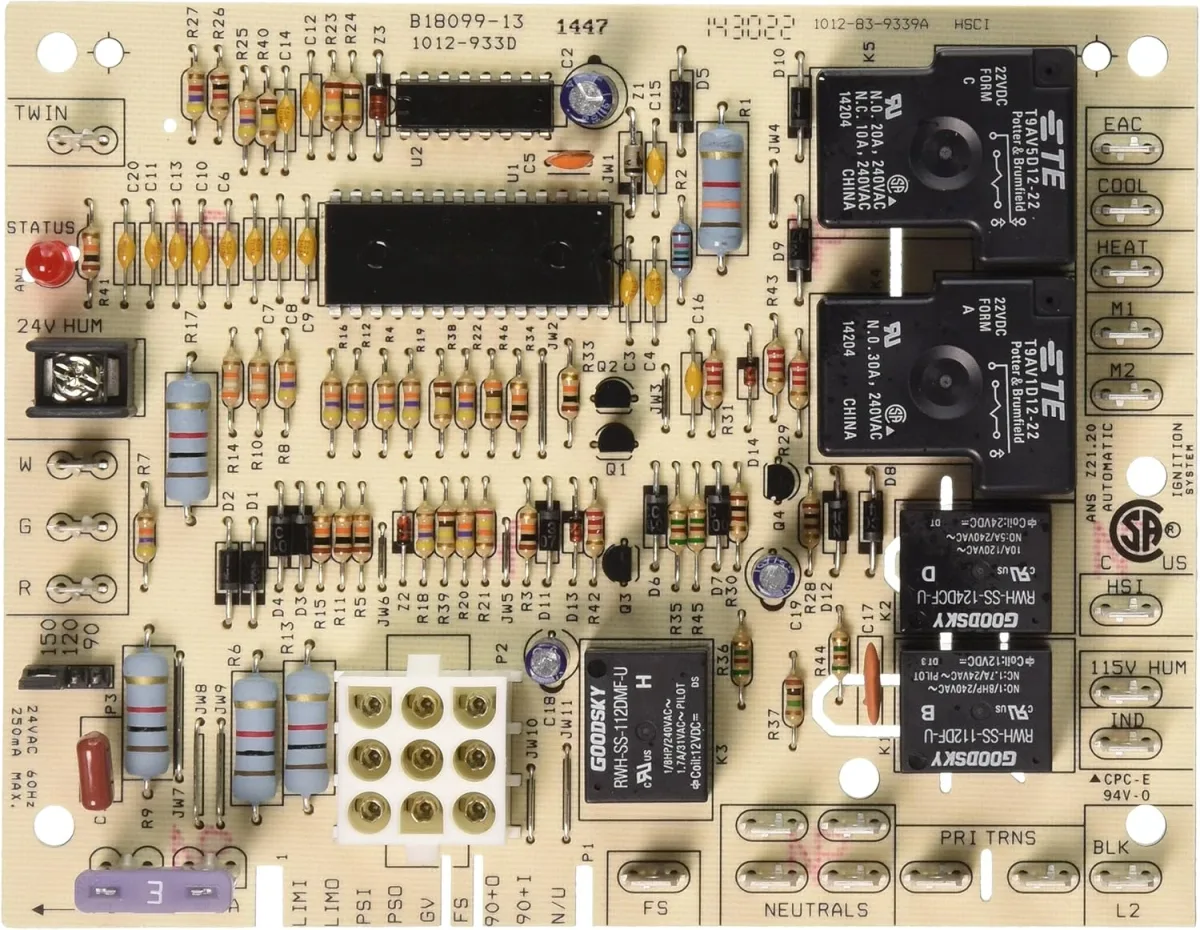
Image source: Bing (Web (fair-use with source credit))
Step 1: Check the Thermostat
Is it set to HEAT and the temperature set above the current room temp? Half of furnace not working calls are just a thermostat on the wrong setting. If the display is blank, change the batteries.
Step 2: Verify Power
Make sure the furnace disconnect switch is on. Check the breaker. If the furnace has a fuse on the control board, usually a 3-amp or 5-amp automotive type, pull it out and test it with a multimeter.
A blown fuse means a short somewhere.
Step 3: Inspect the Air Filter
This is the number one cause of limit switch trips. A dirty filter restricts airflow, the heat exchanger overheats, and the limit switch shuts the furnace down. If your filter looks dirty, replace it.
Then reset the furnace by turning off the power for 30 seconds and turning it back on.
Step 4: Watch the Igniter
Turn off the power and open the blower door. Then turn power back on and set the thermostat to call for heat. Watch the igniter through the sight glass or directly.
Does it glow orange? If not, it is bad, or the control board is not sending power. If it glows but never lights, go to step 5.
Step 5: Look at the Flame
When you see a brief flame that disappears after a second, that is classic flame sensor trouble. The sensor is too dirty to detect the flame, so the gas valve closes. Clean the flame sensor with a fine abrasive pad.
Do not use sandpaper as it ruins the rod. This fixes 80 percent of flame drops out problems.
Step 6: Read the LED Code
On the control board, note how many times the LED blinks before a pause. Common Goodman codes as of 2026:
| Blinks | Meaning | Likely Fix |
|---|---|---|
| 1 | Igniter failure | Replace igniter |
| 2 | Pressure switch open | Check vent, hoses, switch |
| 3 | Limit switch open | Clean or replace filter, check airflow |
| 4 | Flame sensor failure | Clean or replace flame sensor |
| 5 | Gas valve open error | Call a pro, likely gas valve or board |
| 6 | Motor failure | Check capacitor, replace blower motor |
Step 7: Check Pressure Switch Hoses
Find the pressure switch. It is a small circular device with rubber hoses attached. Make sure the hoses are connected and not cracked.
If you hear clicking from the switch but the furnace still will not start, the vent might be blocked. Go outside and check for ice, snow, or debris in the intake and exhaust pipes.
Step 8: Clean the Flame Sensor
If you have not done it yet, locate the flame sensor. It is a thin metal rod near the burner. Remove it with one screw.
Gently clean the rod with a scouring pad until it is bright. Reinstall. This fix takes ten minutes and costs nothing.
Step 9: Inspect the Condensate Drain
For high-efficiency condensing Goodman furnaces, a clogged drain can cause the pressure switch to stay open. Find the PVC drain line, remove the cap, and check for sludge or ice. You can flush it with vinegar and water.
Step 10: Know When to Stop
If you have gone through all these steps and the furnace still will not fire, or if the LED code is a 5 or more, call a licensed HVAC contractor. DIY beyond this point risks gas leaks, carbon monoxide poisoning, or electrical fire.
Features / Components / What Is Inside — Key Parts to Understand
Understanding the main components helps you diagnose faster. Here is a quick tour of the parts that fail most often.
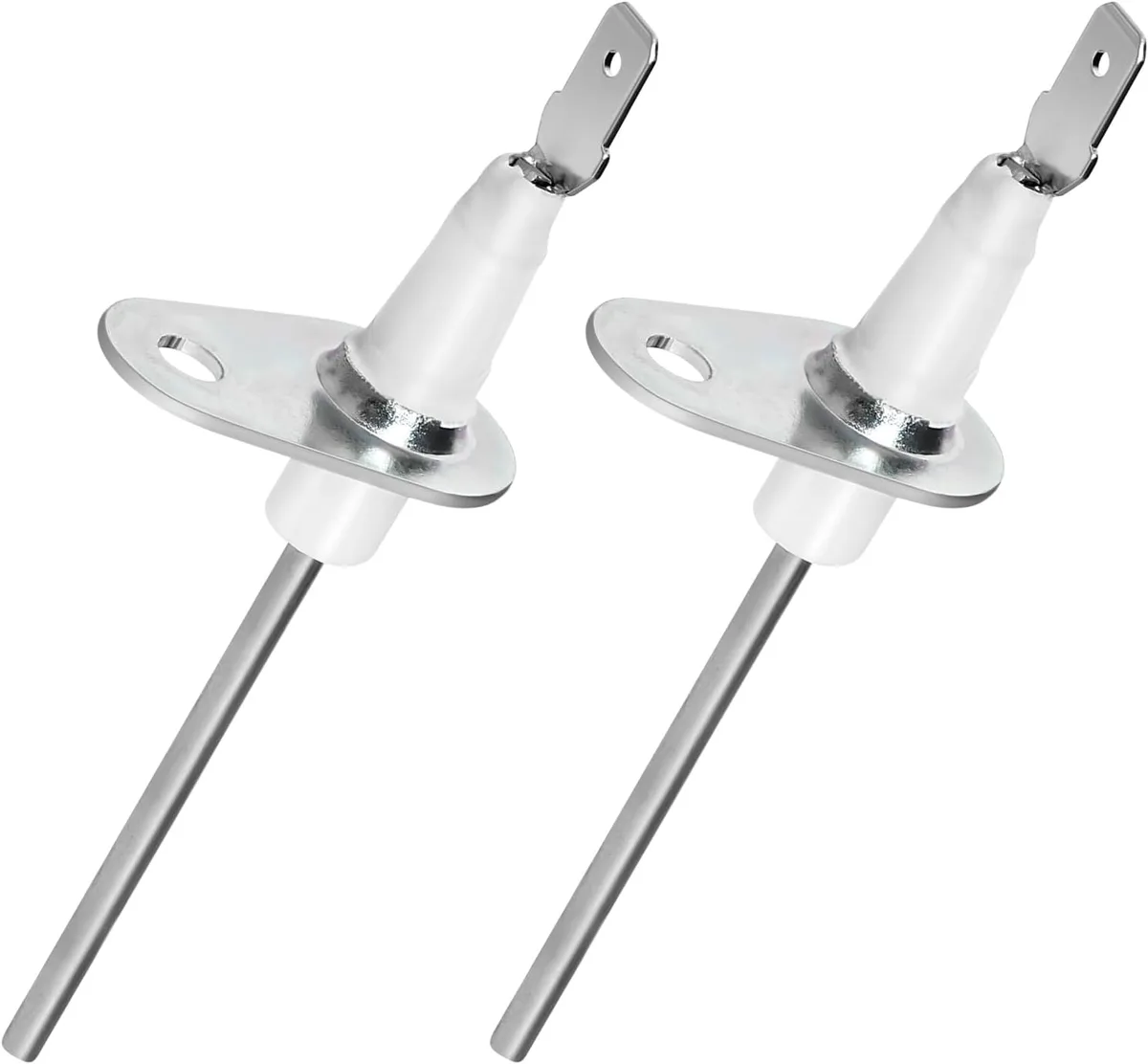
Image source: Bing (Web (fair-use with source credit))
Flame Sensor vs. Igniter
The igniter is a ceramic-tipped rod that glows red hot to light the gas. The flame sensor is a bent metal rod that sits in the flame. They look similar but do different jobs.
The igniter is the first thing to fail in many units. The flame sensor gets dirty from combustion byproducts. You can clean the flame sensor.
You cannot clean an igniter. If it fails, replace it.
Pressure Switches
These small black discs have two hoses. One senses the draft created by the inducer motor inside the heat exchanger. The other senses pressure at the vent collar.
If either hose gets disconnected, or if the vent is blocked, the switch stays open and the furnace will not start. A common mistake is replacing the switch when the real problem is a frozen vent pipe.
Limit and Rollout Switches
The limit switch is usually located inside the furnace near the heat exchanger. It is a simple temperature-sensitive switch that opens if the air gets too hot. The rollout switch is set above the burners.
It trips if flames come out of the burner area instead of going into the heat exchanger. A tripped rollout switch almost always means a serious problem like a blocked heat exchanger or cracked chamber. Take it seriously.
Control Board
This is the brain. It receives signals from the thermostat and all the safety switches. It also stores error codes.
Good boards have a visible LED and sometimes a reset button. If the board fails, you will likely see no blinks at all. Replacement requires matching the exact model number.
Always use an OEM Goodman board, not a universal substitute.
Blower Motor
Goodman uses two types of blower motors. PSC motors, or permanent split capacitor, are cheaper and simpler but less efficient. ECM motors, or electronically commutated motor, are variable-speed, quiet, and more energy-efficient.
If your blower runs but weakly, the capacitor might be bad. If it does not run at all, the motor or the board could be shot. ECM motors require special test equipment and are best left to a pro.
Mistakes to Avoid / Common Errors — Fixes That Fail
Some DIY attempts cause more damage than the original problem. Here are the most common mistakes people make when troubleshooting their Goodman furnace.
Resetting the Furnace Repeatedly
Hitting the reset button or flipping the breaker off and on will clear the error code temporarily. But the underlying problem is still there. If you reset the furnace three times in one day, stop.
The furnace will lock out after multiple failed attempts. You are not fixing anything. You are just masking the symptom until a pro can look at it.
Cleaning the Flame Sensor with Sandpaper
Sandpaper is too abrasive for a flame sensor. It scratches the metal surface, making it harder for the sensor to detect flame current. Use a fine scouring pad instead.
Even a dollar bill works in a pinch. The goal is to wipe off carbon buildup, not grind down the rod.
Ignoring a Clogged Condensate Line
On high-efficiency furnaces, the condensate drain removes water produced during combustion. If it clogs, water backs up and trips the pressure switch. Some people bypass the drain entirely or let it stay clogged.
This can cause water damage and eventual furnace failure. Clear the line with vinegar and water at least once per heating season.
Using Universal Replacement Parts
Universal parts often do not match the specifications of Goodman OEM components. A generic pressure switch might not trip at the right vacuum level. A universal control board may not communicate properly with the thermostat.
Stick with genuine Goodman parts. They cost a bit more but ensure the furnace runs safely and maintains its warranty.
Skipping the Vent Check
When the pressure switch trips, many people replace the switch without ever looking at the vent pipes. Ice, snow, leaves, or even a bird nest can block the intake or exhaust. A new switch will not fix a blocked vent.
Always check the vent pipes first before buying any parts.
Safety / Legal / Compliance / Warnings — Read This Before Touching Anything
Furnace work involves gas, electricity, and combustion. Mistakes can be deadly. Follow these rules without exception.
Carbon Monoxide Risk
Carbon monoxide is odorless and colorless. A cracked heat exchanger or blocked vent can push CO into your living space. Symptoms include headache, dizziness, nausea, and confusion.
If you or anyone in the home feels sick when the furnace runs, evacuate immediately and call 911 from outside. Install CO detectors on every floor of your home. Test them monthly.
Replace batteries twice a year.
Electrical Safety
Always turn off power at the breaker before opening any furnace panels. The thermostat does not cut power to the furnace. It only sends a signal.
The control board and blower motor run on 120 volts. Touching live components can cause serious injury or death.
Gas Leak Response
If you smell gas, do not flip any switches or light any matches. Leave the house immediately. Call your gas company or 911 from outside.
Do not re-enter until emergency responders say it is safe. One spark can ignite accumulated gas.
Rollout Switch and Heat Exchanger
A tripped rollout switch is not a minor issue. It means flames are escaping the burner area. This usually indicates a cracked heat exchanger or severe backdraft.
Do not reset this switch more than once. If it trips again, shut down the furnace and call a licensed HVAC technician. Running a furnace with a cracked heat exchanger can cause carbon monoxide poisoning.
Warranty Considerations
Goodman offers a 10-year parts warranty on registered units. That warranty covers replacement parts but not labor. Using non-OEM parts, performing unapproved modifications, or failing to provide proper maintenance can void the warranty.
Keep records of annual professional inspections. Register your furnace on the Goodman website within 60 days of installation to activate the full warranty.
Local Codes and Licensing
Most local building codes require a licensed HVAC contractor for any work involving gas lines, gas valves, or major electrical repairs. Inspecting and cleaning the flame sensor or replacing an air filter is fine. Replacing the gas valve, heat exchanger, or control board is not.
Check your local codes before starting any repair. Unauthorized work can lead to fines, failed home inspections, or insurance denial.
Costs / Pricing / Data / Specs — What Repairs Should Actually Cost
Knowing what repairs cost helps you decide whether to DIY or call a pro. Here are typical prices as of 2026.
Common Repair Costs
| Part | Part Cost | Pro Labor | Total (Estimated) |
|---|---|---|---|
| Flame sensor | $15 to $30 | $100 to $200 | $115 to $230 |
| Hot surface igniter | $30 to $60 | $100 to $200 | $130 to $260 |
| Pressure switch | $40 to $80 | $150 to $250 | $190 to $330 |
| Limit switch | $25 to $50 | $150 to $250 | $175 to $300 |
| Control board | $100 to $250 | $200 to $350 | $300 to $600 |
| Blower motor (PSC) | $150 to $300 | $200 to $400 | $350 to $700 |
| Blower motor (ECM) | $400 to $800 | $200 to $400 | $600 to $1200 |
Parts prices are for OEM Goodman components. Aftermarket parts cost less but may not fit or perform correctly.
Labor Rates
Professional HVAC labor typically runs $100 to $200 per hour depending on your location and the complexity of the repair. Emergency calls on weekends or holidays cost more. Some companies charge a flat diagnostic fee, usually $80 to $150, that covers the first 30 minutes of diagnosis.
Warranty Reality
The 10-year parts warranty covers the cost of the failed component but not the labor to install it. You pay for the technician time. If your furnace is under warranty, you still pay for the service call and labor.
That is why a simple fix like cleaning the flame sensor yourself saves real money.
What Repairs Are Worth Doing Yourself
Cleaning the flame sensor costs zero dollars. Replacing an igniter costs $30 to $60 and takes 15 minutes. These are safe DIY repairs for anyone who follows basic precautions.
Anything involving gas lines, high voltage, or sealed combustion chambers should be left to a pro.
Real Scenarios / Case Examples — Homeowner Stories That Teach
These five real-world scenarios cover the most common Goodman furnace failures. Each one includes the symptoms, the diagnosis, and the fix.
Scenario A: Igniter Glows but the Flame Never Lights
A homeowner in Ohio set the thermostat to heat. The inducer started, the igniter glowed bright orange, but the gas never came on. After checking the gas supply, they found the manual shut-off valve near the furnace was partially closed from a recent repair.
Opening it fully fixed the problem. The LED code showed 1 blink, which pointed to igniter failure but the real cause was no gas flow.
Scenario B: Heats for a Minute, Then Shuts Off
A family in Michigan called a technician three times for short cycling. Each time the tech replaced different parts. The real fix was a dirty flame sensor.
A ten-minute cleaning with a scouring pad solved the problem permanently. The furnace had been running for two years without a maintenance check. The sensor had built up enough carbon to lose its signal.
Scenario C: Blower Runs Nonstop, Even with Heat Off
A homeowner in Minnesota set the thermostat to off, but the blower kept running. The thermostat fan switch was set to ON instead of AUTO. Switching it to AUTO stopped the blower immediately.
This is the most common cause of a constantly running blower.
Scenario D: Froze Up During a Cold Snap
A family in Wisconsin woke up to no heat during a -10°F cold snap. The pressure switch was open. They found the condensate drain line frozen solid.
Pouring warm water down the drain cleared the ice. The furnace fired back up within 30 minutes. Installing a heat tape on the drain line prevented future freezes.
Scenario E: Blinking Code 3, No Matter What
A homeowner in Pennsylvania got a 3-blink code every time the furnace ran for more than five minutes. They replaced the air filter, which solved the problem. The old filter was completely clogged with dust and pet hair.
The limit switch was tripping because airflow was too low. A clean filter and a power reset fixed everything.
Frequently Asked Questions
How do I reset my Goodman furnace?
Turn off the power at the breaker or disconnect switch. Wait 30 seconds. Turn it back on.
This clears most temporary error codes. If the furnace fails again, the underlying problem still needs to be fixed.
Will a dirty filter cause my Goodman furnace to shut off?
Yes. A dirty filter restricts airflow. The heat exchanger overheats.
The limit switch trips and shuts the furnace down. Replace the filter every 1 to 3 months during heating season to prevent this.
What is the average lifespan of a Goodman furnace?
With proper maintenance, a Goodman gas furnace lasts 15 to 20 years. High-efficiency condensing units may need more frequent service due to their complex components. Annual professional inspections help maximize lifespan.
Why does my Goodman furnace keep tripping the limit switch?
A tripping limit switch usually means low airflow. Check the air filter first. If the filter is clean, check for blocked return ducts, closed supply vents, or an undersized duct system.
A failing blower motor can also cause this.
Is it safe to run my furnace with a bad flame sensor?
No. A bad flame sensor may cause the furnace to cycle on and off unpredictably. In some cases, the gas valve may stay open longer than intended.
Replace or clean the flame sensor before running the furnace again.
Do I really need to change the filter every month?
Aggregate reviews and manufacturer recommendations suggest every 1 to 3 months depending on usage, pets, and indoor air quality. Monthly changes during peak heating season are cheap insurance against expensive repairs.
Why is my Goodman furnace blinking 2 times, 3 times, or 4 times?
Two blinks indicate a pressure switch issue. Three blinks mean a limit switch problem. Four blinks point to a flame sensor failure.
Refer to the LED code table in this guide for the full list and recommended fixes.
What to Do Right Now
This quick reference table helps you match symptoms to likely causes and decide whether to DIY or call a pro.
| Symptom | Likely Cause | DIY or Pro |
|---|---|---|
| No heat, no blower | Power failure, thermostat, fuse | DIY check power |
| No heat, blower runs | Igniter, flame sensor, pressure switch | DIY check igniter and sensor |
| Short cycles | Dirty filter, limit switch, flame sensor | DIY clean filter and sensor |
| Blower runs constantly | Thermostat fan setting, stuck relay | DIY check thermostat setting |
| Gas smell | Gas leak, cracked heat exchanger | EVACUATE, call 911 |
| 2-blink code | Pressure switch, blocked vent | DIY check vent and hoses |
| 5-blink code | Gas valve or control board | Pro only |
The 15-Minute Checks to Do Before Calling for Service
- Check the thermostat setting and batteries.
- Verify the power switch and breaker.
- Replace a dirty air filter.
- Clean the flame sensor with a scouring pad.
- Clear the condensate drain if applicable.
- Check outside vent pipes for ice or debris.
When Replacement Makes More Sense Than Another Repair
If your furnace is over 15 years old and the repair cost exceeds 50 percent of a new unit, replacement is the better choice. A new 96 percent AFUE Goodman furnace uses significantly less gas than an old 80 percent model. The monthly savings on your heating bill helps offset the upfront cost.
The Bottom Line
Protecting your furnace means staying on top of basic maintenance. Replace filters regularly. Clean the flame sensor once a year.
Keep vents clear. Follow the LED codes when something goes wrong. And know when to call a pro.
Your comfort depends on it.

Similar Posts