Whirlpool Cabrio Platinum Washer Troubleshooting
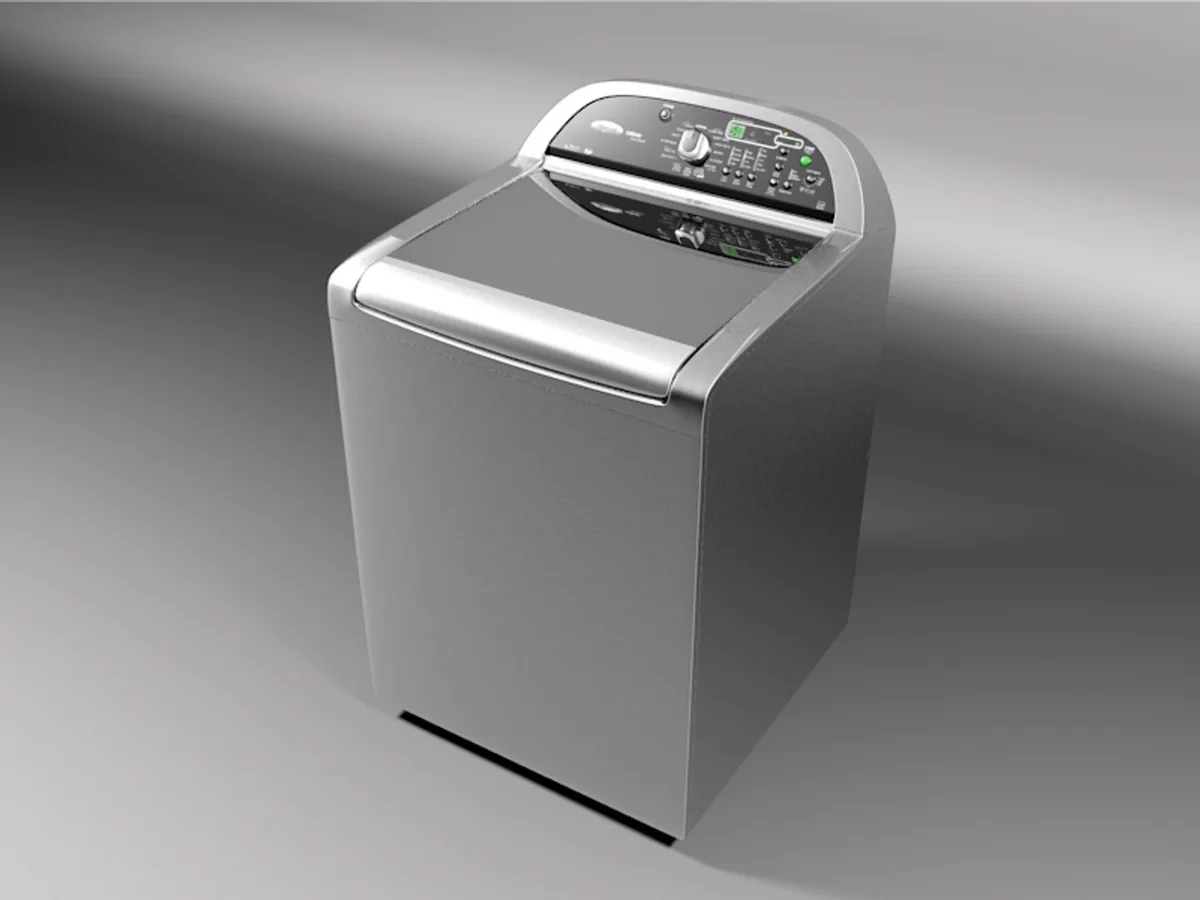
Whirlpool Cabrio Platinum washer troubleshooting doesn't have to start with a repair bill. Most common issues come down to four components, and the machine's error code tells you which one to check first. You just need to know how to read what it's saying.
Manufacturer specifications indicate these machines use a 6th Sense load sensing system with a direct-drive motor, not a belt. That means fewer moving parts and a much shorter list of things that can fail. As of 2026, the usual suspects are the lid lock assembly, the shift actuator, the rotor position sensor, and the drain pump.
Let's walk through each symptom so you can find the fix in under an hour.
Image source: Bing (Web (fair-use with source credit))
Quick Answer
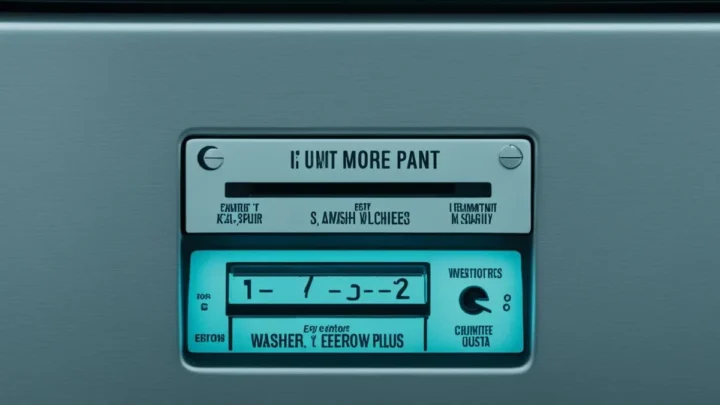
Check the error code on the display. It points straight to the failed part. A flashing lid lock light means a bad lid switch.
F41 points to the shift actuator, while F42 means an out-of-balance load. Soaking wet clothes usually mean a failing rotor position sensor.
How the Cabrio Platinum Thinks: The 6th Sense System
Your Cabrio Platinum doesn't run on a simple timer. It uses sensors to decide how much water to add, how long to agitate, and when to spin. That's the 6th Sense system, and it's the key to understanding the machine's failure modes.
The load sensing system measures how the motor responds when the drum fills. Too much resistance means a heavy load, so it adds more water. Too many suds, and it triggers a SUD error to run extra rinses.
This works well until a sensor sends a bad signal.
The control board relies on three main inputs: the lid lock switch, the rotor position sensor, and the shift actuator. The lid lock confirms the door is closed. The rotor position sensor tracks drum speed.
The shift actuator controls direction. If any one of them gives a bad reading, the board throws an error and stops mid-cycle.
That's actually good news. The machine is smart enough to narrow down the problem for you. Most owners blame the control board first, but the board rarely fails.
The sensors and switches fail far more often, and they're cheap to replace.
Problem #1: Washer Won't Start, Lid Lock Light Flashing
The most common Cabrio Platinum complaint is a flashing lid lock light with a washer that won't start. The machine sends voltage to the lid lock assembly and waits for a confirmation signal. No signal means no cycle.
If the lid lock clicks but the washer won't run
The latch moves but the electrical contact inside the switch isn't closing. This is a worn-out lid lock assembly. Replace the whole part.
It costs $20 to $40 and takes about ten minutes to swap out.
If the lid lock doesn't click at all
Check the lid striker for a wedged object. A bra strap or sock can block it. Clear the obstruction.
Still no click? The lock solenoid has failed. Replace the lid lock assembly.
If the washer starts but stops with the same light later
You have an intermittent failure. Open and close the lid firmly three times to reseat the striker. If it happens again within a week, replace the lid lock.
Before replacing anything, try a hard reset. Unplug the washer for 60 seconds. Press and hold the Start button for five seconds.
Then plug it back in. This clears small glitches in the control board's memory and fixes a surprising number of false lid lock errors.
Problem #2: Stops Mid-Cycle with Error Code F41 or F42
F41 and F42 are the two most common error codes reported by owners. They both come from the machine failing to shift between wash and spin modes.
F41 means the shift actuator didn't engage or disengage properly. The washer tries to switch from agitating to spinning, gets no response, and stops to protect itself. F42 means the drum is out of balance.
The sensor sees too much wobble and cancels the spin.
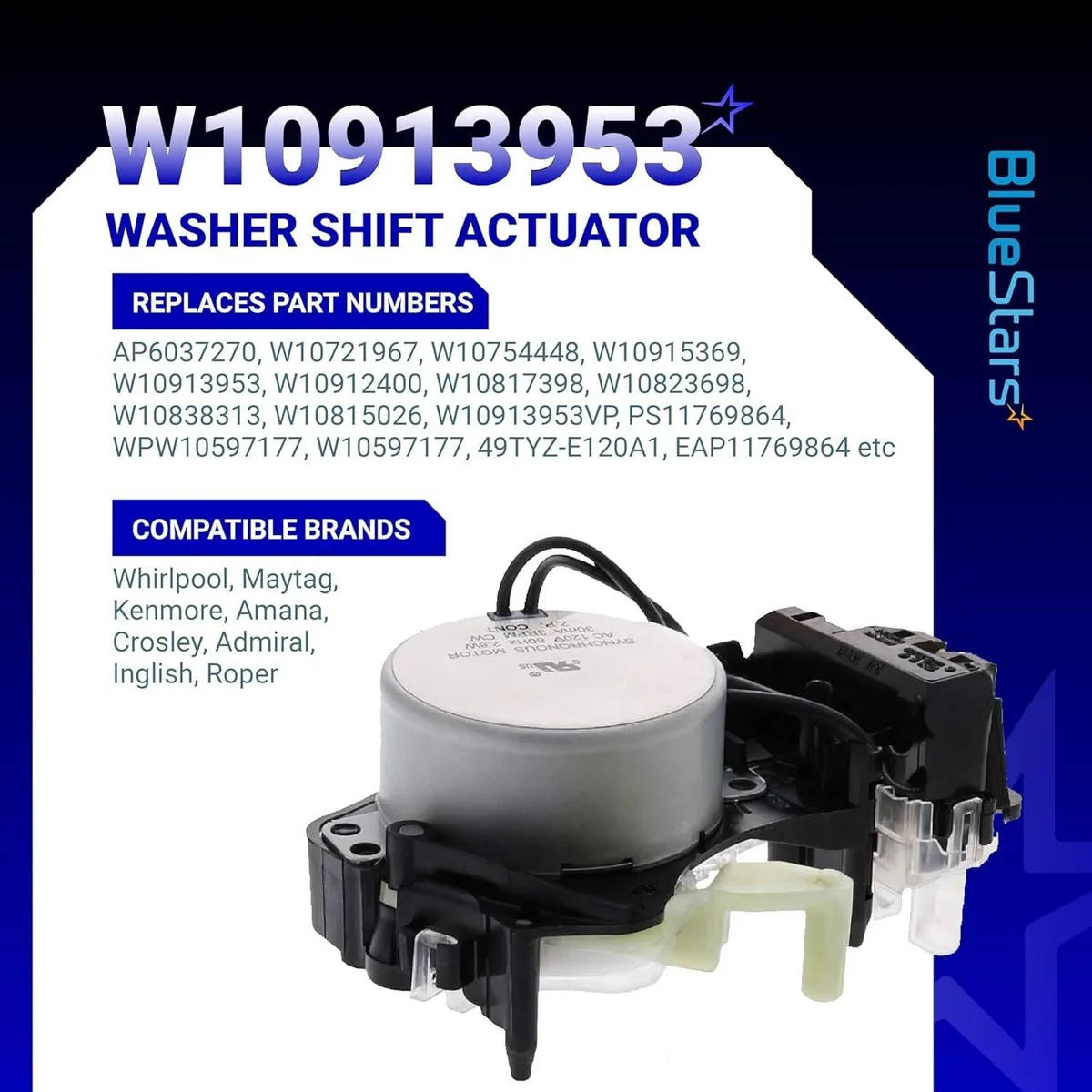
Image source: Bing (Web (fair-use with source credit))
If you see F41
Check the load before ordering parts. A single heavy blanket can cause a false F41. Add a few towels for balance and run a spin-only cycle.
If it clears, you're done.
If it returns, replace the shift actuator. It sits under the washer on the bottom of the transmission. Tilt the machine back or remove the front panel to reach it.
A new OEM part costs $75 to $120. Used or rebuilt units run $35 to $60, but they don't last as long.
If you see F42
F42 isn't always a hardware failure. Redistribute the clothes evenly. Wash bulky items like comforters by themselves.
Make sure the washer sits level. If the error persists with balanced loads, the suspension rods are likely worn out. They lose tension over time, allowing the drum to wobble.
Replace all four at once. The set costs $15 to $25 and takes about 30 minutes.
Problem #3: Fills and Drains But Never Agitates or Spins
The sneakiest failure is a machine that fills, drains, fills again, and never moves the clothes. The drum just sits there humming. The culprit is almost always the rotor position sensor (RPS).
The RPS tells the control board exactly where the motor rotor is. Without that feedback, the board can't fire the motor windings. It keeps trying, which is why you hear a hum.
The machine appears to run because the fill and drain valves work, but the drum never turns.
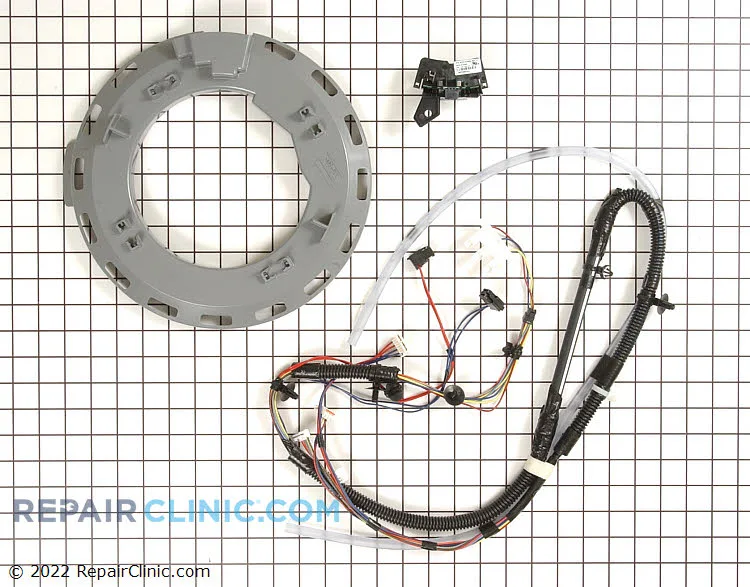
Image source: Bing (Web (fair-use with source credit))
Test the rotor position sensor with a multimeter
Unplug the washer. Remove the back panel. Locate the sensor on the motor housing.
Measure resistance between the three pins on the sensor connector. Per Whirlpool service documentation, the readings should be balanced within 10 percent of each other. If one is way off, replace it.
The replacement sensor costs $30 to $50 and takes about 20 minutes. Pull the old sensor off the motor shaft. Clean the shaft with rubbing alcohol.
Press the new one on, making sure the flat side aligns with the flat side of the shaft.
If the washer doesn't hum at all
The control board may be the culprit. Don't jump straight to that conclusion. Do the hard reset first.
Unplug for a minute, hold Start for five seconds, then test again. If that fails, test the sensor before spending $100 to $200 on a new board.
Problem #4: Clothes Soaking Wet at End of Cycle
A finished cycle that leaves clothes dripping wet points to one of three things. The machine tried to spin and failed. It never tried to spin.
Or the drain is blocked.
Check the drain pump filter first
The filter sits behind the front kickplate at the bottom of the machine. Twist off the cap and remove any debris. Coins, lint, and hair collect there and stop the pump impeller.
Clean it and run a rinse-and-spin cycle.
If the filter is clean but clothes stay wet
Run the washer in diagnostic mode to check for stored error codes. The machine often displays a code for a few seconds and clears it before you notice. Diagnostic mode stores the last five codes.
If the washer spins but never reaches full speed
A failing rotor position sensor can be intermittent. It gives a good reading sometimes, a bad one other times. The machine spins slowly to be safe, leaving clothes wet.
Replace the sensor.
If the washer doesn't spin at all
Press down on the lid lock striker with your finger. If the drum starts spinning with the lid open, the lid lock has failed mechanically. The electrical switch still works, but the lock doesn't hold.
Replace the lid lock assembly. Never run the machine with the lid open. The spinning drum is dangerous.
Check the drain hose
A kinked or improperly placed drain hose prevents the tub from emptying. The control board senses water still in the drum and refuses to spin. Make sure the hose has a straight drop and the end sits no more than four inches into the standpipe.
Diagnostic Mode, DIY Fixes, and Common Mistakes
Diagnostic mode gives you the exact error code stored in the machine's memory. The entry sequence varies by model year, so check Whirlpool's official support site for your owner's manual. One commonly documented sequence is Signal, Water Temp, Signal within five seconds of powering on.
The stored codes are the same ones that flash during a cycle.
Use the table below to match parts and costs.
| Part | Typical Cost | Difficulty |
|---|---|---|
| Lid lock assembly | $20 to $40 | Easy |
| Shift actuator | $75 to $120 | Moderate |
| Rotor position sensor | $30 to $50 | Easy |
| Suspension rods (set of 4) | $15 to $25 | Moderate |
| Control board | $100 to $200 | Moderate |
Mistakes that waste your time and money
Replacing the control board first. It's the most expensive part and the least likely to fail. Test the sensors and switches before you buy one.
Bypassing the lid lock. This is dangerous. The spin cycle rotates at hundreds of RPM with a heavy, unbalanced load. If you disable the lock, you risk serious injury.
Ignoring the load. Many F41 and F42 errors come from a badly balanced load. Redistribute clothes before replacing parts.
Not unplugging the machine. Before any test or repair, unplug the washer. The control board compartment contains live capacitors that hold a charge after disconnect.
Frequently Asked Questions
How do I reset my Whirlpool Cabrio Platinum washer?
Unplug the washer for 60 seconds. Press and hold the Start button for five seconds, then plug it back in. This clears the control board's memory and fixes many minor glitches.
It's the first thing to try before ordering any replacement parts.
What does the flashing lid lock light mean?
The machine can't confirm that the lid is locked. Usually the lid lock assembly has failed or something is blocking the striker. Open the lid and check for stuck items.
If nothing is blocking it, replace the lid lock assembly.
Why does my Cabrio Platinum keep stopping mid-cycle?
Check the display for an error code. F41 or F42 is the most common cause. F41 means a failing shift actuator.
F42 means an out-of-balance load or worn suspension rods. Address the code directly rather than guessing.
How much does it cost to fix a shift actuator?
A new OEM shift actuator runs $75 to $120. Used or rebuilt units cost $35 to $60 but carry more risk. The repair takes about 30 minutes if you're comfortable tilting the washer and removing the front panel.
Should I repair or replace my Cabrio Platinum washer?
If the machine is less than eight years old, replacing parts is usually worth it. Most repair costs fall between $20 and $150. If the control board and motor both fail, replacement makes more sense.
A new basic washer runs $500 to $700.

Similar Posts