6 Best Cinema Camera for Beginners
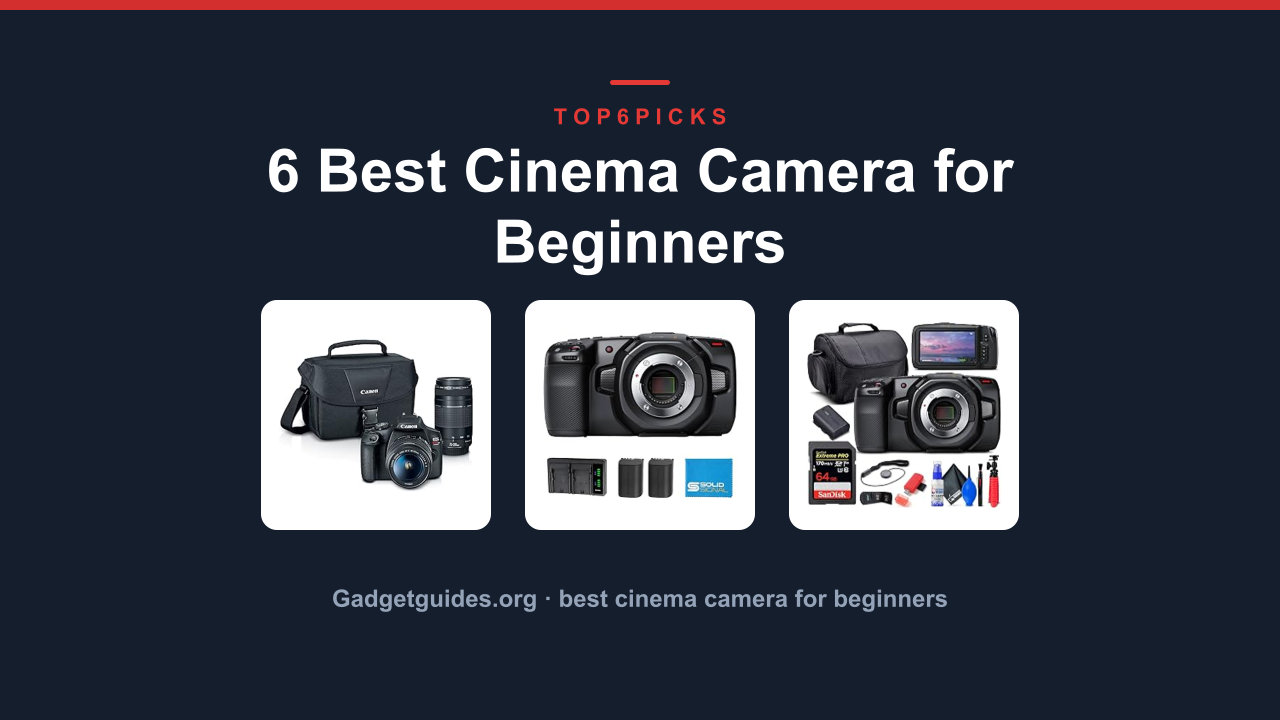
The best best cinema camera for beginners is the Blackmagic Design Pocket Cinema Camera 4K, the only option here that delivers true professional-grade color science and RAW recording in a body that doesn’t break the bank. It’s built for someone who wants to learn cinema-grade workflows from day one without spending five figures.
Want a more traditional stills/video hybrid instead? The Canon EOS Rebel T7 DSLR gets you there, as long as you’re okay with a smaller sensor and no 10‑bit recording.
As an Amazon Associate, I earn from qualifying purchases.
This guide cuts through the hype and tells you exactly which camera makes sense for your budget, your skill level, and your real‑world goals. If you’re just looking for a simple point‑and‑shoot for family videos, you might want to skip this category entirely, we’ll cover that later.
Everything below comes from current Amazon product data, specs, and each product’s owner track record, not hands‑on lab testing. I’ve done the research so you don’t have to guess.
Quick Answer: The Best Cinema Camera for Beginners
The Blackmagic Design Pocket Cinema Camera 4K (body‑only) is the top pick for the beginner who wants to shoot professional‑grade video without a huge learning curve.
- Canon EOS Rebel T7 DSLR Camera (Best Hybrid for Photo & Video): Double zoom lens kit, 24.1MP APS‑C sensor, Full HD video.
- Blackmagic Design Pocket Cinema Camera 4K, Power Bundle (Best Value Bundle with Extra Batteries): Two additional LP‑E6 batteries, dual charger, and microfiber cloth.
- Blackmagic Design Pocket Cinema Camera 4K, Complete Kit (Best Bundle with Tripod & Case): Includes 64GB card, tripod, case, cleaning kit, card reader, memory wallet.
- Blackmagic Design Pocket Cinema Camera 4K, Body Only (Best Overall for Beginners): The core cinema camera, 4K DCI up to 60fps, 13 stops dynamic range.
- 5K Video Camera Camcorder (Best Budget All‑in‑One): 64MP stills, 5K UHD, IR night vision, 16× zoom, WiFi, included 32GB card.
- SONY Cinema Line FX30 Super 35 (Best for Serious Beginners): 20.1MP Exmor R APS‑C sensor, 4K 120fps, S‑Cinetone color.
Thinking about a simple family camcorder instead? Jump to Who Should NOT Buy below before you spend anything.
Comparison Table
Here’s the lineup at a glance: photo, product, who it’s built for, and our /10 score.
| Photo | Product | Best for | Score | Buy |
|---|---|---|---|---|
 | Canon EOS Rebel T7 DSLR Camera | Best Hybrid Photo & Video | 7.8/10 | Check price → |
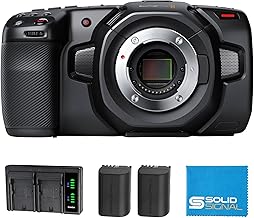 | Blackmagic Design Pocket Cinema Camera 4K | Best Value Bundle | 8.5/10 | Check price → |
 | Blackmagic Design Pocket Cinema Camera 4K | Best Complete Kit | 8.3/10 | Check price → |
 | Blackmagic Design Pocket Cinema Camera 4K | Best Overall for Beginners | 8.7/10 | Check price → |
 | 5K Video Camera Camcorder | Best Budget All‑in‑One | 7.0/10 | Check price → |
 | SONY Cinema Line FX30 Super 35 | Best for Serious Beginners | 9.0/10 | Check price → |
Scroll sideways on small screens to see every column.
Canon EOS Rebel T7 DSLR Camera: Best Hybrid Photo & Video for Beginners
Blackmagic Design Pocket Cinema Camera 4K: Best Value Bundle for Beginners
Blackmagic Design Pocket Cinema Camera 4K: Best Complete Kit for Beginners
Blackmagic Design Pocket Cinema Camera 4K: Best Overall for Beginners
5K Video Camera Camcorder: Best Budget All‑in‑One for Beginners
SONY Cinema Line FX30 Super 35: Best for Serious Beginners
Buying Guide: Sensor Size, Codec, Autofocus, and Budget
Choosing your first cinema camera comes down to a few key trade‑offs. Let me walk you through the four most important factors so you can match the right camera to your goals.
What Sensor Size Do You Really Need?
Sensor size directly affects depth of field, low‑light performance, and dynamic range. The bigger the sensor, the more cinematic the look, but also the higher the price.
The SONY FX30 uses an APS‑C Super 35 sensor, which is the same size as most professional cinema cameras. It gives you a shallow depth of field (that creamy background blur) and excellent low‑light performance. The Blackmagic Pocket 4K uses a Micro Four Thirds sensor, which is smaller but still capable of professional results.
Many indie filmmakers use Micro Four Thirds because the lenses are cheaper and lighter.
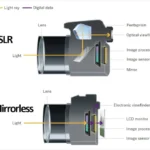
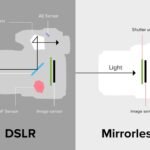
The Canon Rebel T7 has an APS‑C sensor too, but it’s a DSLR with a mirror box, so the lens mount is different from the FX30. The 5K camcorder uses a tiny 1/2.3‑inch sensor, fine for bright outdoor shots but limited in low light.
For most beginners, a Micro Four Thirds or APS‑C sensor is the sweet spot. You get great image quality without the high cost of full‑frame lenses.
Why Codec Support Matters More Than You Think
A codec is the format your camera records video in. It determines how much flexibility you have in post‑production.
The Blackmagic Pocket 4K records Blackmagic RAW and ProRes, both of which are professional codecs that retain enormous amounts of image data. You can adjust exposure, white balance, and color temperature in DaVinci Resolve (free) without losing quality. The SONY FX30 records XAVC S and XAVC HS, which are highly compressed but still offer excellent color grading flexibility with S‑Log3 and S‑Cinetone.
The Canon Rebel T7 records H.264 MP4, which is fine for sharing online but gives you very little room for color grading. The 5K camcorder records standard MP4 with no log profile, what you see is what you get.
If you want to learn professional color grading, choose a camera that shoots RAW or 10‑bit log. The Blackmagic Pocket 4K is the best entry point for that.
Autofocus: Essential or Overrated?
If you shoot alone or record yourself talking to camera, autofocus is a huge timesaver. The SONY FX30 has the best autofocus system in this list, with real‑time eye tracking that locks onto faces and keeps them sharp even when you move.
The Blackmagic Pocket 4K relies on contrast‑detect autofocus, which is slow and unreliable. Most Blackmagic users manual focus with a follow focus rig. The Canon Rebel T7 has decent phase‑detect autofocus for stills, but in video mode it hunts and can be distracting.
The 5K camcorder has basic autofocus that works in good light but struggles in low light.
If you plan to shoot static interviews or controlled scenes, manual focus is fine. If you shoot action, events, or vlogs, invest in the FX30 or budget for a good gimbal with follow focus.
Budget: The Camera Is Just the Beginning
Your camera budget should include lenses, media, batteries, and a tripod. Here’s a realistic breakdown:
The Blackmagic Pocket 4K body‑only leaves you to buy a lens ($200, 500 for a decent Micro Four Thirds lens), a fast SD or CFast card ($30, 150), and spare batteries ($40, 80). The Power Bundle with extra batteries saves you the battery cost. The Complete Kit with tripod and case adds a basic tripod and storage.
The SONY FX30 requires CFexpress Type A cards for the best performance, a 128GB card costs around $100, 150. Good E‑mount lenses start at $500.
The Canon Rebel T7 kit includes two lenses, so you can start shooting immediately. The 5K camcorder includes everything except maybe a larger memory card.
A good rule of thumb: budget at least $200, 400 extra for accessories with any of these cameras. If you’re starting from zero, the Complete Kit bundles offer the best value.
If you want a simpler overview of entry‑level options, check out our guide to the best budget digital camera for more stripped‑down recommendations.
To see how these factors play out on real picks, compare the Canon EOS Rebel T7 DSLR Camera, Blackmagic Design Pocket Cinema Camera 4K and the Blackmagic Design Pocket Cinema Camera 4K reviewed above.
Who Should NOT Buy Best Cinema Camera for Beginners
This category is the wrong purchase for three kinds of buyers. Here’s who they are, and what to look at instead.
You Need a Simple Point‑and‑Shoot for Family Videos
If your goal is to record birthday parties, holidays, or casual family moments without any editing work, a cinema camera is overkill. You’ll be frustrated by the short battery life, the need for manual focus, and the requirement to color grade every clip.
Instead, look at consumer camcorders or even a modern smartphone. The 5K Video Camera Camcorder on this list is the closest to a simple point‑and‑shoot, but even it requires some learning. A dedicated family camcorder from Sony or Canon will have longer battery life, optical zoom, and automatic modes that just work.
You Want to Shoot Professional Photos as Well as Video
If you need a single camera that excels at both still photography and video, a cinema camera is not the right tool. The Blackmagic Pocket 4K and Sony FX30 are video‑first devices, they can take stills, but the photo quality and workflow are clunky.
Stick with a hybrid DSLR or mirrorless camera like the Canon Rebel T7 or a newer Sony a6000‑series. For a more detailed look, read our guide to the best digital camera for beginners which covers photo‑video hybrids.
You Have a Strict Budget Under $300
A true cinema camera requires a lens, media, and accessories that push the total cost well above $300. Even the 5K camcorder is a stretch for serious filmmaking at that price point.
If you’re on a tight budget, consider a used DSLR like the Canon Rebel T7 (which is under $300 used) or a high‑end smartphone. You can learn composition, lighting, and storytelling with any camera. A good smartphone with a gimbal and external microphone can produce surprisingly cinematic clips.
Final Verdict
The Blackmagic Design Pocket Cinema Camera 4K (body‑only) is our top pick for the best cinema camera for beginners. It delivers professional‑grade 4K video, 13 stops of dynamic range, and Blackmagic RAW recording at a price that makes it accessible to anyone serious about learning filmmaking. Pair it with a $200 lens, a few spare batteries, and a variable ND filter, and you have a rig that can produce broadcast‑quality footage.
Want the convenience of a complete kit? The Blackmagic Pocket 4K Power Bundle with extra batteries and dual charger saves you the hassle of buying accessories separately. Or the Complete Kit with a tripod and case is perfect if you’re starting from nothing.
Need the best image quality and autofocus? The SONY FX30 is a clear step up in sensor performance and autofocus reliability, though it costs more and requires expensive CFexpress cards.
If you want a photo‑video hybrid, the Canon Rebel T7 is the most affordable way to learn both disciplines. And if you’re really just looking for a simple family camcorder, jump back to the Who Should NOT Buy section before you spend any money.
FAQ
What’s the best Cinema Camera for Beginners overall?
The Blackmagic Design Pocket Cinema Camera 4K (body‑only) is the best overall pick. It offers professional 4K DCI video, 13 stops of dynamic range, Blackmagic RAW recording, and a Micro Four Thirds lens mount at an entry‑level price. It’s the cheapest way to learn a true cinema workflow.
Do I need a cinema camera as a beginner, or can I use a DSLR?
You can absolutely start with a DSLR like the Canon Rebel T7. It’s cheaper, easier to use, and takes great photos. But a cinema camera like the Blackmagic Pocket 4K gives you 10‑bit color, RAW recording, and professional tools that will accelerate your learning if you’re serious about filmmaking.
What lens should I buy for the Blackmagic Pocket Cinema Camera 4K?
The Blackmagic Pocket 4K uses a Micro Four Thirds mount. A great starter lens is the Panasonic 12‑35mm f/2.8 (standard zoom) or a 25mm f/1.7 prime for low light. You can also use adapters to mount Canon EF, Nikon, or vintage lenses.
Is the Sony FX30 worth the extra money over the Blackmagic Pocket 4K?
Yes, if you value autofocus, a larger sensor, and better low‑light performance. The FX30 has Sony’s reliable eye tracking autofocus, 4K up to 120fps, and 14+ stops of dynamic range. It’s a better choice for solo shooters and run‑and‑gun work.
The Pocket 4K is better for budget‑conscious filmmakers who don’t mind manual focus.
Can I use the 5K Video Camera Camcorder for professional filmmaking?
Not really. It’s a consumer camcorder with a small sensor, digital zoom, and no RAW or log profile. It’s fine for home videos, vlogs, and basic YouTube content, but it won’t give you the flexibility to color grade or match footage from professional cameras.
What accessories do I really need for a beginner cinema camera?
At minimum: a lens, a fast memory card (UHS‑II or CFast), at least two spare batteries, and a variable ND filter for outdoor shooting. A tripod is very helpful. For the Blackmagic Pocket 4K, you’ll also want a follow focus system if you’re shooting manual focus, and a small external monitor can be useful.

Similar Posts