Bissell Proheat 2x Troubleshooting
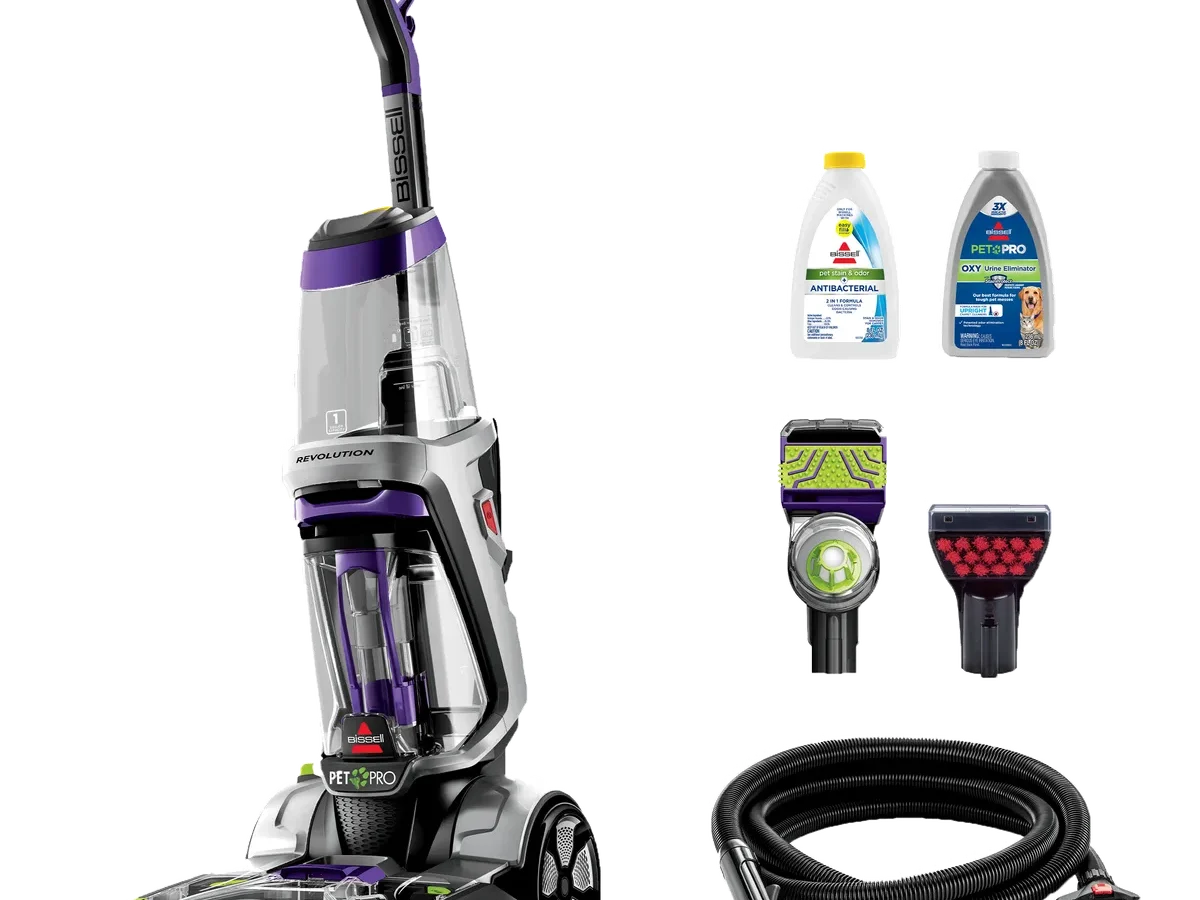
Your Bissell ProHeat 2X was working fine last week. Now it won't spray. Or the water stays cold.
Or the suction sounds like a dying sigh. You're not alone, and you don't need to buy a new machine. Bissell ProHeat 2X troubleshooting is something most owners can handle in under 20 minutes with just a paperclip, a screwdriver, and a little patience.
The key is knowing which symptom points to which fix. Guess wrong, and you'll waste time cleaning parts that are perfectly fine. Get it right, and you'll save the $150 to $250 a replacement costs.
Manufacturer specs confirm these machines use a 12-amp motor, a simple spray pump, and a basic heating element. There's no complex computer board to fail. Just simple mechanical parts that clog, stick, or wear out.
Let's walk through what's actually going on.
Quick Answer
Check the dirty water tank float first. A stuck float causes most suction problems. Check the spray nozzle for clogs if you get no spray.
Reset the thermal fuse if the water won't heat. Clean the brush roll if it won't spin. These four checks solve 80 percent of ProHeat 2X issues.
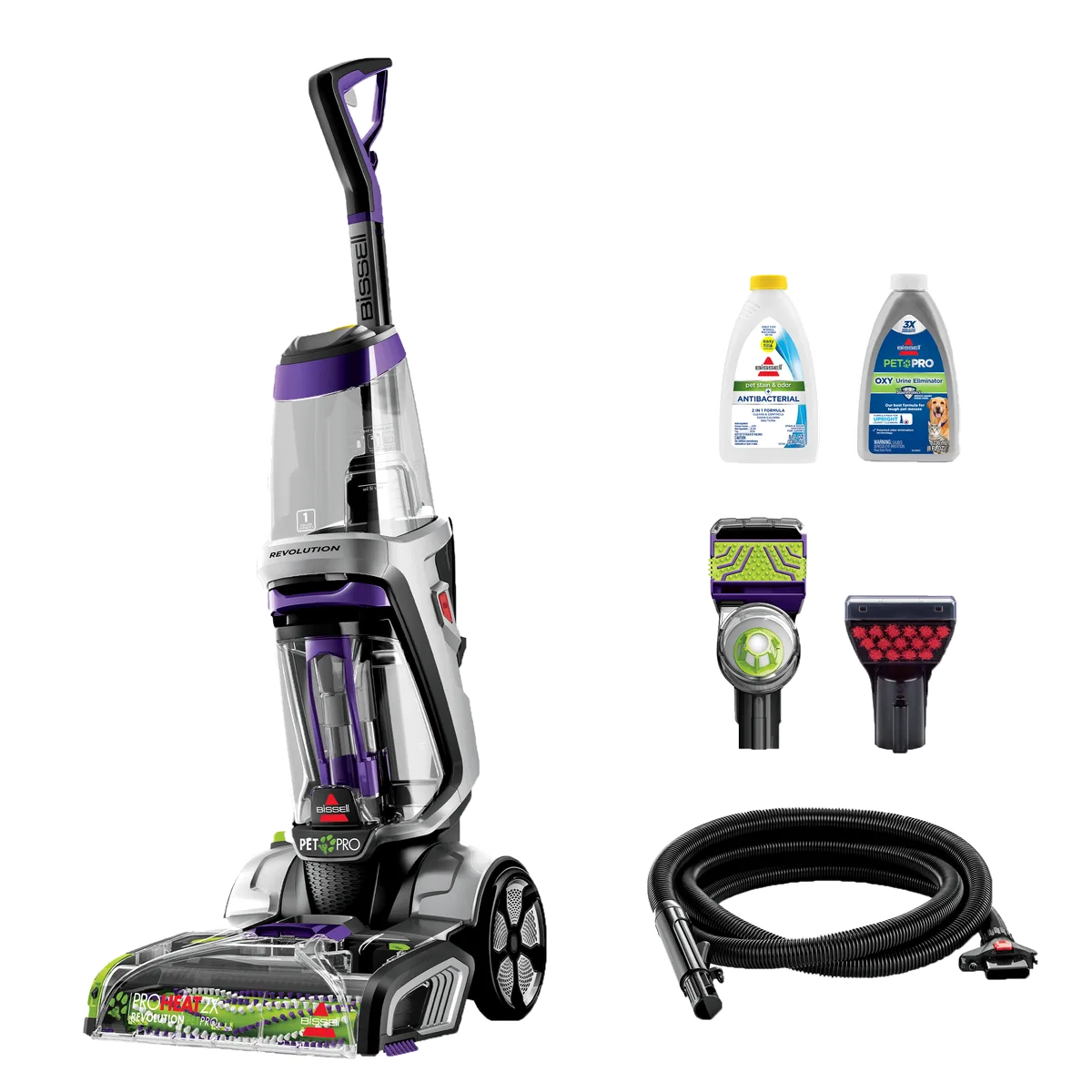
What's Going Wrong? Common Symptoms and Quick Checks
Before you take anything apart, figure out exactly what your machine is doing. The ProHeat 2X has four main jobs. It sprays water.
It scrubs with the brush roll. It heats the water. It sucks the dirty water back up.
If any one of those fails, the whole cleaning job falls apart. Here's how to identify which system is the problem.
No spray or weak spray. Pull the trigger. Does anything come out of the nozzles? If you get nothing, or just a dribble, the issue is in the clean water path.
The most common culprits are a clogged spray nozzle, a stuck check valve, or a dirty filter inside the clean water tank. Try this first. Remove the clean water tank.
Look at the bottom where it connects to the machine. You'll see a small screen or mesh filter. If it's clogged with debris or dried formula, rinse it under warm water.
That alone fixes many no-spray problems.
No heat. Turn the machine on with fresh water in the tank. Wait a few minutes. Feel the water coming out of the nozzles.
Cold water means the heating element isn't working. The ProHeat 2X uses a thermal fuse and a thermostat to protect the heater. If the machine got too hot during a past use, the thermal fuse may have tripped.
Some models have a manual reset button on the heater housing. Others require replacing the fuse itself. Aggregate reviews report this as the second most common repair after nozzle clogs.
No suction or very weak suction. This one is easy to misdiagnose. If the machine sounds like it's working but barely picks up water, the problem is almost always in the dirty water tank. The float inside that tank acts as a shutoff.
When the tank gets full, the float rises and blocks the suction path. That's a safety feature. But sometimes the float gets stuck in the raised position even when the tank is empty.
Open the dirty water tank. Reach inside and push the float down. You'll feel it click back into place.
Test the machine again. If suction returns, that was your fix.
Brush roll not turning. Lay the machine on its back. Look at the brush roll. Can you spin it by hand?
If it's stiff or won't move, hair and string are wrapped around the bearings. If it spins freely but the motor runs, the belt is likely broken or stretched. The ProHeat 2X uses a simple rubber belt to drive the brush roll.
These belts wear out over time. A replacement costs around $10 and takes five minutes to install.
Machine leaking. Water pooling under the machine usually means a cracked tank, a broken seal, or a loose connection. Check the clean water tank for cracks along the bottom edge. Check the dirty water tank for the same.
Inspect the rubber gasket where the dirty water tank seats onto the machine. If the gasket is torn or deformed, water leaks past it instead of flowing into the tank.
How the ProHeat 2X Works – The Parts You Need to Know
Understanding how the machine works makes troubleshooting obvious instead of frustrating. The ProHeat 2X has three main systems. Each one is simple, and each one fails in predictable ways.
The clean water system. You fill the top tank with hot tap water and cleaning formula. When you pull the trigger, a small electric pump pushes that water through a hose, past a check valve, and out through two spray nozzles on the front of the machine. That's it.
A pump, a hose, a valve, and two little holes. If any one of those gets blocked, you get no spray. The check valve prevents water from draining back into the tank when the trigger is released.
If that valve sticks closed, water can't flow forward either.
The heating system. The water passes through a small heating chamber before it reaches the nozzles. Inside that chamber is a heating element similar to what you'd find in a cheap electric kettle. A thermostat monitors the temperature.
A thermal fuse acts as a safety cutoff. If the heater runs dry or gets too hot, the fuse blows and cuts power to the element. That's why you must always have water in the tank before you turn the machine on.
Running it dry even once can trip the fuse.
The recovery system. The machine has a separate dirty water tank that sits on top of the clean water tank on most models. The suction motor creates vacuum in this tank. That vacuum pulls dirty water from the carpet, through the squeegee on the front of the machine, and up into the dirty water tank.
Inside that tank is a float. When the tank fills, the float rises and seals off the suction port. This prevents water from reaching the motor.
It's a smart design, but the float can get stuck in the up position, making you think the motor died when it actually didn't.
The brush system. A small motor on the side of the brush housing turns a belt that spins the brush roll. The brush roll has bristles that scrub the carpet fibers while the water and suction do their work. If the belt breaks, the brush stops spinning but the motor still runs.
That whirring sound with no brush movement is the giveaway.
Think of the machine as four independent tools in one plastic shell. When one system fails, the rest still work fine. That's why you can have perfect suction but no spray.
Or great spray but cold water. Isolate the broken system, fix it, and the machine runs like new.
Your Troubleshooting Decision Tree – Follow the Symptom, Not a Random Fix
Randomly cleaning parts wastes time. Here's a decision tree based on what your machine is actually doing. Find your symptom, then follow the branch.
Symptom: No spray at all.
Is the clean water tank full? Yes. Does water come out if you remove the tank and pour it manually?
Yes. Then the issue is downstream. Check the spray nozzles first.
Use a paperclip to clear them. If that doesn't work, check the check valve. It's located at the bottom of the clean water tank where the tank connects to the machine.
A stuck check valve feels hard when you press it. It should move freely. Clean it with warm water and a soft brush.
If the valve is still stuck, replace it. Part number varies by model, but they cost about $8.
Symptom: Weak spray but not completely dry.
This usually means a partial clog. The pump is working, but something is blocking the flow. Clean the inline screen filter.
It's a small mesh disc inside the water connection port on the machine. Remove the clean water tank. You'll see a round screen where the tank seats.
Pull it out with tweezers. Rinse it under the tap. Reinstall it.
If the screen is missing, you may have debris in the pump. That requires disassembling the pump housing, which is possible but tedious. Try the screen first.
Symptom: No heat.
Turn the machine on. Wait three minutes. Feel the water from the nozzles.
Cold. First, check if the heater light on the handle is illuminated. If the light is on but the water is cold, the heating element is burned out or the thermostat is stuck open.
If the light is off, the thermal fuse has likely tripped. Locate the heater housing. On most ProHeat 2X models, it's under the machine near the front.
You'll see a small red or black button. Press it until you feel a click. Test again.
If the button was popped out, that was your fix. If it doesn't click, the fuse is blown and needs replacement.
Symptom: No suction.
Check the dirty water tank first. Open it. Is the float stuck in the up position?
Push it down. If it stays down and suction returns, the float was the issue. If suction is still weak, check the tank lid seal.
A cracked or missing gasket lets air in, which kills vacuum. Inspect the gasket around the top edge of the dirty water tank. If it's deformed, replace it.
While you're there, check the suction path for clogs. Look inside the tank where the hose enters. Sometimes a hairball or debris blocks the opening.
Symptom: Brush roll not spinning.
Lay the machine on its back. Remove the brush roll cover. Pull the brush roll out.
Inspect the belt. If it's broken, stretched, or cracked, replace it. If the belt looks fine, check the brush roll itself.
Hair and string wrap around the ends and lock up the bearings. Clean that off. Spin the roll by hand.
It should rotate freely. If it doesn't, the bearings are seized. You may need a new brush roll assembly.
Those cost about $15 to $25.
Symptom: Machine turns off during use.
This is almost always the thermal overload protection on the motor. The motor gets hot and shuts down to prevent damage. Let the machine cool for 30 minutes.
It will reset on its own. To prevent it from happening again, don't run the machine for more than 15 minutes straight. Take breaks.
Also make sure the dirty water tank isn't full. A full tank triggers the float shutoff, which stops suction, which the motor interprets as a problem.
Step-by-Step Fixes for Common Symptoms
Now let's get into the actual repairs. Each fix below follows the same pattern. Identify the part.
Access it. Clean it or replace it. Test it.
No special tools required beyond a Phillips screwdriver and maybe a paperclip.
No Spray or Weak Spray – Clogged Nozzle, Pump, or Filter
This is the most common problem and the easiest to fix. Start with the nozzles. They sit on the front of the machine, just above the brush roll.
You'll see two small brass or plastic openings. Use a paperclip. Straighten it out.
Insert it gently into each nozzle. Move it around to break up any dried formula or debris. Rinse the nozzle area with warm water.
Test the machine. If spray comes back, you're done.
If the nozzles are clear but you still get no spray, move to the inline filter. Remove the clean water tank. Look at the bottom of the machine where the tank connects.
You'll see a small round screen. That's the filter. Some models have it inside the tank itself.
Check your owner's manual if you're unsure. Use tweezers to pull it out. Rinse it under warm running water.
If it's coated in hard water scale, soak it in vinegar for 15 minutes. Rinse thoroughly. Reinstall it.
Test the spray.
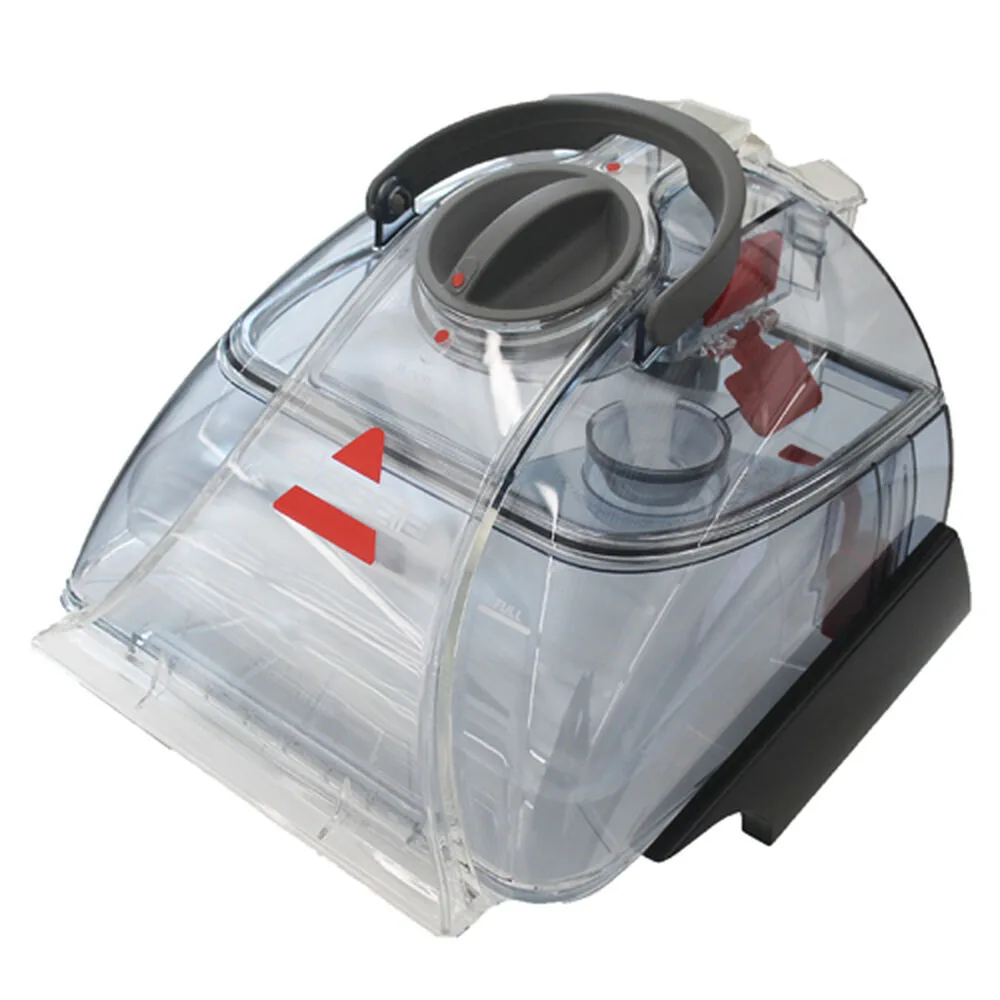
Still no spray? The check valve is the next suspect. It's located at the bottom of the clean water tank or inside the connection port.
You'll see a small rubber or plastic nub that moves up and down. Press it with your finger. It should spring back.
If it feels stuck or moves stiffly, clean it with warm water and a soft toothbrush. If it still sticks, order a replacement check valve. Part number 160-2378 fits many ProHeat 2X models, but confirm yours.
One more possibility. The pump itself can get airlocked. This happens when you run the tank completely dry.
Air gets trapped in the pump chamber and prevents water from flowing. To fix it, fill the clean water tank. Turn the machine on.
Tilt it forward so the nozzles point down. Pull and release the trigger rapidly about 20 times. This usually purges the air.
If you hear the pump running but no water comes out, this is likely the issue.
No Heat – Thermal Fuse, Thermostat, or Heater Issues
Cold water coming out means the heating system isn't working. Start with the cheapest fix. The thermal reset button.
On most ProHeat 2X models, there's a small round button on the heater housing. You'll need to access the underside of the machine. Turn it over.
Look for a plastic housing near the front with wires going to it. That's the heater assembly. You'll see a red or black button on it.
Press it firmly until you hear or feel a click. That's the thermal fuse resetting. Plug the machine back in.
Fill the tank with warm water. Wait five minutes. Check the water temperature.
If it's warm, you fixed it.
If the button doesn't click or you can't find one, the thermal fuse may be blown. This is a small white or gray component with two wires attached. It looks like a fat automotive fuse.
You'll need a multimeter to test it. Set the meter to continuity. Touch the probes to each terminal.
If you get no beep, the fuse is blown. Replace it with the same rating. Usually 150 degrees Celsius and 10 amps.
You can order the exact part from Bissell using your model number.
If the fuse tests fine but the water stays cold, the heating element itself has failed. This is a more involved repair. You'll need to remove the heater housing, unscrew the element, and install a new one.
It's doable if you're handy with a screwdriver. But many users find that by the time the heating element fails, the machine is several years old and the repair cost approaches half the price of a new unit. Consider that before ordering parts.
No Suction or Overflow – Float, Seal, or Clog in the Dirty Water Tank
Weak suction or water overflowing from the dirty water tank are two sides of the same problem. The dirty water tank isn't sealing properly, or the float is stuck.
Start with the float. Open the dirty water tank. Look inside the top chamber where the suction port is.
You'll see a round plastic float. It should sit at the bottom of its chamber when the tank is empty. If it's stuck at the top, push it down.
It should drop freely. If it feels sticky, clean the chamber with warm water and a cloth. Dried formula residue can coat the walls and hold the float up.
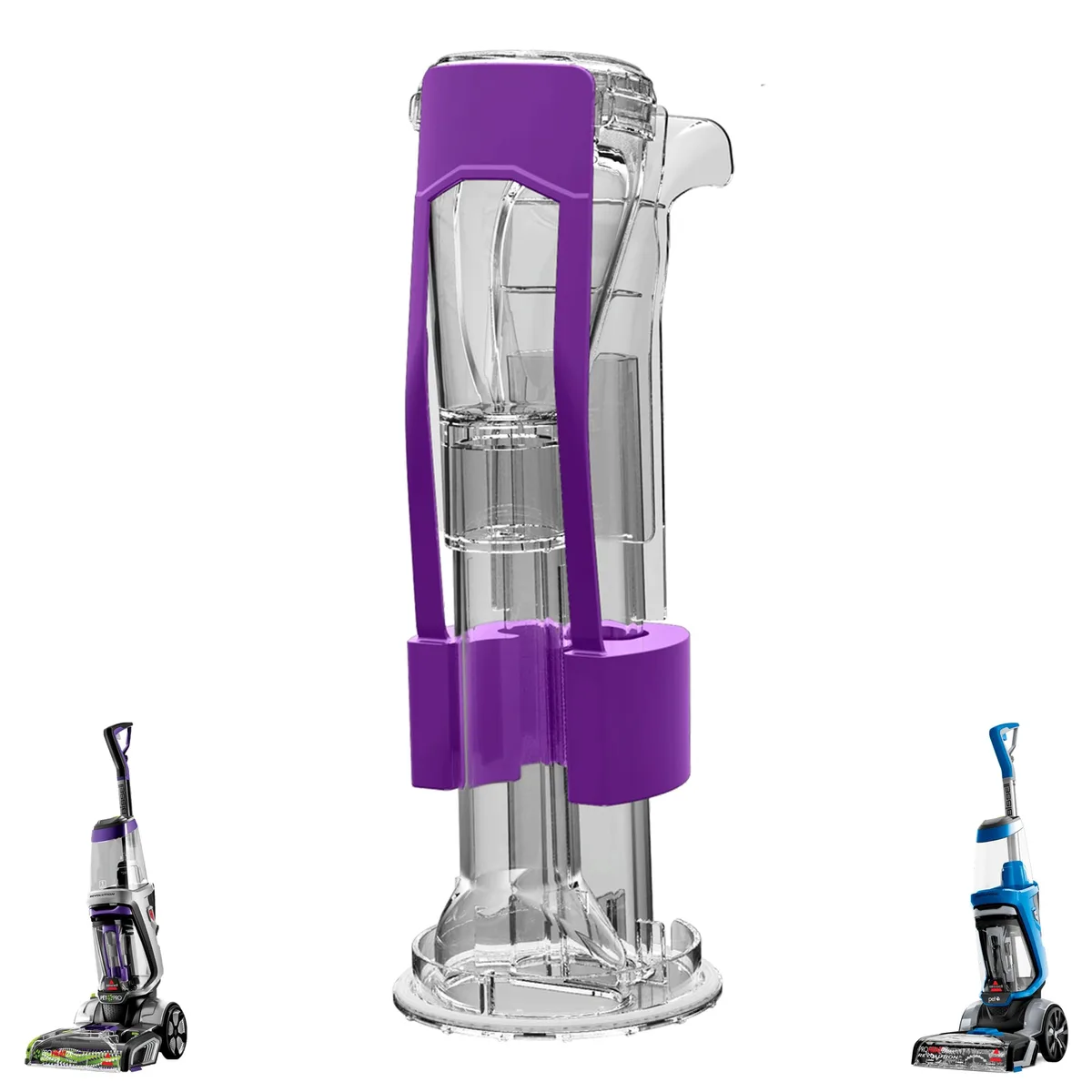
If the float moves freely but suction is still weak, check the tank seal. The dirty water tank has a rubber gasket around its lip. This gasket creates an airtight seal against the machine.
If it's cracked, warped, or missing, air leaks in and suction drops. Run your finger along the gasket. Feel for cracks or flattened spots.
A replacement gasket costs about $5 and just snaps into the groove.
Next, check the suction path for clogs. Remove the dirty water tank. Look at the hose that connects the tank to the machine.
Sometimes debris builds up right at the connection point. Use a flashlight. If you see a blockage, reach in with a pair of long tweezers or a bent paperclip to pull it out.
Also check the drain hose on the bottom of the dirty water tank. That's a small rubber hose with a plug. If it's kinked or clogged, water can't drain when you empty the tank, and it overflows during use.
One more thing. The squeegee on the front of the machine can cause suction problems. The squeegee is the rubber strip that contacts the carpet.
If it's worn, torn, or missing, vacuum leaks out and suction suffers. Inspect it. If it looks rough, replace it.
Part number varies by model. It's a $5 fix that makes a noticeable difference.
Brush Roll Not Spinning – Belt, Bearings, or Blockage
Lay the machine on its back. Remove the brush roll cover. It's held on by two or three screws.
Set them aside. Lift out the brush roll. You'll see the belt wrapped around one end.
If the belt is broken, replace it. If it's intact, check the brush roll ends. Hair and string wrap around the bearings and lock them up.
Pull off as much as you can with your fingers. Use scissors to cut away stubborn tangles. Spin the brush roll by hand.
It should spin freely.
If the brush roll spins freely but the machine still won't turn it, the motor pulley might be stripped. This is less common. You'll need to remove the side cover of the brush housing to inspect the pulley.
If the pulley teeth are worn down, the belt slips and the brush won't spin. Replace the pulley or the entire brush housing assembly.
While you have the brush roll out, check the bristles. Worn bristles don't clean effectively. If the bristles are frayed or short, consider replacing the brush roll.
Bissell recommends replacing it every 6 to 12 months depending on use.
Common Mistakes That Make Problems Worse
Some mistakes turn a simple fix into a costly repair. Avoid these.
Using the wrong cleaning solution. This is the number one cause of preventable damage. The ProHeat 2X is designed for Bissell formula only. Generic carpet shampoos, laundry detergent, dish soap, or vinegar create excessive foam.
That foam fills the dirty water tank, triggers the float shutoff, and makes the machine appear broken. Worse, some formulas leave a sticky residue that clogs the spray nozzles and check valve permanently. Use only Bissell 2X formula or another brand labeled specifically for carpet cleaning machines.
If you've already used the wrong stuff, flush the system with warm water. Fill the clean tank with plain water. Run the machine until the tank empties.
Repeat twice.
Overfilling the clean water tank. The tank has a max fill line for a reason. Overfilling past that line causes water to leak from the cap seal. It also reduces the air pocket needed for proper pump priming.
Fill to the line, not past it.
Running the machine dry. Using the machine with an empty clean water tank can damage the pump and trip the thermal fuse on the heater. The pump relies on water for lubrication and cooling. Run it dry even once, and you risk burning out the pump motor.
Always check the water level before you start.
Letting the dirty water tank overflow. When the dirty water tank is full, the float shuts off suction. That's normal. But if you keep running the machine, water can back up into the suction motor.
That causes permanent damage. Empty the dirty water tank when it reaches the fill line. Don't wait until suction stops.
Ignoring the brush roll. Hair, string, and debris build up on the brush roll over time. If you don't clean it regularly, the hair wraps around the bearings and seizes the roll. That puts extra strain on the belt and motor.
Clean the brush roll after every few uses. It takes two minutes.
Using hot water from the tap, not boiling water. The ProHeat 2X heater is designed to maintain warm water, not heat cold water from scratch. If you fill the tank with cold tap water, the heater may struggle to reach a useful temperature. Use hot tap water (around 130 degrees Fahrenheit) as your starting point.
Never use boiling water. It can damage the plastic tank and internal components.
Skipping the filter. The inline screen filter catches debris before it reaches the pump. If that filter gets clogged, the pump starves and spray weakens. If the filter is missing, debris enters the pump and causes permanent damage.
Check the filter every time you fill the tank. Clean it if it looks dirty. Replace it if it's torn or missing.
Kinking the hose. During storage, the power cord and any hoses can get kinked. A kinked hose blocks water flow or creates a weak spot that eventually leaks. Store the machine with the cord and hoses loosely coiled, not tightly wrapped.
Maintenance to Keep It Running – Clean After Every Use
The ProHeat 2X requires minimal maintenance, but that maintenance is mandatory. Skip it, and you shorten the machine's life by years.
Rinse the dirty water tank after every use. Dried formula and dirt accumulate inside the tank. Over time, that crust hardens and can clog the float mechanism or the drain port. Remove the dirty water tank after each cleaning session.
Rinse it thoroughly with warm water. Shake out any debris. Let it air dry before reassembling.
Flush the clean water system. After your last pass on the carpet, empty the clean water tank. Fill it with plain warm water. Run the machine over a small section of carpet or an old towel.
Pull the trigger until the tank empties. This flushes any remaining formula from the pump, hoses, and nozzles. Formula left sitting in the system dries out and creates clogs.
Clean the spray nozzles. After flushing, check the nozzles. If you see any buildup, clean them with a paperclip. Don't wait for a clog to form.
A quick once-over after each use prevents problems.
Remove and clean the brush roll. Hair and fiber wrap around the brush roll bearings with every use. If you have pets, the buildup happens faster. Remove the brush roll after every three to five uses.
Pull off any hair or string. Check the belt for wear. Reinstall the brush roll.
Check the gaskets and seals. The dirty water tank gasket and the clean water tank seal are the most likely parts to fail. Inspect them visually every month. If you see cracks, flattening, or deformation, replace them.
A $5 gasket prevents a $50 problem.
Store the machine properly. Don't leave the machine sitting with water in the tanks for days. Stagnant water grows mold and bacteria. It also leaves mineral deposits in the heater chamber.
Empty both tanks after every use. Leave the lids off so the tanks dry completely. Store the machine upright in a cool, dry place.
Deep clean the machine every six months. Even with regular rinsing, residue builds up in hard-to-reach places. Once every six months, run a cleaning cycle with a commercial carpet machine cleaner or a mixture of warm water and vinegar (one part vinegar to three parts water). Run the solution through the clean water system.
Let it sit for 15 minutes. Flush with plain water. This removes mineral scale and formula residue from the internal passages.
Replace the belt and brush roll annually. The belt stretches over time. The brush roll bristles wear down. If you use the machine more than once a month, replace both parts once a year.
The cost is around $20 total. Compare that to the $100 or more you'd spend on a repair if a worn belt snaps and damages the motor pulley.
Frequently Asked Questions
Why is my Bissell ProHeat 2X not spraying water?
Check the spray nozzles first. Use a paperclip to clear any clogs. If the nozzles are clear, inspect the inline screen filter on the bottom of the clean water tank.
A clogged filter restricts water flow. Clean it with warm water. If the filter and nozzles are clean, the check valve may be stuck.
Press the valve to see if it moves freely. If none of these help, the pump may be airlocked. Tilt the machine forward and rapidly squeeze the trigger 20 times to purge air.
How do I reset my Bissell ProHeat 2X heater?
Locate the thermal reset button on the heater housing under the machine. It's a small red or black button near the front. Press it firmly until you feel a click.
Plug the machine back in. Fill the tank with hot tap water. Let it run for five minutes.
Check the water temperature. If the water warms up, the reset worked. If the button doesn't click or the water stays cold, the thermal fuse may be blown and needs replacement.
Why is my Bissell ProHeat 2X losing suction?
Open the dirty water tank. Check the float inside. If it's stuck in the raised position, push it down.
That's the most common cause of suction loss. If the float moves freely, inspect the tank gasket for cracks or warping. A damaged gasket lets air in.
Also check the suction hose for clogs at the connection point. Finally, inspect the squeegee on the front of the machine. A worn or torn squeegee leaks vacuum.
How often should I clean the brush roll on my ProHeat 2X?
Clean the brush roll every three to five uses. Hair, string, and debris wrap around the bearings and can lock up the roll. If you have pets, check it after every use.
Remove the brush roll cover, lift out the roll, and pull off any tangled material. Also inspect the belt while you have the roll out. Replace the belt if it's cracked, stretched, or broken.
Can I use vinegar or bleach in my Bissell ProHeat 2X?
No. Vinegar and bleach damage the internal seals and void the warranty. Use only Bissell 2X formula or another brand specifically labeled for carpet cleaning machines.
Generic cleaners create excessive foam that clogs the system. If you need to descale the machine, use a commercial carpet machine cleaner or a diluted vinegar solution, but flush thoroughly with plain water afterward. Never run bleach through the machine under any circumstances.
How do I know if my ProHeat 2X pump is bad?
If the machine sprays nothing despite clean nozzles, a clean filter, and a working check valve, the pump may have failed. Listen for the pump. When you pull the trigger, you should hear a humming or clicking sound from the pump area.
If you hear nothing, the pump motor may be dead. If you hear the pump but no water comes out, it may be airlocked or the pump impeller may be broken. Try the air purge procedure first.
If that doesn't work, replacement pump assemblies are available for about $30 to $50 depending on your model.
When to Call It Quit – Buying a Replacement vs. Repairing
Not every problem is worth fixing. Here's how to decide.
Repair if: The machine is less than three years old. The repair cost is under $40. You're handy with basic tools.
The problem is a clog, a stuck float, or a worn belt. These are simple fixes that take less than 30 minutes.
Replace if: The machine is more than five years old. The heating element is burned out. The pump motor is dead.
The suction motor has failed. These repairs cost $50 to $80 in parts plus your time. A new ProHeat 2X costs around $150 to $250 on sale.
If you're spending more than half the replacement cost on a repair, it's time to move on.
Consider refurbished if: You want to save money but avoid the landfill. Bissell sells certified refurbished units directly through their website. These come with a warranty and cost significantly less than new.
It's a solid option if your current machine is beyond repair.
One last thing. If you decide to replace your machine, don't just throw the old one in the trash. Carpet cleaners contain motors, copper wiring, and plastic that can be recycled.
Check with your local recycling center. Some cities have electronics recycling programs that accept small appliances. Bissell also has a recycling program for their products.
Check their website for details.
There you go. A broken machine is usually a clogged machine, not a dead one. Work through the symptoms in order.
Start with the simplest fix. Test after each step. Nine times out of ten, you'll be back to cleaning carpets in under an hour.

Similar Posts