Camp Chef Troubleshooting
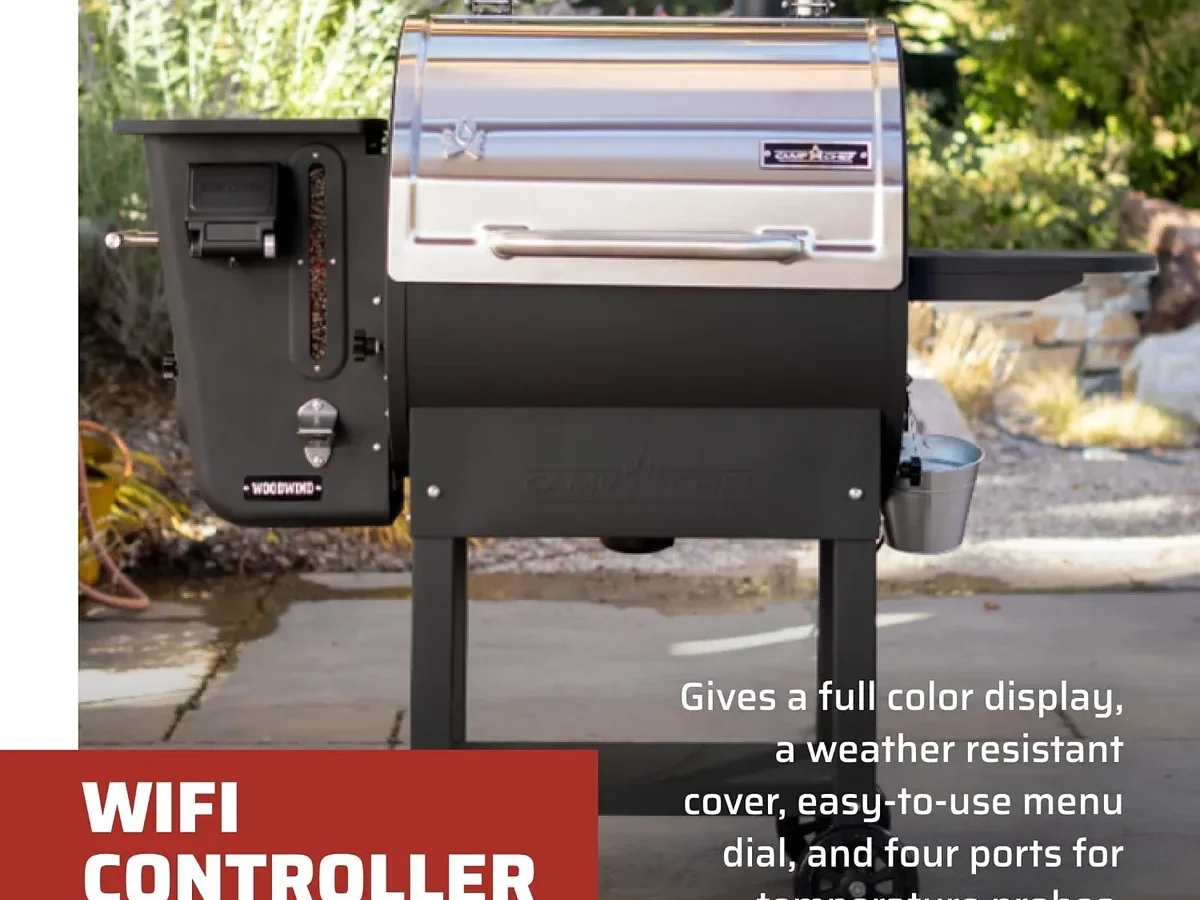
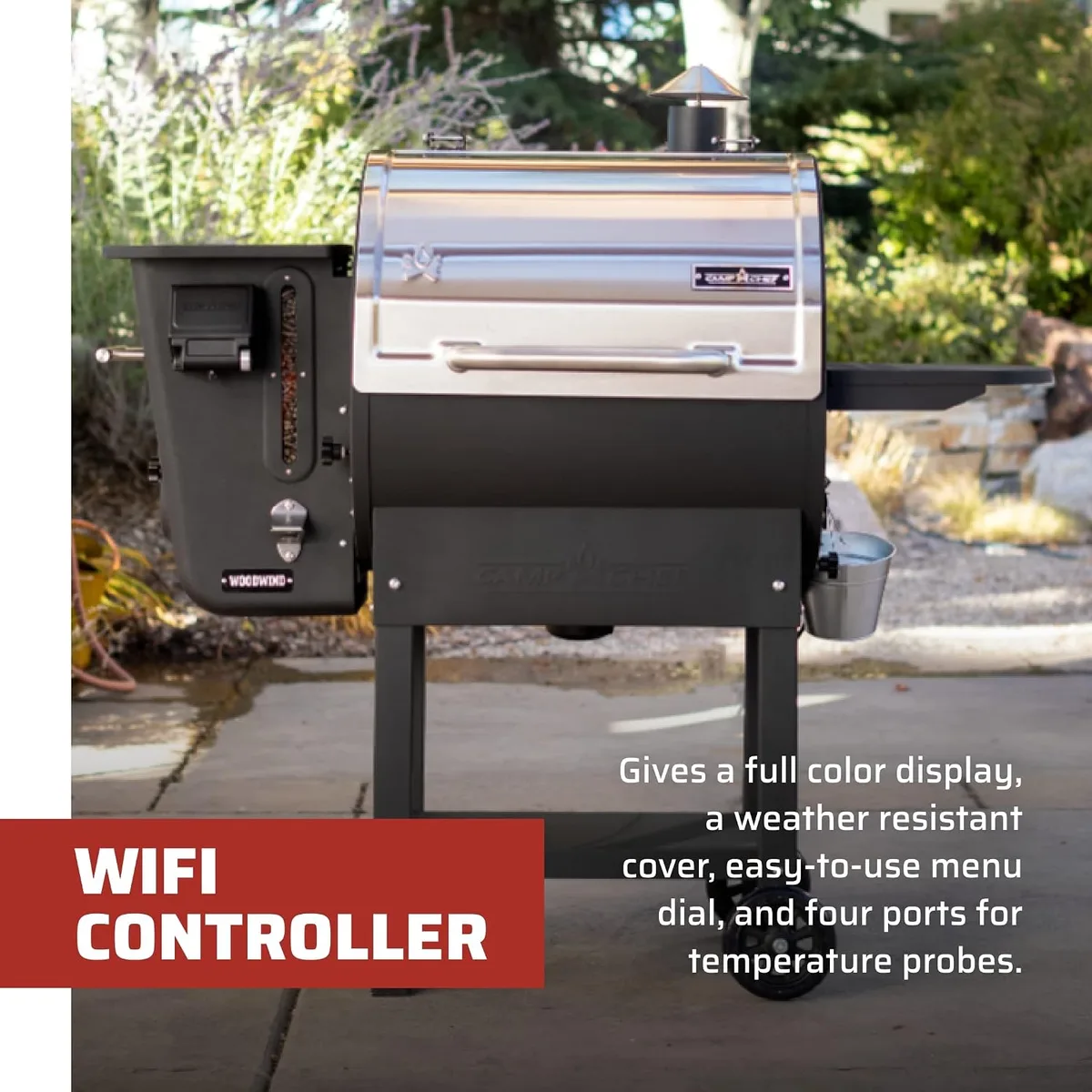
Image source: Bing (Web (fair-use with source credit))
Camp Chef troubleshooting looks intimidating until you realize most issues fall into a few repeatable patterns. Whether your grill won't light, your pellet smoker dies mid-cook, or the temperature gauge is lying to you, the fix is usually simpler than you think.
Camp Chef builds both gas and pellet units with user-serviceable components, so most repairs don't require a technician. The most common owner-reported issues fall into five categories: ignition failure, fuel delivery, temperature control, grease management, and connectivity. Let's walk through them one branch at a time.
Quick Answer
Most Camp Chef problems trace back to fuel flow, ignition, or a dirty component. Check gas levels first. Clean the firepot and burners.
Reset the controller. If it still fails, inspect the regulator for freeze-up.
About 90% of reported issues resolve with basic cleaning and a proper fuel check. The remaining 10% involve a defective part under warranty. Camp Chef covers most components for three to five years.
Always confirm your specific model's manual before disassembling anything. Different generations use different igniters and controllers. The fix for a Woodwind pellet grill won't match a Pro Series gas model.
First Things First: Safety Checks and What to Unplug
Let's get one thing straight before we touch anything: propane is heavier than air, and it pools in low spots. If you smell gas near the ground or inside a closed cabinet, don't fiddle with the igniter. Turn off the tank, open the lid, and step away.
Call your gas supplier or fire department from outside.
Leak test: Mix dish soap with water and brush it over the hose connections, the regulator fitting, and the tank valve. If you see bubbles growing, you've got a leak. Tighten the connection and retest.
If bubbles still appear, replace the regulator or hose assembly.
For pellet grills: Unplug the unit before digging into the auger or firepot. The controller board carries live voltage, and a screwdriver slipping against a terminal connector will ruin your day. Give it a full minute after unplugging so capacitors drain before you poke around.
Don't test-fire a pellet grill in a garage, under a covered patio, or near dry brush. Camp Chef owner manuals are explicit about clearance and ventilation. Carbon monoxide is invisible, and it doesn't care how experienced you are.
If you're dealing with a Wi-Fi model, power-cycle the controller too. A surprising number of "it won't start" complaints turn out to be a controller that's frozen mid-update. Unplug, wait thirty seconds, plug back in.
Branch 1 — Grill Won't Light or Igniter Clicks but No Flame
This is the most common Camp Chef troubleshooting complaint by a wide margin. Let's split it into gas and pellet models because the diagnosis differs completely.
Gas Grills
If the igniter clicks but no flame appears, check three things in order.
First, gas flow. Is the tank valve fully open? Sounds dumb, but it happens. Is the regulator fully seated?
Camp Chef regulators use a push-and-quarter-turn connection. If it's half-seated, gas won't flow.
Second, the igniter spark. Remove the cooking grate and the flame tamer over the burner you're lighting. Press the igniter button in a darker area and look for a blue spark jumping to the burner.
- No spark → the electrode is dirty, the wire is loose, or the module is dead
- Dirty electrode → clean it with fine sandpaper
- Loose wire → check the connection at both ends
- Still no spark → replace the igniter module
Third, clogged burner tubes. Spiders love nesting in venturi tubes. Pull the burner, inspect the holes, and run a pipe cleaner through the tube. Blow it out with compressed air if you have it.
Orifice clog: If you're getting a low, lazy yellow flame instead of a tall blue one, the orifice is dirty. That's the tiny brass jet where gas meets air. Remove it and clean it with a sewing needle.
Don't drill it out. Changing the orifice size changes gas flow and makes the grill unsafe.
Pellet Grills
No flame with a clicking igniter almost always means the hot rod isn't getting hot enough, or the firepot is packed solid with ash. Camp Chef igniters are rated to reach around 600°F in under two minutes, but ash buildup insulates the pellets from the rod's heat.
Test the igniter: Open the firepot and watch it during startup. If it glows red-orange, the problem is fuel delivery, not ignition. Check the auger for a jam.
If the igniter doesn't glow at all, test the hot rod with a multimeter for continuity. No continuity means replacement, it's a fifteen-minute job on most models.
Branch 2 — Low Flame, Poor Heat Output, or Temperature Won't Climb
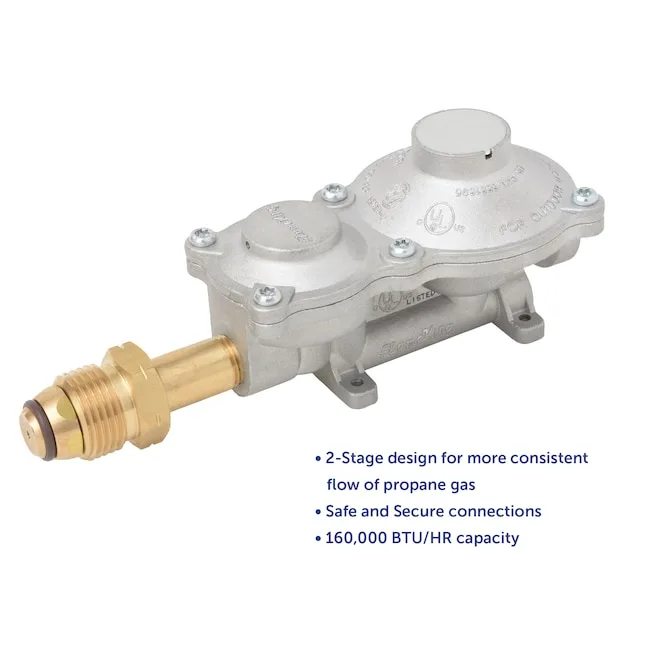
Image source: Bing (Web (fair-use with source credit))
You've got spark, you've got flow, but the grill just won't get hot. This is where Camp Chef troubleshooting gets strategic.
Gas Grills: The Regulator Freeze-Up Problem
If your gas grill worked fine in summer but struggles below 50°F, you're likely dealing with regulator icing. The pressure reduction inside the regulator causes a temperature drop, and moisture in the propane line can freeze and restrict the diaphragm.
The classic sign: the grill lights, runs for ten minutes, then slowly dies. Turn the tank valve off, disconnect the regulator, and let it warm up for fifteen minutes. If this keeps happening, you may need a cold-weather regulator or a tank heater jacket.
A simple bucket of warm water poured over the regulator will usually get you through a cook.
Pellet Grills: Low Heat Output
Same symptom, different cause. If your pellet grill tops out at 300°F when it should reach 500°F, the firepot is probably full of ash limiting combustion. The fix is a proper vacuum-out.
Shut down the grill, unplug it, wait for everything to cool, and vacuum out the firepot and the bottom of the cook chamber. Do this every three to five cooks for best results.
Wet pellets: Pellets that sit in a humid garage absorb moisture and won't burn efficiently. The test is simple. Grab a pellet and snap it in half.
It should break clean. If it crumbles or feels damp, your fuel is the problem. Seal your bag with a clamp when you aren't using it.
Branch 3 — Pellet Grill Won't Stay Lit or Temp Swings Wildly
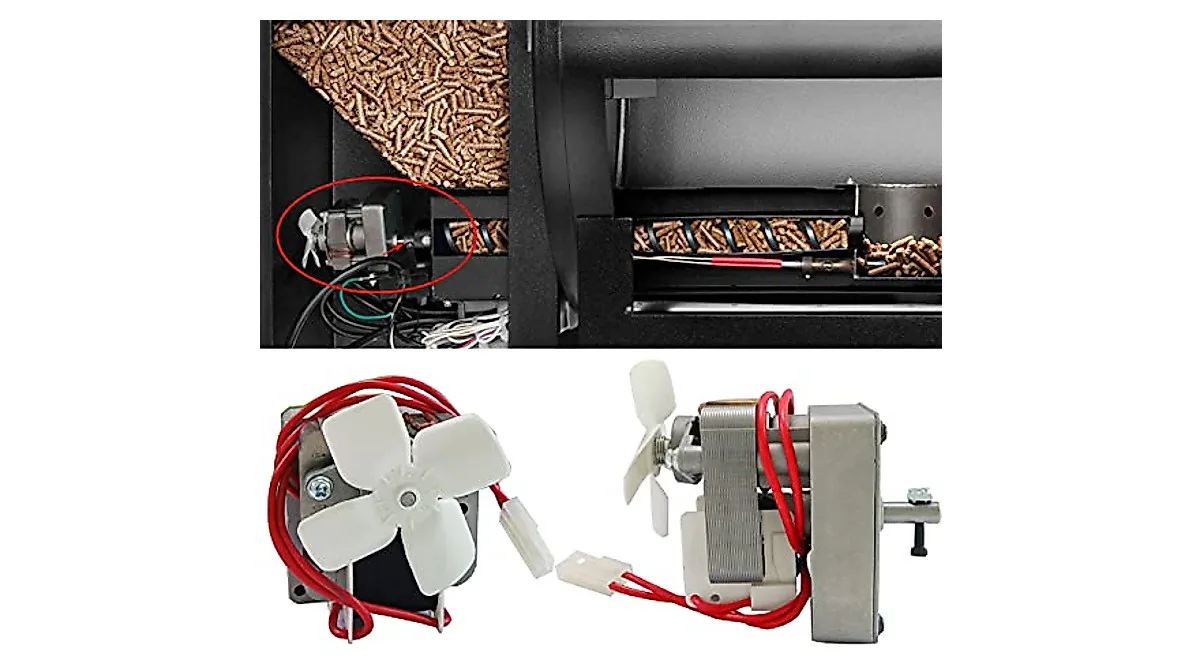
Image source: Bing (Web (fair-use with source credit))
This is the branch that frustrates people the most, because the grill works sometimes. It lights, runs for twenty minutes, then dies. Or it holds 250°F like a champ for an hour, then spikes to 400°F.
The Dying-Mid-Cook Problem
Work through this in order.
First, check the auger. A jammed auger stops feeding pellets, the fire dies, and the controller's shutdown sequence kicks in. You'll hear the controller start a shutdown beep. The fix is to unplug, empty the firepot, and clear the auger path.
Use a flathead screwdriver to fish out any burnt pellet fragments wedged between the auger flights and the auger tube. This requires patience. If you force it, you'll bend the auger shaft, and that's a much bigger repair.
Second, check the firepot for a cold spot. If the igniter rod is positioned too high, or the firepot's air holes are blocked, pellets can smolder without fully igniting. You'll hear a hissing sound but see almost no flame. Vacuum everything out to bare metal.
The Temp-Swing Chaos
If your Camp Chef reads 400°F on the controller but the meat looks like it's cooking at 300°F, your RTD probe is dirty or failing. The probe sits inside the cook chamber on the left side wall. Over time, grease vapor coats it and creates a temperature lag that confuses the controller.
Clean the probe with a damp cloth after every cook. Don't scrub it aggressively, just wipe it down. If the probe itself is warped, or the wire has a damaged sheath, replace it.
Camp Chef RTD probes are inexpensive and plug directly into the controller board.
If the probe is clean and swings persist, you're dealing with an airflow problem. Check that the chimney cap is at the right height.
- Fully open → too much airflow, causes hot spikes
- Half-open → holds steadier temps in moderate wind
- Fully closed → suffocates the fire, causes low-temp failures
Branch 4 — Flame-Ups and Grease Fires
Flame-ups happen when grease pools in the bottom of the cook chamber and ignites. On Camp Chef grills, this usually traces back to the grease tray's alignment.
The grease tray sits between the firepot and the cook grates. It should sit flush with the sides of the grill, creating a slight slope toward the grease drain. If it's warped, or you didn't seat it properly after cleaning, grease drips straight onto the firepot.
The fix: Pull everything out, inspect the grease tray for warping, and reseat it. If it's bent, replace it. A warped grease tray is a fire hazard, not just an inconvenience.
Also check the grease drain hole monthly. Camp Chef models use a catch cup below the drain. If the hole clogs with tallow, grease backs up and spills into the bottom of the grill.
Clean the drain with a skewer or pipe cleaner while the grill is cold.
Branch 5 — Wi-Fi and Controller Won't Connect
If your Camp Chef has Wi-Fi, you've likely hit the "connected but not responding" wall at least once. Most connection issues aren't a hardware failure.
First, reboot everything. Unplug the grill. Restart your home router. Reopen the app.
Try connecting again. This solves roughly half of all connection complaints because the grill's Wi-Fi module freezes like any other electronics.
Second, check the frequency. Camp Chef controllers connect to 2.4GHz networks only. If your router broadcasts on 5GHz only, or uses separate SSIDs for each band, the grill won't see the network. Check your router's settings and make sure the 2.4GHz band is enabled.
Third, check your phone's location permissions. The Camp Chef app requires location access to scan for nearby grills. If you denied that permission during setup, the app can't discover the controller.
Fourth, check the distance. The grill's Wi-Fi antenna is small. If your router is on the other side of the house, through multiple walls, the signal won't reach. Move your router closer, or add a 2.4GHz range extender near the grill.
If you've done all four and it still won't connect, do a hard reset on the controller. Consult your manual for the exact button sequence, it varies by model. A hard reset wipes your Wi-Fi settings and lets you start fresh.
When to Call Camp Chef Support
Some problems need factory help. Here's when to stop troubleshooting and make the call:
- The auger motor doesn't turn even with a clear path
- The controller shows an error code that your manual doesn't list
- The igniter glows but the grill still won't light after multiple attempts
- You suspect a gas leak you can't find or stop
Camp Chef's customer service runs Monday through Friday. Have your model number and serial number ready. The serial number is on the back of the grill's body, not on the controller.
Warranty basics:
- Gas grill burners: covered for five years against rust-through
- Pellet grill components: covered for three years
- Controllers and electronics: covered for one year
- Igniters and hot rods: consumable, usually one year
Keep your purchase receipt. Camp Chef may ask for it to confirm the purchase date for warranty claims.
Maintenance That Prevents Most Problems
Camp Chef troubleshooting mostly disappears if you follow a simple schedule.
After every cook:
- Wipe down the RTD probe with a damp cloth
- Empty the grease cup
- Scrape the grates
Every 3, 5 cooks:
- Vacuum out the firepot and lower chamber
- Check the auger for buildup
- Inspect the grease tray for warping
Every 10, 15 cooks:
- Deep clean burners and venturi tubes on gas models
- Blow out air intake holes with compressed air
- Inspect all wiring for damaged insulation
Seasonally:
- Check all gas connections with a soap-and-water leak test
- Replace worn igniter electrodes
- Store pellets in a sealed, dry container
Common Questions
My Camp Chef grill won't get above 225°F. What should I check first?
Check the firepot for ash buildup. Next, confirm the pellets are dry. Then check the auger for a jam.
That order covers the most common causes.
Camp Chef pellets vs. store-bought pellets — is there a difference?
Camp Chef pellets are made from 100% hardwood sawdust with no binding agents. Some generic brands use filler woods like alder or include bark content that creates more ash. You aren't required to use Camp Chef brand pellets, but quality varies widely.
Stick with reputable brands that list single-source wood species.
How do I know if my controller is bad?
The controller will show unpredictable temperature readings, refuse to save settings, or display error codes that persist after a reset. If the temp probe tests fine and the auger moves freely, the controller is likely the culprit. Camp Chef sells replacement controllers that plug straight into the existing wiring harness.
Can I leave my pellet grill out all year?
You can, but it will corrode faster. The cast iron grates and drip tray will rust if exposed to rain and humidity. If you keep it outdoors, purchase a weatherproof cover and inspect for rust every few months.
Replace rusted drip trays and grates promptly, they're inexpensive and affect food safety.
The Bottom Line
Camp Chef troubleshooting comes down to a handful of repeatable fixes. Gas issues usually mean a clogged burner or a frozen regulator. Pellet issues usually mean ash buildup, wet fuel, or an auger jam.
Temp issues usually mean a dirty probe or poor airflow.
Clean your grill regularly. Use dry, quality pellets. Power-cycle the controller when things get weird.
You'll save yourself most of the headaches before they start.
If you've worked through every branch here and the grill still fails, contact Camp Chef support. That's what the warranty is for. But in most cases, you'll find the fix is something you can handle in twenty minutes with basic tools and a clean rag.

Similar Posts