Richmond Water Heater No Hot Water
Nothing starts a morning worse than a cold shower. If you're facing a Richmond water heater no hot water situation, you're not alone. It's one of the most common home repair issues, and the fix is often simpler than you'd expect.
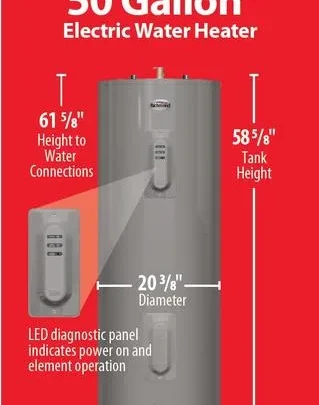
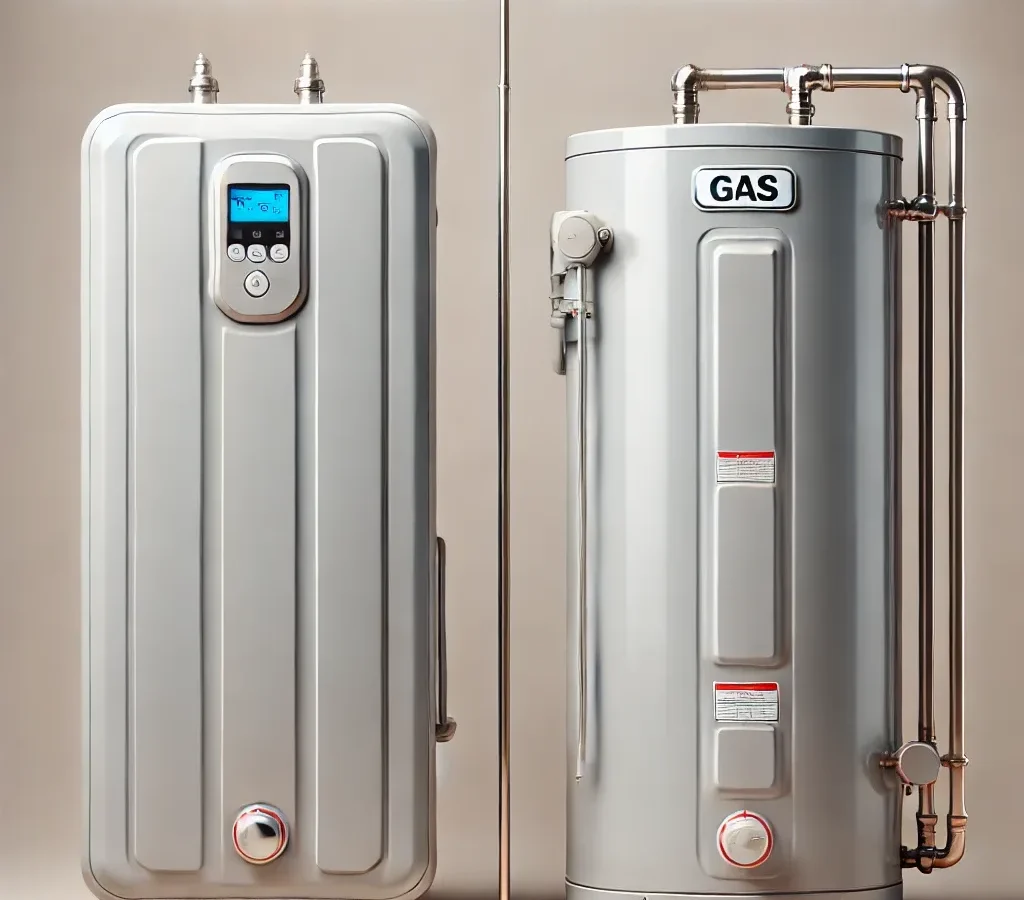
Richmond water heaters are manufactured as a subsidiary of Rheem, so they share the same core components and troubleshooting logic. As of 2026, most residential models fall into two categories: gas-fired with a standing pilot light, or electric with upper and lower heating elements. Your first job is figuring out which one you have.
That single detail determines your entire diagnostic path.
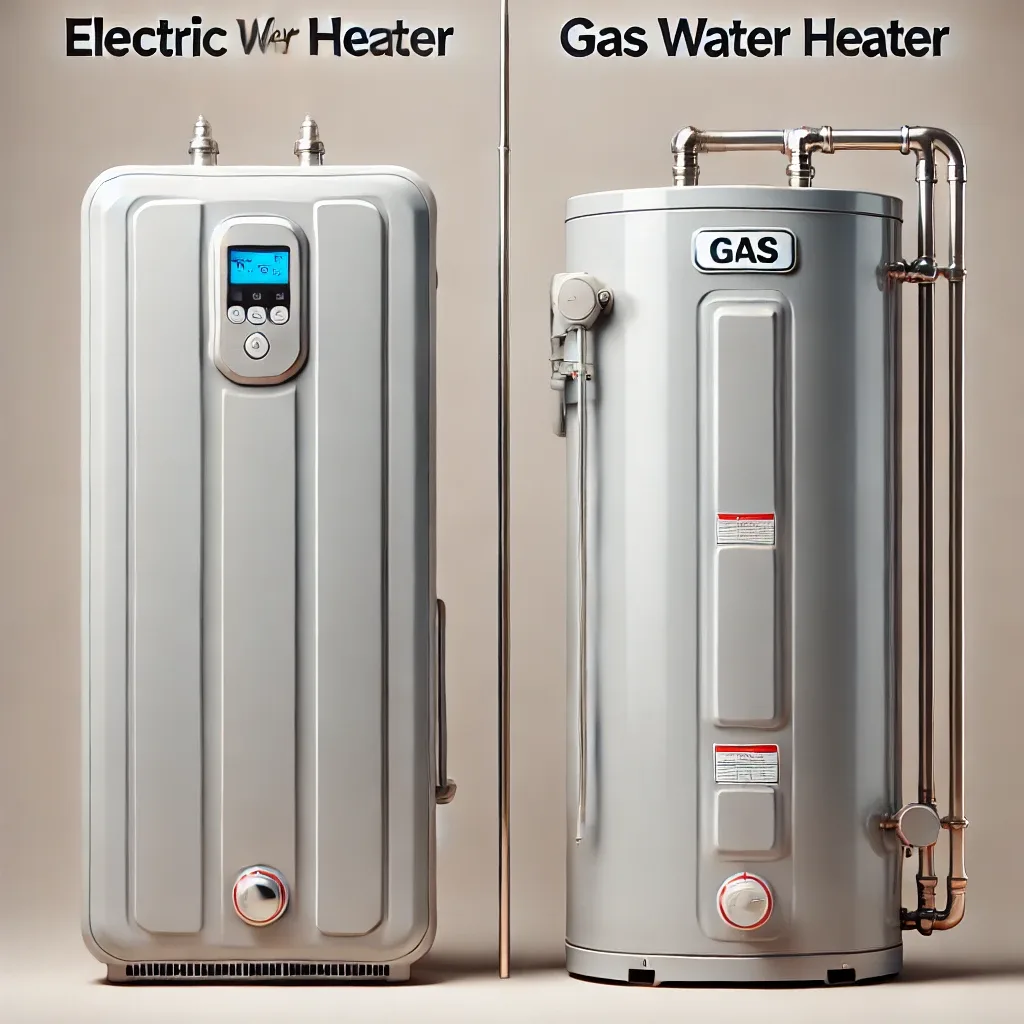
Image source: Bing (Web (fair-use with source credit))
Quick Answer
If your Richmond water heater isn't producing hot water, start with the ignition source. Check whether the pilot light is burning on gas models. Check whether the breaker is tripped on electric models.
These two causes account for roughly half of all no hot water service calls.
For gas units, relight the pilot following the label on the tank. If it won't stay lit, the thermocouple likely needs replacing. For electric units, press the red high-limit reset button inside the upper access panel.
Most repairs cost between $8 and $40 in parts. A plumber would charge $150 to $400 for the same fix.
Step-by-Step Troubleshooting: What to Check First
Grab a flashlight and give yourself fifteen minutes. That's usually all it takes to diagnose the problem.
Gas Models: Start With the Pilot Light
Open the lower access panel and look for the gas control valve. It's the white or black dial with temperature markings. You should see a small window showing either a blue flame or darkness.
- No flame at all: The pilot has gone out. Follow the relighting instructions printed on the tank label. If it lights but won't stay lit after you release the gas knob, the thermocouple is failing.
- Flame burns but water stays cold: The burner may not be firing. This points to a faulty gas control valve or a blocked burner orifice.
- Flame looks yellow or weak: This is a combustion problem. A sooty, lazy flame means restricted airflow or a venting issue.
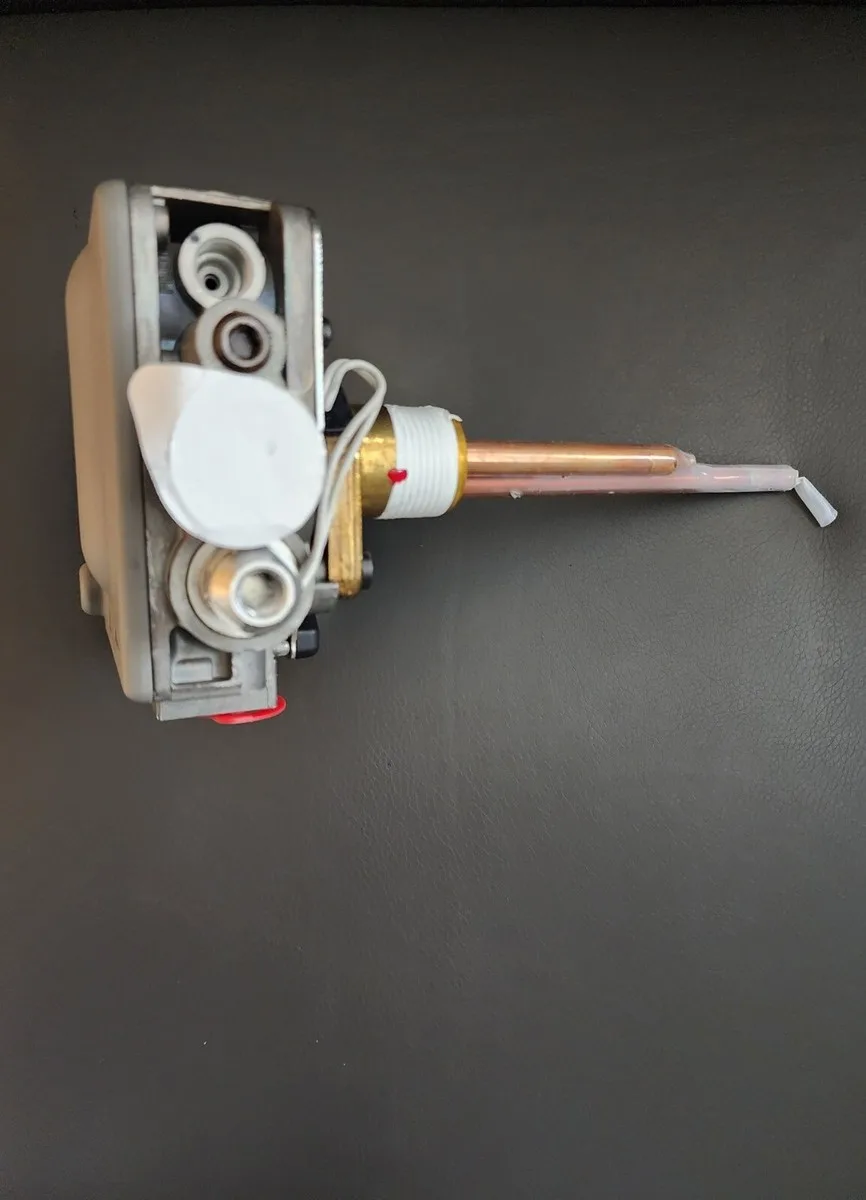
Image source: Bing (Web (fair-use with source credit))
Electric Models: Check Power and the Reset Button
Electric Richmond heaters are simpler to diagnose. Start at the breaker panel.
- Tripped breaker: Reset it and see if the heater kicks on. If it trips again immediately, you have a shorted heating element or a wiring fault.
- Breaker fine: Remove the upper access panel. You'll see the high-limit reset button, a small red button near the thermostat.
- Press it: If it clicks, the system had overheated. This can happen after a power surge or a failed thermostat. If the water heats after resetting, you're done.
If pressing reset doesn't work, use a multimeter to test both heating elements. A good element reads between 10 and 16 ohms. Anything outside that range means replacement.
The Drain Valve Test
Run hot water at the nearest sink for two minutes. If it starts hot then turns cold quickly, the dip tube may have broken inside the tank.
The dip tube is the plastic pipe that sends cold water to the bottom of the tank. When it fails, cold water mixes with the hot water at the top. The result is lukewarm water that never gets properly hot.
Common Mistakes That Waste Time and Money
DIY plumbing forums are full of people who replaced three parts before finding the real issue. Don't be that person.
Replacing parts without testing. A new thermocouple costs $10. A new gas control valve costs $100. Testing the thermocouple with a multimeter takes two minutes.
Always confirm the failure before spending money.
Skipping the reset button on electric models. The high-limit switch trips for a reason, but sometimes that reason is a brief power surge. Press it once before buying any parts.
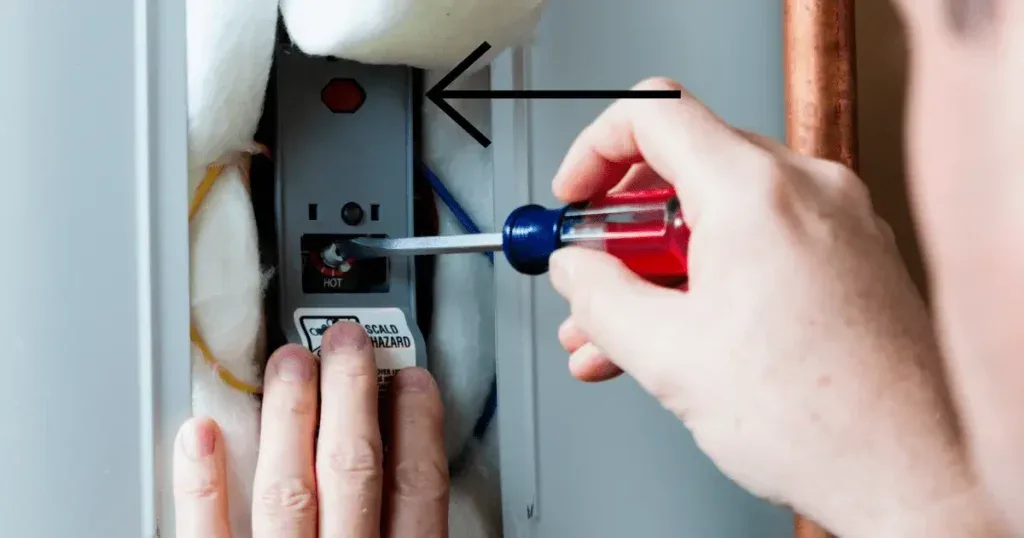
Image source: Bing (Web (fair-use with source credit))
Confusing no hot water with not enough hot water. These are completely different problems. A broken dip tube or a failed lower element leaves you with warm water. True no hot water means the tank is cold from top to bottom.
Ignoring the age of the unit. If your Richmond water heater is over ten years old, spending hundreds on parts gets risky. Manufacturer specifications indicate a typical lifespan of 8 to 12 years. Sometimes replacement beats repair.
Forgetting to check the thermostat setting. It sounds silly, but it happens. Someone sets the thermostat to vacation mode or bumps the dial down while cleaning. Check the setting before dismantling anything.
Safety Warnings Before You Touch Anything
Water heaters involve gas, electricity, and pressurized water. Respect all three.
Smell gas? Stop immediately. Natural gas smells like rotten eggs. If you notice it near your water heater, turn off the gas supply valve if you can reach it safely.
Leave the house and call your gas company from outside. Do not flip any electrical switches. Do not use your phone indoors.
This is not a DIY moment.
Shut off power before working on electric models. A 240-volt shock can kill you. Switch off the correct breaker and lock the panel if possible. Test with a non-contact voltage tester before touching any wires.
Be careful with hot water. Even half an hour after heating, tank water can hit 120°F or more. Draining the tank carelessly can cause serious burns. Open the pressure relief valve first to release pressure.
Watch for carbon monoxide risks. Gas water heaters produce carbon monoxide as a byproduct. This gas is odorless and deadly. If your burner flame is yellow instead of blue, or if you see soot around the combustion chamber, shut the heater down and call a professional immediately.
Know when to stop. If you've confirmed the problem is inside the gas valve or the burner assembly, it's time to call a licensed plumber. Messing with gas components beyond the basics violates the National Fuel Gas Code (NFPA 54) in many areas.
Tools, Parts, and Prep Work
You don't need a professional toolkit to handle most Richmond water heater repairs. Here's what the job actually requires.
Basic Diagnostic Kit
| Tool | Purpose | Cost |
|---|---|---|
| Flashlight | Inspect pilot light and burner | $10 |
| Multimeter | Test elements and thermocouple | $20–$50 |
| Non-contact voltage tester | Confirm power is off | $15–$25 |
| Adjustable wrench | Remove drain valve or gas line | $10–$20 |
| Garden hose | Drain the tank if needed | $10 |
Common Replacement Parts
| Part | Cost | Difficulty |
|---|---|---|
| Thermocouple | $8–$20 | Easy |
| Heating element | $15–$40 | Moderate |
| Thermostat | $20–$50 | Moderate |
| Gas control valve | $50–$120 | Hard |
| Dip tube | $15–$30 | Moderate |
Where to Find Your Model Number
Look at the manufacturer's label on the side of the tank. It's usually a silver or white sticker located near the top. You'll find the model number, serial number, and date of manufacture.
The serial number contains the manufacturing date. The first two digits typically indicate the month. The third and fourth digits indicate the year.
For example, "06 23" means June 2023. This date helps you decide whether to repair or replace.
Get Parts Before You Start
Once you've identified the failing part, order the replacement before opening anything up. Richmond water heaters use standard Rheem-compatible parts. You can find them at any major hardware store or online retailer.
Wait for the part to arrive. Then shut off the water supply, drain the tank if needed, and make the repair in one focused session. Draining and refilling takes time, so it's better to do the job once.
Frequently Asked Questions
Why does my pilot light keep going out?
A pilot light that won't stay lit is almost always a thermocouple issue. This small copper sensor sits near the pilot flame and tells the gas valve to stay open. When it's dirty, corroded, or bent out of position, it stops sending the right electrical signal.
Cleaning or replacing it usually solves the problem. The part costs under $15.
My electric heater clicks but no hot water comes out. What's wrong?
That clicking sound is the contactor or thermostat trying to engage. It usually means one heating element has failed completely. The upper element handles the first draw of hot water.
If it's dead, nothing heats. Test both elements with a multimeter. A bad element reads zero continuity and needs replacement.
Expect to pay $15 to $40 for a new one.
How do I know if my Richmond water heater is worth repairing?
Check the serial number to find the manufacturing date. If the unit is under eight years old, repair is usually the smart call. At ten years or older, replacement becomes the better bet.
Factor in the cost of the repair too. A $50 fix on a nine-year-old tank makes sense. A $200 gas valve on a twelve-year-old tank does not.
Can a bad dip tube cause no hot water at all?
Not exactly. A broken dip tube causes lukewarm water, not fully cold water. The dip tube sends cold supply water to the bottom of the tank.
When it breaks, cold water mixes with the hot water at the top. You'll notice the water starts warm then quickly cools. True no hot water points to a different root cause like a failed element or extinguished pilot.
Why is hot water available at one faucet but not another?
This is almost never a water heater problem. Check the faucet or fixture itself. The issue could be a clogged aerator, a faulty mixing valve, or a hot water supply line that's shut off under the sink.
If the water heater itself was the problem, every hot water tap in the house would run cold. Isolate the fixture and troubleshoot from there.
Maintenance and Long-Term Optimization
Once you've restored hot water, routine care keeps your Richmond unit running reliably. Neglect is the biggest reason these tanks fail before their time.
Flush the Tank Once a Year
Sediment builds up inside the tank over time. On gas models, it insulates the bottom from the burner flame. On electric models, it can bury the lower heating element.
Both scenarios cost you efficiency and lifespan.
Attach a garden hose to the drain valve. Run the hose to a floor drain or outside. Open the valve and let the water flow until it runs clear.
Do this every spring before the heavy-use season hits.
Test the Temperature and Pressure Relief Valve
The TPR valve is your last line of defense against overpressure. Test it annually. Lift the lever briefly and let it snap back.
You should hear a gush of water and then a clean seal. If water keeps leaking or nothing happens, replace the valve immediately.
Replace the Anode Rod Every Three to Five Years
This sacrificial rod attracts corrosive elements so the tank lining stays intact. When it's gone, the tank rusts from the inside out. Checking it takes ten minutes.
A heavily corroded rod means replacement is overdue.
Manufacturer guidance indicates that anode rod replacement extends tank life by three to five years. It's a $30 part and one of the best investments you can make.
Keep the Area Clear
Combustible materials need to stay at least 18 inches from a gas water heater. This includes paint cans, cardboard boxes, cleaning supplies, and stored items. Restricted airflow around the burner leads to incomplete combustion and carbon monoxide risk.
Track the Age
Write the install date on the tank with a permanent marker. When the unit hits eight years, start budgeting for replacement. Catching a leak early prevents water damage to your floor and walls.
Proactive replacement saves a mess.

Similar Posts