Frigidaire Stackable Washer Dryer Troubleshooting
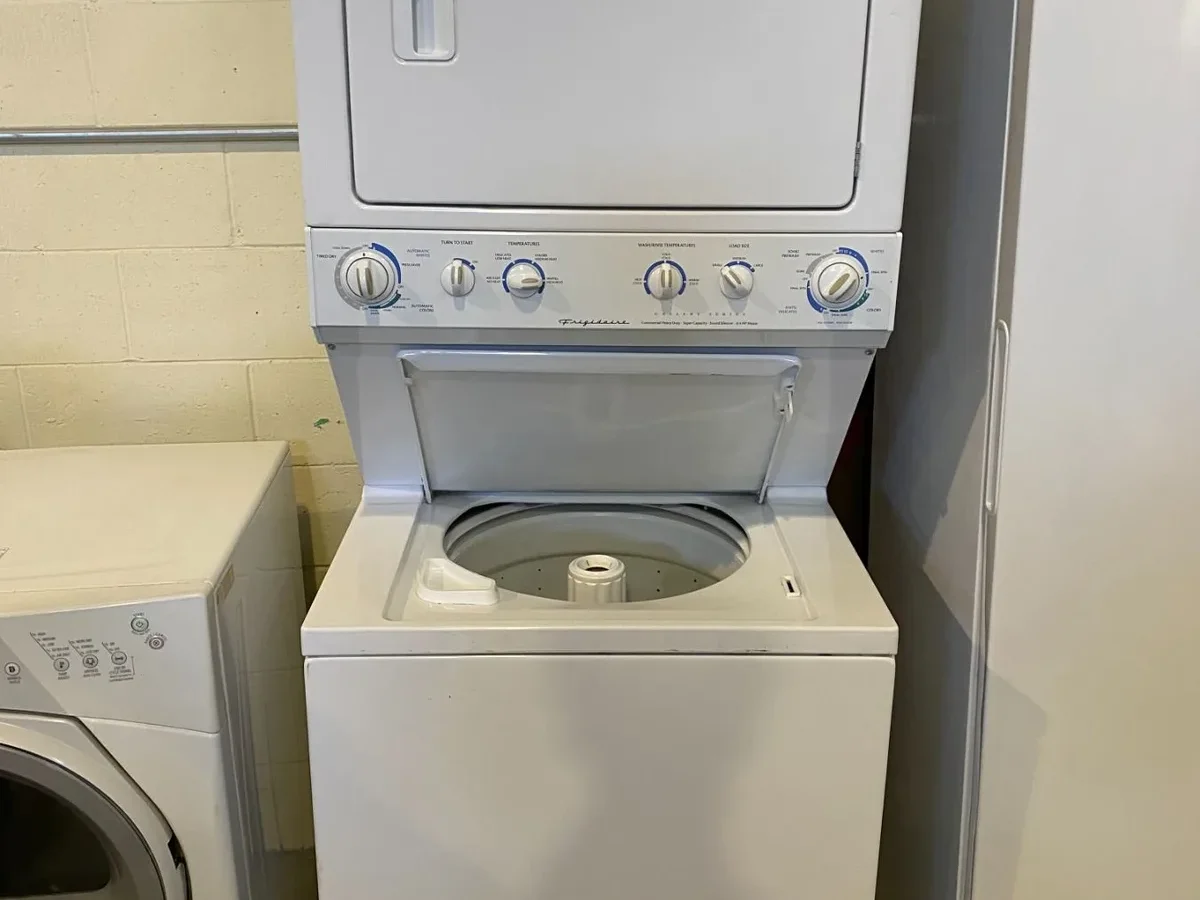
Your Frigidaire stackable washer dryer is a reliable machine. Until it stops working mid-cycle. That's when you need real Frigidaire Stackable Washer Dryer Troubleshooting.
Not a generic checklist. A decision tree that matches your exact symptom to the right fix.
Most common faults on these units trace back to just six components. The thermal fuse. The drain pump.
The door lock. The heating element. The lid switch.
The control board. Roughly 70% of no-heat calls are a two-dollar thermal fuse, not a failed heating element. Let's walk through the symptoms so you skip the guesswork.
Quick Answer
Unplug the unit for one minute. Clean the lint screen. Clear the dryer vent.
These three steps fix half of all service calls. For washer issues, check the drain hose for kinks. For dryer heat loss, test the thermal fuse with a multimeter.
Always check your model-specific error code chart first.
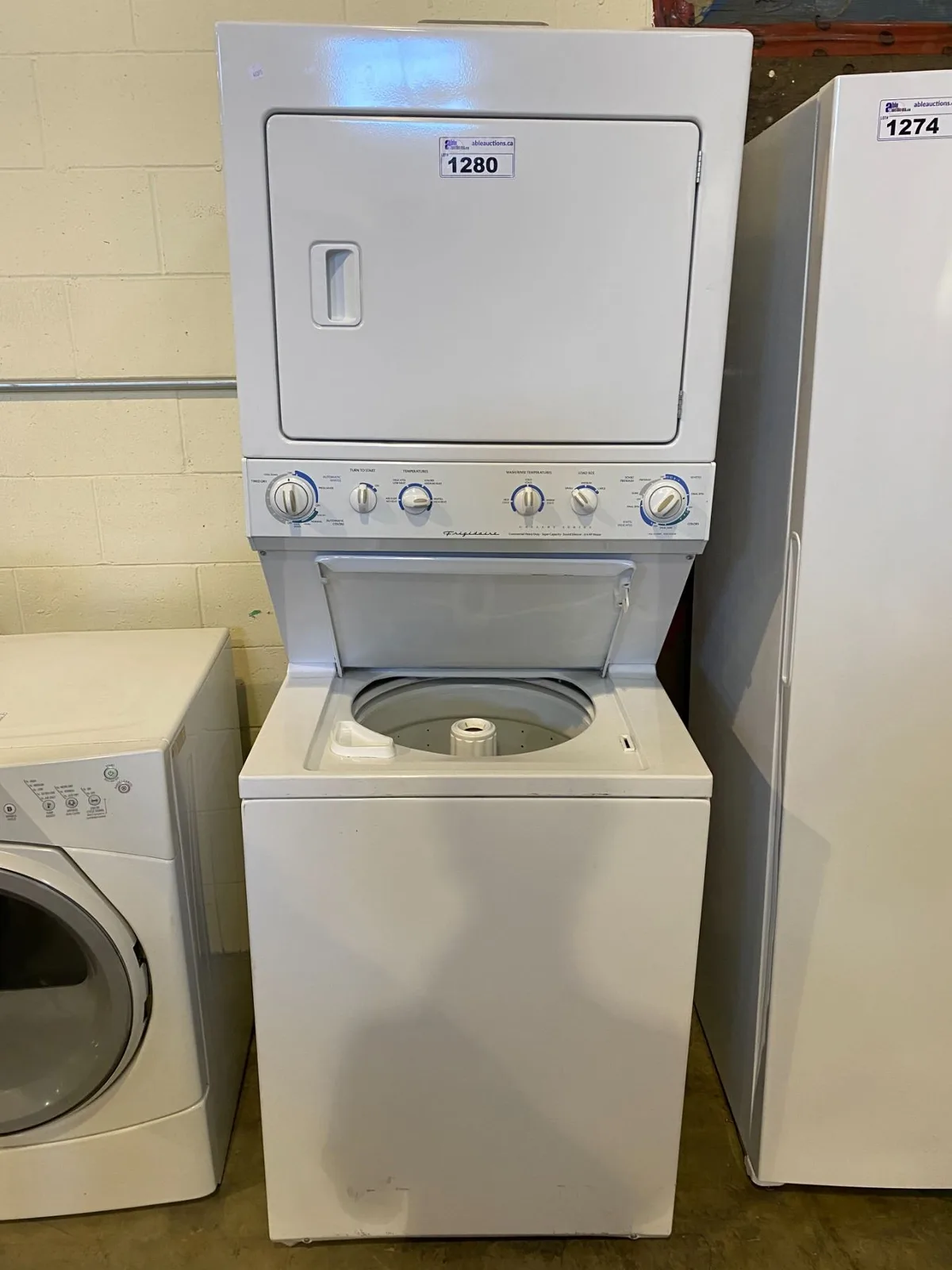
Your Symptom → Your Next Move
You don't need to be a technician. You just need to follow the right branch on the decision tree. Every symptom points to a short list of suspects.
Work through them in order. Skip the expensive parts first.
Washer Won't Start or Is Completely Dead
Your machine sits there like a brick. No lights. No hum.
This is almost always a power problem or a safety interlock.
First check. Is the unit plugged in? Stackable units get moved for cleaning. Cords get nudged loose.
Confirm the wall outlet has power by plugging in a lamp. If that works, the outlet is fine.
Second check. Is the door fully closed? The washer won't start unless the door latch engages completely. Listen for the click.
If the latch is broken or misaligned, the machine stays dead. Look at the strike plate where the hook catches.
Third check. Is the child lock engaged? Some Frigidaire models have a control lock that disables all buttons. Check your manual for the unlock sequence.
It is usually holding the "Control Lock" button for three to five seconds.
If none of that works. Unplug the unit. Wait one minute. Plug it back in.
This clears transient voltage spikes that scramble the machine's brain. If it still won't start, the door lock assembly or the main control board has failed.
Washer Fills but Won't Drain or Spin
The washer fills with water. The cycle starts. But at the end, you have a tub full of dirty water and wet clothes.
The machine won't spin because it senses the water.
The drain pump is the most common culprit. Frigidaire front-load washers use a drain pump with a filter that catches coins, hairpins, and sock lint. That filter gets clogged. Locate the drain pump access panel at the front bottom of the washer.
Place a towel underneath. Remove the cap. Inspect the pump impeller for debris.
Check the drain hose. If the hose is kinked behind the machine, water can't flow out. Pull the machine out just enough to see the full length. Straighten any bends.
Also check if the hose is pushed too far into the standpipe. It should not be more than four to five inches inside the pipe.
Error code E3 or "dE" on the display. This points to a drain problem. If the pump runs but nothing drains, the pump itself may be burned out. A new pump costs around $40 and takes about 30 minutes to replace.
Washer Is Loud, Shaking, or Leaking
Stackable units have a low center of gravity. When they shake, the whole tower wobbles. If it shakes hard, something is off balance.
Are the leveling feet adjusted? Front-load washers must sit perfectly level. Adjust the feet by turning them clockwise to shorten, counterclockwise to lengthen. Use a wrench on the lock nuts.
Check with a level on top of the washer drum.
Is the unit overloaded? Frigidaire stackable washers handle around 10 to 12 pounds per load. Overloading throws the drum off balance. The machine will shake, thump, and stop mid-spin.
Remove a few items and try again.
A leaking machine means check the door boot. The rubber gasket around the front door collects water, soap residue, and mildew. Over time it develops small tears. Water seeps through during the wash cycle.
Clean the boot regularly. If you see a visible tear, the boot needs replacement.
Unusual noises during spin. A grinding sound points to worn drum bearings or a broken spider arm assembly. This is not a DIY job. The entire rear of the washer needs to come apart.
Call a technician.
Dryer Runs but Produces No Heat
This is the single most common complaint on Frigidaire stackable dryers. The dryer tumbles. The timer counts down.
The clothes come out cold and damp.
Check the lint screen first. A clogged lint screen restricts airflow. The dryer safety thermostat thinks the drum is overheating and shuts off the heat. Clean the screen after every load.
Wash it with soap and water to remove fabric softener residue.
Test the thermal fuse. This small white plastic component sits on the dryer blower housing or exhaust duct. It costs about $5. When it blows, it cuts power to the heating circuit.
You need a multimeter to test continuity. Set it to the ohms or continuity setting. Touch each lead to the fuse terminals.
If you get no reading, the fuse is blown. Replace it with an exact OEM match. Do not bypass it.
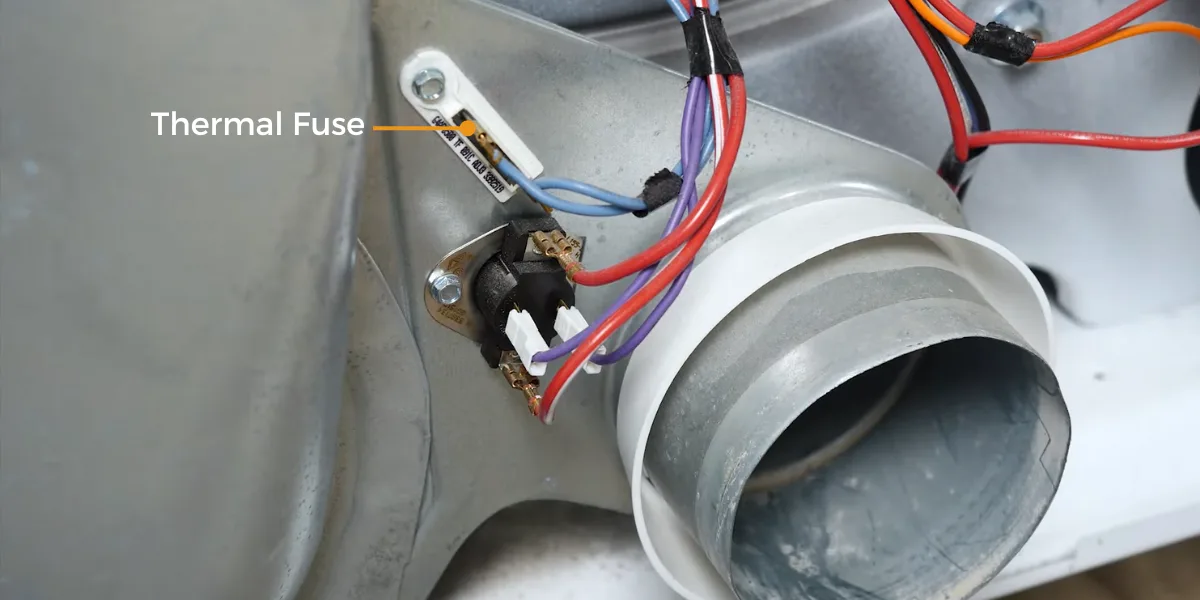
Check the heating element. On electric models, the heating element is a coiled wire inside the dryer housing. If the thermal fuse is good, test the element for continuity. No continuity means the coil is broken.
A replacement element runs $25 to $40. It is a 45-minute swap. On gas models, check the igniter and gas valve coils.
If the igniter glows but the gas doesn't ignite, the coils are bad.
Vent blockage. A blocked dryer vent causes the high-limit thermostat to trip. Disconnect the vent hose from the back of the dryer. Run the dryer on air fluff for ten minutes.
If it heats up with the vent disconnected, the blockage is in the vent run, not the machine.
Dryer Takes Way Too Long to Dry
The dryer runs and produces heat. But after a full cycle, your towels are still damp. This is an airflow problem, not a heat problem.
The vent is too long or has too many elbows. Frigidaire's installation manual specifies a maximum vent run of 15 feet with no more than four 90-degree elbows. Each elbow reduces effective length by roughly five feet. If your vent run exceeds that, air doesn't move fast enough to carry away moisture.
The lint screen is not clean enough. Even a thin layer of lint reduces airflow significantly. Wash the screen with a soft brush and warm water every few months. Fabric softener residue creates a waxy film that traps lint.
The blower wheel is clogged. Lint dust accumulates on the blower wheel fins over time. This reduces the fan's efficiency. Remove the dryer front panel.
Vacuum the blower wheel area. You will be surprised how much lint collects there.
Error Code on the Display: What It Means
Modern Frigidaire stackable units use digital displays. When something fails, the machine shows an error code. These codes are your fastest diagnostic tool.
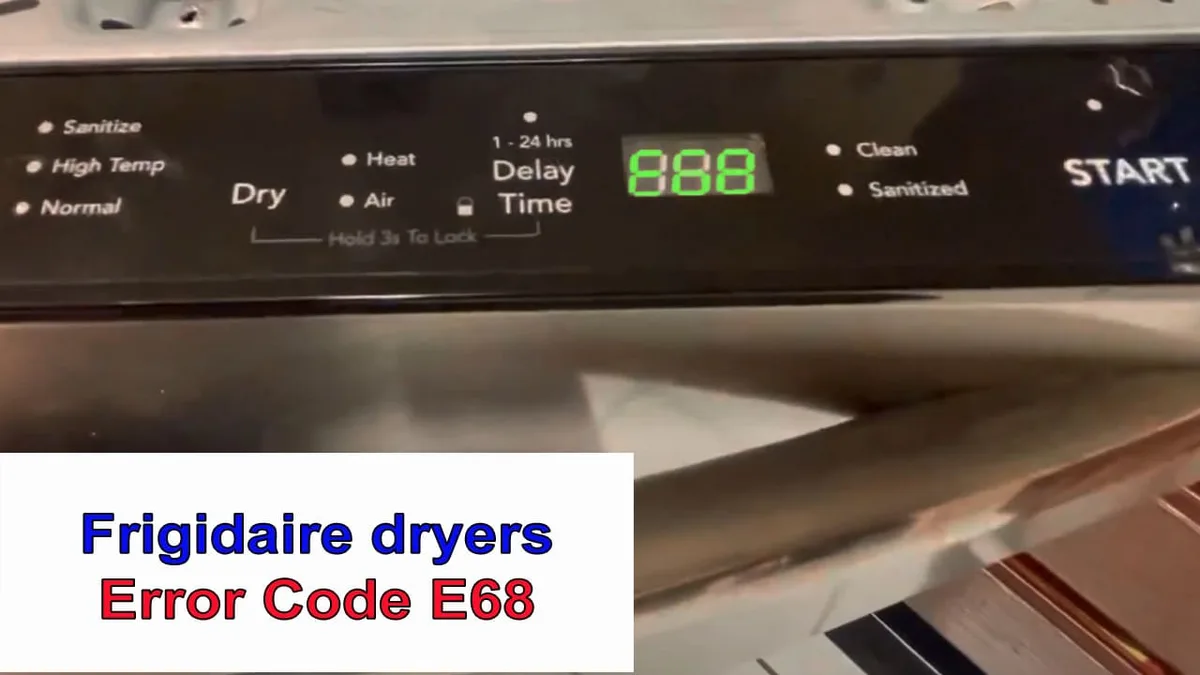
Common Frigidaire washer error codes.
- E1, Water leak detected or water level sensor failure. Check the drain hose and inlet hoses for leaks.
- E3, Drain problem. The machine took too long to drain. Clean the pump filter.
- dE, Door error. The door is not fully closed or the latch is bad.
- CF, Control fault. The control board detected a communication error. Try a hard reset.
Common Frigidaire dryer error codes.
- E1, Thermistor failure. The temperature sensor is out of range. Replace the thermistor.
- E2, Heating element failure or open circuit. Test the element and thermal fuse.
- E3, Moisture sensor malfunction. Clean the moisture sensor bars inside the drum with fine sandpaper.
- E5, Vent blockage or restricted airflow. Check the entire vent system for clogs.
Your specific model may use different code definitions. Always check the error code chart in your owner's manual. You can find Frigidaire manuals online by inputting your model number on the manufacturer's support page.
Mistakes That Make Troubleshooting Worse
You can turn a $10 fix into a $300 repair bill. Here are the most common mistakes.
The button mash. Pressing every button hoping the machine resets does nothing. It might lock the control panel further. Follow the manual's reset procedure.
Usually that means unplugging the unit for a full minute.
The overlooked vent. People blame the dryer heating element first. They order a $40 part. They spend an hour installing it.
The dryer still doesn't heat. The actual problem was a crushed vent hose. Check the vent before you buy any parts.
The fake reset. Pressing "Pause/Cancel" is not a hard reset. A real reset requires disconnecting power. Unplug the unit.
Wait 60 seconds. Plug it back in.
The control board trap. Control boards fail far less often than people think. Before you spend $150 on a new board, verify every simpler cause. Check the door switch.
Test the thermal fuse. Clean the pump filter. Nine times out of ten, the board is fine.
When to DIY vs. When to Call a Pro
If the fix involves unplugging a hose, cleaning a filter, or swapping a part held by screws you can reach, you can do it yourself. If the fix requires removing the drum, opening the sealed gas valve assembly, or working inside the control board housing, call a qualified technician.
Safe DIY jobs. Cleaning the lint screen and vent system. Replacing the thermal fuse. Swapping the door latch.
Cleaning the drain pump filter. Replacing the dryer heating element on electric units.
Call a pro for these. Gas valve repairs and igniter replacement on gas dryers. Drum bearing replacement. Control board replacement.
Major water leaks from internal hoses. Gas line disconnection or reconnection.
The National Fire Protection Association (NFPA) provides guidelines on dryer vent safety. Their data shows that failure to clean dryer vents causes over 15,000 home fires annually in the United States. Take vent maintenance seriously.
A note on gas dryers. Working on a gas dryer means working with a live gas line and high voltage. One mistake can cause a gas leak or a fire. If you are not comfortable, do not attempt it.
Even experienced DIYers often hand off gas repairs to a licensed technician.
Keep Your Stackable Running Like New
Preventive maintenance takes thirty minutes per month and adds years to your machine's life. Here is what actually matters.
Monthly checklist (five minutes).
- Clean the lint screen after every load.
- Wipe the door boot gasket with a dry cloth to prevent mildew.
- Check the drain pump filter for debris.
- Ensure the dryer vent hose is not pinched behind the unit.
Seasonal checklist (thirty minutes).
- Pull the unit away from the wall. Vacuum the dryer vent connection.
- Clean the blower wheel area inside the dryer.
- Run a washer cleaning cycle with a washer cleaner tablet or white vinegar.
- Check the leveling feet. The unit may settle over time.
The one thing nobody does but should. Replace the dryer vent hose every two years. Flexible foil hoses accumulate lint inside the ridges. Over time, they restrict airflow and become a fire hazard.
Use a rigid metal or semi-rigid metal vent for permanent installations.
As of 2026, Frigidaire stackable units are still widely installed in apartments and condos across the United States. Parts availability is excellent. Almost every component can be ordered online and shipped in under a week.
The key to avoiding a service call is catching small problems early. A noisy pump today is a dead pump next month. A faint burning smell today is a thermal fuse next week.
Don't wait.
Frequently Asked Questions
How do I reset my Frigidaire stackable washer dryer?
Unplug the unit from the wall outlet. Wait one full minute. Plug it back in.
This clears the control board's memory and resets error codes. If the machine still doesn't work, check the door latch and power cord.
Why is my Frigidaire stackable washer not spinning?
The machine won't spin if it senses too much water. Check the drain hose for kinks. Clean the drain pump filter.
If the filter is clean and the hose is straight, the drain pump may have failed.
Why is my Frigidaire dryer running but not heating?
Test the thermal fuse first. It is a $5 part that fails often. Use a multimeter to check for continuity.
If the fuse is good, test the heating element or igniter. Also check the vent for blockages.
What does error code E1, E3, or CF mean?
E1 usually means a water leak or sensor issue. E3 points to a drain problem. CF indicates a control board communication fault.
Check your owner's manual for model-specific definitions.
Why is my washer leaking from the bottom?
Check the door boot gasket for tears. Inspect the drain pump filter for a loose cap. Look at the water inlet hoses for cracks.
A leak from the bottom is usually one of these three causes.
How do I unlock the door when it's stuck?
Unplug the unit. Wait two minutes. Plug it back in.
Try opening the door immediately. If it stays locked, the door latch assembly has failed. Replacing the latch usually fixes it.
Is it safe to stack a washer and dryer myself?
Yes, but only if you use the official Frigidaire stacking kit. The kit includes brackets that bolt the dryer to the washer. Without it, the unit is unstable and dangerous.
Always follow the manufacturer's installation instructions.

Similar Posts