Ge Refrigerator Water Dispenser Troubleshooting
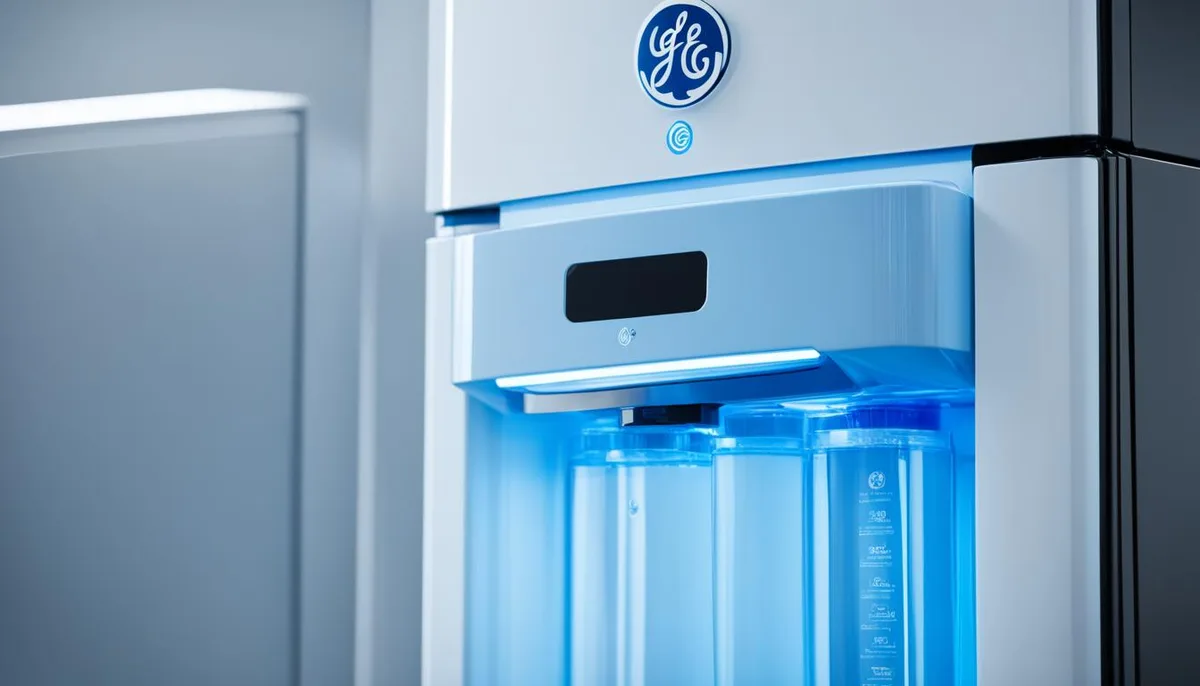
You're standing there with a glass in your hand, pressing the dispenser paddle, and nothing comes out. No water. Maybe a click.
Maybe silence. Either way, it's frustrating, and you're probably wondering if this is a simple fix or a costly repair.
GE refrigerator water dispenser troubleshooting usually comes down to four main causes: a clogged filter, a supply line issue, a faulty switch, or a failed water inlet valve. Most GE models need water pressure between 20 and 120 psi. As of 2026, the diagnostic process hasn't changed much.
Let's walk through it step by step.
Image source: Bing (Web (fair-use with source credit))
Why Your GE Water Dispenser Stopped Working (And What to Check First)
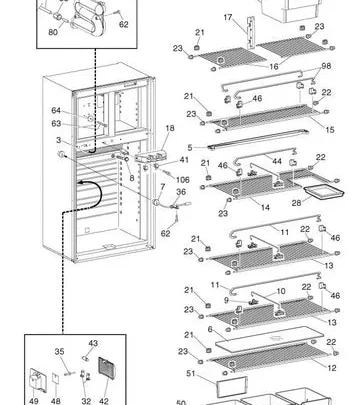
Your GE refrigerator water dispenser is a simple system. Water flows from your home supply line, through the water filter, and out the dispenser nozzle when you press the paddle. Each component in that chain can fail independently.
That's why the symptoms matter.
Here's what different symptoms usually point to:
| Symptom | Likely Cause |
|---|---|
| Clicking sound, no water | Water inlet valve or dispenser switch |
| No sound at all | Control board, demo mode, or power issue |
| Slow trickle | Clogged filter, low water pressure, or kinked line |
| Sputtering and spitting | Air in the line, often after filter replacement |
| Water leaks or drips | Faulty valve seal or loose connections |
Before you start taking anything apart, check the obvious stuff. Is the refrigerator plugged in? Is the control panel showing any error codes?
Did someone accidentally turn on the child lock? These simple checks take ten seconds and can save you an hour of work.
Most water dispenser issues are fixable at home with basic tools. You'll need a multi-meter, an adjustable wrench, and maybe a towel. According to GE Appliances' official documentation, roughly three out of four dispenser service calls trace back to something the owner could have fixed themselves.
Start with the most likely culprit. Nine times out of ten, that's the filter.
Step 1: The Filter – The Most Common Culprit
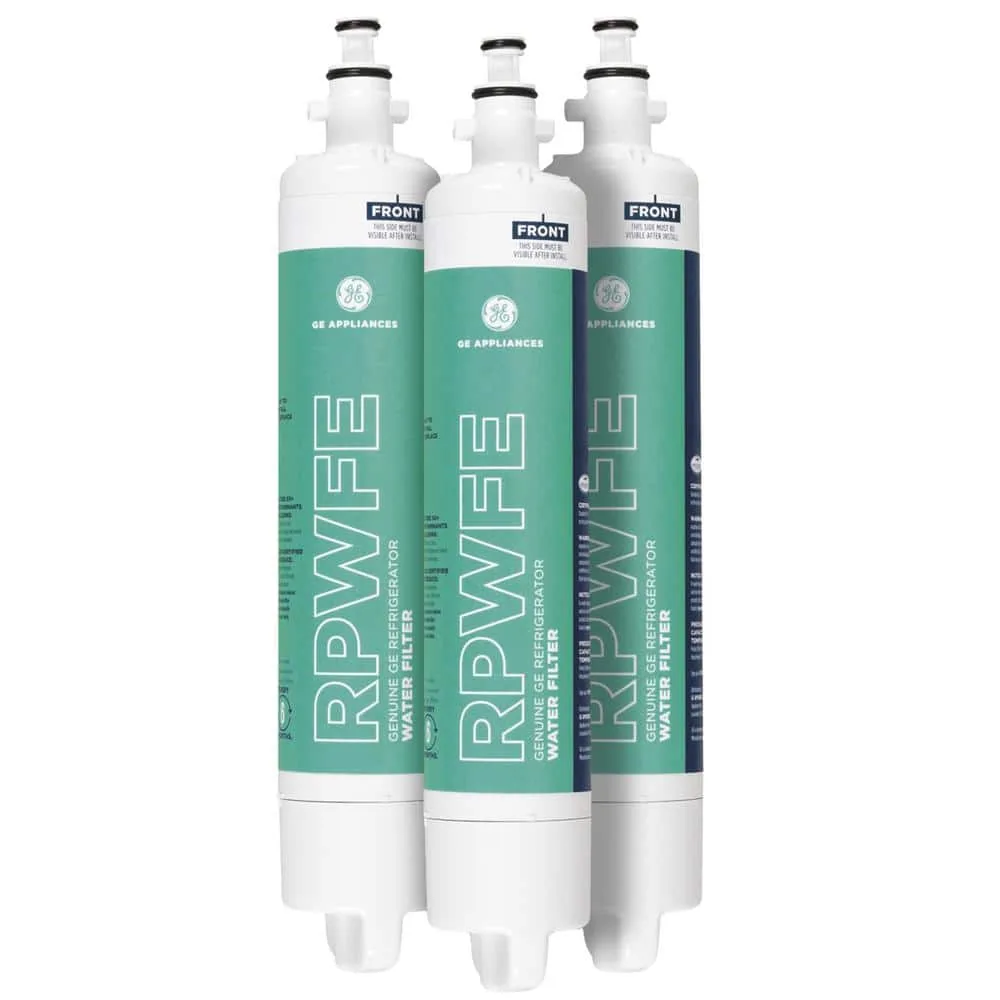
Image source: Bing (Web (fair-use with source credit))
The water filter is the number one reason GE water dispensers stop working or flow slowly. It's also the easiest thing to fix. GE refrigerators use several filter types, including the RPWFE, MWF, and GSWF cartridges.
They all do the same job: they remove sediment, chlorine, and other impurities from your water.
But filters clog. They have a rated lifespan of about six months or 200 gallons, whichever comes first. When they're past their prime, they restrict water flow.
Sometimes they block it entirely. If you can't remember the last time you swapped yours, that's your first suspect.
Here's how to check and replace it:
- Locate the filter. It's typically in the upper-right corner of the refrigerator compartment or behind a flap on the door.
- Twist it counterclockwise to unlock it. Pull it straight out.
- Check the manufacture date on the side of the cartridge.
- If it's older than six months, replace it.
If you're installing a new filter, there's one critical step most people skip. You must flush the system. Fill and empty a glass of water, discard it, and repeat for about three minutes.
The first few glasses may look cloudy or taste odd. That's normal. The manufacturer recommends flushing at least two gallons before using the dispenser.
The filter replacement process takes under five minutes. If the dispenser works after that, you're done. If it still won't dispense, the problem is upstream.
| Filter Type | Models Using It | Rated Capacity |
|---|---|---|
| RPWFE | Many French door and side-by-side models | 200 gallons / 6 months |
| MWF | Older GE models | 200 gallons / 6 months |
| GSWF | Select GE models and some Monogram units | 200 gallons / 6 months |
Step 2: The Water Supply – Pressure, Kinks, and Frozen Lines
If the filter is fresh and water still won't flow, the problem is somewhere between your home's plumbing and the refrigerator. The most common issues here are a shut-off valve that's not fully open, a kinked supply line, or a frozen tube.
Start with the shut-off valve. Your refrigerator connects to the water supply through a valve, usually under the sink or behind the fridge. It could be a brass shut-off valve or a saddle valve clamped onto a pipe.
If it's not cranked all the way open, the dispenser will dribble or stop completely. Turn it counterclockwise until it won't turn anymore.
Next, check the supply line itself. GE refrigerators use 1/4-inch tubing, typically made of copper, PEX, or braided stainless steel. Any sharp bend cuts the flow dramatically.
Pull the fridge out from the wall and trace the line. If you see a kink, straighten it out. If the line is pinched behind a wheel or the cabinet, reposition it.
Frozen lines are also common, especially if your refrigerator lives in a garage, basement, or unheated utility room. Home refrigerator manufacturers generally specify that ambient temperatures below 60°F can cause the water line to freeze. If you suspect ice, turn off the water supply, unplug the fridge, and let the line thaw for a few hours.
A hair dryer set on low can speed this up. Never use an open flame.
One more thing to check: the saddle valve itself. These piercing valves tap into your home's plumbing and often get clogged with sediment over time. If you have well water or old steel pipes, this is a real possibility.
You can test by disconnecting the line at the back of the refrigerator. Briefly open the valve. If water doesn't flow out with decent pressure, the valve is the problem.
Step 3: The Switch and Valve – When You Hear a Click But No Water
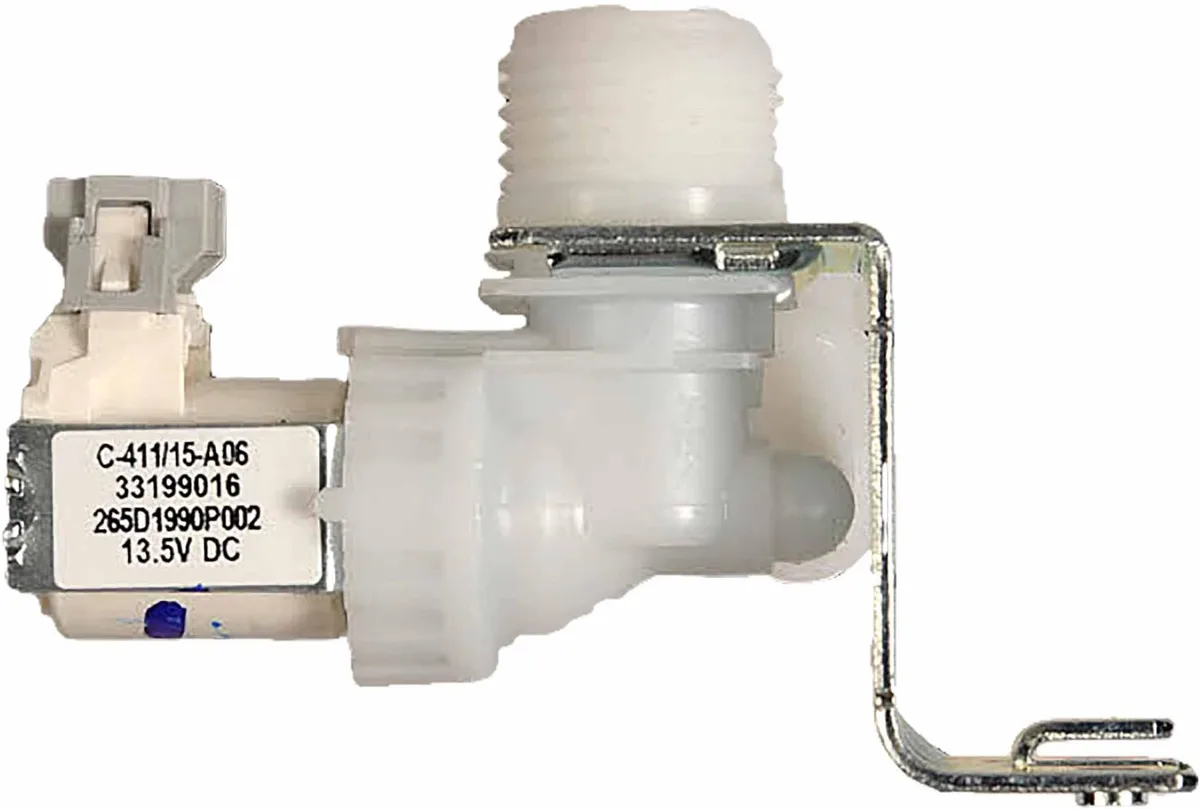
Image source: Bing (Web (fair-use with source credit))
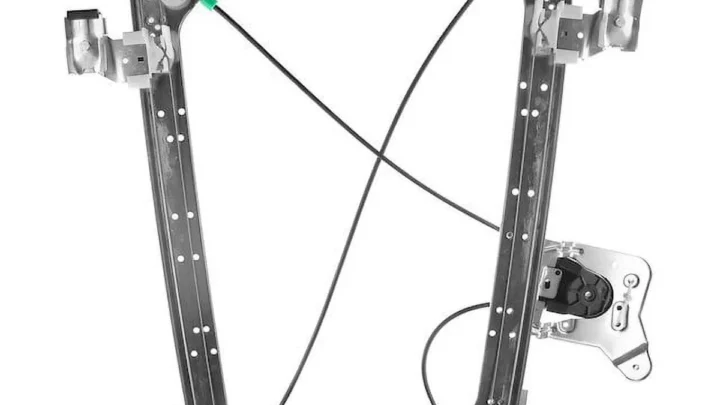
If you press the paddle and hear a distinct clicking sound but no water comes out, you've found the problem zone. That click is the water inlet valve attempting to open. The valve is a solenoid-controlled device that lets water into the dispenser when you activate the switch.
If it clicks but doesn't open, the valve is either stuck or electrically dead.
Here's what that sounds like in practice. Your dispenser switch sends voltage to the valve. The click you hear is the solenoid trying to move.
No water means the valve's internal diaphragm is blocked, or the solenoid coil has failed. Both are possible, and both require a small repair.
The dispenser switch itself can also fail. These switches have a limited lifespan, and they wear out with heavy use. When they die, they don't send any signal to the valve.
The difference between a switch failure and a valve failure is usually the click. A click means the switch is likely fine and the valve is the issue. Silence means the switch might be dead.
You can test both components with a multi-meter. Here's the process:
- Unplug the refrigerator. Safety first, always.
- Set your multi-meter to measure resistance (ohms).
- Test the dispenser switch by pressing its actuator and checking for continuity.
- Test the water inlet valve by reading resistance across its solenoid terminals. Typically, you'll see a reading between 200 and 500 ohms. A reading of zero or infinity indicates a bad coil.
If the switch has no continuity, replace it. If the valve reads outside the normal range or doesn't click when powered directly, replace the valve. Replacement parts cost between $30 and $80 depending on your GE model.
Compare that to a service call, which runs $150 to $250 before parts. It's a worthwhile DIY job.
That clicking sound is your biggest clue. If you hear it, don't assume the valve is fine. Use the multi-meter to confirm.
Most forum reports and aggregate repair reviews indicate this is the classic "click but no water" culprit.
Step 4: The Control Board and Demo Mode – Hidden Settings That Block Water Flow
Sometimes the hardware is perfectly fine. The filter is fresh, the line is clear, the valve works. But the dispenser still won't give you a drop.
In that case, the problem might be in the software. GE refrigerators have a few hidden settings that can disable the water dispenser completely.
The first one to check is demo mode. Also called showroom mode, this setting is designed for retail stores. It keeps the display lit but disables the water and ice dispensers.
If your refrigerator got switched into demo mode, it looks completely normal until you press the paddle.
How to exit demo mode varies by model. For many GE refrigerators, you press the "Lock" button and the "Light" button together for three seconds. On other models, you hold the "Fridge" and "Freezer" buttons simultaneously.
Check your owner's manual if that doesn't work.
The child lock is another culprit. It's a safety feature that prevents little hands from operating the dispenser, but it's easy to activate accidentally. If the control panel shows a lock icon, press the lock button for three seconds to unlock it.
Beyond those settings, the control board itself could be faulty. The control board, sometimes called the electronic control assembly or PCB, routes power from the dispenser switch to the water valve. If the switch is fine and the valve is fine, but the board isn't sending voltage, you're in deeper repair territory.
Control boards cost more than switches and valves, typically $100 to $200. They also require more careful installation. Check the model-specific wiring diagram before you dig in.
If you've checked the filter, the supply, the valve, and the settings, and the dispenser still doesn't work, it's probably the board. That's also the point where many homeowners decide to call a professional. The control board is the most complex component in the line.
Replacing it without proper diagnosis can leave you with a new board and the same problem.
Before you get to that point, verify your refrigerator isn't in some other lockout mode. A quick power cycle by unplugging the unit for five minutes and plugging it back in can reset a stuck control board in some cases. It won't hurt, and it takes almost no time.
Per GE's support documentation, a reset resolves a surprising number of intermittent dispenser failures.
Common Mistakes That Waste Time and Money
DIY troubleshooting is great until you make a mistake that costs you. Here are the most common ones people make when tackling GE refrigerator water dispenser issues.
Replacing the filter when it's not the problem. A clogged filter is common, but it's not the only cause. If you swap the filter and the dispenser still doesn't work, don't stop there.
Move to the supply line and valve next.
Forgetting to flush the new filter. A dry filter cartridge can trap air in the line. That air pocket prevents water from flowing.
Always flush two to three gallons after replacing the filter.
Using the wrong filter type. GE refrigerators are picky about which filter they accept. An MWF filter won't fit properly in a housing designed for an RPWFE.
Check your model number and use the correct cartridge. A bypass plug is also an option if you don't need filtered water temporarily.
Testing the water valve without unplugging the refrigerator. This is a safety issue. The water inlet valve runs on line voltage.
Testing it while the fridge is live can damage your multi-meter or worse, shock you. Unplug the unit before doing any electrical tests.
Assuming a frozen line will thaw on its own without checking the root cause. If your refrigerator is in a cold garage, the line will freeze again unless you address the temperature. Move the fridge to a heated space or insulate the water line.
Calling a technician before checking demo mode. This happens more often than you'd think. A technician visit costs around $175 just to walk through the door.
A three-second button press would have fixed it. Always check the hidden settings first.
When to Call a Pro (And When Not To)
Not every dispenser issue requires a service call. In fact, most don't. Here's a simple rule of thumb: if you can reach the part and it costs under $100, try the repair yourself.
If the control board needs replacement and you're not comfortable with electrical work, call someone.
Call a pro if:
- You've checked the filter, supply, valve, switch, and board, and nothing works.
- You don't own a multi-meter or aren't comfortable using one.
- The water line is buried behind a wall or under the floor.
- The refrigerator is under warranty. GE's standard warranty covers parts and labor for the first year. Let them handle it.
- You smell burning plastic near the control board. That's a short circuit risk.
You can handle it yourself if:
- The fix is a filter replacement.
- The supply line has a simple kink or the valve isn't fully open.
- The dispenser switch needs to be replaced.
- The water inlet valve is accessible and you're comfortable with basic tools.
- You need to exit demo mode or reset the child lock.
The cost difference is significant. A DIY filter swap runs $30 to $50. A dispenser switch costs around $15 to $25.
A water inlet valve runs $30 to $80. Compare that to a service call that starts at $150 and goes up fast. For most homeowners, the math is easy.
Just remember to unplug the refrigerator before any electrical work. That's not optional. It's the rule that keeps you safe.
Frequently Asked Questions
How do I reset my GE refrigerator water dispenser?
Unplug the refrigerator for five minutes, then plug it back in. This power cycle resets the control board and clears most temporary lockout modes. If that doesn't work, check for demo mode or child lock settings on the control panel.
Why is my GE water dispenser clicking but no water comes out?
The click is the water inlet valve trying to open. The valve is likely stuck or the solenoid coil has failed. Test the valve with a multi-meter.
A reading between 200 and 500 ohms is normal. Zero or infinity means the valve needs replacement.
How often should I replace the water filter in my GE refrigerator?
Every six months or 200 gallons, whichever comes first. A clogged filter restricts water flow and can make the dispenser seem broken. If you're not sure when you last changed it, replace it now.
It's the cheapest fix to try first.
Why is my GE water dispenser slow?
A slow dispenser usually means a clogged filter or low water pressure. Replace the filter first. If that doesn't help, check the supply valve behind the fridge.
Make sure it's fully open. Also check for kinks in the water line.
How do I know if my GE refrigerator water inlet valve is bad?
Listen for a click when you press the dispenser paddle. If you hear a click but no water flows, the valve is the likely culprit. Confirm with a multi-meter.
Test resistance across the solenoid terminals. A reading outside 200 to 500 ohms means it's time to replace the valve.
Can I use my GE refrigerator without a water filter?
Yes. Use a bypass plug. It fits into the filter housing and lets water flow through without filtration.
This is useful if you're waiting for a replacement filter or if you prefer using your own whole-house filtration system.

Similar Posts