Ground Fault Circuit Interrupter Troubleshooting
You're standing in front of an outlet that just won't work. You've pressed the reset button until your thumb hurts. Nothing.
Maybe it trips the second you press reset. Maybe it's been dead for weeks. Ground Fault Circuit Interrupter troubleshooting doesn't have to be a mystery, but it does need a methodical approach.
Get it wrong and you could be chasing ghosts, or worse, creating a real safety hazard.
Per the National Electrical Code (NFPA 70), GFCIs must trip when they detect a ground fault as low as 4 to 6 milliamps. That's roughly 1/200th of what a standard hair dryer pulls. They respond in about 1/40th of a second.
That sensitivity is what makes them lifesavers, but it's also what makes them finicky when something goes wrong. Let's walk through exactly what's happening and how to fix it.
Quick Answer
Test the GFCI by pressing Reset firmly. If it stays, plug in a lamp. Press Test.
The lamp should shut off. Press Reset again. The lamp should come back.
If it doesn't, check for a tripped breaker or a dead GFCI. If it trips immediately, you likely have a ground fault or reversed wiring. If it trips randomly, suspect moisture, shared neutrals, or an aging unit.
Replace any GFCI that fails its self-test.
Why GFCI Troubleshooting Needs the Right Approach
GFCI troubleshooting sits in a weird spot. It's a simple device with a big job. One wrong move and you're not just without power, you're without protection.
Mistakes can cause harm.
Most GFCI problems fall into one of five categories. Each has a different fix. Guessing costs time.
Guessing wrong costs safety.
The device itself is straightforward. Two buttons, Test and Reset. A green or red light.
Three sets of terminals on the back, Line, Load, and Ground. That's it. But what's happening inside is a continuous comparison between current flowing out on the hot wire and current returning on the neutral.
If more than 4 to 6 milliamps is missing, meaning it's leaking somewhere it shouldn't, like through water or a person, the GFCI opens the circuit in milliseconds.
Understanding that basic mechanism is the difference between fixing it and replacing it unnecessarily.
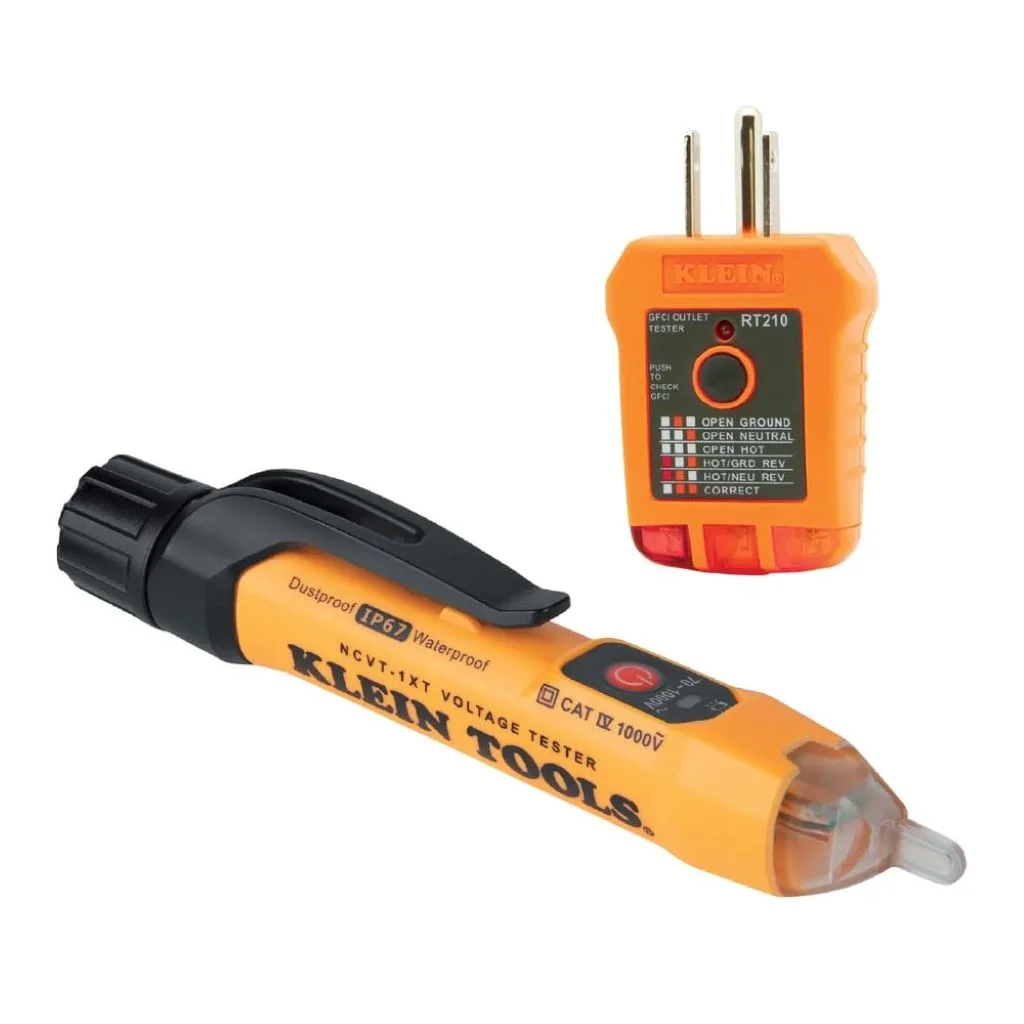
Image source: Bing (Web (fair-use with source credit))
How a GFCI Actually Works (and Why It Matters for Fixing One)
A GFCI doesn't care about overcurrent. That's the breaker's job. A GFCI cares about balance.
Hot wire current and neutral wire current should match. When they don't, something is wrong.
Here's the critical part that most DIY guides skip: the GFCI checks this balance hundreds of times per second. When it detects an imbalance, it trips instantly. That's why a GFCI can protect you from a fatal shock even when the breaker never budges.
There are two types you'll encounter.
| Type | Where it lives | What it protects |
|---|---|---|
| GFCI receptacle | At the outlet itself | That outlet plus any downstream outlets wired to Load |
| GFCI breaker | In the main panel | The entire circuit, including every outlet and light on it |
Knowing which type you have changes how you troubleshoot. If you have a GFCI breaker and an outlet is dead, the problem might be at the panel, not the wall. If you have a receptacle that won't reset, the issue is usually at that box or somewhere downstream.
One more thing that trips people up. A GFCI receptacle has two sets of screw terminals. Line terminals bring power in.
Load terminals send power to other outlets downstream. If you wire them backward, connecting the incoming power to Load instead of Line, the GFCI won't reset. It might power the outlet, but it won't protect it.
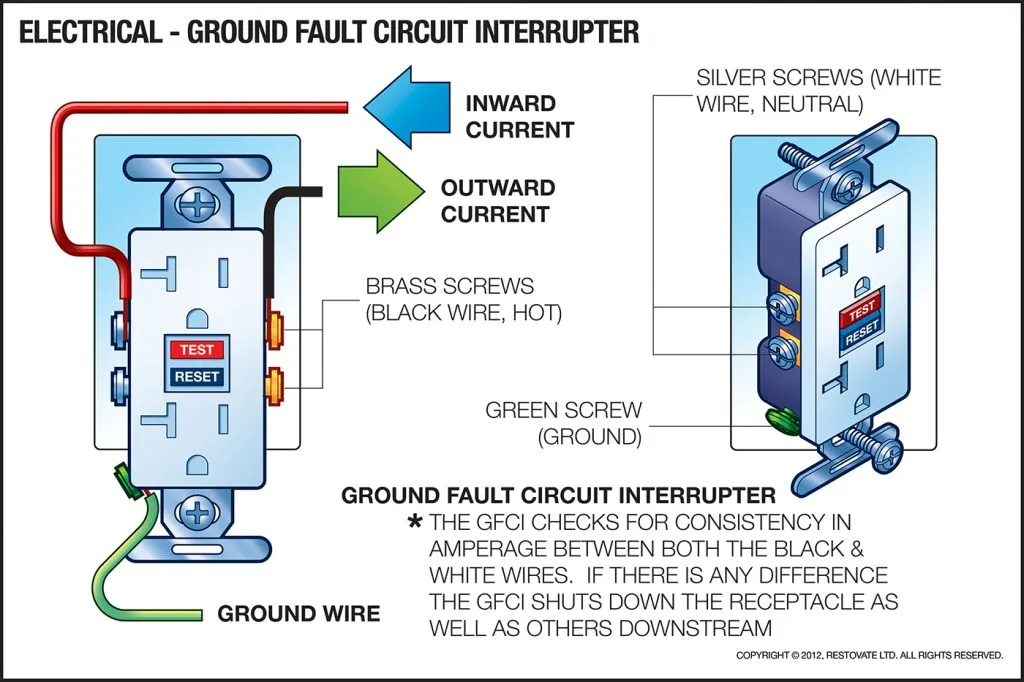
Image source: Bing (Web (fair-use with source credit))
The Five Most Common GFCI Problems and What They Mean
Problem 1: GFCI won't reset. When you press Reset, it either feels loose, won't click, or clicks and immediately pops back out. This usually means one of three things: no power is reaching the Line terminals, the GFCI has failed internally, or there's a ground fault on the circuit.
Problem 2: GFCI trips immediately after resetting. You press Reset, hear the click, and within a second it pops again. This almost always means a ground fault on the Load side. Something plugged in downstream is leaking current, or a wire is touching something it shouldn't.
Problem 3: GFCI trips randomly. Could be once a week, could be when it rains, could be when the washing machine kicks on. Random trips are often caused by moisture in an outdoor box, a long extension cord with small damage, or a shared neutral on a multiwire branch circuit.
Problem 4: No power to downstream outlets. The GFCI itself works fine. Test and Reset both function. But the outlets further down the wall are dead.
This usually means the GFCI lost its Load connection, or the Load wiring is damaged somewhere in the wall.
Problem 5: No lights, no response, completely dead. The GFCI is dark. Pressing Test does nothing. Pressing Reset does nothing.
No click, no light. This means the GFCI has failed internally, or there's no power at the Line terminals.
Step-by-Step Troubleshooting Guide for Each Problem
Let's work through each problem with a clear process. Start with safety. Turn off the power at the breaker.
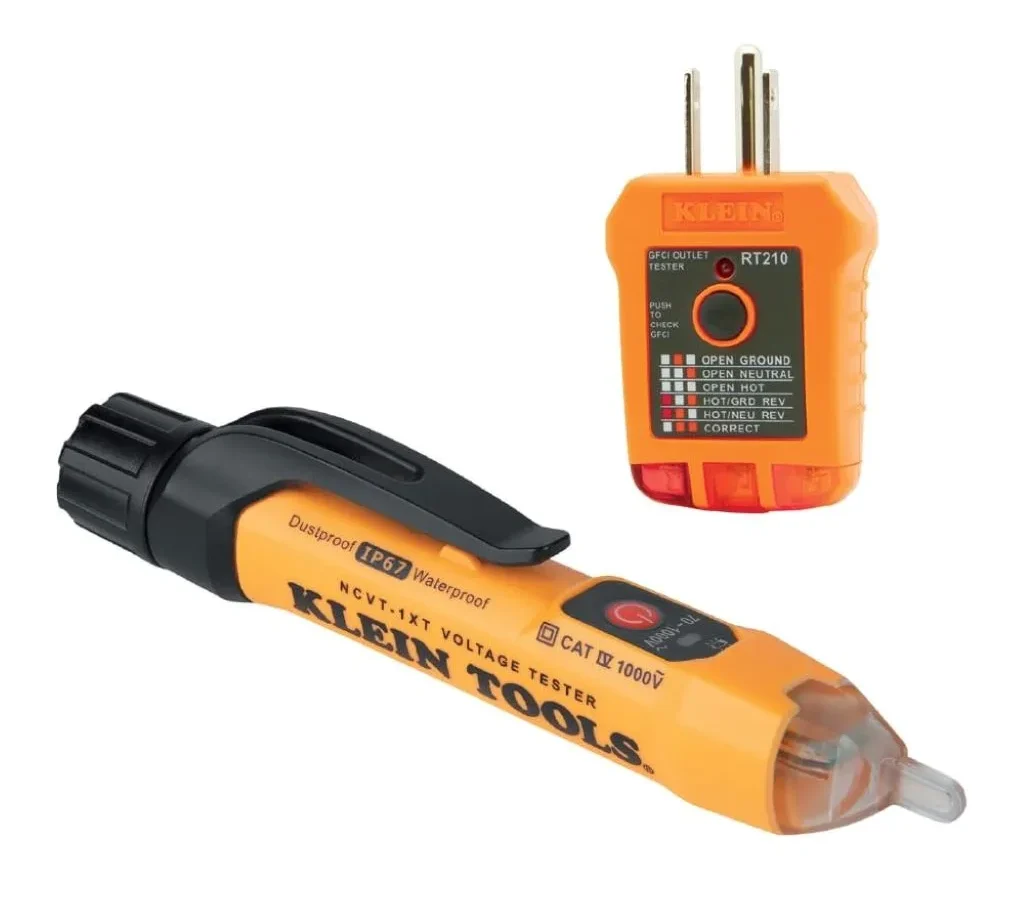
Confirm it's dead with a non-contact voltage tester. Do not skip that step.
For Problem 1 (won't reset):
First, check that you're actually pressing Reset firmly enough. Some GFCIs need a solid push until you feel a click. If it still won't hold, turn off the breaker, remove the faceplate, and check the wiring.
Make sure the incoming power is connected to the Line terminals, not Load. If it's correct, the GFCI itself is likely dead. Replace it.
For Problem 2 (trips immediately):
Unplug everything on that circuit. Press Reset. If it holds, plug devices back in one at a time.
When it trips again, you've found the culprit. If it still trips with nothing plugged in, turn off the breaker and inspect the Load wiring. A loose ground wire touching a neutral screw will cause this.
So will a nail through a wire in the wall.
For Problem 3 (random tripping):
Start with the easiest fix. Check for moisture. Outdoor receptacles are notorious for condensation inside the weatherproof cover.
Dry it out with a hair dryer. If you have an appliance on a long extension cord, that cord is the prime suspect. Also check whether your circuit shares a neutral wire with another circuit, that's a job for an electrician.
For Problem 4 (downstream outlets dead):
Press Test and Reset on the GFCI. Listen for the click. If the GFCI itself works, the Load connection might be loose.
Turn off power, pull the GFCI out, and check that the downstream wires are firmly under the Load terminal screws. Tighten them securely. If the wires are fine, replace the GFCI.
For Problem 5 (completely dead):
Check the breaker panel. A tripped breaker will kill the GFCI entirely. Reset the breaker.
If the GFCI still shows no life, use your voltage tester to check for power at the Line terminals. If there's power, the GFCI is dead. Replace it.
If there's no power, you have a wiring issue upstream.
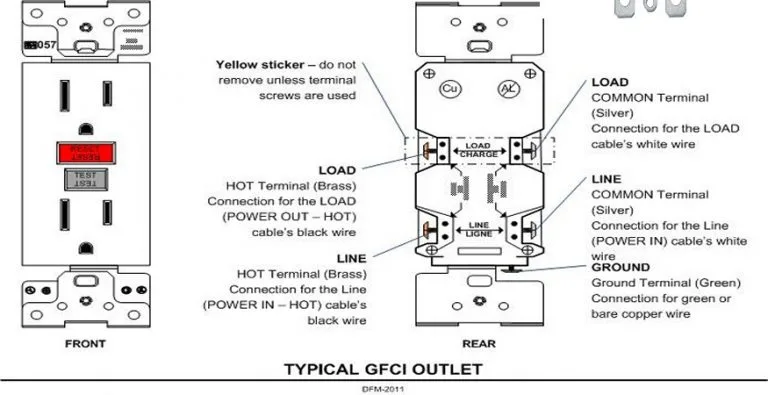
Image source: Bing (Web (fair-use with source credit))
When You Should Absolutely Call an Electrician
Some situations are not DIY territory. If you've followed every step above and the GFCI still trips, you may have a wiring fault inside the wall. That's not something you should chase with a hammer and a prayer.
Call a licensed electrician if you find any of these:
- Burn marks or melting on the outlet or faceplate
- A GFCI that buzzes or hums
- Repeated tripping with no obvious cause after unplugging everything
- A circuit that shares neutrals (this requires a qualified person to fix)
- Any situation where you don't feel confident working around live wires
The U.S. Consumer Product Safety Commission reports that roughly 70 percent of the roughly 800 electrocutions that occur annually in the home are preventable with properly installed GFCIs. A working GFCI is not optional.
It's life safety equipment.
As of 2026, the National Electrical Code requires GFCIs in nearly every room of a new home, kitchens, bathrooms, garages, basements, outdoor spaces, laundry rooms, and even in crawl spaces. The code exists because these devices work. But they only work when they're properly installed and maintained.
GFCI Lifespan, Maintenance, and When to Just Replace It
GFCIs don't last forever. The internal electronics wear out over time. Manufacturer specifications indicate a typical lifespan of 10 to 15 years.
After that, the device may still look fine but fail to trip when it should.
Test your GFCIs monthly. Press the Test button. The device should trip, killing power.
Press Reset. Power should return. If it doesn't trip, or if it trips and won't reset, replace it immediately.
Look for end-of-life indicators. Many modern GFCIs flash a red or orange light when the internal protection circuitry has failed. If you see that light, the GFCI is no longer providing protection even if it still passes power.
Replace it.
Moisture and heat accelerate failure. Outdoor GFCIs exposed to weather may need replacement sooner. So do units in unconditioned garages or basements.
If your GFCI is more than 10 years old and starts acting up, don't troubleshoot for hours. Just swap it. A new GFCI costs $15 to $30 and takes about 15 minutes to install.
Frequently Asked Questions
Why does my GFCI keep tripping for no reason?
"Random" tripping almost always has a cause. Check for moisture in outdoor boxes or near appliances. Unplug everything on the circuit and see if it still trips.
If it does, you may have a shared neutral or a damaged wire in the wall. If it stops, plug devices back in one at a time to find the culprit.
Can a GFCI go bad without tripping?
Yes. A GFCI can fail in a "dead" state where it passes power but no longer provides ground fault protection. That's why monthly testing is essential.
If you press Test and nothing happens, the GFCI has failed internally. Replace it immediately.
Should I replace a GFCI that won't reset?
If you've checked that power is reaching the Line terminals and the wiring is correct, yes. A GFCI that won't reset has either failed internally or is detecting a ground fault you can't clear. Replace it with a new unit of the same amperage rating.
How do I know if my GFCI is bad or the wiring is bad?
Start by testing the GFCI with nothing plugged in. If it still won't reset, check for power at the Line terminals with a voltage tester. If power is present, the GFCI is bad.
If no power reaches the Line terminals, the problem is upstream, a tripped breaker, a loose connection, or a damaged wire.
Can a GFCI protect downstream outlets if wired backward?
No. If the incoming power is connected to the Load terminals instead of Line, the GFCI may pass power but will not provide ground fault protection to any outlet, including itself. The Test and Reset buttons may also not function correctly.
Always verify the wiring orientation.

Similar Posts