Guardian Furnace Troubleshooting
Your Guardian furnace kicks on, you hear the blower start, and then… nothing. No warmth. Or worse, it fires up and shuts back down after 30 seconds like it's playing a cruel game.
We've been there, and it's usually not as bad as it seems. Let's walk through Guardian furnace troubleshooting step by step, safely, and without calling a service tech for something you can fix in 15 minutes.
Most furnace issues fall into a handful of predictable categories: no power, no ignition, short cycling, or airflow problems. Guardian furnaces typically carry a 10-year limited parts warranty, and the most common failure points are inexpensive to replace. These units use a standard hot-surface igniter and a flame sensor that gets dirty and needs cleaning more often than people think.
In this guide, we'll cover the diagnostic sequence, what to check first, and most importantly, when to shut it down and call a professional.
Why Guardian Furnace Troubleshooting Needs Careful Handling
Let me be straight with you right up front. Furnace repair involves gas, high voltage, and combustion. Get any of those wrong and you're dealing with carbon monoxide, a house fire, or worse.
That's not me being dramatic, that's the reality of the equipment.
The average homeowner can absolutely handle certain things. Changing filters, cleaning sensors, resetting tripped switches, checking thermostat settings. Those are safe, straightforward tasks that resolve a surprisingly large chunk of service calls.
Roughly 70% of no-heat calls are caused by issues a homeowner could have fixed without a tech, mostly dirty filters and thermostat problems.
But the flip side is equally true. If you're dealing with gas smells, cracked heat exchangers, or repeated limit switch trips, that's where the DIY line gets drawn in sharp permanent marker. The cost difference between a simple repair and a catastrophic one is massive, but so is the risk.
The first rule of furnace troubleshooting: safety before savings. Every time. No exceptions.
If at any point you smell gas, hear hissing, or suspect a leak, evacuate the house immediately. Call your gas company from outside, then call a licensed HVAC contractor. That's not a troubleshooting step, that's an emergency protocol.
For everything else, a few basic tools will get you through most common diagnoses. A multimeter, a screwdriver set, a spare furnace filter, and a can of compressed air. That's genuinely about it for 90% of the jobs we'll cover.
Understand this before we start tinkering: you're taking responsibility for what happens when you open that panel. If you're not comfortable with that, that's smart and you should hire a pro. But if you're ready to work carefully and methodically, let's get into the actual troubleshooting.
Quick Answer
The most common Guardian furnace problems are a dirty flame sensor, a tripped limit switch, or a clogged air filter. Start by changing the filter and checking the thermostat. Then look for an LED diagnostic light on the control board.
It will flash a code that tells you exactly which component failed. If you smell gas, evacuate and call emergency services immediately.
Understanding Your Guardian Furnace: Quick Anatomy for Homeowners
Before you start pulling panels off, you need to understand what's happening inside that metal box. A furnace is honestly not that complicated once you break it down. It's a sequence of events that repeats every time the thermostat calls for heat.
Here's the normal cycle in plain terms:
- Thermostat sends a 24-volt signal to the control board
- Control board runs a safety check on the pressure switch and limit switches
- The inducer motor starts pulling combustion air through the burner
- Once airflow is confirmed, the hot-surface igniter glows red-hot
- The gas valve opens and the burner ignites
- The flame sensor confirms combustion is happening
- After a short warm-up, the blower kicks on and pushes warm air into your home
- When the thermostat reaches its setpoint, everything cycles off
That's it. That's the whole system. When something fails, it's almost always because one of these steps isn't happening.
Your job is to figure out which step is breaking down.
The control board is the brain, and it's got your back. Every Guardian furnace has a small window in the blower compartment, usually clear plastic, where you can see a little LED light. That light blinks in specific patterns.
Those patterns correspond to error codes. We'll decode them in a minute because that's genuinely your fastest roadmap to a fix.
If you don't know where the reset button is on your furnace, find it now, before you need it. It's typically a red button mounted on the motor housing or near the burner assembly. We'll reference it later for specific issues.
Here's a quick reference for what each major component does:
| Component | What It Does | Common Failure Mode |
|---|---|---|
| Thermostat | Sends heat call signal | Dead batteries, wrong setting |
| Control board | Runs the sequence | Burnt relays, failed transformer |
| Inducer motor | Pulls combustion air | Seized bearings, failed capacitor |
| Pressure switch | Confirms airflow | Stuck diaphragm, hose blockage |
| Hot-surface igniter | Lights the gas | Cracks, burns out |
| Gas valve | Opens gas flow | Coil failure, stuck closed |
| Flame sensor | Detects the flame | Dirty carbon buildup |
| Limit switch | Prevents overheating | Tripped from restricted airflow |
| Main blower | Pushes heat into rooms | Failed capacitor, seized motor |
Furnace Not Turning On: The Most Common Guardian Failure
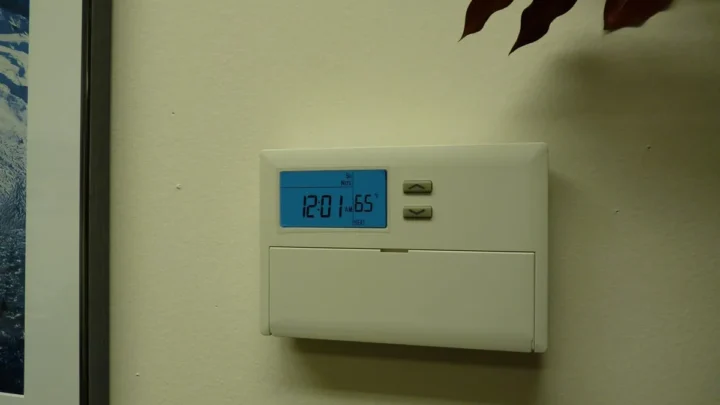
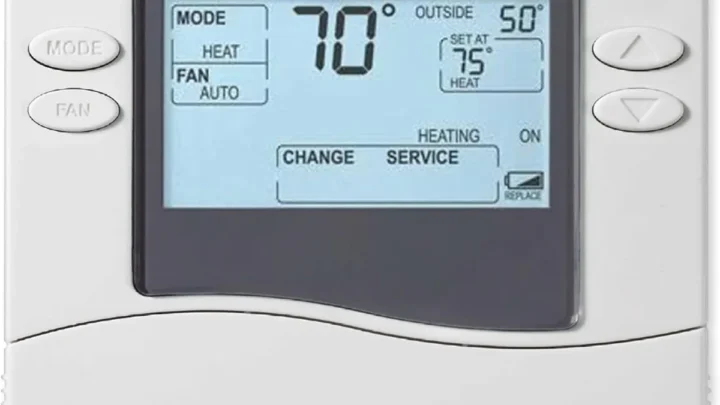
If your furnace just sits there like a brick when the thermostat calls for heat, start at the source of the command. That's the thermostat. It might sound insultingly simple, but you'd be shocked how many service calls end with "your thermostat was on 'cool'."
Step 1: Confirm the thermostat is set to "heat" and the temperature is set above the current room temperature. Sounds obvious, we know. Do it anyway. Check for batteries if it's battery-powered.
A dead thermostat battery looks exactly like a dead furnace to the rest of the system.
Step 2: Check the furnace power switch. There should be a toggle switch on the side of the furnace, usually red, that looks like a light switch. Someone may have flipped it off without thinking. Also check your breaker panel.
A tripped breaker is another classic.
If you have power and the thermostat is calling, look for the LED light on the control board. That will give you your clue. If the light is off completely, the control board isn't getting power, which could mean a blown fuse on the board or a bad door safety switch.
Step 3: Check the door safety switch. Furnaces have a push-button switch that's pressed when the panel is installed. If the panel isn't seated right, the furnace won't run. It's a safety feature.
Before you call anyone, make sure that panel is on properly and clicking the switch.
If you have an LED blinking at you, grab a flashlight and write down the pattern. Three blinks might mean one thing, four blinks another. Don't try to memorize it.
Write it down and look it up for your specific furnace model.
Step 4: Verify gas supply. If you have other gas appliances, check if they're working. If you have a gas fireplace or water heater, does it fire? If nothing gas-powered works, check the gas shutoff valve near the furnace.
It's usually a lever. If it's perpendicular to the pipe, it's off. Line it up with the pipe to turn it back on.
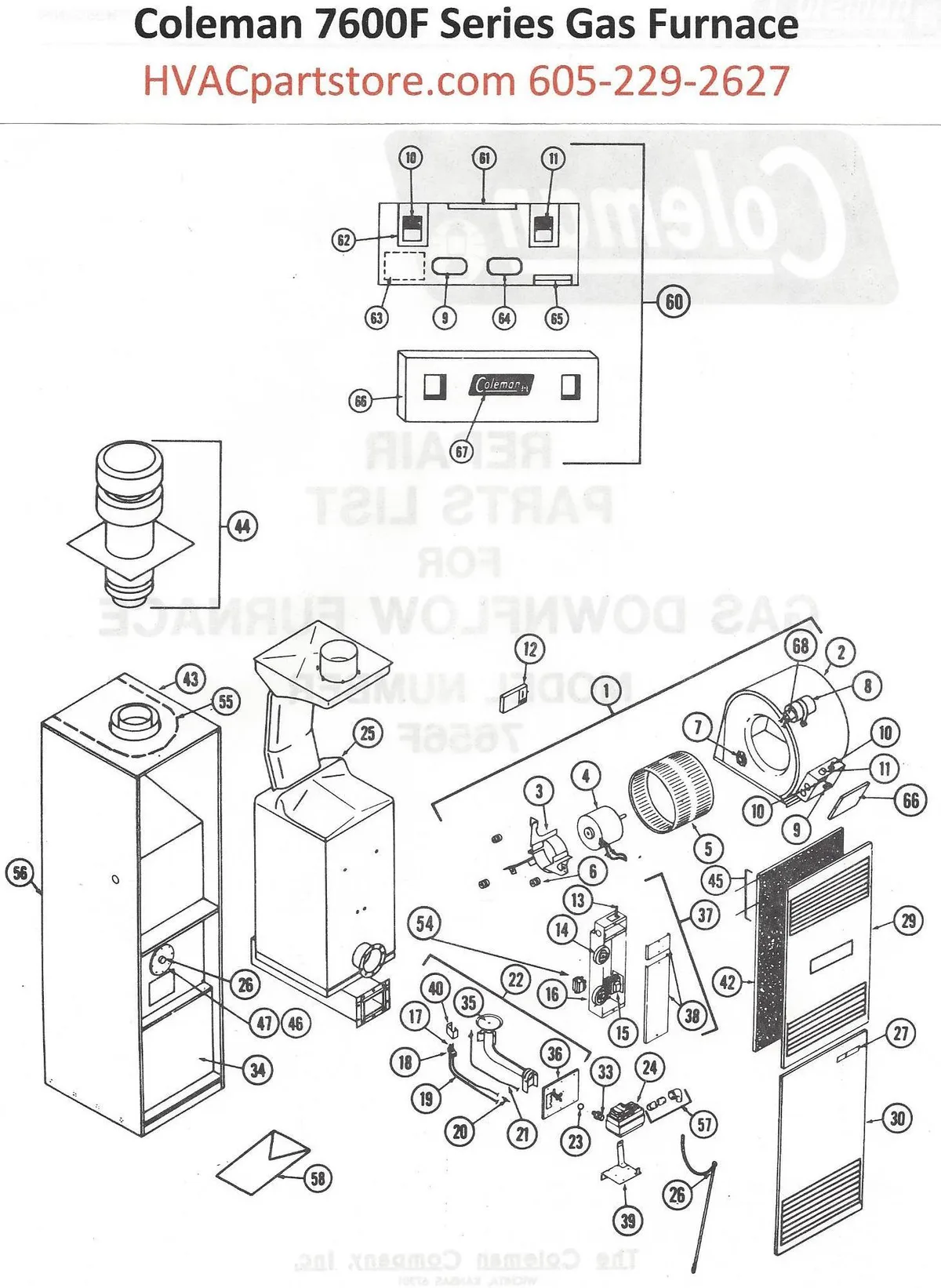
Image source: Bing (Web (fair-use with source credit))
Ignition Problems: When You Have Gas But No Flame
Okay, so the furnace has power, the thermostat is calling, you can hear the inducer motor spinning, but there's no flame. This is one of the most common failure scenarios, and it usually comes down to one of three components.
First, check the igniter. Guardian furnaces use a hot-surface igniter. It's a small ceramic finger that sticks into the burner assembly. When the control board sends power to it, it glows bright orange, essentially like a light bulb.
This component is fragile. It's made of silicon carbide or silicon nitride, and it gets red-hot hundreds of times a season. Eventually, it fatigues and cracks or just burns open.
To check it, remove the burner access panel. Power down the furnace first at the breaker or the disconnect switch. Let it cool completely.
Visually inspect the igniter for cracks, chips, or obvious burn marks. If something looks off, replace it. They're relatively cheap, usually $40 to $80 depending on the model, and they're honestly one of the most common wear items on any furnace.
If the igniter is fine and glowing when the furnace tries to start, move to the gas valve. When the control board sends the signal, you should be able to hear a soft "click" or "swoosh" when the gas opens. If you hear nothing, the valve may be failing, or you're not getting gas to the furnace at all.
The number one culprit in this category is the flame sensor. And here's the thing: a dirty flame sensor causes a very specific set of symptoms. The furnace fires up, runs for about 10 to 15 seconds, then shuts down completely. It will try again, fire up, run briefly, and shut down again.
This pattern is almost always the flame sensor.
The flame sensor is a small metal rod, usually in the burner assembly near the igniter. It does exactly what it sounds like. It detects the flame.
When combustion happens, the flame creates a tiny electrical current that the sensor reads. If that sensor is covered in carbon or soot, it can't read the flame properly, and the control board decides to shut things down as a safety measure.
Here's how to fix it:
- Power down the furnace
- Locate the flame sensor rod near the burner assembly
- Remove the one screw or bolt holding it in place
- Gently pull it out, it should have a single wire connected
- Get a piece of dollar bill or fine emery cloth
- Gently wipe the metal rod to remove carbon buildup
- Silky smooth is what you're after, not scratched
- Reinstall and reassemble everything
- Restore power and run the heat
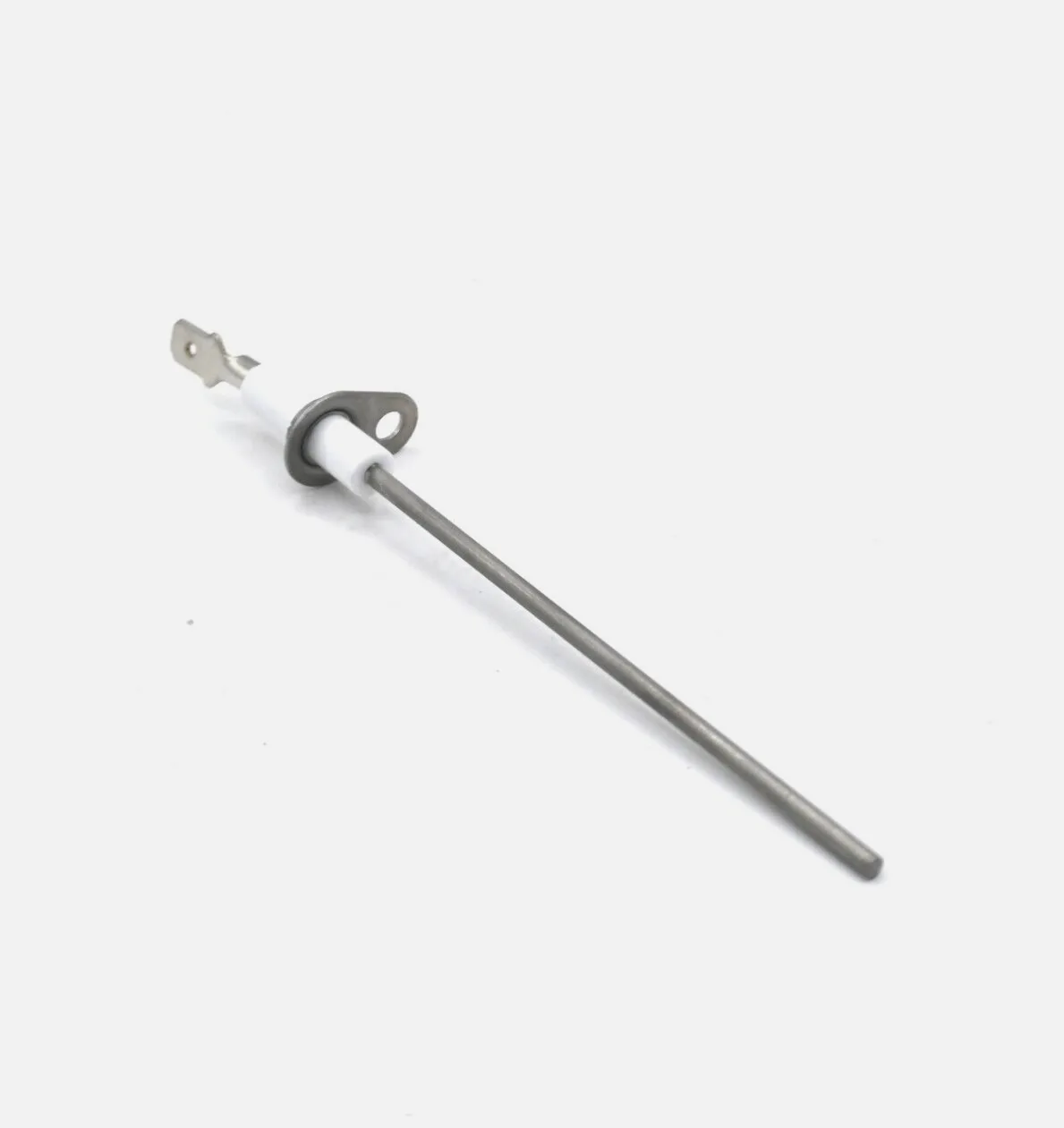
Image source: Bing (Web (fair-use with source credit))
This is genuinely the most common "failed" component we see. It rarely actually fails. It just gets dirty.
And because it's a safety component, the furnace is designed to shut down rather than run with a weak signal. Cleaning it takes five minutes and costs you nothing.
But here's the thing you need to pay attention to: if you clean the flame sensor and the furnace runs fine, great. But if the sensor becomes dirty again within a short period, that points to a different problem. It means combustion isn't clean.
That can indicate a gas pressure issue or poor air mixture. Before you assume you've fixed it permanently, run the furnace and watch how the flame behaves.
A healthy flame is blue with a clear base. If you see yellow tips, orange, or a wobbly-looking flame, that's a combustion problem that needs professional attention. It suggests incomplete combustion, which produces carbon monoxide. We'll talk more about that safety issue shortly.
Short Cycling and Overheating: Why Your Furnace Keeps Shutting Off
If your furnace kicks on, runs for a bit, and then clicks off before reaching the thermostat setting, that's called short cycling. It's annoying, it's hard on the equipment, and it usually means the safety systems are doing their job. Something is triggering a limit switch.
The limit switch is a safety device that monitors the temperature inside the furnace's heat exchanger. If things get too hot, it opens the circuit and kills the burners. This prevents the furnace from melting itself down.
When it opens, you lose heat, and when it cools down, it closes and tries again. Hence the cycling.
The most common reason a limit switch trips is a dirty air filter. Seriously. A clogged filter restricts airflow through the system. Less airflow means the heat exchanger can't shed its heat properly.
The temperature inside climbs, and the limit switch says, "Nope, we're done."
If you've short cycled, this is your absolute first check:
- Pull the filter out
- Hold it up to a light
- Can you see through it?
- If not, replace it immediately
While you're at it, check the return vents in your home. Are they blocked by furniture, rugs, or curtains? If you've been living with a couch pushed against the return vent, airflow is compromised.
Move it. That alone might solve your issue.
The supply registers matter too. Every room in the house should have at least one register open. Shutting off registers to unused rooms restricts airflow and creates backpressure.
It makes the system work harder than it should.
If your filter is clean and your vents are open, look at the blower. The blower motor moves the air. If the motor is running but moving less air than it should, the capacitor might be weakening or the motor itself is failing. You can test the capacitor with a multimeter if you're comfortable doing that.
Otherwise, listen to the blower. Is it spinning at full speed or does it sound sluggish?
The other culprit here is the inducer motor's pressure switch. This is a small round device with a rubber hose going to it. It senses the negative pressure created by the inducer motor.
The hose can get clogged with condensation or debris, or the diaphragm inside the switch can weaken or fail. If the pressure switch doesn't confirm airflow, the furnace won't fire or will cut out.
If the flame rollout limit switch trips, that's a separate, more serious issue. That's the safety device we mentioned earlier. On Guardian furnaces, the rollout limit switch is a small disc usually mounted on the burner box.
If you hear a "click" when it resets and the furnace starts working again after restarting, that's a warning sign.
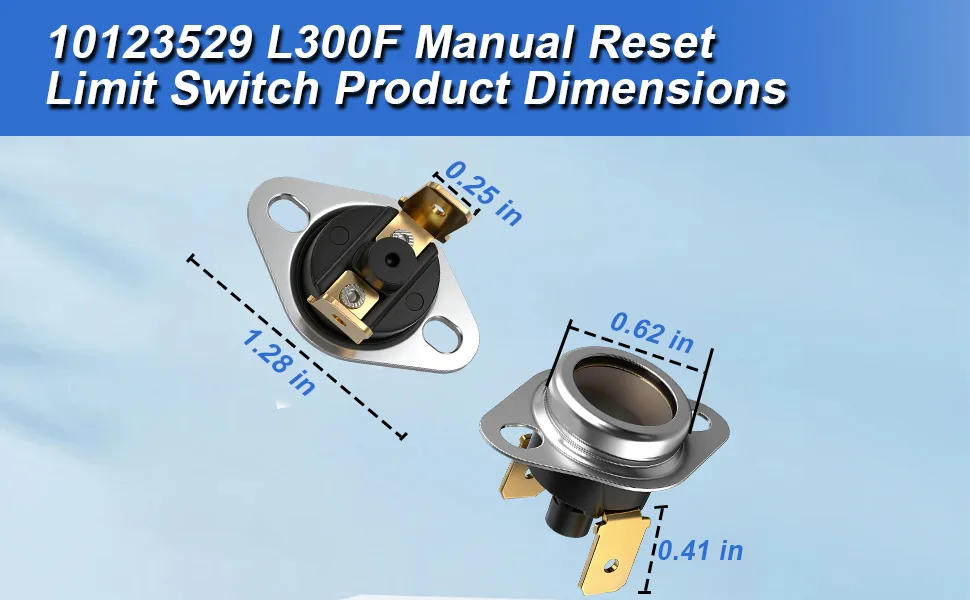
Image source: Bing (Web (fair-use with source credit))
A rollout switch that trips repeatedly means combustion gases are rolling back into the burner chamber instead of going up the flue. That's a hazardous condition. It can indicate a cracked heat exchanger, a blocked flue, or a bad inducer motor. This is not a DIY repair.
If you're resetting a rollout limit switch more than once, you need a professional, period.
Here's a quick decision guide for the cycling issue:
| Symptom | Likely Cause | DIY or Professional |
|---|---|---|
| Runs 5 min, then cuts out | Dirty filter, blocked vents | DIY, easy fix |
| Runs 15 seconds, then cuts out | Dirty flame sensor | DIY, clean it |
| Runs 3-5 min, blower slows before cutoff | Failing blower capacitor | Professional |
| Runs 2-3 min, discharges hot air then dies | Tripped limit switch | Check filter, then pro |
| Hot purge, rollout switch tripping | Blocked flue or cracked heat exchanger | STOP, professional immediately |
If the furnace reaches temperature and shuts off, then comes back on after a few minutes, that's normal. That's not short cycling. That's your furnace doing its job.
The thermostat is satisfied, the furnace shuts down, and when the temperature drops a bit, it fires back up. Short cycling is the rapid on-off-on-off pattern that never seems to get comfortable.

Similar Posts