How to Turn Off Mirrorless Camera Flash
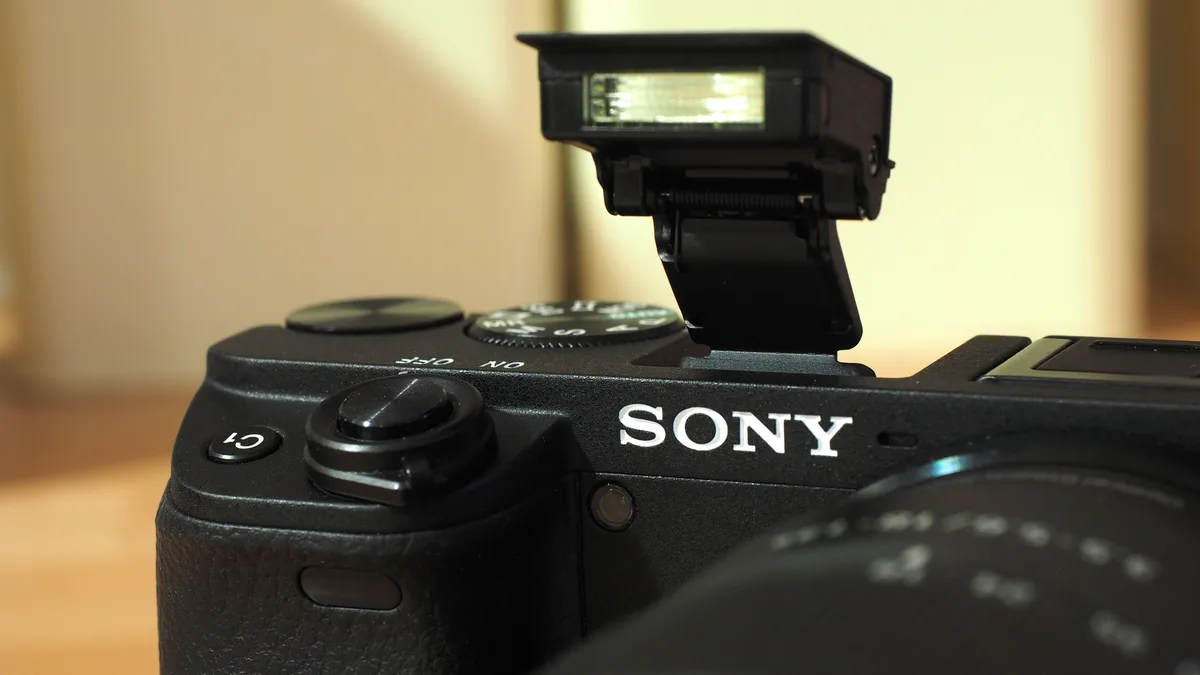
Struggling with how to turn off mirrorless camera flash right when you need it to stay dark? You are not alone. The flash popping up at the worst moment is one of the most common frustrations for new mirrorless users.
The good news is that the fix is usually simple once you know which button or menu option controls it.
Per CIPA standards, the majority of models from Sony, Canon, Nikon, and Fujifilm offer a dedicated button, a physical lever, or a menu path as of 2026. If you are just getting started with your mirrorless camera, understanding these controls is essential. Let us walk through each method so you never get caught off guard again.
Why Your Flash Keeps Popping Up (and Why It's So Annoying)
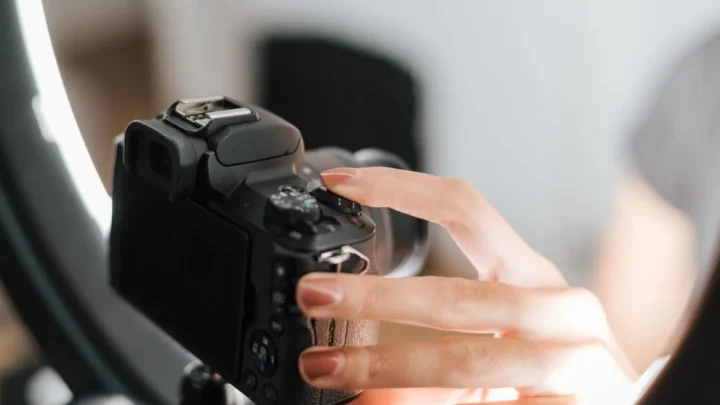
Image source: Web (Bing) / digitalcameraworld.com (Web image (fair-use with source credit))
Your camera's metering system thinks it needs more light. That is the short answer. In full Auto mode or scene modes like Portrait and Night, the camera decides for you.
It pops the flash up automatically. This is by design, but it is not always what you want.
Maybe you are shooting in a museum. Or at a wedding ceremony. Or you just prefer the look of natural light.
The flash ruins the mood. It creates harsh shadows and washed-out skin tones. Aggregate reviews of mirrorless cameras show that this is the number one complaint from beginners.
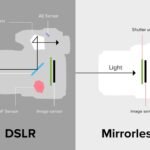
The process for DSLR cameras is similar but not identical. Mirrorless cameras have a shorter flange distance and different flash control menus. Some models, like the Sony A7 series, have a dedicated flash button.
Others, like the Fujifilm X-T5, bury the option in the menu. Knowing your camera's layout is half the battle.
Turning off the flash also helps with improving overall battery performance. The flash capacitor draws significant power every time it fires or recycles. Keeping it disabled saves that energy for shooting.
The problem is compounded by the fact that many new users do not know where to look. They press buttons at random. They get frustrated.
But the solution is usually one simple step away.
According to Sony's official support documentation, the flash button is the primary control for toggling flash on and off. That applies to most mirrorless brands.
The Short Version: Three Ways to Kill the Flash
Press the flash button on the camera body. Pop it down manually to disable it. Dive into the shooting menu and select Flash Off.
For external flash, use its power switch. That is the quick answer.
But let us break that down. The flash button is usually on the side of the pop-up assembly. A small lightning bolt icon marks it.
Pressing it pops the flash up. Pressing it again does not always turn it off. You have to push the flash down manually.
The menu path varies by brand. Sony places it under the shooting menu. Canon hides it under the flash control submenu.
Nikon calls it Flash mode and you select Off. Fujifilm puts it in the flash settings menu. If you are troubleshooting common camera issues, this is often the first place to look.
External flashes have their own power switch. Look for a small On/Off switch on the side. Some require a long press to power down.
Others have a physical slide switch. The hotshoe contacts can also trigger the flash if the camera is set to commander mode. Disable that in the menu.
Wireless flash systems often need to be turned off both at the trigger and the receiver. Check your camera's wireless flash settings and set them to Off. This ensures no slave flash fires unexpectedly.
These three methods cover nearly every mirrorless camera on the market. You do not need to memorize complex menus. Just pick the method that fits your camera.
Why the Flash Behaves Differently in Each Mode
Your camera's mode dial is the boss. In Auto mode, the camera makes all the decisions. That includes whether to pop the flash.
In Program mode, it is similar but you have more control. In Aperture Priority and Shutter Priority, the flash stays off until you press the button.
Manual mode gives you full control. The flash will not pop up unless you ask it to. This is why many photographers shoot in manual mode.
They want to control every aspect of the exposure. Understanding your camera's exposure settings goes hand in hand with flash control.
Scene modes like Portrait, Landscape, and Sports have their own flash rules. Portrait mode often enables fill flash. Landscape mode usually disables it.
Sports mode tries to freeze motion with or without flash. Knowing which mode you are in helps predict the flash behavior.
The camera's metering system evaluates the light in the scene. If it detects low light, it assumes you need flash. This is especially true in Auto mode.
You can override this by switching to a semi-automatic mode. Aperture Priority and Shutter Priority let you control the exposure while still giving you access to flash control. You can disable the flash in the menu and it will stay off.
This is a good middle ground for beginners. The key is to take control away from the fully automatic modes. Once you do, the flash stops surprising you.
Step-by-Step: How to Turn Off the Flash (No Matter What You're Shooting)
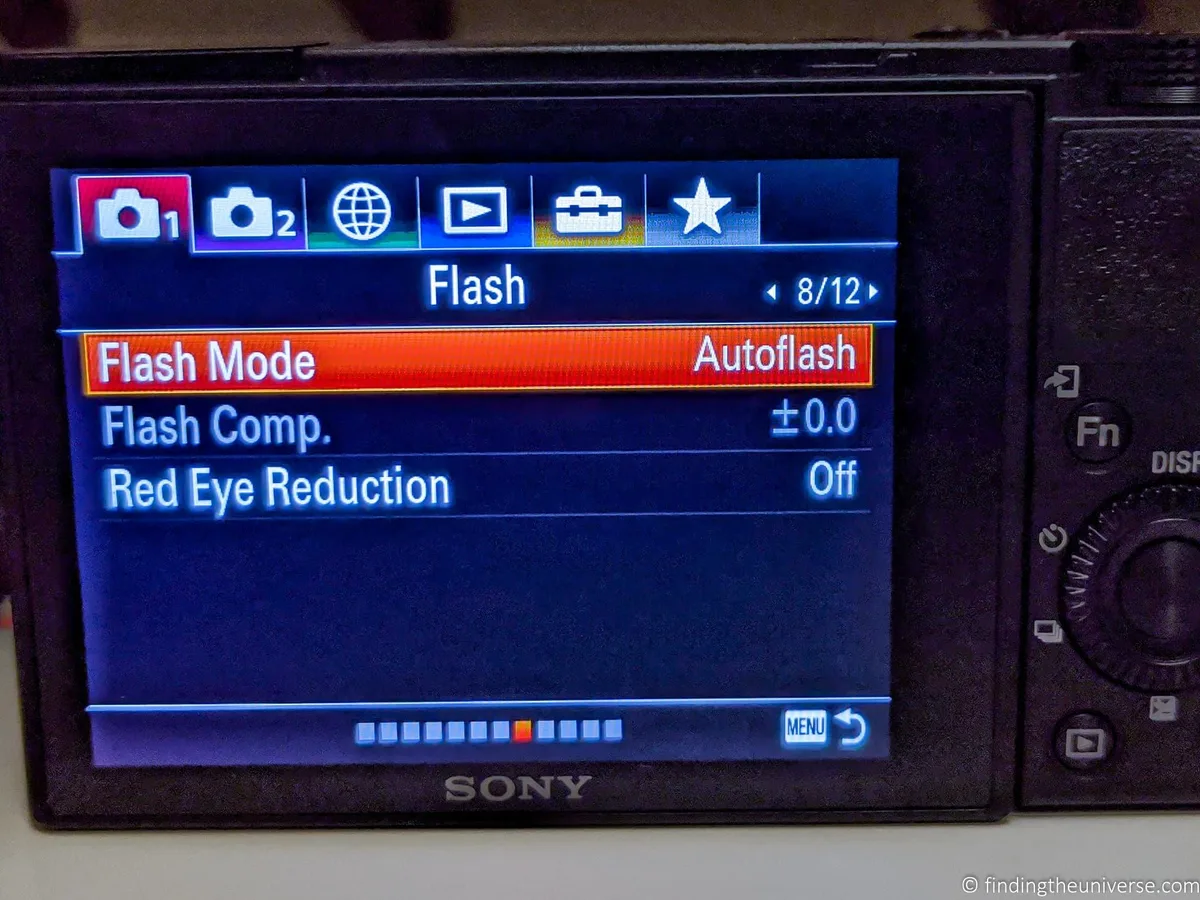
Image source: Web (Bing) / findingtheuniverse.com (Web image (fair-use with source credit))
Let us start with the most common scenario. You have a built-in pop-up flash. If it is already up, push it down gently.
It clicks into place. If it is down but you want to make sure it stays down, switch your camera to Manual mode. The flash will not pop up automatically.
For Sony users: press the flash button on the left side of the camera. Then push the flash down. That is it.
For Canon users: go to the menu. Look for Flash control and select Flash firing. Set it to Disabled.
For Nikon users: go to the shooting menu. Select Flash mode and choose Off.
For Fujifilm users: press the Menu button. Go to the flash settings submenu. Select Flash mode and choose Off.
For Panasonic and OM System users: the menu path is similar. Look for Flash in the shooting menu.
If you are using an external flash on the hotshoe, check the flash unit itself. Most have a power switch. Turn it off.
If you want to keep the flash attached but disabled, go to the camera menu and set External flash to Off. Some cameras also have a hotshoe cover that prevents electrical contact.
For wireless flash, disable the triggering system. Go to the camera menu and find Wireless flash or Commander mode. Set it to Off.
Then turn off the receiver on the flash unit itself. This also helps with extending battery life and reducing unnecessary wear on the flash mechanism. Test the setting by half-pressing the shutter.
The flash should not pop up. If it does, repeat the steps carefully.
Common Mistakes That Will Keep the Flash Firing
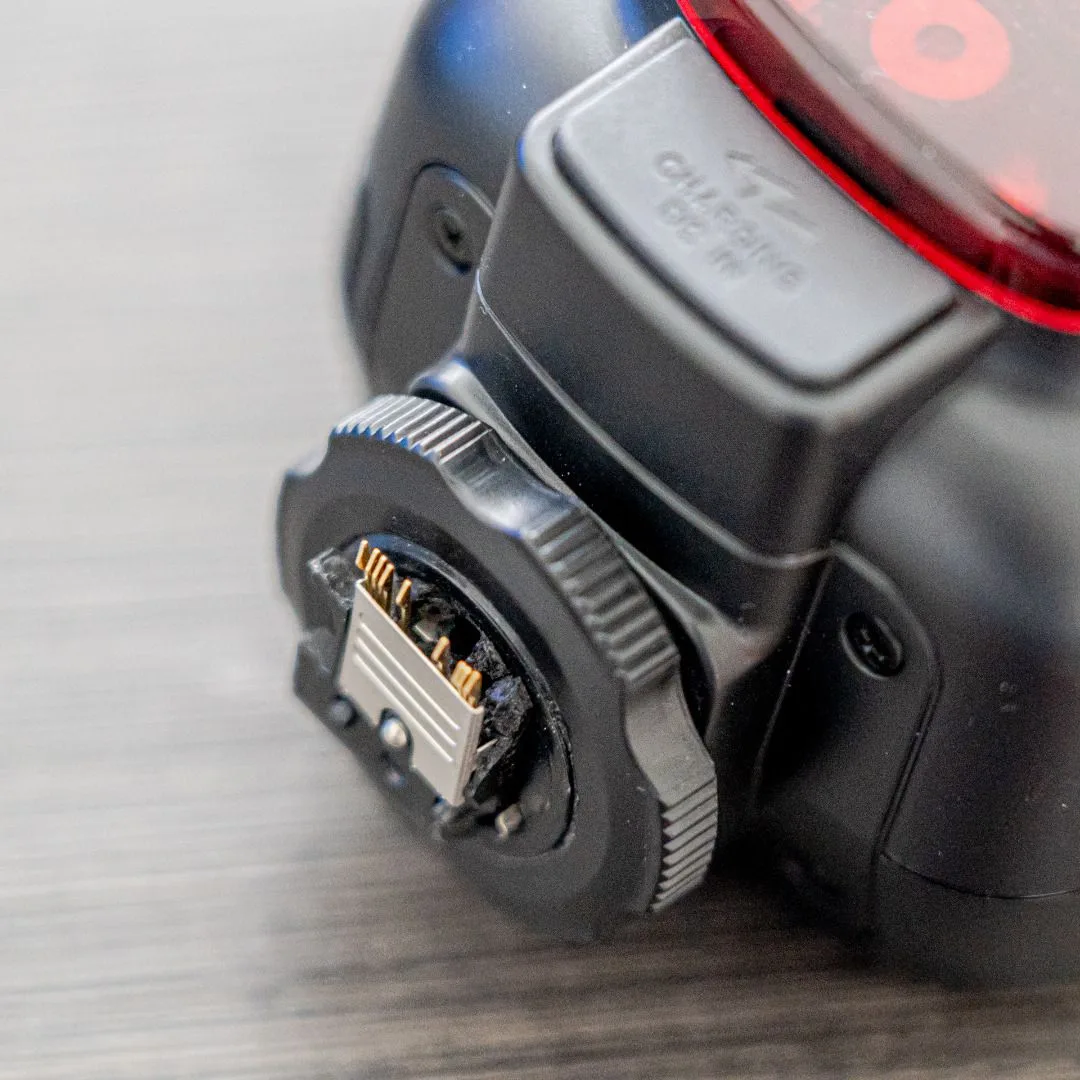
Image source: Web (Bing) / carousell.sg (Web image (fair-use with source credit))
The most common mistake is not changing the camera mode. You are in Auto mode. You push the flash down.
It pops right back up. The camera thinks it needs light. You have to switch to Manual, Aperture Priority, or Shutter Priority to stop this behavior.
Another mistake is pressing the flash button instead of pushing the flash down. The flash button pops the flash up. It does not turn it off.
You have to physically push the flash down. And if you are in Auto mode, it will just pop up again.
For external flash users, the biggest mistake is forgetting the flash has its own power switch. You set the camera menu to disable flash. But the flash unit is still on.
It fires when the camera tells it to. Turn the flash unit off at the source.
Some users also forget to check the wireless flash settings. They disable the built-in flash but the wireless trigger is still active. The external flash fires as a slave.
Go into the menu and disable wireless flash completely.
Red-eye reduction mode often fires a pre-flash. This is not the main flash, but it can be annoying. Disable red-eye reduction in the menu to avoid this.
Some cameras come with a hotshoe cover. Using it can prevent accidental flash triggering from the contacts. If you are still having trouble, a comprehensive troubleshooting guide can help identify other issues.
When You Should Definitely Turn Off the Flash
There are specific situations where leaving the flash on is a liability. Museums and art galleries almost always prohibit flash photography. The light damages sensitive pigments and textiles.
Flip the flash off before you walk in the door.
Weddings and ceremonies are another big one. The flash distracts the couple and the officiant. It creates harsh shadows on white dresses.
Natural light shots look far more elegant. If you are shooting portraits, understanding how to control your exposure is more important than relying on flash.
Concerts and theaters have strict no-flash policies. The performers are working under specific lighting. A sudden flash ruins the mood and can be dangerous for performers with epilepsy.
Turn it off before the show starts.
Wildlife photography also benefits from no flash. The bright light startles animals. It can scare them away or cause them to behave unnaturally.
If you are shooting landscapes, the flash is useless anyway. The range of a pop-up flash is only about 10 to 15 feet. It does not illuminate distant subjects.
Children and pets are another category. Flash causes red-eye and can startle them. Natural light or a higher ISO gives you better results.
If you are shooting wildlife or fast-moving subjects, you want to avoid any delay from flash recycling.
Pro Tips for Never Getting Caught by the Flash Again
Set a custom button to toggle the flash. Many mirrorless cameras let you assign a function to a button. Map it to flash off.
This gives you instant access without digging through menus.
Switch to a semi-automatic mode as your default. Aperture Priority or Shutter Priority keeps the flash off until you want it. You still get control over the exposure.
The camera does not override your flash decision.
Keep a hotshoe cover in your bag. If you remove an external flash, put the cover on. It prevents the contacts from triggering the flash accidentally.
It also protects the hotshoe from dust and moisture.
Learn the menu path for your specific brand. Write it down if you have to. For Sony, it is the flash button.
For Canon, it is the Flash control submenu. For Nikon, it is the Flash mode menu. Memory fades.
A sticky note on the camera strap does not.
Check your camera's default flash behavior in each mode. Spend five minutes testing. Switch to Auto, then Program, then Aperture Priority.
See what the flash does in each. This saves you from surprises later. Improving your camera's battery life is another side benefit of keeping the flash off when you do not need it.
Frequently Asked Questions
Why does my flash keep popping up even after I turn it off?
You are likely in Full Auto or a scene mode. The camera controls the flash in those modes. Switch to Manual, Aperture Priority, or Shutter Priority.
Then disable the flash using the button or menu. The flash stays down.
How do I stop the flash from firing in Auto mode?
You cannot fully disable the flash in Auto mode. The camera decides when to use it. Switch to Program mode instead.
It gives you automatic exposure but manual flash control. Then set Flash to Off in the menu.
Can I permanently disable the flash on my mirrorless camera?
Not permanently. The flash always resets when you change modes or turn the camera off. You have to disable it each time you switch to a mode that enables it.
Some cameras let you save a custom mode with flash off.
Why won't my external flash turn off from the camera menu?
The external flash has its own power switch. The camera menu only controls whether the camera sends a signal. Turn the flash unit off at the switch.
If it is a wireless flash, disable the receiver as well.
What is the difference between turning off flash on a DSLR vs a mirrorless camera?
The process is similar. Both use a button, a lever, or a menu. Mirrorless cameras often have fewer physical buttons.
You may need to dig into the menu more often. The flash control menu is usually in the shooting menu on both types.

Similar Posts