Kia Soul Transmission Problems
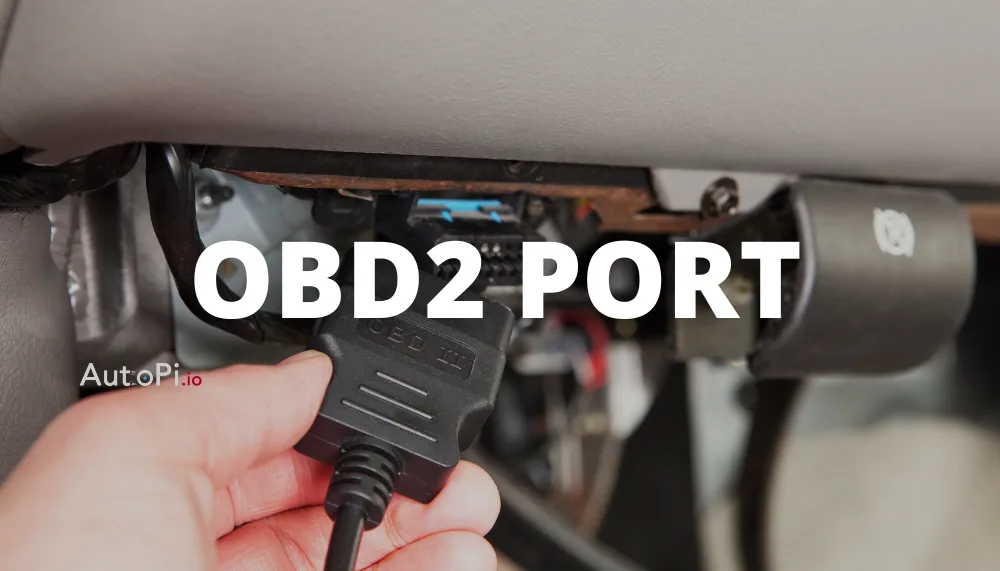
Image source: Bing (Web (fair-use with source credit))
If you're searching for "Kia Soul transmission problems," there's a good chance you've felt a shudder, a hard shift, or seen a check-engine light that won't go away. You're not imagining it, and you're not alone. These issues are common enough across certain model years that there's a predictable pattern to them.
The good news is that most of these problems are diagnosable, and many are fixable without a full transmission rebuild.
The Kia Soul has used three different transmission types since 2010, and each one fails differently. The 6-speed automatic in 2014, 2016 models is the most trouble-prone, with torque converter shudder being the headline complaint. Kia's powertrain warranty covers 10 years or 100,000 miles for the original owner, which matters more than you might think.
Let's walk through what's actually going on under your hood, starting with a quick symptom check.
Is This Your Problem? Quick Symptom Checker
Before you spend a dime on diagnostics, let's match your experience to known failure modes. Transmission problems don't all feel the same, and the fix depends entirely on what you're feeling and when.
Here's a fast self-assessment. Answer these questions honestly, and you'll have a strong idea of which branch of the decision tree you're on:
- Does your Soul shudder or vibrate at highway speeds, usually around 40, 50 mph?
- Do you feel a delay when shifting from Park into Drive or Reverse?
- Does the transmission "clunk" or "bang" when shifting between gears?
- Is your check-engine light on, and does the code read P0741?
- Have you noticed a burning smell coming from under the car?
- Does the transmission slip, meaning the engine revs but the car doesn't accelerate normally?
If you answered yes to the first question, you're likely dealing with a torque converter issue, specifically the lock-up clutch. That's the single most reported problem in the 2014, 2016 Soul with the 6-speed automatic. If you answered yes to the third or fourth question, you might have a solenoid or valve body problem.
If the burning smell is present, stop driving immediately. That's a sign of severely overheated fluid, which can destroy the transmission fast.
The table below gives you a quick glance at symptom-to-cause mapping. Use it as a starting point, not a final diagnosis.
| Symptom | Most Likely Cause | Severity |
|---|---|---|
| Shudder at 40–50 mph | Torque converter lock-up clutch | High, needs attention |
| Delayed engagement (P to D) | Low fluid or worn valve body | Medium to high |
| Hard or clunky shifts | Solenoid failure or hydraulic pressure issue | Medium |
| Burning smell | Overheated / degraded fluid | Critical, stop driving |
| Engine revs but no acceleration | Slipping clutch packs or bands | Critical, stop driving |
| Check-engine light with P0741 | Torque converter clutch circuit malfunction | High |
What you should do right now: check your transmission fluid level and condition, and get the code scanned at a parts store. Many stores do this for free, and it gives you a starting point. Don't ignore a shudder that happens every single drive.
It rarely gets better on its own.
Kia Soul Transmission Types by Model Year: What You're Actually Driving
Here's the thing about the Kia Soul: it's not one car with one transmission. Across model years, Kia used three completely different units, and each has its own quirks and failure modes. Knowing which one you have changes everything about diagnosis and repair.
2010–2013 Models: 6-Speed Automatic (A6MF2) and 6-Speed Manual
The first-generation Soul used a conventional 6-speed automatic built by Hyundai-Kia, internally designated A6MF2. This one has a torque converter with a lock-up clutch, and it's known for being generally reliable if the fluid is changed regularly. The manual transmission is rarely a problem source, but the clutch can wear out around 100,000 miles, which is normal wear, not a defect.
Early models have fewer transmission complaints than the next generation.
2014–2016 Models: 6-Speed Automatic (A6MF2) — The Problem Years
This is the generation that gives "Kia Soul transmission problems" its reputation. The 2014, 2016 Soul uses the same A6MF2 automatic, but it's paired with a 1.6-liter or 2.0-liter engine in a lighter, more powerful configuration. The torque converter's lock-up clutch is the weak point.
It fails to engage fully, causing shudder, vibration, and eventual overheating. The official trouble code is P0741, which indicates a torque converter clutch circuit malfunction. See that code before assuming the worst.
2017–2019 Models: 6-Speed Automatic and Early IVT Intro
In 2017, Kia slightly revised the automatic, improving the torque converter internals. Owner reports suggest fewer shudder complaints for these years, but they're not perfect. Delayed engagement and hard shifts still pop up, usually tied to solenoid wear or low fluid levels.
Late 2019 introduced the Intelligent Variable Transmission (IVT) on some trims, which is a CVT-style gearbox. This one has its own issues, mostly related to belt wear and harsh engagement, but early data is limited.
2020+ Models: IVT (CVT) and 7-Speed DCT
The modern Soul mostly uses the IVT, which is Kia's continuously variable transmission. These are smooth when new, but they're sensitive to fluid condition and driving habits. There's also a 7-speed dual-clutch transmission (DCT) in some sportier trims, and that one can suffer from clutch shudder during low-speed city driving.
The DCT is a dry-clutch design, meaning no fluid bath for the clutches, and they can wear faster in stop-and-go traffic.
How do you know which one you have? Check your window sticker, the owner's manual, or the transmission pan shape. A CVT has a distinctive high and narrow oil pan, while a conventional automatic is wider and flatter.
If you still can't tell, the VIN will tell a dealer exactly what's under the car.
The 5 Most Common Kia Soul Transmission Problems (and Which Years They Hit)
Let's be direct about what fails and when. You want specifics, not vague warnings. These are the five problems that show up again and again in owner forums, complaint databases, and aggregate review sites.
1. Torque Converter Shudder (2014–2016)
This is the big one. It shows up as a vibration or shudder when you're cruising at steady speed, usually between 40 and 50 mph, and it feels like driving over a rumble strip. The torque converter is supposed to lock up for fuel economy, but the clutch plate drags instead of engaging cleanly.
That friction creates heat and vibration. Left unchecked, it can destroy the transmission. The fix is either a torque converter replacement or, if caught early, a fluid flush with the updated fluid spec.
Kia released a Technical Service Bulletin (TSB) recommending a specific fluid change procedure for this exact issue.
2. P0741 — Torque Converter Clutch Circuit Malfunction
This is the code that goes hand-in-hand with the shudder. When the computer detects that the torque converter isn't locking up as commanded, it sets P0741. That's a hard fault, and it triggers the check-engine light.
A diagnosis ranges from low fluid to a failed solenoid or a completely worn clutch. You can't fix this with a scan tool reset. The underlying mechanical issue has to be addressed.
3. Hard Shifts and Delayed Engagement (2010–2016)
If your Soul thunks into gear or waits a second before moving after you shift into Drive, you're looking at a hydraulic pressure problem. The transmission uses pressurized fluid to engage clutches, and low pressure causes lazy or jarring shifts. Common culprits include a worn valve body, sticky solenoids, or simply old, thinning fluid.
Solenoid replacement is a relatively straightforward job; valve body work is more involved.
4. CVT Belt Wear (2020+ IVT)
Newer Souls with the IVT don't have the old torque converter problem, but they have a new one. The CVT uses a steel push-belt running between two pulleys. If the fluid gets old or contaminated, the belt slips and wears.
Symptoms include a high-pitched whine, hesitation during acceleration, and a slight hesitation when pulling away from a stop. Fluid changes are essential here. Kia has extended IVT fluid change intervals under certain conditions, but many mechanics recommend changing it at 60,000 miles regardless of the official schedule.
5. DCT Clutch Shudder (2020+ 7-Speed)
If you have a 1.6-liter turbo with the 7-speed dual-clutch, you might feel a shudder or shaking during slow, low-speed maneuvers, like creeping in traffic or parking lots. That's the dry clutch engaging and disengaging multiple times, generating heat and chatter. It's a characteristic of the design, but excessive shudder indicates clutch wear.
Kia has issued software updates that smooth out the engagement logic, but physical replacement is required if the clutches are worn.
Let's put this in a quick reference table so you can see the pattern.
| Problem | Affected Years | Core Cause | Typical Fix |
|---|---|---|---|
| Torque converter shudder | 2014–2016 | Lock-up clutch drag | Fluid flush (early) or converter replacement |
| P0741 code | 2014–2016 | Converter clutch failure | Solenoid test, then converter swap |
| Hard shifts / delayed engagement | 2010–2016 | Low pressure, worn solenoids | Fluid change, solenoid replacement |
| CVT belt wear | 2020+ | Old or contaminated fluid | Fluid flush, possible belt replacement |
| DCT clutch shudder | 2020+ | Dry clutch heat / wear | Software update, then clutch replacement |
Diagnostic Decision Tree: What Your Transmission Is Telling You

Image source: Web (Bing) / free-photo.net (Web image (fair-use with source credit))
Now we get to the practical part. You have symptoms. You need answers.
Work through this decision tree honestly, and you'll narrow down the issue to a specific failure mode and the right next step.
Branch 1: Shudder or vibration at cruising speed
First, check the engine and transmission mounts. Worn mounts can mimic a shudder, especially under load. If the mounts are fine, move to the fluid.
Pull the dipstick and check the color. Healthy fluid is red and translucent. Brown or dark fluid with a burnt smell means the transmission has been overheating.
If the fluid looks okay and the shudder is mild, try a fluid exchange with the OEM-spec fluid. If the shudder persists after a proper flush, the torque converter is the suspect. Stop there and get a professional diagnosis.
Branch 2: Check-engine light with code P0741
Do not reset the code and hope it goes away. That code specifically means the torque converter clutch circuit is malfunctioning. First, verify the fluid level.
Low fluid alone can trigger this because the converter can't build enough pressure. If the fluid is full and the code comes back, test the solenoid resistance with a multimeter or have a shop do it. A failed solenoid is a cheap fix, around $200 to $400.
A passing solenoid points to internal mechanical failure, meaning a torque converter or transmission replacement.
Branch 3: Delayed engagement or hard shifts
Start with the fluid level and condition. Low fluid causes delayed engagement because the pump can't pressurize the clutches quickly. Add fluid if needed, but if the fluid is dark or smells burnt, a top-off won't fix it.
The fluid is degraded and needs a flush. If the shifts are still aggressive after a flush, test the solenoids. A stuck open or closed solenoid disrupts the hydraulic pressure.
Replacing the solenoid pack is a moderately involved job, usually $500 to $800 at a shop.
Branch 4: High-pitched whine or hesitation (2020+ IVT)
The IVT whines a little when accelerating hard, that's normal. What's not normal is a loud, constant whine at cruising speed, or hesitation that feels like the engine is bogging. Check the fluid first.
A CVT is extremely sensitive to fluid level and condition. If the fluid is low, top it off and see if the whine fades. If the fluid is burned, you're looking at belt wear.
A flush might help in early stages, but if the whine persists, the belt is likely damaged and the transmission needs major work.
Branch 5: Shudder during low-speed city driving (2020+ DCT)
This one is a double-edged sword. Some DCT shudder is normal behavior, especially when the transmission is cold. Drive the car for 20 minutes and see if it smooths out.
If it still shudders when warm, check for software updates. Kia has released several TCM updates that change the clutch engagement logic. If the software is current and the shudder is still bad, the clutches are probably worn.
That's a replacement job, and it's not cheap.
DIY Checks You Can Do Before Spending Any Money
You don't need a lift or a full tool kit to start diagnosing your Soul. There are a few checks you can do in your driveway, with just a few basic tools, before you hand the car over to a shop. These will save you time and possibly a few hundred dollars in needless diagnostics.
Check the Transmission Fluid Level and Condition
This is step one, always. A low fluid level causes a surprising number of shifting problems, and it's the cheapest fix in this entire article. Park the car on level ground, start the engine, and let it reach operating temperature.
Shift through all the gears, pause for three seconds in each, then put it back in Park. With the engine still running, pull the transmission dipstick. Wipe it clean, reinsert it, and pull it again.
The fluid should be between the "Cold" and "Hot" marks, closer to the "Hot" mark if the engine is warm.
The color tells a story. Bright red fluid is healthy. Dark brown or black fluid with a burnt smell is a red flag.
That means the clutches have been slipping and overheating the fluid. If you see dark fluid, don't drive the car like normal. A flush might save it, but continued driving will cause more wear.
If the fluid looks like a milkshake, that's coolant mixing with the transmission fluid through a failed radiator cooler, that's serious and needs immediate repair.
Scan the Codes Yourself
Any OBD2 scanner, even a cheap one, will read transmission codes. Plug it into the port under the dash, turn the key to the "On" position without starting the engine, and read the codes. The most relevant ones for Kia Soul transmission problems are P0741 (torque converter clutch circuit), P0731 through P0736 (incorrect gear ratio), and P0700 (generic transmission control system fault).
A code gives you a direction, but it's not a diagnosis by itself. The same code can have multiple causes.
Listen for Abnormal Noises
Drive the car around the block with the windows down and the radio off. Pay attention to whines, clunks, or buzzing sounds that change with speed. A whine that gets louder with acceleration often points to a worn input shaft bearing or low fluid.
A clunk when shifting suggests worn U-joints or a loose transmission mount, not necessarily a transmission problem. A metallic grinding noise when in gear is serious and should be investigated immediately.
Test the Mounts and Shifter Linkage
A worn transmission mount can cause a shudder that feels like a transmission fault. Have a helper shift between Park and Reverse while you watch the engine. If it rocks violently, the mounts need attention.
Similarly, if you have a cable-driven shifter (which the Soul does), check that the cable is adjusted properly. A misadjusted cable can cause delayed engagement that has nothing to do with the transmission internals. That's a free fix you can do in five minutes.
Do a Simple Solenoid Test (If You Have a Multimeter)
This is a bit more advanced, but if you're comfortable under the car, you can test the shift solenoids on the transmission's valve body. You'll need to access the solenoid pack, which typically sits on the side of the transmission or under a cover. Unplug the connector and measure resistance between the pins.
Each solenoid should read between 10 and 20 ohms. An open circuit (no reading) means the solenoid is dead. This test is reliable and saves you from paying a shop for the same diagnosis.
Replacement Costs and Repair Reality Check
Let's talk money. Transmission repairs are expensive, but knowing what to expect keeps you from being taken advantage of at the counter. The table below gives you realistic ranges based on what shops actually charge and what owners report paying.
| Repair Type | Parts + Labor Range | What It Includes |
|---|---|---|
| Transmission fluid flush (6-speed auto) | $150 – $300 | Fluid, labor, sometimes a filter |
| IVT fluid change | $250 – $400 | Special CVT fluid, labor |
| Torque converter replacement | $1,200 – $2,200 | Converter, fluid, gaskets, labor |
| Solenoid pack replacement | $500 – $800 | Solenoids, fluid, pan drop, labor |
| Valve body replacement | $900 – $1,500 | Valve body assembly, fluid, labor |
| Used transmission full swap | $2,500 – $4,000 | Used unit, fluid, labor, cores |
| Remanufactured transmission swap | $3,500 – $5,500 | Reman unit, fluid, labor |
| IVT belt replacement | $2,000 – $3,500 | Belt, fluid, labor |
| DCT clutch replacement | $2,500 – $4,000 | Clutch kit, flywheel, labor |
What's worth fixing and what's not?
If your car has under 120,000 miles and the cost of repair is less than half the car's value, it's worth fixing. That's a general rule of thumb. A 2014 Soul in decent shape is worth around $6,000 to $8,000.
A torque converter replacement at $2,000 is a smart move. A remanufactured transmission at $4,500, though, might exceed the value of the car, and you'd be better off selling it as a mechanic's special and putting that money toward something else.
How to Prevent Kia Soul Transmission Problems Before They Start
Prevention beats repair every time, and for the Soul specifically, there are a few habits that will dramatically extend the life of your transmission.
Follow a Realistic Fluid Change Interval
Kia's official interval is often 60,000 miles for severe duty and 100,000 miles for normal use. Here's the thing: most driving qualifies as severe duty. Stop-and-go traffic, hills, hot climates, and city driving all count.
If you drive in any of those conditions, change your transmission fluid every 45,000 to 60,000 miles without exception. The fluid is cheap insurance compared to a $4,000 transmission replacement.
Warm Up the Transmission Before Hard Acceleration
On cold mornings, the transmission fluid is thick and hasn't reached optimal operating temperature. Give the car a minute to idle, and drive gently for the first five minutes. Avoid rapid acceleration until the temperature gauge moves off the bottom of the range.
This reduces stress on the torque converter, clutches, and valve body.
Don't Ride the Clutch in a DCT
If you have the 7-speed dual-clutch, stop creeping in traffic. The dry clutch wears every time it slips. When you're stuck in slow traffic, leave a larger gap and let the car move forward in short, deliberate bursts.
If you're stopped for more than 20 seconds, shift into Neutral. This gives the clutch a break and reduces heat buildup.
Use the Parking Brake on Inclines
When parked on a hill, set the parking brake before you shift into Park. This takes the load off the parking pawl inside the transmission. Over time, a stressed parking pawl can cause problems with engagement and shift quality.
It's a small habit that protects a part you never think about until it fails.
Avoid Towing Unless You Have the Right Transmission
The Kia Soul is not a tow vehicle. The owner's manual specifies a maximum towing capacity of about 2,000 pounds for most models, and that's only with the proper equipment. Towing anything heavier puts extreme stress on the transmission, especially the torque converter.
If you need to tow regularly, get a different vehicle.
Keep an Eye on Radiator Health
Coolant and transmission fluid can mix if the radiator's internal cooler fails. That's the "milkshake" fluid you found in the DIY section. This mixture destroys the friction material inside the transmission.
Replace your radiator and hoses according to the maintenance schedule, and check your coolant level periodically. A small loss of coolant without a visible leak is a warning sign.
When to Stop Driving and Call a Tow Truck
Your safety comes first. Some transmission symptoms mean you should stop driving immediately, period. Don't push your luck and turn a $500 fix into a $4,000 replacement.
Stop driving immediately if you notice:
- A burning smell from the transmission area
- No forward or reverse movement at all
- A complete loss of power or hesitation that feels like the engine is cutting out
- Grinding or metallic noises in all gears
- Fluid leaking onto the ground (especially red fluid under the front of the car)
In any of these cases, shut the engine off, put the car in Park, and call for a tow. The cost of a tow truck is about a hundred dollars. The cost of ignoring these symptoms is often the entire transmission.
Key Takeaways: What You Need to Remember
- Know your transmission type. The 2014, 2016 Soul automatic is the most problem-prone, and the IVT and DCT have their own separate issues.
- Check the fluid first. Low or burnt fluid causes many symptoms that look like major failures.
- Get the code scanned. Free code reading at a parts store gives you a direction before you spend money.
- The P0741 code is serious. It points to the torque converter clutch and won't fix itself.
- Prevention is cheaper than repair. Fluid changes at 45,000, 60,000 miles are the single best thing you can do.
- Know when to stop. Have the car towed if you see a burning smell, grinding noise, or complete loss of movement.
The Kia Soul is a solid, practical car with a few known weak points. If you stay ahead of the maintenance and address symptoms early, you can get 150,000 to 200,000 miles out of it without a major transmission failure. The key is to avoid driving through the early warning signs.
Your transmission isn't trying to fail on you. It's trying to tell you something. Pay attention.

Similar Posts