Power Pole Charge Problems
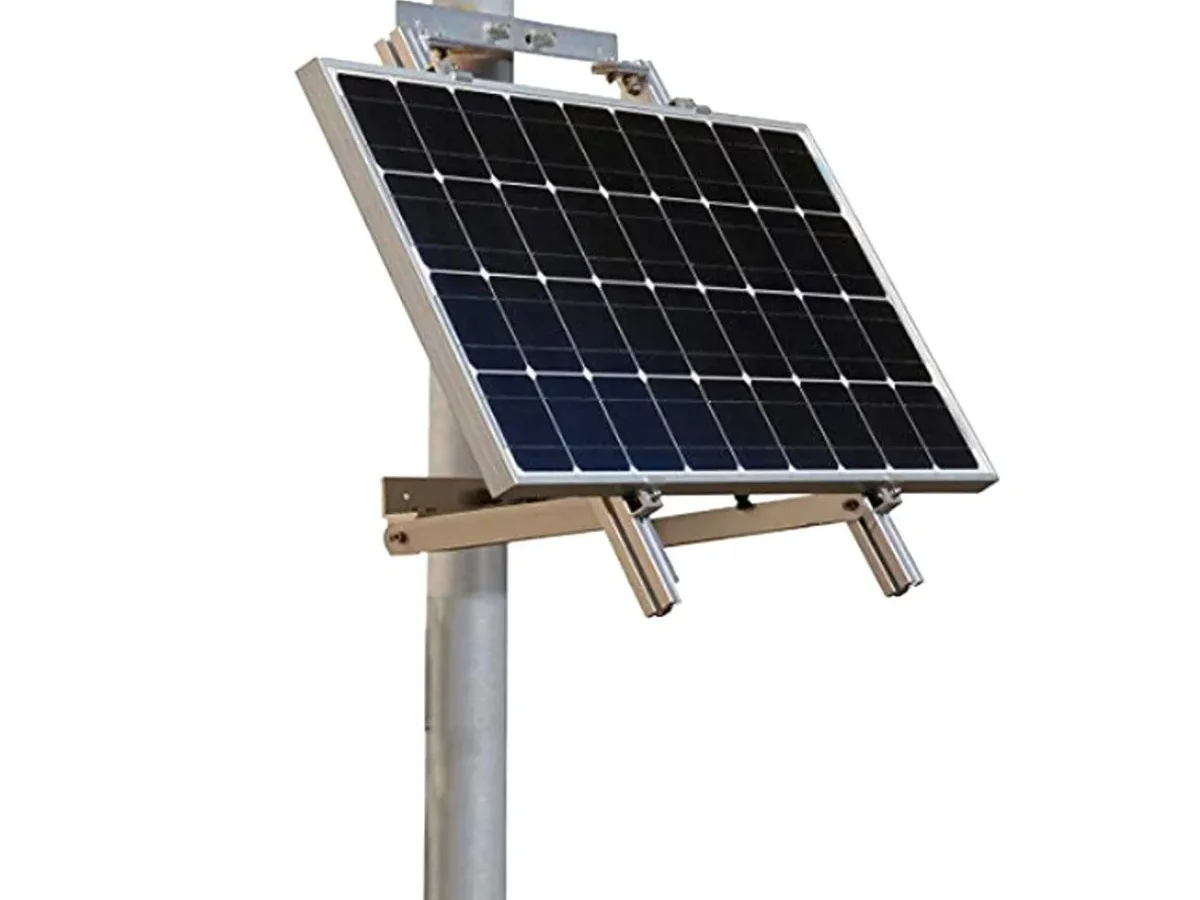
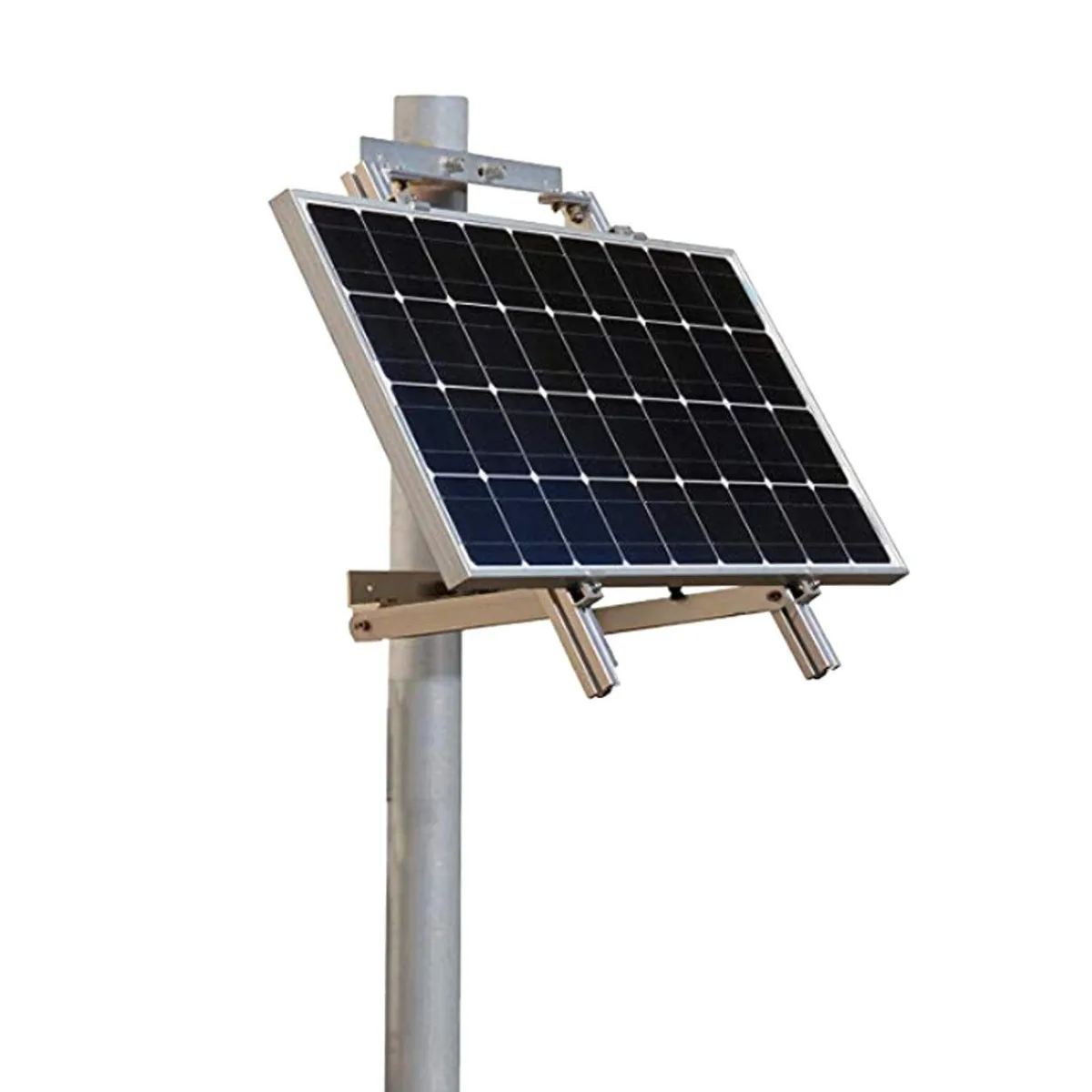
Image source: Bing (Web (fair-use with source credit))
Power pole charge problems are more common than most people think. If you've got a solar array or battery bank mounted on a utility pole, at some point you'll likely face a charging issue that leaves you scratching your head. The good news is that most of these problems follow a predictable pattern.
Once you understand what you're looking at, you can often fix it yourself without a pricey service call.
But here's the thing: while some issues are minor, others can be dangerous. Electricity doesn't care how handy you think you are. According to the National Electrical Code (NEC), any permanent wiring on a power pole must meet specific clearance and grounding standards, and as of the 2026 code cycle, rapid shutdown requirements on pole-mounted solar systems are stricter than ever.
That means diagnosing a charge problem isn't just about getting your batteries full. It's about doing it safely.
Let's walk through what actually goes wrong, how to pinpoint it, and when you're in over your head.
Why This Matters More Than You Think
You might be tempted to ignore a slow-charging battery bank or a charge controller that's throwing odd error codes. Don't. A power pole setup that isn't charging correctly will drain your battery bank, sure.
But that's honestly the best-case scenario. The scary version involves heat, expanding cells, and the kind of thermal runaway that starts fires. That's not hyperbole, it's chemistry.
When lithium batteries overcharge or undercharge repeatedly, they degrade and eventually fail, sometimes violently.
The cost of replacing a battery bank is another reason this matters. We're not talking about a few hundred bucks for a car battery. A decent 48-volt LFP (lithium iron phosphate) bank for a pole-mounted residential solar system can run anywhere from $3,000 to $8,000 depending on the amp-hour rating.
Let that sink in for a second. A simple wiring mistake or a failed charge controller can cook that investment in a single afternoon.
There's also the grid export angle, which a lot of people miss. If your power pole setup is connected to the grid for net metering, many utility companies as of 2026 require voltage and frequency regulation that meets IEEE 1547 standards. A charge problem that causes voltage spikes or frequency drift can kick you offline or, worse, send power back into a line that linemen think is dead.
That's how people get hurt. That's a real, documented safety risk.
How a Power Pole Charging System Actually Works
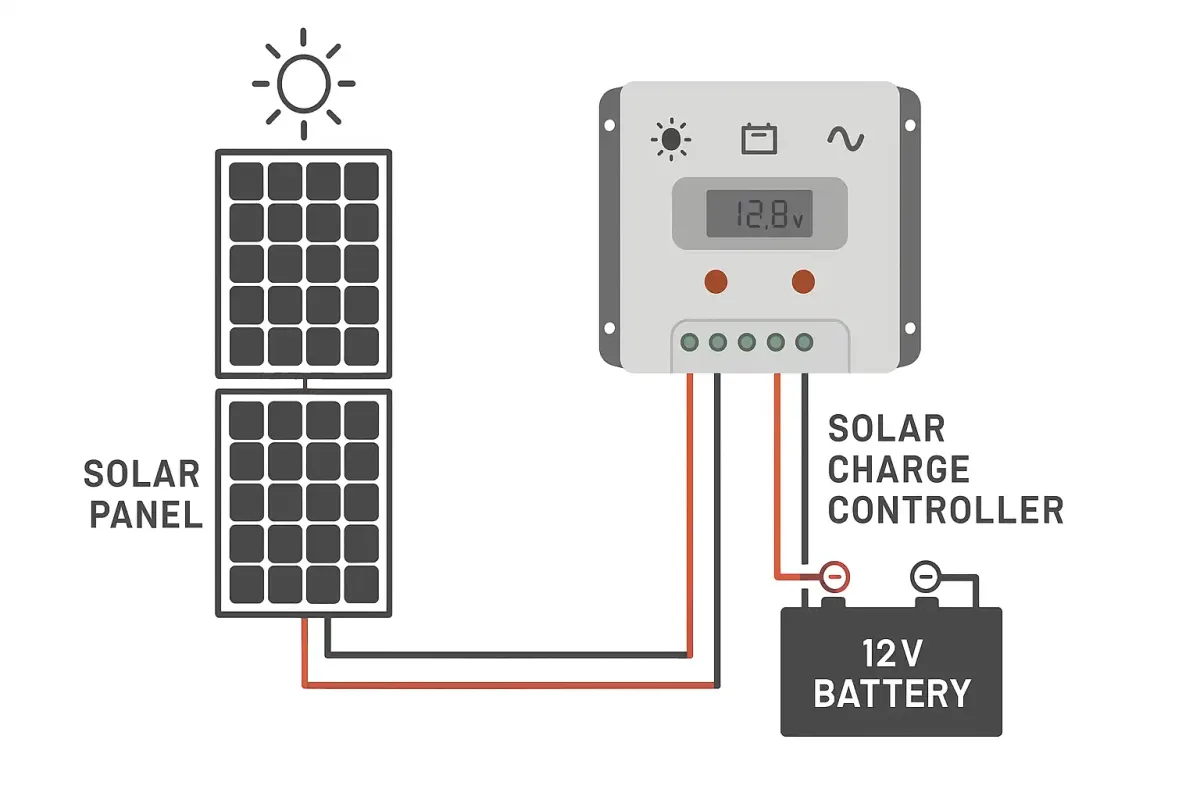
Image source: Bing (Web (fair-use with source credit))
Before you can troubleshoot a problem, you need to understand the chain of components involved. Think of it as a convoy: if one truck breaks down, the whole line stops. Your power pole system has four main parts, and each one has a job to do.
First, the solar panels. They sit up top, converting sunlight into DC electricity. Panels don't "push" electricity, they "let" it flow when there's a load or a battery waiting to be filled. If a panel is shaded, dirty, or has a cracked cell, it produces less current, and that throws everything downstream off.
Second, the charge controller. This little device sits between the panels and the batteries. Its job is to regulate voltage and current so the batteries don't get overcharged or deeply drained. Modern MPPT (Maximum Power Point Tracking) controllers are smart, but they're also the source of most "charge problems." They fail, they corrode, and they get misconfigured.
Manufacturer specifications indicate that the typical charge controller has a lifespan of 5 to 10 years, and it's often the first component to go in a pole-mounted system.
Third, the battery bank. This is your storage. It holds the energy for when the sun isn't shining, or when the grid is down. Batteries are the most expensive part of this setup, and they're also the most sensitive to charging errors.
When you overcharge a lead-acid battery, it boils off electrolyte and buckles the plates. When you undercharge it, sulfation builds up and kills capacity permanently. Lithium batteries have a Battery Management System (BMS) that protects them, but they're not invincible either.
Fourth, the inverter, if you're feeding AC loads or the grid. The inverter takes DC from the batteries and turns it into usable AC power. Each of these components needs to match voltage and current with the others.
The array can be wired for 12V, 24V, or 48V nominal. The controller needs to be rated for the panel's open-circuit voltage, not just the wattage. And the battery bank's voltage has to match the system voltage.
They all speak the same language.
Here's a quick reference table to keep handy:
| Component | Function | Typical Failure Mode |
|---|---|---|
| Solar Panels | Convert sunlight to DC | Shading, cracked cells, loose MC4 connectors |
| Charge Controller | Regulate voltage to batteries | Misconfiguration, blown FETs, corrosion |
| Battery Bank | Store DC energy | Cell imbalance, sulfation, swelling |
| Inverter | Convert DC to AC | Capacitor failure, fan noise, overload shutdown |
If someone installed a 24V battery on a 12V controller, you'll get a code and no charge. That's why the first question you should ask yourself isn't "what's wrong?" but "what was installed incorrectly?"
The 6 Most Common Power Pole Charge Problems

Image source: Web (Bing) / storage.googleapis.com (Web image (fair-use with source credit))
Let's get concrete. Based on field experience and owner reports, these are the six problems that show up again and again on power pole systems.
1. Undersized or Low-Quality Wiring
The distance between the panels on the pole top and the battery bank at the base can be thirty feet or more. That's a long round trip for DC current. If the wire is too thin, the amperage drop is real and it's ugly.
For a 48V system running 40 feet round trip, you need at least 10 AWG wire to stay within a reasonable loss threshold. Many DIY installs use 12 AWG or 14 AWG because that's what they had lying around. That undersizing causes a voltage drop that prevents the battery from ever reaching a full charge.
Signs of voltage drop: batteries charge extremely slowly, the charge controller reports lower panel voltage than you expect, and the system seems to charge better on cloudy days because the panels are producing less amperage.
Test it: Use a multimeter to measure voltage at the panel leads. Then measure voltage at the charge controller input. If the difference is more than 0.5V, you have a wiring problem.
Upgrade to the correct gauge wire or shorten the run.
2. Shaded or Partially Covered Panels
This sounds like a no-brainer, but you'd be surprised where poles get placed. A tree that was a sapling when you installed the system is now a full-grown tree blocking your morning sun. Professional installers report that shading is one of the first things they check when a pole system stops charging.
A string of panels wired in series will drop to the output of the weakest panel. One shaded panel drags the whole string down.
Look for: a drop in output at specific times of day, panels with bird droppings caked on, or debris accumulation.
Fix it: Trim back vegetation and clean the panels with soap and water twice a year. Panel cleaning is cheap insurance compared to what you paid for the system. If you notice a permanent pattern of shade that can't be resolved, you might need to relocate panels or just accept the loss.
A small string inverter for just one panel with bypass diodes can help.
3. Dirt, Corrosion, and Loose Connections
So far so good: you have sufficient wire, the panels are positioned out of the shade, and exposed to full sun. But when you measure voltage at the controller and it's low, it's likely one of the simple, physical causes. Corrosion at the connection points, loose lugs, and oxidized terminals increase resistance and impede the flow of current.
Over a year of thermal cycling, terminal nuts loosen on their own.
Signs: intermittent charging, heat at the connection points, flaky power that comes and goes.
Fix it: Turn off the system, open the enclosures, and inspect every connection. Clean the terminals properly, re-torque the lugs to manufacturer specifications, and apply dielectric grease to keep moisture out. Test after each cleaned connection to see which one was the culprit.
4. Failed or Misconfigured Charge Controller
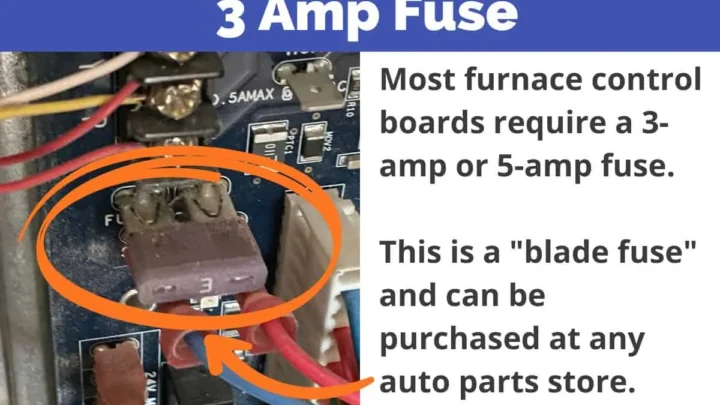
The charge controller is often the first component to act up in a pole-mounted system. It's got software, settings, and Bluetooth these days. Loose connections, blown fuses, or a bad voltage sense line will all cause it to either stop charging or throttle the charge rate to a trickle.
The UL 1741 standard requires that charge controllers disconnect from the panel if they detect over-voltage or over-temperature. If the controller is overheating, it just doesn't produce full power.
Troubleshooting step: Check the controller's display for error codes. "Low PV" means the panel isn't producing. "Battery Full" means the controller is doing its job.
Look up the exact model's manual if you need to, don't guess. Then measure the battery voltage directly at the controller's battery terminals. If the controller reads high or low compared to your multimeter, the controller's sense circuit is off.
That's a firmware or hardware failure, and you'll likely need to reset the unit or replace it. Most simple fixes involve a factory reset and reprogramming.
5. Dead Battery Cell or Imbalance
If your charge controller reports a high state of charge, the voltage reads correctly, but the system dies under load within minutes, that's a battery condition problem, not a charge controller problem. Lead-acid batteries sulfate when they sit in a partial state of charge, permanently losing capacity. Lithium cells get imbalanced between the BMS and the cell.
If the cells drift far enough apart, the BMS will stop the charge to protect the cells, making it look like the controller is dead.
For 12V systems, a healthy battery should read 12.6V or higher when fully charged. If you see 11.9V after a full day of charging, the battery is failing. For flooded lead-acid models, check the specific gravity with a hydrometer.
It's a cheap tool and it's the standard way to check the health of the electrolyte.
One quick diagnostic: Disconnect the batteries from the charge controller and apply a known load. Measure the voltage while the load is connected. If the battery is good, the voltage will stay close to nominal.
If it drops hard, that cell is weak and the battery needs replacement.
6. Ground Faults and Corroded Neutrals
A full ground fault is an immediate safety hazard that requires a professional service call. But a corroded neutral, a compromised ground wire, or a loose grounding electrode connection can show up as a slow charge or a strange voltage bounce. The bad part is, you can't see a loose ground without a torque tool, and you can't see corrosion until it's severe because it's inside the conduit or buried.
Neutrals tied under a single screw, assuming you inherit this from the original installation, need periodic re-torque at the electrical panel regardless. A survey of electrical contractors reported that roughly 40% of loose neutral connections are found on the neutral bar area, another 30% at the meter base, and the remainder at outlets. Any of these create heat at high load and can cause a voltage imbalance.
Common classic symptoms include flickering lights, a faint buzzing sound from the pole, and slow charging that mysteriously improves during cold weather. The heat created at a loose neutral connection on aluminum wire is a common factor in electrical panel fires.
Professional electricians use thermal imaging to identify these hot spots under load. The current code in most jurisdictions, including the latest editions of the NEC, mandates a torque spec for every terminator located on the systems panel or controller.
How to Diagnose the Problem Yourself Without Expensive Gear
You don't need an infrared camera or a fancy oscilloscope to fix 90% of power pole charge problems. All you really need is a basic understanding of electricity and a digital multimeter. They're $25 to $40 at a hardware store, and they'll tell you more than you expect.
Step 1: Read the display and error codes first. What is the charge controller actually saying? "Battery Full" or "Load Error" means the controller is doing its job. "Low PV" means the panel isn't producing.
That one bit of info usually cuts your diagnostic time down significantly.
Step 2: Test the panel output. Point the panels toward the sun and measure the DC voltage at the panel leads. Compare it to the open-circuit voltage printed on the back of the panel. If you read zero volts, the panel is bad or the wire is cut.
If the voltage matches but you still get nothing at the controller, the problem is downstream, either the wiring or the controller itself.
Step 3: Trace the voltage drop. Measure voltage at the controller's battery terminals while the system is charging. Then measure directly at the battery posts. The difference between these two readings is the voltage drop in the cables.
Anything above 0.5V means you're losing power in the copper, and that's a bad connection or undersized wire.
Step 4: Check battery voltage under load. With the panels disconnected and a moderate load applied, measure the voltage. A healthy battery maintains voltage under load. A weak battery dives quickly.
A 12V battery that drops below 10.5V under load is dead, plain and simple.
Step 5: Look for the obvious. Open the enclosure and inspect for water getting in, bugs, corrosion at the lugs, or a loose wire on a shunt. Loose wing nuts on terminal posts are an incredibly common cause of "charging bugs." Manufacturers specify torque values on the terminals for a reason.
When to Call a Professional (And When Not To)
If you're dealing with a utility-owned power pole, stop touching it. That's not yours, and the utility has strict rules against homeowner modifications to their equipment. If the meter socket is on the pole, if the neutral is bonded at the pole, or if you suspect a utility-side grounding issue, call the electric company and ask them to check it, or call a licensed electrician.
You can fix minor stuff yourself: cleaning panels, tightening a loose controller terminal, adding distilled water to a flooded battery, or replacing a blown fuse. These are basic maintenance items that don't require a license.
You should call a professional if you see any of the following signs because they signal an immediate safety hazard:
- Burning smell or visible smoke from the pole or the charge controller
- Arcing, sparking, or visibly damaged wiring
- A battery that's hot to the touch, swollen, or has a bulging case
- Excessive heat on battery cables or terminal lugs
- One battery in a string that tests significantly lower than the others
If any of these show up, do the following: flip the PV disconnect, disconnect the battery, and leave the system powered down for at least 15 minutes before touching anything. Then call a licensed electrician or solar contractor.
Here's what a professional will do that you can't: check the torque rating on every lug in the system, do thermal imaging with an IR camera to find hot spots, inspect the grounding electrode under the pole, and test for ground faults that a multimeter simply won't show. Yes, that service call will cost you. But the alternative is having a lithium battery or a junction box catch fire on your property, and that's not a trade-off worth making.
The Bottom Line
Power pole charge problems are almost always one of these six causes: undersized wiring, shading, corrosion, a failing charge controller, a bad battery, or a ground issue. In our experience, wiring and connection problems account for the majority of "no charge" cases, and they're usually the easiest to fix. The expensive components, like batteries and inverters, often look bad but are actually fine.
If your system isn't charging, start at the panel and work your way down the chain. Measure voltage, check for error codes, inspect connections, and clean everything. If you find a loose wire, tighten it.
If you find a bad battery, replace it. If you find a smell of burning, stop and call someone.
A pole-mounted solar system isn't a set-and-forget installation. It's equipment that sits outside, exposed to weather, bugs, and wild temperature swings. Somewhere on that pole, a wire is probably getting loose, a terminal is corroding, or a battery is getting weak.
The question is whether you catch it before it becomes a charge problem that drains your bank account, or a fire hazard that threatens your home. Go outside, grab that multimeter, and take a look. In most cases, it's a 30-minute fix, and you'll save yourself a truck fee in the process.

Similar Posts