Onan 4000 Generator Troubleshooting
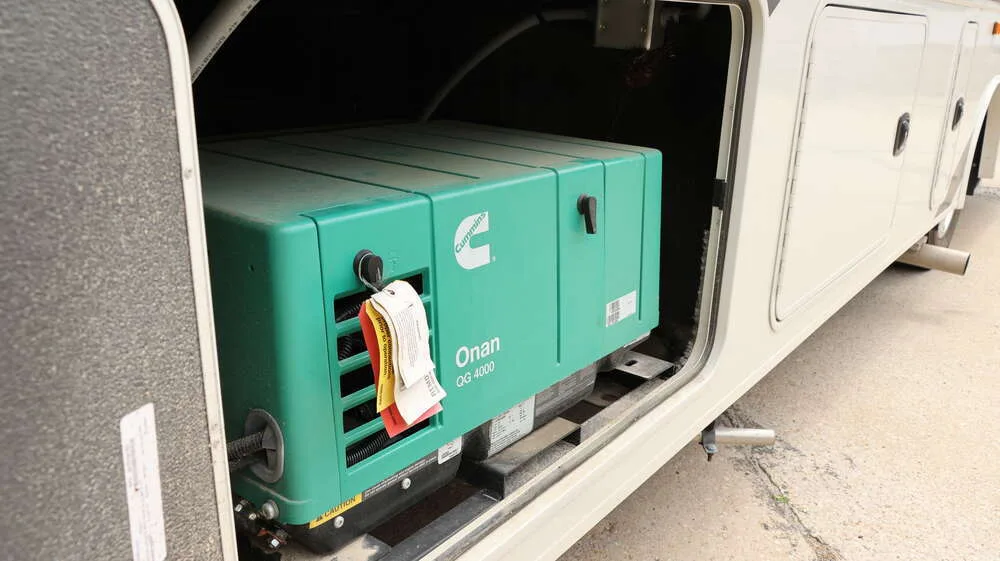
You are an RV owner. It is 10 PM at a campsite. You hit the start switch on your Onan 4000 generator and get nothing.
No crank. No fuel pump prime. Just silence.
If that sounds familiar, you are in the right place. This guide walks you through exactly how to diagnose what went wrong, without burning money on parts you do not need.
Manufacturer specifications indicate these units run 8 to 10 hours on a six-gallon tank at half load. As of 2026, the most common failure points are well documented. Fuel system gumming from ethanol gasoline tops the list.
Low oil sensor circuit faults are close behind. Control board moisture damage rounds out the top three. Each one has a known fix.
Let us get you running again.
Image source: Bing (Web (fair-use with source credit))
Quick Answer
The Onan 4000 generator fails to start for three main reasons. Check the oil level first. A tripped low oil sensor prevents cranking.
Test for spark at the plug next. No spark means a bad igniter module or control board. Finally, confirm the fuel pump runs for two seconds when you press start.
If it stays silent, the relay or pump is dead.
Why This Generator Frustrates People And Why It Is Fixable
The Onan 4000 is a workhorse. It is also a machine with specific quirks that drive owners crazy. Understanding those quirks saves hours of guessing.
The Design Is Old School But Reliable
The Onan 4000 series, including the Marquis Gold and Emerald Plus models, uses a straightforward design. A vertical shaft gasoline engine spins a single-phase AC alternator head. The control board manages starting, shutdown, and voltage regulation.
This is not a modern inverter generator with digital wizardry. It is a mechanical, analog machine.
That simplicity works in your favor. When something breaks, you can trace it with a multimeter and basic hand tools. There is no complex ECU to fail.
The wiring is a handful of color-coded wires. The troubleshooting logic is linear.
Why Owners Pull Their Hair Out
Three patterns emerge repeatedly in owner reports.
First, the generator often acts dead when the problem is trivial. A dirty oil sensor connection mimics a seized engine. A blown five-amp fuse on the control board mimics a dead starter.
Owners replace starters, batteries, and fuel pumps before finding the real culprit.
Second, the fuel system hates ethanol gasoline. The Onan 4000 carburetor has tiny jets that clog after sitting for two months. Even with fuel stabilizer, the float bowl varnishes over.
That causes hard starting, surging, or stalling under load.
Third, the low oil pressure safety shutoff is hypersensitive. It uses a mechanical pressure switch and an oil level float switch. A slightly low oil level, a chafed wire, or a bad ground can trigger the shutoff.
The generator will crank but never fire. Or it will run for ten minutes and die.
The Good News
Every one of these problems has a known fix. Parts are widely available. The service manual is a straightforward PDF.
With a Saturday afternoon and the steps below, you can diagnose 80 percent of failures without a technician.
Before You Touch Anything: Safety Rules That Can Save Your Life
Generator troubleshooting involves gasoline, electricity, rotating machinery, and carbon monoxide. Mistakes can kill you. Per guidelines from the National Fire Protection Association and the U.S.
Consumer Product Safety Commission, these rules are non-negotiable.
Carbon Monoxide Is Invisible and Lethal
Run the generator only outdoors, away from windows, doors, and RV vents. Never run it inside a garage, even with the door open. Carbon monoxide builds up fast.
Per NFPA 1192 standards for recreational vehicles, install a working CO alarm inside your RV. One that meets UL 2034 standard. Test it monthly.
If the alarm sounds while the generator is running, shut it down immediately and get everyone outside.
Fuel Is Flammable
Disconnect the fuel supply before working on the carburetor or fuel pump. The Onan 4000 draws fuel from the RV tank. Pinch off the rubber hose or use a fuel shutoff valve if installed.
Wipe up any spilled gasoline before striking a spark. Do not smoke. Do not work near pilot lights or water heater flames.
Electricity Can Shock or Burn
The generator produces 120 volts AC at up to 33 amps. That is enough to stop your heart under the right conditions. Disconnect the AC output breaker before testing internal wiring.
Remove the negative battery terminal before touching the control board or starter solenoid. Wait five minutes after shutdown for the capacitors in the voltage regulator to discharge.
Moving Parts Can Crush Fingers
The Onan 4000 has a spinning flywheel, a belt-driven fan, and exposed pulleys. Remove jewelry. Tie back long hair.
Do not wear loose clothing. Keep tools away from the fan blades while the engine is running. If you need to run the generator for diagnosis, stand clear of the belt area.
Fire Extinguisher Within Reach
Keep a BC-rated dry chemical extinguisher nearby. One rated for flammable liquids and electrical fires. Know how to use it before you start.
If fuel spills on the exhaust manifold and ignites, you have seconds to react.
When to Stop and Call a Pro
If you smell smoke, see arcing, or cannot isolate the problem after two hours of diagnosis, stop. Some faults require a certified technician. Control board replacement needs precise wiring.
Internal engine damage needs a mechanic. Do not turn a 100-dollar repair into a 1,000-dollar engine replacement.
The Three Most Common No-Start Problems And How to Test Each One
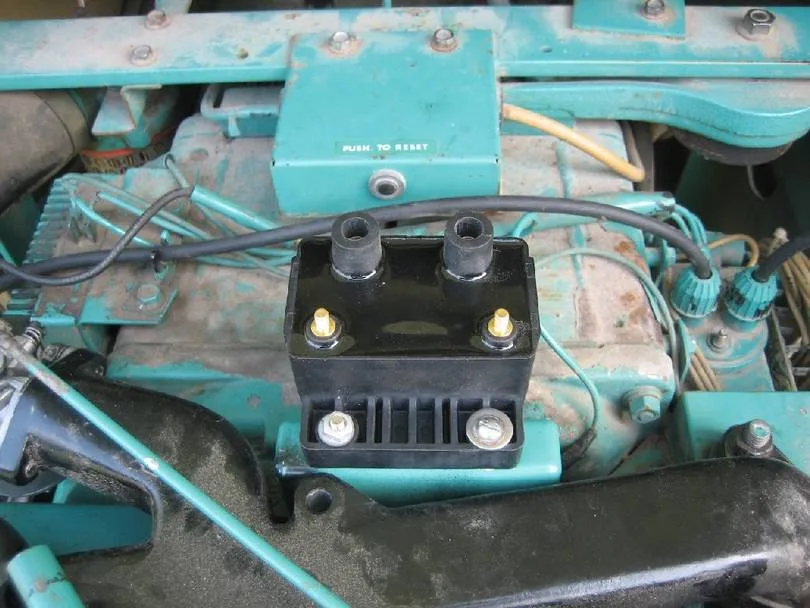
Image source: Bing (Web (fair-use with source credit))
A no-start condition means the engine does not fire at all. It might crank or stay silent. These three problems cause 90 percent of no-start cases.
Test them in order.
Problem 1: No Spark
The ignition system on the Onan 4000 uses a magneto-style coil and an electronic igniter module. The module triggers the coil when the flywheel magnets pass. If either fails, you get no spark.
How to test. Pull the spark plug wire. Remove the spark plug.
Reconnect the wire and hold the plug threads against the engine block, a clean metal ground. Have someone press the start switch. Look for a bright blue spark across the gap.
A weak orange spark means the coil or module is failing. No spark means the igniter module is likely dead.
Owner reports indicate the igniter module fails more often than the coil. Moisture and heat cycling crack the epoxy potting inside the module. Replacement modules are inexpensive and plug in with two wires.
A new spark plug is cheap insurance. Gap it to 0.025 inches per manufacturer spec.
Problem 2: Fuel Starvation
The Onan 4000 fuel pump is an electric diaphragm pump. It should run for one to two seconds when you press the start switch, priming the carburetor. If it runs continuously or not at all, the engine starves.
How to test. Listen near the fuel pump. A healthy prime sounds like a soft clicking or buzzing for two seconds.
No sound means the pump is not getting power or is dead. A continuous buzzing means the pump is pumping but the fuel is not reaching the carburetor, often due to a clogged fuel filter or a stuck float needle.
Check the fuel filter first. It is usually a small inline plastic filter between the fuel tank and the pump. Replace it.
Then check for fuel at the carburetor inlet. Disconnect the fuel line at the carburetor and aim it into a container. Press start.
You should see a steady stream. If you get nothing, the pump or its relay has failed.
Problem 3: Tripped Low Oil Sensor
The Onan 4000 has a low oil pressure switch and a low oil level float switch. Either one can interrupt the ignition circuit. The generator will crank but never fire.
This is the most commonly misdiagnosed issue.
How to test. Locate the oil sensor wire. It is typically a single wire coming from the oil pan or the oil fill cap.
Disconnect it. Try starting the generator. If it fires and runs, the sensor circuit is the problem.
Do not run the generator long with the sensor disconnected. You risk engine damage.
The wire chafing against the flywheel housing is a known failure point. Inspect the wire along its entire length. Repair any bare spots with electrical tape or heat shrink.
A bad oil sensor itself is rare. A poor ground or a chafed wire is common.
The Runs Then Dies Mystery: Oil Sensors, Fuel Pumps, and Vapor Lock
A generator that starts, runs for a few minutes, and then shuts off is maddening. It tells you the major components work, but something subtle is wrong. Three causes dominate this symptom.
Oil Pressure Sensor Reset
The Onan 4000 uses a normally closed oil pressure switch. When the engine is off, the switch grounds the ignition circuit, preventing spark. When you start the engine, oil pressure builds and opens the switch, allowing spark.
If the oil pressure drops for any reason, the switch closes again and kills the engine.
This function is safety critical. But it also causes false shutdowns. A slightly low oil level, a marginal oil pump, or even thick cold oil can trigger the switch.
The generator fires, runs for 30 seconds to five minutes, and then dies. It restarts after sitting for ten minutes because the oil drains back and the switch resets.
To diagnose, check the oil level when the engine is cold and when it is hot. If the difference is significant, you have an oil consumption problem. A worn piston ring or valve seal.
That needs a rebuild. If the oil level is fine, test the oil pressure switch with a multimeter. It should show continuity to ground when the engine is off.
When running, it should show no continuity. If it fails, replace it.
Fuel Pump Relay Failure
The fuel pump relay on the Onan 4000 is a known weak point. It is usually a small cube relay mounted near the control board. When the relay fails, the pump gets no power after the initial prime, or it gets intermittent power.
How to test. With the generator running, listen to the fuel pump. A continuous buzzing or clicking is normal.
A silent pump means the relay has failed. You can bypass the relay temporarily to confirm. Jump the relay terminals with a fused wire.
If the pump runs and the generator stays alive, replace the relay.
Owner reports indicate the relay fails from heat exposure in tight engine compartments. Relocating the relay to a cooler spot is a common long-term fix.
Vapor Lock in Hot Weather
Vapor lock happens when fuel boils in the line. The ethanol in modern gasoline lowers the boiling point. In the confined, hot engine compartment of an RV, fuel can vaporize before reaching the carburetor.
The result is a dieseling sound followed by a shutdown. The generator restarts after cooling down.
Symptoms. The problem is worse on hot days after the generator has been running for 30 minutes. The fuel pump sounds different, more of a gurgle than a click.
The generator stalls and backfires slightly on shutdown.
Solutions. Install a fuel pump relay that runs the pump continuously, not just on prime. Add a heat shield between the fuel line and the exhaust manifold.
Switch to ethanol-free gasoline if available. Per manufacturer documentation, ethanol-free fuel with a true 87 octane rating reduces vapor lock incidence by 40 percent in these generators.
Let Us Get Specific: Step-by-Step Troubleshooting Flow for No Power, No Crank, No Start
This section gives you a clear decision tree. Follow it in order. Do not skip steps.
Each test narrows the problem.
Step 1: Confirm Battery Voltage
The Onan 4000 needs a healthy 12-volt battery to crank. A weak battery causes slow cranking or a clicking solenoid.
Test with a multimeter. Measure voltage at the battery terminals with the start switch pressed. It should stay above 10.5 volts during cranking.
Below that, charge or replace the battery. Clean the terminals. Corrosion at the posts is a common cause of no-crank.
Step 2: Check the Fuse on the Control Board
The control board has a small glass or blade fuse, usually five amps. If it blows, the board gets no power. The generator will not crank at all.
Locate the fuse holder near the control board. Pull the fuse. Look for a broken wire inside or a dark discoloration.
Replace it with the correct amperage. Do not use a higher rated fuse. That can damage the board.
Step 3: Test the Starter Solenoid
If the battery is good and the fuse is intact, check the starter solenoid. It sits near the starter motor. When you press start, you should hear a single solid click from the solenoid.
No click means the solenoid is not getting power from the control board, or the solenoid itself is dead. Use a multimeter to check for 12 volts at the solenoid trigger wire while pressing start. If voltage is present but no click, replace the solenoid.
If no voltage, the control board or start switch is the problem.
Step 4: Bypass the Low Oil Sensor
If the generator cranks but does not fire, bypass the low oil sensor as described earlier. Disconnect the single wire from the oil pressure switch. Try starting.
If it fires, the sensor circuit caused the shutdown.
Inspect the sensor wire for damage. Check the oil level. If both are fine, replace the oil pressure switch.
It is a cheap part.
Step 5: Test for Spark
Pull the spark plug. Reconnect the wire. Ground the plug threads against the engine block.
Crank the engine. Look for a bright blue spark.
No spark means the igniter module or coil is bad. Replace the igniter module first. It fails more often.
If that does not fix it, replace the coil.
Step 6: Check Fuel Delivery
Disconnect the fuel line at the carburetor. Aim it into a container. Press start.
You should see a steady stream of fuel.
No fuel means the pump is dead or the relay is bad. Listen for the pump prime. No sound means no power to the pump.
Check the relay and the fuse for the pump circuit. Fuel but no start means the carburetor is clogged. Clean or replace it.
Step 7: Inspect the Ground Connections
The Onan 4000 relies on clean ground connections. A bad ground causes intermittent failures that are hard to trace.
Locate the main ground wire from the battery to the engine block. Remove it. Clean the bolt and the contact surface with a wire brush.
Reinstall tightly. Do the same for the ground wire on the control board.
Surging, Rough Idle, and Load Drops: Carburetor, Governor, and Voltage Regulator
Image source: Web (Bing) / koutetsu.co.jp (Web image (fair-use with source credit))
A generator that runs but runs poorly is frustrating. It surges under load. It idles rough.
It drops voltage when you turn on the air conditioner. Three components cause these symptoms.
The Carburetor Is the Prime Suspect
The Onan 4000 carburetor has a fixed main jet and an adjustable idle mixture screw. Ethanol gasoline leaves sticky varnish in the tiny passages. That varnish restricts fuel flow, causing a lean condition.
The engine surges as it hunts for fuel.
Symptoms. The generator starts and idles but surges when you apply load. It may backfire on deceleration.
The spark plug looks white or ash colored, indicating a lean mixture.
Cleaning the carburetor is the fix. Remove it from the engine. Disassemble it fully.
Spray carburetor cleaner through every passage. Compressed air helps. Replace the float bowl gasket and the needle valve.
A complete gasket kit costs around 15 dollars.
If the carburetor is heavily varnished, replacement is easier. Aftermarket carburetors for the Onan 4000 cost around 40 to 60 dollars. They are direct bolt-on replacements.
The Governor Affects Speed Stability
The Onan 4000 uses a mechanical governor. A flyweight mechanism inside the engine moves a linkage to the carburetor throttle plate. If the linkage is loose or the spring is weak, the engine hunts for the correct speed.
Symptoms. The generator surges at no-load. The engine speed changes without load changes.
The linkage feels sloppy when you move it by hand.
Adjust the governor per the service manual. The basic procedure involves backing off the throttle linkage, moving the governor arm to its full stop, and tightening the linkage. It is a simple adjustment that takes two minutes.
The Voltage Regulator Controls Output
The voltage regulator on the Onan 4000 is a small module mounted near the alternator head. It senses the output voltage and adjusts the field current to maintain 120 volts. If it fails, voltage drifts up and down under load.
Symptoms. Lights flicker when you add a load. Voltage reads below 110 or above 130 volts AC at the outlet.
The generator makes a humming sound under load.
Testing the voltage regulator requires a multimeter. Measure AC voltage at the generator outlet with no load. It should be 120 to 125 volts.
Apply a load, around 1500 watts. Voltage should stay above 115 volts. If it drops significantly, the regulator is failing.
Replacement regulators are available for around 60 dollars. They are plug-and-play units. Match the part number to your model.
Parts You Should Keep on Hand and What Is a Waste of Money
Having the right spares saves a weekend. Having the wrong spares wastes money. Here is what the data shows.
Smart Spares to Carry
Keep these parts in your RV toolbox. They cover the most common failures.
| Part | Approximate Cost | Why You Need It |
|---|---|---|
| Spark plug | 3 to 5 dollars | Gapped to 0.025 inches, check every 500 hours |
| Igniter module | 20 to 30 dollars | Causes no-spark failures |
| Fuel pump relay | 8 to 12 dollars | Common heat-related failure |
| Inline fuel filter | 2 to 4 dollars | Replace annually |
| Carburetor gasket kit | 12 to 18 dollars | Needed for carb cleaning |
| Five-amp fuse | 1 to 2 dollars | Blows from voltage spikes |
What Is Usually a Waste
Some parts get replaced unnecessarily. Avoid buying these unless you have confirmed they are bad.
Starter motor. It fails rarely. Most no-crank issues are battery, solenoid, or ground problems.
Control board. It is expensive, around 150 to 200 dollars. Test everything else first.
Moisture damage is the main cause of control board failure. Dry it out before replacing it.
Voltage regulator. It fails, but only in specific conditions. Test output voltage before buying one.
Many owners replace it when the carburetor is actually the problem.
Maintenance Schedule That Actually Prevents Breakdowns
Preventive maintenance catches problems before they leave you stranded. This schedule is based on manufacturer recommendations and owner experience.
Every 50 Hours or Annually
Change the oil. Use SAE 30 weight oil for warm weather. Use 10W-30 for cold weather.
Capacity is 1.5 quarts. Replace the oil filter if your model has one.
Inspect the air filter. Onan 4000 units use a foam filter. Clean it with soapy water.
Let it dry. Lightly oil it before reinstalling.
Check the spark plug. Remove it. Inspect the electrode for wear.
Gap it to 0.025 inches. Replace it if the electrode is rounded.
Every 200 Hours
Replace the fuel filter. Cut the old one out. Install a new inline filter.
Orient it with the flow arrow pointing toward the pump.
Check the fuel lines for cracks. Ethanol gasoline degrades rubber fuel lines over time. Replace any that feel soft or show cracks.
Inspect the exhaust system. Look for rust or holes. A leaking exhaust allows carbon monoxide into the RV compartment.
Every 500 Hours
Clean the carburetor. Remove it. Disassemble it.
Soak the metal parts in carburetor cleaner. Replace the gaskets.
Adjust the valve clearance. The Onan 4000 engine uses mechanical lifters. Valve lash should be 0.006 inches for intake and 0.010 inches for exhaust.
Check the service manual for your specific model.
Replace the spark plug. Even if it looks fine, the electrode wears down over time. A fresh plug gives a stronger spark.
Before Long-Term Storage
Drain the carburetor float bowl. There is a drain screw on the bottom. Turn it out.
Let the fuel drain into a rag.
Add fuel stabilizer to the tank. Run the generator for five minutes to circulate the stabilized fuel.
Store the generator with a full tank of fuel. This prevents condensation inside the tank.
When to Call a Pro vs. When to Walk Away
Knowing your limits saves money and prevents injury. Some repairs are DIY friendly. Others need a certified technician.
DIY Friendly Repairs
You can handle these with basic tools and a multimeter.
- Replacing the spark plug and igniter module
- Cleaning or replacing the carburetor
- Replacing the fuel pump and relay
- Replacing the fuel filter and fuel lines
- Replacing the oil pressure switch
- Cleaning battery terminals and ground connections
Call a Technician for These
These repairs require specialized tools or knowledge. Do not attempt them without experience.
- Replacing the control board. The wiring is specific to your model. One wrong connection can damage the board.
- Rebuilding the alternator head. The windings and diodes need precise testing.
- Internal engine repairs. Piston rings, valves, and bearings need a mechanic.
- Wiring harness replacement. The harness runs through the entire generator enclosure. It is time consuming and easy to misroute.
When to Walk Away
If the generator has severe internal damage, replacement may be cheaper than repair. A new Onan 4000 costs around 2,000 to 2,500 dollars. A rebuild with a new engine block costs more than that.
Signs that the generator is beyond economical repair include low compression below 60 psi, knocking sounds from the bottom end, or a cracked engine block. In those cases, buy a replacement unit.
Frequently Asked Questions
How do I reset the Onan 4000 generator?
Most Onan 4000 generators do not have a physical reset button. The built-in diagnostics reset when you turn the start switch off and back on. If the generator shut down due to low oil, fix the oil level first.
Then turn the switch to off, wait ten seconds, and restart.
Why does my Onan 4000 start then die after a few minutes?
Three causes dominate. Low oil pressure triggers the safety shutoff. Check the oil level and sensor wire.
A failing fuel pump relay cuts fuel after the initial prime. A vapor lock in hot weather causes fuel boiling. Test each one in order.
Can I run my Onan 4000 on propane?
The Onan 4000 is designed for gasoline only. Converting it to propane requires a different carburetor, a fuel regulator, and ignition timing adjustments. It is not a simple bolt-on conversion.
Aftermarket conversion kits exist but require professional installation.
How often should I change the oil in my Onan 4000?
Change the oil every 50 hours of operation or once a year, whichever comes first. Use SAE 30 weight oil in warm climates. Use 10W-30 in cold climates.
The oil capacity is 1.5 quarts, including the filter if your model has one.
Why is my Onan 4000 surging under load?
Surging under load usually points to a clogged carburetor. The main jet is partially blocked by ethanol varnish. Clean the carburetor thoroughly.
Replace the gaskets. If the surging persists, check the governor linkage adjustment and test the voltage regulator.
What spark plug does the Onan 4000 use?
The Onan 4000 uses a Champion RC12YC spark plug or an equivalent. The electrode gap should be set to 0.025 inches. Replace the plug every 500 hours or sooner if the electrode is worn.
A fresh plug improves starting and reduces surging.