Aquasure Water Softener Troubleshooting

Your water softener is acting up. You're seeing hard water spots again. Maybe the water tastes salty.
Or the unit just sits there silently doing nothing.
If you're searching for Aquasure Water Softener troubleshooting help, you're probably frustrated and just want it fixed without calling a plumber. Most problems with these units are simple to diagnose once you know what to look for. The trick is matching the right fix to your specific symptom.
Aquasure softeners use a standard downflow regeneration design with a Clack-style control valve. Manufacturer specifications indicate these units typically process 24,000 to 80,000 grains of hardness per regeneration cycle. As of 2026, hundreds of thousands of these units are installed across North America.
The good news? Around 80% of common issues trace back to just three causes: salt problems in the brine tank, a stuck or misaligned bypass valve, or a clogged injector. Let's walk through each problem step by step so you can get back to soft water fast.
Image source: Bing (Web (fair-use with source credit))
Quick Answer
Check the bypass valve first. Make sure it's in service mode. Then inspect the brine tank for a salt bridge.
Break any hard crust you find. If water still tastes salty, clean the injector. Run a manual regeneration cycle to reset the system.
Most issues resolve with these three steps.
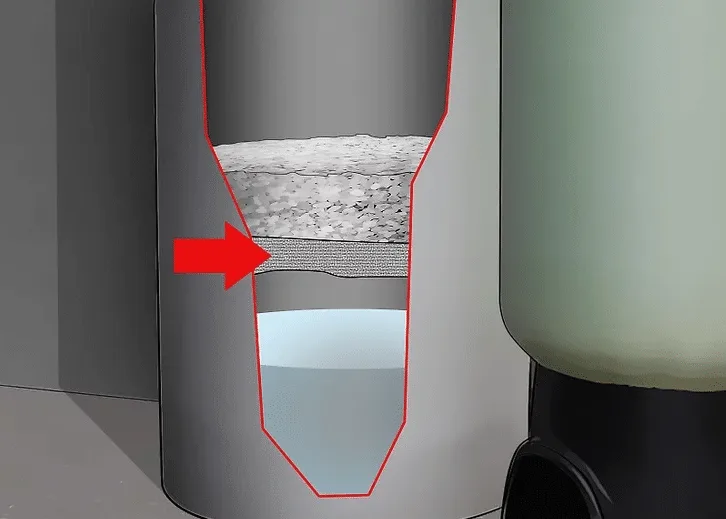
Image source: Bing (Web (fair-use with source credit))
How Your Aquasure Softener Actually Works (So You Can Diagnose Smarter)
Understanding the basic cycle helps you pinpoint problems faster. Your Aquasure softener runs through four stages during regeneration. Each stage has specific components that can fail.
The Four Stages of Regeneration
Backwash. Water flows backward through the resin tank. This flushes out dirt, sediment, and iron particles trapped in the resin bed. The dirty water exits through the drain line.
If your drain line is kinked or frozen, this stage fails completely. The backwash lasts about 10 minutes on most models.
Brine Draw. The control valve creates suction through the injector. This pulls salt water from the brine tank into the resin tank. The salt water displaces calcium and magnesium minerals stuck to the resin beads.
A clogged injector or a salt bridge prevents this stage from working. The brine draw stage typically runs for 50 to 60 minutes.
Slow Rinse. Fresh water pushes the brine solution through the resin and out the drain. This carries the displaced minerals away. The float assembly in the brine tank refills the tank with fresh water for the next cycle.
Slow rinse usually lasts 60 minutes.
Fast Rinse. Water flows at full pressure through the resin. This packs the resin beads back into position. The system returns to service mode.
Water pressure normalizes after this stage. Fast rinse completes in about 10 minutes.
The Key Components You Need to Know
The control valve head is the brain of the unit. It houses the timer, motor, and all internal passages that direct water flow. The injector and venturi assembly creates the suction that pulls brine from the tank.
The rotor seal and piston assembly directs water through the correct paths during each stage. The bypass valve lets you isolate the softener for maintenance without shutting off water to the house.
Each component is accessible without special tools. You can clean or replace most of them yourself. The manufacturer provides detailed diagrams in the unit manual for disassembly.
If you lost your manual, you can find PDF versions through the Aquasure website by searching your model number.
The Symptom-to-Solution Decision Guide: 8 Common Problems
This is the section you came for. Find your symptom below and follow the decision tree to the fix.
No Soft Water / Hard Water Coming Out
This is the most common complaint. Your dishes have spots. Your skin feels sticky after a shower.
The water is definitely hard.
Check the bypass valve first. This is the single most common cause. The bypass valve is usually a lever or knob near the top of the control valve. If it is in bypass position, water flows straight through without touching the resin.
Turn it to service position. Wait 30 seconds and test the water at a faucet.
If the bypass valve is correct, check the salt level in the brine tank. The tank should be at least half full of salt. If it is low, the system cannot make enough brine to regenerate properly.
Add salt and run a manual regeneration cycle. Use only high-purity solar or evaporated salt. Rock salt contains impurities that can clog the injector.
Still no soft water? The injector may be clogged. Sediment or salt particles can block the small hole inside the injector nozzle.
This prevents the system from drawing brine. Remove the injector assembly from the valve head. Rinse it with clean water.
Use a toothpick or small wire to clear the nozzle opening. Do not use a metal drill bit, which can scratch the nozzle. Reassemble and run a manual regeneration.
What about resin fouling? If you have high iron in your water, the resin beads can become coated with iron deposits. This prevents them from grabbing calcium and magnesium. Clean the resin with a resin cleaning product designed for water softeners.
Add it to the brine tank before a regeneration cycle. For severe fouling, you may need to replace the resin. This requires draining the tank and refilling with fresh media.
The resin typically lasts 10 to 15 years with proper care.
Low Water Pressure Throughout the House
This symptom shows up right after installation or after a regeneration cycle. The water trickles instead of flowing.
The drain line flow control may be restricted. Aquasure softeners have a small plastic fitting called the DLFC (drain line flow control). It regulates how fast water drains during regeneration. If this fitting gets partially blocked or installed incorrectly, it can restrict overall flow.
Remove the drain line from the valve head. Inspect the DLFC for debris. Clean it and reinstall.
The DLFC should match your unit size. A 48,000 grain unit typically uses a DLFC rated at 3.0 or 3.5 gallons per minute.
Check for air in the system. After installation or a power outage, air can get trapped in the resin tank. This causes sputtering faucets and low pressure. Run several gallons of water from an outside spigot or a laundry tub faucet.
This purges the air. Run a manual regeneration cycle to complete the process. The air usually clears within one full cycle.
Is the inlet screen clogged? Some Aquasure models have a small screen or strainer at the water inlet. Sediment from your well or municipal supply can block this screen. Turn off the water supply.
Remove the inlet fitting from the valve head. Inspect the screen and clean it with a brush or rinse it with water. Reinstall and turn the water back on slowly to avoid pressure shock.
A kinked drain line also causes the issue. If the drain line is bent too sharply or crushed under a heavy object, water cannot flow freely. Straighten the line. Make sure it has a gentle curve, not a sharp 90-degree bend.
The minimum drain line diameter is 1/2 inch. Do not reduce the line size to 3/8 inch, which creates backpressure.
Unit Not Regenerating (Or Regenerating at the Wrong Time)
Your unit should regenerate automatically based on the timer or water meter. If it is not regenerating at all, or it is cycling at 3 AM when you need water, here is what to check.
Power loss resets the clock. Aquasure units rely on the time of day setting to trigger regeneration. If the power goes out, the clock resets. The unit may regenerate in the middle of the day.
You wake up to no water during morning showers. Reset the time on the control panel. Set the regeneration time to 2 AM or whenever your household uses the least water.
Most Aquasure models have a backup battery that holds the time for about 24 hours. If the battery is dead, replace it.
The meter may be faulty. Water meter models use a small turbine inside the outlet port. The turbine spins as water flows, telling the controller when to trigger regeneration. If the turbine is stuck or broken, the unit never regenerates.
Clean the meter housing with a soft brush. If it still does not spin, you may need to replace the meter assembly. The meter is a plug-in component on most Aquasure valves.
It pulls straight out for inspection.
Check the programming. Hold down the setup button on the control panel. Scroll through the settings. Make sure the hardness level matches your actual water hardness.
Test your water with a hardness test strip. Adjust the setting to the nearest whole grain value. Also confirm the regeneration frequency is set correctly.
If the setting is too high, the unit may think it has enough capacity left and skip regeneration. The default setting for most 48,000 grain models is 40 grains per gallon.
The motor may be stuck. The small electric motor that drives the rotor seal can seize up. This is rare but happens on older units. Listen for a humming sound during regeneration.
If you hear humming but the valve does not move, the motor may be jammed. Try gently tapping the valve head with a rubber mallet. If that does not work, replace the motor.
The motor assembly costs around 30 to 50 dollars depending on your model. You can order it directly from Aquasure.
Regenerating Too Often (Wasting Salt and Water)
This problem hits your wallet directly. You buy salt twice as often. Your water bill goes up.
Something is off.
The hardness setting is too low. If the unit thinks your water is harder than it really is, it regenerates more frequently. Test your water hardness with a test strip or liquid test kit. Adjust the setting on the control panel to match the actual value.
This is the easiest fix and often solves the issue. A difference of 10 grains per gallon can double your regeneration frequency.
Water usage has changed. If you added a new bathroom, irrigation system, or more people to the household, the unit recalculates based on your actual usage. You may need to increase the grain capacity setting. For example, a 48,000 grain unit may need to be reprogrammed for higher daily usage.
The control panel has a setting called capacity or capacity reserve. Increase it by 2,000 to 4,000 grains if your household size increased.
The meter is oversensitive. Some meters can register false pulses from water hammer or partial valve openings. This tricks the controller into thinking more water was used than actually passed through. Install a water hammer arrestor on the main water line.
If the problem persists, test the continuity of the meter wires with a multimeter. The meter should show a closed circuit when the turbine is stationary and an open circuit when it spins.
The regeneration frequency is set to time clock mode instead of metered mode. Timed mode regenerates on a fixed schedule regardless of water usage. Switch to metered mode if available. The unit will only regenerate when the gallon counter reaches zero based on actual water usage.
This is the most efficient setting and saves salt and water. Most Aquasure Harmony models default to metered mode. Premier models may default to time clock mode depending on the configuration at purchase.
Salty or Metallic-Tasting Water
This is alarming when it happens. Your drinking water tastes like the ocean. Do not panic.
It is usually a simple fix.
Brine overflow is the most common cause. The float assembly in your brine tank should shut off the water at the correct level. If the float is stuck or misaligned, the tank fills too high. Brine leaks into the resin tank and into your water lines.
Check the float for free movement. Clean any salt crust or debris around the float stem. Adjust the float height if needed.
The brine tank should fill to about one to three inches of water above the salt. If the water level is above the salt by more than six inches, the float is not closing the valve.
The injector may be worn or dirty. A partially clogged injector cannot draw brine properly. Some brine gets left in the resin tank during regeneration. When the system returns to service, that leftover brine bleeds into your water.
Clean the injector thoroughly. If the nozzle is scratched or worn, replace it. An injector kit costs around 15 to 25 dollars.
Replace the O-rings at the same time since they harden over time.
The rotor seal may be leaking. The seal directs water through the correct passages during each stage. If the seal is cracked or misaligned, service water can mix with brine pathways. This causes salty water to flow into the house.
Replace the rotor seal and piston assembly. This is a standard maintenance item. Aquasure recommends replacing it every five years.
The rebuild kit includes the seal, piston, and O-rings.
Check the bypass valve seal. Some bypass valves have small O-rings or gaskets that can fail. If the bypass valve is in service mode but the internal seal is leaking, untreated water and brine can mix. Replace the O-rings on the bypass valve.
The bypass valve O-ring kit costs about 10 dollars. Remove the bypass valve from the valve head. Install the new O-rings and reassemble.
Is the brine line connected properly? The small tube from the brine tank to the control valve should have no kinks or loose connections. A loose fitting can draw air into the brine line. This causes erratic brine flow and potential overflow.
Tighten all fittings. Replace the tube if it is cracked or brittle. The brine line is typically 3/8 inch polyethylene tubing.
Use a new insert fitting if the old one is damaged.
Step-by-Step: How to Run a Diagnostic Regeneration Cycle
Running a manual regeneration is the single most useful troubleshooting tool you have. It forces the unit through all four stages. You can watch each stage and identify where the problem occurs.
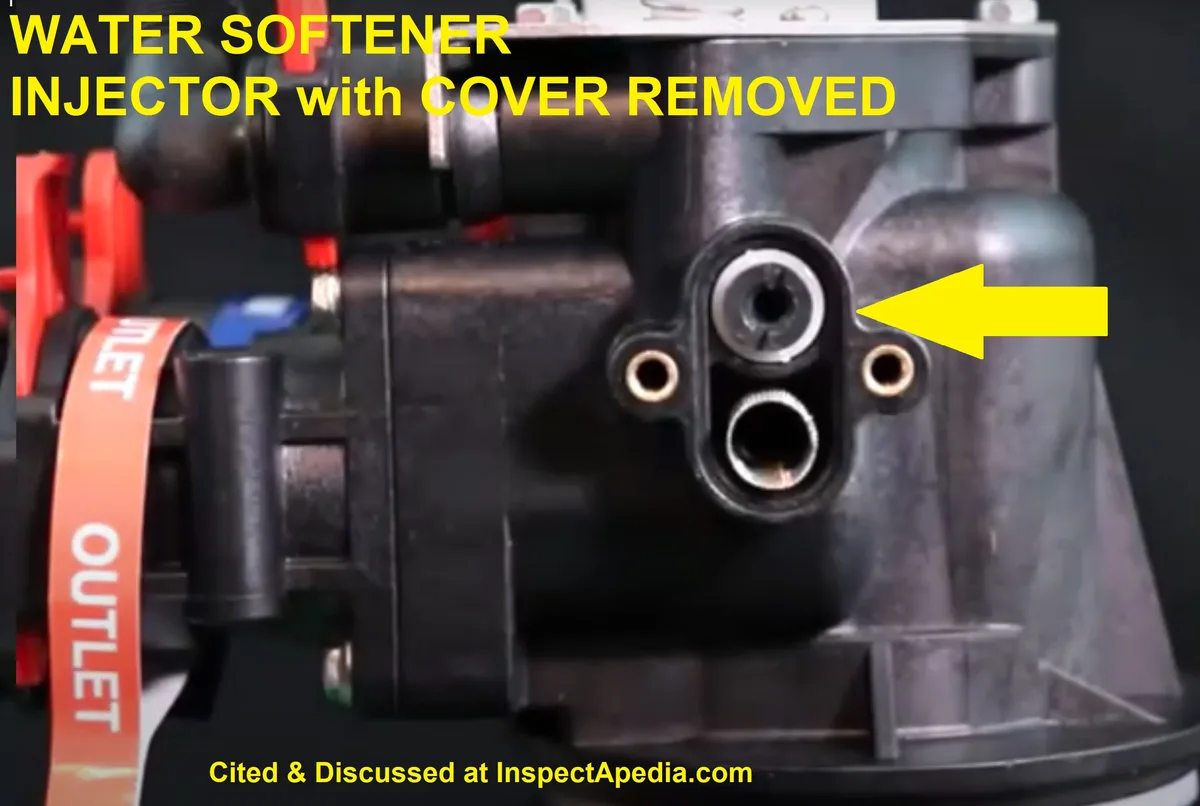
Image source: Bing (Web (fair-use with source credit))
Step 1: Prepare the System
Make sure the brine tank has enough salt. The tank should be at least half full. If the salt level is low, add salt now.
Check the brine line for kinks. Inspect the drain line for blockages. Confirm the bypass valve is in service position.
Step 2: Initiate the Manual Regeneration
Locate the control panel on the valve head. Press the regen button. Most Aquasure models have a button labeled REGEN or a circle icon.
Hold the button for three seconds until the unit starts the cycle. The display will show the stage number and remaining time.
Step 3: Observe Each Stage
Backwash stage. Watch the drain line. You should see water flowing steadily. If no water comes out, the drain line is blocked or the control valve is stuck.
The backwash should last about 10 minutes.
Brine draw stage. Listen for a sucking sound from the injector. Water should flow out of the brine tank into the valve. You should see the water level in the brine tank dropping.
If the level does not drop, the injector is clogged or the brine line is blocked.
Slow rinse stage. The brine tank water level stops dropping. The drain line continues flowing. This stage lasts about 60 minutes.
The water from the drain should taste salty at first and then gradually become fresh.
Fast rinse stage. The drain flow increases. This stage lasts about 10 minutes. When it completes, the display returns to the time of day.
The unit is back in service mode.
Step 4: Check for Error Codes
After the cycle, check the display for any error codes. Common codes include ERR1 (motor stall), ERR2 (cycle time exceeded), and ERR3 (position sensor failure). Refer to your manual for the exact meaning.
Most error codes clear after a successful manual cycle.
Step 5: Test the Water
Run a faucet for five minutes after the cycle completes. Test the water with a hardness test kit. Compare the result to your unsoftened water.
If the hardness dropped to zero or near zero, the system is working correctly.
Parts That Wear Out: Injectors, Seals, Pistons, and When to Replace Them
Your Aquasure softener has several mechanical parts that wear out over time. Knowing when to replace them saves you from repeated breakdowns.
Injector Nozzle and Screen
The injector is the most commonly replaced part. It has a small nozzle that creates the suction for the brine draw. Over time, the nozzle can become clogged with sediment, salt particles, or iron debris.
The screen that protects the nozzle can also clog.
Replace the injector if cleaning does not restore performance. Look for visible wear on the nozzle opening. If the opening appears enlarged or scratched, replace it.
Most Aquasure injectors cost 15 to 25 dollars. Replace the O-rings on the injector housing at the same time.
Rotor Seal and Piston
The rotor seal directs water through the correct passages during each regeneration stage. The piston moves up and down to select the different stages. Both parts wear from friction.
Replace the rotor seal and piston every five years. Replace it sooner if you see error codes related to cycle time or position. The rebuild kit includes both parts and all necessary O-rings.
This kit costs around 40 to 60 dollars. The replacement process takes about 30 minutes.
Brine Tank Float Assembly
The float assembly controls the water level in the brine tank. The float can stick due to salt crust or debris. The valve stem can wear out over time.
Replace the float assembly if the brine tank consistently overfills or underfills. The assembly costs around 15 to 25 dollars. Remove the old float from the brine tank.
Install the new one and adjust the height so the water level sits one to three inches above the salt.
Control Board and Motor
The control board handles the programming and timing. The motor drives the rotor seal movement. Both are only serviced by removing the valve head cover.
Replace the control board if the display is blank or shows scrambled characters. Replace the motor if the valve hums but does not move. The control board costs 80 to 120 dollars.
The motor costs 30 to 50 dollars. Both are available through Aquasure parts distributors.
Seals and O-Rings
The valve head has multiple O-rings at the inlet, outlet, drain, and brine connections. These O-rings can dry out and crack over time. Leaks around the valve head usually indicate a failed O-ring.
Replace all O-rings if you are doing any major valve head service. O-ring kits cost 10 to 15 dollars. Apply silicone grease to the new O-rings before installation.
Do not use petroleum-based grease, which can damage the rubber.
Mistakes That Make Problems Worse (And How to Avoid Them)
Some troubleshooting actions seem helpful but actually cause more damage. Here are the most common mistakes to avoid.
Using Rock Salt Instead of Softener Salt
Rock salt contains high levels of calcium sulfate and other impurities. These impurities do not dissolve fully. They accumulate in the brine tank as sludge.
The sludge eventually clogs the injector and blocks the float valve. Only use solar salt, evaporated salt, or pellet salt designed for water softeners. These products dissolve completely and leave minimal residue.
Overtightening Plastic Fittings
Aquasure valve heads use plastic threads. Overtightening cracks the fitting or the valve body. Hand tighten fittings until snug.
Then give them a quarter turn with a wrench. If you see a crack, replace the fitting immediately. A cracked fitting will leak and can cause water damage.
Using Bleach or Harsh Chemicals
Bleach damages the resin beads. It also degrades the O-rings and seals in the valve head. Never put bleach, chlorine, or any household cleaner into the brine tank.
Use only resin cleaning products designed for water softeners. These products are safe for the resin and the seals. Follow the dosage instructions on the package.
Ignoring the Bypass Valve
The bypass valve is your best friend during troubleshooting. Always use it before removing parts. Close the bypass valve.
Then remove the components you need to service. When you finish, open the bypass valve slowly. This prevents air hammer and pressure spikes.
Resetting Without Diagnosing
Some people reset the unit repeatedly without checking for the root cause. This wastes water and salt. It also masks a problem that gets worse over time.
Always run a diagnostic regeneration cycle first. Note which stage fails. Then fix that specific problem.
Forgetting to Purge Air
After any service that opens the water lines, air gets trapped in the system. If you do not purge the air, the unit may regenerate incorrectly. Run several gallons of water from a faucet after any repair.
The air will bubble out. Then run a manual regeneration to seat the valves properly.
Annual Maintenance That Prevents 90% of Issues
A little regular maintenance keeps your Aquasure running smoothly for years. These tasks take about an hour per year.
Clean the Brine Tank
Empty the brine tank once per year. Scoop out any remaining salt. Wash the inside of the tank with warm water and a soft cloth.
Do not use soap. Inspect the float assembly for free movement. Check the brine line for cracks or kinks.
Refill with fresh salt.
Clean the Injector
Remove the injector assembly once per year. Rinse the nozzle and screen with clean water. Use a soft brush to remove any debris.
Reassemble and check for leaks. This takes about 10 minutes. It prevents the most common failure mode.
Check the Rotor Seal
Run a manual regeneration once per year. Listen for unusual sounds from the valve head. Grinding or clicking noises may indicate a worn rotor seal.
If you hear these sounds, replace the seal before it fails completely.
Test the Water Hardness
Test your soft water once per year. Compare it to your raw water hardness. If the soft water hardness is above 1 grain per gallon, something is wrong.
Check the salt level, injector, and programming. Adjust as needed.
Inspect the Drain Line
Check the drain line for kinks, cracks, or blockages. Make sure the drain line is secure at both ends. If the drain line deposits mineral residue, clean it with a vinegar solution.
Flush with water before reconnecting.
Replace the Pre-Filter
If your system has a sediment pre-filter before the softener, replace the filter cartridge every six months. A clogged pre-filter reduces flow to the entire house. It also lets sediment reach the softener valve, which can clog the injector.
When to Call a Pro vs. When to DIY
Most Aquasure problems are DIY-friendly. But some situations require a professional.
DIY Repairs You Can Handle
- Cleaning or replacing the injector
- Replacing the rotor seal and piston
- Replacing the bypass valve O-rings
- Cleaning the brine tank
- Adjusting the programming
- Running manual regeneration cycles
These tasks require basic hand tools. You need a flathead screwdriver, a pair of pliers, and a small brush. The parts are inexpensive and available online.
When to Call a Plumber
- The valve head is cracked or leaking at the body
- Water pressure is below 20 PSI at the inlet
- There is a leak at the main water line connection
- The drain line needs to be rerouted or replaced with hard plumbing
- You are not comfortable working with electrical components
Professional plumbers charge between 75 and 150 dollars per hour for water softener service. Most repairs take one to two hours. A simple injector clean costs around 100 to 150 dollars total.
Compare that to the 15 dollar part cost. For simple jobs, you save money by doing it yourself.
Warranty Considerations
Aquasure offers a five-year warranty on the resin tank and a one-year warranty on the valve head. Warranty claims require proof of purchase. You must use the unit according to the manufacturer's instructions.
If you make a modification or use unauthorized parts, the warranty is void. Call Aquasure customer support before attempting any repair under warranty. They may provide replacement parts at no cost.
Frequently Asked Questions
How do I reset my Aquasure water softener after a power outage?
Press and hold the regen button for three seconds. The unit starts a manual regeneration. After the cycle completes, the display returns to the time of day.
Reset the clock to the correct time. The unit resumes normal operation.
Why is my Aquasure not using salt?
Check for a salt bridge in the brine tank. Break any hard crust you find. If no salt bridge exists, clean the injector.
A clogged injector cannot draw brine from the tank. Also check the brine line for kinks or blockages.
What does ERR1 mean on my Aquasure display?
ERR1 indicates a motor stall. The motor that drives the rotor seal is stuck. Gently tap the valve head with a rubber mallet.
Run a manual regeneration to clear the error. If the error returns, replace the motor.
How often should my Aquasure regenerate?
It depends on your water usage and hardness setting. Most households with a 48,000 grain unit regenerate every 7 to 14 days. If your unit regenerates more than once per week, check the hardness setting.
It may be set too low.
Can I use any type of salt in my Aquasure?
No. Only use solar salt, evaporated salt, or pellet salt designed for water softeners. Do not use rock salt, ice melt salt, or table salt.
Rock salt contains impurities that clog the injector. Table salt contains additives that damage the resin.
Why is there water in my brine tank all the time?
A small amount of water in the brine tank is normal. The water level should be one to three inches above the salt. If the water level is higher than six inches above the salt, the float assembly is not closing the valve.
Check the float for free movement. Clean any salt crust around the float stem.
How do I manually regenerate my Aquasure softener?
Press and hold the regen button for three seconds. The unit enters the regeneration cycle. You can advance through the stages by pressing the regen button again.
Each press moves to the next stage. The cycle takes about two hours to complete.
My water tastes salty after regeneration. What do I do?
Run a faucet for five minutes after regeneration. This flushes any leftover brine from the lines. If the taste persists, check the injector for clogs.
Also inspect the float assembly for proper water level. A brine overflow can put salt water into your drinking water.
Final Quick-Reference Decision Chart
| Symptom | First Check | Second Check | Fix |
|---|---|---|---|
| Hard water coming through | Bypass valve position | Salt level in brine tank | Move bypass to service; add salt |
| Low water pressure | Drain line for kinks | Inlet screen for clogs | Straighten drain; clean screen |
| Not regenerating | Power and clock setting | Meter or programming | Reset clock; adjust settings |
| Regenerating too often | Hardness setting | Water usage change | Adjust hardness; increase capacity |
| Salty water taste | Brine tank water level | Injector cleanliness | Adjust float; clean or replace injector |
| Error code on display | Specific code number | Valve motor function | Clear code; replace motor if needed |

Similar Posts