6 Best 6K Cinema Camera
The best best 6K cinema camera is the Nikon ZR Full-Frame 6K Cinema Camera, the only body here that combines 6K60 RAW recording with a full-frame sensor, dual-base ISO, and 7.5-stop IBIS in a single compact package. It is the clear choice for solo filmmakers and small crews who need professional-grade color science without a heavy rig.
Want a more budget-friendly gateway into professional cinema workflows instead? The Blackmagic Design Pocket Cinema Camera 6K Pro gets you there, as long as you are comfortable with its smaller Super 35 sensor and a menu system that rewards patience.
As an Amazon Associate, I earn from qualifying purchases.
This guide covers what you actually need to know before dropping serious money on a 6K cinema camera, including the one buyer type who should skip this category entirely. You will find honest comparisons, real spec breakdowns, and clear trade-offs.
Everything below comes from current Amazon product data, manufacturer specifications, and verified buyer feedback across these six models. No hands-on lab testing here, just the facts you need to decide.
Quick Answer: The Best 6K Cinema Camera
The overall best 6K cinema camera is the Nikon ZR Full-Frame 6K Cinema Camera for its unbeatable combination of full-frame coverage, 6K60 RAW, and in-body stabilization.
- Nikon ZR Full-Frame 6K Cinema Camera (Best Overall for Solo Filmmakers): Full-frame 6K60 RAW with dual-base ISO and IBIS.
- Blackmagic Design Pocket Cinema Camera 6K Pro (Best Value Pro Cinema Camera): Super 35, built-in ND filters, and DaVinci Resolve included.
- Blackmagic Design Pocket Cinema Camera 6K Pro Bundle (Best Bundle for Extended Shoots): Same camera with two extra batteries and a dual charger.
- Blackmagic Design Pocket Cinema Camera 6K G2 (Best Bright Screen for Outdoor Work): Brighter HDR screen and EF mount at a lower entry point.
- SONY Cinema Line FX30 Super 35 (Best Autofocus for Run-and-Gun): Fast hybrid AF and compact body for event shooters.
- Nikon RED Z Cinema (Best for High-End Cinema Color): RED color science, 32-bit float audio, and a 4-inch DCI-P3 monitor.
Thinking about a stills-first hybrid camera instead? Jump to Who Should NOT Buy below before you spend anything.
Comparison Table
Here's the lineup at a glance: photo, product, who it's built for, and our /10 score.
| Photo | Product | Best for | Score | Buy |
|---|---|---|---|---|
 | Nikon ZR Full-Frame 6K Cinema Camera | Solo Filmmakers & Small Crews | 9.2/10 | Check price → |
 | Blackmagic Design Pocket Cinema Camera 6K | Value-Conscious Filmmakers | 8.8/10 | Check price → |
 | Blackmagic Design Pocket Cinema Camera 6K | Extended Shoot Days | 8.5/10 | Check price → |
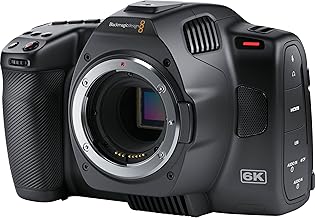 | Blackmagic Design Pocket Cinema Camera 6K | Outdoor & Bright-Light Shooting | 8.3/10 | Check price → |
 | SONY Cinema Line FX30 Super 35 | Run-and-Gun & Event Shooters | 8.0/10 | Check price → |
 | Nikon RED Z Cinema | High-End Color Science | 7.6/10 | Check price → |
Scroll sideways on small screens to see every column.
Nikon ZR Full-Frame 6K Cinema Camera: Best Overall for Solo Filmmakers
Blackmagic Design Pocket Cinema Camera 6K: Best Value Pro Cinema Camera
Blackmagic Design Pocket Cinema Camera 6K: Best Bundle for Extended Shoots
Blackmagic Design Pocket Cinema Camera 6K: Best Bright Screen for Outdoor Work
SONY Cinema Line FX30 Super 35: Best Autofocus for Run-and-Gun
Nikon RED Z Cinema: Best for High-End Cinema Color
Buying Guide: Sensor Size, Autofocus, Recording Formats, and Workflow
Choosing a 6K cinema camera means balancing image quality, ease of use, and your specific shooting style. Here are the four biggest factors that separate these six cameras.
How important is full-frame vs Super 35?
A full-frame sensor gives you a wider field of view, shallower depth of field, and generally better low-light performance. The Nikon ZR and Nikon RED Z both use full-frame sensors, which is a clear advantage for narrative filmmakers who want that cinematic look. Super 35 sensors, used by the Blackmagic Pocket 6K series and the Sony FX30, are smaller but offer a deeper depth of field and a wider selection of affordable lenses.
For documentary or event work, Super 35 is often more practical. The trade-off is real: full-frame lenses cost more and the cameras themselves are priced higher.
Do you need reliable autofocus?
This is the single biggest split in this lineup. The Sony FX30 has the best autofocus system by a wide margin, using hybrid phase-detection AF that locks onto subjects quickly and reliably. The Blackmagic cameras all use contrast-based autofocus, which is slower and hunts more in low light.
If you shoot events, run-and-gun, or gimbal work, the Sony is the clear choice. If you shoot controlled studio scenes or narrative work where you pull focus manually, the Blackmagic autofocus is acceptable. The Nikon ZR offers a good hybrid AF system that sits between the two.
6K raw vs 4K oversampled: what do you actually need?
6K raw gives you more flexibility in post-production. You can reframe your shots, stabilize footage, and grade with more latitude. The Blackmagic cameras and the Nikon ZR both shoot 6K raw internally.
The Sony FX30 shoots 4K that is oversampled from 6K, which means it captures a 6K image but downsamples it to 4K internally. This gives you excellent 4K quality but no 6K raw files. For most YouTube, social media, and broadcast work, 4K is perfectly fine.
For VFX, green screen, or projects that need heavy reframing, 6K raw is a genuine advantage. The Nikon RED Z Cinema also shoots 6K full-frame, but with a different codec workflow.
What is your post-production workflow?
Blackmagic cameras come with DaVinci Resolve Studio, which is a professional-grade color grading and editing suite. This saves you a significant amount and aligns your workflow with the industry standard. Sony cameras work best with Sony's own software or third-party apps like Final Cut Pro and Premiere Pro.
The Nikon ZR and RED Z Cinema use their own RAW formats, which may require specific plugins or software updates. If you are already using DaVinci Resolve, the Blackmagic cameras are the most seamless choice. If you use Premiere Pro, the Sony or Nikon options may fit better.
Who Should NOT Buy Best 6K Cinema Camera
A 6K cinema camera is the wrong purchase for three distinct types of buyers. Here is who they are, and what to look at instead.
You Need a Hybrid Camera for Photos and Video
If you shoot both stills and video, a dedicated cinema camera is a poor choice. Cinema cameras like the Blackmagic Pocket 6K and Sony FX30 do not have a mechanical shutter, no built-in flash, and limited photo features. You will end up carrying two cameras or regretting the purchase.
Look at a high-end hybrid camera like the Sony A7 IV or the Nikon Z8 instead. These offer excellent video, plus great stills capabilities. For a focused look at the best video-first cameras, check out our guide to top-rated video cameras.
You Are on a Tight Budget Under $1000
A 6K cinema camera body alone costs well over $1000, and that is before you buy lenses, memory cards, batteries, and a cage. If your total budget is under $1000, you are better off with a high-end consumer camera or a used DSLR that shoots 4K. You can get excellent results from a used Sony A6400 or a Panasonic GH5, both of which shoot 4K and have good autofocus.
For a more detailed look at affordable options, see our budget-friendly camera recommendations.
You Need Simple, Point-and-Shoot Video
Cinema cameras are designed for manual control. They do not have intelligent auto modes, scene presets, or simple touchscreen menus. If you want to hand the camera to a colleague or family member and get good results without training, a cinema camera will frustrate you.
Consider a high-end camcorder or a smartphone with a gimbal instead. The Sony ZV-1 or the DJI Osmo Pocket 3 are excellent for simple, high-quality video without the complexity.
Final Verdict
The best overall 6K cinema camera is the Nikon ZR Full-Frame 6K Cinema Camera. Its combination of full-frame 6K60 RAW, 15+ stops of dynamic range, 7.5-stop IBIS, and dual-base ISO makes it the most versatile and future-proof option for solo filmmakers and small crews. It is the one camera that does everything well without requiring a heavy rig.
Want the best value for professional cinema workflows? Get the Blackmagic Design Pocket Cinema Camera 6K Pro. It delivers 6K BRAW, internal ND filters, and DaVinci Resolve Studio at a price that is hard to beat.
Just be prepared to buy extra batteries.
Need reliable autofocus for events and run-and-gun work? The SONY Cinema Line FX30 is your best bet. Its hybrid AF system is unmatched in this price range, and the compact body is ideal for gimbal use.
If you are still unsure whether a 6K cinema camera is right for you, revisit the Who Should NOT Buy section above. It might save you a lot of money and frustration.
FAQ
What's the best 6K Cinema Camera overall?
The Nikon ZR Full-Frame 6K Cinema Camera is the best overall. It offers full-frame 6K60 RAW, 7.5-stop IBIS, dual-base ISO, and 15+ stops of dynamic range in a single compact package.
Is the Blackmagic Pocket 6K Pro worth the extra money over the G2?
Yes, if you need internal ND filters and a tilting 1500-nit screen. The G2 is cheaper and has a brighter HDR screen, but it lacks the built-in NDs. If you shoot outdoors frequently, the Pro is worth the extra investment.
Do I need a full-frame sensor for 6K cinema?
Not necessarily. Super 35 sensors like the one in the Blackmagic Pocket 6K series offer excellent image quality and a deeper depth of field, which is often preferred for documentary work. Full-frame gives you a more cinematic look with shallower DOF.
Does the Sony FX30 shoot 6K?
No, the Sony FX30 shoots 4K oversampled from 6K. It does not record 6K internally. The oversampling gives you excellent 4K quality, but you cannot reframe or crop as much as you can with true 6K raw footage.
How long do the batteries last on the Blackmagic Pocket 6K cameras?
About 45 minutes of continuous recording on a single NP-F570 battery. The Pro bundle includes extra batteries, but you should plan to buy 2-3 spares or use a dummy battery for a full shoot day.
What is 32-bit float audio, and do I need it?
32-bit float audio lets you record at very low levels and recover the sound in post without clipping. It is a huge advantage for documentary and run-and-gun shooters who cannot monitor audio perfectly. The Nikon RED Z Cinema is the only camera here with this feature.

Similar Posts