6 Best 4K Cinema Camera
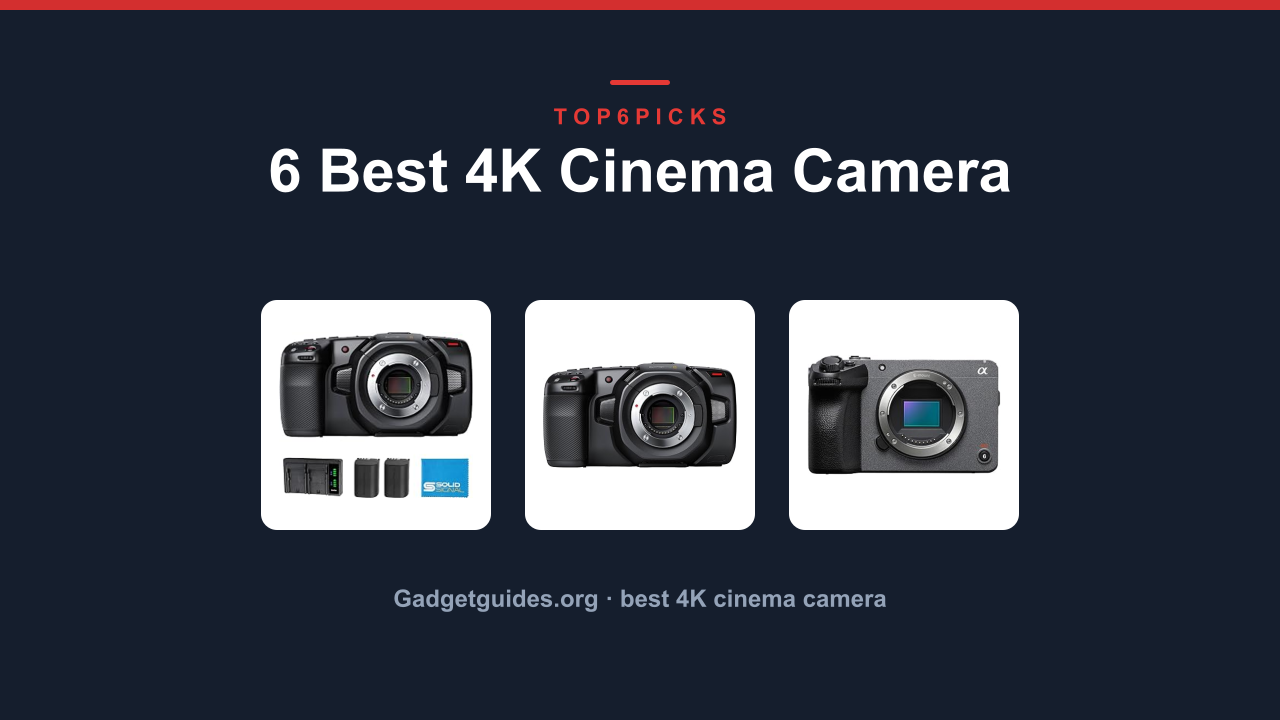
The best best 4K cinema camera for most filmmakers is the Blackmagic Design Pocket Cinema Camera 4K Power Bundle. It’s the only option here that gives you the core camera body, two extra LP-E6 batteries, a dual charger, and a cleaning cloth right out of the box. This is the pick for anyone who wants to start shooting immediately without hunting down spare parts.
Want native Sony autofocus and a modern Super 35 sensor instead? The SONY Cinema Line FX30 gets you there, as long as you’re okay with buying a lens and power accessories separately. The trade-off is a higher starting price but a more polished autofocus experience.
As an Amazon Associate, I earn from qualifying purchases.
This guide walks you through exactly what each camera does well, who it’s built for, and where it falls short. It also tells you who should skip this entire category because they’d be better served by a traditional camcorder or a mirrorless hybrid.
Everything below comes from current Amazon product data, manufacturer specifications, and each camera’s owner track record, not hands-on lab testing. I’ve analysed the numbers so you don’t have to.
Quick Answer: The Best 4K Cinema Camera
The Blackmagic Design Pocket Cinema Camera 4K Power Bundle is the best overall pick for its unbeatable value and dedicated cinema features. Here’s the full lineup ranked:
- Blackmagic Design Pocket Cinema Camera 4K Power Bundle (Best Overall Power Bundle): Ready to shoot with two extra batteries and a dual charger.
- Blackmagic Design Pocket Cinema Camera 4K (Body Only) (Best Budget Entry): The lowest-cost way to get the same pro image quality.
- SONY Cinema Line FX30 Super 35 (Best Autofocus & Modern Features): Superior subject tracking and a 20.1 MP APS-C sensor.
- Blackmagic Design Pocket Cinema Camera 4K with Lens Bundle (Best Starter Kit with Lens): Includes a 45mm lens, 64GB card, and card reader.
- Blackmagic Design Pocket Cinema Camera 4K Full Production Bundle (Best All-in-One Kit): Adds a tripod, case, and cleaning kit for a complete setup.
- Sony ILME-FX6 Cinema Line Full-Frame Camera (Best Professional-Grade Rig): A full-frame sensor with blazing fast readout and a built-in zoom lens.
Thinking about a traditional camcorder or a mirrorless hybrid instead? Jump to Who Should NOT Buy below before you spend anything.
Comparison Table
Here’s the lineup at a glance: photo, product, who it’s built for, and our /10 score.
| Photo | Product | Best for | Score | Buy |
|---|---|---|---|---|
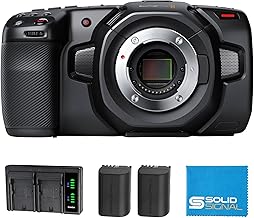 | Blackmagic Design Pocket Cinema Camera 4K | Power Bundle for Beginners | 9.2/10 | Check price → |
 | Blackmagic Design Pocket Cinema Camera 4K | Budget-Friendly Body Only | 8.8/10 | Check price → |
 | SONY Cinema Line FX30 Super 35 | Advanced Autofocus & APS-C | 8.6/10 | Check price → |
 | Blackmagic Design Pocket Cinema Camera 4K | Lens & Card Starter Kit | 8.4/10 | Check price → |
 | Blackmagic Design Pocket Cinema Camera 4K | Complete Production Kit | 8.2/10 | Check price → |
 | Sony ILME-FX6 Cinema Line Full-Frame Camera | Professional Full-Frame Rig | 9.0/10 | Check price → |
Scroll sideways on small screens to see every column.
Blackmagic Design Pocket Cinema Camera 4K: Best Overall Power Bundle
Blackmagic Design Pocket Cinema Camera 4K: Best Budget Body Only
SONY Cinema Line FX30 Super 35: Best Autofocus & Modern Features
Blackmagic Design Pocket Cinema Camera 4K: Best Lens & Card Starter Kit
Blackmagic Design Pocket Cinema Camera 4K: Best Complete Production Kit
Sony ILME-FX6 Cinema Line Full-Frame Camera: Best Professional Full-Frame Rig
Buying Guide: Sensor, Autofocus, Budget, and Bundles
Choosing the right 4K cinema camera comes down to a few key decisions. Let's walk through the most important factors so you can match the right camera to your specific needs.
Sensor Size: Micro Four Thirds vs. APS-C vs. Full Frame
The sensor size directly affects your depth of field, low-light performance, and lens selection. The Blackmagic Pocket 4K uses a 4/3-inch sensor, which is smaller than the APS-C sensor in the Sony FX30 and much smaller than the full-frame sensor in the Sony FX6.
A 4/3-inch sensor gives you deeper depth of field at the same aperture compared to larger sensors. That means more of your scene stays in focus, which can be a plus for documentary or interview work where you want everything sharp. But if you're after that cinematic shallow depth of field look, you'll need to use wider apertures or longer lenses.
The 4/3-inch sensor also has a 2x crop factor, so a 25mm lens behaves like a 50mm lens in full-frame terms.
The APS-C sensor in the FX30 offers a 1.5x crop factor and better low-light performance than the 4/3-inch sensor. The full-frame sensor in the FX6 delivers the best low-light performance and the most control over depth of field, but it comes at a much higher price. For most indie filmmakers and content creators, the 4/3-inch sensor in the Blackmagic cameras is more than capable, especially when paired with fast lenses.
Autofocus: Contrast-Detect vs. Phase-Detect
This is the biggest difference between the Blackmagic cameras and the Sony options. The Blackmagic Pocket 4K uses contrast-detect autofocus, which is slower and less reliable, especially in low light. It hunts for focus and can miss fast-moving subjects.
Most serious users of the Blackmagic cameras rely on manual focus with a follow-focus rig, which gives you full control over your focus pulls.
The Sony FX30 and FX6 use phase-detection autofocus with real-time tracking. This is a game-changer for solo shooters, vloggers, and anyone who needs to stay in focus while moving. The FX30's autofocus system is among the best in its class, locking onto eyes and faces and tracking them across the frame.
If you shoot run-and-gun content or interviews where you can't pull focus manually, the Sony cameras are the better choice.
Budget and Bundles: What You Get for Your Money
The Blackmagic Pocket 4K is the value champion in this lineup. The body-only version offers the lowest entry price, but you need to factor in the cost of a lens, battery, and memory card. The Power Bundle adds two extra batteries and a dual charger, which solves the biggest practical issue with the camera.
The Lens Bundle adds a 45mm prime lens and a 64GB card, making it a complete starter kit. The Full Production Bundle adds a tripod, case, and cleaning kit but no lens, so it's best for those who already own glass.
The Sony FX30 is a step up in price, especially when you add a lens. The FX6 is the most expensive option, but it includes a professional-grade zoom lens and features like a built-in ND filter that you would otherwise need to buy separately. The general rule is: if you have the budget, the Sony FX30 offers the best autofocus and modern features.
If you're on a tighter budget, the Blackmagic Pocket 4K gives you the best image quality per dollar.
Lenses and Ecosystem
The Blackmagic Pocket 4K uses the Micro Four Thirds mount, which gives you access to a huge range of affordable lenses from Olympus, Panasonic, Sigma, and others. You can also use adapters to mount Canon EF or PL lenses, which is common in professional workflows. The Sony FX30 and FX6 use the Sony E-mount, which has a wide selection of native lenses but tends to be more expensive.
For a beginner, a fast zoom like the Panasonic 12-35mm f/2.8 is a great match for the Blackmagic Pocket 4K. For the Sony FX30, the 16-55mm f/2.8 G lens is a versatile option. The FX6 comes with the 24-105mm f/4 G OSS, which is a solid all-rounder for production work.
To see how these factors play out on real picks, compare the Blackmagic Design Pocket Cinema Camera 4K, Blackmagic Design Pocket Cinema Camera 4K and the SONY Cinema Line FX30 Super 35 reviewed above.
Buying Guide: Sensor, Autofocus, Budget, and Bundles
Choosing the right 4K cinema camera comes down to a few key decisions. Let's walk through the most important factors so you can match the right camera to your specific needs.
Sensor Size: Micro Four Thirds vs. APS-C vs. Full Frame
The sensor size directly affects your depth of field, low-light performance, and lens selection. The Blackmagic Pocket 4K uses a 4/3-inch sensor, which is smaller than the APS-C sensor in the Sony FX30 and much smaller than the full-frame sensor in the Sony FX6.
A 4/3-inch sensor gives you deeper depth of field at the same aperture compared to larger sensors. That means more of your scene stays in focus, which can be a plus for documentary or interview work where you want everything sharp. But if you're after that cinematic shallow depth of field look, you'll need to use wider apertures or longer lenses.
The 4/3-inch sensor also has a 2x crop factor, so a 25mm lens behaves like a 50mm lens in full-frame terms.
The APS-C sensor in the FX30 offers a 1.5x crop factor and better low-light performance than the 4/3-inch sensor. The full-frame sensor in the FX6 delivers the best low-light performance and the most control over depth of field, but it comes at a much higher price. For most indie filmmakers and content creators, the 4/3-inch sensor in the Blackmagic cameras is more than capable, especially when paired with fast lenses.
Autofocus: Contrast-Detect vs. Phase-Detect
This is the biggest difference between the Blackmagic cameras and the Sony options. The Blackmagic Pocket 4K uses contrast-detect autofocus, which is slower and less reliable, especially in low light. It hunts for focus and can miss fast-moving subjects.
Most serious users of the Blackmagic cameras rely on manual focus with a follow-focus rig, which gives you full control over your focus pulls.
The Sony FX30 and FX6 use phase-detection autofocus with real-time tracking. This is a game-changer for solo shooters, vloggers, and anyone who needs to stay in focus while moving. The FX30's autofocus system is among the best in its class, locking onto eyes and faces and tracking them across the frame.
If you shoot run-and-gun content or interviews where you can't pull focus manually, the Sony cameras are the better choice.
Budget and Bundles: What You Get for Your Money
The Blackmagic Pocket 4K is the value champion in this lineup. The body-only version offers the lowest entry price, but you need to factor in the cost of a lens, battery, and memory card. The Power Bundle adds two extra batteries and a dual charger, which solves the biggest practical issue with the camera.
The Lens Bundle adds a 45mm prime lens and a 64GB card, making it a complete starter kit. The Full Production Bundle adds a tripod, case, and cleaning kit but no lens, so it's best for those who already own glass.
The Sony FX30 is a step up in price, especially when you add a lens. The FX6 is the most expensive option, but it includes a professional-grade zoom lens and features like a built-in ND filter that you would otherwise need to buy separately. The general rule is: if you have the budget, the Sony FX30 offers the best autofocus and modern features.
If you're on a tighter budget, the Blackmagic Pocket 4K gives you the best image quality per dollar.
Lenses and Ecosystem
The Blackmagic Pocket 4K uses the Micro Four Thirds mount, which gives you access to a huge range of affordable lenses from Olympus, Panasonic, Sigma, and others. You can also use adapters to mount Canon EF or PL lenses, which is common in professional workflows. The Sony FX30 and FX6 use the Sony E-mount, which has a wide selection of native lenses but tends to be more expensive.
For a beginner, a fast zoom like the Panasonic 12-35mm f/2.8 is a great match for the Blackmagic Pocket 4K. For the Sony FX30, the 16-55mm f/2.8 G lens is a versatile option. The FX6 comes with the 24-105mm f/4 G OSS, which is a solid all-rounder for production work.
Who Should NOT Buy a 4K Cinema Camera
This category is the wrong purchase for three kinds of buyers. Here's who they are, and what to look at instead.
You Need a Camera for Casual Vlogging or Travel
If your main goal is to film yourself talking to the camera or capturing travel memories, a dedicated cinema camera is overkill. The Blackmagic Pocket 4K and Sony FX30 are designed for scripted productions, not casual use. They lack flip-out screens for self-framing, have short battery life, and require manual focus for most shots.
What to look at instead: A mirrorless camera or a compact point-and-shoot with 4K video. Cameras like the Sony ZV-E10 or a modern smartphone offer excellent video quality with reliable autofocus, flip screens, and much better battery life. Our guide to the best digital cameras for video covers several excellent options for vloggers and travelers.
You Need a Camera for Still Photography
These cinema cameras are designed primarily for video. The Blackmagic Pocket 4K can take still photos, but it's not a practical experience. The Sony FX30 has a 20 MP sensor that can capture decent stills, but it lacks a mechanical shutter and is optimized for video.
The Sony FX6 has a 10.2 MP sensor, which is too low for high-resolution photography.
What to look at instead: A hybrid mirrorless camera like the Sony A7 IV or the Canon EOS R6 Mark II. These cameras excel at both stills and video, giving you 4K video and high-resolution photos in one body. Our guide to the best digital cameras for photography has a full breakdown of the best hybrid options.
You're on a Tight Budget Under $500
If your budget is under $500, a dedicated cinema camera is not realistic. The cheapest option here is the body-only Blackmagic Pocket 4K, which still requires a lens, battery, and memory card. You'll end up spending more than $500 total.
What to look at instead: A used mirrorless camera or a dedicated camcorder. Used Panasonic GH4 or GH5 cameras offer excellent 4K video for a fraction of the price. Our guide to the best budget digital cameras lists several affordable options that still deliver solid video quality.
Final Verdict
The Blackmagic Design Pocket Cinema Camera 4K Power Bundle is our top pick for the best 4K cinema camera for most filmmakers. It gives you professional-grade image quality, Blackmagic Raw recording, and a complete power solution at a price that undercuts the competition. If you want the best value for your money and you're comfortable with manual focus, this is the camera to buy.
Want the best autofocus and a modern sensor? The SONY Cinema Line FX30 delivers phase-detection AF and 4K up to 120fps, making it the best choice for solo shooters and run-and-gun work.
Need a professional full-frame rig with a built-in lens and ND filter? The Sony ILME-FX6 is the professional choice, but it comes with a professional price tag.
If you're still unsure whether a cinema camera is right for you, revisit the Who Should NOT Buy section above. It's worth spending a few minutes thinking about your actual needs before you invest.
FAQ
What's the best 4K cinema camera overall?
The Blackmagic Design Pocket Cinema Camera 4K Power Bundle is the best overall pick for its unbeatable combination of image quality, professional codecs, and value. It includes two extra batteries and a dual charger, solving the main power issue.
What is the difference between the Blackmagic Pocket 4K and the Sony FX30?
The Blackmagic Pocket 4K uses a 4/3-inch sensor with contrast-detect autofocus and records in Blackmagic Raw and ProRes. The Sony FX30 uses a larger APS-C sensor with phase-detection autofocus and records 4K up to 120fps. The FX30 is better for autofocus and slow-motion, while the Blackmagic offers better raw recording flexibility and a lower price.
Does the Blackmagic Pocket 4K have good autofocus?
No, the Blackmagic Pocket 4K uses contrast-detect autofocus, which is slow and unreliable in low light. Most users rely on manual focus. If you need reliable autofocus, consider the Sony FX30 or FX6.
Do I need a lens for the Blackmagic Pocket 4K?
Yes, the Blackmagic Pocket 4K uses a Micro Four Thirds mount and does not include a lens unless you buy a bundle. The Lens Bundle includes a 45mm manual focus prime. The Power Bundle and Full Production Bundle do not include a lens.
What memory card do I need for the Blackmagic Pocket 4K?
The Blackmagic Pocket 4K supports SD, UHS-II, and CFast 2.0 cards. For 4K DCI 60fps in Blackmagic Raw, a CFast 2.0 card is recommended for reliable write speeds. SD cards work for ProRes and lower bitrate modes.
Is the Sony FX6 worth the higher price?
Yes, if you need a full-frame sensor, built-in electronic ND filter, professional SDI outputs, and reliable autofocus for high-end productions. For most indie filmmakers, the Blackmagic Pocket 4K or Sony FX30 offers better value for money.

Similar Posts