Goodman Furnace Troubleshooting
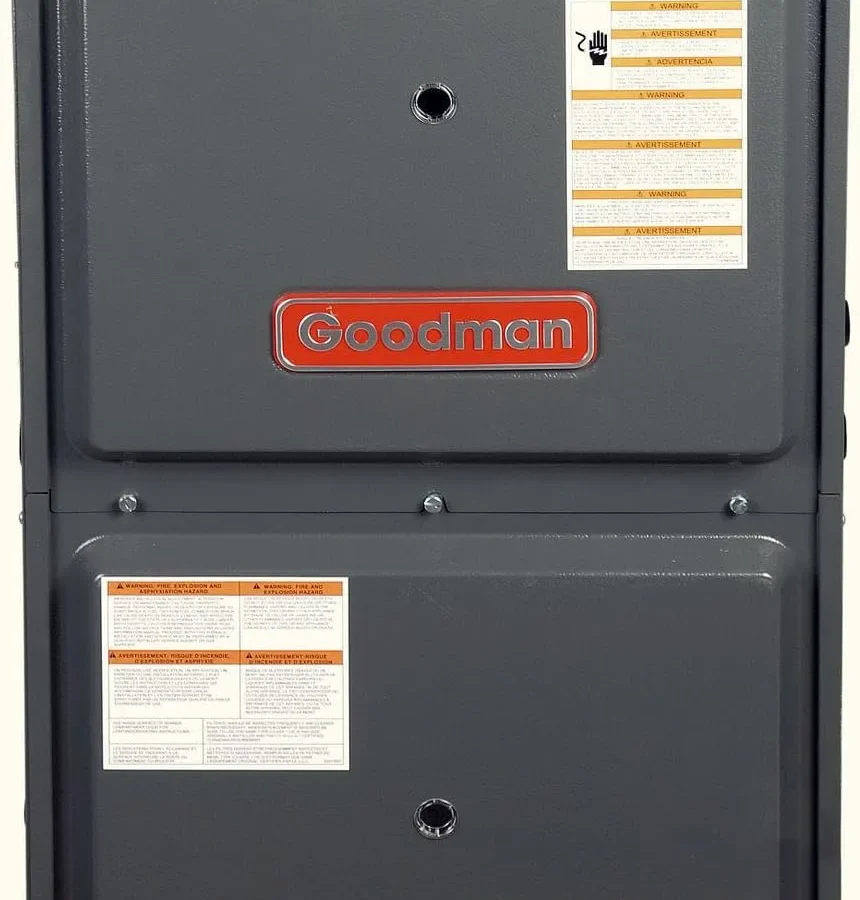
Your Goodman furnace is acting up, and you're standing there staring at it, wondering if you're about to drop a few hundred bucks on a service call you could have handled yourself. That's exactly why we're going to walk through Goodman furnace troubleshooting together, step by step, without the fluff.
Here's the thing: Goodman furnaces share a lot of DNA with other HVAC systems. A typical Goodman unit runs at 80% to 96% AFUE efficiency depending on the model, and the control board is actually pretty smart about telling you what's wrong. You just need to know how to listen.
Let's get into it.
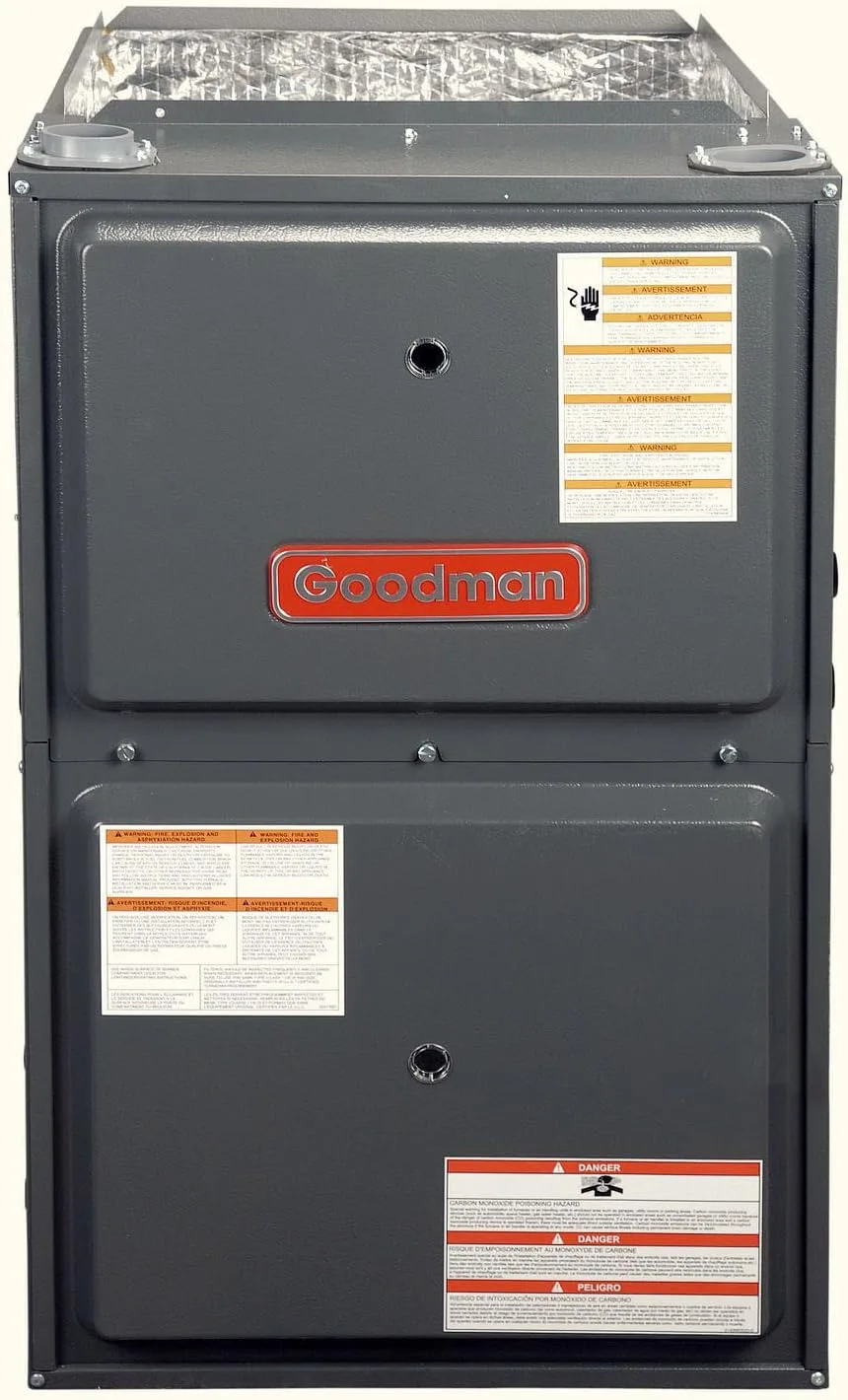
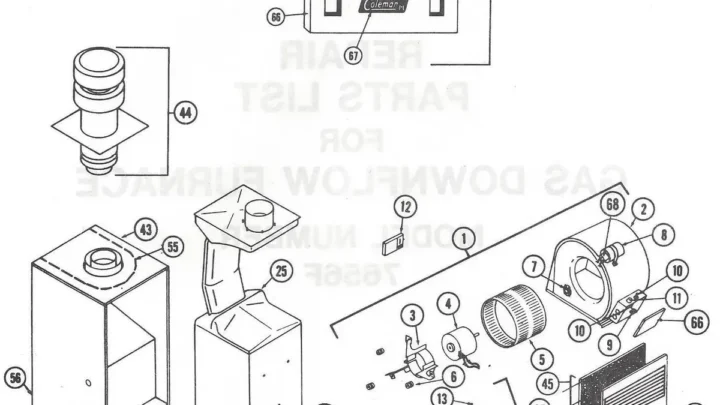
Image source: Bing (Web (fair-use with source credit))
Quick Answer
Goodman furnace troubleshooting starts with the error codes on the control board. The LED light blinks a specific pattern that tells you exactly what's failing. Safety comes first.
Shut off power and gas before touching anything. Check the easiest fixes first. The most common issues are dirty filters, blocked vents, or a tripped limit switch.
Resetting the power often clears lockout codes. If the blinks repeat, identify the component and decide if it's a DIY fix. Call a professional if you're unsure about anything.
Why Accuracy Matters When Troubleshooting a Goodman Furnace
Mess with a furnace wrong, and you're not just looking at a cold house. You're dealing with natural gas, high-voltage electricity, and combustion byproducts that include carbon monoxide. That's not fear-mongering, that's physics.
Goodman units pull 24V through the thermostat wiring and 120V through the blower motor. The gas valve opens and closes based on signals from the control board. Touch the wrong thing, and you could get a nasty shock or cause a gas leak.
The stakes are real, but so is the good news. Most Goodman troubleshooting is diagnostic before it's hands-on. The furnace tells you what's wrong through error codes, and understanding those codes keeps you out of dangerous territory.
You need to know where the safe boundary is between "check this" and "call a tech."
Safety protocols haven't changed, and for good reason. The National Fuel Gas Code and local building codes all point to the same principle: homeowners can safely perform visual inspections and minor maintenance, but anything involving gas line pressure or heat exchanger integrity requires licensed professionals. That's how it works.
That's how it should work.
Here's the practical split. You can safely check the air filter, verify the thermostat settings, confirm the breaker hasn't tripped, and read the error codes. You should not be poking around the burners or messing with the gas valve.
About 30% of furnace repair callouts are for issues the homeowner could have fixed in ten minutes with a screwdriver and a clean filter.
The Core Facts: How Your Goodman Furnace Actually Starts Up
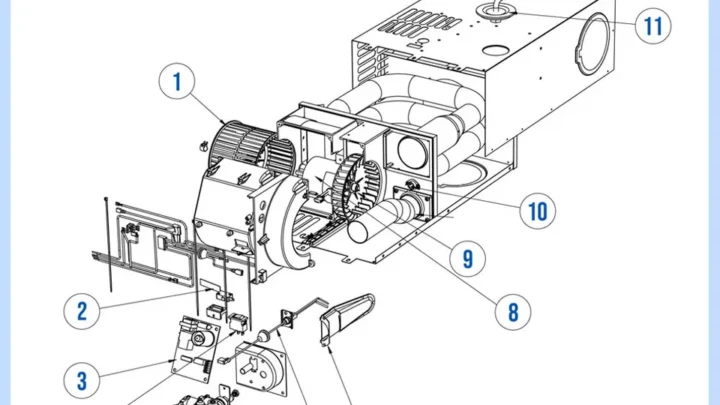
You can't fix what you don't understand. So let's walk through the startup sequence. It's not complicated, but it happens fast and in a specific order.
First, the thermostat calls for heat. It sends a 24-volt signal to the furnace control board. Next, the control board runs a safety check.
It verifies the pressure switch is open, which proves there's no blockage in the vent pipe. Then the inducer motor spins up. That's the small fan you hear whirring before the main blower kicks on.
The inducer motor creates negative pressure in the combustion chamber. That pressure closes the pressure switch, and the control board sees the proof it needs. Once confirmed, the control board sends a spark to the igniter.
On newer Goodman units, it's a hot-surface igniter that glows orange for about 17 seconds before the gas valve opens.
Then the flame sensor enters the picture. If the sensor detects a flame, it tells the control board to keep the gas valve open. If it doesn't detect flame in about 4 seconds, the valve closes and the furnace tries again.
After three failed attempts, the furnace locks out and the control board starts blinking a code.
The whole sequence takes about two minutes from start to heat. If anything in that chain breaks, you get an error code. The integrated control board tracks every failure and communicates it through the blinking LED.
Here's a quick reference table to help you match the blinks to the problem:
| Blinks | Common Meaning | Likely Culprit |
|---|---|---|
| 1 | Ignition failure | Bad igniter, gas valve, or wiring |
| 2 | Pressure switch stuck open | Blocked vent or failed inducer motor |
| 3 | Pressure switch stuck closed | Stuck switch or wiring fault |
| 4 | Limit switch open | Dirty filter or restricted airflow |
The Golden Rule: What's Safe to Do Yourself vs. What's Not
This is the line you don't cross. Write it down, or just remember it: if it's plugged in, wired in, or connected to a gas line, you need to know exactly what you're doing before you touch it.
You're safe to handle the basic stuff. Changing the air filter is the #1 DIY fix and the most common reason a Goodman furnace stops working. If the filter is clogged, airflow drops, the heat exchanger overheats, and the limit switch trips.
That's a safety shutdown, not a breakdown. Swap the filter and press the reset. Nine times out of ten, that's the whole repair.
You can also check your thermostat, confirm it's set to "Heat" and the fan is on "Auto," and make sure the batteries aren't dead. You can inspect visible vents to confirm they're open and not blocked by furniture. You can look at the condensate drain line for a clog if you have a high-efficiency model.
None of that requires a license.
Here's what's off-limits: the igniter assembly, the gas valve, the burner assembly, the heat exchanger, and any wiring inside the main control panel. Why? Because a cracked heat exchanger can leak carbon monoxide into your living space.
A bad gas valve can mean gas builds up before ignition, which is a recipe for a dangerous puff-back or worse. Carbon monoxide is colorless, odorless, and potentially fatal. You won't know it's happening until it's too late.
If the error code points to any of those components, close the panel back up and call an HVAC contractor. The cost of a service call is way below the value of your safety. And if you ever smell gas near the furnace, don't touch anything, don't flip any switches, don't even use your phone indoors.
Get outside and call the gas company's emergency line.
Step-by-Step Diagnosis: Reading Error Codes Like a Pro
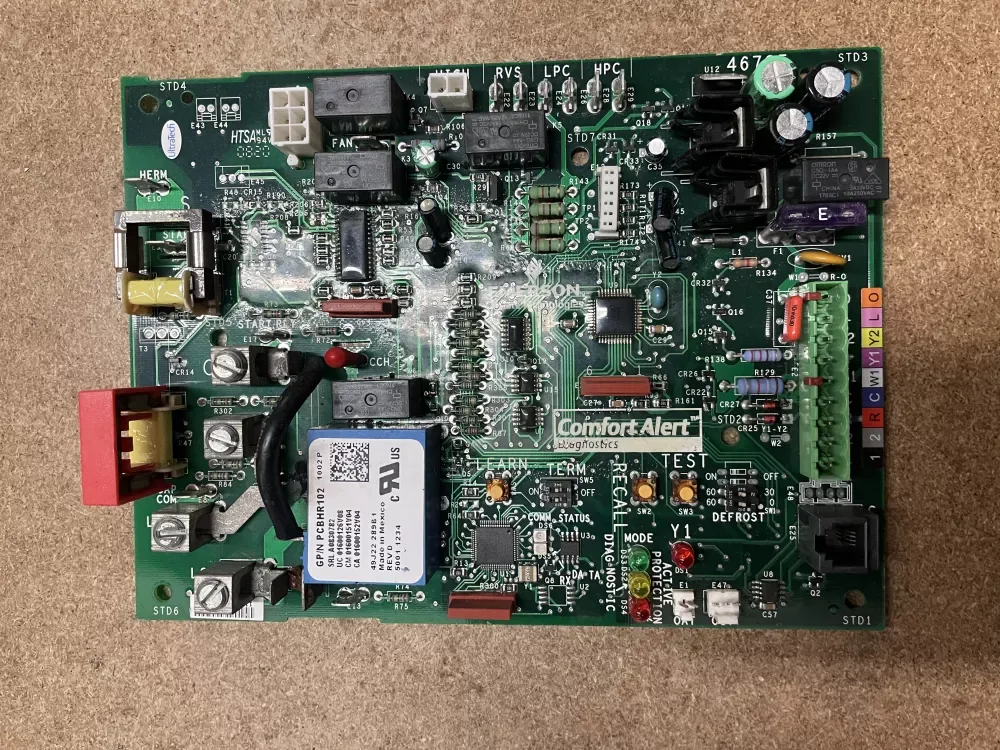
Image source: Bing (Web (fair-use with source credit))
Let's make that error code work for you. On most Goodman furnaces, the control board has a small observation window. Sometimes it's a clear plastic window in the blower compartment door.
Sometimes you need to watch through a peephole.
Here's the process. Stay methodical, and don't skip steps.
Step 1: Power cycle the furnace. Find the main power switch near the unit, usually a toggle switch mounted on the side of the furnace or on a nearby wall. Turn it off. Wait 30 seconds.
Turn it back on. This resets the control board and clears temporary lockout codes. If the furnace fires up, you're done.
If it starts blinking again, move to step 2.
Step 2: Count the blinks precisely. The LED will flash in a repeating pattern. It might be a single blink, then a pause, then two blinks, then a pause. That's error code 12, a common one indicating a low flame or flame sensor issue.
Homeowners most often see codes 12, 13, and 14, which all relate to ignition and flame sensing.
Step 3: Check the air filter before anything else. This solves a shocking number of limit switch trips. Remove the filter and hold it up to the light. If you can't see through it, replace it.
A clean filter costs less than five dollars and is the single cheapest insurance policy for your furnace.
Step 4: Inspect the condensate line (if applicable). High-efficiency Goodman units produce water as a byproduct of combustion. If the drain line is clogged, a safety switch trips and the furnace shuts down. Look for the clear PVC pipe exiting from the unit.
Check for standing water or visible blockages. If it looks full, you can carefully clear it with a wet-dry vac.
Step 5: Verify the pressure switch tubing. Two clear rubber hoses run from the inducer motor to the pressure switch. If a hose is loose, cracked, or disconnected, the furnace won't start. These hoses just push onto barbed fittings.
Push them back on securely and try again.
Common Error Codes and What They Mean
Take note of the pattern before you touch anything. If your furnace flashes error code 12 three times, then starts the cycle again, that confirms it's a recurring ignition issue. If it locks out entirely and only blinks, that's a hard failure.
The distinction matters. Recurring codes mean the furnace is trying and failing. Hard locks mean the safety logic says something is fundamentally wrong.
Once you've identified the error, cross-check it against what you know about the startup sequence. Intermittent flame loss points to the flame sensor. Ignition failure with no flame points to the igniter or gas supply.
The diagnostic process is just logic, so stay calm and methodical.
| Error Code | Meaning | What You Should Do |
|---|---|---|
| 12 | Ignition failure after 3 tries | Check airflow, then call a tech |
| 13 | Flame loss after ignition | Clean flame sensor or call a tech |
| 14 | Igniter open circuit | Likely a bad igniter, call a tech |
| 21 | Gas valve relay stuck | Call a professional |
| 23 | Pressure switch stuck open | Check hoses and vent, then call |
| 24 | Secondary limit open | Check filter, return vents |
| 31 | Inducer motor fault | Call a professional |
Real-World Scenarios: What These Codes Look Like in Practice
Scenario 1: The furnace runs, then shuts off after a few minutes. You're warm, the furnace kicks on, then it dies. This is classic error code 13, flame loss after ignition. The most common fix is cleaning the flame sensor.
It's a small metal rod that sits in the flame. Over time, it builds up a carbon coating that prevents it from detecting the flame properly. A quick wipe with fine sandpaper usually restores it.
Call a tech if you're not comfortable pulling the burner assembly apart.
Scenario 2: The furnace clicks but never ignites. You hear the igniter click or see it glow, but no flame. That's error code 12 territory. Check the gas valve first.
Is the gas turned on to the unit? Is there a shut-off valve that got bumped? It happens more often than you'd think.
If the gas is on and the igniter is glowing, the issue could be the gas valve itself. That's a call-a-tech situation.
Scenario 3: The furnace won't start at all, and the blower runs constantly. If the blower runs but there's no heat, check the thermostat setting. If it's set correctly, look at the limit switch. A dirty filter or a closed supply vent can cause the heat exchanger to overheat, tripping the limit switch.
The blower keeps running to cool things down. Clean the filter, open the vents, and reset the furnace.
When to Call a Professional
You've checked the filter. You've reset the power. You've cleaned the condensate line.
The furnace still blinks the same code. At that point, you need a professional.
Here's a quick list of things that should always trigger a service call:
- Error codes 21, 23, or 31
- A gas smell anywhere near the furnace
- Visible cracks in the heat exchanger (never touch it, just look)
- Signs of water damage or rust around the burner assembly
- A furnace that cycles on and off repeatedly, more than six times per hour
Don't let pride or a tight budget push you into a dangerous situation. Furnace repairs are not like changing a tire. The components are interconnected, and a misdiagnosis can create a bigger problem or a safety hazard.
Preventive Maintenance That Keeps Goodman Furnaces Running
The best troubleshooting is the kind you never need to do. A little routine care goes a long way.
Change the filter monthly during heating season. If you have pets or a dusty home, check it every two weeks. A clean filter costs a few dollars. A service call costs a hundred or more.
Seasonal tune-up once a year. Have a licensed HVAC tech inspect the unit before winter really hits. They'll check the heat exchanger for cracks, verify gas pressure, test the igniter, and clean the burner assembly. The cost is usually under $200 and it extends the life of your unit significantly.
Keep the area clear. Don't store boxes, paint cans, or holiday decorations within three feet of the furnace. Restricted airflow around the unit affects combustion and causes premature wear.
Listen to your furnace. Unusual sounds like popping, rumbling, or screeching are early warnings. Popping is often dirty burners. Screeching is usually a failing blower bearing.
Catching these early turns a $200 repair into a $500 one instead of a $2,000 replacement.
Check the condensate line before the season. If you have a 90% or higher efficiency model, find the PVC drain line and flush it with white vinegar annually. It prevents the buildup that causes clogs and safety switch trips.
The Bottom Line
Goodman furnace troubleshooting comes down to three things: reading the error codes, checking the easy stuff first, and knowing the line between DIY and professional territory.
Start with power resets and air filters. Those two fixes handle more than half of all service calls. Count the blinks carefully and match them to the code table.
If the code points to a component inside the burner cabinet, call a licensed tech.
Be smart and don't take risks with gas or electricity. The money you save by avoiding a service call is never worth your safety or your family's health.
Key Takeaways
- Error codes on the control board are your first diagnostic tool
- Dirty air filters cause a surprising number of shutdowns
- Power cycling clears temporary lockout codes
- Flame sensor issues show up as error code 13 and are a common fix
- Gas smells or repeated lockout codes mean call a professional
- Routine maintenance prevents most common furnace failures
- Never attempt repairs involving gas valves, heat exchangers, or high-voltage wiring without proper training

Similar Posts