Zodiac Mx6 Troubleshooting

If your Zodiac Mx6 has stopped scrubbing, climbing, or even moving, you’re probably staring at a pool that’s turning green while the cleaner just sits there like an expensive paperweight. Frustrating, right? The good news is that most Mx6 problems are fixable in under an hour with basic tools and a logical approach.
You don’t need a pool tech certification, you just need to know what to check, in what order.
The Mx6 is a pressure-side cleaner. That means it runs off the water pressure returning from your filter, not electricity. It uses a turbine, a diaphragm, and a set of gears to create that random, scrubbing pattern.
Water flows through the feed hose, spins the turbine, and that mechanical energy drives the wheels and the pulsing diaphragm that changes direction. If any link in that chain breaks, you get specific symptoms. No movement usually means no water flow or a seized gearbox.
Moving but not climbing points to a weak pulse or a pressure issue. Leaving debris behind? Check the bag and the brush first.
Let’s walk through the troubleshooting process step by step. Follow this order, it’s the fastest way from “broken” back to “cleaning.”
Image source: Bing (Web (fair-use with source credit))
Quick Answer
Start with the simplest fixes first:
- Check the pump basket and filter for blockages.
- Verify the flow control valve is set correctly.
- Untangle the feed hose and check the swivels.
- Clean the debris bag thoroughly.
- Listen for a smooth, rhythmic pulsing sound at the skimmer.
If the cleaner doesn’t move but water is flowing, the turbine or diaphragm is likely worn. Replace worn parts promptly to avoid damaging the gearbox.
Step 1: Is the Pump Running and Primed?
This sounds obvious, but you’d be surprised how many people skip it. Walk to your equipment pad and check the pump. Is it running?
Is the pump basket full of water? If it’s full of air, you have a prime issue. A pump that’s pulling air can’t generate the pressure needed downstream.
Next, check the filter pressure gauge. A dirty filter restricts flow and robs the cleaner of power. If the gauge reads 8, 10 PSI above the clean baseline, it’s time to backwash or clean the cartridges.
A dirty filter mimics a broken cleaner perfectly. The pump works, the water circulates, but the cleaner just crawls. Clean the filter first, it’s cheap and easy.
Step 2: Is the Flow Control Valve Adjusted Correctly?
This is the part most people miss. The Mx6 comes with a flow control valve that sits on the return line or connects to the feed hose. That little dial controls how much water bypasses the cleaner and how much goes through the turbine.
If the valve is closed too much, the cleaner gets starved. If it’s open too much, the cleaner might move but won’t climb walls because the bypass is stealing pressure.

Image source: Web (Bing) / orleanshousegallery.org (Web image (fair-use with source credit))
The fix is simple. Make sure the valve is fully open to the pool, allowing maximum flow to the cleaner. Then, watch the unit in the pool.
If it’s moving slowly, adjust the valve slightly toward the closed position. That forces more water through the turbine instead of the bypass. It’s a Goldilocks adjustment, you want just enough bypass so the cleaner doesn’t “porpoise” or jump, but enough direct flow to keep the turbine spinning fast.
Start with the valve fully open and fine-tune from there.
Step 3: Is the Feed Hose Tangled or Kinked?
A kinked hose is a dead stop for water flow. Walk the entire line from the skimmer or return fitting to the cleaner. Look for sharp bends, twists, or areas where the hose has collapsed.
Pressure-side hoses are robust, but they can get crushed by pool furniture or pinched in the skimmer lid.
Also, check the swivel ends. Each section of hose has a swivel that prevents the hose from twisting into a knot. If a swivel is seized, the hose will twist and eventually kink during operation.
A stuck swivel is one of the top three causes for a cleaner that stops moving mid-cycle. You can usually free a swivel with some silicone lubricant spray. If the hose is permanently creased, replace that section.
A crushed hose won’t hold its shape, no matter how much you try to straighten it.
Step 4: Is the Debris Bag Full or Clogged?
If the cleaner is moving but leaving leaves and dirt behind, check the bag first. A full bag restricts water flow exiting the unit. Think of it like a vacuum cleaner.
If the bag is full, the suction drops, and the vacuum head stops picking up dirt. The Mx6 works the same way. Water flows in, carries debris into the bag, and exits through the mesh.
If that mesh is clogged with algae or fine silt, the backpressure increases and the unit slows down or stops scrubbing.
Take the bag off and rinse it thoroughly with a garden hose. Pay attention to the fine mesh at the bottom. If it’s stained from algae, a quick soak in a mild cleaning solution helps.
Never put the bag in the washing machine, it’ll destroy the mesh. Let it dry completely before reinstalling.
While the bag is off, check the inlet openings on the cleaner body. Sometimes small stones get lodged in the throat and block debris from entering. A quick poke with a screwdriver clears it.
Step 5: Is the Swivel Moving Freely?
We touched on this with the hose, but the swivel on the cleaner body itself is another common failure point. The Mx6 has a heavy-duty swivel where the feed hose connects to the unit. If this seizes, the hose twists, and the cleaner loses its ability to negotiate corners.
It might also cause the unit to flip over constantly.
Check the swivel by grabbing the hose and rotating it manually. It should turn smoothly with minimal resistance. If it feels gritty or locks up, remove the hose and rinse the swivel with water.
If that doesn’t fix it, apply a silicone-based lubricant. Avoid petroleum-based lubes, they degrade the rubber seals. If the swivel is cracked, replace it.
They’re inexpensive and take about two minutes to swap out.
Step 6: Is the Diaphragm or Turbine Worn Out?
If you’ve confirmed water flow, checked the valve, untangled the hose, and cleaned the bag, but the cleaner still sits on the floor moving like a drunk turtle, you’re looking at internal wear. The two main culprits are the turbine and the diaphragm.
The turbine is a rotating wheel with fins. Over time, those fins wear down and lose their grip on the water. The diaphragm is a rubber membrane that flexes constantly.
After a season or two of heavy use, it can tear or develop pinhole leaks.

Image source: Web (Bing) / orleanshousegallery.org (Web image (fair-use with source credit))
A quick diagnostic: if the cleaner moves but the wheel action is weak or the unit doesn’t change direction, the diaphragm is suspect. If the cleaner doesn’t move at all but you can hear water rushing through it, the turbine might be slipping. You’ll need to open the gearbox to inspect.
Step 7: Disassembly and Deep Clean
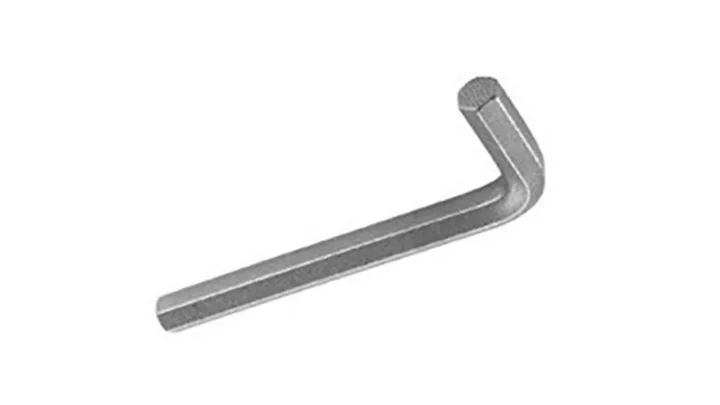
When the easy fixes fail, it’s time to open the shell. Don’t be scared; the Mx6 is designed to be serviced. You only need a Phillips head screwdriver and maybe a flathead for prying clips.
First, remove the feed hose from the unit. Then, flip the cleaner over so you can see the wheels and the bottom plate. You’ll notice a series of screws around the perimeter of the bottom plate.
Remove those screws carefully and set them aside in a cup so they don’t roll into the pool. Once the screws are out, the bottom plate should lift off, exposing the internal turbine chamber.
Now you’re looking at the heart of the machine. You’ll see the turbine wheel, the gear assembly, and possibly the diaphragm housing. Use a soft brush or a can of compressed air to blow out any debris.
Check the turbine for smooth rotation. If it spins freely, the issue might not be there. If it’s seized or grinding, the bearings might be shot.
Next, locate the diaphragm. It’s usually a black rubber component that sits in a dedicated housing. You’ll often find it has a small hose or port connecting it to the turbine area.
Gently pull the diaphragm out of its seat. Inspect it for cracks, tears, or hardening. Compare it visually to a new part if you have one on hand.
Replacing the diaphragm is a simple push-fit operation. Just make sure the new one sits flat and secured in its housing.
While you’re in there, check the gear mechanism for wear. Run your finger over the teeth. If they feel sharp or are missing chunks, the gears need replacement.
Apply a light coat of pool-safe silicone grease to the gears. Do not use standard petroleum grease, it can swell the rubber parts and cause more problems. Reassemble in reverse order, ensuring the seals are seated properly.
A misaligned seal will let water bypass the turbine and reduce cleaning power.
A deep clean like this can breathe new life into a cleaner that you thought was dead. I’ve seen units that were ready for the trash bin run like new after a proper disassembly, cleaning, and greasing. The whole job takes about 45 minutes, which is way cheaper than a service call.
Maintenance Tips to Prevent Future Issues
A little prevention goes a long way. Here are a few habits that keep your Mx6 running strong:
- Rinse the bag after every heavy use. Algae and fine silt clog the mesh quickly.
- Lubricate the swivels monthly with a silicone-based spray.
- Open the gearbox once a season for a visual inspection and re-grease.
- Check the flow control valve setting whenever you change pump speed or filter settings.
- Store the cleaner out of direct sunlight when not in use. UV rays degrade rubber parts faster than normal wear.
When to Replace vs. Repair
Sometimes, a part is too far gone. Small cracks in the gear housing or a heavily scored turbine shaft are signs it’s time to replace the component rather than patch it. Replacement parts for the Mx6 are widely available and affordable.
In most cases, you’ll spend between $15 and $40 on a new diaphragm, turbine, or gear kit. That’s far less than the $150, $250 cost of a replacement cleaner.
If the main body is cracked or the swivel mount is broken, it might be more cost-effective to buy a new unit. But if the issue is just a worn diaphragm or a clogged bag, repair is almost always the smarter move.
Final Thoughts
The Zodiac Mx6 is a solid, reliable cleaner when it’s fed properly. Most troubleshooting comes down to water flow, blockages, and rubber wear. Work through the steps in order, clean the internals when needed, and you’ll have your pool sparkling again without a pricey service call.
Take your time, keep the parts organized, and don’t be afraid to get your hands a little wet. You’ve got this.

Similar Posts