Cpap Machine Troubleshooting
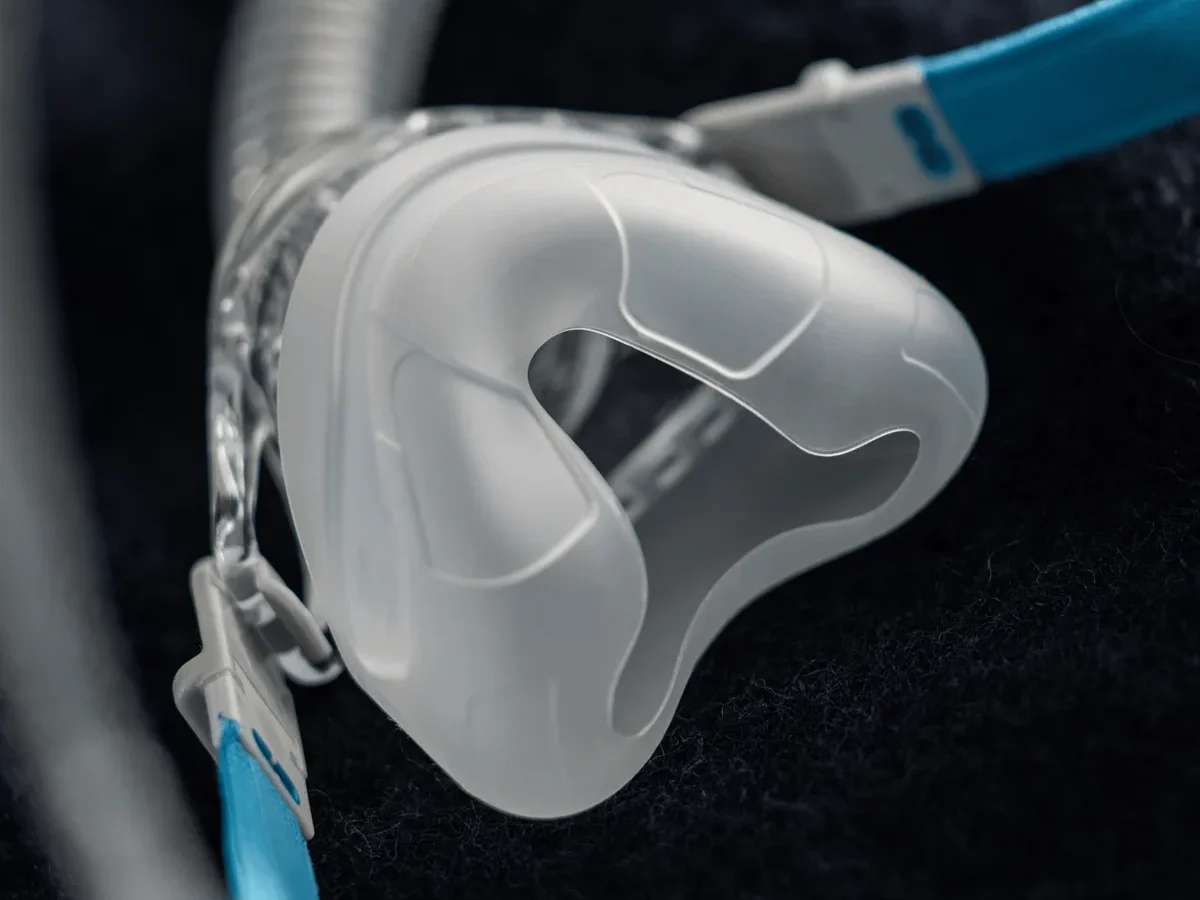
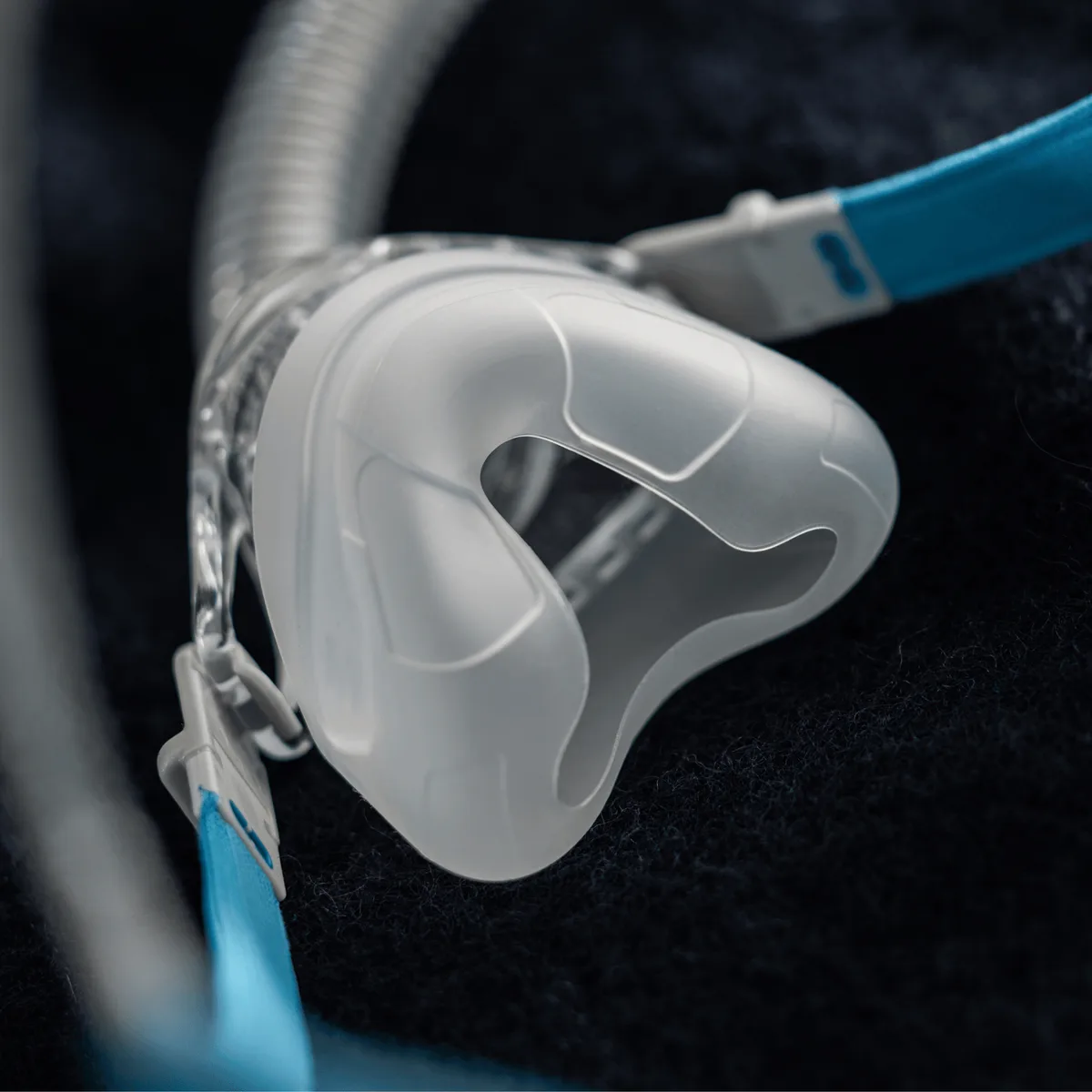
Image source: Bing (Web (fair-use with source credit))
Your CPAP machine is supposed to give you a good night's sleep, not turn into a midnight frustration. When it starts sputtering, leaking, or refusing to work, it's tempting to panic or assume you need an expensive replacement. But here's the thing: most common CPAP problems are fixable at home in under fifteen minutes.
Industry service data suggests roughly 70% of CPAP repair calls are for issues like clogged filters, loose connections, or condensation buildup that users could handle themselves. Before you call your sleep specialist or shell out for a repair tech, work through this guide. It covers the most common issues, what actually causes them, and the safe way to fix them.
CPAP Machine Won't Turn On? Start Here First
A completely dead machine doesn't automatically mean a dead machine. The power supply is the most common culprit, and it's also the easiest thing to check. Work through this list in order before touching anything else.
Check the outlet and power cord first.
Unplug the machine from the wall and plug in something you know works, like a phone charger or a lamp. If that device doesn't power on either, the outlet is the problem. Try a different circuit, especially if your machine is plugged into an outlet near a bathroom sink where GFCI breakers can trip.
Next, inspect the power cord along its full length. Look for chew marks, kinks, or exposed wires. If you have pets, this is a very real possibility.
A damaged cord needs replacing, not repairing. Also check the connection where the cord plugs into the machine's back panel, a loose fit can interrupt power even if the cord looks fine.
Reset the machine's internal breaker.
Most modern CPAP machines have an internal resettable fuse that trips after a power surge. Unplug the unit completely, wait about 30 seconds, then hold down the power button for 10 to 15 seconds. This drains residual charge and can reset the breaker.
Plug it back in and try again.
If it still won't turn on, try a different outlet on a different circuit. Some machines are sensitive to voltage drops. And if you're using a surge protector or extension cord, remove it and plug straight into the wall.
Those can degrade over time and under-deliver power.
When it's not the power.
If the power supply seems fine but the machine remains dead, check the display. On many models, the screen shows an error code or a blinking light that indicates a specific fault. Write that code down.
Referencing it later can save time if you need to call the manufacturer's support line.
One important warning: if you smell burning plastic or ozone, do not attempt to power the machine on again. That's a short-circuit risk, and continuing to test it could cause damage or create a fire hazard. That's a clear "call a professional" signal.
Mask Leaks and Air Whistling: The Most Common Fix You're Missing
A whistling mask is one of the most annoying CPAP problems, and it's also the most common. The good news is that it's almost always a fit issue, not a malfunction. Air is escaping from somewhere it shouldn't, and finding the leak is a straightforward process.
The finger test finds silent leaks.
Run your fingers along the edges of the cushion where the silicone meets your face. You'll feel air escaping long before you hear it. This is why washing your face right before bed helps: clean, oil-free skin creates a better seal with silicone.
If the leak is at the bridge of your nose, the mask is probably too tight. Tightening it more usually increases the leak, this is counterintuitive but true. Loosen the top strap slightly so the cushion can mold to your nasal bridge rather than pinching against it.
Check the cushion for wear or debris.
Hold the silicone cushion up to the light and stretch it gently. Look for cracks, thinning spots, or small holes. Most manufacturers recommend replacing the cushion every one to three months, depending on how often you clean it and the oils in your skin.
A stiff, discolored cushion has lost its flexibility and won't seal properly.
Also check the vent holes, the tiny openings designed to release exhaled CO2. If those are blocked with dust or skin cells, the internal pressure rises and forces air out along the edges. Clear them with a soft dry cloth or by soaking the cushion in warm soapy water and letting it air dry.
Headgear stretch is a sneaky culprit.
Elastic headgear loses tension over time. If the straps look clean and the cushion seems fine but you still get leaks, the headgear might be the issue. Try the "one finger" test: you should be able to slip one finger under the strap near your ear.
If you can fit two or three, it's too loose. If you can't fit any, it's too tight and you risk pressure sores.
Rainout and Humidity Problems: Stopping the Gurgles and Coughing

Image source: Bing (Web (fair-use with source credit))
Waking up to a mouth full of water or hearing your machine gurgle isn't just unpleasant, it's condensation, often called "rainout." It happens when warm, humid air from the machine hits the cooler air in your tube and turns back into liquid. The fix involves temperature management, not just cranking the dial.
Heat the air before it cools.
Most modern CPAP machines include a heated tube option, and that's your best tool here. Heated tubing keeps the air temperature consistent from the humidifier to your mask, preventing that sudden temperature drop that creates condensation. If your machine has a "tube temperature" setting, raise it to match or slightly exceed your humidity level.
If you don't have a heated tube, the simplest workaround is temperature control in the room. Keep your bedroom warmer, which means the air in the tube doesn't cool as dramatically. A common trick is covering the tube with a soft fabric sleeve sold for this purpose.
It adds a layer of insulation and reduces the temperature gradient.
Adjust humidity down in winter.
Counterintuitively, rainout often gets worse in winter even when your room is colder. The machine heats the water tank to a set temperature, creating very humid air. That humid air then hits a cold tube and condenses instantly.
Lowering the humidifier setting slightly reduces the moisture load, so less water forms in the tube.
Manage your water tank levels.
Running the tank dry mid-night isn't a malfunction. Most machines shut off the heater when the water runs out to prevent damage, but you still lose humidity. Check the tank before bed and refill to the maximum line.
Don't fill past it either, the chamber needs headroom for airflow, and overfilling pushes water directly into the tube, which triggers that gurgling, gasping sensation.
If you've tried all this and still wake up to gurgling, check the machine's drainage port. Some setups have a small opening on the humidifier chamber that lets excess water drain back into the tank. If that port is blocked, water accumulates in the tube.
A quick rinse under warm water usually clears it.
CPAP Making Weird Noises? What's Normal, What's Not
Your machine makes some sound, that's expected. A gentle whoosh or soft hiss from the vent is normal exhaust air. But rattling, whining, or loud vibrations are not, and they usually point to a specific cause.
First, isolate where the noise comes from.
Turn the machine on with the mask off and hold your hand over the outlet port. If the noise persists, it's coming from inside the machine. If it stops when you cover the port, the noise is likely related to airflow or a component in the mask itself.
This quick test helps you narrow down the problem.
Internal rattling often means debris in the blower fan. Dust buildup on the fan blades creates an unbalanced spin, which can cause a low hum or rattle. The fix starts with the filter: a clogged or dirty intake filter restricts airflow and makes the motor work harder, producing an audible change in pitch.
Filter changes affect sound.
Most machines use a small white foam or paper filter behind a removable panel. Check it monthly. If it's gray, brown, or visibly dusty, replace it.
Don't wash the disposable ones, they lose their filtration efficiency when wet. Keep a spare pack on hand since they're inexpensive and take less than a minute to swap.
When the sound is a whine or high-pitched whistle.
A whistling or whining noise that isn't from the mask usually means an air leak in the tubing connection. Check every joint: where the hose connects to the machine, where it connects to the mask, and any swivel points. Disconnect each joint and reconnect it firmly.
A misaligned O-ring or a cracked hose adapter can create a focused whistle.
However, if the noise is a grinding or scraping sound that doesn't change with airflow, that points to the motor bearings. This is not a home-fix issue. Internal motor replacement requires opening the machine's case and disconnecting sensitive components.
Manufacturer specifications caution that any attempt to open the unit voids the warranty. This is a legitimate call-your-supplier moment.
CPAP Pressure Feels Wrong: Too Strong, Too Weak, or Irregular
The pressure feels different one night to the next, and it's making you anxious. Before you adjust any settings, understand that your machine might be doing exactly what it's designed to do. Many modern machines are APAPs, auto-adjusting devices that monitor your breathing and change pressure throughout the night in response to snoring, flow limitations, and apneas.
Ramp is a feature, not a bug.
If the pressure feels too strong at first, check if "ramp" is disabled. Ramp starts you at a low, comfortable pressure and gradually increases to your prescribed level over 20 to 45 minutes while you fall asleep. If it's off, you're getting full therapy pressure from the moment you put the mask on.
Turn it on in the settings menu and set a ramp time that matches how long you typically take to drift off.
Conversely, if the pressure feels too weak at the start, your ramp might be set for 45 minutes but you're falling asleep in 10. You can shorten the ramp time, but don't disable it entirely. The ramp's purpose is comfort, and skipping it increases the risk of mouth breathing and aerophagia, swallowing air and waking up with a bloated stomach.
Ballooning mask or feeling like you're swallowing air?
If you feel like you're being inflated or you're gulping air, check your sleep position. Sleeping flat on your back with your chin tucked toward your chest can narrow your airway. The machine detects that resistance and increases pressure to keep your airway open.
It's working correctly; the problem is positional. Try a slightly elevated pillow to keep your head aligned with your spine.
Pressure drift over the night.
If you wake up during the night and the pressure feels dramatically different than when you fell asleep, that's normal too. APAP machines adjust pressure in real time based on your breathing patterns. During REM sleep, your breathing becomes erratic, and the machine compensates.
Unless you're waking up gasping or choking, this is the therapy doing its job.
When to Call a Professional
Not every issue is a DIY fix. Some problems require a qualified technician or a replacement machine. Call your equipment supplier or sleep clinic if you encounter any of the following:
- Burning smell or ozone odor from the machine at any time
- Grinding or scraping noises that persist after cleaning the filter and checking connections
- Error codes that don't clear after a power reset
- Visible cracks in the machine housing or water tank
- Persistent leaks that continue after replacing the cushion and headgear
- No airflow even though the machine powers on and shows no error
Quick Reference Table: Common Problems and Fixes
| Problem | Likely Cause | Quick Fix |
|---|---|---|
| Machine won't turn on | Power cord, outlet, or internal fuse | Test outlet, inspect cord, do a 30-second reset |
| Mask whistles or leaks | Worn cushion, loose headgear, oily skin | Run finger test, replace cushion, wash face before bed |
| Gurgling or water in tube | Rainout, overfilled tank, blocked drainage | Use heated tube, lower humidity, check water level |
| Rattling or whining noise | Dirty filter, debris in fan, loose connections | Replace filter, check joints, listen for source |
| Pressure feels too strong/weak | Ramp disabled, positional airway narrowing | Enable ramp, adjust sleep position, check settings |
| Swallowing air or bloating | Chin tuck, pressure too high for position | Elevate pillow, adjust head position |
A Few Final Habits That Prevent Most Problems
Consistency prevents more issues than any single fix. Build these habits into your routine and you'll dramatically reduce the chances of a middle-of-the-night machine meltdown.
Clean weekly, replace monthly. Wash the mask cushion, water tank, and tube in warm soapy water once a week. Rinse thoroughly and let everything air dry completely before reassembly. Replace the disposable filter monthly, and inspect the cushion regularly for wear.
Keep the machine elevated. Place your CPAP on a nightstand or table at or slightly below mattress level. This creates a natural drainage path for condensation and reduces the chance of water flowing back into the machine.
Use distilled water. Tap water contains minerals that build up in the humidifier chamber over time, reducing heating efficiency and creating scale that's hard to remove. Distilled water prevents this and keeps the tank working properly.
Check your mask seal every night. A quick five-second check before bed, run your finger around the cushion edge, can prevent a night of leaking and the pressure adjustments that come with it. A good seal means your machine can do its job without overworking.
The Bottom Line
Your CPAP machine is a durable, well-designed piece of medical equipment. Most issues that come up are routine maintenance problems, not catastrophic failures. When something goes wrong, work through the troubleshooting steps in order.
Start with the simplest explanation, power, connections, cleanliness, and move up from there.
And when you do need professional help, don't hesitate to get it. Your therapy is too important to compromise. A properly functioning CPAP machine is the difference between a restful night and a restless one.
A little troubleshooting know-how keeps you on the right side of that line.

Similar Posts