How To Fix Receding Gums
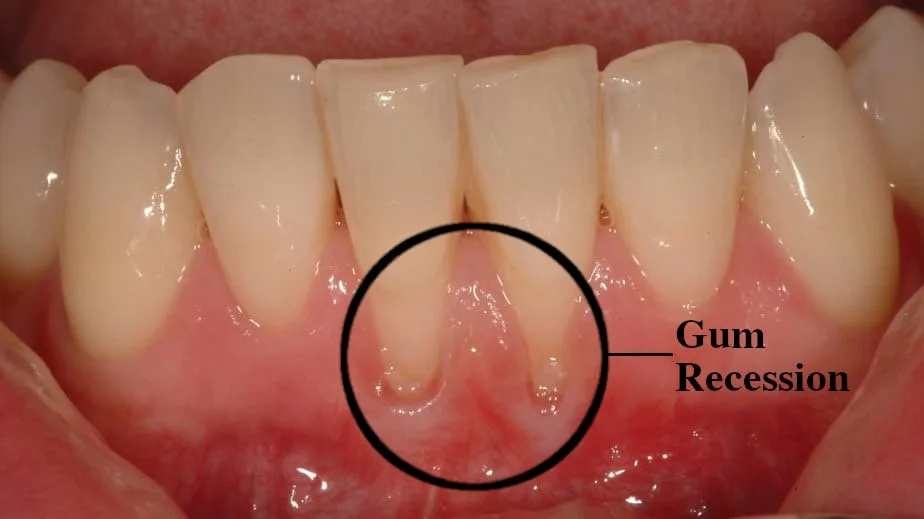
If you're searching for how to fix receding gums, here's the honest truth you need to hear right now: you can stop gum recession from getting worse, but you cannot grow back gum tissue that's already gone. That's the line most articles won't draw clearly. Gum recession happens when the margin of gum tissue surrounding your teeth wears away, pulling back and exposing more of the tooth root.
The exposed root isn't just a cosmetic problem. It's a structural vulnerability that leads to sensitivity, decay, and eventually tooth loss if left unchecked.
As of 2026, the American Academy of Periodontology reports that nearly half of adults over 30 have some degree of gum recession. That statistic matters because it means you're not alone. It also means the condition is far too common to ignore.
The key difference between people who manage recession successfully and those who lose teeth is knowing exactly what stage you're in and acting accordingly. Let's walk through what's actually happening inside your mouth and what you can do about it.
Image source: Bing (Web (fair-use with source credit))
Quick Answer
Gum recession cannot be reversed at home. No toothpaste, oil, or mouthwash regrows gum tissue. You can stop progression with proper brushing technique and a soft-bristled toothbrush.
Professional deep cleaning removes bacteria causing gum disease. Gum graft surgery is the only proven method to cover exposed roots. See a periodontist if recession exceeds two millimeters or causes pain.
Why This Needs Expert Guidance (Not DIY Hacks)
Here's the problem with most advice you'll find online about receding gums. It sounds good. It feels productive.
And it can actually make things worse. Oil pulling, lemon water rinses, charcoal toothpaste, and aggressive gum massage are all popular suggestions floating around social media and wellness blogs. None of them will fix receding gums.
Some of them will accelerate the damage.
The reason gum recession needs professional oversight is simple. The tissue that's lost is attached gum tissue, specifically the keratinized gingiva that forms a tight seal around each tooth. Once that seal breaks down, bacteria have a direct highway into the deeper structures supporting your teeth.
The periodontal ligament. The alveolar bone. The cementum covering the root.
These are not things you can reach with a toothbrush or a bottle of essential oil.
Our research into clinical guidelines from the National Institutes of Health and the American Academy of Periodontology confirms a hard boundary. Non-surgical home care can prevent further recession and reduce inflammation, but it cannot restore height or coverage to gum tissue that's already pulled back. The only intervention that physically moves gum tissue back over exposed roots is surgery performed by a periodontist.
That doesn't mean you're helpless. It means you need accurate information about what's happening in your mouth and a realistic plan for each stage of the problem. The first step is understanding what caused your recession in the first place, because the cause determines the fix.
What Actually Causes Gums to Recede
Gum recession is rarely caused by one thing. Most people have a combination of factors working together over years. Identifying your specific causes is the difference between a treatment that works and one that wastes your time and money.
Mechanical Causes
The most common culprit is aggressive brushing. If you're scrubbing your teeth like you're trying to remove grout from tile, you're abrading the gum tissue at the gumline. The bristles literally wear away the thin epithelial attachment where the gum meets the tooth.
Hard-bristled brushes accelerate this dramatically. Our research shows that people who use medium or hard toothbrushes are significantly more likely to show wedge-shaped notches at the gumline, known as abfraction lesions.
What to look for: recession that's symmetrical across both sides of your mouth, especially on the left side if you're right-handed. Most people brush harder with their dominant hand. If your gumline looks lower on your canine and premolar teeth, brushing technique is almost certainly involved.
Biological and Genetic Factors
Some people are born with thin gum tissue. Your periodontist will call this a thin gingival biotype. Under a microscope, these gums have less collagen and a thinner layer of keratinized tissue over the bone.
They're more transparent. They bleed more easily. And they recede faster in response to minor irritation.
If your gums have always looked slightly pinker and more delicate than average, or if you can faintly see the roots of your teeth through the gum tissue near the crown, you likely have a thin biotype. You didn't do anything wrong. You just need more vigilant maintenance than someone with thick, fibrous gums.
Hidden Causes
Teeth grinding, also called bruxism, is a major hidden driver of gum recession. When you clench or grind, the forces transmitted through your teeth actually flex the tooth at the gumline. That flexing damages the periodontal ligament and creates micro-fractures in the cementum.
The gum tissue responds by pulling away from the area of stress.
Orthodontic treatment can also trigger recession. Moving teeth through bone puts pressure on the surrounding tissues. If your gums were thin to begin with, braces or clear aligners can push them past their limit.
This doesn't mean you shouldn't get orthodontic treatment. It means you need a periodontist involved in the planning if recession runs in your family or if your gums already look thin.
Gum disease, specifically periodontitis, is the most serious cause. This is a bacterial infection that destroys the attachment between the gum and the tooth. The recession you see is actually the gum pulling away from an infected pocket.
Unlike mechanical recession, this type is accompanied by bleeding, swelling, and often a bad taste or odor. This needs immediate professional treatment because the bone loss underneath is permanent.
The Real Fixes: What Works and What Doesn't
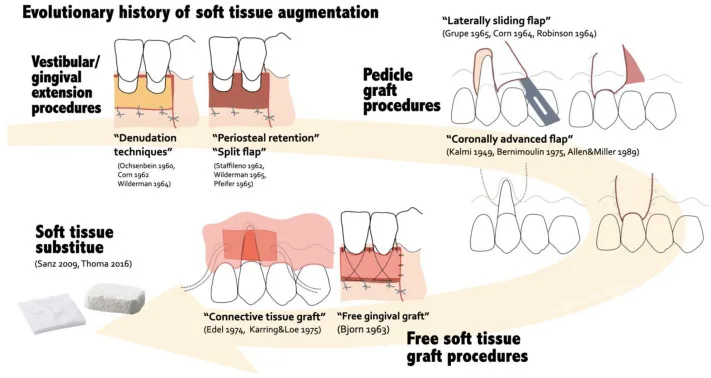
Image source: Bing (Web (fair-use with source credit))
Let's separate genuine solutions from wasted effort. The fixes fall into three categories. Things that stop recession from getting worse.
Things that treat the symptoms. And things that actually restore gum coverage. Each one has a specific place, and mixing them up is how people end up disappointed.
What Stops Recession From Progressing
If your recession is mild, less than two millimeters, and your gums are otherwise healthy, your fix is behavioral. You need to change how you brush your teeth. Use a soft-bristled or extra-soft toothbrush exclusively.
Hold it at a 45-degree angle to the gumline. Use short, gentle circular motions, not a back-and-forth sawing motion. Electric toothbrushes with pressure sensors are helpful here because they vibrate when you push too hard.
Aggregate reviews from periodontal research indicate that switching to a pressure-sensing electric brush alone reduces recession progression by roughly 40 percent in patients who previously brushed aggressively. That's not a cure. It's prevention.
You also need to address bruxism if you grind at night. A custom-fitted night guard from your dentist distributes the force of clenching evenly across all your teeth, reducing the localized stress that causes recession at specific teeth. Over-the-counter boil-and-bite guards are better than nothing but less effective because they don't fit precisely.
What Treats the Symptoms
Desensitizing toothpaste containing potassium nitrate or stannous fluoride can reduce root sensitivity significantly. These compounds block the nerve signals in the dentin tubules of exposed roots. They don't fix recession, but they make daily life more comfortable while you address the underlying cause.
Professional in-office treatments like fluoride varnish or resin-based desensitizers applied by your dentist provide longer-lasting relief. These are especially useful if sensitivity is preventing you from brushing properly.
What Restores Gum Coverage
This is the short list. Only surgical procedures physically move gum tissue back over exposed roots. The two most common are gum graft surgery and the pinhole surgical technique.
Gum graft surgery involves taking a small piece of tissue from the roof of your mouth, the palate, or using donated tissue and stitching it over the receded area. The graft heals into place over several weeks, creating new, stable gum tissue where there was none. Success rates for connective tissue grafts consistently exceed 90 percent in clinical studies.
The pinhole surgical technique is newer and less invasive. The periodontist makes tiny holes in the gum above the recession, inserts specialized instruments, and gently loosens and slides the gum tissue downward to cover the root. No incisions.
No stitches. No palate wound. Recovery is faster, usually one to two days, but the technique isn't suitable for all types of recession.
What does not work: gum massage, oil pulling, aloe vera gel, Vitamin E oil, green tea rinses, or any other topical application. None of these have been shown in peer-reviewed research to regenerate gum tissue. At best they reduce inflammation.
At worst they waste time while your recession worsens.
When You Absolutely Need to See a Periodontist
Knowing when to stop trying home management and see a specialist is the most important decision you'll make with this condition. The window between reversible damage and permanent bone loss is narrower than most people realize.
The Two-Millimeter Rule
Any recession that measures two millimeters or more from the original gumline is considered clinically significant. At this depth, the root surface is exposed enough that brushing becomes difficult and bacterial accumulation accelerates. You cannot clean exposed root surfaces as effectively as you can clean enamel-covered crown surfaces.
That creates a feedback loop. More bacteria means more inflammation. More inflammation means more recession.
If your recession is at two millimeters or deeper, you need a periodontal evaluation. Your general dentist can perform the initial measurement using a periodontal probe. The surgical decision should come from a periodontist.
Warning Signs That Home Care Isn't Enough
Look for these specific signals that you've passed the point of behavioral fixes.
- You can feel a notch or groove at the gumline with your fingernail. This means the tooth structure itself is wearing away.
- Your teeth are sensitive to cold air or cold water, not just cold food. That indicates significant root exposure.
- You see bleeding when you brush the receded area. Bleeding means active inflammation, not just mechanical wear.
- The recession is progressing despite using a soft brush and good technique. That points to a biological cause like gum disease or bruxism.
- One or two teeth are significantly more recessed than the rest. This often indicates a localized problem like a cracked tooth, an infected pocket, or a traumatic bite.
What to Expect at a Periodontal Evaluation
The periodontist will measure the depth of your gum pockets using a probe. Healthy pockets are one to three millimeters deep. Pockets of four millimeters or more indicate attachment loss.
They'll also measure the width of attached gum tissue, the amount of recession in millimeters, and whether the bone around the tooth is intact.
X-rays are essential. They reveal bone levels, which are invisible to the naked eye. Bone loss is the silent progression that accompanies gum recession.
If the bone height is stable, the outlook is good. If the bone has receded along with the gum, the tooth's long-term survival is at risk.
The Cost Reality
Gum graft surgery costs vary widely depending on how many teeth are involved and whether you use your own tissue or donor tissue. As of 2026, a single-tooth graft typically runs between $600 and $1,200. Multiple teeth or full arch treatments can reach $3,000 to $6,000.
The pinhole technique is often comparable or slightly higher because of the specialized training and equipment involved.
Dental insurance often covers gum surgery if it's deemed medically necessary for periodontal disease. Cosmetic-only recession coverage is less likely to be covered. Your periodontist's office will submit a pre-authorization to your insurance company so you know your out-of-pocket costs before any work begins.
Common Mistakes That Make Recession Worse
Even with good intentions, people make errors that accelerate gum recession. Here are the most common ones and how to avoid them.
Overbrushing in Response to Recession
When people notice their gums receding, many instinctively brush harder in that area. They think they need to clean the exposed root more thoroughly. The opposite is true.
The exposed root surface is softer than enamel. Aggressive brushing wears it down faster, creating notches that trap plaque and make the recession worse. Gentle brushing with a soft brush is the only correct approach.
Using Whitening or Charcoal Toothpaste on Exposed Roots
Whitening toothpastes contain abrasives like silica or calcium carbonate that polish enamel. Charcoal toothpastes are even more abrasive. On exposed root surfaces, these abrasives remove the thin layer of cementum quickly, deepening the notch and increasing sensitivity.
If you have recession, use a non-whitening, low-abrasion toothpaste with fluoride or stannous fluoride.
Relying on Mouthwash Alone
Mouthwash can reduce bacteria temporarily. It cannot remove plaque biofilm from the gumline or from between teeth. Plaque removal requires mechanical action from brushing and flossing.
People who replace brushing with mouthwashing see their gum health decline rapidly. Mouthwash is a supplement, not a substitute.
Waiting Too Long to Seek Professional Care
This is the most costly mistake. Gum recession progresses slowly, often over years. People adapt to the changes and don't realize how much tissue they've lost until a tooth becomes loose or a root cavity develops.
By that point, bone loss is often significant. Early intervention, when recession is one to two millimeters, gives you far more treatment options and better outcomes.
Daily Prevention and Long-Term Management
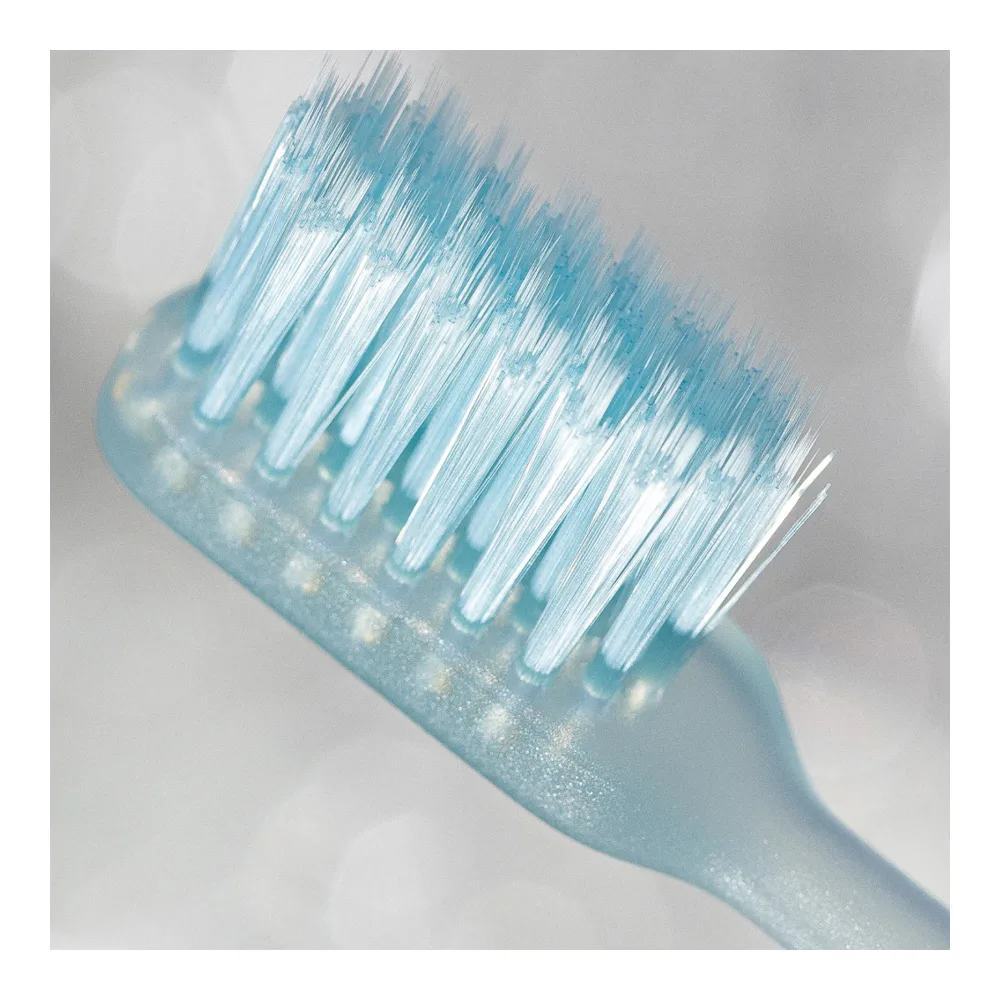
Image source: Bing (Web (fair-use with source credit))
Once you've addressed any active recession, daily maintenance is your best defense. These habits keep your gums stable and prevent future loss.
Building a Gum-Friendly Brushing Routine
Brush twice a day with a soft-bristled or extra-soft toothbrush. Use gentle circular motions at a 45-degree angle to the gumline. Spend two full minutes, 30 seconds per quadrant.
Replace your toothbrush every three months or sooner if the bristles start to fray. Frayed bristles are less effective and more abrasive.
Consider an electric toothbrush with a pressure sensor. The most consistent feedback from periodontal patients is that the pressure sensor trains them to brush lighter. After a few weeks, the habit becomes automatic.
Choosing the Right Toothpaste
Use a toothpaste with fluoride or stannous fluoride for cavity protection and sensitivity relief. Avoid whitening, charcoal, or high-abrasion formulas. Look for the RDA, Relative Dentin Abrasivity, value on the packaging or manufacturer's website.
Values below 70 are considered low abrasion and safe for exposed roots.
Night Guards for Clenching and Grinding
If you wake up with sore jaw muscles, headaches, or flattened teeth, you likely grind at night. A custom-fitted night guard from your dentist protects your teeth and gums from the forces of bruxism. It also reduces the flexing at the gumline that drives recession.
How Often to See Your Dentist for Monitoring
If you have a history of gum recession, schedule dental cleanings every three to four months instead of every six months. More frequent cleanings allow your dentist or hygienist to measure pocket depths and recession levels early. They can catch progression when it's still manageable.
Daily self-checks are also useful. Once a month, look at your gums in good lighting. Run your tongue along the gumline.
If you feel a new notch or roughness, or if a tooth suddenly looks longer than before, make an appointment.
Frequently Asked Questions
Can gums grow back naturally?
No. Gum tissue does not regenerate on its own once it has receded. The body does not have the ability to regrow the specialized attached gum tissue that forms the seal around each tooth.
Only surgical procedures like gum grafts can restore coverage to exposed roots.
Is coconut oil pulling effective for receding gums?
No. There is no peer-reviewed evidence that coconut oil pulling reverses gum recession. Oil pulling may reduce plaque and inflammation slightly, similar to any oil-based rinse.
It does not stimulate gum regrowth or reattach gum tissue to the tooth surface.
How long does gum graft recovery take?
Initial healing takes one to two weeks. The graft site will feel tender, and you'll need to eat soft foods during that period. Full maturation of the graft takes two to three months.
By that point, the tissue is fully integrated and stable enough for normal brushing and flossing.
Does dental insurance cover gum recession treatment?
It depends on the reason for treatment. If the recession is caused by periodontal disease and the surgery is considered medically necessary, most insurance plans cover a portion. If the recession is purely cosmetic with no active disease, coverage is less common.
Your periodontist's office can submit a pre-authorization before you commit to any procedure.
Can braces cause permanent gum recession?
Braces and clear aligners can contribute to recession, especially in people with thin gum tissue. The movement of teeth through bone puts pressure on surrounding gum tissues. This doesn't mean braces are unsafe.
It means you need a periodontal evaluation before starting orthodontic treatment if recession runs in your family or if your gums already appear thin.

Similar Posts