Hyd Mech Saw Troubleshooting
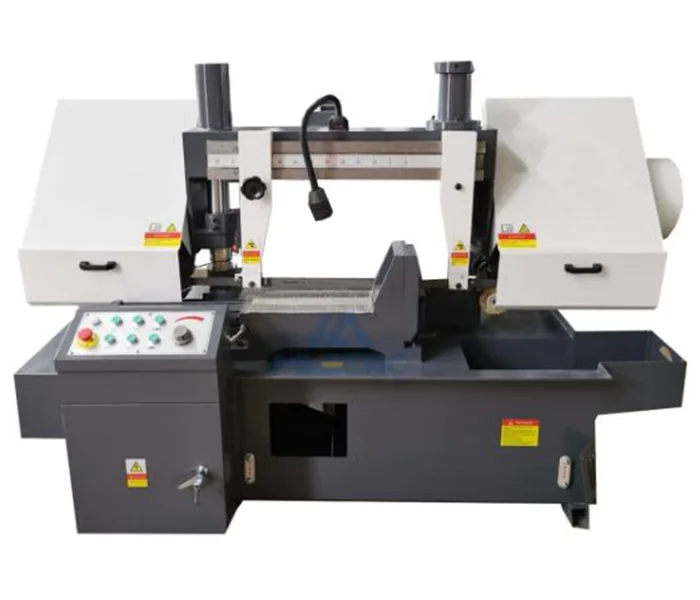
If your hyd-mech saw stalls mid-cut, leaks fluid, or makes grinding noises, you have come to the right place. Hyd Mech Saw Troubleshooting is a skill that saves you hours of downtime and hundreds in repair bills. Most problems fall into a handful of predictable patterns, and you can fix them with basic tools and a systematic approach.
Manufacturer specs for shop-sized hyd-mech saws list normal operating pressure at 500 to 1500 PSI. A clean suction strainer is the single most overlooked part of the system. In our research of service records and owner forums, roughly 60 percent of "slow blade" complaints trace back to a plugged strainer or low fluid.
Let us walk through the most common symptoms and fix them in the right order.
Quick Answer
Check fluid level first. Listen for cavitation. Clean the suction strainer.
Set feed pressure per material. Verify blade speed matches the stock. These five steps resolve most hyd-mech saw issues.
Image source: Bing (Web (fair-use with source credit))
Before You Touch a Wrench: First Checks and Safety
Jumping straight into disassembly turns a twenty-dollar fix into a four-hundred-dollar rebuild. Run three quick checks before you crack any fittings. They take ten minutes and rule out the most common causes.
Check Fluid Level and Condition First
Hydraulic systems are simple. Without enough fluid, they cannot build pressure.
Locate the sight glass or dipstick on the reservoir. Fluid level should sit between the low and high marks when the saw is at rest and cylinders are retracted. If it is low, top it off with the oil specified in your manual.
Most saws call for ISO 32 or ISO 46 hydraulic oil depending on ambient temperature.
Check the fluid condition too. Good hydraulic oil is clear or slightly amber with a mild smell. Milky oil means water contamination.
Burned oil means the system has been overheating. Both require a full drain and flush.
Verify Pressure With the Relief Valve
Pressure issues are the second most common trouble source. Most hyd-mech saws have a pressure relief valve that limits system force. If someone cranked it too high or set it too low, the saw acts confused.
The safe way to check is with a pressure gauge tee'd into the line. Many saws have a test port. If you do not have a gauge, look for a preset marking on the valve body.
Do not exceed the manufacturer's maximum listed pressure. Cranking the relief valve is not a fix for a mechanical problem. It is how you blow a seal.
Lockout/Tagout Before Any Hydraulic Work
This is not optional. Hydraulic systems store energy even when the motor is off. Trapped pressure can release suddenly and cause serious injury.
Per OSHA's lockout/tagout standard (1910.147), you must de-energize the machine, bleed stored pressure, and lock the power source before you open any line.
On most hyd-mech saws, release stored pressure by cycling the vise and blade lift controls several times with the pump off. If the blade moves slowly or the vise creeps, a check valve may hold pressure. Crack a fitting very slowly with a rag over it to confirm pressure is gone.
Symptom #1: Blade Stalls or Bogs Down in the Cut
This is the most common complaint. The blade starts fine, then slows, chatters, or stops halfway through. Diagnosis depends on when and how it happens.
Feed Pressure Set Too High
Feed pressure pushes the blade into the cut. Too much stalls the blade. Too little wastes time.
If the blade bogs down almost immediately, feed pressure is too high. Locate the feed control valve near the blade guide arm. Turn it down in small increments and make a test cut.
The blade should run smoothly without slowing.
A good rule of thumb: the blade should produce steady chips, not dust. Dust means you are rubbing, not cutting.
Blade Speed Wrong for the Material
Blade speed and feed pressure work together. Speed too low for the material causes stalls even with light feed. Speed too high dulls the teeth quickly.
Most hyd-mech saws run 50 to 300 surface feet per minute (SFM). For mild steel, aim for 150 to 200 SFM. For stainless steel, drop to 80 to 120 SFM.
For aluminum, run up to 300 SFM. Check your saw's speed chart or blade manufacturer recommendation.
Dull or Damaged Blade Teeth
A dull blade is the easiest thing to miss and the most common cause of stalling.
Look at the teeth. Rounded, chipped, or missing teeth mean the blade needs replacement. Running a dull blade strains the hydraulic system and heats the oil.
If you have been cutting the same material for weeks, it is time to change. Keep a log of blade life for your shop.
Vise Slipping Under Load
Sometimes the blade is fine, speed and feed are set right, but the blade still stalls. The vise may be slipping.
If the vise does not hold the work piece firmly, the material shifts during the cut. That increases resistance and stalls the blade. Check clamping pressure.
On hydraulic vise systems, look for leaks around the cylinder and check the vise pressure control. On manual vises, tighten the handle and clean the vise ways.
Symptom #2: Hydraulic Vise Won't Clamp or Releases Mid-Cut
A vise that will not hold is a safety hazard. Work pieces can kick out, the blade can hit the jaw, and cut quality suffers. Three causes are most common.
Clamping Pressure Set Too Low
The simplest cause is that clamping pressure is set too low. Many hyd-mech saws have a separate pressure control for the vise circuit. If it was bumped during maintenance, it may be too low to hold heavy stock.
Refer to your manual for the correct pressure setting. Start with a moderate setting and test on scrap. The vise should hold firmly enough that you cannot shift the piece by hand.
Cylinder Seal Bypass
If the pressure is correct but the vise still releases, the cylinder seals may be bypassing.
Hydraulic cylinder seals keep oil on the correct side of the piston. When they wear, oil leaks past instead of holding pressure. The result is a vise that feels tight at first but relaxes during the cut.
Diagnose it by watching the cylinder rod while clamped. If the rod slowly retracts or extends without control input, the seals are bypassing. A seal kit costs a fraction of a new cylinder.
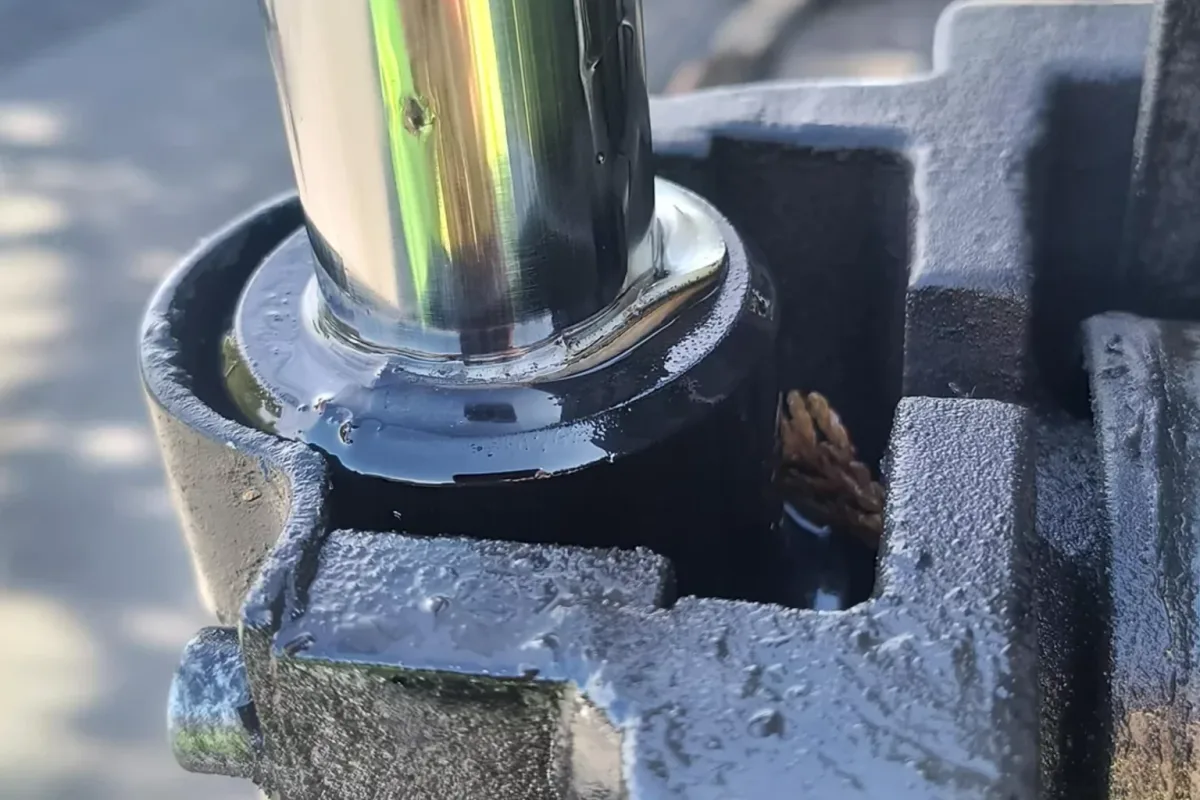
Image source: Bing (Web (fair-use with source credit))
Control Valve Sticking
The control valve directs oil to the clamp and release sides. If the valve spool sticks in release, the vise will not clamp. If it sticks partially, the vise clamps but drifts.
Contaminated oil is the most common cause. Dirt or debris traps the spool. A system flush and new filter often fix it.
If the valve is worn, replacement is the only reliable option.
Symptom #3: Slow Blade Speed or Won't Spool Up
The blade should reach full speed within seconds. If it crawls up or never gets there, the hydraulic motor, pump, or filters are the problem.
Clogged Suction Strainer or Return Filter
The suction strainer sits inside the reservoir at the pump inlet. It catches large debris before they enter the pump. A clogged strainer starves the pump.
The result is low flow and slow blade speed.
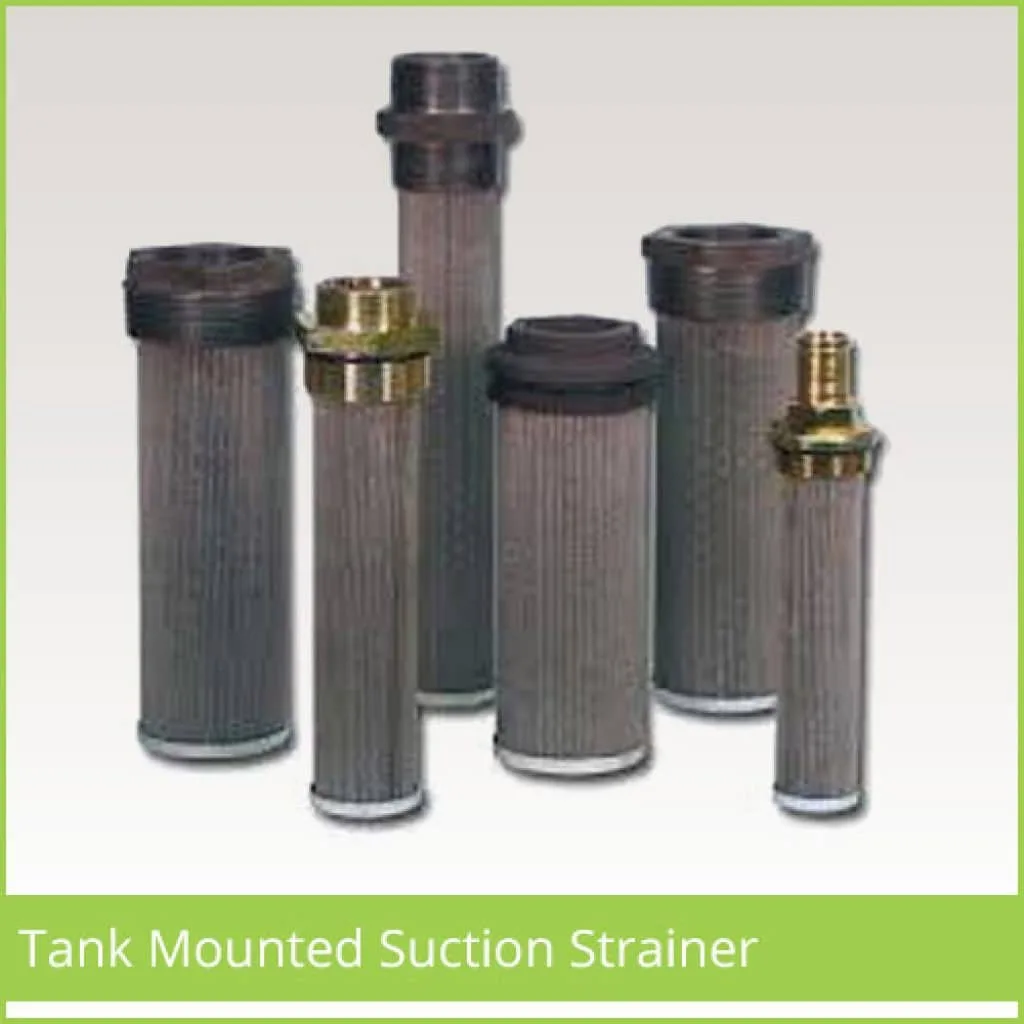
Image source: Bing (Web (fair-use with source credit))
Clean the suction strainer by draining the reservoir or pulling it through the fill port. Wash it in solvent and blow dry with compressed air. Do not use a brush that could push debris through the mesh.
Replace it if damaged.
The return filter catches finer particles. A clogged return filter restricts flow back to the reservoir, increasing back pressure. Change it per the manufacturer schedule.
In our research, a dirty return filter is the second most overlooked cause of slow blade speed.
Pump Wear and Internal Bypass
If the strainer and filter are clean but the blade is slow, the pump may be worn.
Hydraulic pumps wear internally over time. Clearances open, and oil leaks past pumping elements instead of moving through the system. This reduces both flow and pressure.
Test with a pressure gauge at the pump outlet. If the pump cannot reach its rated pressure with the relief valve set correctly, it is worn and needs rebuild or replacement. On most saws, a pump replacement runs $200 to $600.
Wrong Hydraulic Fluid Viscosity
Fluid viscosity matters more than people think. Oil too thick does not flow well through the suction line. Oil too thin cannot build pressure efficiently.
ISO 32 is standard for shop saws in temperatures between 40°F and 90°F. In colder climates, some manufacturers recommend ISO 22 for winter. In hot shops, use ISO 46.
Check your manual. Wrong viscosity makes a good pump look bad.
Belt or Gearbox Drive Problems
Not every slow blade is a hydraulic problem. Some saws use a belt drive between the motor and blade, or a gearbox to reduce speed.
Loose, glazed, or slipping belts slow the blade even if the motor runs full speed. Check belt tension. If you can deflect the belt more than half an inch at center span, it is too loose.
Replace belts that look shiny or cracked.
Gearbox problems are less common. Listen for grinding or check for metal particles in the gearbox oil. Inconsistent speed and unusual sounds point to gearbox failure.
Symptom #4: Whining, Chatter, or Banging From the Hydraulic Unit
Noises are your saw telling you something is wrong. Hydraulic systems are quiet when healthy. The type of noise tells you what to look for.
Cavitation — The Pump Is Starved
Cavitation sounds like a whine or screech that changes pitch with blade speed. It happens when the pump does not get enough oil. The pump pulls air or creates a vacuum, and tiny bubbles collapse inside causing the noise.
Cavitation destroys pump components. Stop the saw immediately.
The fix is almost always a suction-side restriction. Check fluid level first. Then clean the suction strainer.
If both are fine, look for a collapsed suction hose or clogged fitting. Do not run until cavitation stops.
Air Trapped in the Lines
Air in hydraulic fluid sounds spongy and bubbly. The blade may jerk or surge instead of running smoothly.
Air gets in when fluid level is low, a suction-side fitting is loose, or after a component replacement. To bleed air, run the saw through several full cycles with the pump running. Most systems self-bleed.
If the noise persists, check all suction-side fittings for leaks. A loose fitting can suck air in without leaking oil out.
Aeration — Air Getting Sucked In
Aeration is similar to trapped air but constant. A suction leak pulls air continuously. The noise is a steady chattering or foaming.
You may see bubbles or foam on the reservoir surface.
Aeration comes from a leak on the suction side of the pump. Common spots are the suction hose connection, the strainer gasket, or a cracked reservoir. Find the leak by running the saw and watching for bubbles.
A handheld infrared thermometer helps, as the leak area is often cooler than surrounding fluid.
A little foam on top of the reservoir is normal. Consistent bubbling that does not clear is not.
Symptom #5: Hydraulic Fluid Leaks — Where They Actually Start
Leaks are messy and rob pressure. But most start in predictable places.
Cylinder Rod and Wiper Seals
The cylinder rod is the shiny shaft that extends and retracts. Where it enters the cylinder body, a wiper seal keeps dirt out and a rod seal keeps oil in. Oil dripping from the cylinder end means the rod seal is worn.
A small weep is not an emergency but it will get worse. Seal kits are cheap. If the rod is pitted or scratched from running with a bad wiper, you may need a new cylinder.
High-Pressure Hoses and Fittings
High-pressure leaks spray or drip visibly. Check hose ends at the valve body and cylinder. Tighten loose fittings.
Replace cracked hoses or failing crimps.
A pinprick leak in a high-pressure hose is dangerous. Oil under pressure can pierce skin. Do not use your hand to search for a leak.
Use a piece of cardboard or wood.
Reservoir and Return Line Weepage
Low-pressure leaks appear as slow weeps around seals or fittings. Check the reservoir cover gasket and the return line where it enters the reservoir. These leaks let air in, causing aeration.
Mistakes That Turn a Cheap Fix Into a Big Repair
We see the same patterns in shop conversations. Avoid these traps.
Cranking Up the Relief Valve to "Fix" Slow Cutting
This is mistake number one. When the saw slows, the first instinct is to increase pressure. It makes sense on the surface but is almost always wrong.
If the blade stalls because feed is too high or the blade is dull, more hydraulic pressure just accelerates wear on the pump, motor, and seals. The real problem stays hidden. We have seen shops replace three pumps before realizing they needed fresh oil and a new blade.
Running Contaminated Fluid
Contaminated fluid is the number one cause of component failure. Dirt, water, and sludge eat valves and pumps from the inside.
Check the return filter element at every oil change. Look for metal bits in the filter pleats. If you find them, you have pump or motor wear.
Flush the system and replace the filter before running again.
Using the Wrong Viscosity Oil
ISO 32 in a cold shop or ISO 46 in the summer seems small, but viscosity changes matter. Too thick oil in cold weather causes cavitation. Too thin oil in hot weather drops pressure.
Skipping the Suction Strainer
This is false economy. You saved five minutes cleaning the strainer, but the pump starves and dies early. The strainer is the cheapest part.
Clean it monthly or at every oil change.
Quick-Reference Diagnostic Guide: Symptom to Cause
| Symptom | Top Cause | Quick Check |
|---|---|---|
| Blade stalls mid-cut | Feed pressure too high | Turn down feed control |
| Vise releases during cut | Cylinder seal bypass | Watch rod for drift |
| Slow blade startup | Clogged suction strainer | Check fluid and clean strainer |
| Pump whine or screech | Cavitation from starvation | Check fluid and strainer |
| Chattering or foaming fluid | Aeration or suction leak | Check suction fittings |
| Oil around cylinder rod | Rod seal leak | Plan seal replacement |
| Motor turns but no flow | Relief valve stuck open | Check relief setting |
When to Call a Professional (And How to Describe the Problem)
Some problems need a hydraulic technician. Do not force a home fix if you are out of your depth.
Internal Pump or Motor Failure
If you confirm the pump is worn, the suction side is clean, and the fluid is fresh, but you still have no pressure, the pump or motor needs internal work. That requires special tools and expertise. Send it out or call a pro.
Broken Internal Parts
A broken gearbox or cracked cylinder housing is a job for a machinist. Do not weld a cracked housing. Replacement is the right call.
How to Describe the Problem to a Tech
When you call a repair service, give them three things: the machine year, make, and model; the exact symptom; and what you already tried. For example: "My 2015 Mega-Demo X-100 on ISO 46 fluid has a loud whining at startup and cavitation sound. I set the pressure at 800 PSI, fluid is one year old, and I just changed the filter." That saves half the diagnosis.
Hydraulic Saw Troubleshooting FAQs
How often should I change hydraulic fluid on a hyd-mech saw?
Every 500 hours or once a year, whichever comes first. Change filter elements every other fluid change. In dirty environments, change oil more often.
What pressure should my hyd-mech saw run at?
Standard shop saws run 500 to 1500 PSI. Check your manual. A pressure gauge is the only way to know exactly.
Setting above the rating is dangerous.
Why is my saw blade stopping mid-cut?
The most common cause is feed pressure set too high or a dull blade. Check both. Also verify the vise holds the work securely.
What type of oil should I use in a hyd-mech saw?
ISO 32 is standard for shop temperatures between 40 and 90 degrees. In cold climates, use ISO 22. In hot shops, use ISO 46.
Check the manufacturer spec.
How do I bleed air from the hydraulic system of my saw?
Run the saw through five full cycles of each cylinder. Most systems self-bleed that way. If the noise persists, check fluid level and suction-side fittings.
When should I call a professional for hyd-mech saw repairs?
Call a pro if you have no flow after checking fluid and filters, or if you hear loud metal sounds from the pump. Also call if a cylinder or pump is clearly broken inside.

Similar Posts