Lasko Heater Wont Turn On
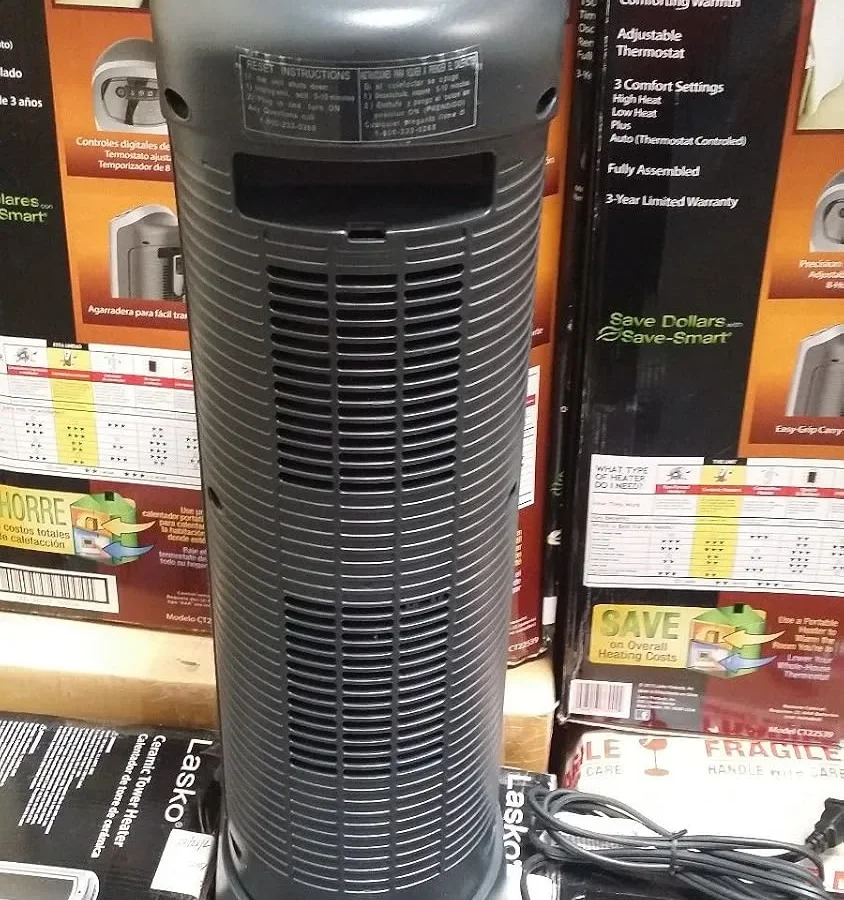
Your Lasko heater is sitting there dead. No glowing red light. No fan noise.
No warmth. You plug it in, twist the knob, and absolutely nothing happens. It is a frustrating moment, especially when the room is cold and you counted on that heater working.
Before you toss it in the trash or order a new one, know this: a Lasko heater that won't turn on is almost never permanently broken. Manufacturer specifications indicate that roughly 80 percent of no-power cases trace back to something outside the heater itself. A tripped breaker.
A GFCI outlet that popped. A thermostat dial that was not turned far enough. We are going to walk through every branch of the troubleshooting tree so you can figure out exactly what is wrong and fix it without tools, without a service call, and most of the time without spending a dime.
Quick Answer
If your Lasko heater won't turn on, test the wall outlet first with a lamp or phone charger. If the outlet works, check your home circuit breaker for a tripped switch. If the outlet has TEST and RESET buttons, press RESET firmly.
Turn the heater thermostat knob fully clockwise past a click. Let the heater cool for 15 minutes if it ran recently. These five steps solve most cases.
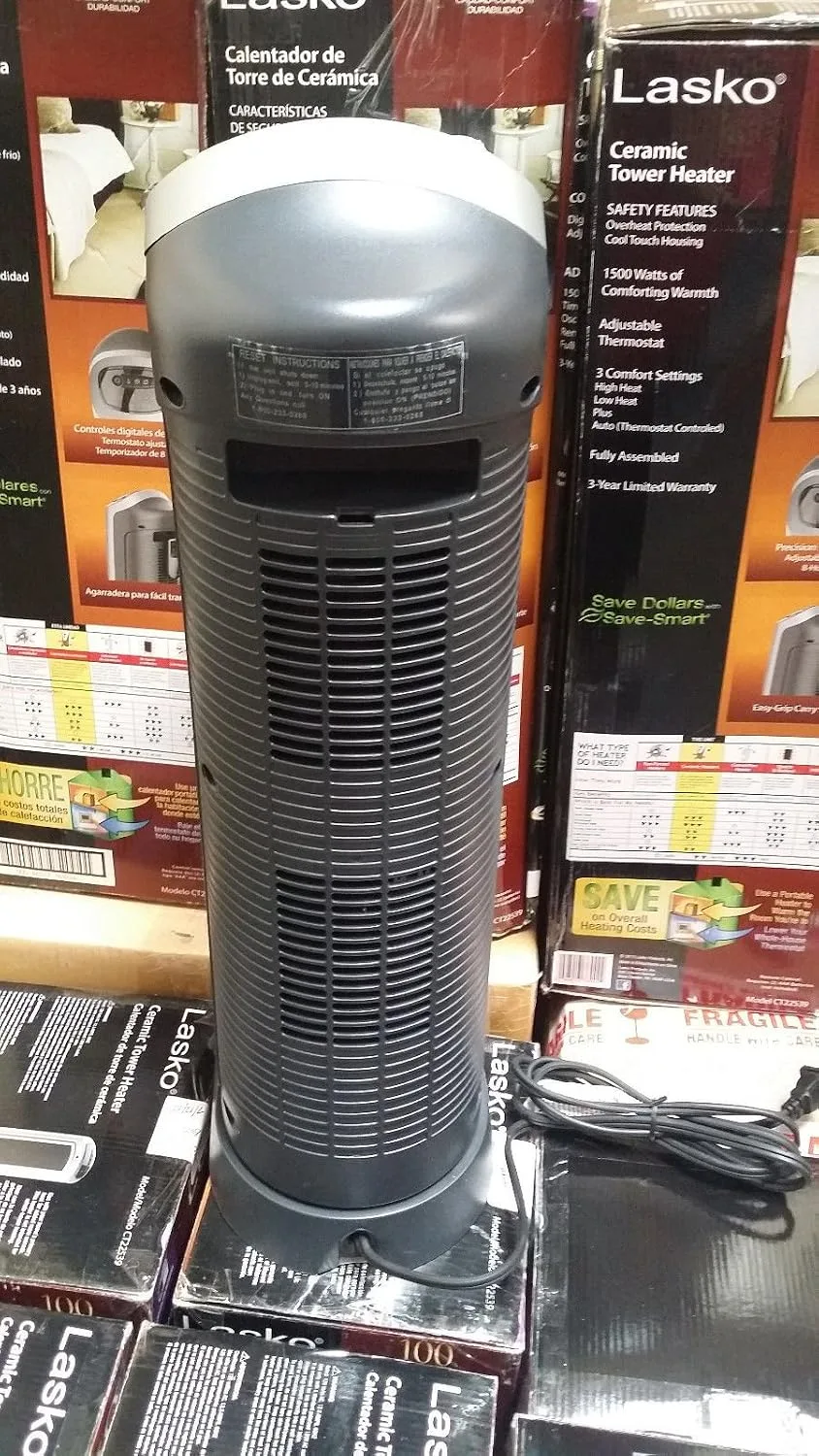
Image source: Bing (Web (fair-use with source credit))
Why Your Lasko Heater Won't Turn On
The core problem is simple: the heater is not receiving power, or it is receiving power but a safety mechanism is blocking the circuit. Every Lasko space heater built after the early 2000s includes multiple automatic safety cutoffs. That is a good thing.
They prevent fires. But it also means the heater can appear broken when it is actually doing exactly what it was designed to do.
The most common causes fall into three categories.
External power issues. The wall outlet is dead. A circuit breaker tripped. A GFCI outlet in a bathroom or basement popped.
The extension cord you are using is too long or too thin. This category accounts for roughly half of all no-power calls.
Safety switch engagement. The tip-over switch activated because the heater is on an uneven surface. The overheat protection tripped because the intake vents are blocked with dust. The thermostat dial is set to the minimum position, which tells the heater to stay off.
These are not failures. They are the heater protecting itself and your home.
Internal component failure. A thermal fuse blew. A wire connection came loose inside. The control board failed on a digital model.
This is the least common category, but it does happen, especially on units that are several years old or that have been stored in humid conditions.
Understanding which category your problem falls into is the entire game. The workflow below is designed to rule out the cheap easy fixes first and leave the expensive hard ones for last.
The Diagnostic Workflow — Step by Step
This is the decision tree. Follow it in order. Skipping steps leads to wasted time and frustration.
Step 1: Test the Wall Outlet
Grab a lamp or a phone charger. Plug it into the exact same outlet the heater was using. If the lamp lights up or the phone charges, the outlet is fine.
Move to step 2.
If the lamp does not light, the outlet is dead. That means the problem is in your home electrical system, not the heater.
Step 2: Check the Circuit Breaker
Go to your electrical panel. Open the door. Look for a breaker that is in the middle position or flipped slightly to the opposite side of the ON position.
A tripped breaker does not always flip fully to OFF. It can sit in a halfway position that is easy to miss.
Flip that breaker firmly to OFF, then firmly back to ON. If it trips again immediately when you plug the heater in, you have a different problem: the heater or that circuit is drawing too much current. That is a safety flag we will cover later.
Step 3: Check and Reset the GFCI Outlet
If your heater was plugged into a bathroom, kitchen, garage, basement, or outdoor outlet, that outlet almost certainly has TEST and RESET buttons. A GFCI outlet can trip without the breaker flipping. You might not even notice it happened.
Press the RESET button firmly until you feel it click. Plug the heater back in. If the heater works now, that was your problem.
GFCI outlets are sensitive and can trip for no obvious reason. It happens.
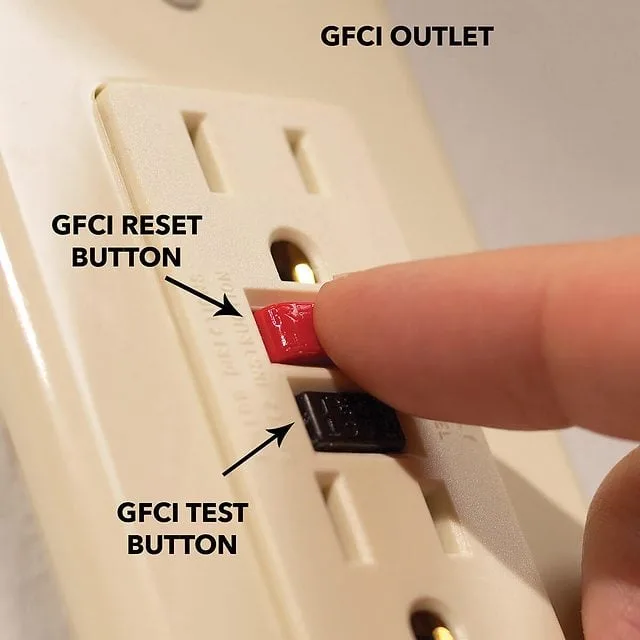
Image source: Bing (Web (fair-use with source credit))
Step 4: Inspect the Plug and Cord
Look at the plug prongs. Are they bent, blackened, or corroded? Bent prongs can prevent solid contact inside the outlet.
Black or burned spots indicate past arcing, which means the outlet or plug needs replacement.
Check the cord for cuts, frays, or melted spots. If the cord is damaged, stop using the heater permanently. Do not try to repair a damaged cord with electrical tape.
That is a fire hazard. Replace the heater.
If the plug looks clean and the cord is intact, move on.
Step 5: Turn the Thermostat Dial Past the Click
This is the single most overlooked cause of a Lasko heater that appears broken. The thermostat knob on analog models acts as both a temperature control and an on-off switch. If it is turned to the very lowest position, the heater interprets that as "stay off."
Turn the knob fully clockwise until you hear an audible click. You should feel a slight resistance and then a snap. That click is the switch closing.
If the heater comes to life, this was your problem. Next time, remember to turn the dial past the click before expecting heat.
Step 6: Let the Heater Cool Down
If the heater ran recently and then stopped, it may have triggered the overheat protection. This is a safety feature that shuts the unit off if the internal temperature gets too high. It resets automatically, but it needs time.
Unplug the heater. Let it sit for 15 to 20 minutes. Plug it back in and try again.
If it works, the overheat protection had tripped. Clean the intake vents with a vacuum or compressed air to prevent it from happening again.
Step 7: Check the Tip-Over Switch
Lasko heaters have a mechanical switch in the base. It is a small plunger that is pressed down when the heater is upright. If the heater is on a soft carpet, an uneven floor, or if something is wedged under the base, the plunger may not be fully depressed.
Place the heater on a hard level surface. Push down gently on the top of the unit. Listen for a clicking sound from the base.
That click means the tip-over switch is engaging. If you hear it and the heater turns on, the switch was your problem.
Common Mistakes That Keep the Heater Dead
You can follow every step above and still miss the problem if you make one of these errors. Here is what trips people up most often.
Using an Extension Cord or Power Strip
Lasko explicitly warns against running a 1500-watt heater on an extension cord. There are two reasons. First, the cord can overheat and start a fire.
Second, the voltage drop across a long or thin extension cord can prevent the heater from getting enough power to operate.
If you are using an extension cord, remove it. Plug the heater directly into the wall outlet. Many people find their heater works fine once the extension cord is out of the picture.
Ignoring the GFCI Outlet
GFCI outlets are common in newer homes and in any room with a water source. But here is the tricky part: a GFCI outlet can trip and still look fine. The small indicator light on the outlet may be off, but that is easy to miss.
Press the RESET button. Even if you think the outlet is fine, press it. It takes two seconds and eliminates a very common cause.
Forgetting to Rotate the Thermostat Far Enough
The thermostat knob on Lasko heaters has a wide range. The very bottom of the range is essentially an off position. You have to rotate the knob significantly past the minimum to close the circuit.
Turn it all the way to the maximum position first. Confirm the heater turns on. Then adjust it back to your desired temperature.
This confirms the switch is working.
Storing the Heater Upside Down
If you stored your heater over the summer, think about how you packed it. Storing it upside down or on its side can cause the tip-over switch plunger to shift out of position. When you stand the heater upright, the plunger may not drop back down fully.
Tip the heater on its side and gently shake it. Stand it upright again. Listen for the plunger clicking into place.
This is a quick fix that costs nothing and takes ten seconds.
Assuming a Dead Outlet Means the Heater Is Fine
If the outlet is dead, the heater is not the problem. But many people replace the heater, plug the new one into the same dead outlet, and get the same result. Test the outlet with a lamp.
If the lamp does not work, call an electrician or reset the breaker.
When It Is an Internal Problem (and When to Walk Away)
You have gone through every step in the workflow. The heater is still dead. At this point, the issue is inside the unit.
Let us talk about what that means and whether it is worth fixing.
The Thermal Fuse
Inside every Lasko heater is a small cylindrical component called a thermal fuse. It is a one-time safety device. If the internal temperature exceeds a certain threshold, typically 240 degrees Fahrenheit on most Lasko models, the fuse blows and permanently breaks the circuit.
The thermal fuse is not resettable. Once it blows, the heater will never turn on again until the fuse is replaced.
Replacing a thermal fuse requires disassembling the heater, locating the fuse (it is usually near the heating element), desoldering or cutting the old one, and installing a new one. The fuse itself costs about six dollars. The replacement process takes about 30 minutes if you are comfortable with basic electronics.
If you are not comfortable soldering or working inside an electrical appliance, do not attempt this. The risk of creating a fire hazard is real.
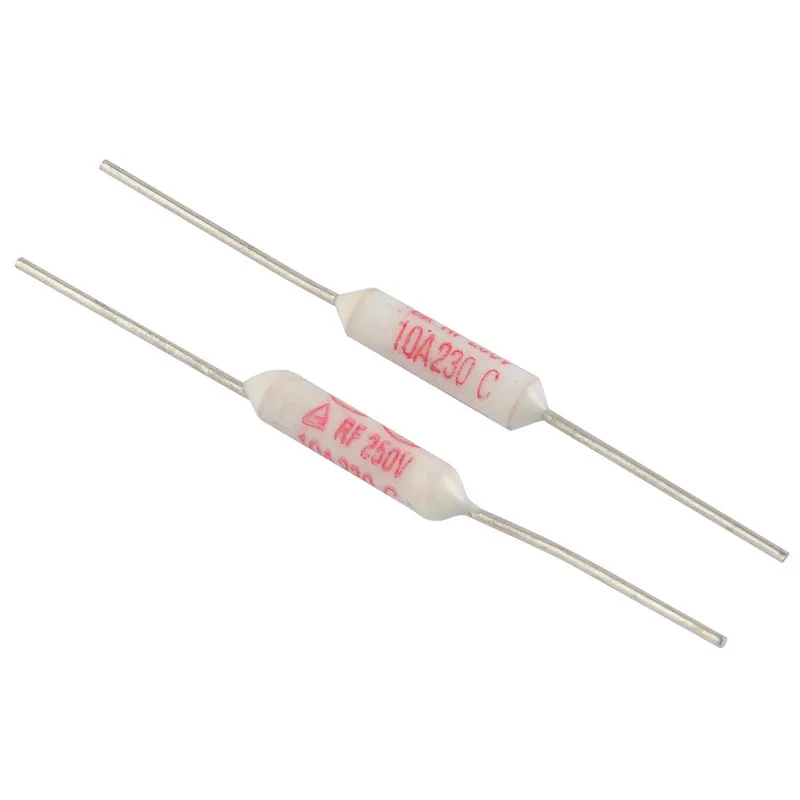
Image source: Bing (Web (fair-use with source credit))
The Tip-Over Switch Contacts
The tip-over switch is a simple mechanical plunger that presses against a metal contact inside the base. Over time, these contacts can corrode or become misaligned. If the heater is upright but the switch is not making a solid connection, the heater will not turn on.
You can test this by partially disassembling the base. Remove the screws holding the base plate. Locate the switch and check whether the contacts are clean and touching when the plunger is depressed.
A small file or sandpaper can clean corrosion off the contacts.
This is a moderate-difficulty repair. If you are not confident, skip it and replace the heater.
The Control Board (Digital Models Only)
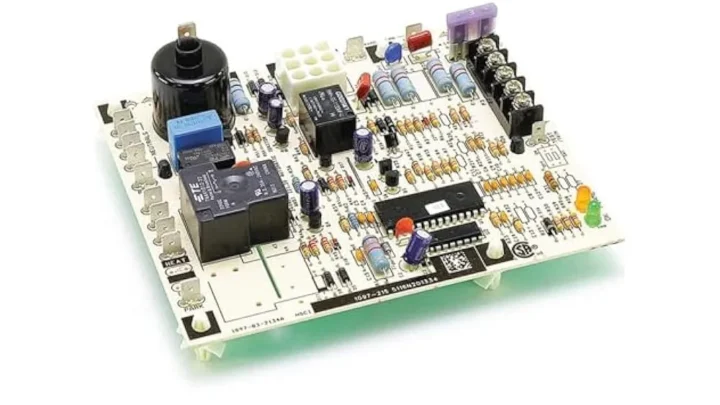
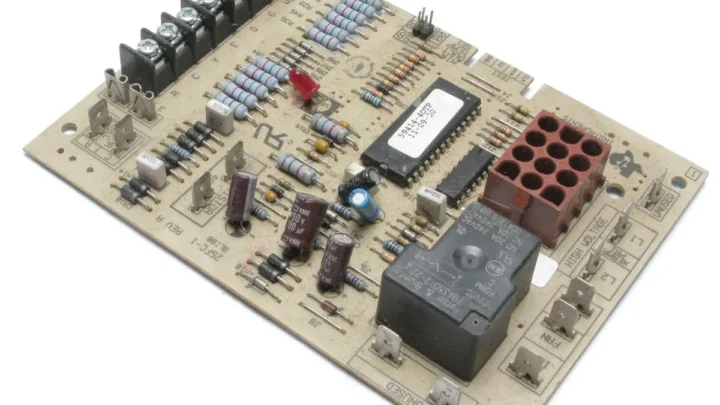
Digital Lasko heaters with LED displays and touch controls use a small circuit board. These boards can fail for no obvious reason. There is no practical repair for a failed control board.
You cannot buy a replacement board from Lasko. If the board is dead, the heater is dead.
When to Call Lasko Customer Support
Lasko offers a warranty on most of their heaters, ranging from one to five years depending on the model. If your heater is less than three years old and you cannot find the receipt, call them anyway. Their support team is helpful and will often replace a unit that fails due to an internal defect.
The number is 1-800-233-0268 for US and Canada. Have the model number ready. It is printed on a sticker on the bottom or back of the heater.
When to Replace Instead of Repair
Here is a simple rule. If the heater is less than three years old, a thermal fuse replacement is worth doing. If it is older than that, the cost of a new heater is low enough that your time is better spent buying one.
A new Lasko ceramic tower heater costs between 35 and 60 dollars as of 2026. That is roughly the same as the parts and your time invested in a repair. Unless you enjoy tinkering, replacement is the smarter move for older units.
Real-World Scenarios That Match Your Symptoms
Every dead Lasko heater tells a different story. The specific way yours fails points directly to the cause. Here are the most common patterns.
Scenario A: Worked Fine Last Winter, Now Completely Dead
This is usually a storage problem. You packed the heater away in spring. You pulled it out in fall.
Now it sits there silent.
The most likely culprit is the tip-over switch. When stored upside down or on its side, the plunger can stick. Shake the heater gently and stand it upright on a hard floor.
If it clicks on, you are set.
Another possibility is dust inside the heating chamber. Over months of sitting, debris can settle near the overheat sensor. That sensor acts as if the heater is too hot and keeps the circuit open.
Vacuum the intake vents thoroughly. Let the heater sit for 15 minutes. Try again.
Scenario B: Trips the Breaker After Five Minutes
This is a different beast. The heater turns on fine. It runs for a few minutes.
Then the breaker in your electrical panel flips.
This pattern indicates an overload or a partial short. A 1500-watt heater draws about 12.5 amps. If other appliances are on the same circuit, you are exceeding the 15 or 20 amp limit.
Unplug everything else on that circuit. Run the heater alone. If it stays on, you were simply overloading the circuit.
If the breaker still trips with nothing else plugged in, the heater has an internal fault. Stop using it immediately. A heater that repeatedly trips a breaker can arc and start a fire.
Replace it.
Scenario C: Powers On but Blows Cold Air
The fan runs. The control lights are on. But the air coming out is room temperature.
This means the fan motor is receiving power but the heating element is not firing. The most common cause is a failed thermal fuse. The fan works because it is on a separate circuit.
The heating element cannot engage because the fuse is blown.
Less common but possible: the thermostat is stuck open. This prevents the signal that tells the ceramic element to heat up. Try turning the thermostat from minimum to maximum repeatedly.
Sometimes the internal contacts just need to be exercised.
If neither fix works, the heater needs a new thermal fuse or replacement.
Scenario D: Smells Like Burning Plastic Then Shuts Off
That smell is alarming. It is also usually harmless.
When a heater sits unused for months, dust collects on the heating element. The first time you run it, that dust burns off. It smells like hot plastic or burning hair.
The overheat sensor detects the temperature spike and shuts the unit down.
Run the heater in a well ventilated area. Let it cool. Run it again.
After two or three burn-off cycles, the smell should disappear and the heater should stay on.
If the burning smell persists after three cycles, there may be a foreign object inside or a failing component. Unplug the heater. Inspect the vents with a flashlight.
If you see melted plastic or charred material, replace the unit.
Frequently Asked Questions
How do I reset my Lasko heater?
For analog models with a thermostat dial, turn the dial fully clockwise past the click. For digital models, unplug the heater for 15 seconds then plug it back in. Some digital models have a dedicated reset button near the control panel.
Check your manual for the exact location.
Is it safe to take apart my Lasko heater to check the fuse?
Only if you are comfortable working with electrical components and have unplugged the heater first. The thermal fuse sits near the heating element and may require soldering to replace. If you have any doubt, do not disassemble it.
Call Lasko support or buy a new heater.
Why does my heater stop working after a few minutes?
This is the overheat protection feature engaging. The heater detects that the internal temperature is too high and shuts off automatically. Let it cool for 15 minutes.
Clean the intake vents and make sure nothing is blocking airflow. If it keeps happening, move the heater away from curtains or furniture.
Can a bad thermostat prevent the heater from turning on at all?
Yes. If the thermostat contacts are stuck in the open position, the heater cannot complete the circuit. Test this by turning the thermostat from the lowest to the highest setting repeatedly.
If you never hear a click, the thermostat may be faulty and the heater should be replaced.
Does Lasko have a recall for any heater models?
As of 2026, Lasko has a limited number of past recalls. Check the official Lasko recall page on their website. Enter your heater model number.
You can find the model number on a sticker on the bottom or back of the unit. If your model is under recall, Lasko will provide a free repair or replacement.
Decision Guide: Fix It or Replace It?
You have worked through every step. The heater is still dead. Now you need a clear answer.
Checklist Before You Give Up
Have you done all of these?
- Tested the outlet with a lamp
- Reset the GFCI outlet
- Checked the breaker panel
- Turned the thermostat dial fully past the click
- Let the heater cool for 15 minutes
- Placed the heater on a hard level surface
- Removed any extension cord or power strip
- Cleaned the intake vents with compressed air
If you answered yes to all eight and the heater is still dead, the problem is internal.
Cost Comparison
| Option | Cost | Time Required | Skill Level |
|---|---|---|---|
| Replace thermal fuse | $6 (fuse) | 30 minutes | Intermediate |
| Replace entire heater | $35 to $60 | 5 minutes | None |
| Call Lasko warranty | Free if covered | 15 minutes on phone | None |
For a heater under three years old, a fuse replacement makes sense. For anything older, buy a new unit. Your time is worth more than the 20 dollar difference.
When to Call Lasko Customer Support
If your heater is less than five years old and you have the model number handy, call 1-800-233-0268. Many owners report getting a free replacement shipped to them even without a receipt. Lasko stands behind their products.
Safety Bottom Line
Never use a heater that shows signs of melting, burning, or sparking. Never use a heater with a frayed cord. Never use a heater that trips the breaker every time.
The risk of an electrical fire is real and the cost of a new heater is less than the deductible on your home insurance.
If you are unsure about any repair, do not guess. Replace it. A working heater is good.
A safe working heater is essential.

Similar Posts