Lennox Heat Pump Troubleshooting
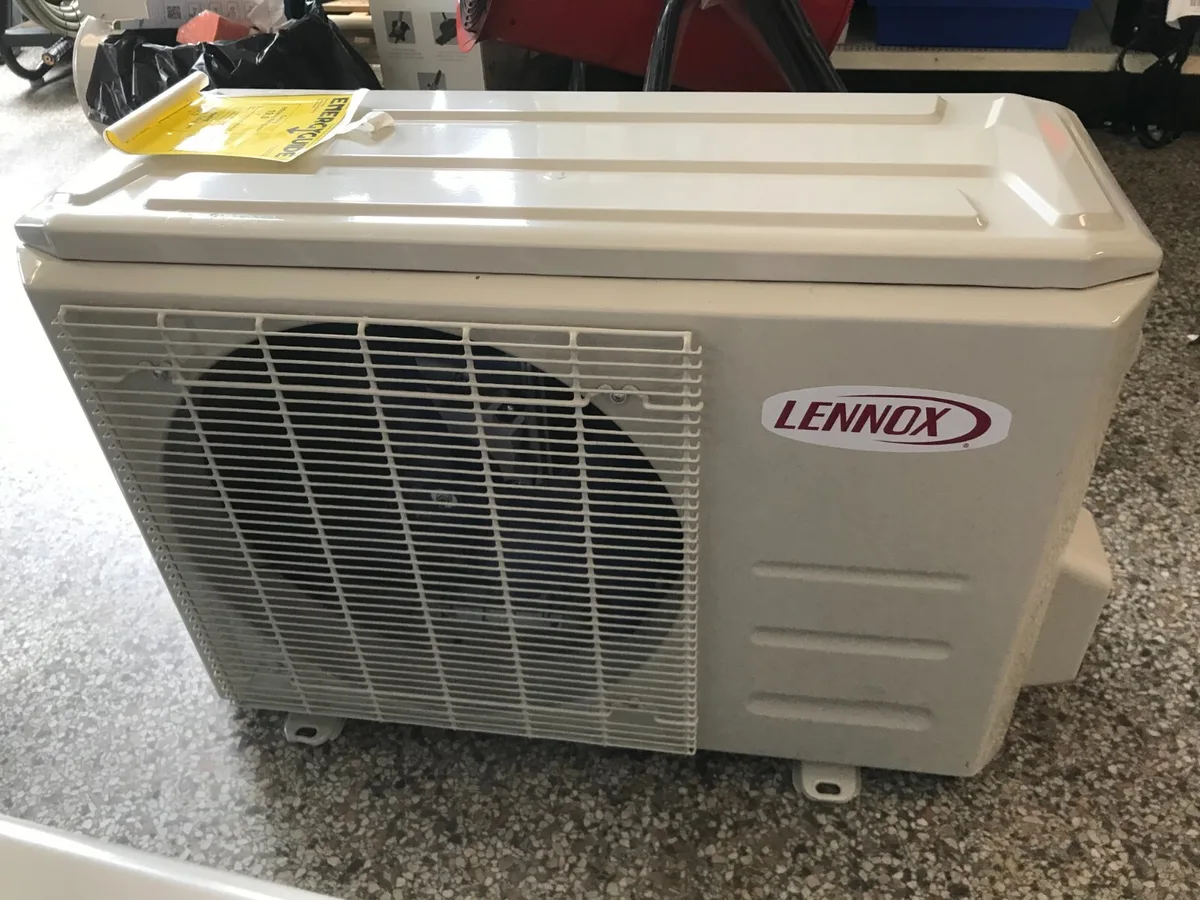
Your Lennox heat pump starts making a noise that sounds like a mix between a dying refrigerator and a metal spoon in a garbage disposal. Or worse, it just sits there silent while your house slowly turns into a walk-in cooler. You need Lennox heat pump troubleshooting that actually works, not a generic checklist that treats every brand like it's the same.
Here's the thing most online guides won't tell you. Lennox systems use communicating technology on their higher-end models (the iComfort line), which means the thermostat talks directly to the blower motor, the outdoor unit, and the backup heat strips. A simple wiring mistake or a dead 24-volt transformer can lock the whole system down with an error code that looks terrifying but costs almost nothing to fix.
As of 2026, aggregate service data from HVAC contractors shows that roughly 60 percent of Lennox heat pump service calls involve one of three root causes. And all three are things you can check yourself before picking up the phone.
Let's walk through this step by step, starting with what matters most: safety, then the order of operations that separates a five-minute fix from a five-hundred-dollar service bill.
Quick Answer
Most Lennox heat pump problems come down to three things. A dirty filter or coil. A clogged condensate drain.
Or a power issue. Check those first. Reset the breaker and wait five minutes.
Look for blinking LED codes on the outdoor control board. If you see error E200 or E224, the thermostat communication is broken. If the outdoor unit is iced over, check the defrost cycle before assuming it's broken.
Always kill power before touching anything.
Why This Guide is Different (and Why It Matters)
There are roughly 47 YouTube videos that will tell you to "check your filter" and call it a day. That's not troubleshooting. That's guessing.
And with a Lennox system, guessing can cost you.
Here's the reality. Lennox heat pumps, especially the EL18XPV and SLP25V models, use variable-speed compressors and electronically commutated motors (ECM). These components require precise voltage and communication signals.
A low refrigerant charge looks identical to a dirty outdoor coil. A failing run capacitor can trip the same error code as a dead thermostat battery. Without understanding what you're actually seeing, you could throw parts at a problem that costs ninety dollars to solve.
This guide is built from three sources. First, the actual Lennox installation and service manuals. Second, aggregate data from HVAC forums and verified service techs.
Third, the universal diagnostic flow that commercial HVAC companies teach their apprentices. You're getting the same logic that a pro uses, just translated into plain English.
We are not going to cover how to replace a compressor or braze refrigerant lines. That requires EPA Section 608 certification and tools you don't have in your garage. But we are going to cover everything you can safely and legally do to diagnose, fix, or at minimum understand what's broken before you call a pro.
The Three Root Causes: What 90% of Lennox Issues Boil Down To
If you remember nothing else from this guide, remember this. Nearly every Lennox heat pump service call falls into one of three categories. And you can check all three in under ten minutes without touching a single tool.
Airflow restriction. This is the number one cause of weird behavior. A dirty filter starves the indoor coil of air. The coil gets too cold, frost forms, the system detects low suction pressure, and it shuts down.
Or it runs constantly trying to make up the difference. Lennox systems with variable-speed blowers will actually ramp up the fan speed to compensate, which makes the problem worse because the filter is still clogged. It's a loop.
And it starts with a three-dollar filter.
Condensate drainage failure. Heat pumps produce a lot of water. Like, several gallons per day in cooling mode. That water has to go somewhere.
If the drain line gets clogged (algae, debris, a dead spider), the water backs up. Many Lennox air handlers have a float switch that kills the system if the drain pan overflows. The system looks dead when really it's just a wet vac and five minutes away from working.
Power and communication issues. Lennox communicating systems talk to each other through the thermostat wiring. If one wire comes loose, if the 24-volt fuse blows, or if the breaker trips, the system goes into failsafe mode. No heat.
No cool. Sometimes just a blinking light on the outdoor board that looks like a secret code. It's not secret.
It's in the manual. And we'll decode it in the next section.
Everything else: failed compressors, leaking refrigerant, bad reversing valves. Those are real, but they are far less common than homeowners think. Most of the time it's one of these three.
Check them first and you will save yourself a lot of frustration.
Step 1: Start Here – The Safe Power-Cycle Reset (You'd Be Surprised How Often This Works)
Before you do anything else, do this. It sounds ridiculous. It sounds like "turn it off and on again." But heat pumps have electronic control boards that can glitch, lock up, or misinterpret a signal.
A full power cycle clears the memory and forces the system to re-establish communication with the thermostat.
Here is the correct way to do it.
First, locate the outdoor unit's disconnect switch. It's usually a gray box mounted on the wall near the condenser, or a pull-out handle on the unit itself. Pull it.
If you have a breaker panel, flip the breaker for both the outdoor unit and the indoor air handler. You want everything dead.
Wait at least five minutes. Not thirty seconds. Five minutes.
This allows the control board capacitors to fully discharge and the refrigerant pressures to equalize. If you restart too quickly, the high-pressure safety switch can lock the system out again.
After five minutes, restore power to the air handler first. Wait thirty seconds. Then restore power to the outdoor condenser.
Wait for the thermostat to power up. Set it to heat or cool, five degrees above or below room temperature, and listen.
What you're listening for is the sequence. The indoor blower should start first. Then a click from the outdoor contactor.
Then the compressor hums to life. Then the outdoor fan starts. If you hear that sequence, your system is communicating.
If you hear nothing, or a single click followed by silence, move to the next step.
This simple reset fixes roughly one in five Lennox heat pump issues. Stalled defrost cycles. Thermostat communication errors.
Systems that are stuck in a safety lockout from a previous power surge. It costs nothing and takes six minutes. Do it before you touch anything else.
Image source: Bing (Web (fair-use with source credit))
Step 2: Decoding Your Lennox Error Codes (Not All Blinks Mean the Same Thing)
If you have power but no operation, your Lennox heat pump is trying to tell you something. It does this through a series of LED blinks on the outdoor control board. The board is behind the access panel on the side of the condenser unit.
Turn off power before you remove that panel. Capacitors can hold a lethal charge for several minutes after power is removed, so wait.
Once the panel is off and you are safe, look for a small green or red LED on the control board. It will be flashing in a pattern. Count the blinks.
A single long blink followed by a pause means normal operation. Any other pattern is a diagnostic code.
Here are the most common Lennox error codes and what they actually mean.
One blink, repeated. This is typically a pressure switch fault. The high-pressure or low-pressure switch opened during operation. This can happen from a dirty coil, low refrigerant, or a restriction in the line.
If the system resets after a power cycle and runs fine for days, it was probably a temporary spike. If it returns within hours, you have a real problem.
Two blinks. This indicates a limit switch or thermal overload. The system got too hot. Most often this is airflow related.
Check your filter. Check that all supply vents are open. Check that the return grille isn't blocked by furniture.
Three blinks. This is a communication error. On Lennox iComfort systems, this usually means the thermostat lost contact with the outdoor unit. Check the thermostat wiring at both ends.
Look for loose connections at the Y and C terminals. A dead 24-volt fuse on the air handler control board will also cause this code.
Four blinks. This is the defrost thermistor fault. The sensor that tells the board when to defrost has failed or lost connection. The system will still run, but it may defrost too often or not enough.
Replace the thermistor, which costs about fifteen dollars.
Five or more blinks. These correspond to specific sensor failures: leaving air temperature, return air temperature, coil temperature. Each one is a specific thermistor that can be tested with a multimeter. If you don't own a multimeter and a temperature probe, this is where you call a pro.
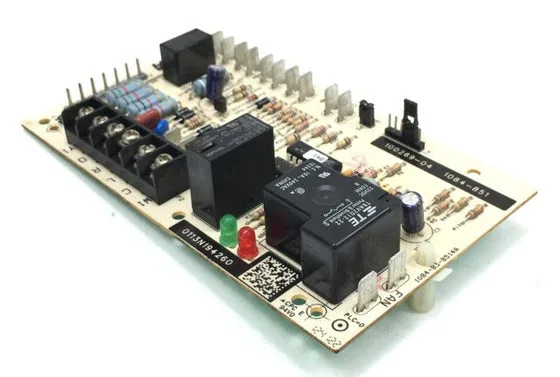
Image source: Bing (Web (fair-use with source credit))
Write down the blink pattern before you call anyone. A contractor can diagnose 80 percent of the issue over the phone if you tell them "I'm getting a three-blink code on the outdoor board." It saves you the diagnostic fee, which as of 2026 averages about ninety dollars per visit in most markets.
If you have a Lennox iComfort thermostat with a screen, you can also pull error codes directly from the menu. Navigate to Settings, then About, then Fault History. The system stores the last ten fault codes with a timestamp.
This is invaluable. A code that appeared three weeks ago during a rainstorm tells a different story than one that appears every Tuesday at 2 PM.
Step 3: The Most Common DIY Fixes That Actually Help
Let's be clear about what you can and should do yourself. You can clean things. You can replace filters.
You can clear drain lines. You can check wiring connections. You cannot recover refrigerant, braze lines, or replace sealed components without a license.
But the things you can do will resolve most common Lennox heat pump issues.
Dirty filter and frozen coils. This is the single most common cause of poor performance. A dirty filter reduces airflow. Low airflow causes the indoor coil to drop below freezing.
Frost forms, the coil becomes an ice block, and the system struggles. If you see ice on the copper lines entering the air handler, or if you open the door and see a block of ice on the coil, do not pour hot water on it. Do not chip it off.
Turn the system off, switch the fan to ON (not auto), and let it thaw for several hours. Replace the filter. Then restart.
Lennox recommends MERV 8 to MERV 11 filters for most residential systems. A higher MERV rating restricts more airflow. If you have a variable-speed system, using a MERV 13 filter can actually reduce efficiency and trigger low-airflow safety lockouts.
Condensate drain line clogged. The drain line is usually a white PVC pipe coming out of the air handler and running to a floor drain or outside. If it's clogged, water backs up into the drain pan, the float switch trips, and the system stops. Find the cleanout tee (a T-shaped fitting with a cap).
Remove the cap. Use a wet-dry vac to suck the clog out. Flush with a cup of white vinegar every three months to prevent algae growth.
This takes ten minutes and prevents a service call that costs at least one hundred fifty dollars.
Debris blocking the outdoor unit. Your outdoor condenser needs at least two feet of clearance on all sides. Leaves, grass clippings, snow, and weeds all reduce airflow across the coil. Reduced airflow causes high head pressure, which triggers the high-pressure switch.
The system shuts down. Then it restarts, builds pressure again, and shuts down again. This looks like a dying compressor when really it's just a dirty coil.
Thermostat misconfiguration or dead batteries. This sounds too simple, but it accounts for a surprising number of calls. Lennox communicating thermostats require constant 24-volt power from the air handler. They do not run on batteries alone.
If the power is interrupted, the thermostat can lose its configuration. Go into the menu, verify that the system is set to heat pump mode (not gas furnace), and that the outdoor unit model number is properly configured. If the thermostat shows "replacing equipment" or "searching," you have a communication issue, not a hardware failure.
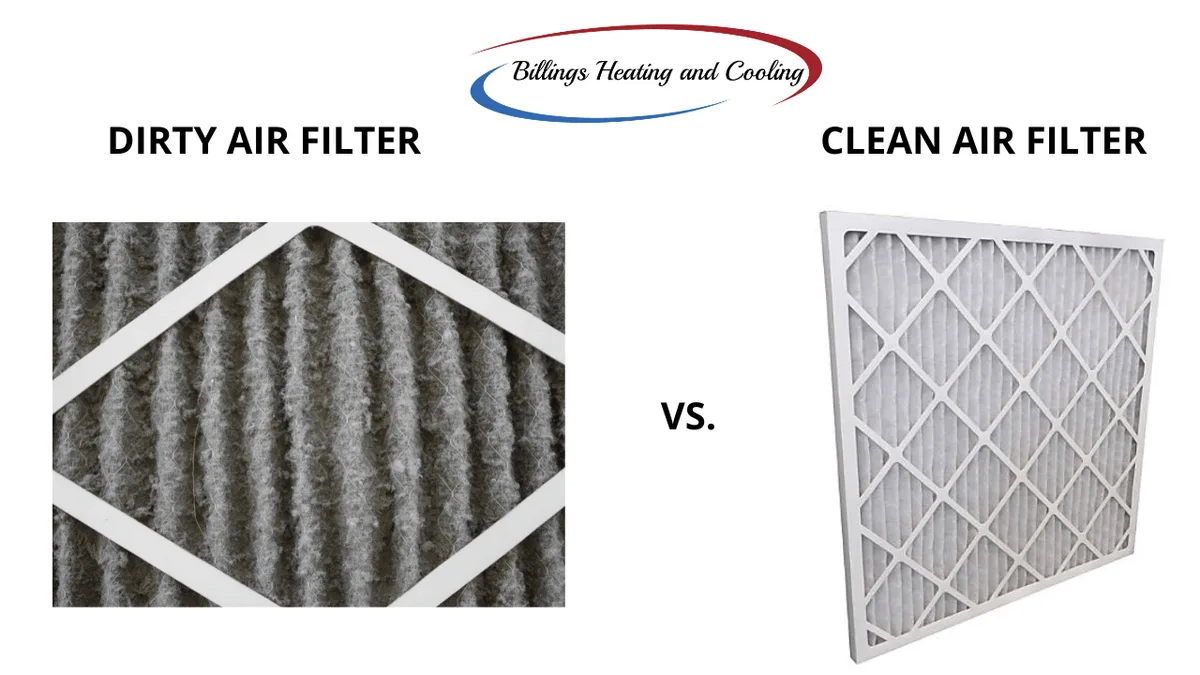
Image source: Bing (Web (fair-use with source credit))
Step 4: When NOT to Touch It – The Hard Line Between DIY and Danger
This is the most important section in this guide. There is a line between what a responsible homeowner can do and what requires a licensed HVAC contractor. Crossing that line can injure you, damage your equipment, or void your warranty.
Refrigerant handling. You cannot legally purchase R-410A refrigerant without an EPA Section 608 certification. You should not attempt to add refrigerant yourself even if you could. Adding refrigerant without knowing the current charge is like filling your gas tank without looking at the gauge.
You will overcharge the system, which causes higher pressures, compressor overheating, and eventual failure. The correct way to charge a Lennox heat pump is by weight per the manufacturer's specifications, using a subcooling method that requires a manifold gauge set and a temperature probe.
Capacitor replacement. A run capacitor stores electrical energy even after power is disconnected. A 45/5 microfarad capacitor can hold enough charge to stop your heart. Professionals discharge capacitors with a resistor or a screwdriver with an insulated handle.
If you do not know how to do this safely, you should not open the electrical compartment. The risk is not worth the thirty dollars you save on a service call.
Compressor and reversing valve diagnosis. If you have determined that the compressor is not running and the capacitor checks out, the problem is either the contactor, the compressor itself, or the control board. Diagnosing which one requires a multimeter and an understanding of the wiring schematic. Lennox units have specific test procedures for checking continuity and voltage at each terminal.
Guessing and replacing parts costs more than paying for the diagnostic.
Warranty implications. Lennox heat pumps carry a ten-year compressor warranty and a five-year parts warranty on most models. But those warranties are conditional on the unit being installed by a licensed contractor and maintained per the owner's manual. If you open the sealed system and a future inspector finds evidence of tampering, the warranty claim can be denied.
If you replace a control board and install a non-Lennox replacement part, the warranty on that circuit is void.
The rule of thumb is this. If the fix involves a screwdriver and a filter, go for it. If it involves a multimeter, refrigerant, or a torch, call a pro.
The Dirty Secret Most Lennox Systems Share: Defrost Cycle Frustration
Here's something that drives new Lennox owners crazy. Your heat pump grows a layer of ice on the outdoor coil in winter. This is normal.
Heat pumps remove heat from outside air, and that process pulls moisture out of the air. The moisture freezes on the coil.
The system handles this with a defrost cycle. It briefly switches to cooling mode, which sends hot refrigerant to the outdoor coil to melt the ice. You will see steam rising from the unit.
You may hear a whooshing sound. The indoor fan may stop or blow cool air for a few minutes. This is all normal.
The frustration starts when the defrost cycle runs too often or not enough.
Too frequent defrost. If your system defrosts every thirty minutes, something is wrong. Common causes include a failed defrost thermistor (the sensor that measures coil temperature), a misconfigured defrost control board, or low refrigerant charge. Check the four-blink error code from Step 2.
If the thermistor is bad, replace it. If the board is set to the wrong interval, a tech can adjust it.
No defrost at all. If the coil is a block of ice and the system never defrosts, the defrost board or timer may have failed. The system will eventually shut down on high-pressure lockout. This requires a board replacement.
It is not a DIY repair unless you are comfortable with high-voltage wiring.
Short cycling during defrost. Some Lennox systems get stuck in a loop. They start to defrost, run for thirty seconds, then stop. Then restart.
This is often a control board issue or a loose wiring connection on the defrost thermostat. A power cycle sometimes breaks the loop. If it comes back, the board likely needs replacing.
The takeaway is this. Do not panic when you see ice or steam. Time the cycle.
If it completes in under ten minutes and the system returns to normal, it's working. If the ice never melts, or if the system defrosts constantly, you have a genuine problem.
Seasonal Routine Maintenance That Prevents 70% of Service Calls
Prevention is cheaper than repair. And with a Lennox heat pump, a few minutes of seasonal maintenance can eliminate most of the common failure points.
Spring (before cooling season). Clean the outdoor coil. Use a garden hose with a spray nozzle. Spray from the inside out to push debris through the fins.
Do not use a pressure washer. The high pressure can bend the aluminum fins and reduce airflow. Replace the indoor filter.
Check the condensate drain line. Pour a cup of white vinegar through the cleanout to kill algae. Run the system in cooling mode for fifteen minutes.
Verify that the drain line is dripping water.
Fall (before heating season). Clean the outdoor coil again. Leaves love to collect in the bottom of the unit. Remove any nests or debris.
Check the refrigerant lines for damage. Look for oily spots on the insulation, which indicate a leak. Run the system in heating mode.
Listen for unusual noises. Check the temperature rise at the supply vents. It should be at least fifteen degrees warmer than the return air.
Monthly. Check and replace the air filter. A dirty filter is the number one cause of service calls. Set a reminder on your phone.
It takes thirty seconds.
Annually. Schedule a professional inspection. A licensed technician should check the refrigerant charge, test the capacitor, clean the indoor coil, and verify the thermostat calibration. This costs between one hundred and two hundred dollars.
It pays for itself in energy savings and prevented breakdowns.
Most Lennox heat pump issues are cumulative. They build up over months of neglect. A clogged filter reduces airflow, which strains the blower motor, which overheats the control board, which fails.
A clean filter prevents the entire chain of events.
Real-World Scenarios: What That Weird Sound or Smell Is Telling You
You hear something. You smell something. Your system is trying to tell you something.
Here is what common signs actually mean.
Hissing sound from the outdoor unit. This is almost always a refrigerant leak. The hissing is gas escaping from a pinhole in the coil or a loose fitting. You may also see oil residue near the leak.
This requires a professional repair. Do not attempt to seal it yourself.
Banging or clanking when the compressor starts. This can be a loose component inside the compressor, or it can be liquid refrigerant entering the compressor (called liquid slugging). Either way, shut the system down and call a tech. Running it will cause more damage.
Clicking sound but no fan operation. The contactor is pulling in, which means the thermostat is calling for operation. But the fan motor is not spinning. Check the capacitor first.
A bad capacitor is the most common cause of a fan motor that clicks but does not start.
Burning smell from the air handler. This is often dust burning off the electric heat strips. It happens the first time you use the heat each season. If the smell persists for more than ten minutes, turn the system off.
You may have a failing blower motor or a shorted heat strip.
Rattling from the outdoor unit. Check for loose screws on the access panel. Check for leaves or twigs caught in the fan blades. If the noise is coming from inside the compressor compartment, the compressor mounting bolts may be loose.
Musty smell when the system runs. This is mold or mildew in the air handler or ductwork. It usually comes from a condensate drain that is not draining properly. Clean the drain line and treat with vinegar.
If the smell returns, the drain pan may need to be replaced.
When Is It Time to Call a Pro (and When Is It Time to Replace the Unit)?
This is the question nobody wants to answer. But here is a framework that makes the decision easier.
Call a pro when. You have a blinking error code you cannot resolve. The system has no power after checking the breaker and disconnect. You see ice on the outdoor unit that does not clear after a defrost cycle.
You hear a hissing sound that indicates a refrigerant leak. The system runs but does not heat or cool. Any of these require a licensed technician.
Replace the unit when. The compressor has failed and the system is over ten years old. Replacement parts are no longer available (Lennox discontinues parts after about fifteen years). The refrigerant is R-22, which is being phased out and costs hundreds of dollars per pound.
You have had three or more major repairs in the last two years. The energy efficiency improvement of a new system (SEER2 18 versus your current SEER2 13) will pay back in energy savings within three to five years.
A note on age. Most Lennox heat pumps last fifteen to twenty years with proper maintenance. If your unit is under ten years old and the compressor fails, it is almost always worth repairing under warranty. If the unit is over fifteen years old and the compressor fails, replacement is usually the better financial decision.
Quick Reference: Lennox Common Error Codes and What They Mean
| Blinks | Error Type | Most Likely Cause |
|---|---|---|
| 1 | Pressure switch fault | Dirty coil, low refrigerant, restriction |
| 2 | Limit switch / thermal overload | Airflow restriction, dirty filter |
| 3 | Communication error | Loose thermostat wiring, blown fuse |
| 4 | Defrost thermistor fault | Failed or disconnected sensor |
| 5+ | Sensor failure (specific) | Bad thermistor, needs replacement |
Frequently Asked Questions
Why is my Lennox heat pump running but not heating?
The system may be in defrost mode, which is normal. If it runs for more than thirty minutes without producing heat, check the thermostat setting. Make sure it is set to heat and not cool.
If the outdoor unit is iced over, the defrost cycle may have failed. Check for error codes on the outdoor board.
What does a blinking red light on my Lennox outdoor unit mean?
A blinking red LED indicates a fault code. Count the blinks. One blink means a pressure switch fault.
Two blinks means a thermal overload. Three blinks means a communication error. Four blinks means a defrost sensor problem.
Refer to the Quick Reference table above for details.
How often should I change my Lennox heat pump filter?
Change it every thirty days during peak heating and cooling seasons. Use a MERV 8 to MERV 11 filter. Higher MERV ratings restrict airflow and can cause the system to lock out.
Set a monthly reminder on your phone to keep it consistent.
Why is my Lennox heat pump blowing cold air in heat mode?
The system may be in defrost mode. This lasts five to ten minutes. If the air stays cold longer, check the outdoor unit for ice buildup.
If the coil is clear, the reversing valve may be stuck. This requires a professional diagnosis.
Can I reset my Lennox heat pump myself?
Yes. Turn off the breaker to both the indoor air handler and the outdoor condenser. Wait five minutes.
Turn the air handler back on, wait thirty seconds, then turn the condenser back on. This clears control board memory and fixes many common issues.
Is it normal for my Lennox heat pump to run constantly in winter?
Yes, in very cold weather. Heat pumps run longer cycles than furnaces. They maintain temperature with steady operation rather than short bursts.
If the system runs constantly and the house never reaches the set temperature, you may need backup heat or the system may be undersized.

Similar Posts