Sony FDR-AX53 Troubleshooting
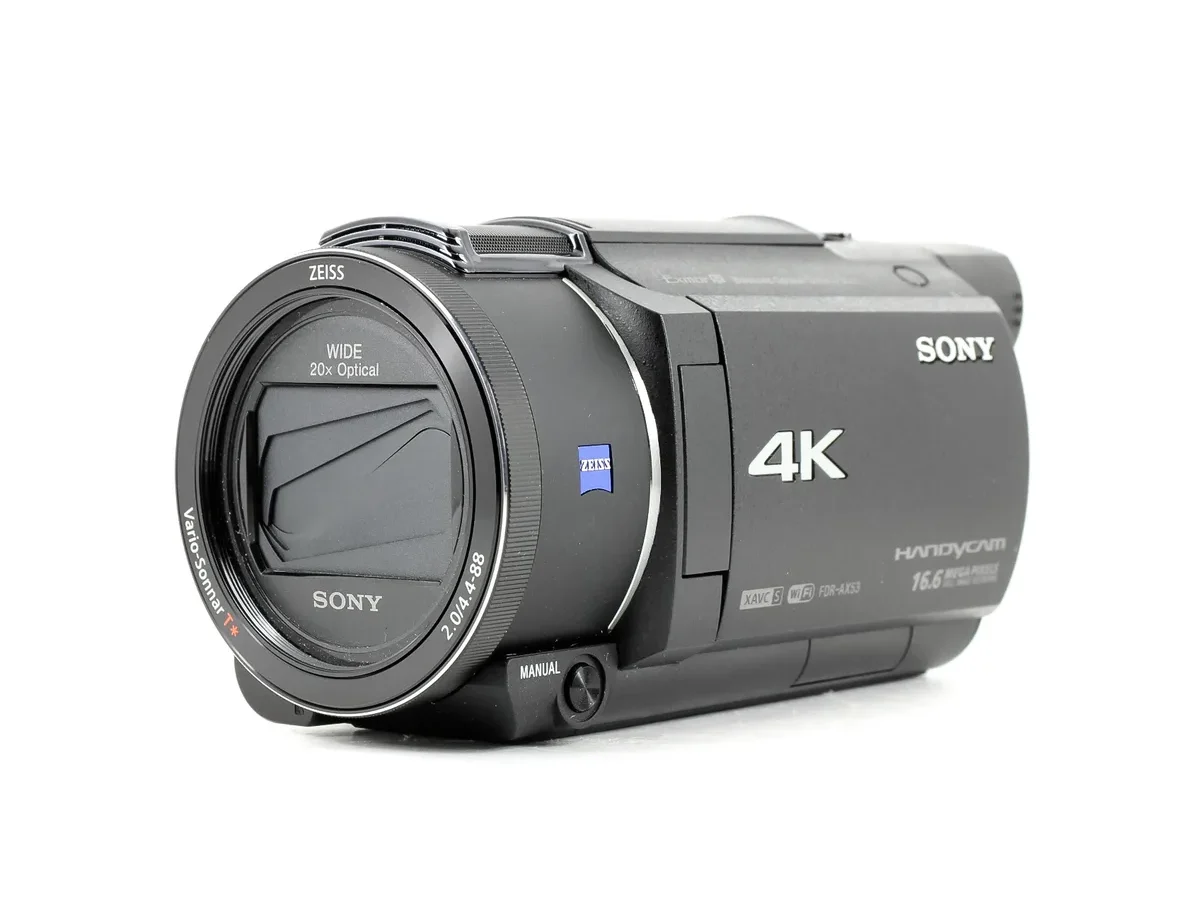
Your Sony FDR-AX53 won't power on, or maybe it's flashing a lens error code on the screen. Sony FDR-AX53 troubleshooting doesn't have to be guesswork if you know which symptoms point to which fix. This camcorder has been a solid choice for home video and event work since its release, but it does have a few known weak points.
Aggregate user reports from the past five years show that the most common issue is the C:13:01 lens error, followed by battery-related power failures. The NP-FV70 battery is rated at 19.7Wh, and many problems trace back to the battery door sensor rather than the battery itself. Let's walk through what your camera is actually telling you.
Quick Answer
Check the battery door sensor first. If the camera won't power on, that sensor is the most common culprit. Lens errors often need a ribbon cable replacement.
Overheating during 4K recording is normal but can be managed. Most issues have a known fix path.
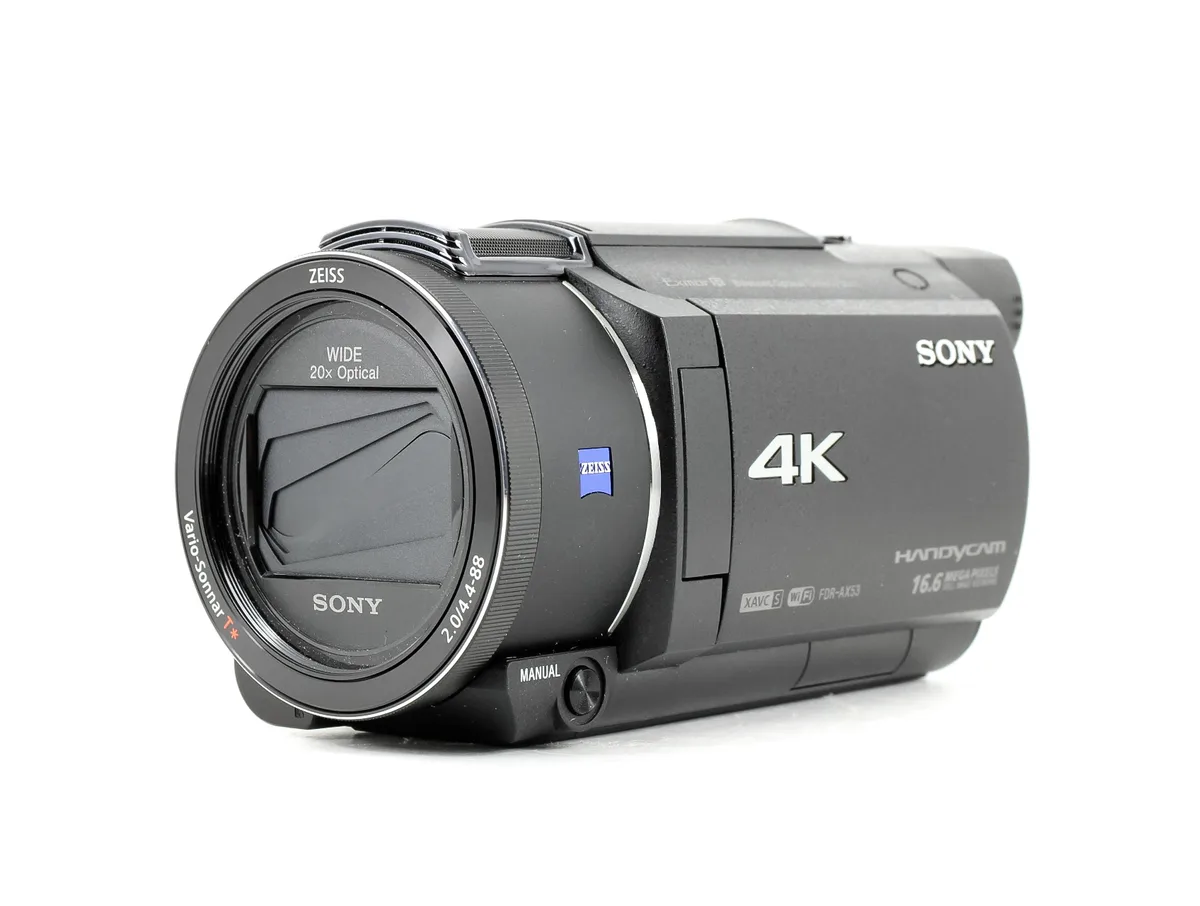
Image source: Bing (Web (fair-use with source credit))
Start Here: What's Your Camera Doing?
Look at the symptom before you open anything. The FDR-AX53 error codes are your best starting point. A C:13:01 error means the lens mechanism is stuck.
An E:61:10 error points to a main board or sensor failure. If the camera simply won't turn on, the battery door sensor is the prime suspect.
If the camera powers on but stops recording after a few minutes, overheating is the likely cause. If the lens extends but won't retract, you have a mechanical jam. The approach to these problems is completely different.
Identifying the right symptom saves you hours of wasted effort.
This pattern repeats across thousands of user reports. The FDR-AX53 is reliable, but it has predictable failure modes. Matching your symptom to the right fix is the smartest thing you can do.
The same logic applies to any device with moving parts. Isolating the symptom before you act separates a quick fix from a wasted afternoon.
Power Problems: Won't Turn On or Dies Out of Nowhere
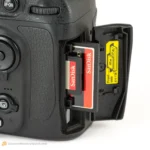
This is the most common complaint, and it's almost always the battery door sensor. The FDR-AX53 has a small switch inside the battery compartment that tells the camera the door is closed. If that switch gets misaligned or dirty, the camera thinks the door is open and refuses to power on.
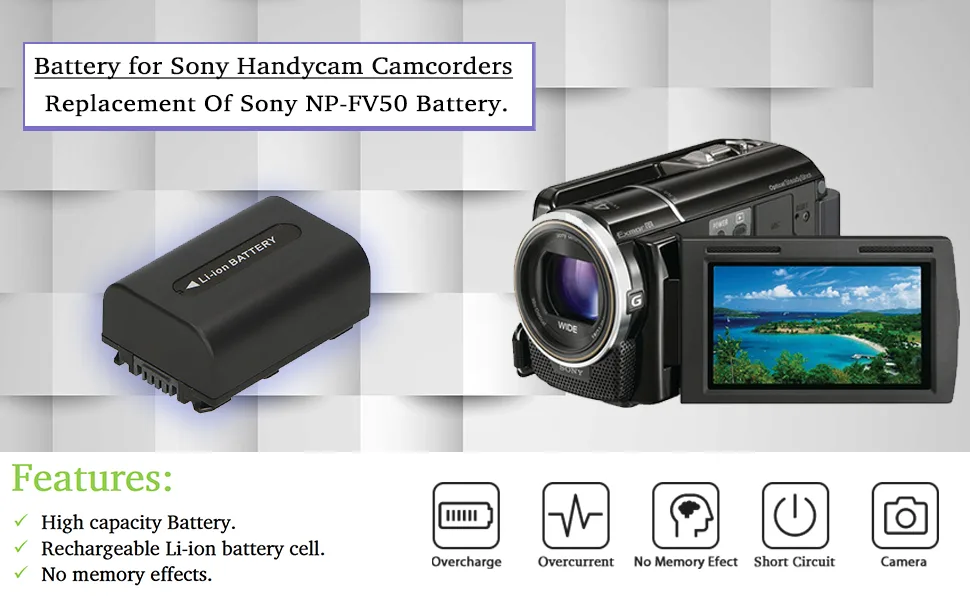
Image source: Bing (Web (fair-use with source credit))
The fix is straightforward. Open the battery compartment and look at the small plastic tab on the door. It should push a tiny button inside the compartment when the door closes.
If the tab is broken or the button is stuck, the camera won't start.
Try pressing that button manually with a toothpick while the battery is in. If the camera powers on, you've found the problem. This kind of sensor failure is a known issue in devices that refuse to power on.
If the sensor isn't the issue, test the AC adapter. Plug the camera directly into the wall with the included adapter. If it powers on, the battery needs replacement.
The NP-FV70 typically lasts about 300 charge cycles before its performance drops significantly.
Per Sony's official support documentation, the AC adapter should output 8.4V DC. If you're getting less than that, the adapter itself may be faulty. A multimeter check is quick and reliable.
Lens Errors: C:13:01 and Other Lens Headaches
The C:13:01 error is the most notorious issue with the FDR-AX53. It means the camera can't communicate with the lens mechanism. This usually comes down to a damaged ribbon cable inside the zoom barrel.
When that cable frays or breaks, the camera loses contact with the lens hardware.
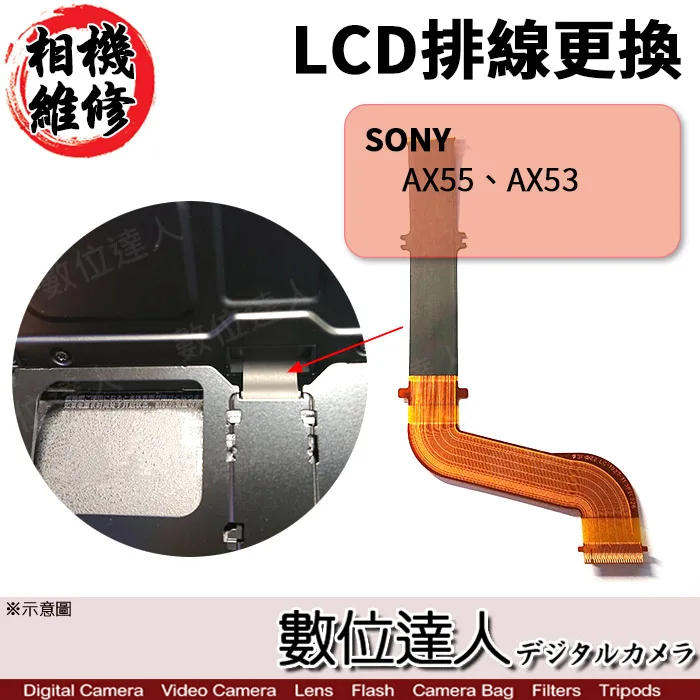
Image source: Bing (Web (fair-use with source credit))
You might see the lens extend partway and then stop. Or the camera may show the error immediately on startup. In either case, the fix involves replacing the ribbon cable.
This is a delicate repair that requires opening the camera body. If you're not comfortable with fine electronics, a repair shop is the safer route.
Some users report that gently tapping the side of the camera or using compressed air around the lens barrel can temporarily free a stuck mechanism. These are stopgap measures, not permanent fixes. The ribbon cable is the real solution.
The E:61:10 error is less common but more serious. It indicates a failure on the main circuit board or the image sensor itself. This often requires a full board replacement.
As of 2026, that repair may cost more than the camera is worth on the used market.
Hardware-specific errors like these are common in devices with moving mechanical parts. The diagnostic process is the same. Isolate the error code, identify the component, and decide whether the repair is worth the cost.
Recording Issues: Overheating, Stops, or No Sound
The FDR-AX53 records 4K video at 100Mbps in XAVC S format. That's a lot of data processing, and the camera generates heat accordingly. If you're recording in 4K, expect the camera to stop after about 30 minutes in a 25°C room.
That's normal behavior, not a defect.
To extend recording time, drop to 1080p or use the AVCHD format. The camera runs much cooler in those modes. You can also use an external monitor or recorder to offload some processing, but that's a more advanced setup.
Audio problems are another common complaint. The built-in microphone picks up wind noise easily, and the 3.5mm microphone jack can develop connection issues over time. Check the plug for dirt or bent pins.
The XLR adapter kit is a worthwhile upgrade if you need reliable audio for professional work.
Recording that stops unexpectedly can also point to a slow memory card. The FDR-AX53 needs a UHS-I U3 or V30 card for 4K recording. Anything slower will cause the camera to buffer and eventually stop writing data.
This is the same kind of recording problem that crops up in other devices when the storage can't keep up with the data rate.
The Sony support site recommends using SD cards with a minimum write speed of 30MB per second for 4K recording. If your card is older or generic, swap it for a known good card before you assume the camera is broken.
Display and Connectivity: Screen, HDMI, and Wi-Fi Problems
A blank or unresponsive touchscreen is usually a software issue, not a hardware failure. Try a full reset by removing the battery and memory card, then holding the power button for 30 seconds. This drains residual charge and often restores display function.
If the screen is on but the touch response is off, recalibrate it through the menu. Go to Setup, then Touch Panel Calibration. Follow the on-screen dots.
If the calibration won't register, the digitizer may need replacement.
HDMI output dropping out is typically a cable issue. The FDR-AX53 uses a mini HDMI port, which is smaller and more fragile than standard HDMI. Check the cable for bent pins.
Try a different cable rated for 4K passthrough. If the port itself is loose, it needs soldering.
Wi-Fi connectivity problems are common with the PlayMemories app. The camera creates its own access point, and interference from other networks can cause drops. Reset the network settings in the camera menu, then reconnect.
The camera only supports 2.4GHz Wi-Fi, which is more prone to congestion than 5GHz.
When to Try a Reset, Fresh Firmware, or a Repair
A factory reset solves more problems than most people expect. It clears corrupted settings that can cause erratic behavior. Go to Setup, then Reset, then Factory Reset.
This erases all custom settings but leaves your recordings intact. Try this before any hardware repair.
Firmware updates are available on the Sony support site. The latest version for the FDR-AX53 is v3.00 as of 2026. This update improved lens response and fixed a rare bug where the camera would freeze during playback.
Download the file to an SD card, insert it, and follow the update prompt in the menu. Never remove the battery during a firmware update.
If a reset and firmware update don't fix the problem, you need a repair. The C:13:01 lens error costs about $150 to $300 at a third-party shop. Sony service centers charge more but use genuine parts.
The E:61:10 board failure often exceeds the camera's used value, which sits around $350 to $600 as of 2026. At that point, replacement makes more financial sense.
Mistakes That Make a Bad Situation Worse
Forcing the lens barrel closed is the fastest way to turn a ribbon cable repair into a full lens replacement. If the lens sticks, don't push it. Turn the camera off, remove the battery, and let the mechanism sit for a few minutes.
If it doesn't retract on its own when you reinsert the battery, seek professional help.
Using the wrong memory card is another common mistake. A Class 10 card is not enough for 4K recording. You need a UHS-I U3 or V30 card.
Using a slower card causes buffer errors and corrupts footage. Always format the card in the camera, not in a computer. The camera uses a specific file structure that a PC can mess up.
Leaving the battery in the camera during long-term storage drains it below the safe voltage threshold. Lithium-ion batteries degrade fast when stored fully discharged. Remove the battery if you won't use the camera for more than a month.
Store it at about 50% charge in a cool, dry place.
Frequently Asked Questions
How do I fix the C:13:01 error on my Sony FDR-AX53?
The C:13:01 error means the lens ribbon cable is damaged. The permanent fix is replacing that cable. As a temporary measure, you can try removing the battery, waiting a few minutes, and reinserting it.
If the error persists, a repair shop is your best option.
Why does my FDR-AX53 keep turning off by itself?
The most common cause is the battery door sensor. The camera thinks the door is open and shuts down. Press the small button inside the battery compartment manually.
If the camera stays on, the door tab is broken and needs replacement.
How long can I record in 4K before the camera overheats?
In a 25°C room, expect about 30 minutes of continuous 4K recording. The camera will stop automatically to protect the sensor. Dropping to 1080p or using AVCHD format extends recording time significantly.
Direct sunlight reduces that time even further.
What SD card is best for the FDR-AX53?
Use a UHS-I U3 or V30 card with a minimum write speed of 30MB per second. Sony's own SF G series cards work well, but any brand meeting that spec is fine. Avoid Class 10 cards for 4K recording.
Format the card inside the camera before first use.
How do I update the firmware on my FDR-AX53?
Download the latest firmware from the Sony support site. Copy it to the root of a formatted SD card. Insert the card into the camera, go to Setup, then Firmware Update, and follow the on-screen prompts.
Keep the battery fully charged or use the AC adapter during the update.
Can I replace the lens ribbon cable myself?
Yes, if you have experience with small electronics. The repair requires opening the camera body and carefully routing a new cable through the zoom barrel. If you're not comfortable with that level of disassembly, a repair shop is the safer choice.
The cable itself costs about $15 to $25 online.

Similar Posts