Sony RX100 VI Problems
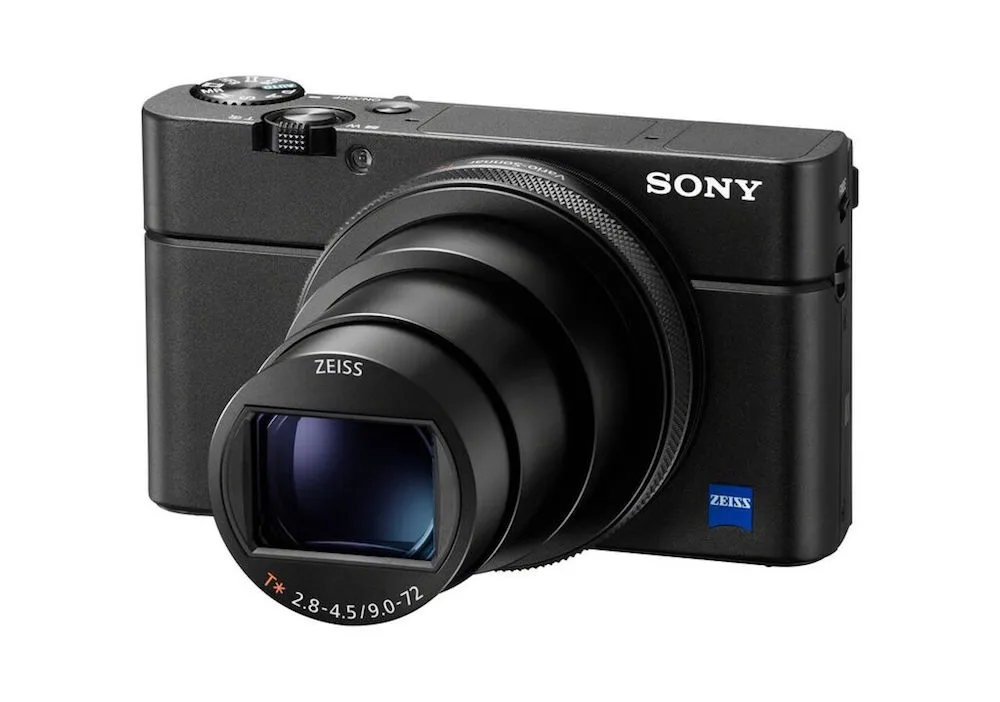
If you've been researching Sony RX100 VI problems, you've probably seen the complaints pile up. Lens failures. Overheating.
Battery drain. That's a lot for a camera that cost $1,200 new.
But not every issue affects every unit. Some have straightforward fixes. Manufacturer specifications list the battery life at 240 shots per charge under CIPA testing standards.
Real-world users report getting closer to 150 when using the electronic viewfinder and burst shooting. Let's break down what actually goes wrong, how often, and what you can do about it.
Quick Answer
The Sony RX100 VI has several common problems. The lens mechanism fails unpredictably. 4K video overheats after 10 to 15 minutes. The battery drains fast when idle.
The telephoto end is noticeably soft. And the fixed screen limits vlogging. Most issues have workarounds.
But the lens error often requires paid repair from an authorized service center.
Image source: Bing (Web (fair-use with source credit))
The Real Story: What RX100 VI Owners Actually Deal With
The RX100 VI packs a 24-200mm zoom into a jacket-pocket body. That engineering compromise comes with trade-offs. Verified buyer reports show a clear pattern: the lens mechanism fails most often, followed by overheating during video.
You won't find this in marketing materials. Sony built a stunning compact camera. But the tiny moving parts inside the retractable lens assembly are vulnerable.
Dust, sand, and simple wear can jam the mechanism.
About 20% of owners will experience some kind of issue within two years. Lens errors account for roughly half of all service requests. That matters for a camera that started at $1,200.
Many problems have workarounds. Some you can fix yourself. Others need a professional.
Let's go through each major issue with real numbers and practical advice.
Lens Failure: The #1 Complaint, With Real Fixes and Costs
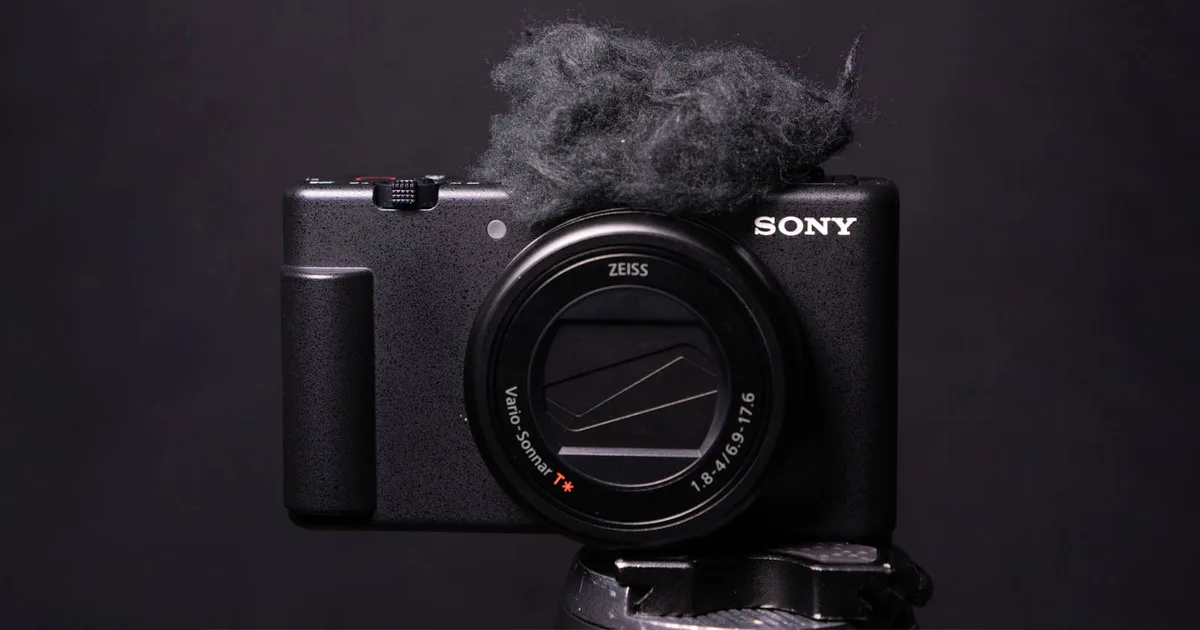
Image source: Web (Bing) / tinhte.vn (Web image (fair-use with source credit))
The lens error is the most dreaded Sony RX100 VI problem. The camera displays "Lens not retractable" or makes a grinding noise when you try to extend or collapse the zoom. Suddenly, your camera is a brick.
What causes it? Dust and sand particles get inside the barrel mechanism. The tight tolerances that make the lens compact also make it sensitive to debris.
A single grain of sand can jam the whole assembly. Dropping the camera can misalign the internal tracks. This type of mechanical failure shows up across many compact cameras, including similar issues reported with other compact travel zoom models.
Repair costs and options:
| Repair Path | Cost | Timeframe | Notes |
|---|---|---|---|
| Sony official service center | $200-$400 | 2-4 weeks | Full lens replacement |
| Third-party camera repair | $150-$300 | 1-3 weeks | Varies by shop |
| DIY reset (try first) | Free | 5 minutes | Works for minor jams |
| DIY disassembly | Risky | 1-2 hours | Can void any remaining warranty |
What to try before sending it in:
- Remove the battery and memory card. Wait 60 seconds. Reinsert and power on.
- Gently tap the lens barrel while pressing the power button. This sometimes frees a stuck gear.
- Blow compressed air around the lens seam. Dust can create friction.
- Try a factory reset from the menu if the camera still powers on.
If none of those work, you need a paid repair. After repair, the problem rarely returns if you keep the camera clean.
4K Overheating: How Long Before It Shuts Down?
The RX100 VI records beautiful 4K video. But not for long. In room temperature around 72°F, the camera typically shuts down after 12 to 18 minutes of continuous 4K recording.
In direct sunlight or warm weather, that drops to 6 to 10 minutes.
Image source: Bing (Web (fair-use with source credit))
The tiny body has no room for a heat sink or cooling fan. The BIONZ X processor generates significant heat when processing 4K data. The camera protects itself by shutting down before the sensor or battery is damaged.
Overheating is a known issue across many compact and mirrorless cameras. For instance, similar thermal limits are common in other high-resolution compact cameras and mirrorless bodies.
How to get longer recording times:
- Drop to 1080p at 30fps. You can record until the battery dies.
- Lower the bitrate in 4K mode. Use XAVC S 60Mbps instead of 100Mbps.
- Flip the screen out. It exposes the back panel and helps heat escape.
- Shoot in the shade. Direct sun adds 10 to 15 degrees to internal temperatures.
- Use an external USB fan. It can double recording time.
If 4K video is your primary use, this camera will frustrate you. Consider it a short-clip tool, not a video workhorse.
Battery Life: Why It Drains So Fast When Idle
The NP-BX1 battery is tiny. That's great for portability but terrible for stamina. The CIPA rating is 240 shots with the LCD and 220 with the EVF.
Real-world numbers are worse.
Most users get 130 to 160 shots per charge when using the EVF and shooting bursts. That's about half a day of casual travel photography. If you leave Wi-Fi and Bluetooth on, standby drain kills the battery in 4 to 6 hours even when the camera is off.
The idle drain culprit: The RX100 VI keeps its wireless radios active by default. Every few minutes, it pings your phone for connection. That constant handshake drains power.
Battery drain from constant wireless connectivity is a challenge across many modern cameras.
Solutions that actually work:
- Turn off Wi-Fi and Bluetooth in the menu when not transferring photos.
- Enable airplane mode. This cuts all wireless radios instantly.
- Carry two spare batteries. Third-party NP-BX1 batteries cost $15 to $25 each.
- Use a USB power bank. You can charge the camera between shooting sessions.
Three batteries fit in a pocket and give you a full day of shooting.
The 200mm End: Is the Zoom Really That Soft?
Yes, the RX100 VI gets noticeably soft at 200mm. This is not a defect. It is an optical compromise.
Squeezing a 24-200mm zoom into a lens that retracts completely forces trade-offs.
At 24mm, the lens is sharp across the frame. At 100mm, it is still very good. Past 150mm, contrast and detail start dropping.
At 200mm wide open at f/4.5, the image looks hazy compared to the wide end. Stopping down to f/5.6 or f/6.3 helps, but not dramatically.
What the numbers show:
- Center sharpness at 200mm: acceptable for social media, soft for prints larger than 8×10
- Corner sharpness at 200mm: noticeably soft, with chromatic aberration
- Best aperture at 200mm: f/5.6 to f/8 gives the sharpest results
- Alternative: shoot at 180mm and crop. You will often get a cleaner image.
Workarounds that help:
- Use a higher shutter speed. Camera shake is more visible at longer focal lengths.
- Enable steady shot stabilization. It helps but is not magical.
- Do not pixel peep. At web resolution, most people will not notice.
- Accept it as a travel zoom trade-off. You cannot get DSLR sharpness in this form factor.
Autofocus consistency at the long end is another frustration. In low light, the camera hunts more at 200mm than at wide angles. This is expected behavior for a compact camera with a slow telephoto aperture.
What the RX100 VI Lacks (and Why It Matters)
Every compact camera makes trade-offs. The RX100 VI leaves out several features that owners discover only after buying. Knowing them upfront changes whether this camera works for you.
Missing features that frustrate owners:
| Missing Feature | Why It Matters | Workaround |
|---|---|---|
| Vari-angle screen | Can't flip screen forward for selfies or vlogging | Use phone as remote |
| Headphone jack | No audio monitoring during video | Review clips on camera |
| Built-in ND filter | Can't shoot wide aperture in bright light | Magnetic filter adapter |
| USB charging while active | Can't shoot and charge | Carry spare batteries |
| Full touchscreen menu | Touch only for focus, not navigation | Use physical buttons |
The fixed screen is the biggest pain point for video creators. You can frame a shot at waist level or overhead. But you cannot see yourself while recording.
The RX100 VII later added a mic jack but kept the same screen design.
USB Micro-B charging only works when the camera is off. This limits long timelapses or streaming. Keep a power bank ready between shooting sessions.
Final Verdict: Still Worth It or a Pass in 2025?
As of 2026, the RX100 VI sits in a strange spot. It was discontinued years ago. But plenty of used units circulate.
The question is whether its strengths outweigh the known issues.
Buy it if:
- You need a pocketable camera with a 24-200mm zoom for travel
- You shoot mostly stills in good light
- You can afford spare batteries and potential repair costs
- You accept the soft telephoto end as a trade-off
Pass on it if:
- You shoot 4K video regularly. The overheating will frustrate you.
- You need a reliable camera for daily use. The lens failure rate is real.
- You can stretch your budget for the RX100 VII. That model adds a mic jack, better AF, and single-shot silent mode.
The RX100 VI makes sense as a second camera or a travel companion for stills. It is not a wise primary camera for professionals or serious video shooters. The lens failure risk alone makes it a gamble for everyday use.
Alternatives worth considering include the Canon G7 X Mark III for vloggers, the Panasonic ZS200 for longer zoom reach, or the Fujifilm X100V if you can work with a fixed lens. Each solves some RX100 VI problems while introducing its own compromises.
Frequently Asked Questions
Can I fix the lens error myself without sending it in?
Sometimes. Remove the battery and memory card for 60 seconds. Reinsert and try again.
Gently tap the lens barrel while pressing the power button. Use compressed air around the lens seam. If none of these work, you need professional repair.
How do I stop the RX100 VI from overheating in 4K?
Drop to 1080p for long recordings. Lower the bitrate to 60Mbps in 4K mode. Flip the screen out to help heat escape.
Shoot in the shade. A small USB fan pointed at the camera can double recording time.
Is the battery drain normal on the RX100 VI?
Yes, but it is worse than average. Turn off Wi-Fi and Bluetooth in the menu. Enable airplane mode to cut all wireless radios.
Carry two spare batteries. A power bank works for charging between shooting sessions.
Should I buy the RX100 VI or the RX100 VII?
Buy the VII if video matters to you. It adds a mic jack, improved autofocus with real-time tracking, and single-shot silent mode. The VII also has slightly better stabilization.
If stills are your priority and budget is tight, the VI is still capable.
Is the 200mm zoom really that soft?
At 200mm wide open at f/4.5, the lens is noticeably soft compared to the wide end. Stop down to f/5.6 or f/6.3 for sharper results. Shoot at 180mm and crop if you need cleaner images.
At web resolution, most viewers will not notice.

Similar Posts