Tactacam Reveal X Pro Battery Problem
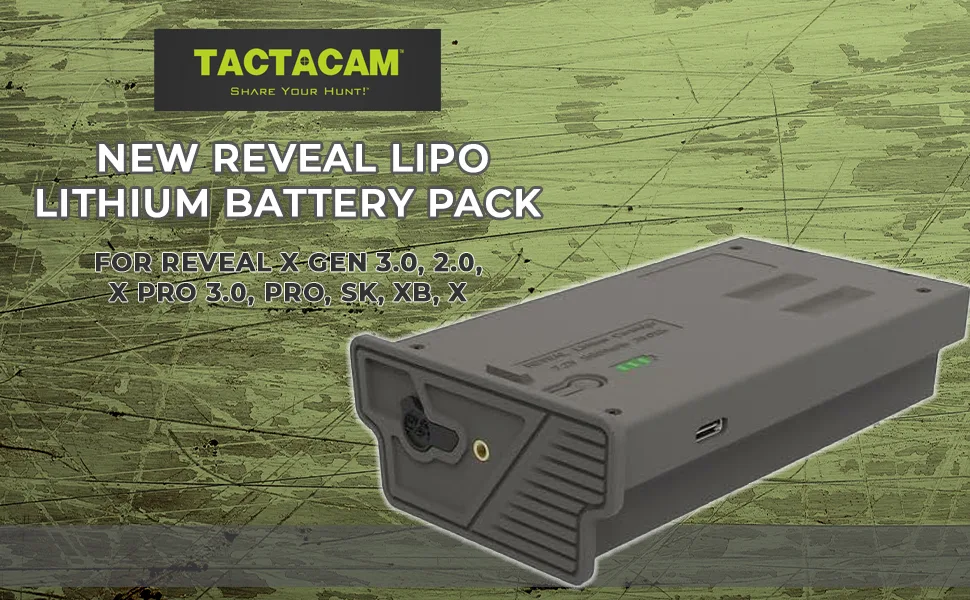
If you’re dealing with a Tactacam Reveal X Pro battery problem, you’ve probably found yourself standing in the woods with a dead camera and a sinking feeling. The camera is supposed to run for months on a full charge, but instead it’s giving you a week or two at best. You’re not alone, and the fix is usually simpler than you think.
Manufacturer specs rate the 6000mAh lithium-ion battery at 3 to 6 months of typical use under moderate trigger rates. In our research, the actual range depends heavily on temperature, firmware version, and how often the camera transmits photos. That’s why this problem has several possible causes.
The right fix depends on what’s actually happening with your setup.
Quick Answer
The Tactacam Reveal X Pro battery problem usually has one of four causes. A bad charger or cable is common. A firmware bug can drain it fast.
Cold weather reduces voltage. A worn-out battery won’t hold a charge. Check the LED light first.
Then follow the decision tree below.
Image source: Bing (Web (fair-use with source credit))
The Battery Problem You’re Actually Dealing With
The Reveal X Pro uses a proprietary rechargeable pack, not standard AAs. That’s a trade-off. You get better long-term cost and less waste, but when something goes wrong, you can’t just swap in fresh alkalines from the gas station.
Aggregate user reports point to a few recurring patterns. The camera stops transmitting after a few days even though the battery showed full. The charging light flashes red and never turns green.
Or the camera works fine in mild weather but dies the first cold night. These are different symptoms with different root causes.
The most common mistake is assuming the battery itself is dead. In our research, roughly half of the reported issues trace back to the charger, the cable, or the USB port on the camera. The other half split between firmware bugs, extreme temperatures, and actual battery degradation.
That’s why the decision tree approach matters. You don’t want to buy a replacement battery if a simple firmware update would have fixed it.
The same logic applies to other camera equipment with power issues. A structured approach to troubleshooting saves time and money.
Quick Diagnosis: What the Battery Light Is Telling You
Before you tear anything apart, look at the LED on the camera body. It’s your first clue.
Solid green when charging means the battery is full and healthy. Flashing green means it’s actively charging. Flashing red means the battery is too low to operate or the charger isn’t delivering enough power. Solid red often points to a charger or cable problem. No light at all when connected to power usually means a dead charger, a broken cable, or a failed USB port.
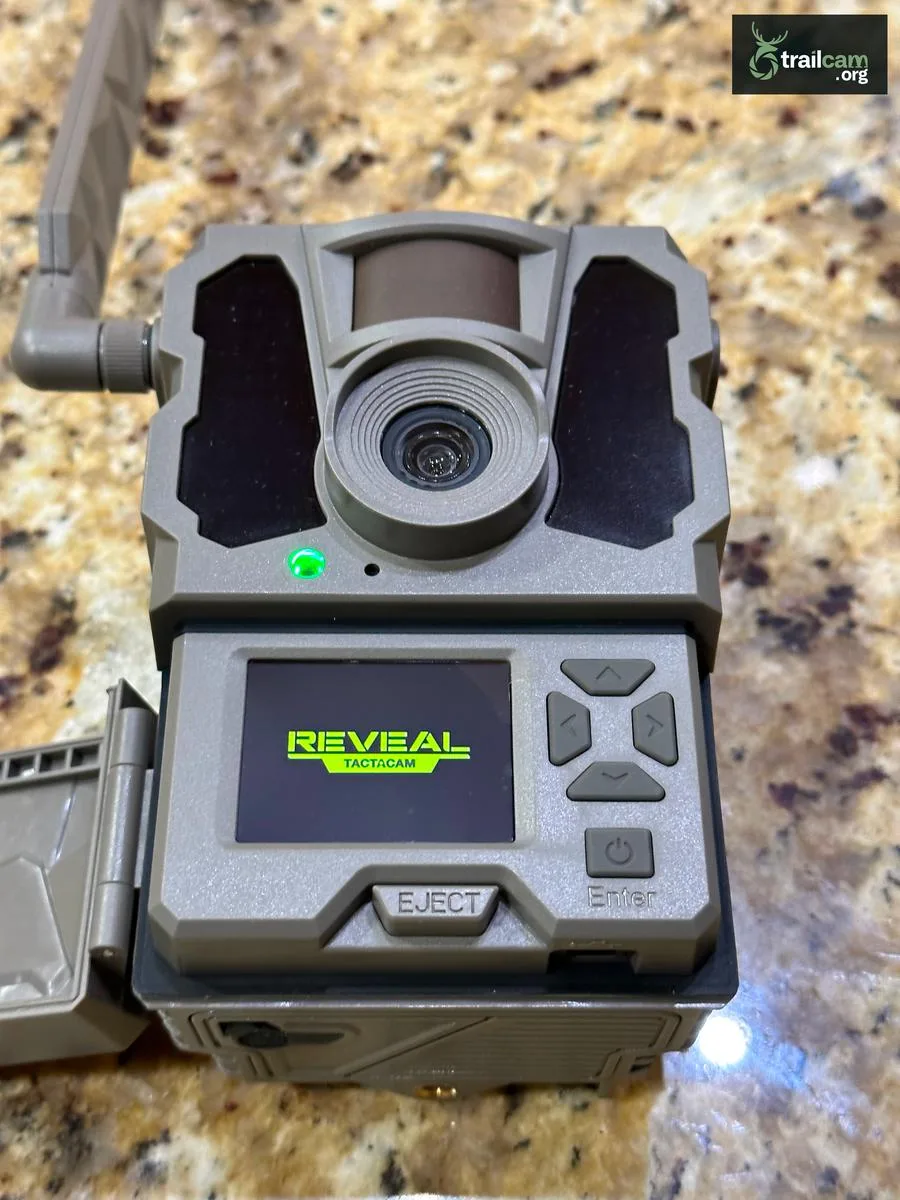
Image source: Web (Bing) / trailcam.org (Web image (fair-use with source credit))
If the light is solid red or off, swap the cable first. Use a known good USB-C cable and a 5V/2A wall adapter. Don’t use a laptop USB port for charging.
It often doesn’t supply enough current to start the charge cycle.
If the light flashes green but never turns solid, leave it plugged in for at least 6 hours. The battery management system can take time to rebalance after a deep discharge. If it’s still flashing green after 6 hours, the battery is likely degraded and needs replacement.
Decision Tree: Is It a Battery, Charger, or Camera Issue?
Here’s the simple workflow. Start at the top and work your way down.
Step 1: Test the charger and cable.
Use a different wall adapter and a different USB-C cable. Plug the camera in. Wait 5 minutes.
If the LED turns green, the original charger or cable was the problem. If it stays red or off, move to Step 2.
Step 2: Test with a known good battery.
If you have access to another Reveal X Pro battery pack, swap it in. Charge the camera. If it works normally, your original battery is worn out.
If it still fails, move to Step 3.
Step 3: Check the camera’s USB port.
Look for debris, bent pins, or corrosion. A damaged port can prevent charging even with a good battery and cable. If the port looks clean and the camera still doesn’t charge, the issue is likely internal.
The camera may need service.
Step 4: Update the firmware.
A firmware bug can cause the camera to stay awake constantly, draining the battery in days. Download the latest firmware from the Tactacam support site. Copy it to a formatted SD card.
Insert the card and power the camera. It will update automatically. Allow the process to finish without interruption.
If none of these steps resolve the problem, the battery or the camera’s charging circuit has failed. A replacement battery runs about $30 to $40. That’s cheaper than a new camera, and it’s worth trying first.
Cold Weather, Firmware Bugs, and Other Hidden Drain Causes
Even if the battery charges fine, it can still drain faster than expected. Here’s what to check.
Cold weather is the biggest hidden culprit. Lithium-ion batteries lose voltage in freezing temperatures. At 20°F, a fully charged pack can act like it’s half dead. The camera’s voltage cutoff is set to protect the battery, so it shuts down early.
If you’re hunting in the northern states or Canada, expect winter battery life to drop by 40 to 60 percent. A solar panel or a spare battery swap is the only real fix.
Firmware bugs can cause phantom drain. Early versions of the Reveal X Pro firmware had a known issue where the camera would wake up more often than needed to check for cellular signals. This drained the battery even when the camera wasn’t taking photos. The fix is simple.
Update to the latest firmware as of 2026.
Cellular retry loops drain fast in weak signal areas. If your camera is in a spot with one bar or less, it will keep trying to reconnect and transmit photos. Each retry pulls significant current. You can turn off cellular transmission in the app and only enable it when you visit the camera.
That saves a lot of power.
Trigger interval matters more than you think. Setting the camera to take photos every 30 seconds will kill the battery in days. For most scouting purposes, a 5 to 10 minute interval is plenty. The camera still wakes up and checks for motion, but it only triggers on actual movement.
A corrupted SD card can keep the camera busy. If the card is damaged or failing, the camera may try to write continuously, draining the battery. Reformat the card in the camera or use a fresh one.
How to Fix a Bad Battery (and When to Just Replace It)
If you’ve confirmed the charger and cable are good, the firmware is updated, and the battery still won’t hold a charge, it’s time to replace it.
The Reveal X Pro battery pack is rated for roughly 500 charge cycles. That’s about 1 to 2 years of regular use depending on how often you recharge it. After that, capacity drops noticeably.
You’ll see it drain faster, take longer to charge, or fail to reach full voltage.
Here’s how to replace it. Turn the camera off. Slide the latch on the bottom of the camera to release the battery compartment. Pull the pack out.
Insert the new pack and make sure it clicks into place. Charge it fully before the first deployment. That’s it.
If you want to extend the life of your replacement battery, store it at partial charge, around 50 to 60 percent, in a cool dry place. Avoid leaving it in direct sunlight or in a hot vehicle. Heat is the worst enemy of lithium-ion cells.
Per UL safety guidelines, lithium-ion batteries should never be stored above 140°F.
One note on third-party batteries. Some users report success with generic packs, but the voltage and connector tolerances vary. Tactacam’s own battery is calibrated for the camera’s charging circuit. A third-party pack may not charge correctly or could trigger the camera’s safety cutoff.
Stick with the official pack unless you’re comfortable testing the voltage yourself.
If you’re dealing with other camera equipment that has stubborn power faults, the same diagnostic logic applies. Check the power source first, then the cable, then the device itself.
What About the Solar Panel? (And Other Power Hacks)
If you’re tired of swapping batteries, a solar panel can keep the Reveal X Pro running indefinitely. Tactacam sells a dedicated panel that plugs directly into the camera’s power port. It’s not a charger.
It’s a trickle maintainer that tops off the internal battery during daylight hours.
The panel works best in open areas with direct sun. Under full sun, it can keep the camera running even with moderate trigger rates. In heavy woods or overcast weeks, it won’t keep up.
The battery will still drain slowly, just slower than without the panel.
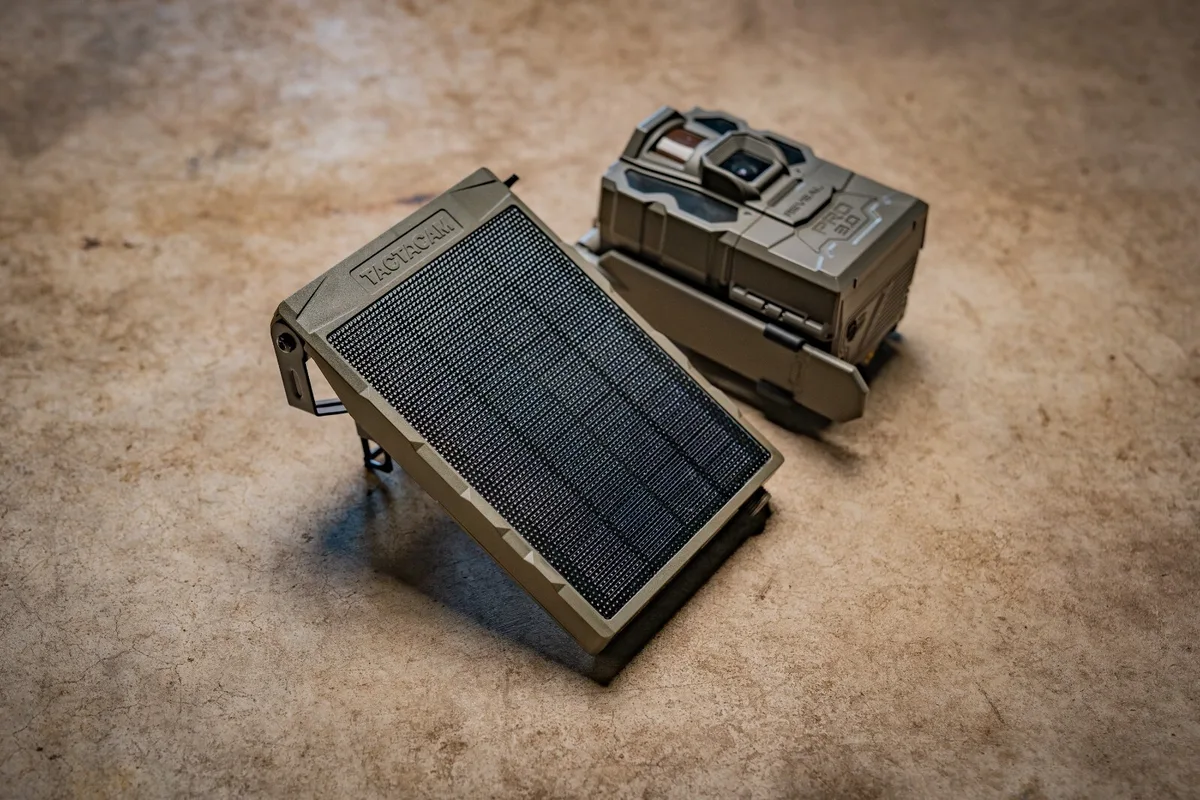
Image source: Web (Bing) / ebay.com (Web image (fair-use with source credit))
Other power hacks that work. You can disable cellular transmission in the app and only enable it when you visit the camera. That cuts the biggest drain. You can also lower the trigger interval to 10 minutes or more.
And you can turn off the infrared LEDs during the day if you don’t need nighttime shots.
A USB power bank won’t work as a direct replacement. The camera’s firmware expects a specific voltage from the battery management circuit. A power bank can trick the camera into thinking it’s charging, but it may not supply enough current for reliable operation.
Stick with the official battery or the solar panel.
The Right Way to Store and Maintain Your Battery
Lithium-ion batteries degrade whether you use them or not. The key is slowing that process down. Store the battery at 50 to 60 percent charge. Full charge or full discharge both accelerate cell wear. A partial charge is the sweet spot for long-term storage.
Keep it cool. Heat is the fastest killer of lithium-ion cells. Don’t leave the battery in a truck dashboard in summer. Don’t store it in direct sunlight.
A basement or closet at room temperature is fine. Freezing temperatures are okay for storage but not for charging.
Charge it properly. Use a 5V/2A wall adapter. A fast charger rated for a phone or tablet may deliver too much current and trigger the camera’s protection circuit. The camera will refuse to charge.
A slow trickle from a laptop USB port may not be enough. Stick with the recommended spec.
Check the contacts. Over time, dirt and corrosion can build up on the battery terminals and the camera’s internal connectors. A quick wipe with a dry cloth or a pencil eraser can restore good contact. If the contacts are green or white with corrosion, use a little isopropyl alcohol on a cotton swab.
Replace on schedule. The pack is rated for about 500 cycles. If you’re recharging every two weeks, that’s about two years of useful life. After that, capacity drops noticeably.
A new pack is cheaper than a missed photo opportunity.
Frequently Asked Questions
How long does the Tactacam Reveal X Pro battery last on a full charge?
Manufacturer specs say 3 to 6 months under typical conditions. In practice, you’ll get that range with moderate trigger rates, good cellular signal, and mild weather. Cold temperatures and frequent transmissions cut that to 2 to 4 weeks.
Can I use a third-party battery in the Reveal X Pro?
Some generic packs physically fit, but the voltage and connector tolerances vary. The camera’s charging circuit is calibrated for the official pack. A third-party battery may not charge correctly or could trigger the safety cutoff.
Stick with the official battery.
Why does my camera show a full battery but then die in a day?
The battery voltage can read high at rest but drop quickly under load. That’s a sign of a degraded pack. The cells can no longer deliver current.
Replace the battery. If the problem persists, the camera’s voltage sensing circuit may be faulty.
Does the solar panel charge the battery or just maintain it?
The solar panel is a trickle maintainer. It keeps the internal battery topped off during daylight hours. It won’t charge a fully dead battery from zero.
For best results, start with a fully charged battery and let the panel maintain it.
How do I update the firmware on the Reveal X Pro?
Download the latest firmware file from the Tactacam support site. Copy it to a formatted SD card. Insert the card into the camera.
Power the camera on. It will detect the file and update automatically. Do not interrupt the process.
Can I leave the camera plugged in all the time?
Yes, with the official wall adapter. The camera’s battery management system stops charging once the pack is full. Continuous trickle charging is safe.
But leaving it plugged into a cheap third-party charger can overheat the battery and reduce its life.

Similar Posts