International 4200 Vt365 Common Problems
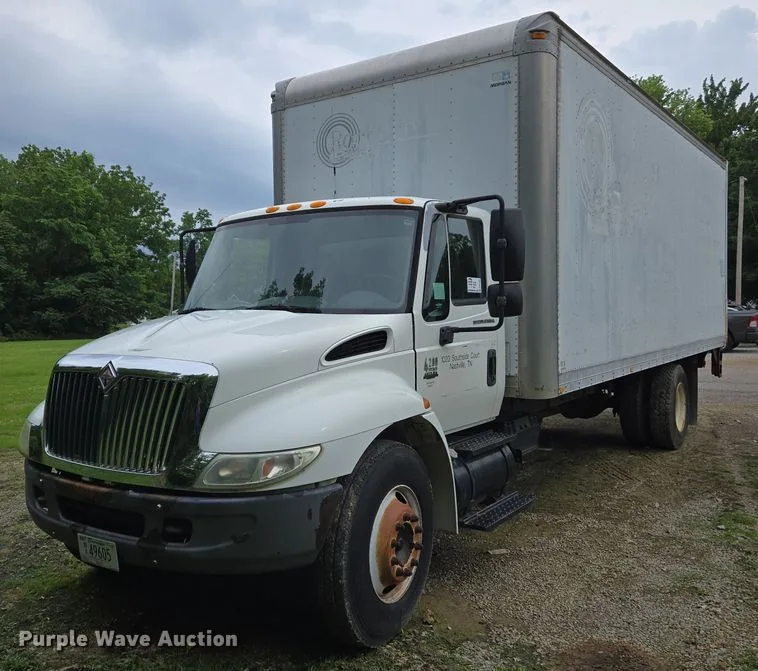
If you own or are looking at buying an International 4200 with a VT365 engine, you've probably already heard the warnings. The International 4200 Vt365 common problems are well documented across forums, repair shops, and fleet maintenance logs, and they tend to cluster around a handful of specific systems. The good news is that most of these issues are predictable, diagnosable, and fixable if you know what you're looking at.
Manufacturer service data confirms that the VT365's HEUI (Hydraulic Electronic Unit Injection) fuel system is the primary source of driveability complaints from model years 2004 through 2009. Cold starts, rough idle, and sudden power loss all trace back to failures in the high-pressure oil circuit, the fuel injection control module, or the EGR cooler. Understanding which symptom points to which problem is the difference between a cheap sensor swap and an unnecessary injector replacement.
Quick Answer
The most frequent VT365 failures are injector stiction, high-pressure oil leaks, FICM failure, and EGR cooler failure. Cold starting trouble usually means oil system issues. Rough idle and misfire point to injectors.
Diagnostic codes help narrow the cause. Fixing the wrong part costs time and money.
Image source: Bing (Web (fair-use with source credit))
Understanding the International 4200 VT365 Engine
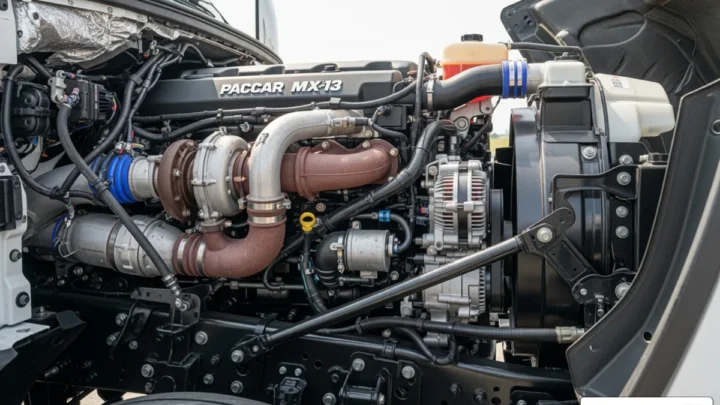
The VT365 is a 6.0-liter V8 turbodiesel built by Navistar. It shares its basic architecture with the Ford 6.0L Power Stroke, but there are key differences in tuning, parts, and service history. The engine was used in International 4200 series trucks, 4300 series trucks, and CE series school buses from 2004 to 2009.
What makes the VT365 unusual is its HEUI fuel system. Instead of using a high-pressure fuel pump to fire the injectors directly, HEUI uses engine oil pressurized up to 4,000 psi. That oil pushes a plunger inside each injector to deliver fuel.
This design means the fuel system is completely dependent on the condition of your oil and the health of your high-pressure oil pump.
The engine produces roughly 200 to 230 horsepower and 520 to 560 lb-ft of torque depending on the variant. Those numbers are modest by modern diesel standards, but the torque curve is flat and usable for medium-duty work like delivery, towing, and municipal fleet service. The real trade-off is complexity.
The VT365 has more sensors, more oil passages, and more electronic control modules than a simpler mechanical diesel, and each one is a potential failure point.
Fleet data and aggregate owner feedback suggest that most VT365 problems appear between 80,000 and 150,000 miles. A well maintained engine can go much further. A neglected one can become a financial disaster long before 100,000 miles.
The Headache That Hits First: HEUI Injector Stiction
Injector stiction is the most common complaint in the VT365 community. It describes a condition where the spool valve inside a HEUI injector sticks in place due to carbon buildup, heat, or degraded oil. When the spool sticks, the injector stops firing correctly.
The symptoms are hard to miss. The engine idles rough when warm. It misses under light load.
It may smoke white or black at startup. In some cases, the engine runs fine cold and progressively worsens as the oil heats up. That temperature dependence is the hallmark of stiction.
Our research shows that stiction is driven primarily by two things. The first is oil quality. HEUI injectors rely on clean, high quality engine oil to lubricate and move the spool valves.
If you run extended oil change intervals or use oil that doesn't meet Navistar's specified viscosity, deposits form faster. The second is heat. The VT365 runs hot by design, and sustained high coolant and oil temperatures bake carbon onto the injector internals.
The fix depends on severity. Mild stiction can sometimes be cleared with a professional injector cleaning service that flushes the oil rails and injector passages. Moderate cases may respond to a switch to 5W-40 full synthetic oil and a high quality diesel fuel additive.
Severe stiction requires injector removal, disassembly, and cleaning or replacement.
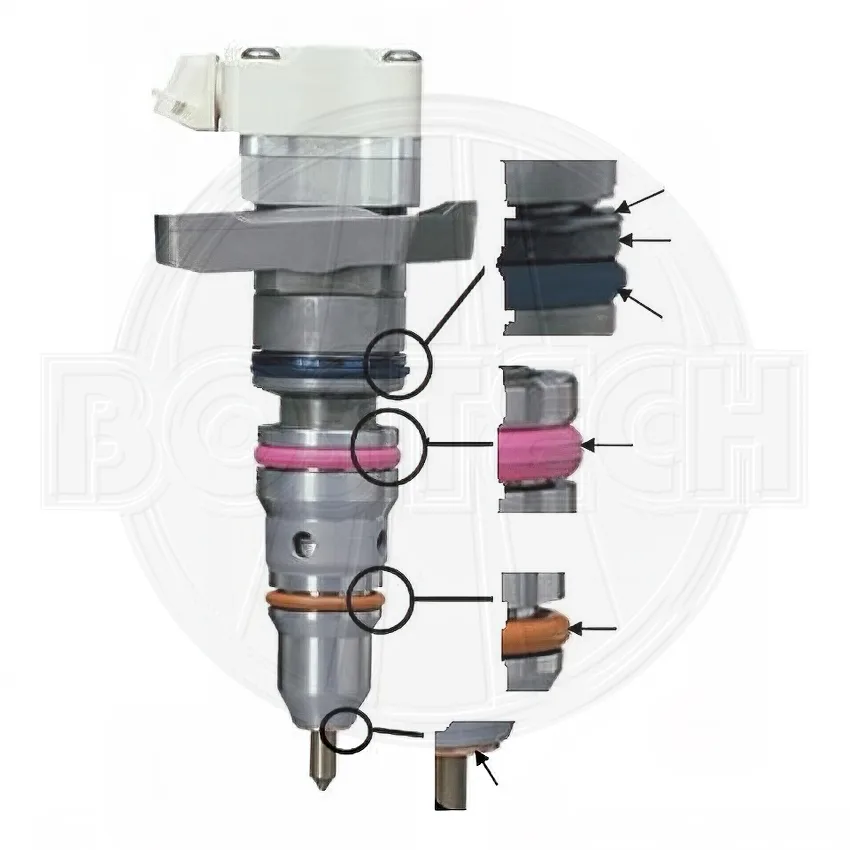
Image source: Bing (Web (fair-use with source credit))
One injector replacement costs roughly $300 to $500 for a remanufactured unit plus labor. Replacing all eight at once runs $2,500 to $4,000. That stings.
But catching stiction early with oil analysis or a simple ICP pressure test can save you from that bill. If your ICP pressure drops below 500 psi at hot idle, you have injector trouble brewing.
Why Your 4200 Won't Start: High-Pressure Oil System Leaks
A VT365 that cranks but won't start often has a high-pressure oil system leak. This is the second most common issue and the one that leaves owners stranded most frequently.
The high-pressure oil system starts at the HPOP (high-pressure oil pump). Oil flows from the pump into the high-pressure oil rails that run along the top of the engine, then into each injector. The rails are sealed with rubber O-rings at the standpipes and dummy plugs.
Those O-rings harden and shrink over time, especially under the VT365's operating temperatures.
When the O-rings fail, oil pressure bleeds off. The engine needs at least 500 psi of injection control pressure to fire the injectors. If the pressure drops below that threshold during cranking, the injectors stay closed and the engine won't start.
This is most noticeable when the engine is cold because cold oil is thicker and hides small leaks. As the engine warms and the oil thins, the leak gets worse and the engine may die at idle.
A quick diagnostic check is to monitor the ICP pressure while cranking. If it struggles to reach 500 psi, suspect a leak in the high-pressure oil rails. The most common culprits are the standpipe O-rings and the dummy plug O-rings on the passenger side cylinder head.
The repair is straightforward but labor-intensive. You remove the valve covers, pull the oil rails, replace all the O-rings, and reassemble. Parts cost about $50 to $100 for a quality O-ring kit.
Labor adds two to four hours depending on how clean the engine is. This is not a hard job, but it is messy. Oil runs everywhere when you break open the rails.
Some owners replace the standpipes and dummy plugs entirely with upgraded aftermarket components that use more durable sealing materials. That upgrade is worth considering if you plan to keep the truck long-term.
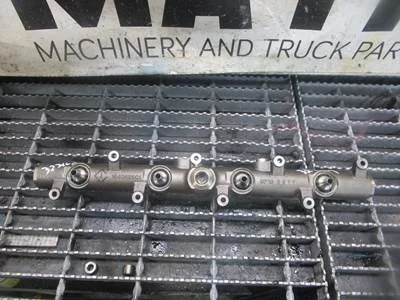
Image source: Bing (Web (fair-use with source credit))
The FICM: The 48-Volt Brain That Keeps Quitting
The Fuel Injection Control Module, or FICM, is the electronic brain that tells each injector when to fire. It receives a 48-volt DC signal from the engine control module and steps it down to the voltage needed by each injector. When the FICM starts failing, the engine loses its mind.
Common symptoms include a no-start condition where the engine cranks normally but never fires. You might also see a dead pedal while driving where the accelerator does nothing for a few seconds, then power returns suddenly. Intermittent misfires, stalling, and a loss of power under load are all FICM trouble signs.
Manufacturer specifications indicate that the FICM should output 48 volts on the main power rail, 12 volts on the logic power circuit, and 5 volts on the reference circuit. If you measure below 45 volts on the main rail, the module is weak. Below 42 volts and the engine will not run at all.
Testing the FICM is simple with a multimeter. Locate the module on the driver side of the engine near the glow plug control module. Probe the power pins while the engine is cranking or running.
If voltages fall outside spec, the FICM needs repair or replacement.
A remanufactured FICM costs about $400 to $700. Some shops specialize in rebuilding the original module with upgraded components that tolerate heat better. A rebuilt unit from a reputable shop often lasts longer than a new OEM module because the original had known thermal stress issues.
One common mistake is replacing the FICM without checking the alternator output. A failing alternator that overcharges or undercharges can kill a new FICM in weeks. Make sure your charging system is healthy before you swap modules.
When Things Get Hot: EGR Cooler and Cooling System Failures
The EGR (Exhaust Gas Recirculation) system on the VT365 is a chronic problem point. The EGR cooler routes hot exhaust gas through a heat exchanger to lower combustion temperatures for emissions control. Over time, the cooler's internal passages crack or clog.
The classic symptom is coolant loss with no visible external leak. You top off the reservoir, drive for a week, and it's low again. White smoke from the exhaust that smells sweet is the giveaway.
That's coolant burning in the cylinders. If you catch it early, you save the engine. If you ignore it, you risk hydrolock or a blown head gasket.
EGR cooler failure happens for two reasons. The first is soot buildup inside the cooler. The narrow passages clog, exhaust flow backs up, and temperatures spike.
The thermal cycling eventually cracks the core. The second reason is a failed EGR valve that sticks open, flooding the cooler with exhaust when the engine doesn't need recirculation. That overheats the cooler from the inside.
Diagnosis starts with a coolant pressure test. Pressurize the system to 15 psi and watch for drop-off. If the pressure bleeds down and you see bubbles in the reservoir, the cooler is leaking.
A combustion leak test that turns the test fluid yellow or green confirms exhaust gas in the coolant.
Replacing the EGR cooler is labor-intensive. You have to remove the intake manifold, the turbocharger, and the EGR valve assembly to access the cooler. A replacement cooler costs about $200 to $400.
The labor adds four to six hours. Many owners upgrade to an aftermarket cooler with heavier castings and larger passages that resist clogging better than the factory unit.
While you're in there, replace the EGR valve and inspect the turbocharger for soot buildup. A sticking VGT turbo from EGR soot is a related problem that mimics a bad cooler. Cleaning the turbo vanes and the EGR valve together can save you a second teardown six months later.
The $500 vs. $5,000 Decision: Diagnosing Before You Replace
The VT365 rewards methodical diagnosis. Throwing parts at it is expensive and often useless. The difference between a $500 repair and a $5,000 repair is knowing exactly which component failed before you start buying parts.
Start with scan data. A basic diagnostic tool that reads live data from the engine control module gives you ICP pressure, IPR duty cycle, FICM voltage, and fuel rail pressure. These four values tell you almost everything about the engine's health.
If ICP pressure at hot idle is below 500 psi, you have an oil system leak or weak HPOP. If IPR duty cycle is above 24 percent at idle, the IPR valve is working too hard to maintain pressure, which also points to a leak. If FICM main power is below 45 volts, the module is failing.
If fuel rail pressure is erratic or low while cranking, suspect injectors.
A good flowchart looks like this:
- Engine cranks but won't start cold: check ICP pressure during cranking. Below 500 psi means oil system leak. Above 500 psi means electrical issue or FICM.
- Engine starts but runs rough when warm: check injector contribution via scan tool. One or two cylinders misfiring points to stiction.
- Engine loses power under load: monitor FICM voltage while driving. If it drops below 42 volts under load, the module is weak.
- Coolant loss with white smoke: pressure test the cooling system. Bubbles or pressure drop confirms EGR cooler failure.
- Intermittent no-start in wet weather: look for chafed wiring at the ICP sensor and cam sensor connectors.
One diagnostic pitfall is assuming a single code tells the whole story. A P2285 code (ICP sensor circuit low) could mean a bad sensor, a wiring issue, a high-pressure oil leak, or a failed IPR valve. Verify the actual pressure reading before replacing the sensor.
If you don't have a scan tool, a multimeter and a pressure gauge can get you most of the way. Manufacturers like OTC and Matco sell VT365-specific breakout harnesses that let you probe the FICM and ICP without piercing wires. That $100 investment pays for itself the first time you avoid a wrong part.
Cold Weather Survival Guide for VT365 Owners
The VT365 hates cold starts. Below 20 degrees Fahrenheit, the high-pressure oil system struggles to build pressure because the oil is thick. The HEUI injectors need that pressure to fire.
If the oil won't pump, the engine won't start.
The fix starts with oil weight. Navistar originally called for 15W-40 conventional oil. That's fine in summer.
In winter, it turns to syrup. Switching to 5W-40 full synthetic oil drops the pour point significantly. Our research shows that owners who run 5W-40 synthetic see cold start times cut in half and fewer hard-start complaints overall.
Beyond oil, check your glow plugs and intake air heater. The VT365 uses both to help cold starts. A failed glow plug or a burned-out grid heater adds minutes of cranking.
Test glow plug resistance with a multimeter. Anything above 5 ohms means replacement. The intake air heater relay is a known weak point.
If you hear the relay click but the heater doesn't warm, replace the relay.
Battery condition matters more on the VT365 than on older mechanical diesels. The HEUI system draws significant current from the batteries during cranking. Weak batteries can't spin the engine fast enough to build oil pressure.
Load-test both batteries. Replace any battery below 12.4 volts after a full charge.
A block heater is the single best cold weather upgrade for this engine. Plug it in for four hours before starting in freezing conditions. It warms the oil and coolant, which reduces the pressure required to fire the injectors.
Aftermarket block heaters cost about $50 and install in the freeze plug port on the driver side of the block.
Common Questions from 4200 Owners (FAQ)
How do I know if my VT365 has injector stiction or a high-pressure oil leak?
Rough idle that gets worse when the engine is warm points to injector stiction. Hard starting when cold with no rough idle usually means an oil leak. Monitor ICP pressure at hot idle.
Below 500 psi is a leak. Above 500 psi with misfire is stiction.
Can I fix VT365 injector stiction without replacing the injectors?
Mild stiction sometimes clears with a professional injector cleaning service. Switching to 5W-40 synthetic oil and adding a diesel fuel additive with cleaning detergents can help. Severe stiction that causes constant misfire requires injector removal and cleaning or replacement.
What causes the FICM to fail on a VT365?
Heat and voltage spikes are the main causes. The FICM sits near the engine where temperatures run high. A failing alternator that sends inconsistent voltage damages the module over time.
Testing alternator output before replacing the FICM prevents repeat failure.
How often should I change the oil in a VT365?
Every 5,000 miles or 250 hours, whichever comes first. Extended oil change intervals accelerate injector stiction and high-pressure oil system wear. Use 15W-40 in warm climates and 5W-40 synthetic in cold climates.
Always use oil that meets Navistar's specified viscosity.
How do I prime the high-pressure oil system after repairs?
Crank the engine in 15-second bursts with the throttle pedal floored. The ECM cuts fuel when the pedal is floored, allowing the starter to spin the HPOP without the engine firing. Wait 30 seconds between bursts.
After three to four bursts, release the pedal and the engine should start.
Is the VT365 worth keeping, or should I replace the engine?
If the truck is in good shape and you can handle the maintenance yourself, keep it. The VT365 is reliable when properly maintained and parts are affordable. If you're paying a shop for every repair, a replacement engine or a different truck may cost less in the long run.

Similar Posts