Why Is Google Nest Wifi Pro So Slow: Fix It Fast
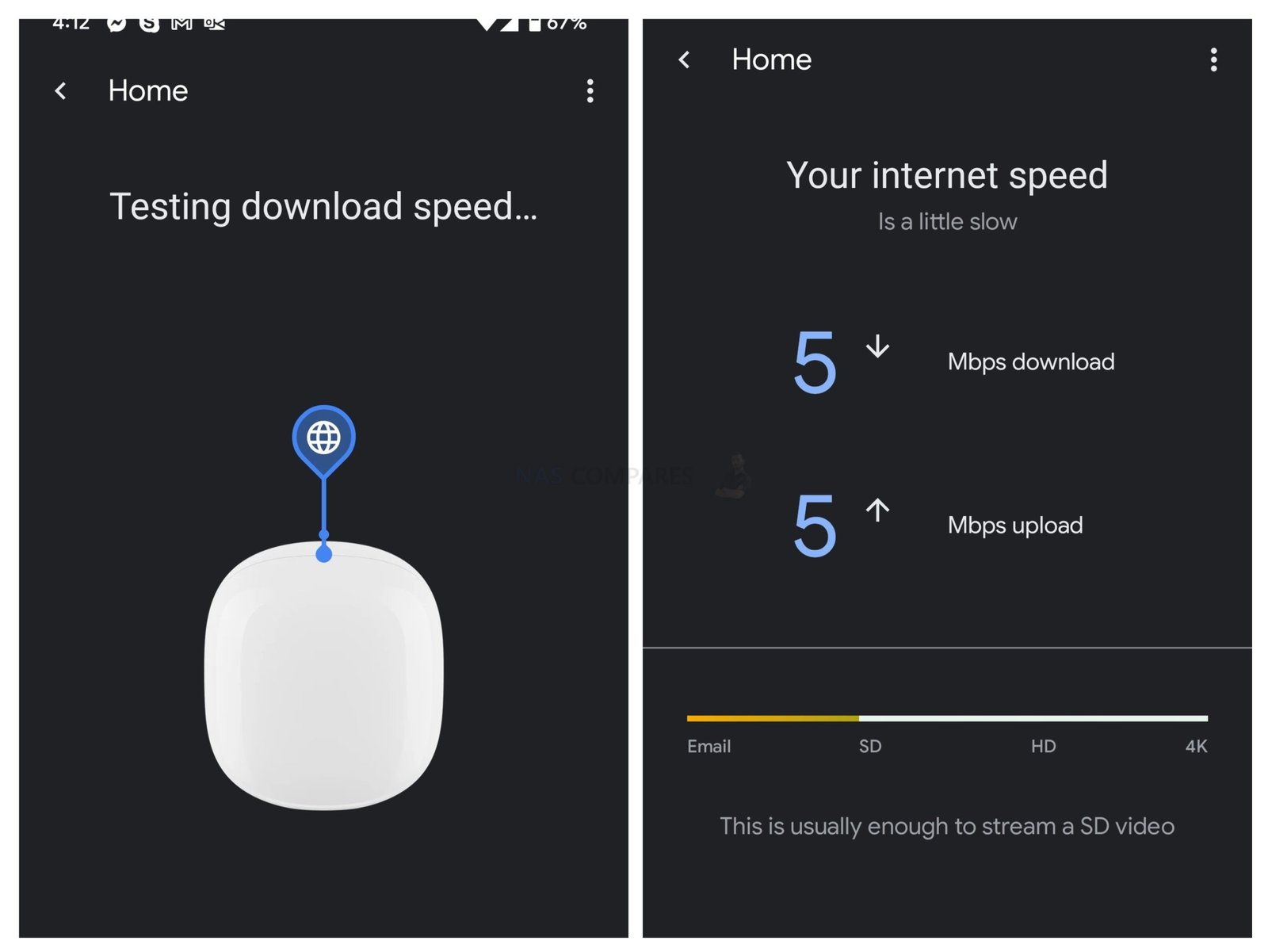
Google Nest WiFi Pro is usually slow because of placement issues, mesh interference, channel congestion, or bad settings.
Google Nest WiFi Pro is a strong mesh system on paper, but real homes can make it feel sluggish fast. I’ve seen this happen in busy apartments, large houses with thick walls, and homes full of smart devices, where the system looks fine but still struggles with speed and stability. If you want to understand why Google Nest WiFi Pro is so slow, what actually causes it, and how to fix it without guesswork, this guide breaks it down in a clear, practical way.

Why Google Nest WiFi Pro Can Feel Slower Than Expected
Google Nest WiFi Pro is built for whole-home coverage, not raw speed in every corner. That matters because mesh WiFi works like a relay team: each node passes the signal along, but every extra hop can add delay and reduce throughput.
In many homes, the internet plan is not the real bottleneck. The slowdown often comes from how the mesh is set up, where the nodes are placed, or how busy the wireless environment is. When that happens, the system may still show a strong connection, but the actual download speed can feel underwhelming.
A few common reasons stand out:
• Weak node placement can force devices to connect through a far-off unit instead of the nearest one.
• Wireless backhaul can lose speed when nodes are too far apart or blocked by walls.
• Crowded WiFi channels can cause interference from neighbors, smart TVs, baby monitors, and Bluetooth devices.
• Device limitations can make the Nest WiFi Pro look slow even when the network is working well.
In real use, this often feels like pages loading late, video buffering, or gaming lag even though the signal bars look full. That mismatch is frustrating, and it is one reason people search for why Google Nest WiFi Pro is so slow in the first place.

The Most Common Reasons Google Nest WiFi Pro Gets Slow
Understanding the cause makes the fix much easier. In my experience, most “slow WiFi” complaints come from a small handful of issues, and one or two of them are usually doing most of the damage.
Poor node placement
Mesh systems depend on line of sight, distance, and balance. If one Nest WiFi Pro node is hidden in a cabinet, tucked behind a TV, or placed too far from the main router, the connection between nodes can weaken fast.
A bad placement setup can create a chain reaction:
• Devices connect to a weak node instead of the closest one.
• The node has to work harder to relay traffic.
• Speeds drop, especially during streaming or video calls.
I once tested a setup where moving one node just six feet and away from a metal shelf improved speed almost immediately. Small changes can make a big difference with mesh WiFi.
Too much distance between nodes
Mesh WiFi is not magic. If the nodes are spread too far apart, the backhaul link between them becomes weak. That link is the hidden highway carrying traffic from one node to another, so when it slows down, everything behind it slows too.
A good mesh setup usually means:
• Nodes are close enough to maintain a strong connection.
• They are not stacked on top of each other.
• Each one has enough open space around it.
If the nodes are too far apart, Nest WiFi Pro may still show coverage, but speed can fall off sharply.
Wireless interference from other devices
Homes today are full of wireless noise. Microwaves, cordless phones, Bluetooth gear, baby monitors, and nearby WiFi networks can all interfere with performance.
This is especially common in apartments or dense neighborhoods. The Nest WiFi Pro may be doing its job, but the airwaves are crowded, like trying to have a quiet conversation in a packed cafe.
ISP speed limits or modem problems
Sometimes the mesh is blamed when the real issue is the internet service itself. If your plan only delivers 200 Mbps, no router can create 1 Gbps out of thin air.
Problems can also come from:
• An outdated modem.
• A bad cable from the modem to the router.
• Congested service from the internet provider.
• A weak signal coming into the home in the first place.
A direct speed test from the modem can help separate WiFi problems from ISP problems.
Device compatibility or old hardware
Not every phone, laptop, or smart TV can fully use modern WiFi speeds. Older devices may support weaker wireless standards, fewer channels, or slower chipsets.
That means the Nest WiFi Pro can be working fine, while the device itself becomes the slow part of the chain. This is easy to miss because the slowdown feels like a network issue.
Band steering and device hopping
Mesh systems try to move devices to the best node automatically. Most of the time, this helps. But sometimes devices cling to a weak node or keep bouncing between nodes, which creates lag and instability.
This can happen with:
• Phones walking from room to room.
• Smart plugs and cameras with poor wireless radios.
• Laptops that don’t reselect a stronger access point fast enough.
Firmware or software issues
Like any connected hardware, Nest WiFi Pro relies on firmware updates. Bugs, temporary glitches, or unfinished features can affect performance, especially after a major update or reboot cycle.
I’ve seen systems that felt slow until a firmware update and full power cycle cleared things up. It is not always the answer, but it is a very real one.
How Mesh WiFi Differs From a Single Router
A lot of confusion starts here. People expect a mesh system to behave like one giant super-router, but that is not quite how it works.
A single router sends WiFi from one point. Mesh WiFi spreads coverage using multiple nodes, which improves reach but can reduce top speed if the links between nodes are weak.
Here is the tradeoff:
• Better coverage: Mesh is great for larger homes, multi-story layouts, and tricky dead zones.
• Lower peak speed: Wireless relays can reduce throughput compared to a direct router connection.
• More consistency: Mesh often improves reliability even if it does not always win on raw speed.
That is why Google Nest WiFi Pro can feel slower than expected, especially if you compare it to a single router sitting next to your device.

Best Ways to Fix Slow Google Nest WiFi Pro Speeds
The good news is that most speed issues can be improved without replacing the whole system. Start with the basics, then move to the more technical steps if needed.
1. Recheck node placement
This is the first thing I would do. Place the main router in a central, open area. Keep nodes off the floor and away from thick walls, mirrors, and large appliances.
Good placement tips:
• Put nodes in open spaces, not inside cabinets.
• Keep them elevated on shelves or tables.
• Avoid placing them near metal objects or televisions.
• Try to keep each node within a strong signal range of the next one.
Small placement changes often help more than people expect.
2. Test speeds near the main router
If your speed is fast near the main unit but slow in other rooms, the issue is likely mesh coverage or backhaul quality. If speeds are slow even beside the main router, the problem may be the modem, ISP, or router settings.
This simple test helps narrow down the cause quickly.
3. Use Ethernet where possible
Wired connections are still the gold standard for stability. If your Nest WiFi Pro setup supports Ethernet between nodes or from the router to a desktop, game console, or smart TV, use it.
Benefits of Ethernet:
• Lower latency.
• Better stability.
• Less congestion on WiFi.
• More consistent performance during streaming and gaming.
If you have the option, Ethernet backhaul can make a mesh system feel much faster.
4. Reduce WiFi congestion
You cannot control your neighbors, but you can reduce noise inside your home. Move cordless devices away from the router and keep the mesh nodes clear of heavy electronics.
You can also:
• Reboot the network after moving devices.
• Separate smart home gadgets from your main work devices when possible.
• Avoid placing the router near a microwave or large Bluetooth hub.
5. Restart the modem and mesh system
A full reboot is boring, but it works more often than people think. Power off the modem and Nest WiFi Pro nodes for about 30 seconds, then bring them back online in the proper order.
Use this order:
- Turn off the modem.
- Turn off the Nest WiFi Pro router and nodes.
- Wait 30 to 60 seconds.
- Turn on the modem first.
- Once it is fully online, turn on the router and then the nodes.
This can clear temporary bugs and reconnect the network cleanly.
6. Check for firmware updates
Make sure the Nest WiFi Pro is fully updated. Firmware updates often include stability fixes, performance improvements, and security patches.
If your system seems slow after an update, give it time to settle. Then test again after a reboot.
7. Look at the internet plan and modem
If you pay for a fast plan but only get slow results, the modem may be the weak link. Older modems, damaged cables, or an ISP issue can make even great WiFi hardware look bad.
A direct wired test from the modem can tell you a lot. If the wired speed is slow too, the router is probably not the main problem.
8. Limit too many connected devices
Mesh systems handle many devices well, but every connected gadget still uses resources. Smart bulbs, cameras, tablets, TVs, and laptops all add load.
If your home is packed with devices, try:
• Disconnecting unused smart devices.
• Pausing large downloads.
• Testing performance with fewer active connections.
This is especially helpful during streaming, gaming, or video calls.
Real-World Signs Your Google Nest WiFi Pro Is the Problem
It helps to know when the Nest WiFi Pro is actually the issue and when it is not. Not every slowdown points to the router itself.
These signs often suggest a mesh problem:
• Speeds are strong near the main router but weak near nodes.
• Devices randomly switch between nodes and lag.
• One room works fine while another is unstable every day.
• Video calls freeze even though signal bars look normal.
• Performance gets worse after adding another node.
If all devices are slow everywhere, the problem may be the modem, ISP, or line quality. If only certain rooms are slow, the issue is more likely with placement or mesh links.
How to Get Better Performance From Google Nest WiFi Pro
If you want the best experience, think of the system like a team, not a magic box. Each part needs room to work.
Here are the habits that usually help most:
• Place the router centrally and openly.
• Keep nodes spaced evenly, not randomly.
• Use Ethernet for important devices when possible.
• Update firmware and reboot after changes.
• Check the modem and ISP before blaming WiFi.
I always tell people to start simple. Too many users change five settings at once and never know which fix actually helped. Make one change, test it, and then move on.
Limitations You Should Expect From Any Mesh System
It is fair to say this: mesh systems solve coverage problems better than most routers, but they do not always deliver the highest possible speed in every room.
That is not a failure. It is the tradeoff built into the design.
Common limitations include:
• Speed loss over wireless backhaul.
• Reduced performance through thick walls or multiple floors.
• Interference from nearby wireless networks.
• Lower speeds on older devices.
If your home needs maximum speed in every room, a mix of mesh WiFi and Ethernet may be the best solution.

Frequently Asked Questions About Why Is Google Nest WiFi Pro So Slow?
Why is Google Nest WiFi Pro so slow in some rooms but fast in others?
That usually means the mesh nodes are not positioned well, or the wireless backhaul is weak in certain areas. Walls, distance, and interference can all reduce speed room by room.
Does Google Nest WiFi Pro lose speed with each node?
Yes, wireless mesh systems can lose some speed as traffic moves between nodes. The more hops a device needs, the more likely performance will dip a bit.
Can old devices make Google Nest WiFi Pro seem slow?
Absolutely. Older phones, laptops, and TVs may not support faster WiFi standards, so they can bottleneck performance even when the network is working well.
Is Ethernet better than WiFi on Google Nest WiFi Pro?
Yes, Ethernet is usually faster and more stable. If you can wire your main devices or use wired backhaul between nodes, you will often see better results.
Should I reset Google Nest WiFi Pro if it is slow?
A reset can help if settings are corrupted or the system is glitching, but it should not be your first step. Try rebooting, checking placement, and testing the modem first before doing a full reset.
Conclusion
Google Nest WiFi Pro can feel slow for a few simple reasons: poor node placement, wireless interference, crowded networks, modem problems, or device limits. In many homes, the system is not truly “bad” so much as misunderstood, and once the setup is tuned correctly, performance can improve a lot.
The best approach is to test methodically, fix one thing at a time, and focus on the parts of the network that actually control speed. If you make the right adjustments, you can get a much smoother experience from Google Nest WiFi Pro without wasting money on unnecessary upgrades. If this guide helped, keep exploring practical WiFi tips and leave a comment with your setup experience.

Similar Posts