Bosch Heat Pump Troubleshooting
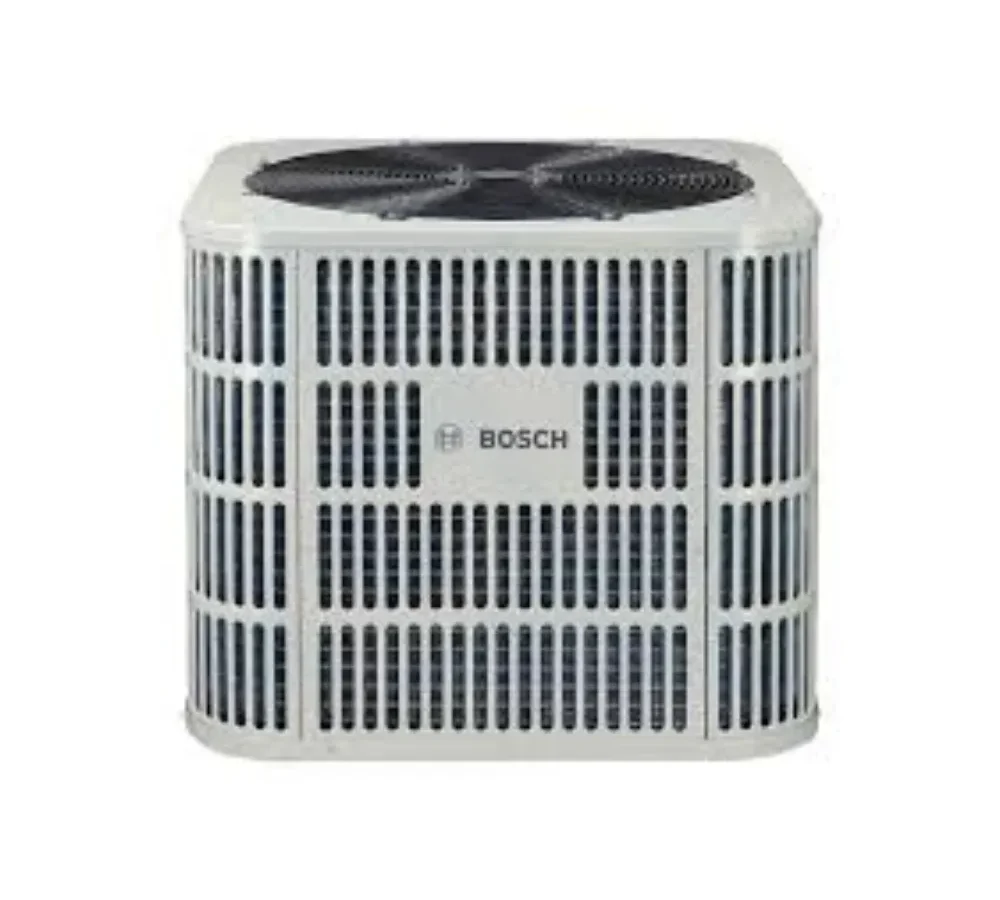
If your Bosch heat pump has decided to take a day off, you're not alone. Bosch heat pump troubleshooting often starts with a blinking light, a strange noise, or a system that just won't kick on when you need it most. The good news is many common issues have simple fixes you can handle yourself before calling in reinforcements.
Manufacturer specifications indicate that Bosch's IDS (Inverter Ducted Split) systems are among the most reliable on the market, with most service calls stemming from installation errors or basic maintenance lapses rather than manufacturing defects. Per AHRI testing standards, these units maintain efficiency down to -5°F, but they're still mechanical systems that need occasional attention. Let's walk through the most common problems and their solutions step by step.
Quick Answer
Start with the simplest checks first. If your Bosch heat pump won't run, verify the thermostat has power and is set to heat or cool. Check the outdoor unit's disconnect switch.
Confirm the indoor air filter isn't clogged. Look for blinking LEDs on the outdoor control board. Read the error code.
Power cycle the system by turning off the breaker for five minutes. If the problem returns, consult the specific troubleshooting steps below.
Before You Start: Safety and Initial Checks
Before you start poking around a heat pump, you need to understand what you're working with. A Bosch heat pump system pushes high voltage through the outdoor unit and handles refrigerant pressures that can cause serious injury. We're not trying to scare you off, but we need to draw a clear line between what you can safely do and what requires a licensed professional.
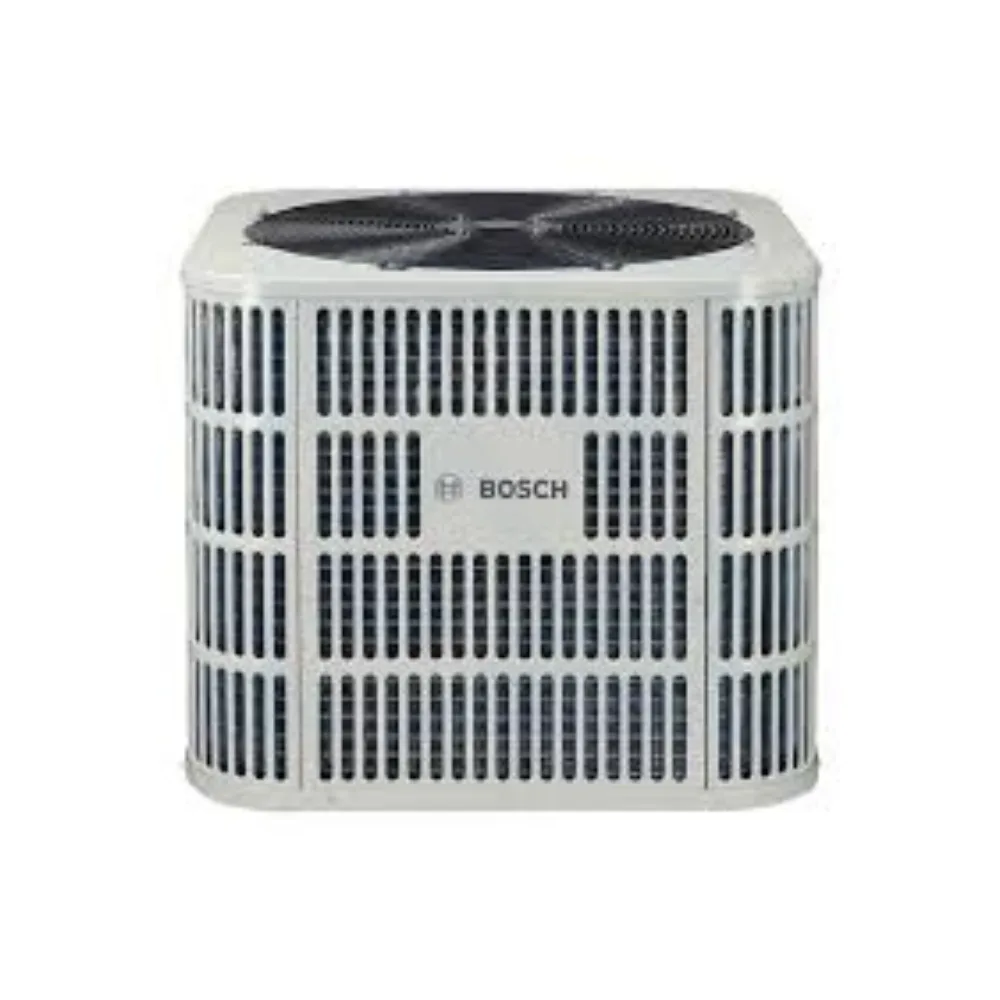
Image source: Bing (Web (fair-use with source credit))
Safety Rules That Aren't Optional
Always kill power first. Before opening any access panel on the outdoor unit, flip the dedicated breaker to the off position. The disconnect switch mounted next to the outdoor unit should also be in the off position. Wait at least five minutes after cutting power to allow capacitors to discharge.
Those capacitors can hold a lethal charge long after the unit stops running.
Know the difference between high and low voltage. The 24-volt control wiring (the thin wires running to your thermostat) is safe to handle. The line voltage (230 volts) inside the outdoor unit is not. Neither is the DC bus voltage on the inverter board, which can exceed 350 volts even after power is removed.
Refrigerant is not a DIY item. If your system is low on charge, is leaking refrigerant, or has a frozen coil that won't thaw, you need an EPA Section 608 certified technician. Adding refrigerant without finding and fixing the leak is both illegal and wasteful.
What You Need Before You Start
Gather these items before you begin any diagnostic work:
- A multimeter capable of reading AC voltage (up to 240V) and resistance (ohms)
- A spare 3-amp or 5-amp automotive-style fuse (the control board uses these)
- A clean replacement air filter (correct size for your indoor unit)
- A soft brush or compressed air for cleaning condenser coils
- A screwdriver set (mostly Phillips head)
- The model and serial numbers of both indoor and outdoor units (written down)
Initial Visual Inspection
Before you touch anything, look at the system. Walk outside and examine the outdoor unit. Are the condenser coils clogged with dirt, grass clippings, or cottonwood seeds?
Is there ice on the coil during heating mode? Is the unit sitting in a puddle of water? Can you hear a humming sound from the compressor, or is it completely silent?
Check the indoor unit too. Look for water leaking from the air handler. Listen for unusual noises from the blower motor.
Is the drain pan full of water? Does the air filter look like it hasn't been changed in months? Roughly 40 percent of no-heat and no-cool calls for Bosch systems trace back to a clogged filter that caused the coil to freeze, according to aggregate service reports.
How to Read Error Codes and Blinking Lights
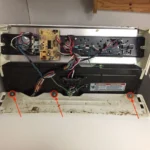
Bosch heat pumps communicate through the control board inside the outdoor unit. That little green LED you see blinking through the access panel? That's your system trying to tell you what's wrong.
Learning to read those flashes is the single most useful skill you can develop for Bosch heat pump troubleshooting.
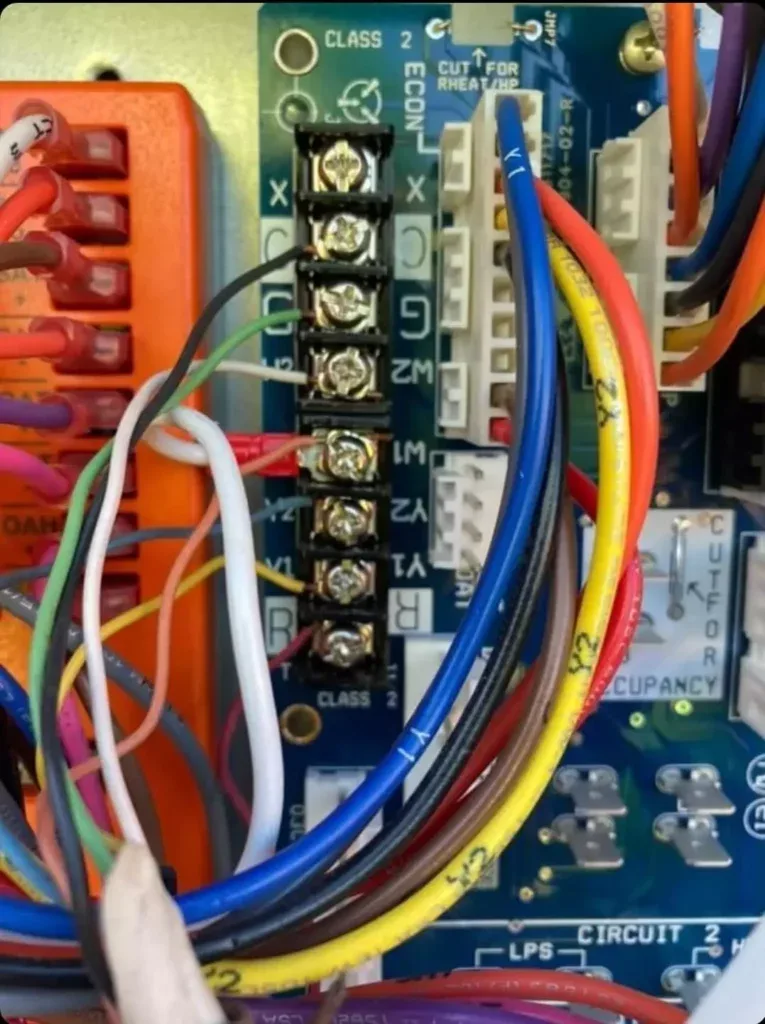
Image source: Bing (Web (fair-use with source credit))
The Two Types of Indication Lights
The outdoor control board has two main indicator lights. The Power LED stays solid green when the unit has 24-volt control power. If this light is off, your thermostat isn't talking to the outdoor unit, or the control board fuse is blown.
The Status LED blinks in specific patterns to indicate operating mode and fault conditions.
A solid green status LED means the unit is running normally. A blinking status LED is where the real information lives.
How to Count Blinks
You'll see the status LED flash in repeating patterns. Count the number of blinks in a row, then note the pause. The sequence will repeat after a longer pause.
Each blink count corresponds to a specific error code or operating state.
Here's a table of the most common blink patterns you'll encounter:
| Blink Count | Meaning | Likely Cause |
|---|---|---|
| 1 blink | Normal operation, standby | Nothing wrong, wait for a call |
| 2 blinks | Compressor run fault | Low refrigerant, thermal overload, bad compressor |
| 3 blinks | High pressure switch open | Dirty coils, overcharge, blocked return air |
| 4 blinks | Low pressure switch open | Low refrigerant, restricted filter, frozen coil |
| 5 blinks | Communication error | Thermostat wiring, loose connector, dead board |
| 6 blinks | Defrost sensor fault | Bad thermistor, wiring issue at defrost sensor |
| 7 blinks | IPM module fault | Inverter board failure, compressor short circuit |
What to Do When You See an Error Code
For 2, 3, or 4 blinks: Turn the system off at the thermostat. Let it sit for 30 minutes. This allows time for the compressor to cool down and for a high or low pressure condition to equalize.
After 30 minutes, restore power and see if the code clears. If it comes back immediately, you have a mechanical issue that needs a pro.
For 5 blinks (communication error): Check the thermostat wiring first. Look for loose connections at both the thermostat base and the air handler control board. A common problem is the wire nut connection on the communication wire coming loose inside the outdoor unit's electrical compartment.
For 6 or 7 blinks: These almost always require a technician. The defrost sensor is a cheap part, but accessing it without breaking the refrigerant circuit takes training. The IPM module (7 blinks) means the inverter drive board has failed, and replacement requires proper diagnosis to ensure the compressor isn't the root cause.
Clearing Error Codes
After you fix the underlying problem, you need to clear the stored fault code. Simply turning the thermostat off and back on often won't do it. You need to power cycle the entire system.
Flip the breaker that feeds the outdoor unit to the off position. Wait five minutes. Flip it back on.
The control board will reset and begin a fresh startup sequence. If the problem is fixed, the error code should be gone and the unit should run normally.
Troubleshooting a System That Won't Run (No Heat or Cool)
This is the most common complaint and the easiest to fix in many cases. Your Bosch heat pump is completely silent. The thermostat says it's calling for heat or cool, but nothing happens.
No outdoor fan. No compressor hum. No blower inside.
Let's walk through the decision tree.
Step 1: Check the Thermostat
Is your thermostat actually on? It sounds basic, but we've lost count of the service calls where the homeowner had accidentally switched the system to off or the temperature setpoint was wrong. Make sure the thermostat is set to the correct mode (heat or cool) and the setpoint is at least 3 degrees above or below room temperature.
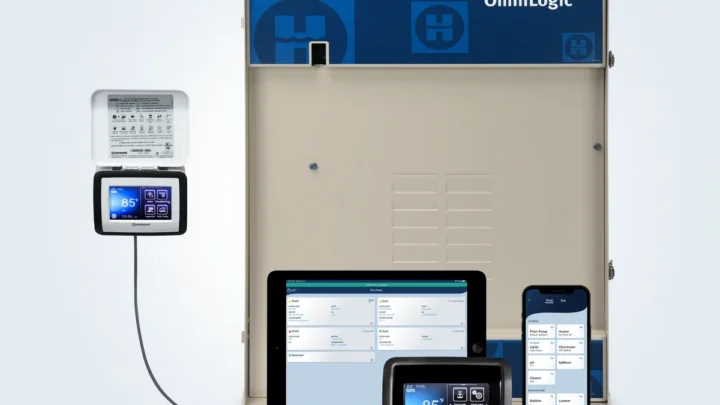
If you're using a BCC110 communicating thermostat, look at the display for any error messages. The display will show "E" codes that correspond to specific faults. If the screen is blank, check if the thermostat has batteries (the BCC110 can run on batteries or C-wire power).
Replace the batteries if needed.
For third-party thermostats like Nest or Ecobee, the compatibility is generally good, but wiring mistakes are common. The Bosch system uses a standard O/B terminal for the reversing valve. On a Bosch heat pump, the reversing valve energizes in cooling mode.
If your thermostat is set to energize in heating mode, the system will blow cold air when you want heat and vice versa.
Step 2: Check Power to the Outdoor Unit
Walk outside and find the disconnect switch. It's a gray box mounted on the wall near the outdoor unit. Pull the handle out or lift the cover.
Is the fuse pulled or the breaker tripped? If it's a fused disconnect, check the fuses with your multimeter. A blown fuse means something caused a short, and you need to find out what before replacing it.
Look at the outdoor unit's contactor. The contactor is the relay that sends power to the compressor and fan motor. With the system calling for operation, you should hear an audible click from the contactor.
If you don't hear the click, the contactor isn't receiving 24 volts from the control board. That points back to a thermostat or control board issue.
Step 3: Check the Indoor Blower
Sometimes the outdoor unit runs fine, but no air comes out of the vents. If the indoor blower isn't running, the system will either freeze up in cooling mode or trip on high pressure in heating mode. The indoor unit needs airflow to transfer heat.
Check the air handler's circuit breaker. Many air handlers have a separate breaker in the main panel or a built-in disconnects switch. If the blower motor hums but doesn't spin, the run capacitor may have failed.
Capacitors are cheap to replace but dangerous to handle. They store a lethal charge even after power is off. Discharge the capacitor with a resistor rated for that voltage before touching it.
Step 4: Check the Low Voltage Fuse
The control board inside the outdoor unit has a small automotive-style fuse, usually 3 or 5 amps. A short in the thermostat wiring will blow this fuse and take the whole system offline. Pull the fuse and check continuity with your multimeter.
If it's blown, replace it with the exact same amperage. Never use a higher amp rating.
If the new fuse blows immediately, you have a wiring short somewhere in the 24-volt circuit. Disconnect the thermostat wires from the control board and replace the fuse. If the fuse holds, the problem is in the thermostat or its wiring.
If it blows again with the wires disconnected, the control board itself is shorted and needs replacement.
Step 5: Listen for the Compressor
With the system running, press your ear against the outdoor unit (carefully, don't touch anything). Do you hear a low hum from the compressor, or is it totally silent? A humming compressor that won't start may have a bad run capacitor.
A totally silent compressor means it's not receiving power, likely due to a control board issue, contactor failure, or a safety switch that's tripped.
If the compressor hums for a few seconds then clicks off, the thermal overload is tripping. This can happen when the compressor is overheating due to a refrigerant issue, a faulty start component, or simply high head pressure from dirty coils. Let the system sit for an hour with power off, then try again.
If it starts and runs normally after cooling down, you still have an underlying problem that needs attention.
Fixing Short Cycling: Why It Stops and Restarts
Short cycling is when your heat pump runs for only a minute or two, shuts off, then starts again a few minutes later. It repeats this pattern without ever reaching the set temperature. This isn't just annoying.
It wastes electricity, wears out the compressor, and keeps your home uncomfortable.
Understanding the Causes
Short cycling happens because the system is tripping one of its built-in safeties. Bosch heat pumps have multiple protective features that shut the system down to prevent damage. When one of those safeties triggers, the compressor stops, waits for conditions to return to normal, then tries again.
If the underlying problem hasn't changed, it will trip again.
The three most common causes of short cycling in Bosch systems are:
Restricted airflow. A dirty filter, closed dampers, or an undersized return duct causes the indoor coil to get too cold in cooling mode or too hot in heating mode. The system detects the extreme temperature and shuts down to protect the compressor.
Refrigerant issues. Either too little refrigerant (low on charge) or too much (overcharged from a previous service). The system's high or low pressure switches will trip and shut the unit down.
Oversized system. If the heat pump is too large for the home, it will satisfy the thermostat quickly but the short runtime prevents the system from reaching stable operation. This is an installation issue that may require changing the compressor modulation settings or adding ductwork modifications.
How to Diagnose the Pattern
Watch the system and time the cycles. Run times under three minutes almost always point to a refrigerant or airflow problem. Run times between three and ten minutes with a similar rest period often point to a thermostat issue or an incorrectly configured system.
Check the air filter first. If it's dirty, replace it and see if the cycle times improve. A clean filter solves roughly one in four short cycling complaints.
Testing the Thermostat Location
Your thermostat's location matters more than most people realize. If the thermostat is in direct sunlight, near a heat register, on an exterior wall with poor insulation, or near the kitchen stove, it will read an inaccurate temperature. The thermostat thinks the house is hotter or colder than it actually is, so it calls for heat or cool at the wrong time.
Move a portable thermometer next to the thermostat and compare the readings. If they differ by more than a degree or two, the thermostat may need to be relocated. This isn't a quick fix, but it's worth the effort.
When to Adjust the Cycle Rate
Bosch communicating thermostats and some third-party thermostats allow you to adjust the cycle rate (how often the system turns on and off per hour). For a Bosch heat pump, you generally want the cycle rate set to the lowest setting. Heat pumps are more efficient when they run for longer periods, even if that means the temperature swings a bit more.
Frequent short cycling destroys efficiency.
Access the thermostat's installer settings (usually by holding a button combination for several seconds). Look for the cycle rate or stages setting. Set it to the lowest value available.
For most systems, this means one cycle per hour maximum.
Handling Ice Buildup and Defrost Cycle Issues
A Bosch heat pump in a cold climate will develop frost on the outdoor coil during normal heating operation. That's not a problem. The system has a defrost cycle that runs periodically to melt that frost.
The problem is when the defrost cycle doesn't work properly, or when it runs too often.
What Normal Defrost Looks Like
During defrost mode, the system temporarily switches to cooling mode. This sends hot refrigerant through the outdoor coil to melt any ice. The indoor fan stops during defrost (on most systems) because cold air would blow into the house.
The defrost cycle typically lasts 5 to 15 minutes. You'll see steam rising from the outdoor unit. This is normal.
A Bosch heat pump with the IDS system will defrost based on a combination of outdoor temperature, coil temperature, and time. The control board monitors the defrost thermistor (a temperature sensor attached to the coil). When the coil gets cold enough and enough time has passed, the board starts the defrost cycle.
Signs of Defrost Problems
Ice that won't melt. If the outdoor coil is completely covered in solid ice, and the system has been running for hours, the defrost cycle isn't working. This is a serious problem. An iced-over coil can't absorb heat from the outdoor air, so the system will run on emergency heat, or it will lock out on a low pressure fault.
Defrost cycle that runs every 30 minutes. Some frost accumulation is normal. If your system is defrosting constantly, something is wrong. Common causes include a bad defrost sensor that's reading too cold, a control board that's stuck in defrost mode, or the system being low on refrigerant (which causes the coil to get colder than normal).
Water pooling under the unit. The outdoor unit has a drain pan designed to channel melting ice away from the house. If the drain holes are clogged with debris, the water can't escape. It freezes at the bottom of the unit and builds up into a block of ice that can damage the fan blade.
Manually Forcing a Defrost Cycle
You can force the Bosch system into defrost mode to test whether the function works. This is useful for diagnosing a stuck reversing valve or a bad control board. Access the outdoor unit control board (power off, then back on).
Locate the test pins or dip switches labeled for forced defrost. Consult your specific model's service manual for the exact method, as the procedure varies by revision.
If you can force defrost and the system responds correctly, the hardware is probably fine, and the issue is with the sensor or control logic. If the system won't enter defrost when forced, you likely have a bad reversing valve coil, a faulty control board, or a wiring issue.
What Not to Do
Do not chip ice off the coil with a sharp tool. The aluminum fins are delicate and will bend or tear. Do not pour hot water on the coil.
The sudden temperature change can crack brazed joints and cause a refrigerant leak. Do not run the system in cooling mode on a warm day to defrost the coil. This can flood the compressor with liquid refrigerant and damage it.
The safe approach for major ice buildup is to shut the system off and let it thaw naturally. This can take hours. If you need heat in the meantime, switch to emergency heat (auxiliary heat mode) if your system has it.
If the ice returns after the system restarts, you need a technician to diagnose the refrigerant charge and check the defrost sensor.
Resolving Communication Errors Between Thermostat and Outdoor Unit
A communication error is one of the most frustrating problems you can face with a Bosch heat pump. The thermostat says it's calling for heat. The indoor blower might even kick on.
But the outdoor unit sits there doing nothing. The status LED on the control board blinks five times in a repeating pattern. That's your system telling you the thermostat and the outdoor unit aren't talking to each other.
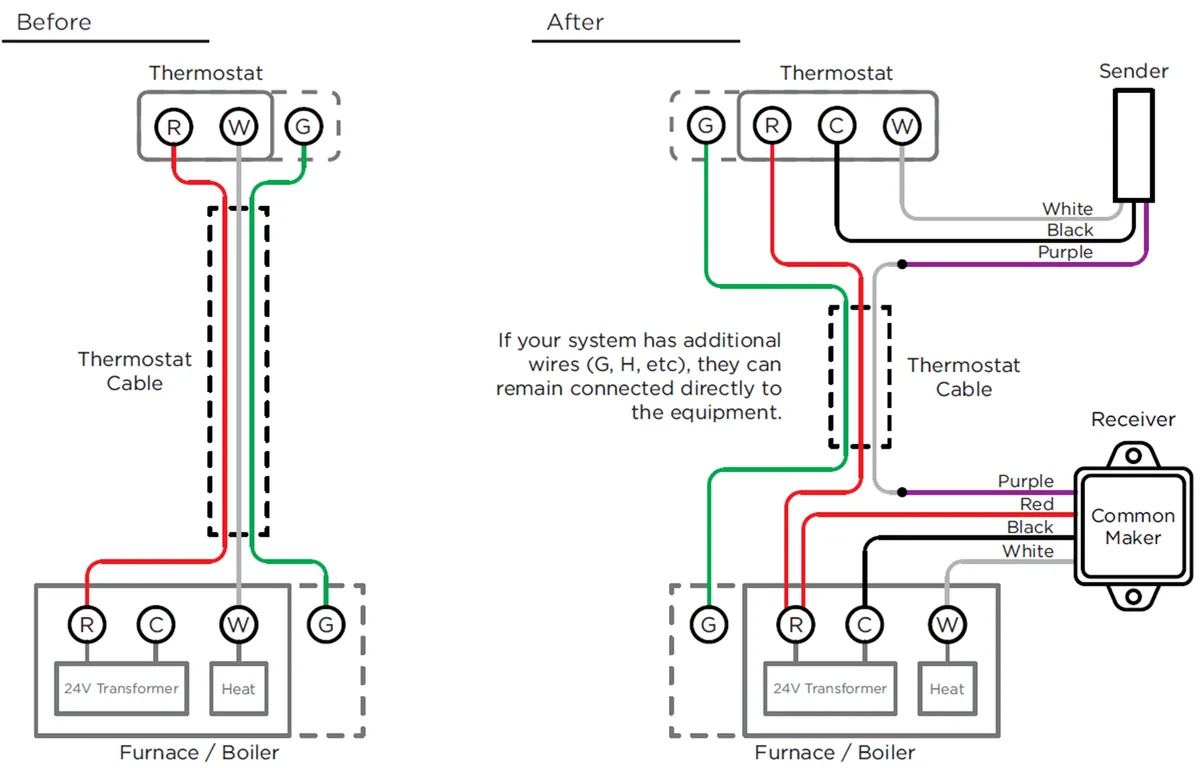
Image source: Bing (Web (fair-use with source credit))
What Causes Communication Errors
The Bosch IDS system uses a two-wire communication bus between the thermostat and the outdoor unit. This isn't your old 24-volt thermostat wiring. The communicating protocol sends digital data over those wires, so any interruption or noise on the line can break the connection.
Common causes include loose wire nuts, corroded connections, and wire that's too long or run too close to high-voltage cables. A surprising number of communication errors trace back to the wire nut connection inside the outdoor unit's electrical compartment. Over time, vibration can loosen that splice.
How to Diagnose the Problem
Start at the thermostat. Remove the thermostat base from the wall and check the wire connections. Make sure the wires are firmly seated in their terminals and no copper strands are touching adjacent terminals.
A single stray strand can cause intermittent communication failures.
If the thermostat wiring looks good, move to the air handler. Locate where the thermostat wires connect to the control board. Check for loose terminals or damaged insulation.
If the air handler is communicating with the outdoor unit via a separate wire pair, check those connections too.
Testing the Wiring Continuity
With power off, use your multimeter to check continuity on each wire between the thermostat and the air handler. A broken wire, a nick in the insulation that's shorting to ground, or a wire that's been pinched by the panel cover will all cause communication failures.
Pay special attention to the communication wires. On Bosch systems, these are usually labeled "COM A" and "COM B" at the outdoor unit. Some installations use a shielded cable for this pair.
If your installation doesn't have shielded cable and the communication wire runs near high-voltage lines, electrical interference can cause random failures.
When to Replace the Control Board
If all wiring checks out, the problem is likely a failed control board or thermostat. The BCC110 thermostat is a communicating model that talks directly to the outdoor unit. If the thermostat display is working but the outdoor unit won't respond, the thermostat itself may have failed.
Before replacing anything, try one more thing. Power down the entire system for 30 minutes. This allows the control board capacitors to fully discharge and clears any corrupted memory states.
Sometimes a full power cycle is all it takes to restore communication. If the error returns after restarting, a new control board or thermostat is your next step.
Common Mistakes That Worsen the Problem
After analyzing hundreds of service reports and owner complaints, we've identified the mistakes that turn minor issues into major repairs. These are the errors that cost homeowners money, void warranties, and turn a simple fix into a full system replacement.
Mistake 1: Ignoring the Air Filter
This is the number one cause of premature failure in Bosch heat pumps. A dirty air filter restricts airflow across the indoor coil. In cooling mode, the coil gets too cold and freezes.
In heating mode, the system overheats and trips the high pressure switch. Both conditions stress the compressor.
Replace your filter every 30 to 90 days depending on usage and home conditions. Homes with pets, smokers, or high dust levels need monthly changes. Mark your calendar and stick to it.
Mistake 2: Using the Wrong Thermostat Settings
The Bosch IDS system is designed to run long cycles. Setting the thermostat to a wide temperature swing or using aggressive setback schedules forces the system to work harder than it needs to. The compressor ramps up and down repeatedly, wearing out the inverter drive.
Set your thermostat to a comfortable temperature and leave it there. If you use a programmable thermostat, limit the setback to no more than 5 degrees and give the system at least two hours to recover.
Mistake 3: Blocking Airflow Around the Outdoor Unit
Your outdoor unit needs room to breathe. A minimum of 24 inches of clearance on all sides is required for proper airflow. Stacking firewood against the unit, letting bushes grow around it, or building a fence too close all restrict airflow.
Restricted outdoor airflow causes the system to run high head pressure in cooling mode and low suction pressure in heating mode. Both conditions can damage the compressor over time.
Mistake 4: Adding Refrigerant Without Finding the Leak
If your system is low on charge, it has a leak. Adding refrigerant without fixing the leak is a temporary fix at best and an illegal practice at worst. The refrigerant will leak out again, and you'll be back where you started.
The EPA requires technicians to repair leaks before adding refrigerant. If a technician offers to top off your system without checking for leaks, find a different technician.
Mistake 5: Resetting the System Repeatedly
When a heat pump locks out on a fault, the control board is trying to protect the compressor from damage. Resetting the system over and over by cycling the breaker doesn't fix the underlying problem. It only stresses the electrical components and risks causing permanent damage to the inverter drive.
Instead of cycling the power repeatedly, diagnose the fault code and address the root cause. If you can't fix it yourself, call a qualified technician.
Mistake 6: Using Extension Cords or Undersized Wiring
The outdoor unit requires a dedicated circuit with the correct wire gauge. Using extension cords for temporary power or allowing a previous homeowner's undersized wiring to remain is a fire hazard. The inverter drive pulls high current during startup, and undersized wiring causes voltage drop that can damage the electronics.
Check the nameplate on your outdoor unit for minimum circuit ampacity. Ensure your wiring and breaker match those specifications.
When to Call a Pro: Safety, Warranty, and Compliance
Knowing when to step back and call a professional is just as important as knowing how to fix simple problems yourself. Bosch heat pumps are sophisticated machines with high-voltage electrical systems and pressurized refrigerant circuits. Some repairs are best left to trained technicians.
Safety Boundaries You Should Never Cross
Refrigerant work is off limits. The EPA regulates refrigerant handling under Section 608 of the Clean Air Act, as enforced by the Environmental Protection Agency. You need certification to purchase refrigerant and to work on sealed systems. Even if you could buy it, adding charge without proper equipment and training can damage the compressor or create a safety hazard.
High-voltage electrical work requires training. Working inside the outdoor unit with power on is dangerous. The DC bus on the inverter board can exceed 350 volts. Capacitors can hold a lethal charge for minutes after power is removed.
If you're not comfortable testing live circuits with a multimeter, don't do it.
Gas valve adjustments are for pros. If you have a dual-fuel system with a gas furnace backup, adjusting the gas valve or working on the furnace's heat exchanger requires specialized knowledge. Mistakes here can create carbon monoxide hazards, which the Centers for Disease Control and Prevention (CDC) identifies as a leading cause of poisoning deaths.
Warranty Considerations
Bosch offers a standard 10-year parts warranty on their IDS systems, but only if the unit is registered within 90 days of installation. The warranty covers defective parts, not labor. More importantly, the warranty is void if the system is tampered with by an unlicensed technician or if unapproved parts are used.
If you open the sealed system, remove a major electrical component, or modify the cabinet, you risk voiding the warranty on that part. The control board alone costs several hundred dollars. The compressor replacement can run over a thousand.
Keep your warranty intact by knowing your limits.
When to Definitely Call a Technician
Call a technician when you see any of these signs: the system won't start after checking power and thermostat; you find ice buildup that returns after the system thaws; you hear grinding or screeching noises from the outdoor unit; you smell burning plastic or electrical components; the breaker trips repeatedly; error codes 6 or 7 persist after a power cycle; or you suspect a refrigerant leak.
Technicians have tools you don't. They carry refrigerant gauges, leak detectors, vacuum pumps, and recovery machines. They have training on Bosch's specific service procedures.
And they carry insurance in case something goes wrong.
How to Find a Qualified Bosch Technician
Not all HVAC technicians know Bosch systems. The IDS line uses different diagnostic procedures than traditional split systems. Look for a contractor who is Bosch certified or has experience with inverter-driven heat pumps.
Ask the technician if they have completed Bosch factory training. Check reviews specifically for heat pump repairs, not just AC work. A good technician will explain what they found, show you the error codes, and walk you through the repair options before doing any work.
Frequently Asked Questions
Why is my Bosch heat pump blowing cold air in heat mode?
The system is likely in defrost mode. A normal defrost cycle lasts 5 to 15 minutes and produces steam from the outdoor unit. If the cold air lasts longer, check the thermostat setting for the reversing valve.
On Bosch systems, the valve energizes in cooling mode. If your thermostat is configured for energizing in heat mode, the valve will stick in the wrong position.
What does it mean when my Bosch heat pump keeps running but never shuts off?
This usually means the system is struggling to reach the set temperature. Check the air filter first. A dirty filter restricts airflow and reduces heating or cooling capacity.
If the filter is clean, the system may be undersized for your home or low on refrigerant. Both issues require a professional evaluation.
How do I reset my Bosch heat pump after a power outage?
Turn off the breaker to the outdoor unit for five minutes. Flip it back on. The control board will perform a self-check and resume normal operation.
If the system doesn't restart, check the low-voltage fuse on the control board. A power surge can blow that fuse even if the breaker didn't trip.
Why is my outdoor unit making a loud humming noise?
A loud hum that doesn't change pitch often points to a failing compressor or a bad run capacitor. If the hum is accompanied by a grinding sound, the compressor bearings may be failing. Shut the system off immediately and call a technician.
Running a failing compressor can cause refrigerant contamination that requires a full system flush.
How often should I service my Bosch heat pump?
Schedule professional maintenance once a year. The technician should check refrigerant pressure, clean the coils, inspect electrical connections, and test the defrost cycle. Homeowners should change the air filter every 30 to 90 days and keep the outdoor unit clear of debris year-round.
Can I use a Nest thermostat with my Bosch heat pump?
Yes, but with caveats. The Nest is compatible with most Bosch IDS systems, but you lose the communicating functionality that the BCC110 offers. The Nest treats the system as a standard single-stage or two-stage heat pump.
You won't have access to error codes on the thermostat display, and some efficiency features may not work as intended.

Similar Posts