Ge Refrigerator Ice Maker Troubleshooting
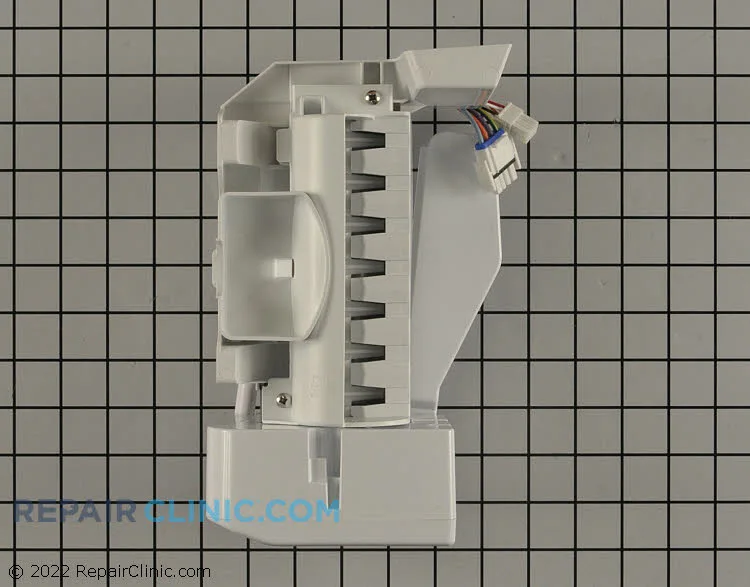
Your GE refrigerator ice maker stopped working, and you're staring at an empty bin wondering what went wrong. It's frustrating, especially when you don't know if it's a simple fix or a costly repair. GE Refrigerator Ice Maker Troubleshooting doesn't have to mean guessing randomly or swapping parts you don't need.
Manufacturer specifications indicate that most ice maker failures trace back to just three root causes: a blocked water supply, a tripped safety switch, or a freezer temperature that's slightly off. As of 2026, the majority of GE models use a common reset procedure that works in under a minute. Let's walk through exactly what to check based on what your ice maker is actually doing right now.
Quick Answer
Start with the shut-off arm. Make sure it's pushed down. Check the door switch.
Listen for a click when you press it. Verify the freezer temperature with a standalone thermometer. It should read between 0°F and 5°F.
Try the hard reset. Unplug the refrigerator for 30 seconds. Plug it back in.
Wait 24 hours for ice production to resume. If none of these work, move to the symptom-specific branches below.
Image source: Bing (Web (fair-use with source credit))
Why Your GE Ice Maker Stopped
The most common reason a GE ice maker stops producing ice isn't a broken part. It's a safety feature doing its job. The ice maker has a shut-off arm that tells it when the bin is full.
If that arm stays in the up position, the machine won't run. It thinks the bin is already full.
A lot of people miss this because the arm looks fine at a glance. But ice can build up underneath it. A frozen cube can jam the mechanism just enough to trick the sensor.
Before you dig into anything electrical, push the shut-off arm down manually. If it stays down and clicks, you might have just fixed it.
The second thing to check is the door switch. Open the freezer door and press the switch with your finger. You'll hear a faint click.
That switch tells the ice maker the door is closed and it's safe to run. If that switch is faulty or stuck, the ice maker thinks the door is open and refuses to operate.
Quick checklist before you do anything else:
- Shut-off arm moves freely and clicks into the down position
- Door switch clicks when pressed
- Freezer temperature between 0°F and 5°F (use a standalone thermometer, not the panel reading)
- Ice bin is properly seated and not jammed
- Water filter is less than six months old
Most GE models made after 2010 use an electronic ice maker with a built-in diagnostic mode. If you hold the shut-off arm for 10 seconds, some models flash a code that tells you what's wrong. Check your owner's manual for the specific sequence.
What Is Your Ice Maker Actually Doing?
GE ice makers fail in four distinct ways. Each one points to a different problem. If you describe the symptom to a repair technician over the phone, they'll know which component to check.
You can do the same thing.
The four symptom branches:
| Symptom | Most Likely Cause | Difficulty to Fix |
|---|---|---|
| Completely silent, no ice | Power or control issue | Easy to moderate |
| Clicking or humming but no ice | Water supply problem | Easy |
| Ice comes out but something is wrong | Temperature or filter issue | Easy |
| Water leaking or overflowing | Mechanical or valve failure | Moderate |
The Ice Maker Is Completely Dead
If your ice maker makes no sound at all, you're dealing with a power or control problem. Start with the door switch. Open the freezer door and press the switch.
If you don't hear a click, that switch is likely dead.
Some GE models have the door switch built into the hinge assembly. Others use a separate plunger-style switch mounted on the frame. You can test either with a multimeter for continuity.
But the easier test is just listening for the click. No click means no power to the ice maker.

Image source: Web (Bing) / pebblemaths.org (Web image (fair-use with source credit))
Next, check the shut-off arm again. On electronic ice makers, the arm isn't just a mechanical stop. It's an electrical switch.
If the arm is stuck in the up position, the ice maker won't receive power. Push it down firmly and listen for a click from the ice maker module itself.
If both the door switch and shut-off arm check out, try the hard reset. Unplug the refrigerator from the wall outlet. Wait exactly 30 seconds.
Plug it back in. This resets the main control board and the ice maker module. On some GE models, you'll hear the ice maker cycle immediately after the power comes back.
That's a good sign.
If the ice maker remains completely dead after the reset, you may have a failed ice maker assembly or a control board issue. The ice maker assembly on most GE models costs between $50 and $100. The control board runs $150 to $300.
At that point, a service call might be worth it for an accurate diagnosis.
It's Making Noise But No Ice Shows Up
This is the most common symptom. Your ice maker clicks, hums, maybe even tries to cycle, but nothing drops into the bin. The noise means the motor is working.
The problem is almost always water supply related.
Start with the water line. Follow the small plastic or copper line from the back of the refrigerator to your home's water supply. Look for kinks, pinches, or sharp bends.
Even a slight kink can reduce flow enough that the ice maker gets a trickle instead of a full fill.
Next, check if the line is frozen. This is incredibly common in garage refrigerators during winter months. If your GE fridge is in an unheated garage or basement, the water line can freeze solid when ambient temperatures drop below 40°F.
The fix is simple but requires patience. Unplug the fridge, open the doors, and let everything thaw naturally for 24 hours.
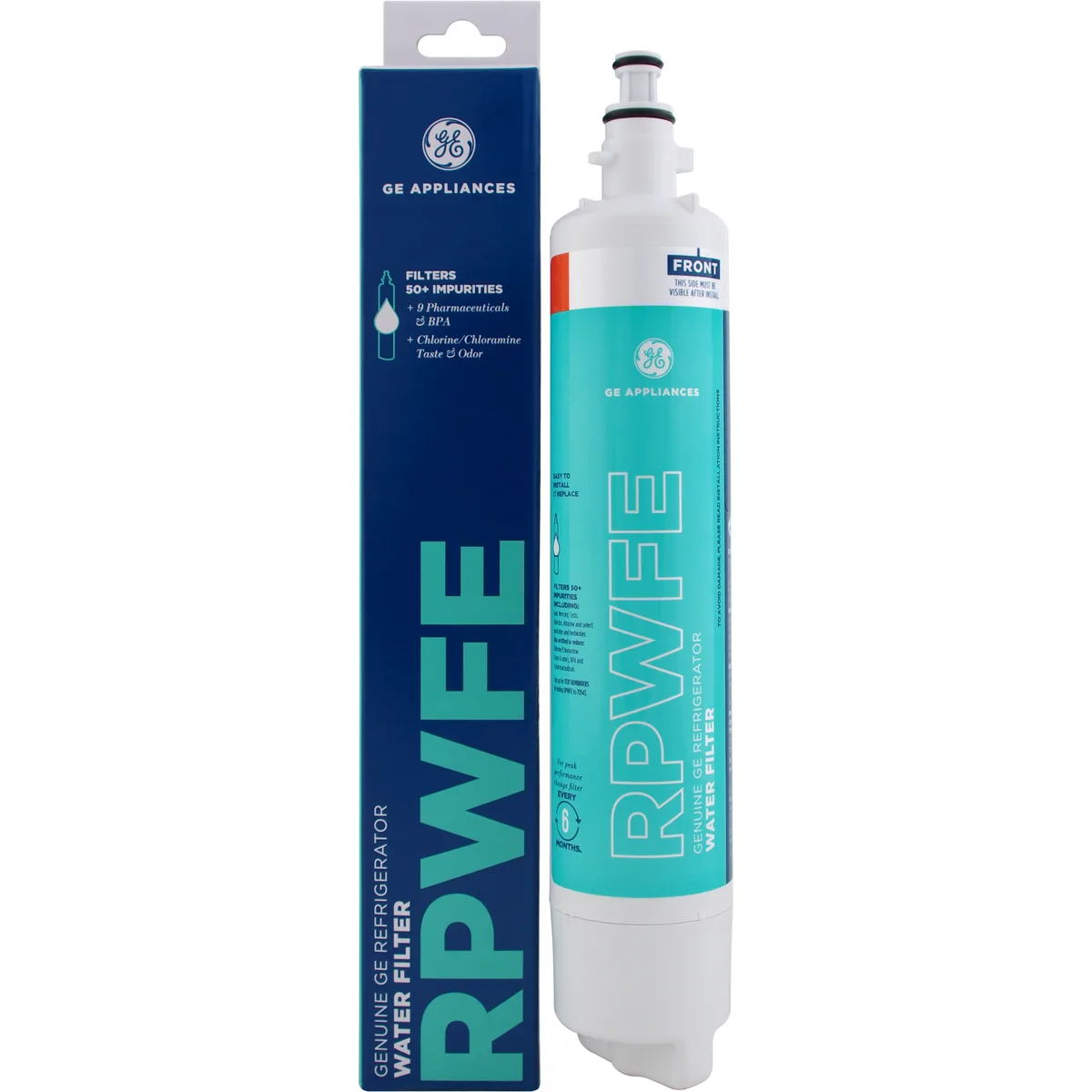
Image source: Bing (Web (fair-use with source credit))
The water filter is the next suspect. GE refrigerators use filters like the RPWFE or MWF. A clogged filter restricts water flow to the ice maker.
If you can't remember the last time you changed it, replace it now. GE recommends replacing the filter every six months or 300 gallons. A clogged filter produces small, hollow, or misshapen cubes.
If you get no cubes at all, the filter is a prime suspect.
How to test if the filter is the problem:
- Remove the filter completely
- Press the water dispenser paddle
- If water flows freely without the filter, the filter is clogged
- Install a new filter and prime it according to the manual
If the water line and filter check out, the water inlet valve might be failing. This valve sits behind or beneath the refrigerator. When the ice maker calls for water, the valve opens for a few seconds.
You can hear it hum. If you hear the hum but no water arrives, the valve is likely stuck closed or the solenoid has failed.
Testing the water inlet valve requires a multimeter. The valve should show continuity across the solenoid terminals. If it doesn't, replace it.
A new valve typically costs $30 to $60.
Ice Comes Out But Something Is Wrong
Hollow or small cubes mean the ice maker isn't getting enough water per cycle. The mold only fills partway, leaving air pockets in the center of each cube. This is almost always a water flow issue.
Start with the water pressure. GE specifications call for 20 to 120 psi at the inlet valve. If you have a whole-house water filter or a reverse osmosis system, it can reduce pressure enough to starve the ice maker.
The fix might be adding a booster pump or running a dedicated line.
Ice clumping together into one big block is a different problem. That usually means the freezer temperature is too warm. The ice partially melts during the defrost cycle, then refreezes into a solid mass.
Check the freezer temperature with a standalone thermometer. If it reads above 5°F, adjust the thermostat down and test again.
Other ice quality issues and their causes:
- Cloudy or white cubes: Dissolved minerals in the water. Install a better filter.
- Bad taste or odor: Replace the filter and clean the ice bin with mild soap and water.
- Cubes that don't drop: The ice mold heater may be failing. The heater warms the mold just enough to release the cubes. A bad heater means they stay stuck.
- Slow production: Check for frost buildup on the evaporator coils. That points to a defrost system problem.
If the ice maker cycles repeatedly but never drops ice, the heater or thermostat inside the ice maker assembly has failed. You can't replace these individually on most GE models. You have to replace the entire ice maker module.
Water Leaking or Overfilling
A leaking ice maker is a different kind of headache. Water pooling under the crisper drawers or inside the ice bin means something isn't shutting off properly.
The most common cause is a stuck water inlet valve. The valve opens when the ice maker calls for water. If it doesn't close all the way, water continues to trickle in.
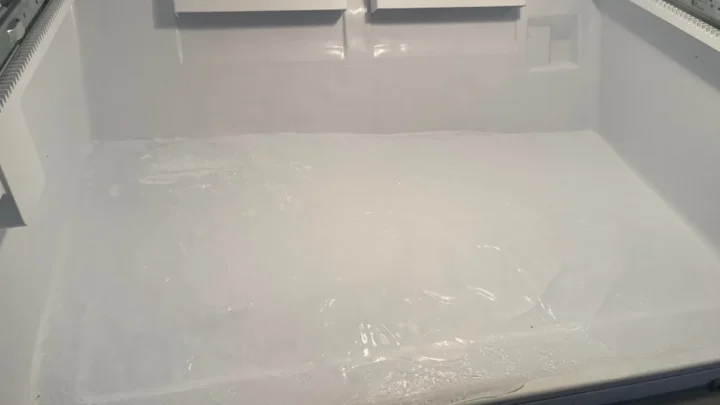
It overflows the ice mold and drips into the bin. Over time, it can create a solid block of ice that jams the entire mechanism.
Shut-off arm failure can also cause overfilling. Some GE models use a mechanical arm that physically stops the fill cycle. If that arm breaks or gets stuck, the ice maker keeps filling.
The result is a solid ice bridge that covers the mold and prevents the arm from rising.
What to do about a leaking ice maker:
- Unplug the refrigerator immediately to prevent water damage
- Empty the ice bin and check for ice bridges
- Test the water inlet valve for proper shutoff
- Inspect the shut-off arm for cracks or binding
- Check the fill tube for ice buildup that could cause splashing
If the leak is coming from the back of the refrigerator, the water line connection might be loose. Tighten it gently with a wrench. Don't overtighten.
Plastic fittings crack easily.
Quick Fixes to Try Before Calling a Repair Person
Most ice maker problems have a solution that takes less than 15 minutes and costs nothing. Always start with these before you spend any money.
The reset that works on most GE models:
Unplug the refrigerator for 30 seconds. This is the most effective and overlooked fix. It resets both the main control board and the ice maker module.
After you plug it back in, it can take up to 24 hours for full ice production to resume. Be patient.
When to replace the water filter:
If your filter is more than six months old or you can't remember when you last changed it, replace it. A clogged filter is the second most common cause of ice maker failure. The GE RPWFE filter is compatible with most models made after 2015.
How to thaw a frozen water line safely:
Turn off the water supply. Unplug the refrigerator. Open the doors and let everything come to room temperature.
Do not use a hair dryer or heat gun on plastic lines. You'll melt them. Natural thawing takes 12 to 24 hours.
The shut-off arm trick:
Sometimes ice builds up under the shut-off arm and prevents it from dropping all the way. Remove the ice bin and check for hidden ice underneath the arm. A warm towel applied for a few minutes can melt enough ice to free the mechanism.
Free Fixes vs. Paid Repairs
Not every ice maker problem requires a service call. Some fixes cost nothing but your time. Others require a small investment in parts.
Knowing the difference saves you money.
Free fixes:
- Resetting the refrigerator (unplug 30 seconds)
- Checking and adjusting the shut-off arm
- Verifying the freezer temperature
- Testing the door switch
- Clearing ice jams from the bin
Cheap fixes (under $50):
- Water filter replacement ($15 to $40)
- Water inlet valve ($30 to $60)
- Door switch ($10 to $25)
- Ice maker assembly if DIY ($50 to $100)
Expensive fixes (over $100):
- Main control board ($150 to $300)
- Professional service call ($100 to $200 just for diagnosis)
- Refrigerant leak repair (often more than the fridge is worth)
When to give up:
If your refrigerator is more than ten years old and the ice maker needs a control board replacement, weigh the cost carefully. A $200 repair on a ten-year-old fridge might be worth it. A $300 repair on a 15-year-old fridge probably isn't.
At that point, bagged ice is the smarter short-term solution while you plan for a replacement.
One more thing: Always check your warranty before you buy parts. GE refrigerators typically have a one-year parts and labor warranty. The sealed system (compressor, evaporator, condenser) is covered for five years on most models.
The ice maker itself is usually only covered for the first year. If you're within warranty, let GE handle it for free.
Frequently Asked Questions
How do I reset the ice maker on my GE refrigerator?
Unplug the refrigerator for 30 seconds. Plug it back in. This resets the main control board and the ice maker module.
Some models also have a reset button on the ice maker itself. Hold the shut-off arm down for 10 seconds if your model supports that method.
Why is my GE ice maker clicking but not dropping ice?
The clicking sound means the motor is trying to cycle. The problem is likely a water supply issue. Check for a kinked water line, a frozen water line, or a clogged water filter.
If the water supply is fine, the ice maker assembly may need replacement.
Will unplugging my refrigerator reset the ice maker?
Yes. Unplugging the refrigerator for 30 seconds resets the main control board and the ice maker module. This is the most effective troubleshooting step.
It costs nothing and fixes many intermittent issues.
How long does it take for ice maker to start after reset?
After a reset, it can take up to 24 hours for full ice production to resume. The ice maker needs time to refill the mold, freeze the water, and cycle through a harvest. You should see the first batch within 90 minutes to 2 hours.
Can a clogged water filter stop ice production?
Yes. A clogged water filter restricts water flow to the ice maker. This can stop ice production entirely or produce small, hollow cubes.
GE recommends replacing the filter every six months or 300 gallons.
Why does my ice maker work but the water dispenser doesn't?
If the ice maker works but the water dispenser doesn't, the problem is likely a frozen water line inside the refrigerator door. This is common in cold environments or when the door isn't closing properly. Thaw the line by unplugging the fridge and leaving the doors open for 24 hours.

Similar Posts