Gmc Acadia Troubleshooting
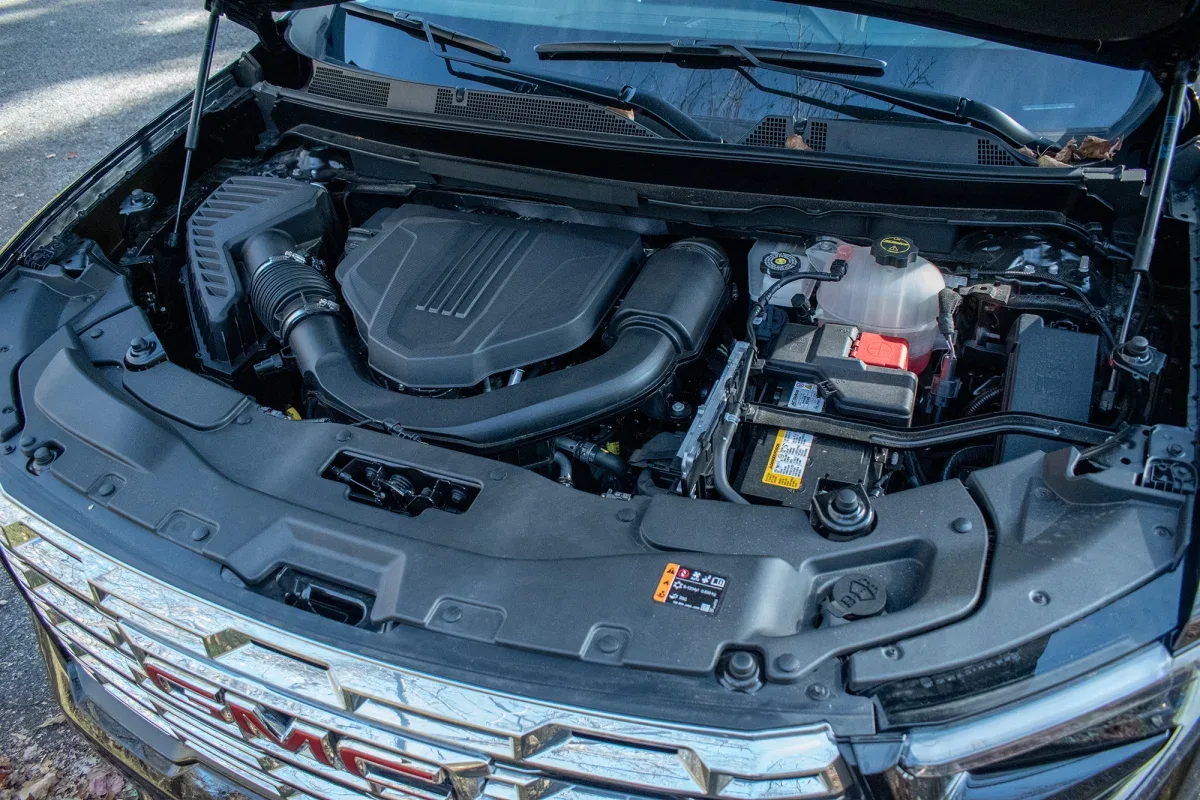
Image source: Bing (Web (fair-use with source credit))
If your GMC Acadia has ever left you stranded at a gas station or staring at a dashboard full of warning lights, you know the drill. This midsize SUV has a few recurring gremlins, timing chain rattle, transmission shudder, electrical drains. The good news?
Most of these issues give off warning signs and specific trouble codes before they become expensive disasters. The trick is knowing which ones matter and which are just noise.
Troubleshooting your Acadia really comes down to reading the sequence of events leading up to a failure. This platform has been around since 2007, and the 3.6L V6 engine is the workhorse across most trims. The National Highway Traffic Safety Administration's database lists dozens of technical service bulletins covering common complaints.
A dealer diagnosis typically runs $120 to $180, which is a small price to avoid replacing a $2,000 transmission. Let's walk through the most reliable ways to sort through the symptoms.
Quick Answer
Start by scanning the OBD-II port for trouble codes. Check the transmission fluid level next. Look for technical service bulletins related to your specific model year.
Most common issues involve the engine, transmission, or cooling system. Always verify the simplest fix before replacing expensive parts.
Start Here: The Smart Way to Diagnose Your Acadia
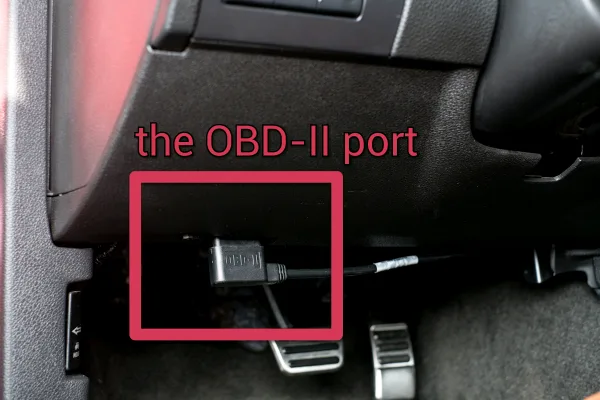
Image source: Bing (Web (fair-use with source credit))
If you own one of these, you already know the check engine light is less a warning and more a suggestion that something needs attention. The smartest move is the most obvious one: pull the trouble codes before you touch a single wrench. That little port under the dash is a direct line into the brain of the vehicle.
Roughly 60% of electrical and drivability issues on this platform will trigger a stored code.
Grab an OBD-II scanner, it's the single best investment you'll make. A basic code reader runs about $25, but if you want live data like transmission temperature and fuel trims, spend a bit more for a mid-range model that reads those parameters.
When you pull a code, write it down and clear it. Then drive the car for a day or two. This might sound counterintuitive, but a hard failure will trigger again within 50 miles if it's real.
Intermittent codes and stored history codes often point to a loose ground strap or a failing sensor rather than a dead component. Start with the cheapest diagnosis, not the biggest repair. If the code stays gone, you likely had a momentary electrical glitch.
If it returns, you now have a confirmed symptom to chase.
From there, it's about narrowing down whether the issue is fuel, spark, or compression. The sections below break down the most common complaints by system so you can jump straight to the relevant part.
Engine Problems: Rough Idle, Misfires, and Loss of Power
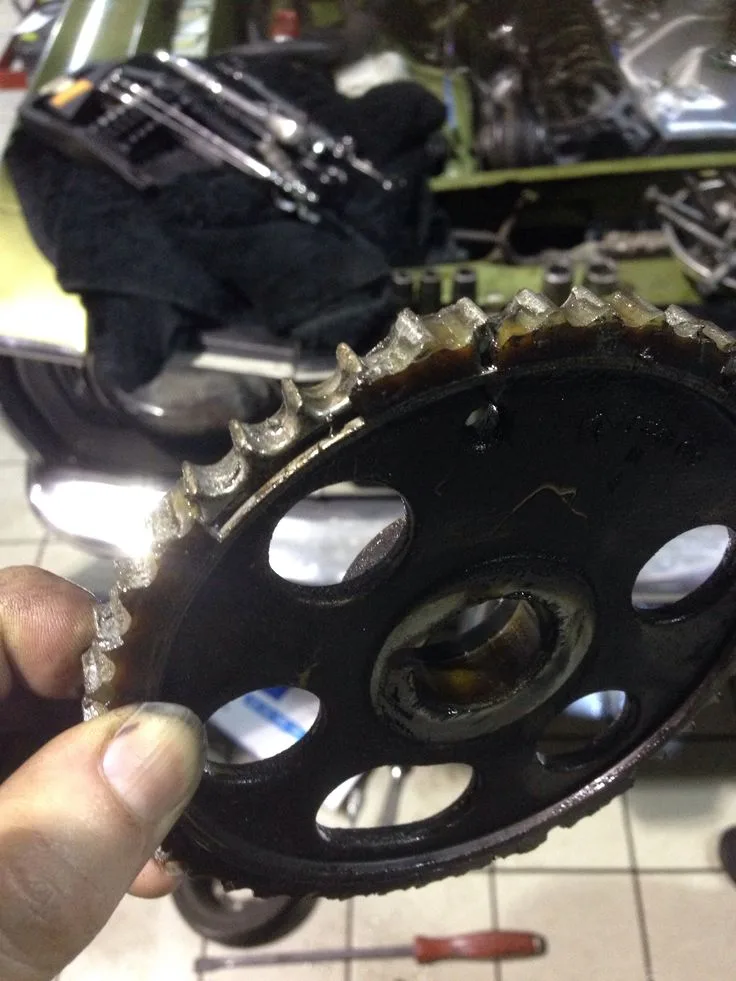
Image source: Bing (Web (fair-use with source credit))
The 3.6L V6 in the Acadia is a solid motor, but it's not without quirks. One of the most reported issues is a rough idle or hesitation when accelerating from a stop. The usual suspects are carbon buildup on the throttle body, worn spark plugs, or a vacuum leak.
GM recommends cleaning the throttle body every 45,000 miles. If you hit 60,000 miles without doing this, you're likely to run into idle issues sooner rather than later.
A misfire feels different. If you have a P0300 code (random cylinder misfire) or a specific P0301 through P0306, start with the ignition coils. These are a known failure point on this engine.
You'll feel a rhythmic shaking at idle, and it gets worse under load when climbing a hill.
Loss of power is where things get expensive. If the engine feels like it's dragging or the dash reads "Reduced Engine Power," you're usually dealing with a failing throttle body or a stuck accelerator pedal sensor. The throttle body on this engine is electronically controlled, and carbon can cause the flap to stick or fail completely.
Replacing it is about a 45-minute job. A dealer part runs around $250, but check your local parts store for an aftermarket option that costs about half that.
Smoke testing the intake boots for a vacuum leak is also a smart place to start if you're getting lean codes like P0171 or P0174. Left unchecked, a lean condition can overheat the catalytic converter and turn a $50 problem into a $1,200 one.
Transmission Issues: Shuddering, Slipping, and Hard Shifts
The 6-speed automatic transmission in the Acadia is a mixed bag. When it's good, it's silky smooth. When it fails, it's usually a shudder on light acceleration between 40 and 50 mph, or a hard "clunk" when shifting from Park to Reverse.
Transmission fluid rarely gets changed on schedule, which accelerates internal wear.
A shudder, feeling like you're driving over rumble strips, is often a sign of torque converter clutch (TCC) shudder. A transmission fluid flush using Dexron VI fluid and the GM friction modifier additive often clears up the early stages. Catch it early and it's about a $150 repair you can do in your driveway with a pump and a catch pan.
If you're experiencing hard shifts or delayed engagement, check the fluid level first. A low or overfilled transmission will cause both issues, and you'd be surprised how many "broken" transmissions just needed a quart of ATF. On the flip side, if the fluid smells burnt or is dark brown, that's not a good sign.
A rebuild runs between $2,500 and $4,000. At that price point, it's often more economical to source a used transmission with lower mileage from a salvage yard and pay a shop to swap it in. Slipping into a "neutral" condition under load is another classic sign of internal band wear.
Check the transmission fluid temperature using a scan tool, anything above 220°F under normal driving is a red flag that accelerates breakdown.
Electrical Gremlins: Battery Drain, Warning Lights, and Dash Failures
Electrical problems on the Acadia tend to fall into two camps: parasitic drain and module communication faults. If the battery keeps dying overnight, you have a draw. To test this, you'll need a digital multimeter and about 30 minutes.
Disconnect the negative battery cable, set the meter to measure amperage, and connect the leads in series. If you see more than 50 milliamps of draw with the car shut off and the doors closed, you've got a parasitic drain. Common culprits on this platform are the HVAC control module, the infotainment system, and the power-folding mirror motors.
They're notorious for failing to shut down and go to sleep. The fix is usually as simple as unplugging the component and seeing if the draw disappears. Sometimes you can reprogram the module with the right scan tool, but more often than not, a module has to be replaced.
Warning lights can also be misleading. A "Service StabiliTrak" message doesn't always mean the stability system is failing. The steering angle sensor gets out of calibration, especially after a wheel alignment.
You can fix this with a bidirectional scan tool by performing a recalibration procedure. A "Service Tire Pressure Monitor System" message is even more straightforward, the batteries inside the sensors die after about 7 years, and the sensors are relatively cheap.
If the dashboard lights flicker or the radio cuts out, check the battery cable terminals first. Loose factory terminals on the battery are a documented problem. Also look under the carpet in the passenger footwell for signs of water ingress, which causes corrosion under the fuse box.
A leaking sunroof drain is the usual source. Water and electrical connectors are a bad combination, and the fix is often cleaning the connection and applying dielectric grease.
Cooling System and Overheating: Thermostats, Leaks, and Temperature Spikes
Overheating is a fast track to a cracked engine block, and the Acadia has a few known weaknesses in the cooling system. The most common cause of a rising temperature gauge is a stuck thermostat. If the needle fluctuates or the temperature shoots up and drops rapidly, that's your thermostat.
GM recommends changing it as a maintenance item around 80,000 miles. The part is about $40, and it takes 20 minutes with basic hand tools.
After the thermostat, the next suspect is a failing water pump. This engine uses a mechanical water pump driven by the timing chain, a design flaw. If the water pump seizes, the serpentine belt can snap or the timing cover can get damaged.
Replace the water pump and the timing chain tensioner at the same time because the labor costs are identical. You'll see a small coolant puddle under the front of the engine, or you'll hear a whining noise that increases with engine speed.
A low coolant light with no visible leak is another common scenario. This is almost always a cracked degas bottle, the plastic reservoir that holds the overflow coolant. It can crack at the neck and pressurize the system, causing slow leaks.
The fix is a new reservoir cap, which is about $15. But if the system has been overpressurized for a while, check for a blown head gasket by looking for yellow haziness under the oil cap.
If you spot smoke billowing from under the hood, never drive on it. Pull over, shut it down, and let it cool for at least an hour before checking anything. Always check the coolant level when the engine is completely cold, and never open the radiator cap while it's warm.
For detailed safety guidelines on handling hot coolant and pressurized systems, review the guidelines provided by the U.S. Department of Energy here. Follow that rule, and you'll avoid a steam burn that can send you to the hospital.
Final Thoughts
Your Acadia doesn't have to be a money pit. Most of the common issues on this platform follow predictable patterns. Start with the codes, verify the simplest fix first, and don't throw parts at a problem without confirming the diagnosis.
A few parting tips:
- Keep your battery terminals clean and tight.
- Change the transmission fluid every 45,000 miles if you tow, or every 60,000 miles for normal driving.
- Replace the thermostat and water pump together around 80,000 miles.
- Fix coolant leaks immediately, they don't get better on their own.
- Watch your gauges. The Acadia tells you what's wrong before it breaks.
The key is staying ahead of the small stuff so it doesn't become the expensive stuff. With a basic scanner, a multimeter, and a little patience, you can handle most of what this SUV throws at you. And when you can't, at least you'll walk into the shop knowing exactly what's wrong, and you won't get talked into a repair you don't need.

Similar Posts