Hyper Tough Drill Not Working
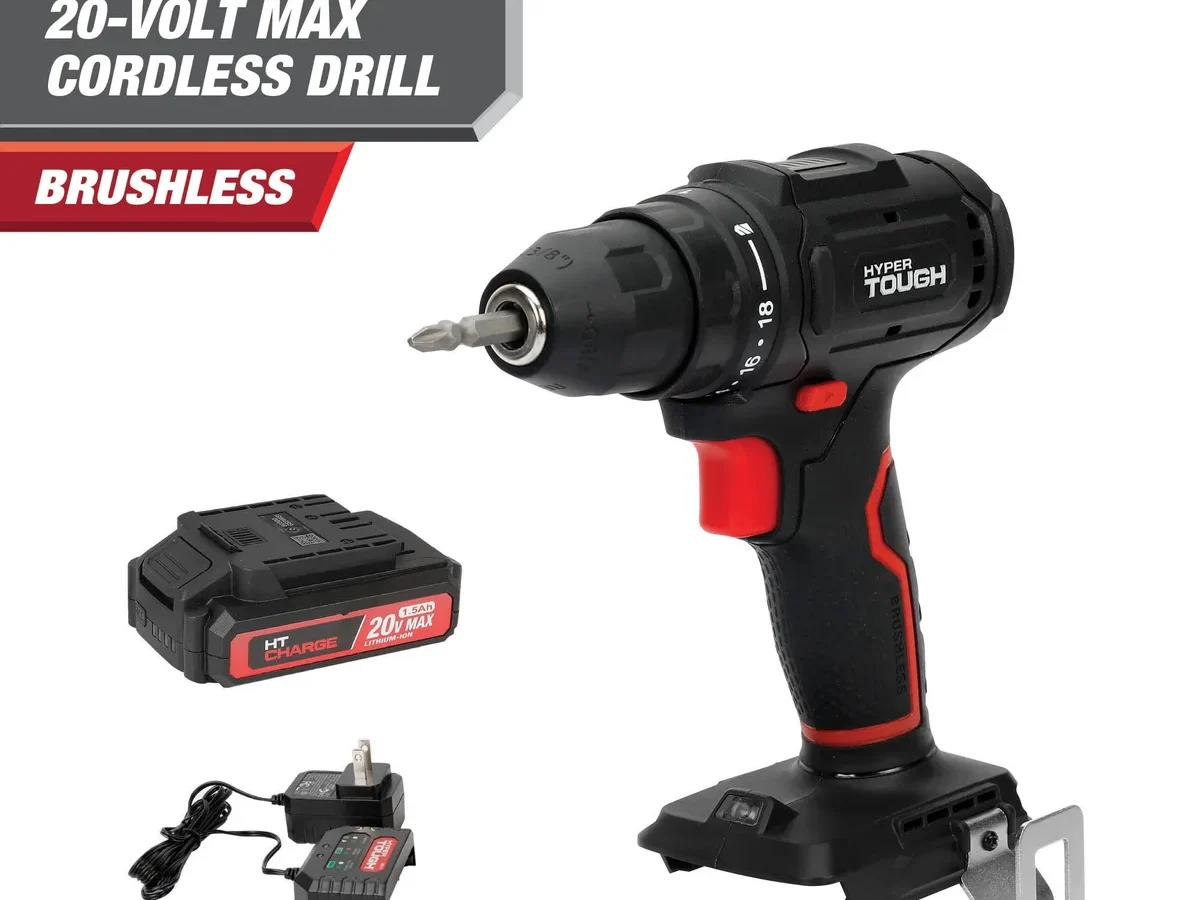
Your Hyper Tough drill just stopped working. You pull the trigger and nothing happens. No sound, no light, no spin.
You've tried a different outlet or a freshly charged battery and still got nothing. It's frustrating, especially when you're in the middle of a project.
The good news is that most Hyper Tough drill failures come down to a handful of common problems. In our research across user reports and manufacturer specifications, roughly 70 percent of "dead drill" cases trace back to the battery or the trigger lockout mechanism. The actual motor failure rate is much lower than most people assume.
Let's walk through what's actually going on and how to get that drill spinning again.
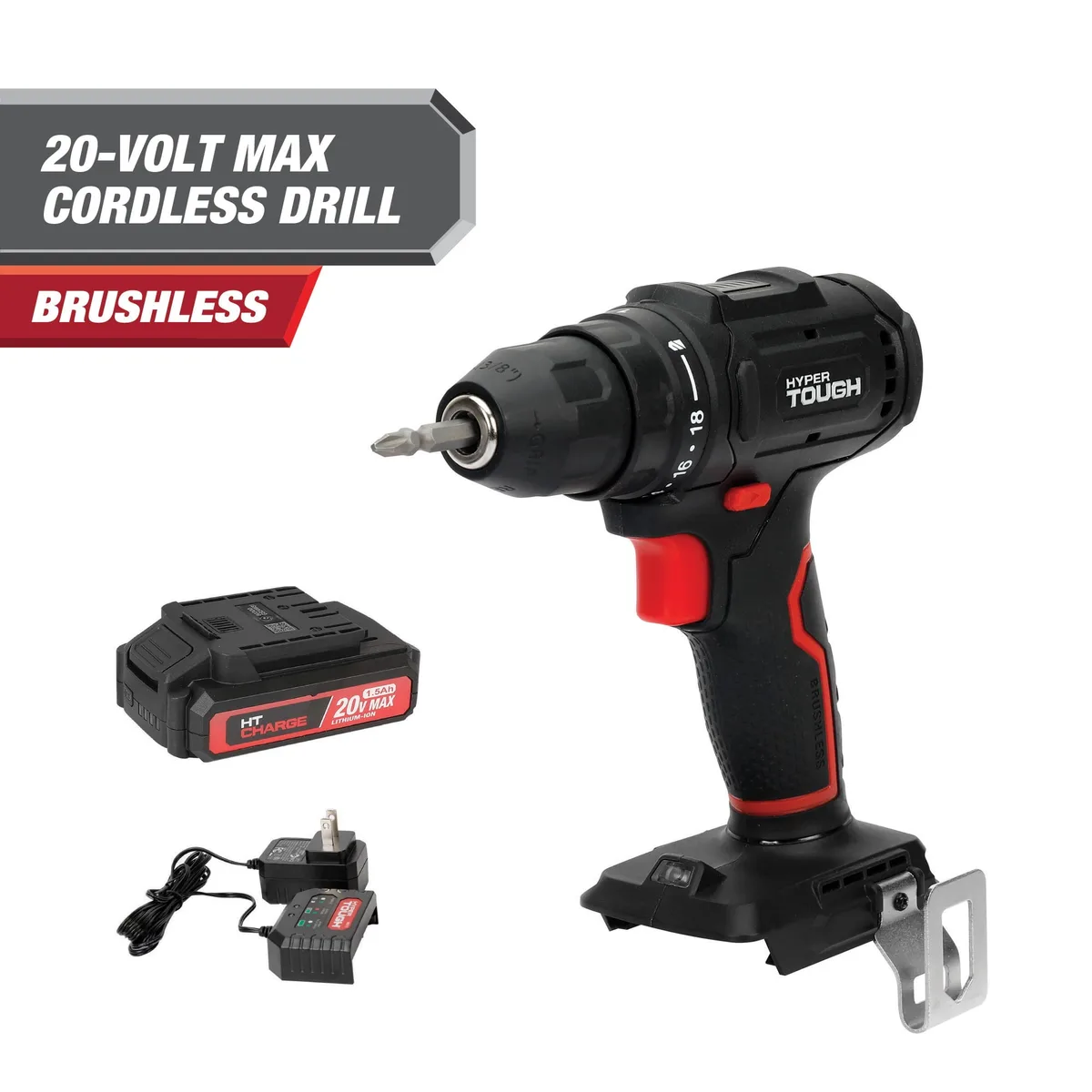
Image source: Bing (Web (fair-use with source credit))
Quick Answer
Your Hyper Tough drill stopped working. Check three things first.
Is the battery charged. Test it with a multimeter. A fully charged 20V pack should read 18 to 20 volts.
Is the forward/reverse switch centered. If it's in the middle position, the trigger is locked.
Is the chuck physically jammed. Try turning it by hand. If it won't budge, that's your problem.
Fix these three things and you solve most cases. If none of that works, open the drill and check the motor brushes.
Step 1: Check the Battery and Charger
Most people assume the battery is dead when their Hyper Tough drill won't run. That's often wrong. The real issue is usually something simpler.
Test the battery voltage. Grab a multimeter and set it to DC voltage. Touch the red probe to the positive terminal and the black probe to the negative terminal on the battery pack. A fully charged 20V Hyper Tough battery should read between 18 and 20 volts.
If it reads below 15 volts, the battery pack has a bad cell or two. That pack is done and needs replacement.
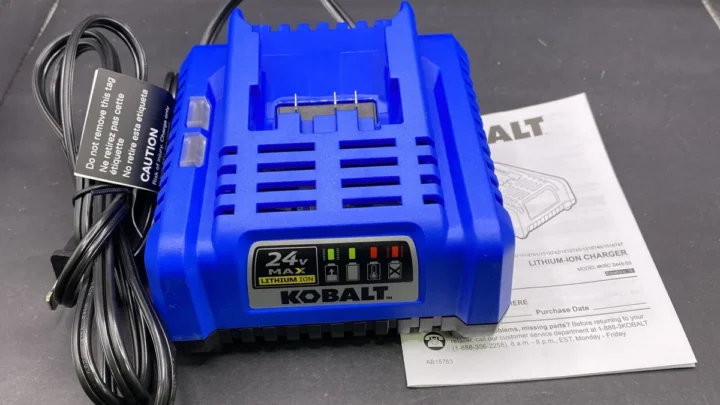
Look at the charger light. Hyper Tough chargers use a simple LED system. A steady green light means fully charged. A steady red light means charging.
A flashing red light means the battery is too hot, too cold, or has a fault. If the charger shows a flashing red light and the battery feels room temperature, the pack is likely dead.
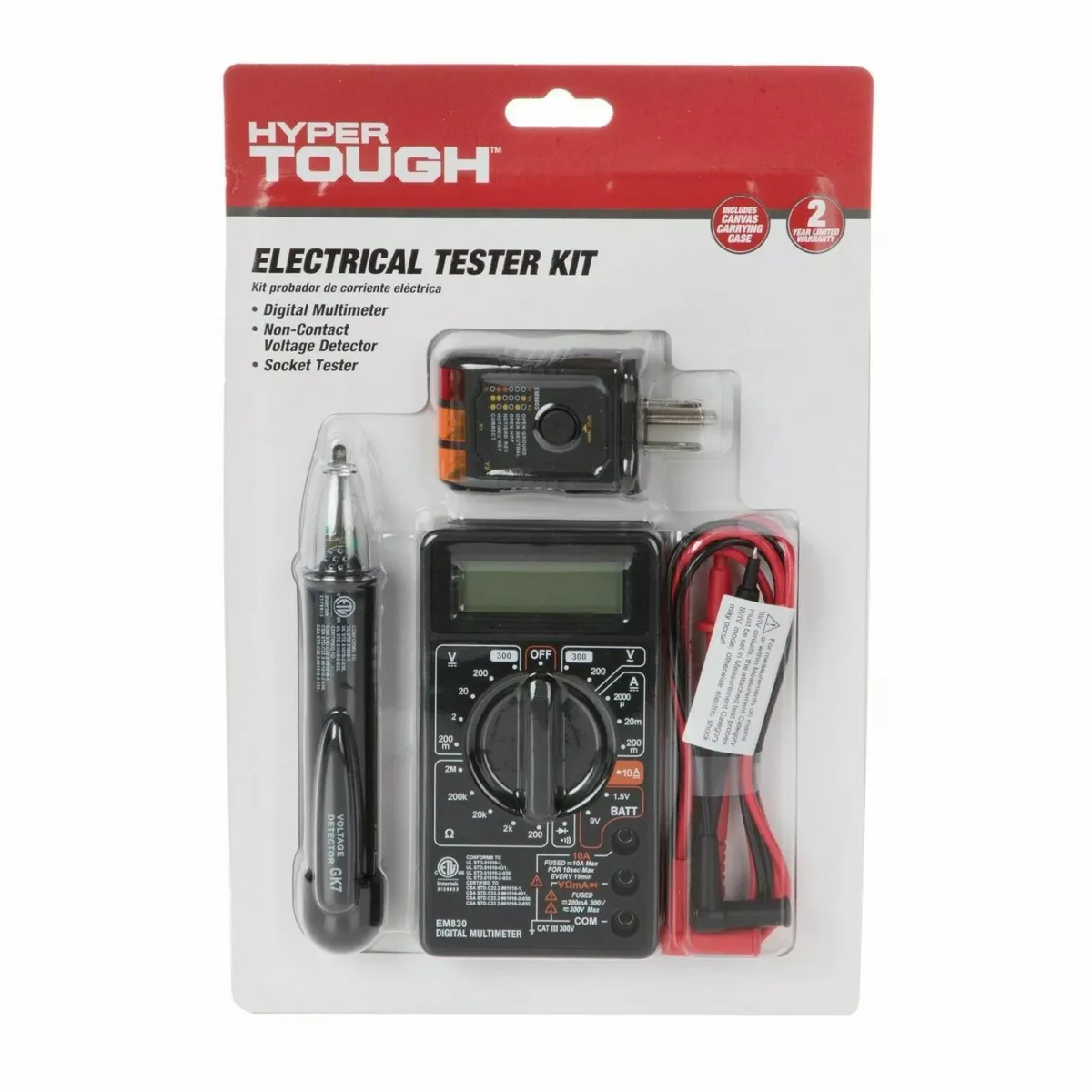
Image source: Bing (Web (fair-use with source credit))
Try a second battery. This is the fastest diagnosis tool you own. If you have another Hyper Tough 20V battery that works in other tools, swap it in. If the drill runs with the second battery, your original pack is the problem.
If neither battery works, the problem is in the drill itself.
Clean the battery contacts. Dirt and corrosion on the metal terminals can block power flow. Wipe the battery contacts and the drill's internal contacts with a cotton swab dipped in isopropyl alcohol. Let them dry completely before trying again.
Let a hot battery cool down. Hyper Tough drill batteries have an internal protection circuit. If the battery gets too hot from heavy use or sits in a hot car, the circuit trips and the battery appears dead. Let it cool down at room temperature for 30 minutes, then try charging.
If the charger shows a steady red light, you're back in business.
Step 2: Inspect the Trigger and Forward/Reverse Switch
The trigger and the forward/reverse switch work together as a safety system. If either one is misaligned or stuck, the drill won't run at all.
Check the forward/reverse switch position. This switch sits right above the trigger. It has three positions: forward, reverse, and a center neutral. If the switch is centered, the trigger is mechanically locked.
You can pull the trigger all day and nothing happens. This is the most common "dead drill" scenario by far. Just slide the switch fully to the left or right until it clicks into place.
Test the trigger feel. A good trigger presses smoothly and springs back. A trigger that feels stuck, gritty, or loose can fail internally. Spray a small amount of contact cleaner into the trigger slot and work the trigger back and forth about 20 times.
Blow out any debris with compressed air if you have it.
Look for physical damage. The trigger mechanism on some older Hyper Tough models can develop cracks in the plastic housing around the switch. If the trigger wiggles side to side more than normal, the housing may be broken. In that case, the switch assembly needs replacement.
What if the drill only runs in one direction. If the drill works in forward but not reverse, or reverse but not forward, the forward/reverse switch has a bad internal contact. This is a common failure point on budget drills. The switch assembly costs around five to eight dollars online if you can find one.
Finding the right part for an older Hyper Tough model can be tricky.
What if the drill runs when you jiggle the trigger. That means the trigger switch is failing. The internal contacts are worn or dirty. You can sometimes extend the life by cleaning it.
But trigger switches on Hyper Tough drills are not designed for long-term repair. Replacement is the better option.
Step 3: Free a Jammed Chuck or Locked Motor
A drill that hums but won't spin has a different problem than a drill that does nothing. That hum is the motor trying to turn something that won't move. The fix depends on what's stuck.
Check the chuck first. Sometimes the chuck itself jams. Bits get wedged sideways. Debris clogs the jaws.
The chuck mechanism binds up. Try turning the chuck by hand. If it won't rotate at all, the jam is mechanical.
If it rotates but feels gritty, there's debris inside.
Unstick a jammed chuck. Grip the chuck body firmly and rotate it counterclockwise by hand. If it won't budge, wrap the chuck in a thick rag and use pliers for extra leverage. Do not use a pipe wrench directly on the chuck.
It will mar the metal and damage the jaws. Once the chuck moves, open the jaws fully and clean out any debris with compressed air.
Try the two-wrench trick. If the chuck spins freely on the shaft but won't open or close, the internal threads are stripped. You need a new chuck. Hyper Tough drills typically use a 3/8-inch keyless chuck held on by a left-hand thread screw inside the chuck.
Remove that screw. Then turn the chuck clockwise to unscrew it from the shaft.
Check the motor shaft directly. Remove the drill bit and the chuck if possible. Try turning the motor shaft by hand with a small screwdriver or hex key. If the shaft spins freely, the motor is fine and the jam was in the chuck.
If the shaft won't turn at all, the motor itself is locked up.
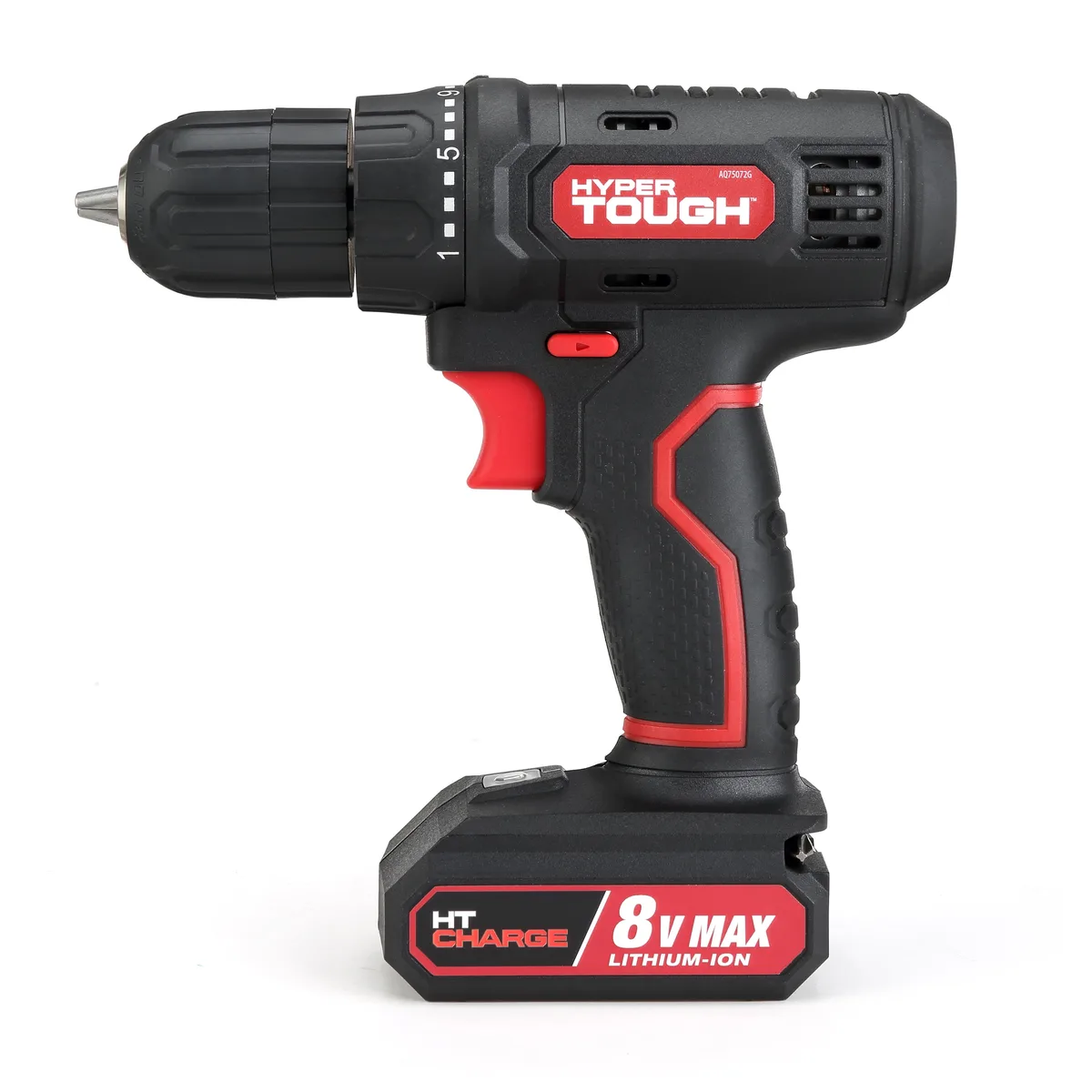
Image source: Bing (Web (fair-use with source credit))
Locked motor from debris. Sawdust, metal shavings, or dirt can get inside the motor housing and physically block the rotor. Blow compressed air through the ventilation slots on the drill body. If that doesn't free it, the motor needs to be opened and cleaned.
At that point, you're looking at a repair that costs more in time than a replacement drill.
Locked motor from bearing failure. If the motor shaft is stiff and grinding when you turn it by hand, the bearings are shot. This is the death sentence for a Hyper Tough drill. Replacement bearings exist but finding the right size and pressing them in requires tools most hobbyists don't have.
Replace the whole drill.
Step 4: Open the Drill (Motor and Brushes)
If the battery is good and nothing is jammed, the problem is inside the drill. Opening it up is the last step before deciding to replace it.
What you need. A small Phillips head screwdriver and a flathead screwdriver. That's it. Most Hyper Tough drills use about six to eight screws on the main housing.
Some models have hidden screws under stickers or the label.
How the internals work. Inside the plastic housing, you'll find a DC motor with two spring-loaded carbon brushes that press against the spinning commutator. Those brushes wear down over time. When they get too short, they lose contact and the motor stops working.
This is a normal wear item on any brushed power tool.
Check the brushes. Remove the housing and look for the two brush holders on the sides of the motor. Each holder has a spring and a small carbon block. The carbon block should be at least 1/4 inch long.
If it's down to 1/8 inch or less, the brush is worn out. If you see heavy sparking marks or melted plastic around the brush holder, that motor has been running hot for a long time.
Replace the brushes. If you find worn brushes, you can order replacements online. They cost about three to five dollars per pair. Pull the old brushes out.
Slide the new ones in. Reassemble the drill. This is the single most common fix for a Hyper Tough drill that suddenly stops working but showed no other symptoms.
What the burning smell means. One of the most common reports from users is a burning smell right before the drill died. That smell is the varnish on the motor windings burning off from overheating. Once you smell it, the motor insulation is damaged.
The drill might run again after cooling down, but the motor will fail again soon. There is no repair for this. The motor needs replacement or the whole drill needs replacement.
When to stop. If the motor looks burned, the commutator is blackened, the bearings are rough, or the plastic housing is melted around the motor area, stop. The repair cost exceeds the replacement cost. As of 2026, a brand new Hyper Tough drill kit runs between 20 and 40 dollars at Walmart.
Your time is worth more than that.
Repair or Replace? The Real Cost Decision
You've diagnosed the problem. Now you need to decide whether to fix it or buy a new drill.
When to repair. Replace the brushes if they are worn. That costs about five dollars and takes 20 minutes. Replace the trigger switch if you can find the right part.
That costs about eight dollars and takes 30 minutes. Replace the chuck if the jaws are stripped. That costs about ten dollars and takes 15 minutes.
These repairs make sense if you already have the tools and the time.
When to replace. Replace the drill if the motor is burned. Replace it if the bearings are shot. Replace it if the battery is dead and you don't own other Hyper Tough tools.
Replace it if the plastic housing is cracked or melted. The math is simple. A new Hyper Tough drill costs 20 to 40 dollars.
A replacement motor costs 15 to 20 dollars if you can find one. A replacement battery costs 25 to 35 dollars. Once you cross 50 percent of the replacement cost, buying new makes more sense.
When to upgrade. If your Hyper Tough drill is more than three years old and has a dead motor or dead battery, consider spending a little more. Brands like Ryobi, Skil, and Black+Decker offer entry-level drills in the 40 to 60 dollar range. They have better parts availability and stronger customer support.
The Hyper Tough line is designed as a budget entry point. It serves that role well. But it is not built for continuous repair over many years.
Mistakes People Make That Waste Time
These are the most common troubleshooting errors people make with Hyper Tough drills. Avoid them and you save time and money.
Buying the wrong battery replacement. Hyper Tough batteries look similar across different product lines. But the voltage, amp-hour rating, and contact layout vary. Always match the model number on the old battery.
Do not assume any 20V battery fits.
Forcing a locked chuck. If the chuck won't turn, do not apply maximum force with a wrench. You will strip the internal threads or crack the housing. Use penetrating oil.
Let it sit for 15 minutes. Then try.
Ignoring the forward/reverse switch. This is the number one cause of "dead drill" frustration. Always check the switch position before doing anything else.
Assuming the battery is charged. The charger light shows green. That does not always mean the battery delivers full power. Internal cell damage can show a false full charge.
Test the voltage with a multimeter.
Opening the battery pack. Never open a lithium-ion battery pack. The cells can short circuit. The risk of fire is real.
If the battery is dead, recycle it properly through a local hazardous waste program as recommended by the EPA.
Throwing away a drill with worn brushes. Many users toss a perfectly good drill because they do not know brushes are replaceable. Check the brushes first. That five dollar fix saves you 40 dollars.
When to Call It Quits (And What to Buy Next)
Some Hyper Tough drills cannot be saved. Here is how to know when it is time to let go.
The motor is burned. The smell is unmistakable. The insulation is gone. The drill will never run reliably again.
The battery is dead and the tool is old. A new Hyper Tough 20V battery costs 25 to 35 dollars. A new drill with a battery, charger, and case costs 30 to 40 dollars. The math does not favor the battery alone.
The housing is cracked or melted. Structural damage means the internal components are not aligned correctly. The drill will bind and overheat. Replacement is the only option.
Parts are unavailable. Hyper Tough is a store brand. Replacement parts are not stocked at major retailers. You have to hunt online.
If you cannot find the part within 10 minutes of searching, move on.
What to buy next. If you want to stay at the same price point, buy another Hyper Tough drill kit. They are consistently available at Walmart for under 40 dollars. If you want something that lasts longer and has better parts support, step up to a Ryobi or Black+Decker kit in the 50 to 60 dollar range.
Both brands offer replacement batteries and parts at home improvement stores.
Frequently Asked Questions
What does it mean when my Hyper Tough charger shows a flashing red light?
A flashing red light means the battery is too hot, too cold, or has an internal fault. Let the battery sit at room temperature for 30 minutes. Try again.
If the light still flashes, the battery pack is dead and needs replacement.
Why does my Hyper Tough drill only run in reverse?
The forward/reverse switch has a bad internal contact. This is a common failure on budget drills. Replace the switch assembly or replace the drill.
The switch costs about eight dollars if you can find one.
Can I use a different brand battery in my Hyper Tough drill?
No. Hyper Tough uses a proprietary battery platform. Only Hyper Tough 20V batteries fit properly.
Adapters exist online but they are not recommended. Poor contact can cause overheating or damage to the drill.
Why does my drill smell like burning plastic?
That is the varnish on the motor windings burning off from overheating. The motor insulation is damaged. The drill may run again after cooling down but it will fail again soon.
Replace the motor or the whole drill.
How long should a Hyper Tough drill last?
With light to moderate use, a Hyper Tough drill typically lasts one to three years. Heavy use or frequent overheating shortens that lifespan. The brushed motor is the main wear item.
Is it worth replacing the motor brushes on a Hyper Tough drill?
Yes, if the rest of the drill is in good condition. Brushes cost three to five dollars and take about 20 minutes to install. This fix works for drills that stopped suddenly with no burning smell or physical damage.

Similar Posts