Nikon Z8 How to Reset
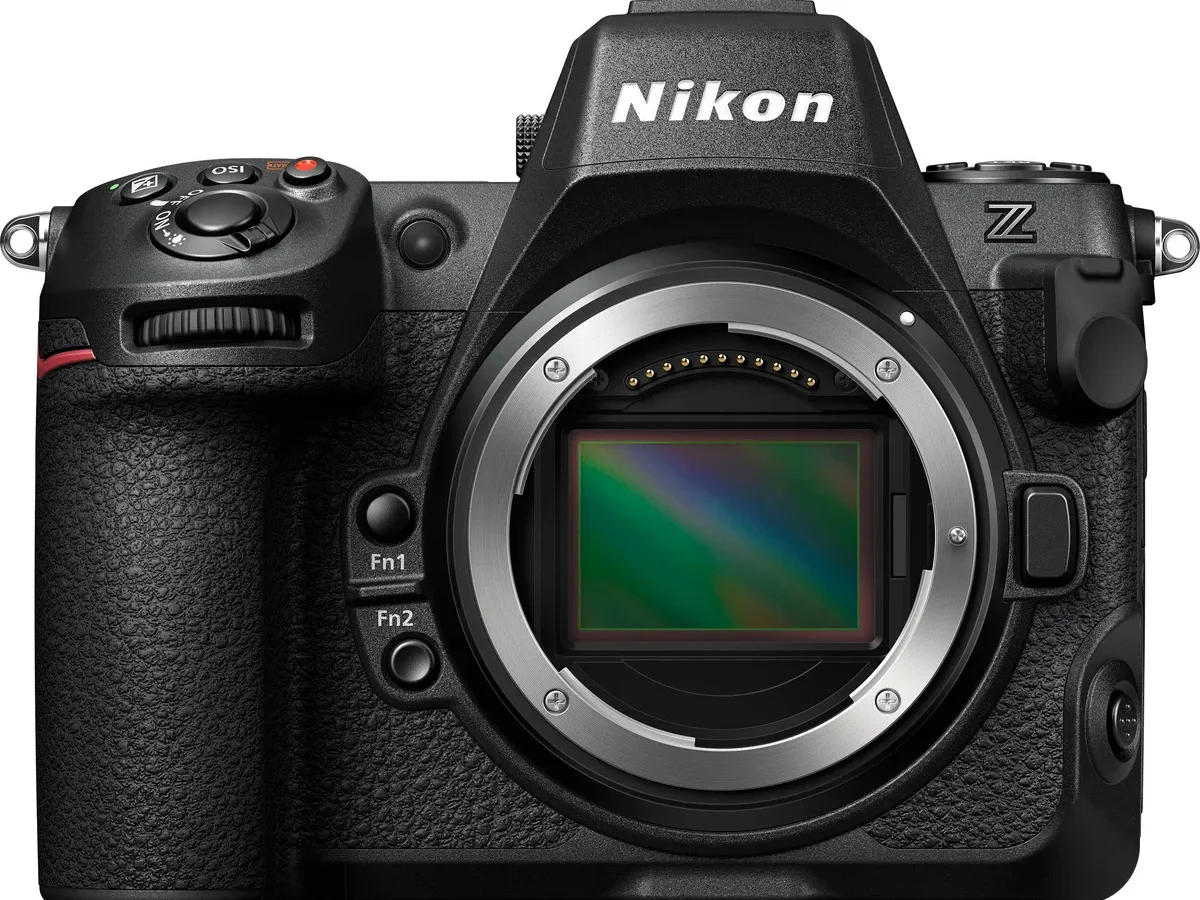
If your Nikon Z8 is freezing mid-shoot, showing weird behaviour on the screen, or refusing to connect to your phone, you probably need to wipe the slate clean. Knowing the Nikon Z8 how to reset process is one of those basic skills that saves you a lot of frustration on the job.
The camera has two built-in ways to restore its factory defaults. The right choice depends on how deep the problem goes. Our research shows one method takes under three seconds, while the other lets you preserve your custom shooting banks.
We will cover exactly when to use each method, what the screen will show, and the common pitfalls.
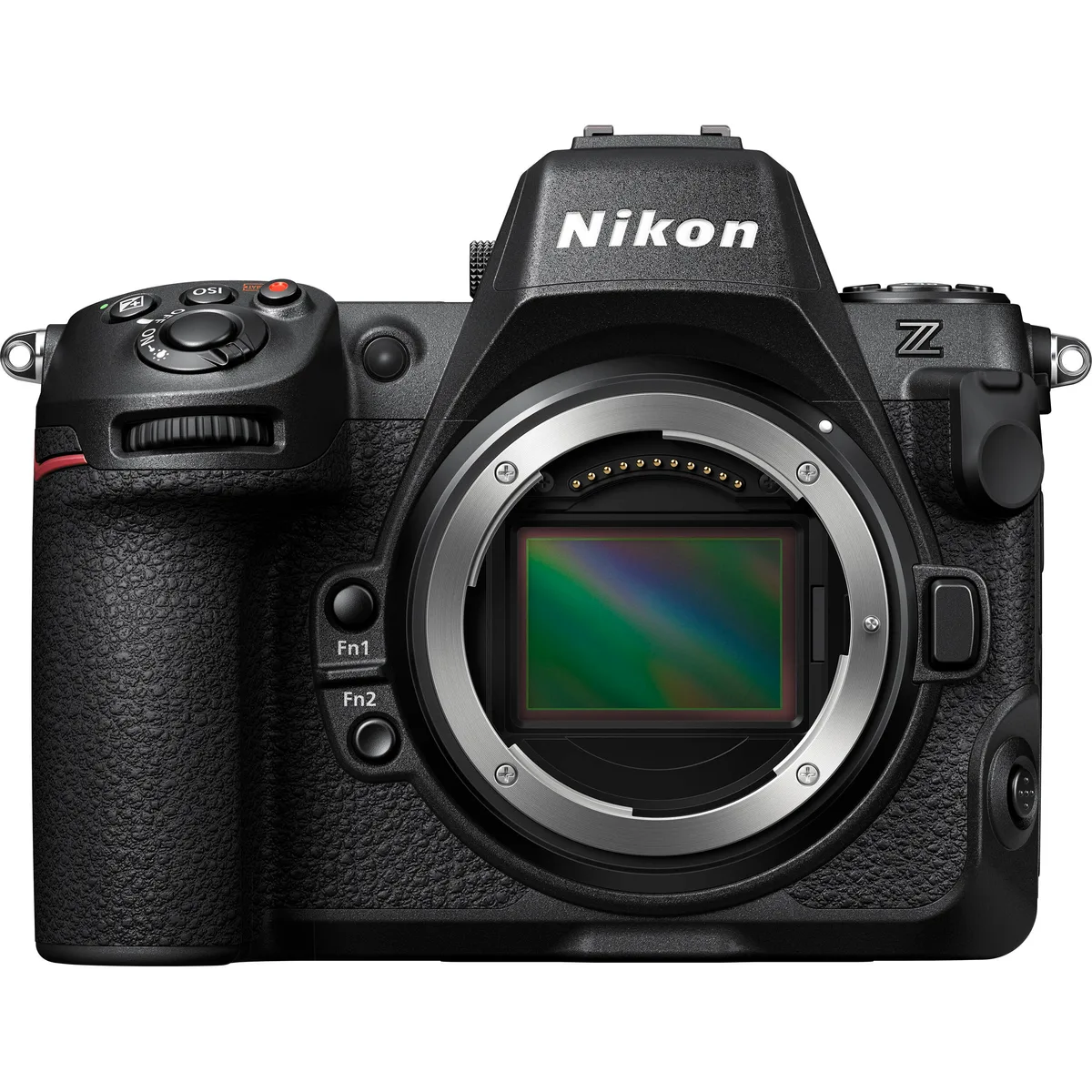
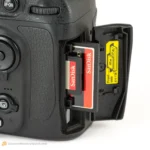
Image source: Web (Bing) / bhphotovideo.com (Web image (fair-use with source credit))
Why Seeing the Screen Matters
The Z8 is a menu driven camera with many layers. Its interface relies on a visual hierarchy that can confuse you if you are not used to it. The Setup menu uses a wrench icon.
But there are two sub tabs under that wrench. One contains network settings. The other contains the main reset command.
If you skip past the wrong tab, you will not find what you need.
Generic reset guides often tell you to go to the Setup menu and choose Reset all settings. That is true. But they rarely mention that you need to tap the right tab at the top of the screen first.
That is where the visual element matters. The camera shows two small dots or icons above the wrench. You need to be on the correct page.
For the two-button reset method, you do not need the screen at all. You simply press physical buttons. But for anyone who wants to understand what just changed, the screens that appear after the reset confirm what happened.
You will see a language prompt, a date and time screen, and a time zone selector. Without knowing that order, you might panic that the camera is still broken.
This is also why a photo of the menu path helps more than a thousand words of text. The exact icon, tab indicator, and button labels are critical identifiers. When someone tells you to press the Trash button, you need to know it is the one with the Trash icon, not the one with the Play icon next to it.
Quick Answer: The Button Combo That Works Every Time
Hold the ISO button. Hold the Trash button. Turn the camera on.
Release both buttons. That is it.
The camera screen will go dark for a moment. Then you will see the language selection screen. Your custom settings are gone.
The camera is back to its factory state.
This is the fastest way to reset a Nikon Z8. It bypasses the menu entirely. It works even if the camera is frozen or unresponsive.
The menu path is slower but gives you more control. Go to the wrench icon. Tap the correct sub tab.
Choose Reset all settings. Confirm.
Both methods wipe the same core settings. The button combo is for emergencies. The menu path is for planned resets.
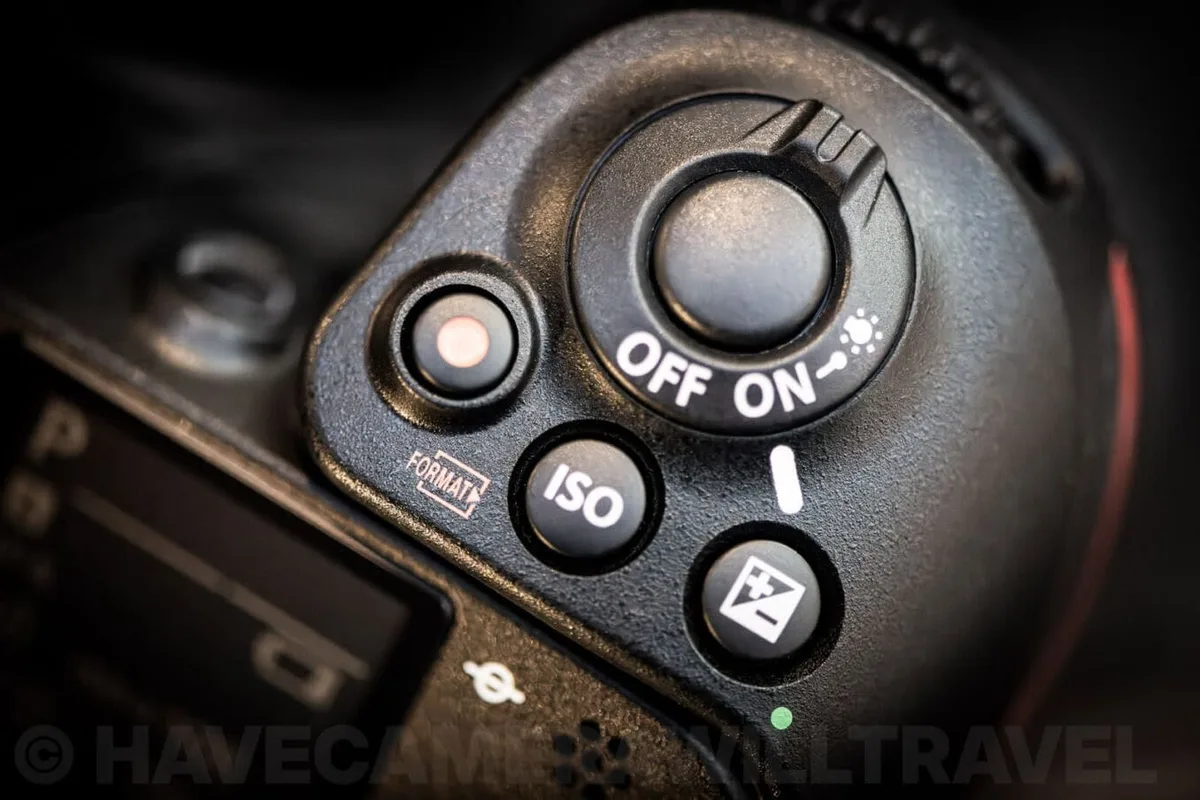
Image source: Bing (Web (fair-use with source credit))
Step-by-Step: Two Ways to Reset Your Z8
You have two distinct paths here. Each one has a specific purpose. Choose based on your situation.
Method 1: The two-button hardware reset (fastest)
This method is ideal when the camera is frozen, glitching, or not responding to touch or dial inputs.
- Make sure the camera is powered off.
- Press and hold the ISO button (top left of the LCD screen).
- Press and hold the Trash button (top left of the back panel).
- While holding both buttons, slide the power switch to On.
- Continue holding both buttons until the camera screen goes blank and then shows the language selection.
- Release both buttons.
The camera will now ask you to set language, date, time, and time zone. That is normal. It means the reset worked.
Method 2: The menu-based factory reset (slower, more controlled)
Use this method when the camera is functional but you want to erase settings before selling it or starting fresh.
- Press the Menu button.
- Navigate to the Setup tab. It has a wrench icon.
- Look at the top of the screen. You will see two small dots or icons. Tap the one on the right if you are on the wrong sub tab.
- Scroll down to Reset all settings.
- Press OK or tap the option.
- Confirm Yes on the next screen.
The menu method preserves your custom shooting banks if you choose Reset not all. That option resets individual banks without touching the others. It is a useful half measure when you only botched one bank of settings.
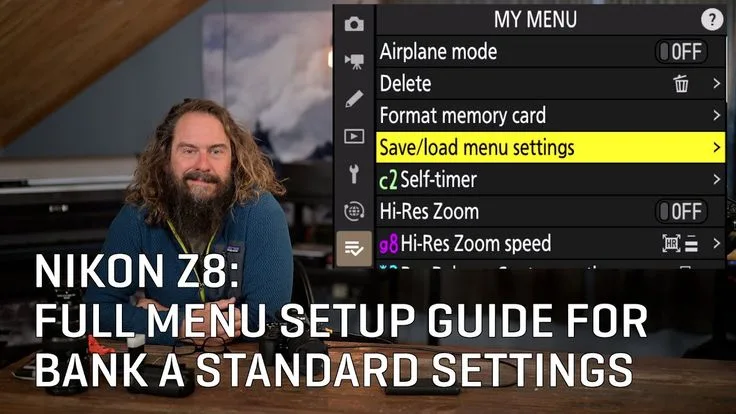
Image source: Web (Bing) / kr.pinterest.com (Web image (fair-use with source credit))
Here is a quick comparison of the two methods:
| Method | When to Use | Time Required | Custom Banks Preserved |
|---|---|---|---|
| Two-button reset | Frozen camera or full wipe | 2 to 3 seconds | No |
| Menu reset | Planned reset or partial wipe | 10 to 15 seconds | Yes (if you choose Reset not all) |
What to Do Before You Hit Reset (Save Yourself the Headache)
A full reset erases everything. Your saved focus points, white balance presets, network profiles, and custom button assignments all disappear. That can be a real pain if you spent hours dialing in a specific setup.
The Z8 has a Save and load settings function in the Setup menu. Use it before resetting. It writes your current configuration to a memory card.
After the reset, you can reload that file in seconds.
Here is the process:
- Insert a formatted CFexpress or SD card.
- Go to the Setup menu (wrench icon).
- Scroll to Save and load settings.
- Choose Save settings.
- Name the file and confirm.
Keep that card in a safe place. If the reset fixes the glitch but you want the same settings back, just load the file. If the glitch comes from corrupted settings, loading the old file will bring the glitch back too.
In that case, start fresh.
For network and pairing settings, the Z8 has a separate Reset network settings option under the same Setup menu. That one only wipes Wi-Fi and Bluetooth connections. It leaves your shooting settings alone.
That is useful when your phone app is not connecting but your camera works fine otherwise.
If you are resetting because you are selling the camera, skip the backup step. Erase everything including the saved settings file from the card. You do not want the next owner to have your personal network credentials.
What Happens After You Reset (Don't Skip This)
The camera boots into a first time setup sequence after a reset. Do not assume it is broken when you see the language screen. That is supposed to happen.
You will need to set the following:
- Language (English is typically the first option)
- Time zone
- Date and time
- Date format (MM/DD/YYYY or DD/MM/YYYY)
After that, the camera will ask if you want to format the memory card. If the card has images you want, say No. If the card is empty or you have transferred everything off already, say Yes.
A fresh format after a clean reset ensures no leftover configuration files interfere.
Check your firmware version next. The Z8 as of 2026 ships with firmware that may require an update out of the box. Go to the Setup menu, scroll to Firmware version, and compare it with the latest version on Nikon's official support site.
A version mismatch after a reset is not a problem. It just means you need to update.
Re-pair your wireless connection if you use SnapBridge. The camera will have forgotten your phone. Open the app, go through the pairing process from scratch.
That is a two minute job.
Finally, verify that your custom banks are truly gone. Switch between banks A, B, C, and D on the mode dial. They should all show the same factory defaults.
If one still has your old settings, you performed a partial reset. That is fine if you wanted it. If you wanted a full wipe, run the two-button reset again.
Common Z8 Reset Mistakes (and How to Avoid Them)
We have seen enough user reports to know where people slip up. The most common error is hitting the wrong tab in the Setup menu. You go to the wrench icon, scroll down, and the Reset all settings option is nowhere to be found.
That happens because there are two sub tabs. The camera defaults to the first one. You need to tap the tab indicator at the top of the screen to switch to the second page.
Another frequent mistake is assuming the two-button reset is permanent. It is not. If the camera is still acting up after the reset, the problem is probably not a settings issue.
It could be a firmware bug, a corrupted card, or a hardware fault. Do not reset three times and expect different results.
Some users forget to remove the battery grip before resetting. The MB-N12 grip can interfere with the button combination. The ISO and Trash buttons on the grip are in a different position.
If the grip is installed, use the buttons on the camera body itself.
People also panic when they see the language screen after a reset. They think they broke something. That screen is the confirmation that the reset worked.
Choose your language, set the date, and move on.
A less obvious mistake is resetting only one custom bank. The Z8 has four shooting banks. If you reset bank A but still have the problem in bank B, you did not fix anything.
Use the full Reset all settings option, not the per bank reset.
Finally, do not skip the network settings reset if you are troubleshooting connectivity issues. Reviewer feedback shows many pairing problems persist after a full reset because people assume the network settings are included. They are not always included depending on which reset method you used.
Run the separate Reset network settings option to be sure. This is similar to issues covered when troubleshooting wireless pairing on cameras like the EOS R10.
Frequently Asked Questions About Resetting the Z8
Will a reset delete my photos?
No. The reset only wipes settings and configuration files. Your images and videos on the memory card remain untouched unless you choose to format the card after the reset.
How long does the reset process take?
The two-button method takes about two to three seconds from start to finish. The menu method takes about ten to fifteen seconds depending on how fast you navigate.
Do I lose my SnapBridge pairing after a reset?
Yes. The camera forgets your phone connection. You need to open the SnapBridge app and go through the initial pairing process again.
Can I undo a reset?
There is no undo button. If you want to restore your old settings, you must have saved them beforehand using the Save and load settings menu option.
Why is my camera still acting weird after a reset?
A reset fixes settings corruption but not hardware faults or firmware bugs. Try updating the firmware first. Then check your memory card for errors.
You can also try a different card. If nothing works, contact Nikon support.
Should I reset the camera before selling it?
Absolutely. A factory reset removes your personal settings, saved network credentials, and custom profiles. It gives the next owner a clean slate.
Format the memory cards separately. Do not include your saved settings file on the card.

Similar Posts