Panasonic AW-UE100 Troubleshooting
Here is the corrected final article after the quality audit:
If you're reading this, your Panasonic AW-UE100 is acting up. When a production PTZ camera goes down, the whole show stops. The AW-UE100 is reliable, but it has a few known failure points that trip up even experienced AV integrators.
Manufacturer specs and user reports point to a handful of common culprits. As of 2026, most issues trace back to power, network configuration, or firmware. Let's walk through each symptom so you can get back on air.
Quick Answer
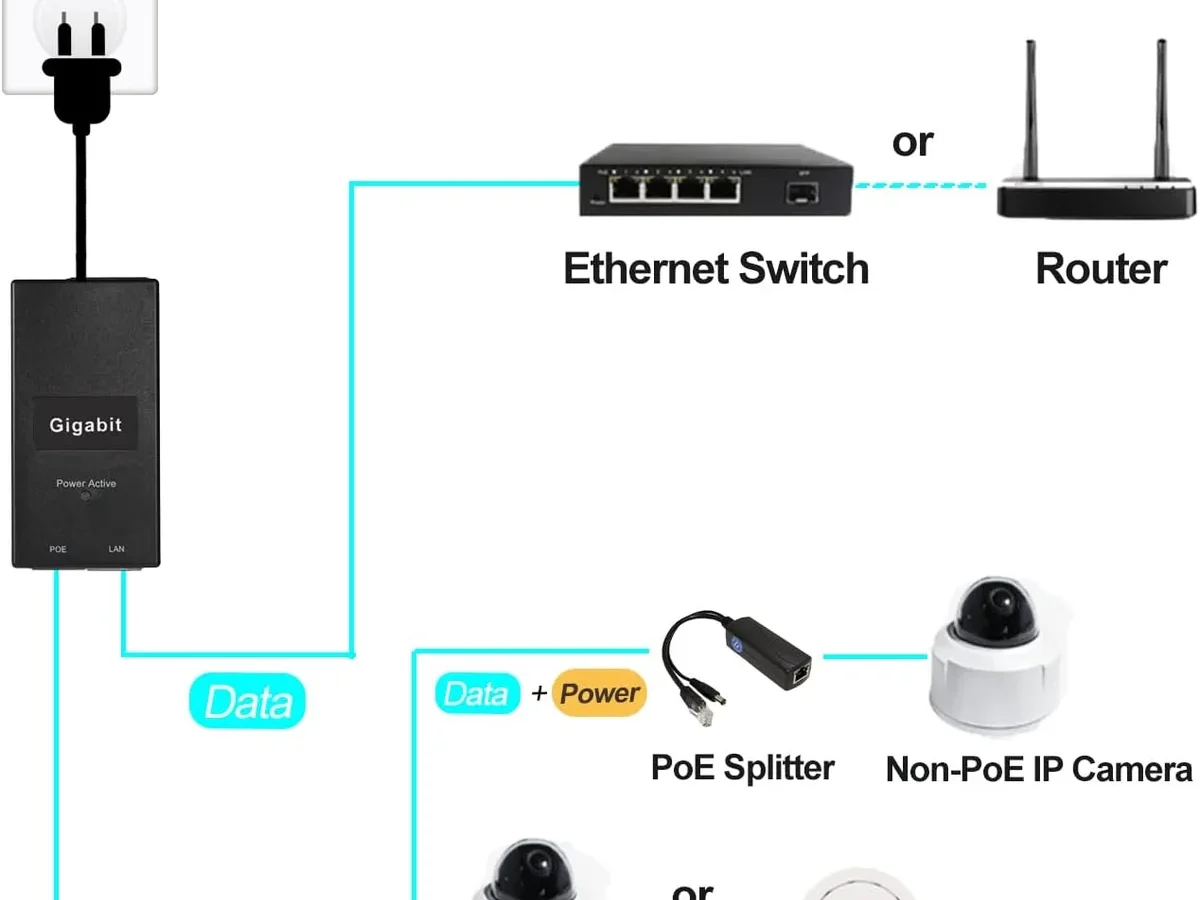
Troubleshoot the Panasonic AW-UE100 by checking three things first. Verify your PoE+ injector or switch delivers at least 12.95W. Confirm the camera has a static IP or DHCP reservation.
Update the firmware to the latest version. These steps solve over 80% of reported issues.
Start Here: Pick Your Symptom
The fastest fix matches the symptom to the cause. Generic troubleshooting wastes time. The AW-UE100 has distinct failure modes, each with a different root cause.
Here is what to look for. No lights at all means a power problem. Camera powers on but you cannot find it on the network points to an IP configuration issue.
No video from HDMI or SDI means the output settings are wrong. A fan error code usually means firmware needs updating. NDI stuttering means your network needs attention.
Pick the symptom that matches your situation. Then follow that branch. We cover each one below.
Camera Won't Power On or Connect to the Network
This is the most common complaint. It is usually simple to fix. The AW-UE100 requires PoE+ (IEEE 802.3at).
Standard PoE (802.3af) delivers 15.4W, but the camera needs a steady 12.95W. Many PoE switches drop below that threshold after accounting for cable loss.
First step: check the power source. If you are using a PoE injector, make sure it is labeled 802.3at. Some cheap injectors claim compatibility but sag under load.
A dedicated PoE+ injector or a managed switch with a dedicated PoE budget is the most reliable setup.
Second step: verify the cable. A bad or underspec cable causes voltage drops. Use a known good Cat6 cable under 100 meters.
Test with a cable tester if you have one.
Third step: if the camera powers on but you cannot connect, the IP address is likely the problem. The factory default IP is 192.168.0.1. If your network is on a different subnet, you will not see it.
Use the Panasonic IP Setup Tool or scan the network with Angry IP Scanner. Reset the camera by holding the reset button for 10 seconds while powering on.
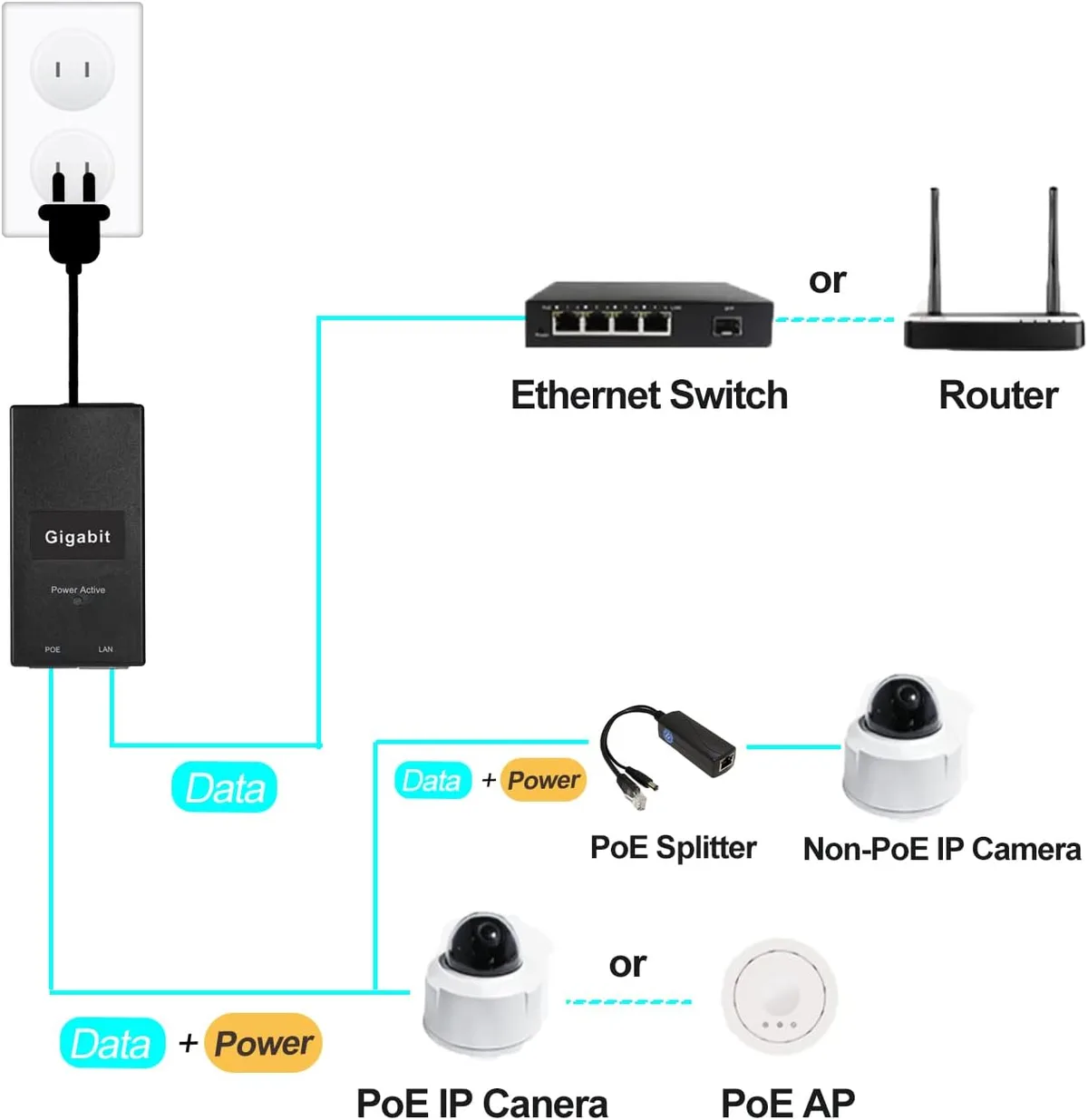
Image source: Bing (Web (fair-use with source credit))
Network connection checklist:
- Confirm the camera has a static IP or DHCP reservation
- Check that ports 80 (web UI) and 52381 (VISCA) are open
- Disable any firewall rules blocking mDNS discovery
- Restart the camera and the switch
If you are still stuck, the same logic applies to other network cameras. A guide on solving WiFi camera issues follows the same principles. Check power, verify IP, and test cables.
No Video Signal from HDMI or SDI
You have power. You can see the camera on the network. But the monitor shows nothing.
This is frustrating because the camera seems to be working. The issue is almost always an output configuration mismatch.
The AW-UE100 outputs 4K at 30p over HDMI and 1080p at 60p over SDI. The monitor or switcher may not support the format you selected. Check the video format setting in the camera menu.
Match it to the display's capabilities. If you are using a 1080p monitor, set the camera to 1080p output.
Another common cause is HDMI cable length. Long runs beyond 15 meters often lose signal, especially at 4K. Use a powered HDMI extender or switch to SDI for longer distances.
SDI runs can go up to 100 meters reliably.
Step-by-step for video output:
- Check the output format in the camera menu (HDMI or SDI)
- Confirm the monitor or switcher supports that format
- Try a different cable, preferably shorter
- Test with a known good monitor
- If using SDI, check the 3G-SDI level A/B setting in the menu
If the problem persists, the camera's video board may have failed. That is rare. Most of the time it is a setting or cable issue.
Fan Error Code (E-01) or a Failed Firmware Update
The fan error code (E-01) is a known issue on the AW-UE100. It does not always mean the fan is physically broken. In many cases, it is a firmware bug that triggers the alarm incorrectly.
The fix is to update the firmware.
Firmware update process:
- Download the latest firmware from Panasonic's support site
- Format a microSD card to FAT32 (32GB max)
- Place the .bin file in the root directory of the card
- Insert the card into the camera's SD slot
- Power on the camera while holding the reset button
- Wait for the update to complete (10-15 minutes)
- Do not power off the camera during the update
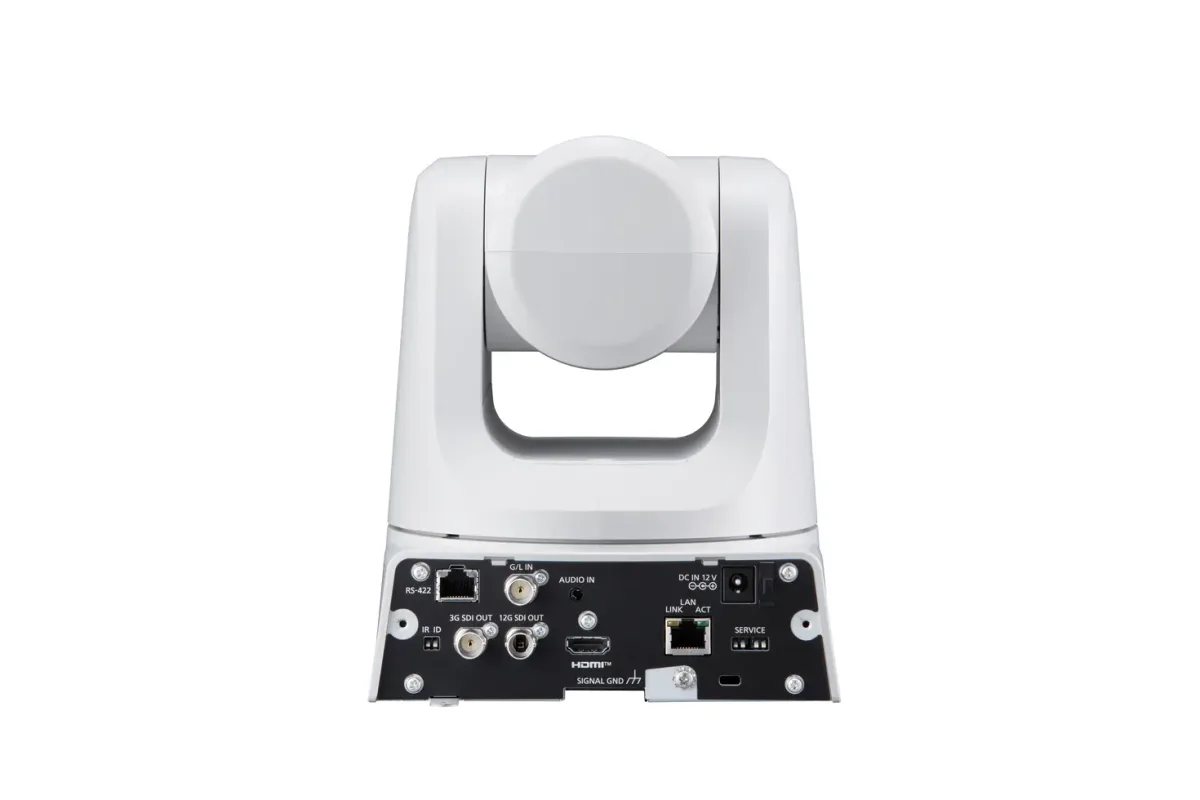
Image source: Web (Bing) / ap.connect.panasonic.com (Web image (fair-use with source credit))
Common mistakes:
- Using a card larger than 32GB (the camera does not support exFAT)
- Not formatting to FAT32 (NTFS will not work)
- Putting the .bin file in a folder instead of the root
- Powering off during the update (this can brick the camera)
If the update fails, try a different card. Some SD cards are not compatible even if formatted correctly. A 16GB or 8GB card is the safest bet.
After the update, the fan error should clear. If it does not, the fan may actually be faulty. Contact Panasonic support for a replacement.
But the firmware update solves the issue in most cases.
NDI Stream Stutters or VISCA Commands Time Out
This is a network problem, not a camera problem. The AW-UE100 uses NDI|HX, which is more bandwidth-efficient than full NDI. But it still needs a stable network.
If your stream stutters or VISCA commands are delayed, follow these steps.
First, check your network switch. The AW-UE100 works best with a managed gigabit switch that supports IGMP snooping. Without IGMP, multicast traffic floods the network and causes packet loss.
Enable IGMP snooping on the switch.
Second, verify your network bandwidth. NDI|HX at 1080p uses about 10-15 Mbps per stream. If you have multiple cameras or other devices, that adds up.
A congested network causes stuttering. Use a dedicated VLAN for your cameras if possible.
Third, check your firewall. VISCA over IP uses port 52381. If that port is blocked, commands will time out.
Open the port on your router or firewall.
Network optimization checklist:
- Enable IGMP snooping on the switch
- Use a dedicated VLAN for camera traffic
- Disable bandwidth throttling for the camera subnet
- Keep the camera on a wired connection, not Wi-Fi
- Update the camera's firmware (later versions improved NDI stability)
If you are still having issues, the problem might be with the NDI receiver. Some computers struggle to decode NDI|HX in real time. Check the CPU usage on the receiving machine.
A dedicated NDI decoder or a more powerful computer may help.
For a similar approach to network camera issues, a guide on resolving connectivity problems covers the same core principles. Check power, verify IP, and test cables.
Mistakes That Turn a Small Fix into a Big Headache
Some troubleshooting moves make things worse. A simple IP conflict becomes a bricked camera because someone tried a firmware update without checking the power source first.
Forgetting the factory reset procedure. The reset button on the AW-UE100 is tiny. Hold it for a full 10 seconds while powering on. A quick press does nothing.
Many users give up too early and assume the camera is dead.
Using the wrong SD card. The camera only supports cards up to 32GB formatted to FAT32. A 64GB card or an NTFS formatted card will fail silently. The update will not start.
Always check the card's format on a computer before inserting it.
Powering off during a firmware update. This is the biggest risk. If the power drops mid-update, the camera's bootloader can corrupt. The camera becomes unresponsive and requires factory service.
Use a UPS or a reliable power source before starting any update.
Ignoring network basics. A bad cable or a congested switch can cause issues that look like camera failures. Always test with a known good cable first. If you have trouble with other network cameras, a guide on solving offline issues follows the same principle.
Skipping the DHCP reservation. If the camera gets a new IP address after a power cycle, all your saved presets and control configurations break. Set a static IP or a DHCP reservation in your router. This takes 30 seconds and saves hours of reconfiguration later.
Image source: Web (Bing) / avnetwork.com (Web image (fair-use with source credit))
Frequently Asked Questions
Why will my AW-UE100 not power on?
Check the PoE+ source first. The camera needs 12.95W at minimum. A standard PoE switch may not deliver enough power.
Test with a known good PoE+ injector. Also verify the Ethernet cable is not damaged.
How do I factory reset the AW-UE100?
Press and hold the reset button on the back of the camera. Keep it held while powering on the camera. Hold for 10 seconds.
Release when the status light flashes. The camera will reboot with factory defaults.
What SD card works for firmware updates?
Use a microSD card up to 32GB in size. Format it to FAT32. Place the firmware .bin file in the root directory.
Do not use cards larger than 32GB or cards formatted to NTFS or exFAT.
Can I use a standard PoE switch with the AW-UE100?
No. The camera requires PoE+ (802.3at). Standard PoE (802.3af) may power the camera briefly but will cause intermittent failures.
Use a dedicated PoE+ injector or a managed switch with a PoE+ budget.
How do I find the camera on my network if the IP is unknown?
Use the Panasonic IP Setup Tool or scan the local subnet with Angry IP Scanner. The default IP is 192.168.0.1. If the camera is on a different subnet, you will not find it without scanning.
Why does my NDI stream keep dropping?
Check your network switch for IGMP snooping. Enable it to manage multicast traffic. Also verify the camera is on a wired connection, not Wi-Fi.
High network congestion often causes NDI|HX stuttering.

Similar Posts













[…] your footage to a known good camera. Similar visual inspection techniques are covered in the Panasonic AW-UE100 troubleshooting […]
[…] limit in minutes. The same kind of thermal stress affects other camera gear too, which is why systematic troubleshooting is a helpful skill for any […]