Frigidaire Refrigerator Troubleshooting Codes
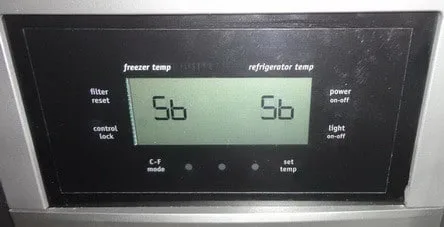
Image source: Bing (Web (fair-use with source credit))
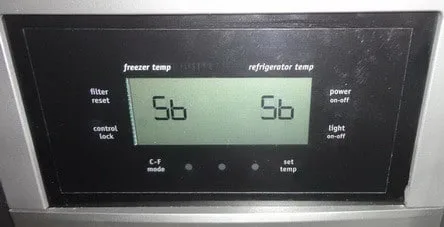
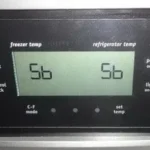
That blinking code on your Frigidaire's display isn't random. It's the fridge telling you exactly what's wrong, if you know how to read it.
Most error codes point to one of three problems: a faulty temperature sensor, a defrost issue, or a power supply glitch. All three are fixable at home in under an hour with basic tools.
Here's how to decode those codes and fix the most common problems yourself.
What Those Codes Actually Mean
Frigidaire refrigerators use error codes to stop small issues from becoming expensive failures. The display panel flashes a combination of letters and numbers, and each one maps to a specific component.
Here's the reality: most codes aren't emergencies. The fridge is telling you a sensor reading is out of range, a motor isn't responding, or the defrost cycle never finished. Understanding the language means you can often fix it for the cost of a $15 part instead of a $250 service call.
The Five Most Common Codes
The codes you'll see most often across Frigidaire models are SY, 0E, CF, EF, and DF.
| Code | Likely Cause | DIY Difficulty |
|---|---|---|
| SY | Compressor or sealed system failure | Professional only |
| 0E | Ice maker water supply blocked | Easy |
| CF | Evaporator fan motor stalled or dead | Moderate |
| EF | Freezer fan motor stalled or dead | Moderate |
| DF | Defrost heater, thermostat, or timer failure | Moderate |
SY (Sealed System Issue): This is the bad one. It means the compressor is overheating, has failed, or the refrigerant has leaked. If you see SY, listen.
Do you hear the compressor humming? If yes, but the fridge isn't cooling, suspect low refrigerant. If you hear nothing, the compressor may have burned out.
This requires a certified technician. Do not attempt to open the sealed system yourself, the refrigerant is under pressure and harmful.
0E (Ice Maker Water Issue): Almost always user-fixable. The ice maker isn't getting water. Check the supply line for kinks.
Check the inlet valve screen for sediment. But first, check the water filter, a clogged filter is the number one cause because it restricts flow. Replace the filter, then press the ice maker's test button repeatedly until water flows.
CF (Coil Fan Failure): The evaporator fan sits behind the back panel in the freezer, circulating cold air over the coils. If it fails, the coils freeze over and airflow stops. Open the freezer door and press the door switch so the light goes off.
You should hear the fan humming. If it's silent or grinding, it's dead. Often the fan blade just needs cleaning or the motor needs replacing, both manageable DIY projects.
EF (Freezer Fan Failure): Same as CF, but in the freezer compartment. The fan isn't spinning or is drawing too much current. Check for ice buildup around the blade first.
DF (Defrost Failure): Your fridge runs a defrost cycle every 6 to 12 hours to melt frost off the coils. If the heater dies or the defrost thermostat fails, frost builds up. The code triggers when the defrost sensor doesn't register a temperature rise.
Ice buildup blocks airflow, making the fridge warm. You'll need to manually defrost (unplug, open doors, let it melt for a day), then test the heater and thermostat with a multimeter.
Codes That Are Harmless
Some codes aren't failures. They're notifications.
- OP: Door alarm. Close the door fully.
- HL: High temperature alarm. Fires when you recently stocked warm groceries, or the door was left open. Clear it by pressing any button on the display.
- Ice Maker Off Indicator: Many models show a code when the ice maker is toggled off, just as a reminder.
Don't panic when you see these. They're not asking for a repair. They're asking for your attention.
The Quick Reset That Clears Half of All Codes
Here's the cheapest repair you'll ever do: unplug the fridge. It costs nothing, takes five minutes, and clears as many as half of all error codes. Modern Frigidaire control boards get stuck after power blips, just like your router.
They throw false codes. They need a clean slate.
How to Perform a Hard Reset
A hard reset isn't turning the dial to "off." It's a full power drain.
- Unplug the refrigerator from the wall outlet.
- Wait a full 5 to 10 minutes. This allows the control board's capacitors to discharge completely.
- Plug the refrigerator back in.
- Wait 2 to 3 minutes for the control board to boot up.
That's it. No secret button sequences. Just time.
The 24-Hour Rule
After a reset, give the fridge 24 hours to stabilize. The compressor needs time to pull temperatures down. The control board needs time to re-learn the sensor readings.
If the code clears and stays clear for a full day, you're done. It was a temporary glitch.
If the same code returns within 24 hours, you have a real hardware problem. Move on to the diagnostic section below.
What If the Display Is Dead?
If the display shows nothing, the problem might not be a sensor. It could be the main control board or the display panel itself. Before assuming the worst, check if the interior light is on.
If the light works but the display is dark, the display board is likely faulty. If the light is also off, check the outlet with a known-working lamp or phone charger.
How to Run Frigidaire's Diagnostic Mode
If a reset didn't clear the code, it's time to play technician. Frigidaire builds a hidden diagnostic mode into most of its control boards. This lets you test individual components without disassembling the whole fridge.
It's not secret hacking, it's a documented service procedure available in the official technical manual.
Entering Diagnostics on Digital Display Models
Most newer Frigidaire models with a digital display use the same basic entry sequence. Look for the control panel on the dispenser or under the freezer door.
- Press and hold the Lock button (or "Ice Type" on some models) for 10 seconds.
- Continue holding while the display changes to show ", " or "0".
- Press Lock again to cycle through the test modes.
- The display will show "00", "01", "02", etc., with each number representing a different component test.
- Press the Temp Down or Ice Type button to advance.
What the Numbers Mean
- 0: Compressor test (turns it on and off)
- 1: Fan test (evaporator and condenser fans)
- 2: Heater test (defrost heater)
- 3: Damper / air door test
- 4: Dispenser and control test
If you run these tests and the component doesn't respond, you've found the broken part. For example, if the fan doesn't spin during test "1", the fan motor is faulty.
Decoding Blinking Lights on Older Models
If your Frigidaire is older or uses simple LED indicators instead of a full display, diagnostic mode works differently. Many models use a blinking code. Three blinks followed by a pause means error code 3.
Count the blinks. The sequence usually repeats after a 3-second pause. Write down the number of blinks, wait for the pause, then count again to confirm.
Once you have the number, cross-reference it with the troubleshooting chart in your owner's manual or on the manufacturer's support page.
A Word of Caution
Diagnostic mode is powerful. It forces sensitive components on and off. Don't run the heater test longer than a few seconds.
Don't leave the compressor test running unless you're confident. A wrong move can burn out a part or void your warranty. If you're unsure about a test, stop and call a pro.
DIY Fixes You Can Do in 20 Minutes
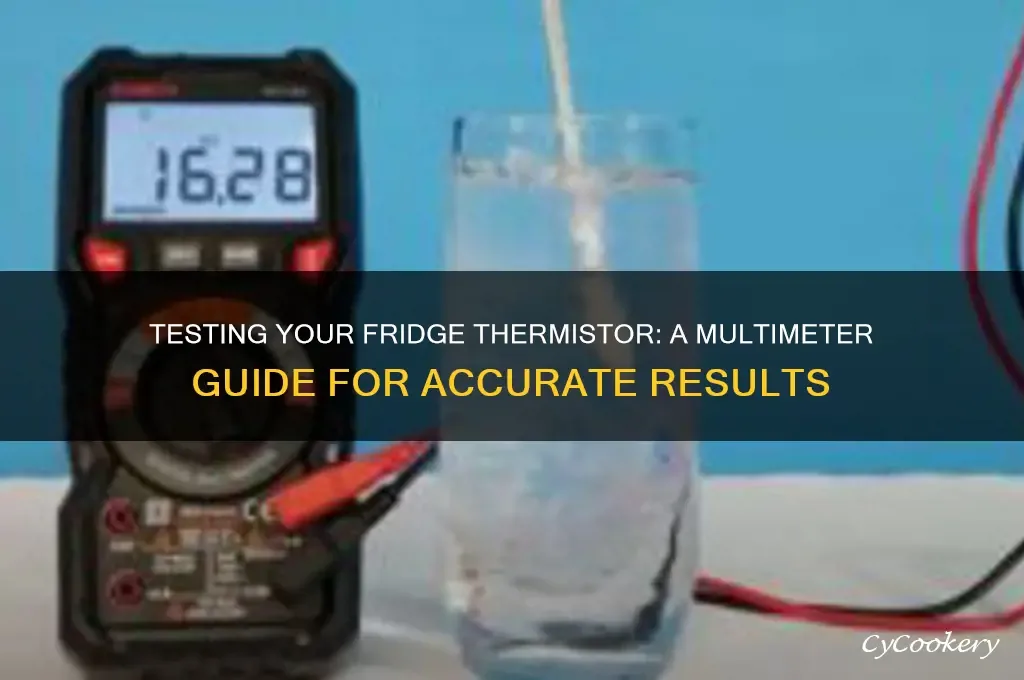
Image source: Bing (Web (fair-use with source credit))
You've identified the part. Now the good news: most of these failures are simple to fix. The thermistor is a $15 part held in by one clip.
The fan motor is a $30 part that slides out with two screws. The defrost drain just needs a hot water flush.
With a screwdriver, a multimeter, and about an hour, you can handle the three most common repairs yourself.
Fixing a Faulty Thermistor
A thermistor is a temperature-sensitive resistor. As the fridge warms up, its resistance changes. When the resistance goes out of spec, the control board throws a code like E1 or E2.
Step 1: Locate it. The fresh food thermistor is usually inside a plastic housing on the back wall of the fridge. The freezer thermistor is often on the back panel, near the evaporator coils. Unplug the fridge before you start.
Step 2: Test it. Set your multimeter to resistance (ohms). Touch the probes to the thermistor's terminals. At room temperature (about 70°F), a good thermistor reads around 8,000 to 12,000 ohms.
The manufacturer spec for most Frigidaire thermistors is 10k ohms at 77°F.
Step 3: Replace it. If the reading is way off (like 20,000+ or 0), the thermistor is dead. Disconnect the wire harness. Remove the clip or screw holding it in place.
Install the new one, plug in the harness, and press it back into the housing.
Fixing a Jammed Evaporator Fan
Fans don't die as often as they jam. Ice builds up around the fan blade, or a stray piece of packaging slips through the vents. The blade stops spinning.
The motor draws too much current. The code flashes.
Step 1: Unplug the fridge. Always start here.
Step 2: Access the fan. Remove the back panel inside the freezer compartment. It typically has Phillips-head screws. Look for the fan mounted near the top.
Step 3: Inspect and clean. Spin the blade by hand. If it's stiff, thaw it. Use a hair dryer on low heat to melt any ice around the base.
Wipe the blade down and check the motor shaft for debris.
Step 4: Test the motor. Disconnect the fan motor from the harness. Set your multimeter to ohms. A typical motor winding reads between 50 and 150 ohms.
If you get an open circuit (O.L) or a dead short, the motor is burned out and needs replacing. New fan motors for Frigidaire refrigerators are widely available and snap into the same bracket.
Clearing a Blocked Defrost Drain
If you're seeing water pooling at the bottom of the fridge, or a "DF" code, the defrost drain is likely plugged. This is the tube that carries meltwater from the evaporator coils to the drain pan under the fridge. Food debris or stray ice blocks it.
Step 1: Locate the drain. It's usually a small hole or trough at the bottom of the freezer floor, under the coils.
Step 2: Flush it. Boil a small pot of water. Use a turkey baster or a syringe to carefully pour hot water into the drain tube. This melts the ice and washes out debris.
Do not pour boiling water directly onto plastic parts, hot tap water usually works fine.
Step 3: Clear the line. Use a flexible piece of stiff wire, like a zip tie or a pipe cleaner, to gently push any remaining blockage through. Avoid sharp objects that could puncture the drain line.
Once the water runs freely into the drip pan, you've cleared the blockage. Reassemble everything, plug the fridge in, and run a diagnostic test to clear the error code.
When to Call a Professional
Some problems are beyond a DIY fix. Here's when to stop and call a certified technician:
- SY code with no compressor noise: The compressor is likely burned out. This is a sealed system repair.
- Refrigerant leak suspected: If the fridge is warm but the compressor runs constantly, you may have a leak. Locating and sealing a leak requires specialized tools and EPA certification.
- Control board failure: If the board itself is fried, replacing it is possible but risky. It's expensive and requires precise programming.
- Refrigerator is under warranty: Don't void it with DIY repairs. Call the manufacturer first.
Preventing Future Error Codes
Most error codes trace back to preventable causes. Here's what to do:
- Replace the water filter every 6 months. This prevents 0E codes and keeps the ice maker running smoothly.
- Keep the condenser coils clean. Vacuum them every 6 months. Dirty coils cause the compressor to overwork, which triggers SY codes.
- Don't overstuff the freezer. Blocked airflow causes temperature swings and frost buildup, which leads to DF and EF codes.
- Check the door gaskets. A worn seal lets warm air in, causing the fridge to run constantly and trigger HL alarms.
Quick Reference Chart
| Code | Meaning | First Thing to Try | DIY? |
|---|---|---|---|
| SY | Sealed system/compressor failure | Listen for compressor hum | No—call a pro |
| 0E | Ice maker water supply blocked | Replace water filter | Yes |
| CF | Evaporator fan failure | Check for ice on blade | Yes |
| EF | Freezer fan failure | Check for ice on blade | Yes |
| DF | Defrost failure | Flush defrost drain | Yes |
| E1/E2 | Thermistor out of range | Test with multimeter | Yes |
| HL | High temperature alarm | Press any button to clear | Yes |
| OP | Open door alarm | Close the door fully | Yes |
The Bottom Line
Most Frigidaire error codes are fixable at home with basic tools and a multimeter. Start with the hard reset, it clears half of all codes. If the code returns, run the diagnostic mode to identify the faulty component.
Then decide: is it a $15 thermistor you can swap in 10 minutes, or a sealed system failure that needs a pro?
The fridge is talking to you. Now you know how to listen.

Similar Posts