Why Is Samsung T7 Portable SSD Not Showing Up: Fixes
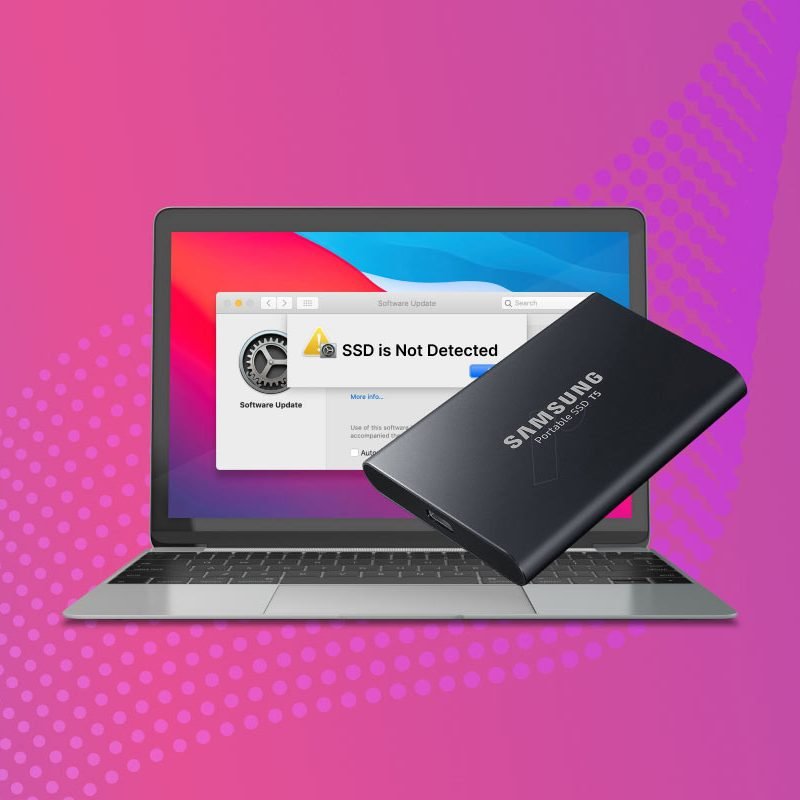
The Samsung T7 usually does not show up because of cable, port, power, format, or driver issues.
If your Samsung T7 Portable SSD is missing from File Explorer, Disk Utility, or Disk Management, you are not alone. I have seen this happen in real troubleshooting sessions more than once, and the fix is often simpler than people expect. The key is to check the connection path, the drive’s format, and the system settings in the right order, so you can spot the real reason fast.
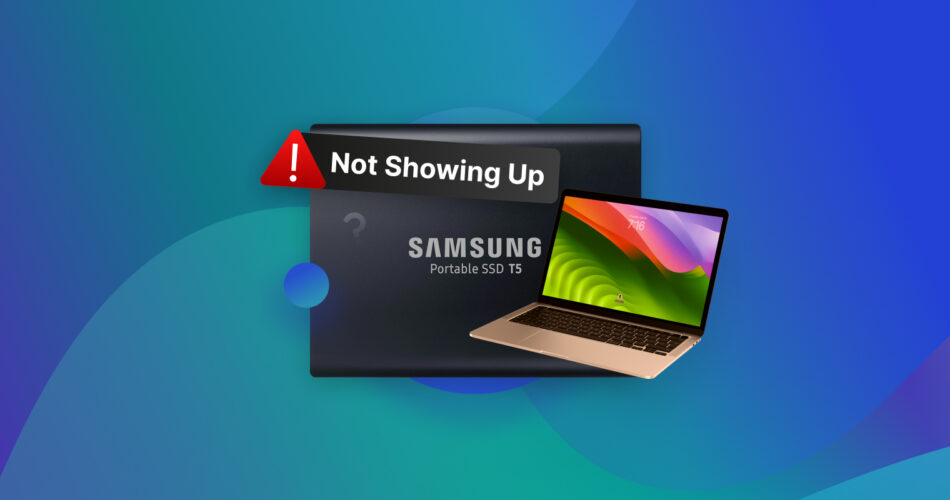
Why Samsung T7 Portable SSD Not Showing Up
When a Samsung T7 Portable SSD not showing up issue happens, it usually means the drive is not being detected properly by the computer, tablet, or phone. That can happen at the hardware level, like a bad USB cable, or at the software level, like an unassigned drive letter or unsupported file system.
The good news is that the Samsung T7 itself is usually not dead. In many cases, the drive is fine, and the problem sits in the connection chain between the SSD and your device. Think of it like a lamp that will not turn on: the bulb may be fine, but the outlet, switch, or cord could be the real issue.
Common Reasons the Samsung T7 Portable SSD Is Not Showing Up
A Samsung T7 Portable SSD not showing up can come from a few common causes. I often start with the basics because that saves time and avoids unnecessary panic.
Some of the most common reasons include:
- Faulty or loose USB-C cable: The T7 depends on a stable data connection, not just power.
- Incompatible USB port: Some ports may not support the speed or power needs well enough.
- Drive letter conflict on Windows: The SSD may be detected but not appear in File Explorer.
- Unsupported or corrupted file system: A drive formatted for another system may not mount correctly.
- Outdated drivers or firmware: Old USB or chipset drivers can block proper detection.
- Security software or permissions: Antivirus or OS privacy settings may hide the drive.
- Physical damage or controller failure: Less common, but possible if the drive was dropped or overheated.
Samsung portable SSDs are generally reliable, but like any storage device, they depend on clean communication with the host system. Even a tiny issue in the cable can break the chain.

First Checks to Do Before You Panic
Before trying advanced fixes, do the simple things first. This is the part I always recommend because it catches a surprising number of cases.
Try these steps:
- Unplug the Samsung T7 and reconnect it firmly.
- Use the original Samsung cable if you still have it.
- Try a different USB port on the same device.
- Test the drive on another computer.
- Avoid USB hubs at first, since they can weaken the connection.
- Check whether the SSD gets warm or shows any LED activity.
If the Samsung T7 Portable SSD not showing up problem disappears on another computer, the drive is probably healthy. That tells you the issue is most likely with the original system, not the SSD itself.
Check the Cable and USB Port
The cable is one of the biggest reasons a Samsung T7 Portable SSD not showing up problem happens. A USB-C cable can carry power without properly carrying data, so a drive may appear dead when the cable is actually the problem.
Use a high-quality USB 3.2 cable that supports data transfer. I have seen people spend an hour troubleshooting software when all they needed was a different cable. That is why I always test with the shortest, most trusted cable first.
Also, try:
- A direct port on the computer
- A USB port on the other side of a laptop
- A rear USB port on a desktop
- A different USB-C to USB-A adapter, if you are using one
If the drive works in one port and not another, the port is likely the problem.
Verify the Drive in Disk Management or Disk Utility
Sometimes the Samsung T7 Portable SSD not showing up issue is not about detection. The drive may be visible to the system, but not mounted or assigned a usable letter.
On Windows, open Disk Management and look for:
- The Samsung T7 listed as a disk
- A missing drive letter
- A partition shown as unallocated
- A file system problem
If the SSD appears there, Windows sees the hardware. You may only need to assign a drive letter or initialize the disk if it is new and empty.
On macOS, open Disk Utility and check whether the drive appears in the sidebar. If it does, use Mount, First Aid, or reformatting only after confirming you do not need the data.
File System Issues Can Hide the Drive
Another big reason for a Samsung T7 Portable SSD not showing up is the file system. A drive formatted as exFAT, NTFS, APFS, or another format may behave differently depending on the device.
Here is the simple version:
- Windows reads NTFS well
- macOS reads APFS and HFS+ better
- exFAT is usually the best cross-platform choice
- Some TVs, consoles, and cameras only support certain formats
If the drive was previously used on another system, the current computer may not be able to read it properly. That does not always mean the files are gone. It may only mean the system cannot understand the structure.
If you care about the data, do not reformat too early. Reformatting can erase everything on the drive.
Drive Letter and Mounting Problems on Windows
On Windows, a Samsung T7 Portable SSD not showing up can happen when the drive has no letter assigned. That means the computer detects it, but File Explorer does not show it.
To fix this:
- Open Disk Management.
- Find the Samsung T7 in the list.
- Right-click the partition.
- Choose Change Drive Letter and Paths.
- Add or change the drive letter.
I have fixed several “missing” drives in under two minutes this way. It feels almost too simple, but that is what makes it such a common miss.
If the disk says Offline, bring it online first. If it says Unallocated, stop and think before formatting, especially if there is important data on it.
Driver, Firmware, and System Update Problems
Drivers matter more than many people think. A Samsung T7 Portable SSD not showing up can come from outdated USB, chipset, or storage drivers.
Do this on Windows:
- Install the latest chipset and USB controller drivers from your computer maker
- Run Windows Update
- Check Device Manager for unknown devices or USB errors
- Restart after updates
For the Samsung T7, firmware updates may also help. Samsung has released updates over time to improve compatibility and stability. Keeping the SSD firmware current can reduce detection issues, especially on newer systems.
On macOS, updates are equally important. System updates often improve external drive support and USB stability.
Encryption and Security Software Issues
The Samsung T7 supports hardware encryption, and that can sometimes complicate access if the password or software setup is off. If the Samsung T7 Portable SSD not showing up issue began after setting up security features, this is worth checking.
A few things can help:
- Make sure you are using the correct Samsung Portable SSD software
- Confirm the password is entered correctly
- Check whether antivirus or endpoint tools are blocking the drive
- Try the drive on a clean system to rule out security interference
In work settings, security tools can be surprisingly aggressive. I have seen enterprise laptops block removable storage until policy settings were adjusted.
Overheating or Power Delivery Problems
External SSDs use very little power, but they still need stable delivery. If a Samsung T7 Portable SSD not showing up problem happens after long use, overheating or poor power delivery could be involved.
Possible signs include:
- The drive connects, then disconnects
- Transfers start and stop
- The SSD gets unusually hot
- The LED flickers or behaves oddly
Give the drive a cool-down break. Also avoid long sessions on weak hubs, front-panel ports, or adapters that do not provide clean power. A direct port is often much more reliable.
How to Fix Samsung T7 Portable SSD Not Showing Up on Windows
If you use Windows, follow this practical order:
- Try a different USB port and cable.
- Test the drive on another PC.
- Open Disk Management.
- Assign a drive letter if needed.
- Update USB and chipset drivers.
- Check Device Manager for errors.
- Run Windows troubleshooting tools if available.
- Update Samsung SSD firmware.
- Restart the computer after each major change.
If the drive appears but says it needs to be formatted, pause first if you need the data. Formatting is a fix for access, not a recovery step.
How to Fix Samsung T7 Portable SSD Not Showing Up on Mac
On Mac, the process is a little different:
- Try another cable and port.
- Open Disk Utility.
- Look for the drive in the sidebar.
- Click Mount if it appears but is unmounted.
- Run First Aid to check for file system issues.
- Update macOS.
- Test the drive on another Mac or a Windows PC.
If the Samsung T7 Portable SSD not showing up issue started after a macOS update, the problem may be compatibility or permission related. In that case, checking Disk Utility is the fastest way to learn whether the drive is visible to the system.
Data Safety Tips Before You Try Repairs
If the drive holds important files, be careful. Some fixes are safe, but others can make recovery harder.
Best practices:
- Do not format the drive until recovery options are exhausted
- Do not copy new files to the SSD if it has existing problems
- Avoid repeated unplugging during failed writes
- Do not use random “repair” tools on the first try
I learned this the hard way early on. A drive that seems merely “missing” can still be recoverable, but every risky change lowers your odds. If the data matters, treat the drive like a box of fragile photos, not a blank notebook.
When the Samsung T7 May Be Failing
Most Samsung T7 Portable SSD not showing up problems are fixable. Still, there are times when the drive itself may be failing.
Warning signs include:
- The drive is not detected on multiple devices
- It disconnects instantly on every port
- It makes repeated connection sounds on some systems
- The LED never lights up
- The SSD is not visible in Disk Management or Disk Utility
At that point, the issue may be a controller failure, internal damage, or firmware corruption. If the drive is under warranty and the data is not critical, replacement may be the most practical path. If the files are important, professional recovery is the safer move.
Best Practices to Prevent the Problem Again
Once you fix a Samsung T7 Portable SSD not showing up issue, it helps to prevent it from coming back. A few habits make a big difference.
Keep these habits in place:
- Use the original or certified cable
- Eject the drive safely before unplugging
- Keep firmware and OS updates current
- Avoid cheap hubs and adapters
- Store the drive in a cool, dry place
- Use exFAT if you need both Windows and Mac compatibility
These small steps protect both reliability and your data. In my experience, most external SSD problems start with convenience shortcuts, like using the nearest cable or the cheapest adapter.
Frequently Asked Questions
Why is my Samsung T7 Portable SSD not showing up in File Explorer?
It may be detected by Windows but missing a drive letter or mounted incorrectly. Open Disk Management and check whether the drive appears there before assuming it is faulty.
Can a bad cable cause the Samsung T7 Portable SSD not showing up?
Yes, a bad or charge-only cable is one of the most common causes. The T7 needs a proper data cable, and a weak connection can stop the drive from being recognized.
Why does my Samsung T7 show up on one computer but not another?
That usually points to a system-specific issue like drivers, port compatibility, or drive-letter problems. The SSD is likely fine if it works on another device.
Should I format my Samsung T7 if it is not showing up?
Only if you do not need the data or after recovery attempts have failed. Formatting can erase files, so it should be a last resort, not the first fix.
Is the Samsung T7 compatible with Mac and Windows?
Yes, but the file system matters. exFAT is usually the best choice for sharing the drive between Mac and Windows without extra steps.
Conclusion
A Samsung T7 Portable SSD not showing up issue can feel stressful, but it usually comes down to a simple cause like a bad cable, an unmounted disk, a missing drive letter, or a file system mismatch. The trick is to check the connection first, then move through Disk Management or Disk Utility before jumping to bigger fixes.
If you take it step by step, you can often bring the drive back without losing data. Start with the basics, stay calm, and avoid formatting too soon. If this guide helped, try the fixes on your own drive and share your results or questions in the comments so others can learn from your experience.

Similar Posts